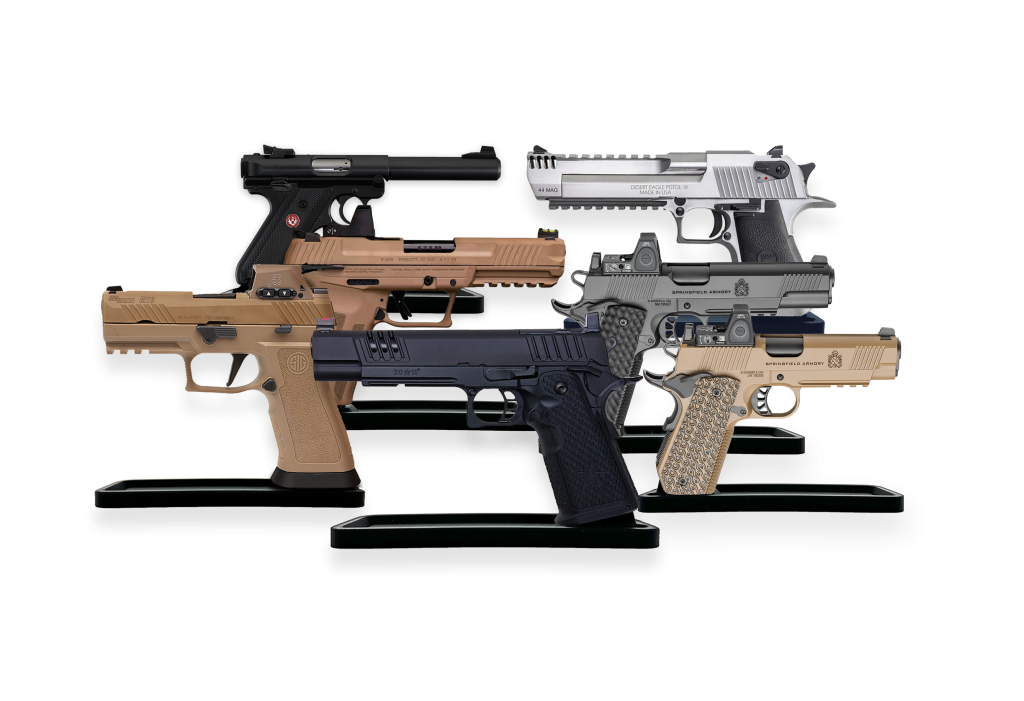




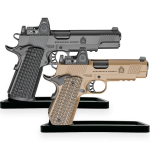
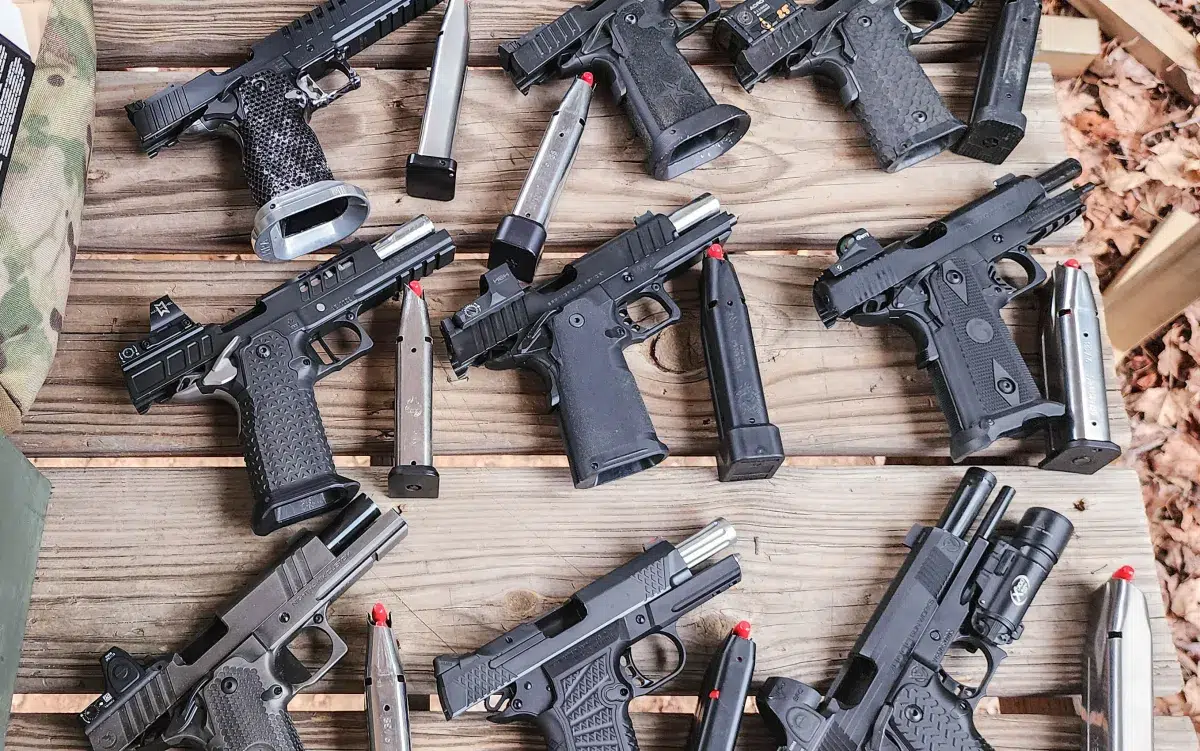

The 2011 pistol platform has become one of the most respected designs in modern shooting sports and defensive applications. Known for its double-stack capacity, crisp single-action trigger, and premium performance, the 2011 blends classic 1911 ergonomics with modern innovation.
But not all 2011s are built the same.
If you’re trying to choose the right 2011 pistol, your decision should depend on your shooting style, intended use, experience level, and budget. This guide will walk you through everything you need to consider before investing in one of these high-performance pistols.
Understanding the 2011 Platform
Before choosing the right model, it’s important to understand what separates a 2011 from a traditional 1911.
- Modular Frame Design (steel frame + polymer grip module)
- Double-Stack Magazine Capacity
- Single-Action Trigger System
- Enhanced Recoil Management
- Competition-Ready Performance
The 2011 platform was originally developed for competitive shooting but has evolved into tactical, duty, and carry roles.
Step 1: Define Your Primary Shooting Style
1. Competition Shooting (USPSA, 3-Gun, IPSC)
If you’re shooting competitively, performance is everything. Look for:
- 5” or longer barrel
- Steel frame for recoil control
- Optics-ready slide (or factory-mounted optic)
- High-capacity magazines
- Light, crisp trigger (2–3 lbs typical for competition)
Full-size models from brands like Staccato, Atlas, and Infinity dominate competition fields because of their precision and speed.
2. Duty or Tactical Use
If reliability and durability matter most, consider:
- 4.4”–5” barrel length
- Accessory rail for weapon lights
- Optics-ready configuration
- Proven track record in law enforcement or military environments
Mid-to-full-size 2011 models offer an excellent balance of shootability and rugged performance.
3. Concealed Carry
Yes, you can carry a 2011 — but size matters.
- 3.5”–4.25” barrel preferred
- Lightweight frame options
- Compact grip modules
- Reduced overall weight
While 2011 pistols are typically larger than striker-fired carry guns, newer compact variants are increasingly popular for experienced carriers who prefer a single-action trigger.
Step 2: Choose the Right Size & Barrel Length
Commander (4.25”)
Great balance between shootability and portability. Ideal for tactical or carry crossover roles.
Full Size (5”)
Best for competition and range use. Offers improved recoil control and sight radius.
Compact (3.5”–4”)
Designed for concealment while maintaining the 2011 trigger system.
Rule of thumb: The longer the slide, the flatter it shoots. The shorter the slide, the easier it carries.
Step 3: Steel vs Aluminum Frame
Steel Frame
- Heavier
- Less felt recoil
- Ideal for competition
Aluminum Frame
- Lighter
- Easier for all-day carry
- Slightly more felt recoil
Your intended use should determine frame material.
Step 4: Optics or Iron Sights?
Modern 2011 pistols are increasingly optics-ready.
Red Dot Optics Advantages:
- Faster target acquisition
- Improved accuracy at distance
- Better performance in competition
Iron Sights Advantages:
- Simplicity
- No battery dependency
- Lower cost
If you’re serious about performance shooting, optics-ready is often the smarter long-term investment.
Step 5: Trigger Quality Matters
One of the biggest reasons shooters choose a 2011 is the single-action trigger.
Look for:
- Crisp break
- Minimal take-up
- Short reset
- Consistent pull weight
Premium brands hand-fit triggers, which contributes to higher cost — but also superior performance.
Step 6: Budget Considerations
2011 pistols range widely in price.
Entry-Level ($1,500–$2,500)
Solid performance, fewer custom features.
Mid-Tier ($2,500–$4,000)
Enhanced fit and finish, optics cuts, upgraded components.
Premium ($4,000+)
Hand-built precision, elite-level performance, competition dominance.
Be honest about your needs. A $6,000 race gun may not be necessary for casual range sessions.
Step 7: Grip Size & Ergonomics
The modular grip system allows for different textures, sizes, and materials.
Consider:
- Your hand size
- Grip texture preference
- Trigger reach comfort
- Magazine release access
A properly fitted grip dramatically improves recoil control and follow-up shot speed.
Step 8: Brand Reputation & Support
Established 2011 manufacturers typically offer better quality control and long-term support.
Look for:
- Warranty coverage
- Parts availability
- Customer service reviews
- Aftermarket compatibility
A premium pistol is an investment — choose a company that stands behind its product.
Common Mistakes to Avoid
- Buying solely based on aesthetics
- Choosing competition features for a carry role
- Ignoring grip fit
- Underestimating maintenance requirements
- Not budgeting for magazines and accessories
Final Thoughts: Match the Pistol to the Purpose
When you choose the right 2011 pistol, you’re selecting a precision instrument tailored to your shooting goals.
Ask yourself:
- What is my primary use?
- How often will I train?
- Do I value recoil control or portability more?
- Am I competing or shooting recreationally?
The best 2011 for you isn’t necessarily the most expensive — it’s the one that complements your shooting style, fits your hand, and performs reliably in your intended role.
Take your time, handle different models if possible, and invest in quality training alongside your purchase.
Performance is personal. Choose accordingly.