
















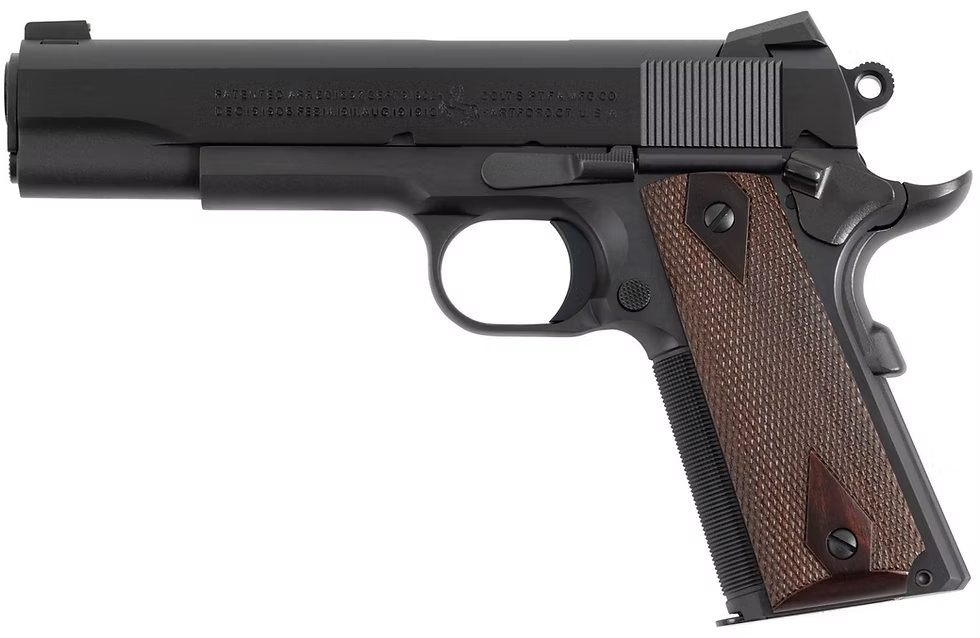

Few handguns have earned a reputation as enduring as the Colt 1911. More than a single model, “1911” has become a whole platform—praised for its crisp single-action trigger, natural pointability, and a design that has been tuned, customized, and carried for well over a century. In this review, we’ll cover where the Colt 1911 came from, how it performs today, what to look for when buying one, and the smartest modern upgrades that enhance comfort, reliability, and shootability—without losing what makes a 1911 feel like a 1911.

Quick Take: Why People Still Love the Colt 1911
- Trigger feel: A well-fit 1911 trigger can be exceptionally clean and predictable.
- Ergonomics: The grip angle and slim frame help many shooters point it naturally.
- Accuracy potential: The platform is capable of excellent practical accuracy.
- Upgrade ecosystem: Sights, safeties, grips, internals—there’s a deep aftermarket.
- Heritage: Colt’s name is tied directly to the early history of the design.
A Short History of the 1911 (and Why Colt Matters)
The “Model of 1911” became an American icon because it wasn’t just adopted—it proved itself. Designed by John Browning and produced by Colt for its early service life, the pistol’s combination of durability, shootability, and straightforward manual controls made it a long-running standard. Even if you’re buying a modern production Colt, you’re stepping into a lineage that shaped how people think about a duty-sized single-action handgun.
Through the decades, the 1911 family evolved in small but meaningful ways—changes to grip safety shape, sights, triggers, and other details—while keeping the overall feel and operating system that made it famous. That’s part of the magic: a 1911 from different eras can still feel unmistakably related.
How a Colt 1911 Feels on the Range
Trigger & Control
The headline feature is the single-action trigger. On a good Colt 1911, the take-up is minimal, the break is crisp, and the reset is short. That translates into real-world benefits: smoother slow-fire groups, more confidence at speed, and better “calling your shots” because the trigger isn’t fighting you.
Add the 1911’s manual thumb safety and grip safety into the mix and you get a platform that rewards consistent technique: a high, firm grip; a repeatable draw; and a steady press. Many shooters find that once they learn the controls, they can run a 1911 very quickly.
Recoil, Balance & Shootability
In full-size form, the Colt 1911 tends to feel “planted.” The weight and steel frame help smooth recoil and keep the gun tracking predictably. The slim grip also helps many hands maintain control during fast strings—especially compared to thicker, double-stack designs.
The platform’s downside is that it’s less forgiving of neglect than some modern, polymer-framed duty pistols. A 1911 generally prefers: decent magazines, good lubrication, and springs replaced on schedule. Treat it well, and it will usually treat you well back.
Accuracy: Practical, Not Just “Benchrest”
Real accuracy is about what you can do under time and pressure, not just what happens off a rest. This is where the Colt 1911 shines: the trigger quality and natural pointing characteristics make it easier to keep sights aligned through the shot. Whether you’re shooting tight groups at 10–15 yards or working controlled pairs at speed, the gun’s feedback is clear and consistent.
What to Look For When Buying a Colt 1911
Choose Your “Style” of 1911
Colt sells both classic-styled models and modernized variants. If you want the traditional look—clean slide, classic lines, and old-school vibes—start with Colt’s “Classic” lineup. If you want contemporary features (like optics-ready capability), Colt also offers models built for modern sighting systems.
- Classic models (heritage look): Great for collectors, history lovers, and anyone who wants a timeless 1911 experience.
Explore: Colt 1911 Classics Family - Modern variants (feature-driven): Better for defensive setups, training, and shooters who want modern sighting options.
Browse Colt pistols (including optics-ready options): Colt Pistols Catalog
Fit, Finish & Basic Function Checks
When you inspect a Colt 1911 (in-store or at delivery), focus on the fundamentals:
- Slide movement: Smooth cycling without gritty binding.
- Safety engagement: Thumb safety should click positively on/off; grip safety should block the trigger unless depressed.
- Trigger feel: Clean break, no odd stacking, and a reset you can feel.
- Sight picture: Easy to acquire, not overly tiny (especially on classic GI-style sights).
- Magazine fit: Locks in firmly; drops free (where intended) with the mag release.
Don’t Ignore Magazines
If there’s one “boring” detail that matters a lot, it’s magazines. Many 1911 reliability complaints trace back to magazine issues: feed lip geometry, weak springs, or inconsistent followers. If you plan to run your Colt hard, budget for a few known-good magazines and mark them so you can identify any problem child quickly.
Reliability & Maintenance: Keep It Running Like It Should
A Colt 1911 is not complicated, but it is a mechanical system that appreciates routine care. Here’s a simple approach that keeps most owners happy:
- Lubricate smart: A light film on slide rails and contact points goes a long way.
- Replace springs on schedule: Recoil and magazine springs are wear items—don’t wait for problems.
- Use quality ammo for break-in: Consistency helps you evaluate function early.
- Confirm extractor tension if issues appear: The extractor is a key part of smooth cycling.
If you’re new to the platform, consider reading a general history/overview to understand what changed over time and why. Two helpful starting points: Browning’s 1911 history overview and the M1911 reference article.
Modern Upgrades That Actually Make Sense
The best upgrades aren’t about chasing trends—they’re about improving comfort, visibility, and consistency while preserving the 1911’s strengths. Below are popular upgrades that tend to deliver real value.
1) Better Sights (The #1 “Quality of Life” Upgrade)
Many classic-styled 1911s wear small, low-profile sights. They look authentic, but they’re not always fast to pick up. Upgrading to modern sights—higher visibility front, cleaner rear notch, or night sights—can dramatically improve your shooting experience.
If you want to go fully modern, optics-ready 1911 variants can be a strong option for shooters who prefer a dot sight. Colt offers optics-ready models in its current catalog: see Colt’s optics-ready listings.
2) Beavertail Grip Safety (Comfort + Control)
A beavertail grip safety can help you get a higher grip and reduce the chance of hammer bite. It’s one of the most common “comfort and control” upgrades, especially for shooters running longer practice sessions.
Example part category (for reference and fit options): Beavertail grip safeties. (Tip: many beavertail installs require fitting—consider a qualified gunsmith.)
3) Extended Thumb Safety (Easier Manipulation)
If you train with a “thumb on safety” grip or simply want a more positive sweep on the draw, an extended thumb safety can help. The goal is consistency: a safety ledge that’s easy to hit without changing your grip.
4) Grips (Low Cost, Big Feel Change)
Grips are the easiest way to tailor the Colt 1911 to your hand. Thin grips can reduce circumference; aggressive textures help with sweaty hands; classic wood keeps the heritage look. If the gun shifts during recoil, grips are a cheap and effective first fix.
5) Magwell (Faster Reloads)
If you practice reloads, a magwell can make a 1911 feel dramatically quicker—especially under stress. It’s not necessary for everyone, but if your use case includes training days, matches, or frequent reload drills, it’s a practical upgrade.
6) Reliability-Focused Tuning (The “Unsexy” Upgrade)
Not all upgrades are flashy. Some of the best improvements are the ones you don’t notice—because the gun just runs: fresh springs, verified extractor tension, and proven magazines. If your Colt is a keeper, investing in a reliability checkup from a reputable 1911 smith can be money better spent than cosmetic parts.

Colt 1911 vs. “1911-Style” Pistols: What Are You Paying For?
Colt carries heritage value—both in brand legacy and in collector appeal. Plenty of companies build excellent 1911-style pistols, and some lean harder into modern features out of the box. But if your goal is to own a 1911 with a direct connection to the platform’s early story, Colt remains the name that many buyers come back to.
Practically speaking, the right choice depends on your priorities:
- Heritage + classic styling: lean toward Colt’s classic series.
- Modern features out of the gate: consider Colt’s contemporary catalog options (including optics-ready models).
- Value hunting: a non-Colt 1911-style pistol may offer features-per-dollar, but won’t scratch the “Colt history” itch.
Who the Colt 1911 Is Best For
- History lovers & collectors: Colt’s legacy is a big part of the appeal.
- Trigger-focused shooters: if you love a crisp single-action trigger, you’ll feel at home.
- Hands that prefer slim grips: the frame shape fits many shooters extremely well.
- Tinkerers (in a good way): if you like refining a setup over time, the platform is perfect.
Potential Downsides (Honest Notes)
No platform is perfect. The Colt 1911 can demand more attention than some modern duty-style handguns. Small issues—cheap magazines, lack of lubrication, tired springs—can show up quicker than you’d expect. Also, classic-style sights can be slower for some eyes.
The good news: most of these “downsides” are solvable with a sensible setup—quality magazines, routine maintenance, and a small set of upgrades that match your use case.
Final Verdict: A Classic That Still Performs
The Colt 1911 isn’t just popular because it’s old—it’s popular because it still works. The platform’s strengths are timeless: shootability, trigger control, and ergonomics that keep people coming back. If you want classic appeal with real on-range performance, a Colt 1911 remains a satisfying choice—especially when paired with a few practical, modern upgrades like improved sights, comfort-focused controls, and reliability-minded maintenance.