











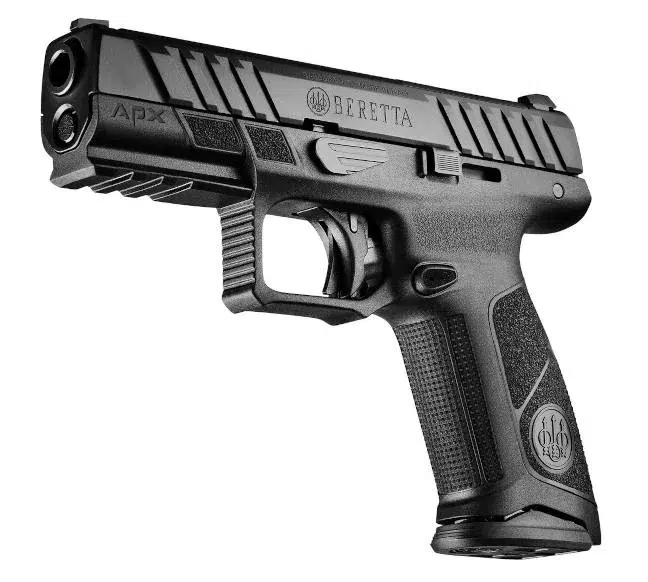

A practical, real-world look at the Beretta APX platform—how it feels in the hand, what the trigger is like, and which upgrades actually move the needle.

Quick Take
The Beretta APX family has always been about control: a grip that locks in, slide serrations that are easy to grab under pressure, and a chassis-style design philosophy aimed at durability. The APX A1 generation doubles down on that idea with refinements that matter to everyday shooters—especially if you care about ergonomics, fast follow-up shots, and an optics-ready path that doesn’t require guesswork.
If you’re shopping for a dependable striker-fired pistol and you want something that feels “planted” in the hand, the APX is worth a serious look. But the big question most people ask is simple: How’s the trigger? We’ll dig into that, plus smart upgrades (and which ones you can skip).
APX / APX A1 Specs at a Glance (Full Size)
Beretta offers several APX variants (Carry, Compact, Full Size, Tactical). Since “Beretta APX” conversations usually revolve around the duty/range-friendly models, here are headline dimensions for the APX A1 Full Size:
- Barrel length: 4.25″
- Overall length: 7.5″
- Overall height: 5.6″
- Overall width: 1.3″
- Grip width: 1.10″
- Unloaded weight: 29 oz
- Action: striker-fired
The APX A1 Tactical adds features geared toward competition/range setups—like a longer threaded barrel and taller sights—along with extended magazines on many configurations.

Ergonomics: Why the APX Feels Different
“Ergonomics” gets thrown around a lot, but with the APX it’s not marketing fluff. The platform is known for a grip that encourages a high, consistent hold, and the A1 series leans into that with thoughtful shaping and texture placement.
1) Grip Texture That Actually Works
The APX is designed around 360-degree grip texture—not just side panels, but wraparound traction where your hands apply the most pressure. That matters when your palms are sweaty, you’re wearing gloves, or you’re running faster strings at the range.
The result is a pistol that tends to track flatter than you’d expect for its class. Less shifting in the hand means less time re-building your grip between shots. If your priority is repeatable recoil control, this is a major point in the APX column.
2) Undercut Trigger Guard + Beavertail = Higher Tang Grip
A higher tang grip generally helps recoil control by aligning your hand more closely behind the bore line. The APX A1’s trigger guard undercut and beavertail help you get there without feeling cramped.
3) Modular Backstraps (Comfort & Consistency)
The APX A1 Full Size includes integrated backstrap options designed to contour to different hand sizes. This isn’t just “comfort”— it’s about keeping your trigger finger in the same place every time. A consistent finger position is one of the simplest ways to tighten groups and smooth out your trigger press.
4) Ambi-Capable Controls
The APX A1 is designed to be configurable for right- or left-handed shooters, including the ability to set up key controls to match your preference. For anyone sharing a pistol with a spouse/partner, or for lefties tired of compromises, this is a meaningful quality-of-life feature.
Slide Serrations: Small Detail, Big Practical Benefit
Beretta went aggressive on the APX slide serrations—and for a “working” pistol, that’s a good thing. If you practice press checks, one-handed manipulations, or you just want a secure purchase when your hands are cold, wet, or oily, the APX slide geometry is confidence-inspiring.
This is one of those areas where the APX often wins people over in the first 30 seconds of handling it. It feels like it was designed by someone who actually trains, not just someone chasing clean aesthetics.
Trigger: Take-Up, Wall, Break, Reset (Realistic Expectations)
Let’s talk about what most buyers want to know: is the APX trigger “good”? The fairest answer is: it’s a solid duty-style striker trigger with a feel that tends to reward a clean press.
Take-Up
Expect a take-up that is noticeable but manageable. It’s not a featherlight “match-only” feel, and that’s intentional for a pistol built to be carried and run hard. The key is that the take-up is usually consistent—so once you learn it, you can stage to the wall the same way every time.
The Wall & Break
The APX A1 is marketed as having a crisp, clean break and short reset, and many shooters describe it as a firm wall with a decisive break. In practical shooting, that kind of “harder wall” can be an advantage because it gives you feedback while you’re prepping the trigger through recoil.
Reset
Reset is a major factor in fast shooting, and the APX A1 is designed to be quick back on trigger. If you shoot controlled pairs or faster cadence drills, you’ll likely appreciate how easy it is to find the reset point.
So… Is It Better Than the Competition?
The APX trigger is competitive in the “duty striker” category. If you’re coming from a very light, competition-tuned setup, it may feel more utilitarian. But for most shooters—especially those prioritizing reliability and consistent performance—it’s more than workable, and often surprisingly shootable once you get a couple range sessions in.
Tip: Before buying upgrades, put 300–500 rounds through the pistol and dry-fire (safely) with intention. Many “trigger problems” are really grip/press timing issues that clean up with reps.
Optics-Ready: Red Dot Setup Without the Headache
One of the biggest APX A1 advantages is the optics-ready slide and the availability of manufacturer plate kits for popular footprints. If you want to run a red dot, you’ll typically choose the plate that matches your optic’s footprint and mount it accordingly.
Here are a few official plate-kit options to start your research:
- APX A1 Red Dot Optic Plate Kit – Trijicon footprint
- APX A1 Red Dot Optic Plate Kit – Burris/Docter footprint
- APX A1 Full Size product page (plate list & compatible accessories)
Optics Setup Tips (Worth Doing Right)
- Confirm footprint compatibility: Optic “models” vary even within the same brand—verify footprint before ordering plates.
- Use proper torque specs: Over-tightening can strip screws; under-tightening can cause loosening over time.
- Re-check after the first range trip: A quick screw check after 100–150 rounds can prevent surprises.
- Choose a dot that matches your use: Range-only, carry, or duty use can justify different durability/battery priorities.
Accuracy & Recoil: What You’ll Feel on the Range
The APX line is generally built to deliver practical accuracy—meaning you can run drills, ring steel, and shoot tight groups at typical handgun distances without feeling like you’re “fighting” the pistol.
Recoil control is where APX ergonomics shine. The grip geometry and texture help the pistol return to target predictably. If you’re working on speed, the APX tends to reward solid fundamentals: consistent grip pressure, eyes on the target, and a clean trigger prep through recoil.
Who Benefits Most From the APX Feel?
- Newer shooters: Better traction and control can accelerate confidence.
- High-volume range shooters: Comfort and repeatability matter when you’re shooting a lot.
- People with larger hands: The APX Full Size grip often feels “right” without forcing cramped finger placement.
- Left-handed shooters: Ambi-capable design helps minimize compromise.
Reliability & Safety Features (What’s Built In)
The APX A1 includes internal mechanisms designed to prevent striker movement unless the trigger is fully pulled, and also incorporates an out-of-battery safety that disconnects the trigger bar if the slide is not in battery. These are common “duty pistol” engineering priorities: simple, robust, and built for real use.
Of course, no mechanical feature replaces safe handling. Treat every pistol as loaded, keep your finger off the trigger until you’re ready to fire, and know your target and what’s beyond it.
Best Beretta APX Upgrades (Practical, Not Hype)
The best upgrades depend on your goal. Below are the improvements that typically offer the biggest return—especially for shooters focused on ergonomics, speed, and consistency.
1) Red Dot + Correct Plate Kit
If you want the most noticeable performance upgrade for practical shooting, a quality red dot is at the top of the list. Pair it with the correct APX A1 plate kit:
- Trijicon footprint plate kit
- Burris/Docter footprint plate kit
- More APX A1 plate options (official list)
2) Sights (If You’re Staying Iron-Sight Focused)
If you’re not running a dot—or if you want a faster iron-sight picture—upgrading sights can be worthwhile. Beretta offers APX sight options, including fiber-optic and adjustable configurations.
3) Recoil Spring / Guide Rod Options
For some shooters, guide rod or recoil-spring assembly changes can slightly alter the recoil impulse and tracking. This is usually a “fine tuning” upgrade, best explored after you’ve confirmed reliability with your chosen ammo.
4) Magazines (Spare Mags Solve Real Problems)
This one isn’t glamorous, but it’s real: spare magazines are one of the most practical additions you can buy. They support training, reduce downtime, and help you keep consistent practice tempo.
5) Light + Holster (If It’s a Home-Defense or Duty Setup)
If you plan to mount a weapon light, prioritize holster compatibility early. Many frustrations happen when people buy a light first, then discover their preferred holster options are limited.
What About “Trigger Upgrades”?
Trigger mods can help, but they’re not always the first best move. If your groups are inconsistent, you’ll often get more improvement by: (1) refining grip pressure, (2) dry-fire practice for a smoother press, and (3) learning the wall/reset rhythm of your specific APX. If you still want to change the feel, consider professional installation and always function-test thoroughly.
Choosing the Right APX Variant (A Simple Guide)
APX A1 Full Size
Best for: range practice, duty-style use, home defense, and shooters who want a controllable platform with a full grip. The Full Size is also a natural match for optics and longer training sessions.
APX A1 Tactical
Best for: optics + taller-sight setups, range versatility, and users who want extra features out of the box (varies by configuration). It’s built to be a “ready to run” package for people who like to build a complete system.
Start by being honest about your primary use (carry, home defense, range/competition practice). Then choose the model that fits your daily reality, not just your “someday” plan.
Beretta APX FAQs
Is the Beretta APX comfortable for long range sessions?
Generally, yes. The APX grip texture and shape help reduce hand fatigue because the pistol stays put without requiring excessive grip squeeze. Comfort is personal, but many shooters find the Full Size especially easy to run for higher round counts.
Is the APX A1 optics-ready?
The APX A1 series is designed with an optics-ready slide and supports plate kits for popular red dot footprints. Always verify your exact model and optic footprint before ordering.
What’s the first upgrade you’d recommend?
If you want a performance jump: red dot + correct plate kit. If you want practical readiness: spare magazines and a quality holster setup. If you’re staying irons-only: consider a sight upgrade for faster acquisition.
Does the APX have internal safety features?
The APX A1 design includes internal striker-blocking and an out-of-battery safety mechanism. Always follow safe handling practices regardless of design features.
Bottom Line: Who Should Buy the Beretta APX?
Buy the Beretta APX (especially the APX A1 Full Size) if you want a striker-fired pistol that emphasizes grip control, practical shootability, and a straightforward path to an optics-ready setup. If the pistol fits your hand, you’ll likely shoot it well—and the platform supports meaningful upgrades without turning into a never-ending project.
If possible, handle one in person. Grip feel is the APX “secret sauce,” and you’ll know within seconds whether it clicks for you.
Note: Always follow local laws and prioritize safe storage and responsible handling.