







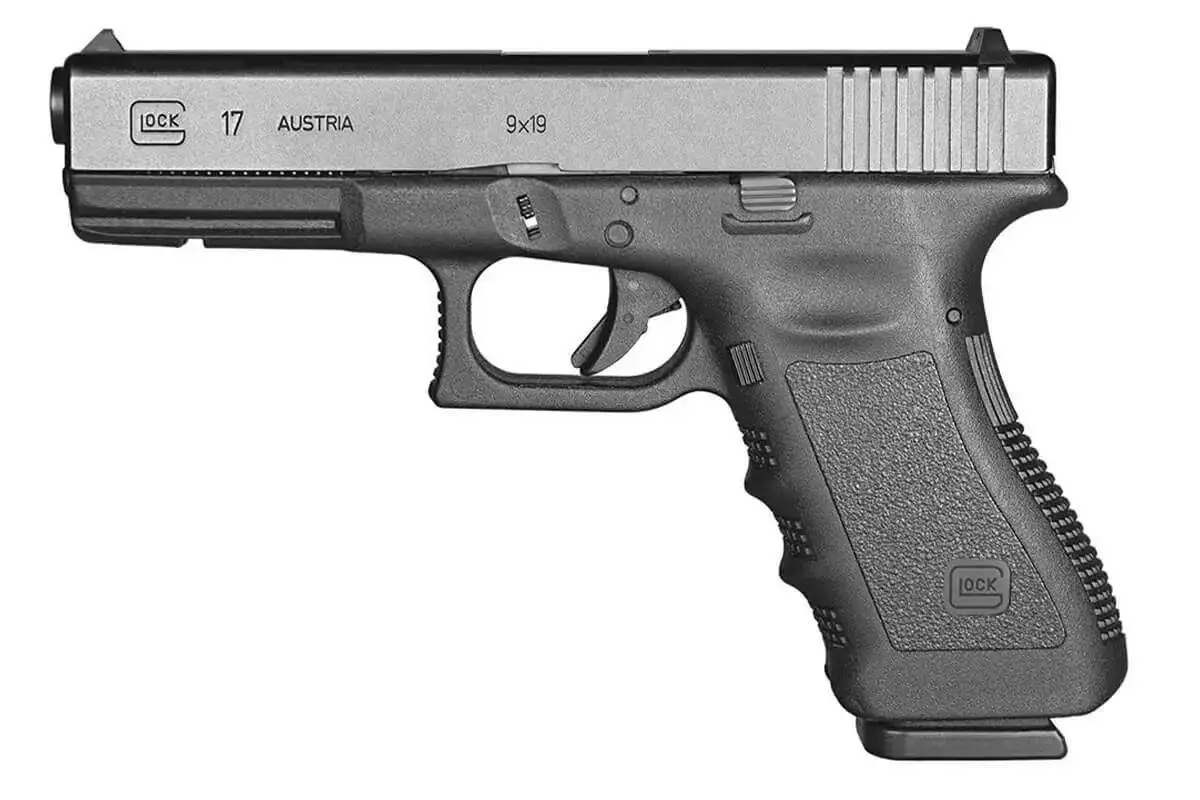

The Glock 17 is one of the most widely used full-size pistols in the world, trusted for range use, home defense, competition shooting, and professional applications. While Glock’s factory configuration is extremely reliable, many owners eventually ask the same question: Should I upgrade the barrel?
Choosing the right barrel for your Glock 17 can significantly impact accuracy, recoil management, ammo compatibility, and overall shooting experience. Whether you are looking for tighter groups at the range, threaded options for accessories, or match-grade precision, this guide will walk you through everything you need to know before buying a Glock 17 barrel.

Why Upgrade a Glock 17 Barrel?
Glock factory barrels are known for durability and reliability, but they are designed for mass production and broad ammo compatibility. An aftermarket barrel can offer advantages depending on your goals.
Common Reasons for a Barrel Upgrade
- Improved accuracy and tighter shot groups
- Compatibility with lead or specialty ammunition
- Threaded options for muzzle devices
- Match-grade tolerances for competition shooting
- Enhanced aesthetics with finishes like black nitride, TiN gold, or stainless
Not every Glock 17 owner needs a new barrel, but understanding your use case will help you decide if an upgrade makes sense.
Factory Glock 17 Barrel vs Aftermarket Barrels
Factory Glock Barrel
The stock Glock 17 barrel uses polygonal rifling, which offers excellent durability and velocity. However, polygonal rifling is not recommended for unjacketed lead bullets and may not deliver match-level accuracy.
- Extremely reliable
- Optimized for defensive ammunition
- Limited ammo flexibility
Aftermarket Glock 17 Barrels
Aftermarket barrels often use traditional cut or button rifling, tighter tolerances, and upgraded materials.
- Better accuracy potential
- Safe for lead bullets
- More finish and thread options
- Designed for competition or customization
Types of Glock 17 Barrels
Standard Drop-In Barrels
Drop-in barrels are designed to install without fitting. They maintain factory reliability while offering modest accuracy improvements.
Best for: Casual shooters, home defense, and first-time upgrades.
Match-Grade Barrels
Match barrels feature tighter tolerances and precision machining. They often require a short break-in period.
Best for: Competitive shooting, precision training, and experienced shooters.
Threaded Barrels
Threaded Glock 17 barrels allow the use of compensators or other muzzle devices. Most include a thread protector.
Best for: Range enthusiasts and custom builds.

Rifling Types Explained
Polygonal Rifling
- Used in factory Glock barrels
- Excellent velocity and durability
- Not recommended for lead bullets
Traditional Land-and-Groove Rifling
- Found in most aftermarket barrels
- Compatible with lead and coated bullets
- Often preferred for competition
If you reload or shoot lead ammunition, a traditionally rifled barrel is the safer and more versatile choice.
Barrel Materials and Finishes
Common Materials
- 416R Stainless Steel: Excellent corrosion resistance and accuracy
- 4140 Chromoly Steel: Durable and cost-effective
Popular Finishes
- Black Nitride (Melonite/QPQ)
- Stainless Steel
- TiN (Gold)
- DLC Coating
Finish choice is often cosmetic, but nitride and DLC coatings provide added wear and corrosion resistance.
Accuracy Expectations: What’s Realistic?
Upgrading your Glock 17 barrel can improve accuracy, but expectations should be realistic. Most shooters will see:
- Tighter groups at 15–25 yards
- More consistent point of impact
- Improved performance with match ammunition
Skill, ammo quality, and trigger control still matter more than any single component.
Top Glock 17 Barrel Manufacturers
Lone Wolf Distributors
Affordable, reliable, and widely used. Great drop-in option.
KKM Precision
Known for exceptional accuracy and competition-grade barrels.
Agency Arms
Premium barrels with aggressive styling and match performance.
ZEV Technologies
High-end barrels with excellent finishes and performance.
Compatibility and Fit Considerations
- Ensure compatibility with Glock 17 Gen 3, Gen 4, or Gen 5
- Threaded barrels may require a recoil spring adjustment
- Check slide and holster compatibility
Always verify generation compatibility before purchasing.
Installation and Break-In
Most Glock 17 barrels install in minutes:
- Unload and clear the pistol
- Field strip the slide
- Replace the barrel
- Reassemble
Some match barrels recommend a short break-in period of 100–200 rounds.
Is a Barrel Upgrade Worth It?
If you value improved accuracy, expanded ammo options, or customization, upgrading your Glock 17 barrel is absolutely worth considering. For defensive-only use, the factory barrel is more than adequate, but many shooters enjoy the enhanced performance and personalization an aftermarket barrel provides.
Final Thoughts
Choosing the right barrel for your Glock 17 comes down to how you shoot, what ammo you use, and what performance improvements you expect. Whether you choose a simple drop-in replacement or a match-grade threaded barrel, upgrading can enhance both confidence and consistency on the range.
Take your time, choose a reputable manufacturer, and match the barrel to your shooting goals.