














Safety-first, responsibility-forward guidance for carrying an optics-ready Springfield Armory OSP pistol in everyday life.
Important: This article focuses on responsible carry, safe handling, training habits, and maintenance. Always follow your local laws, your range rules, and the instructions in your owner’s manual. If you’re new to carry, consider professional training and ongoing practice.
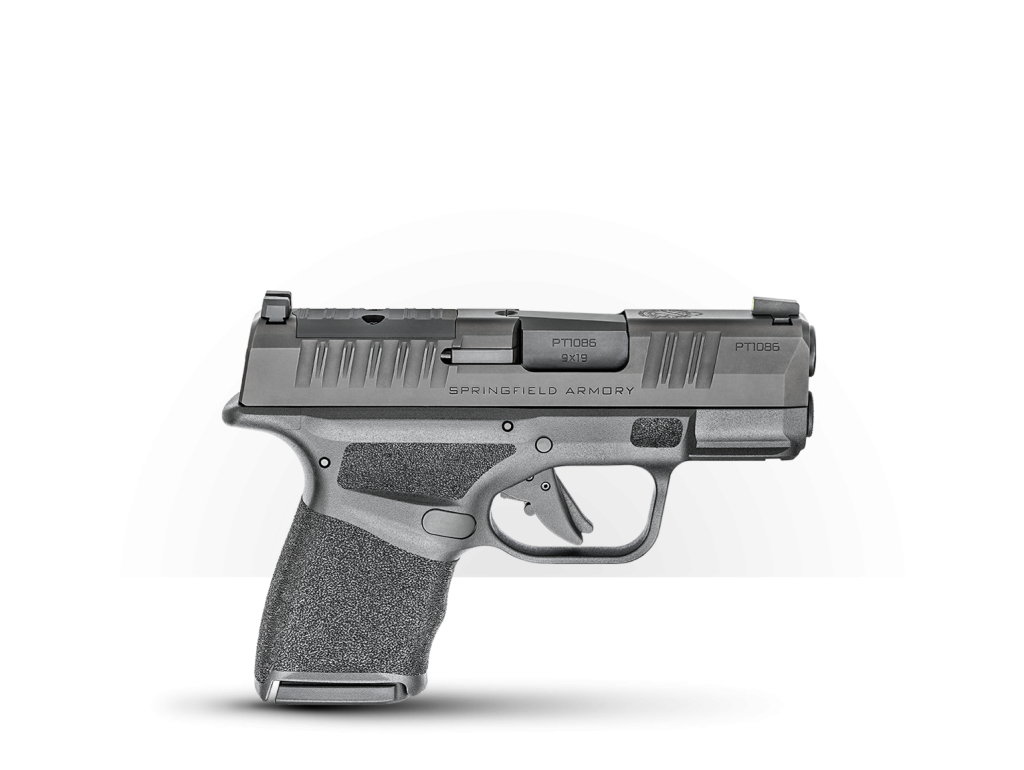
What “OSP” Means (and Why It Changes Your Carry Routine)
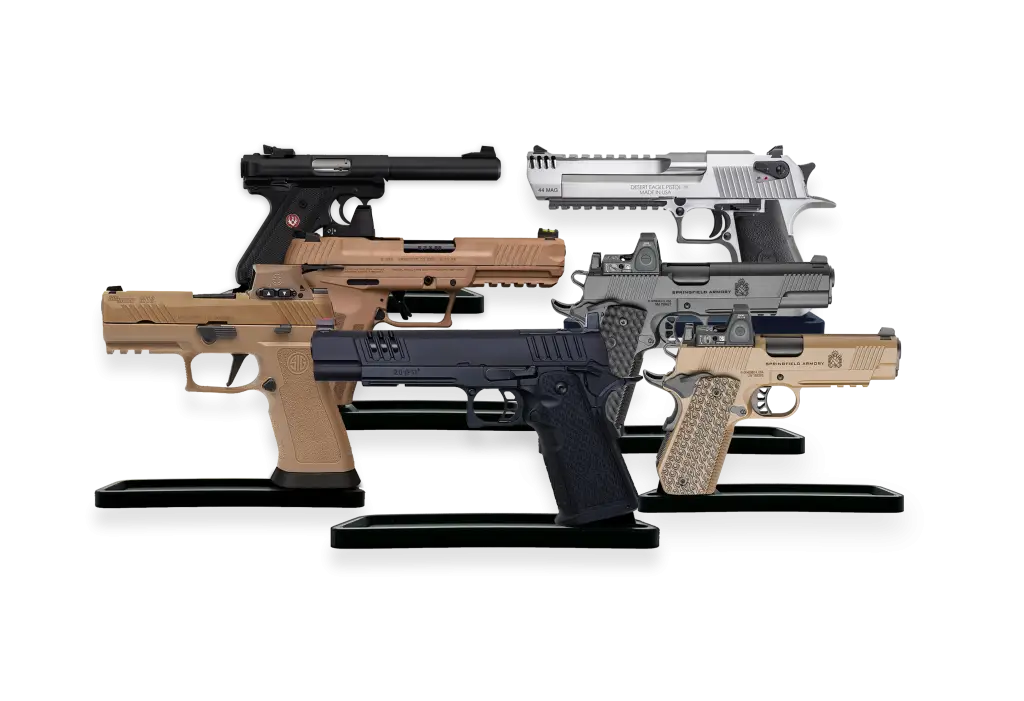
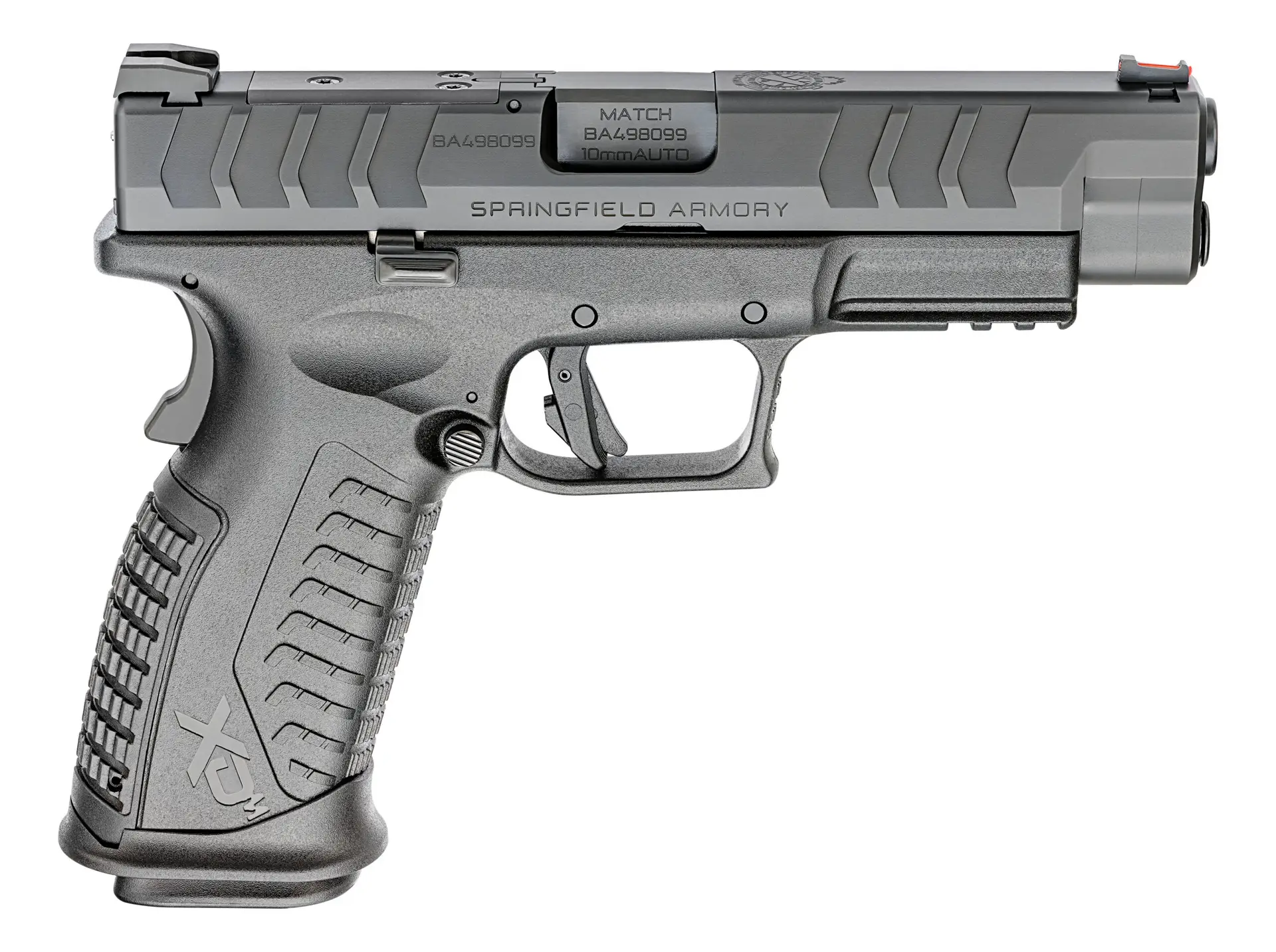
Springfield Armory’s “OSP” designation is commonly used for optics-ready pistols—models built to accept a compatible micro red dot sight on the slide. In practical terms, that means your daily carry routine includes a few extra considerations: keeping the optic window clean, confirming the dot is on and properly adjusted, and choosing carry gear that protects both the trigger area and the optic housing.
Many Springfield OSP models are designed specifically with concealed carry in mind, pairing compact dimensions with an optics-ready slide configuration. For example, the Hellcat OSP line is described by Springfield as having a slide “cut to accept a micro red dot sight,” aligning with the needs of everyday carry users who prefer a red dot option.
Springfield Armory Hellcat 3″ Micro-Compact OSP (official product page)
The Non-Negotiables: Safe Handling Rules You Live By
Concealed carry starts and ends with safe handling. Every decision—holster choice, how you store your pistol at home, how you train—should reinforce the fundamentals. A good baseline is to revisit nationally recognized safety rules regularly.
- Keep the muzzle pointed in a safe direction.
- Keep your finger off the trigger until you are ready to shoot.
- Keep the pistol unloaded until you are ready to use it.
Those principles are widely published and repeated across major safety organizations. If you carry daily, they shouldn’t be “things you know”—they should be habits you don’t break.
Helpful references:
NRA Gun Safety Rules
NSSF: 10 Rules of Safe Handling
Choose the Right Holster: Trigger Coverage, Retention, and Consistency
Your holster is your primary safety device when carrying. The best “brand” is the one that meets core requirements and fits your specific OSP model (especially if you run a red dot). Prioritize these features:
1) Full trigger coverage
A quality holster should completely cover the trigger area and remain rigid enough to prevent deformation during normal wear. This is a cornerstone of safe carry because it helps prevent accidental trigger contact while the pistol is holstered.
2) Secure retention (that you can verify)
You should be able to confirm that the pistol stays in place during everyday movement. “Retention” doesn’t have to mean complicated mechanisms—many holsters use molded friction retention—but it does mean stability and consistency.
3) Optic-friendly design
With an OSP setup, make sure the holster’s sweat guard and sight channel are compatible with your optic so the housing isn’t constantly bumped or scraped.
4) A real belt matters
A purpose-built belt helps distribute weight, keeps your holster stable, and makes your setup feel predictable (predictability = safer handling). If your belt sags or shifts, everything else suffers.
Tip: When you find a safe, comfortable setup, keep it consistent. Constantly changing holsters, belt setups, and carry locations can create sloppy habits.

Holster examples to browse (for education and comparison):
- Safariland (holsters and carry gear)
- TREX ARMS Sidecar-style holster example
- Vedder Holsters (IWB/OWB options)
Red Dot Reality: Keep the Window Clean and the Dot Confirmed
Optics can be excellent on a carry pistol, but they also add maintenance responsibilities. Lint, sweat, and daily movement can leave your optic window hazy—especially in warmer months or active workdays. The best practice is to build a simple “dot check” routine into your day.
A practical daily routine (fast, consistent)
- Confirm the dot is on (and at a usable brightness for your environment).
- Quick lens check for lint/smudges that could obscure the window.
- Check mounting screws on a schedule (not daily), following the optic maker’s torque guidance.
Safariland has written specifically about sweat and debris affecting everyday-carry optics and recommends simple habits like keeping the optic protected and clean as part of ongoing carry upkeep.
Read more:
Safariland: Sweat, Dirt, and EDC—Keeping Your Red Dot in Top Shape
Optic cleaning essentials
- Use a lens brush or air blower first (remove grit before wiping).
- Use a microfiber cloth designed for optics.
- Keep solvents minimal and follow the optic manufacturer’s guidance.
Optic brands to compare:
Understand Your Pistol’s Safety Features (and Don’t Outsource Safety to Them)
Different Springfield pistols use different safety systems. Some models incorporate passive safeties (like striker blocks), others add features like grip safeties, and some variants include a manual safety. The key is to understand what your specific OSP model includes—and to remember that mechanical features are not a replacement for safe handling.
For example, Springfield’s XD-M documentation describes an internal striker block and notes that the pistol is designed to prevent discharge unless specific conditions are met (like proper grip engagement and a deliberate trigger press), underscoring the importance of understanding how your particular platform functions.
Best practice: Read your manual start-to-finish, then re-read the sections on safe handling, loading/unloading, and maintenance until the procedures feel automatic.
Springfield Support (manuals and resources):
Springfield Armory Support Center
Training That Actually Helps Carry: Simple, Repeatable, and Safe
The best concealed carry training isn’t about hype—it’s about safe competence. You want reliable gun-handling habits, consistent accuracy at reasonable distances, and decision-making that prioritizes de-escalation and awareness. If you’re carrying an OSP pistol, you also want to be comfortable using both your optic and your backup sights (if present) under normal conditions.
Three training pillars for responsible carriers
- Safe handling under routine tasks: loading, unloading, storage, and administrative handling done correctly every time.
- Presentation and accuracy fundamentals: consistent grip, stable stance, smooth trigger press, and follow-through.
- Low-drama consistency: short sessions you can repeat weekly beat one “big day” you never repeat.
Dry practice: only if you can do it safely
Dry practice can be valuable, but only when you have a strict safety routine: a designated area, no live ammunition present, a safe direction, and a clear start/stop protocol. If you’re unsure, take a class and ask an instructor to help you set up a safe process.
Training resources to explore:
Everyday Carry Habits: Comfort, Consistency, and Responsibility
Carrying daily is mostly about routine. The goal is to make your safe practices so consistent that you don’t “forget” them on a stressful day.
Build a simple checklist you can repeat
- Secure storage at home when the pistol isn’t on your body (especially around children or visitors).
- Gear inspection: holster screws, belt integrity, and general wear.
- Optic check if you use a red dot: dot on, window clear.
- Avoid unnecessary handling: the more you handle it, the more chances for preventable mistakes.
One of the most overlooked best practices is simply reducing administrative handling. A stable daily routine and secure storage options help keep you safer than constant “re-adjusting” or frequent unloading/reloading cycles.
Maintenance for Carry Pistols: Sweat, Lint, and Reliability
A carry pistol lives a harder life than a range-only pistol. It’s exposed to sweat, fabric lint, dust, and daily movement. That doesn’t mean you need obsessive maintenance—it means you need consistent maintenance.
A sensible maintenance rhythm
- Weekly: quick wipe-down of exterior surfaces; inspect holster contact points; check optic window.
- Monthly: inspect magazines for lint/debris; confirm screws on optic/plate per manufacturer schedule.
- After range use: clean and lubricate according to your manual.
Note: Follow Springfield’s guidance for cleaning and lubrication intervals. Different models and finishes can have different requirements.
Legal and Social Responsibilities: Where Most People Get It Wrong
Concealed carry is not just a gear choice—it’s a legal responsibility. Laws vary widely by state and can change over time. Make it a habit to verify the rules where you live and where you travel.
Smart legal habits
- Know carry restrictions for prohibited locations in your area.
- Understand safe transport rules when traveling across state lines.
- Stay current: re-check laws periodically instead of assuming last year’s rules still apply.
De-escalation matters. The best outcome is always avoiding conflict. Awareness, calm decision-making, and respect for the law are part of “best practices,” even though they’re less exciting than gear talk.
Recommended Reading: Springfield OSP Models and Optics-Ready Info
If you want a clearer picture of how Springfield approaches optics-ready carry pistols, start with the official product pages and resources. Springfield describes its OSP concept as an optics-ready slide cut designed to accept compatible micro red dots on certain models.
- Hellcat Series overview (OSP options)
- Hellcat 3″ Micro-Compact OSP product page
- Manuals and support resources
FAQ: Springfield OSP Concealed Carry Best Practices
Is a red dot “worth it” on a carry pistol?
It can be, if you maintain it and train with it. Optics add capability, but they also add upkeep: keeping the window clean, confirming the dot is working, and practicing enough that the system feels natural.
What’s the most important holster feature?
Complete trigger coverage with a rigid, stable design. Retention and consistency matter too, but trigger protection is foundational.
How often should I clean my carry setup?
Do small checks often (wipe lint/sweat, check the optic window), and do deeper cleaning after range sessions. Always follow your manual for your model’s recommended intervals and lubrication points.
What’s the most overlooked “best practice”?
Reducing unnecessary handling and keeping a consistent routine. The simplest way to lower risk is to avoid frequent administrative manipulation and commit to stable, safe habits.
Final Thoughts
The “best” concealed carry practices with a Springfield Armory OSP pistol aren’t complicated: choose safe gear, build consistent habits, maintain your optic and pistol, train realistically, and stay current on the law. Carry is a responsibility—and the best carriers are the ones who treat it that way every single day.
Disclaimer: This article is educational and safety-focused. It is not legal advice. Always follow your local laws, your training, and your manufacturer instructions.