








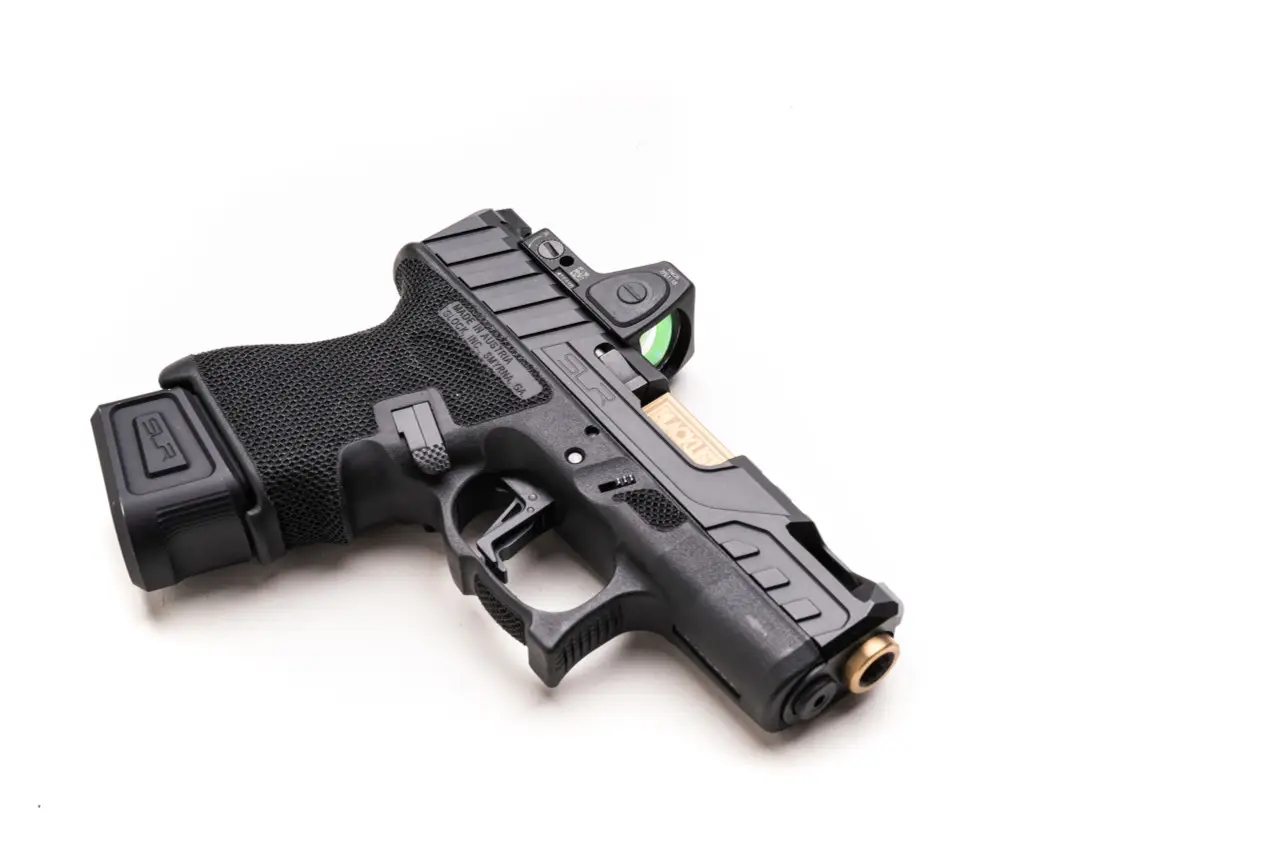

The Glock 26 has earned its place as a go-to concealed carry option for people who want a compact footprint without giving up the familiar Glock feel. But here’s the truth: the “best” Glock 26 setup isn’t about stacking parts—it’s about upgrading the pieces that improve daily comfort, consistency, and confidence without turning your carry routine into a science project.
In this guide, you’ll find the most practical Glock 26 upgrades for concealed carry—organized by what matters most: how well you can carry it, how quickly you can see what you need to see, and how reliably you can run it when it counts. You’ll also get a simple “priority list” so you can spend money where it matters instead of chasing trendy add-ons.

The #1 Rule: Upgrade for Carry Comfort First
If your Glock 26 isn’t comfortable, you won’t carry it consistently. And if you don’t carry consistently, none of the other upgrades matter. The smartest approach is to build your setup from the outside in:
- Holster + belt (comfort, concealment, safe trigger coverage)
- Sights (visibility in real-world lighting)
- Grip control (better purchase without sacrificing concealment)
- Light/optic (optional, based on your needs and clothing style)
- Trigger feel (only if you know what you want—and reliability remains priority)
Think of upgrades like a system: the holster affects concealment, concealment affects what you’ll wear, what you’ll wear affects how often you’ll carry, and how often you’ll carry is the whole point.
Upgrade 1: A High-Quality IWB Holster (And Set It Up Correctly)
The holster is the foundation of your concealed carry experience. A good IWB holster should cover the trigger fully, hold the Glock 26 securely, and allow a consistent draw and re-holster without collapsing.
What to look for in a Glock 26 concealed-carry holster
- Secure retention (the Glock should “click” in and stay put during movement)
- Adjustable ride height and cant (so you can dial in comfort and concealment)
- A claw/wing option (helps tuck the grip closer to your body to reduce printing)
- Sweat guard (adds comfort and keeps the slide off your skin)
- Compatibility with your chosen sights and (if applicable) a light or optic
Popular holster options to consider
Here are a few well-known options people commonly choose for the Glock 26:
- Vedder LightTuck (Glock 26) – adjustable, slim IWB setup with add-on concealment features.
- PHLster Enigma (beltless carry system) – built for deep concealment without relying on a belt (great for athletic wear).
- Tenicor Glock holsters – a premium option with strong concealment-focused designs.

Pro tip: Many “holster problems” are actually setup problems. Before you replace your holster, adjust ride height, add a claw/wing, and experiment with belt tension. Small changes can completely transform comfort and concealment.
Upgrade 2: A Real Belt (If You Use Belt-Based Carry)
A sturdy belt keeps your Glock 26 from shifting during movement and helps your draw stay consistent. If you’ve ever felt the grip tilt outward, noticed the holster sag, or struggled to keep the gun in the same place throughout the day, the belt is often the missing link.
Look for a belt designed to support carry weight: rigid enough to resist twisting, but not so stiff that it becomes uncomfortable when sitting. If you go beltless (like with the Enigma), this matters less—but for classic IWB, it’s a big deal.
Upgrade 3: Better Sights (Because Stock Sights Aren’t Always Ideal)
The Glock 26 is compact, and compact pistols can be harder to shoot well under pressure—especially in low light or fast-paced situations. Upgrading sights is one of the most practical improvements you can make.
Common sight upgrade goals
- Faster front sight pickup (high visibility front)
- Better low-light performance (night sights)
- Cleaner sight picture (less visual clutter)
- Durability (carry gear gets bumped, scraped, and sweated on)
Brands to explore
- Trijicon HD night sights for Glock pistols
- Trijicon HD XR night sights for Glock pistols
- AmeriGlo Protector night sights for Glock pistols
If your priority is concealed carry, many people like a bold front sight that grabs your attention quickly—paired with a simpler rear that doesn’t distract you. The goal isn’t “tactical,” it’s repeatable.
Upgrade 4: A Grip Extension That Doesn’t Ruin Concealment
One of the most common Glock 26 complaints is the short grip. The grip is also the part most likely to print through clothing. That’s why a small grip upgrade can be a sweet spot: more control in the hand without turning your subcompact into something harder to hide.
Two practical routes
- Baseplate “pinky” extensions (minimal added length, better purchase)
- Texture upgrades (better grip without adding bulk)
A popular example is Pearce Grip’s Glock 26 extension options. They’re designed to give you a bit more grip surface while keeping the profile compact:
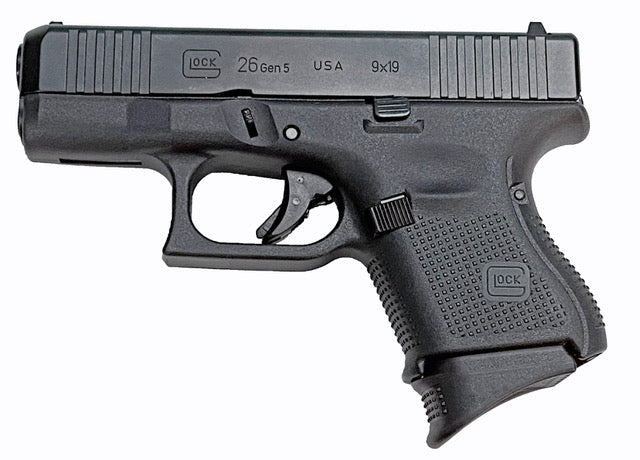
Carry-focused reminder: The “best” grip extension is the one that improves your control and still hides well with your everyday wardrobe. If an extension makes printing worse, consider focusing on holster/claw setup first.
Upgrade 5: A Light That Matches How You Actually Live
A compact light can be useful—especially for real-world navigation and identification in dark spaces—but it also changes holster compatibility, adds bulk, and can affect how comfortably you carry.
If you want a compact light option commonly used on small frames, Streamlight’s TLR-6 family is frequently considered for subcompact setups:
Light upgrade checklist
- Confirm holster availability for your exact Glock 26 + light combo.
- Make sure the switch controls are easy to use without changing your grip.
- Practice safe handling and avoid relying on the light as a “catch-all” solution.
If you don’t want the added bulk, skip the light and invest that budget into a better holster system and more practice reps. That combo pays dividends.
Upgrade 6: Optics (Optional)—But Only If You’ll Train With It
A compact red dot can help many shooters see faster and shoot more precisely—especially at distance—but it’s not a magic shortcut. It requires practice to present the pistol consistently so the dot is there when you need it.
Popular carry-sized optics often used on compact setups
If your Glock 26 isn’t optics-ready, adding an optic usually means using an optics-ready model or having the slide professionally cut. If you explore slide work, choose a reputable shop and prioritize reliability and durability over flashy styling.
One example of professional slide services you’ll see referenced in the community: JagerWerks Glock slide milling .
Carry-focused reality check: If you won’t dry fire and practice presentations, optics may frustrate you at first. If you will train, it can be a meaningful upgrade.
Upgrade 7: Trigger Improvements (Proceed Carefully)
Trigger upgrades are where people can get into trouble—especially if reliability or safe function is compromised. For concealed carry, the goal should be a clean, predictable trigger press you can manage confidently, not chasing the lightest pull.
If you’re considering a trigger upgrade, look for established manufacturers and focus on consistency and safe engagement. One well-known option:
Trigger upgrade guidelines for concealed carry
- Prioritize reliability over feel.
- Avoid “race” setups that aren’t meant for daily carry.
- After any changes, do thorough function checks and confirm performance at the range.
- If you’re unsure, consult a qualified professional.
Many shooters are best served by leaving internals stock, improving sights, and investing in training time. That path often yields better real-world performance.
Upgrade 8: Spare Mag Setup (The Most Overlooked Comfort Upgrade)
A spare magazine carried comfortably can be a smarter investment than many internal parts. The key is to make it easy—so you’ll actually do it.
Simple ways to add a spare mag to your daily routine
- Dedicated mag carrier (IWB or OWB)
- Pocket carry with a pocket mag carrier to prevent rotation and lint buildup
- Combo solutions built into certain holster systems
Your goal: keep it comfortable enough that it becomes automatic—like grabbing keys or a phone.
Upgrade 9: Maintenance + Reliability “Upgrades” That Cost Almost Nothing
Not every upgrade comes in a box. Some of the best improvements are habits:
- Replace wear parts on schedule (especially if you train frequently)
- Use quality magazines and inspect them for damage
- Keep your carry ammo fresh (rotate periodically)
- Practice with your carry setup (holster, belt, clothing, and all)
- Confirm your zero after sight/optic changes
The Glock 26 is known for reliability. The best “reliability upgrade” is avoiding unnecessary complexity and verifying your setup with real practice.
Best Glock 26 Upgrade Combos (Pick One Based on Your Needs)
Combo A: The “Carry Every Day” Starter (Most Practical)
- Quality IWB holster + carry belt
- High-visibility sights (night sights if you prefer)
- Small grip extension (only if it still conceals well)
Combo B: The “Deep Concealment” Setup (Athletic Wear Friendly)
- Beltless carry system (like Enigma) + compatible holster
- Simple, durable sights
- Minimal external bulk (skip the light if it complicates concealment)
Combo C: The “Modern Sight System” (If You’ll Train)
- Optic-ready approach (or professional slide work)
- Carry-sized optic + backup irons (if desired)
- Holster designed around the optic (and light, if used)
Notice what’s missing: random parts swaps. The best concealed carry upgrades are the ones that help you carry more often and shoot more consistently.
FAQ: Glock 26 Upgrades for Concealed Carry
What’s the best first upgrade for a Glock 26?
A quality holster (and belt, if applicable). It directly impacts comfort, concealment, and safety—so it affects whether you’ll carry consistently.
Are night sights worth it on a Glock 26?
Many people find them helpful for low-light visibility and fast front-sight pickup. If you’re upgrading sights anyway, night sights are a common carry-focused choice.
Does a grip extension make the Glock 26 harder to conceal?
Sometimes. The grip is the part that prints most. A small extension may improve control, but test it with your normal clothing and holster setup.
Should I add a light to my Glock 26?
Only if it fits your lifestyle and you’re willing to choose a holster that supports the exact pistol + light combination. A light can be useful, but it can also add bulk.
Do I need a red dot on a Glock 26 for concealed carry?
You don’t “need” one. A red dot can be a great upgrade if you’ll train and practice consistent presentations. If you won’t, better sights and more practice may deliver more value.
Bottom Line: Upgrade the Glock 26 You’ll Actually Carry
The best Glock 26 concealed carry upgrades aren’t the most expensive or the most talked-about. They’re the ones that make carrying comfortable, improve what you see when you aim, and help you perform consistently.
If you want the fastest path to a better daily carry experience, start with holster + belt, then sights, then grip control. After that, consider lights and optics only if they match how you dress and how you train.
Want a simple next step? Choose one upgrade from each category—carry comfort, sighting, and grip—and run it for a month before changing anything else. Consistency is the real upgrade.