






Quick takeaway: A premium handgun can absolutely be “worth it” in 2026—but only if you’ll actually use what you’re paying for: better triggers, tighter fit, refined ergonomics, optics-ready systems, premium coatings, and long-term resale. If your needs are basic (reliability + safe handling), many budget options deliver outstanding value.
This guide breaks down the real-world differences, who benefits most from premium models, and how to choose without getting caught in brand hype. It also includes practical care and display tips if you’re building a collection worth showing off.

What “Budget” and “Premium” Mean in 2026
Pricing isn’t the whole story. In 2026, “budget” usually means simplified manufacturing, fewer finishing steps, and more standardized parts. “Premium” typically means tighter tolerances, more meticulous fitting, upgraded materials/coatings, and features aimed at demanding shooters or collectors.
Common 2026 price bands (general guide)
- Budget: entry-level builds designed to be reliable, easy to maintain, and affordable.
- Mid-tier: better triggers, improved sights, stronger finishing, optics-ready options, and more refined ergonomics.
- Premium: best-in-class triggers, fit/finish, advanced coatings, proven optics mounting systems, and higher consistency across units.
- Custom / boutique: hand-fitting, specialty parts, and “feel” upgrades you can’t always measure on paper.
The 7 Differences That Actually Matter
1) Reliability & consistency (not just “it shoots”)
Most modern handguns are reliable when maintained. The premium gap shows up in consistency across many rounds, varied ammo, adverse conditions, and repeated high-round training. Budget models can be rock-solid; premium models are more likely to stay “smooth and consistent” longer with fewer quirks.
2) Trigger quality
Triggers are one of the most noticeable upgrades. Premium triggers often provide cleaner breaks, shorter resets, and more consistent pull weights. That can translate to faster follow-up shots and better accuracy—especially under stress or in competition.
3) Accuracy (practical vs bench)
At typical defensive distances, budget and premium can look similar. Premium gains become more obvious at longer distances, faster cadence, and when you’re trying to wring out tight groups. If you mostly shoot casually at close range, the advantage may be subtle.
4) Ergonomics & shootability
Premium designs often feel “dialed in”: better grip geometry, refined texturing, improved balance, and reduced felt recoil through tuning (springs, barrel fit, slide mass). In 2026, many mid-tier pistols also offer excellent ergonomics—so don’t assume you must buy top shelf to get comfort.
5) Optics-ready systems & mounting durability
Optics are mainstream in 2026. The difference isn’t just whether a handgun is optics-ready—it’s how it’s done. Better mounting interfaces, stronger hardware, and more durable plates (or direct-mount systems) reduce re-tightening hassles and help maintain zero.
6) Materials, coatings, and corrosion resistance
Premium finishes can mean less wear, improved rust resistance, and easier cleaning. If you carry regularly, live in humidity, sweat a lot, or store long-term, coatings matter more than many people think.
7) Warranty support, parts availability, and resale value
Resale is a hidden factor. Premium models and respected brands often hold value better—especially limited runs or collector-friendly lines. Budget models can be fantastic tools, but they may depreciate more quickly.

When a High-End Handgun IS Worth It
- You train a lot: High round counts and structured practice magnify small improvements.
- You compete: Triggers, recoil behavior, and consistent cycling can be the difference between “good” and “great.”
- You want optics done right: A robust optics mounting system can save frustration over time.
- You care about refinement: The “feel” matters—smooth cycling, crisp break, premium controls.
- You’re building a collection: Premium models can be heirloom pieces with better long-term value retention.
When Budget (or Mid-Tier) Makes More Sense
- It’s your first handgun: Spend more on training, safe storage, and quality ammo.
- Your use is occasional: If you shoot a few times a year, you may not notice premium advantages.
- You’re still learning preferences: Grip angle, trigger style, and controls vary—test before “investing.”
- Money is tight: A reliable budget handgun + good holster + training often beats premium alone.
- You want maximum utility: Many mid-tier models now include features that were “premium only” a few years ago.
The “Total Cost” Checklist (Most People Ignore)
Before you decide, consider the full ownership cost:
- Training: classes, range fees, targets, and time.
- Ammo: the biggest long-term cost for active shooters.
- Optic & mounting: optic cost, plates/hardware, tools, thread locker, maintenance.
- Holster: comfort and retention matter as much as the handgun.
- Upgrades: sights, trigger work, grips—some budget models “grow” into mid-tier pricing.
- Care & storage: cleaning supplies, humidity control, and a smart display setup.
2026 Buying Framework: Pick the Right Tier in 5 Minutes
Step 1: Choose your primary use
- Everyday carry: prioritize reliability, corrosion resistance, comfortable controls, and proven support.
- Home defense: prioritize dependable function, light/optic compatibility, and easy handling.
- Range / training: prioritize shootability, durability, and parts availability.
- Competition: prioritize trigger, recoil control, and consistency at speed.
- Collector / display: prioritize finish, uniqueness, provenance, and long-term condition preservation.
Step 2: Decide what “worth it” means to you
If “worth it” means tighter groups, faster splits, premium feel, and stronger resale—premium can make sense. If “worth it” means safe, reliable, and affordable—budget or mid-tier is often the smarter play.
Step 3: Compare with this simple scorecard
- Must-have: reliability, comfortable grip, controllable recoil, strong support.
- Nice-to-have: optics-ready, premium sights, upgraded finish, crisp trigger.
- Luxury: hand-fitting, boutique coating, limited edition, “collector status.”
Shop Tie-In: Display & Protect What You Own
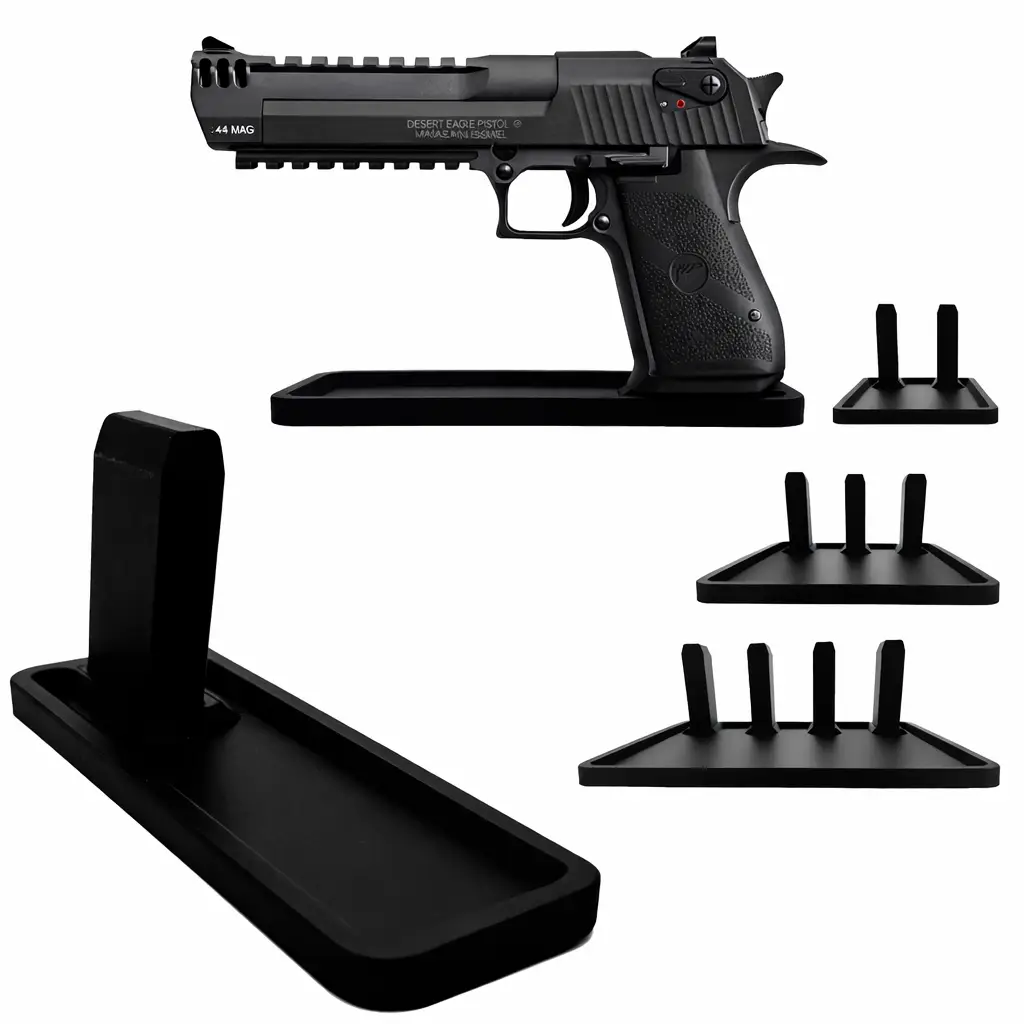
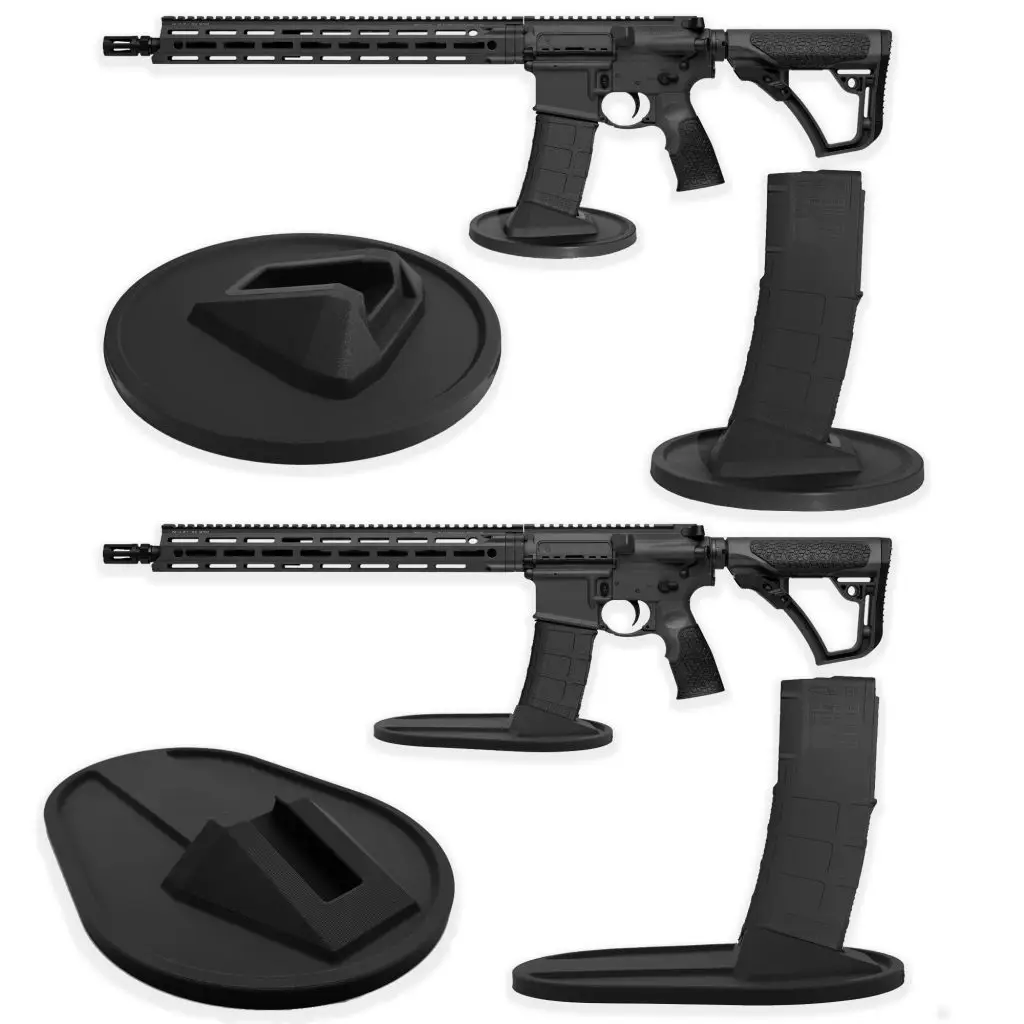
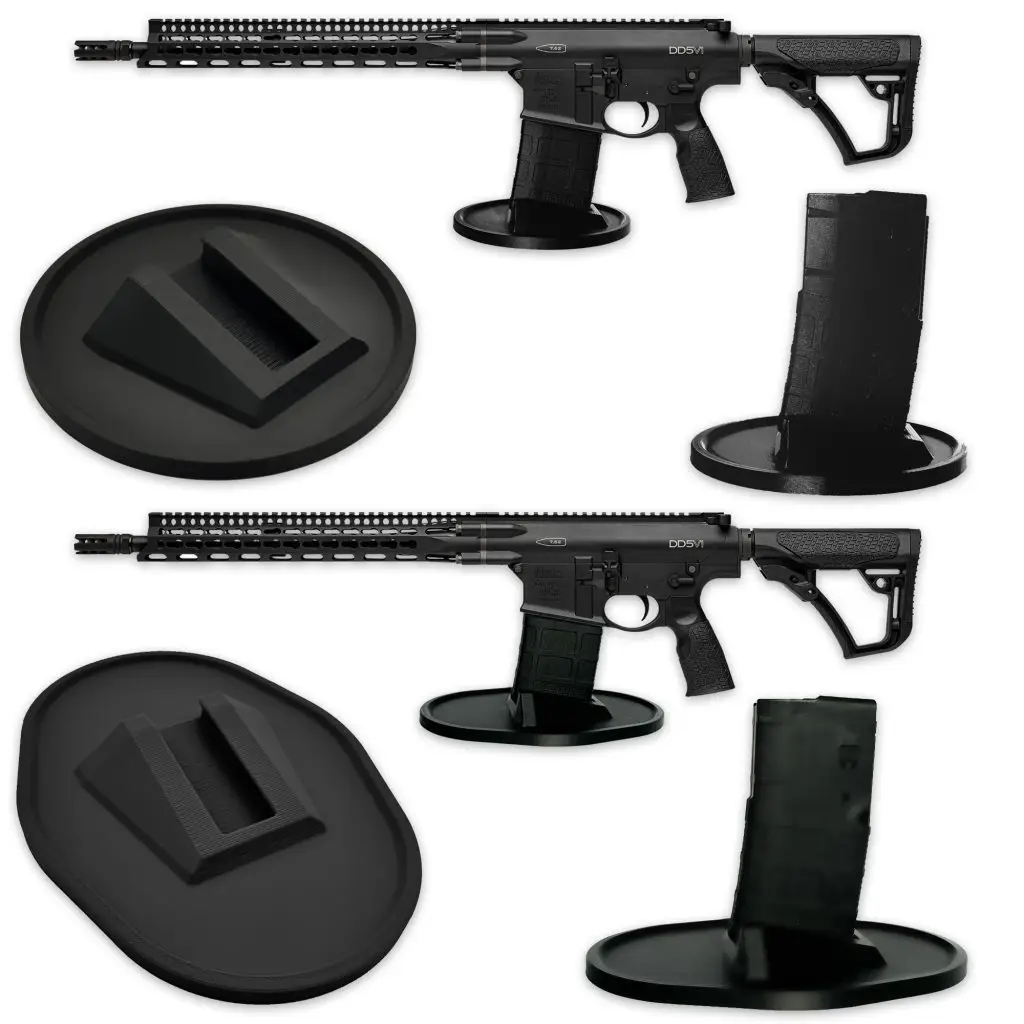
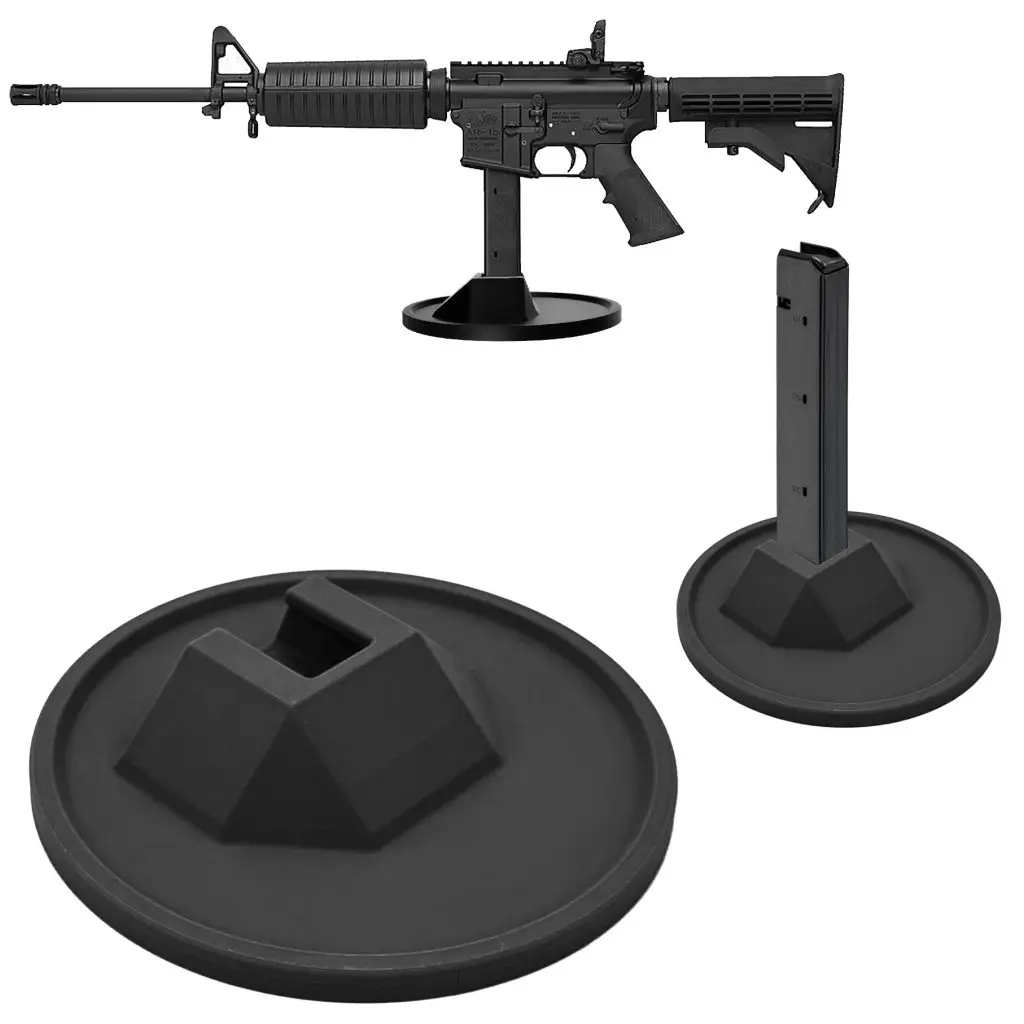
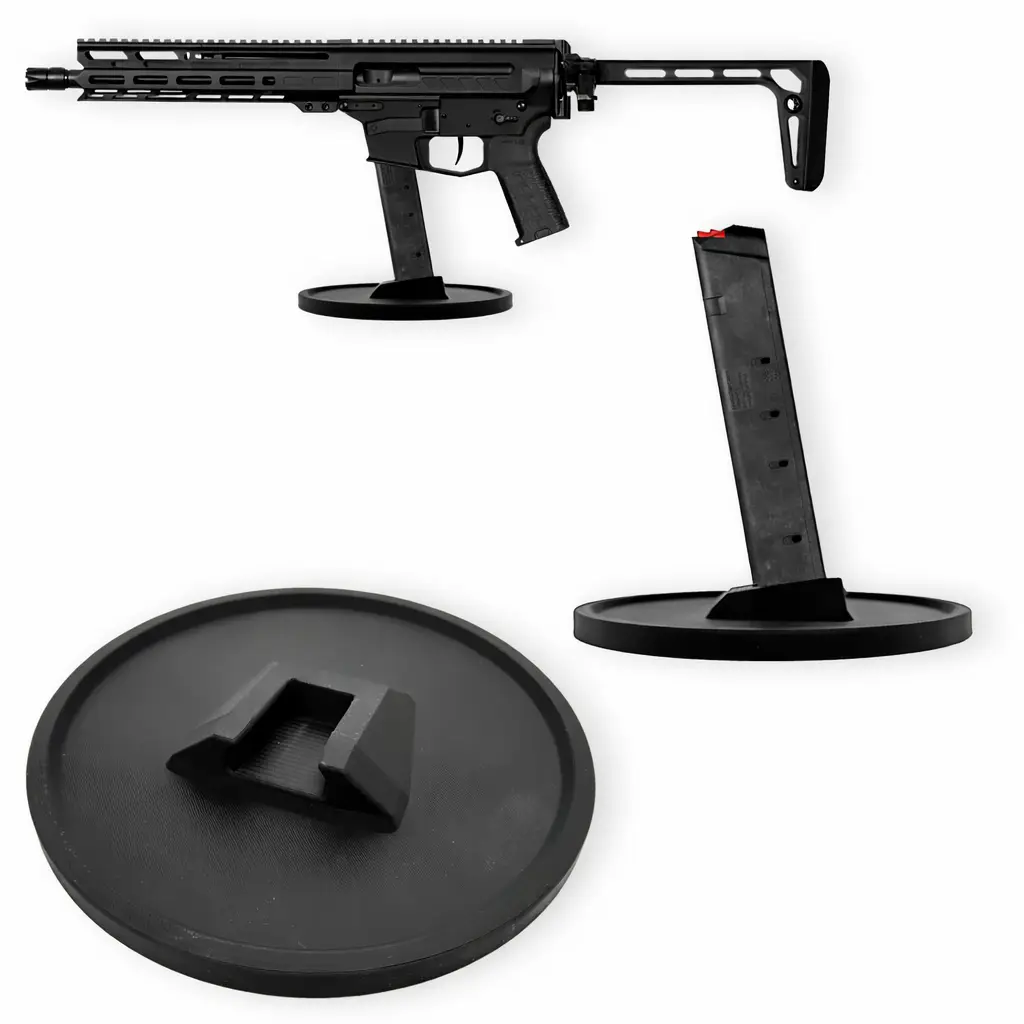
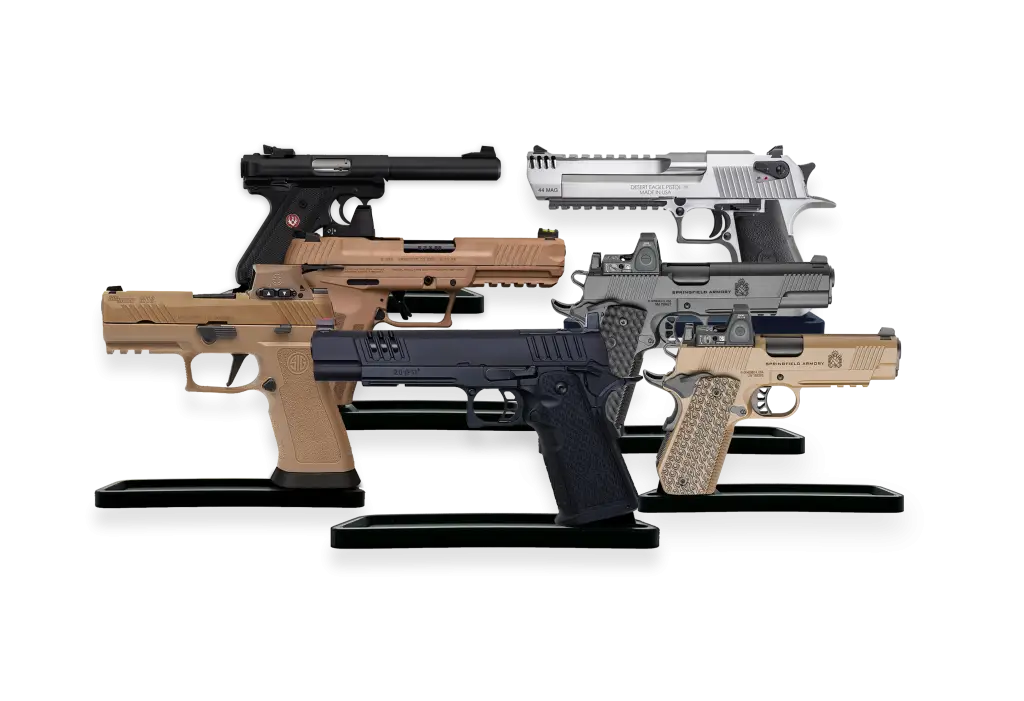
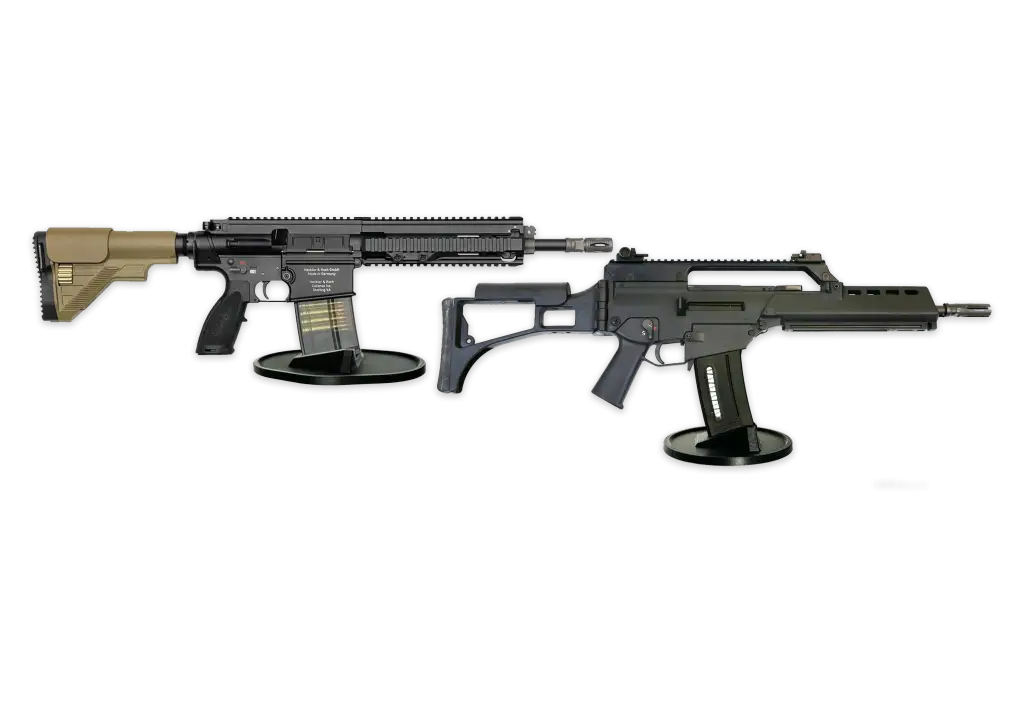
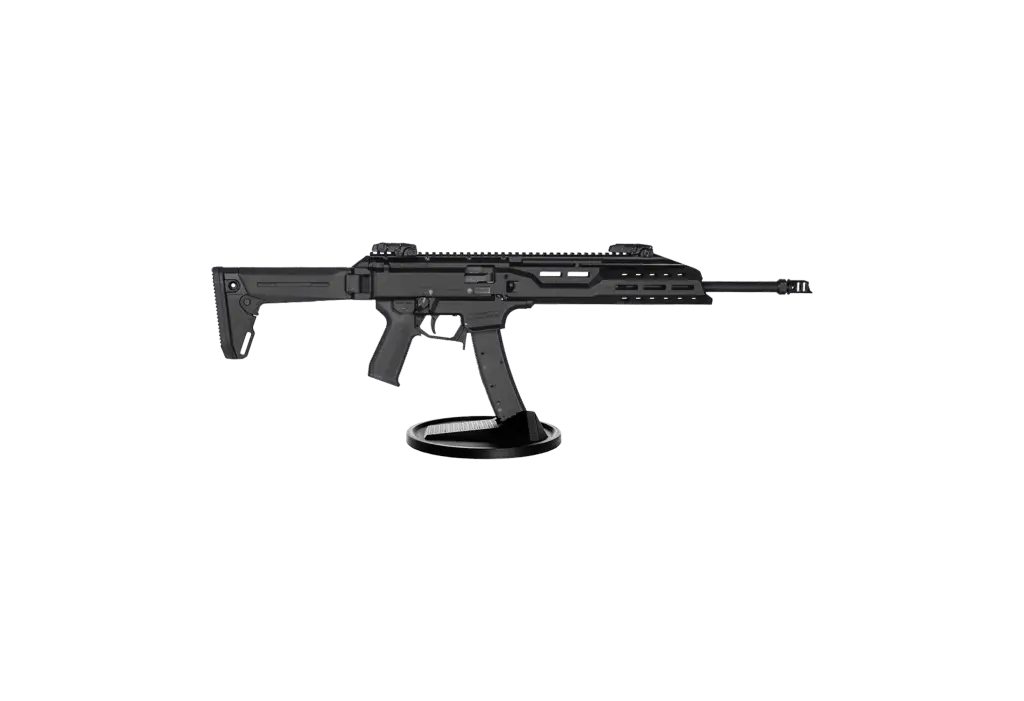
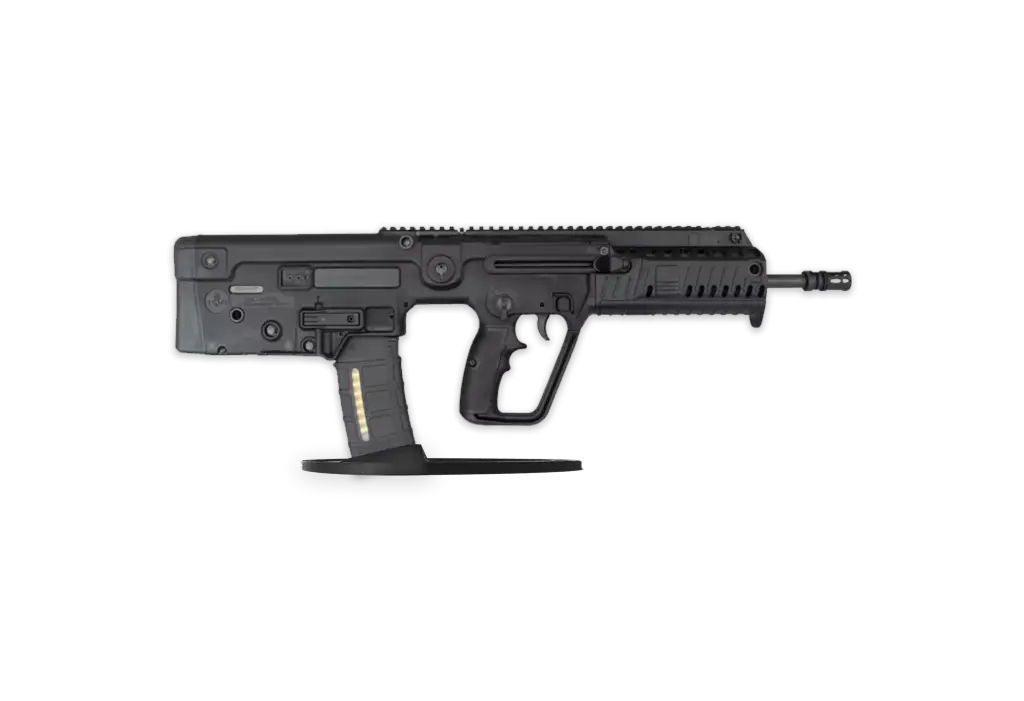
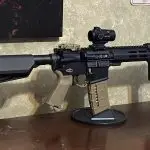
Whether your handgun is budget or premium, a clean and secure display setup upgrades your space and protects your investment. If you’re building a 2026 collection, your storage and presentation should match your standards.
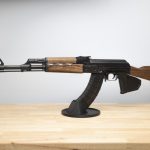
Minimalist Stand (Budget-Friendly)
Great for clean presentation on desks, shelves, or safes. Ideal for rotating your range lineup.
- Stable footprint
- Quick access for cleaning days
- Works well with compact & full-size
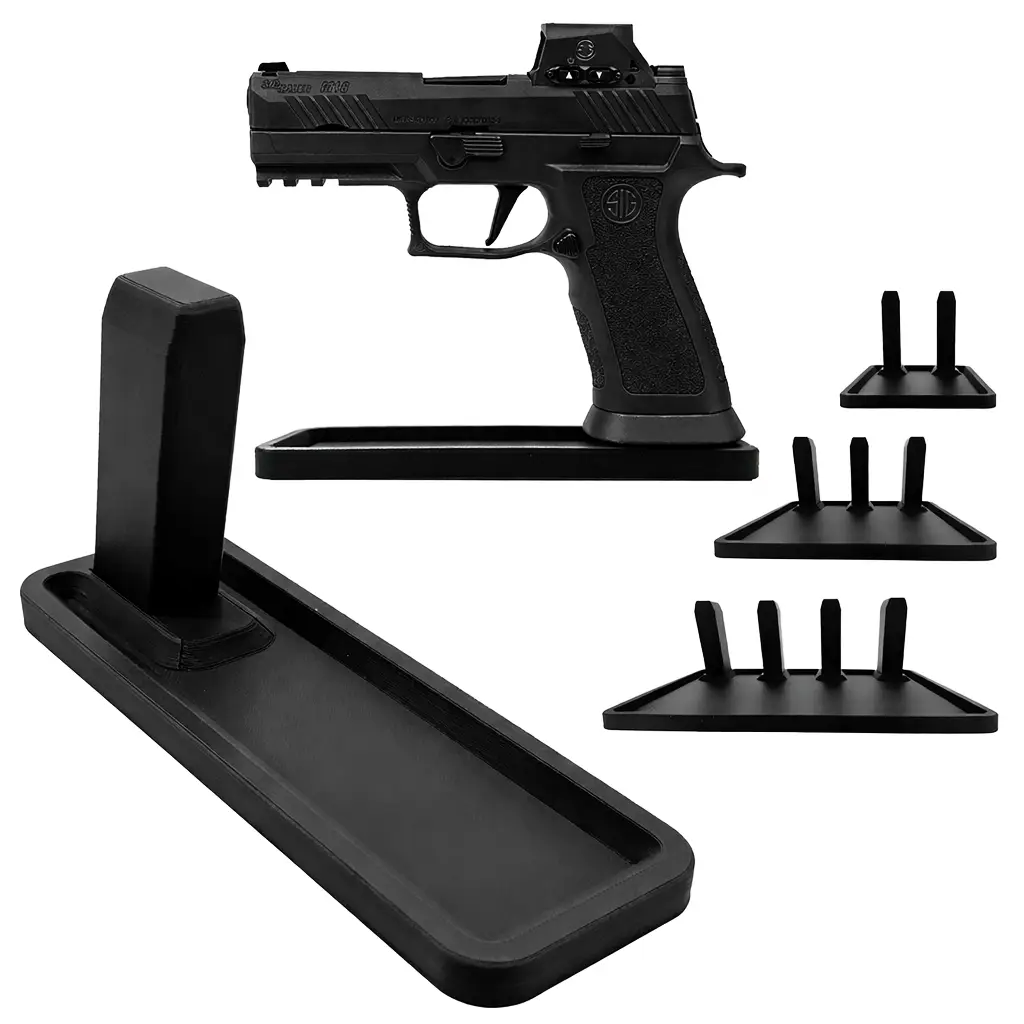
Premium Display Stand (Collector Look)
Designed for standout presentation—perfect for premium pistols and special editions.
- Elevated viewing angle
- Refined finish options
- Great for optics-equipped builds
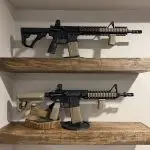
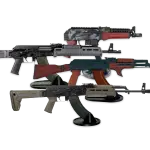
Wall Display (Space-Saving)
Turn your collection into a clean, organized “showcase wall” while keeping things tidy.
- Great for multiple handguns
- Organized and visually impressive
- Pairs well with lighting

Budget vs Premium FAQs (2026)
Do premium handguns last longer?
Often, yes—especially when “last longer” means smoother operation and consistent performance over high round counts. But longevity still depends heavily on maintenance, ammo quality, and how hard you run the handgun.
Is a better trigger worth paying for?
If you train regularly or want to shoot faster with precision, a premium trigger can be one of the most meaningful upgrades. If you rarely shoot, you may not get the return you expect.
Are optics-ready handguns worth it in 2026?
For many people, yes. Optics can improve speed and clarity—especially with aging eyes. The key is choosing a mounting system that’s proven and durable so it stays tight and holds zero.
Should I buy one premium handgun or two budget ones?
If you’re new, two reliable budget options (plus training) can be smarter. If you already know what you like and shoot a lot, one premium handgun may provide a better long-term experience.
Does premium mean “safer”?
Safety comes from responsible handling, smart storage, and training. A premium handgun may have refinements that improve control, but it doesn’t replace safe habits.
Conclusion: The Right Answer for 2026
High-end handguns can be worth it in 2026 when you’ll benefit from refined triggers, better optics mounting, stronger finishes, and consistent performance under heavy use. If your goal is dependable ownership without overspending, today’s budget and mid-tier options are better than ever—especially when paired with training and a clean storage/display plan.
Ready to upgrade your setup? Whether your pistol is budget or premium, a purpose-built display makes it easier to protect, organize, and appreciate what you own.