






















Routine rifle maintenance is an important part of responsible ownership. Whether a collection includes an AR-15, an AK-pattern rifle, a traditional bolt-action rifle, a rimfire platform, a pistol-caliber carbine, or a large-frame sporting rifle, regular inspection and appropriate cleaning can help protect reliability, appearance, and long-term condition.
Rifle maintenance does not mean aggressively scrubbing every component after every short range visit. Instead, it involves understanding which parts collect residue, which surfaces experience friction, how different materials should be cleaned, and when a rifle requires more detailed attention.
A complete maintenance routine may include inspecting the barrel and chamber, cleaning the bolt or operating assembly, checking magazines, wiping exterior surfaces, examining optic mounts, cleaning lenses, checking stock and handguard hardware, inspecting sling attachments, and storing the rifle in a controlled environment.
Different rifle platforms have different maintenance needs. An AR-15 bolt carrier group, AK gas piston, bolt-action receiver, blowback-operated carbine, and piston-driven sporting rifle should not automatically be cleaned or lubricated in exactly the same way.
This guide explains common rifle maintenance practices while emphasizing the importance of following the manual supplied by the rifle, optic, magazine, and accessory manufacturer.
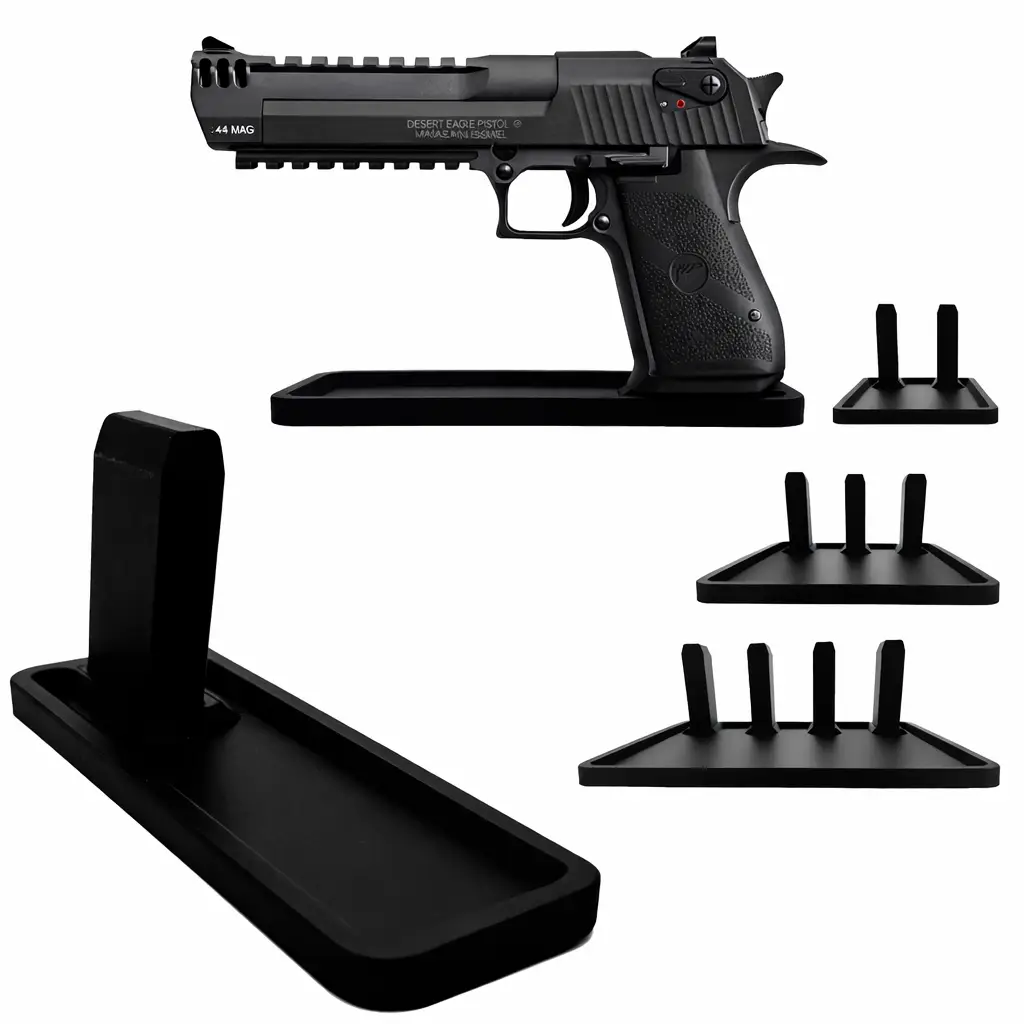
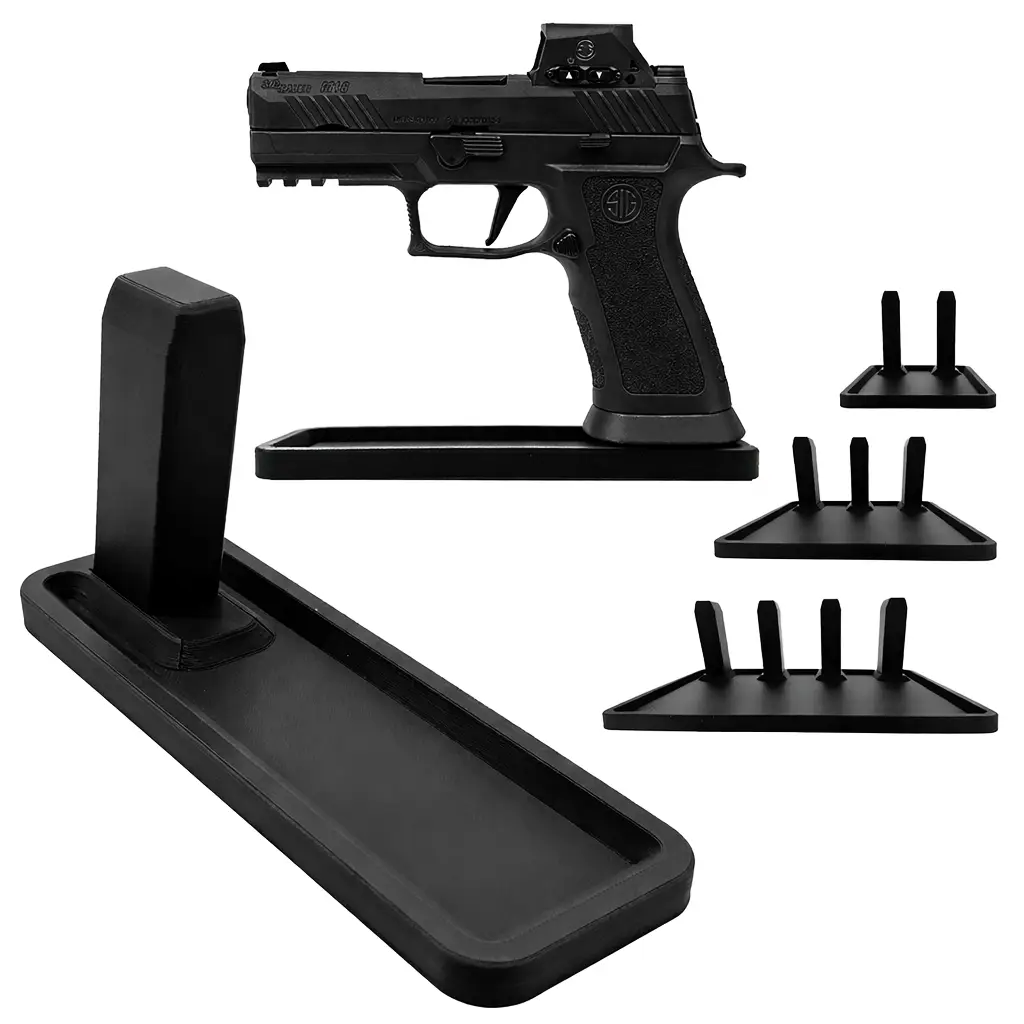
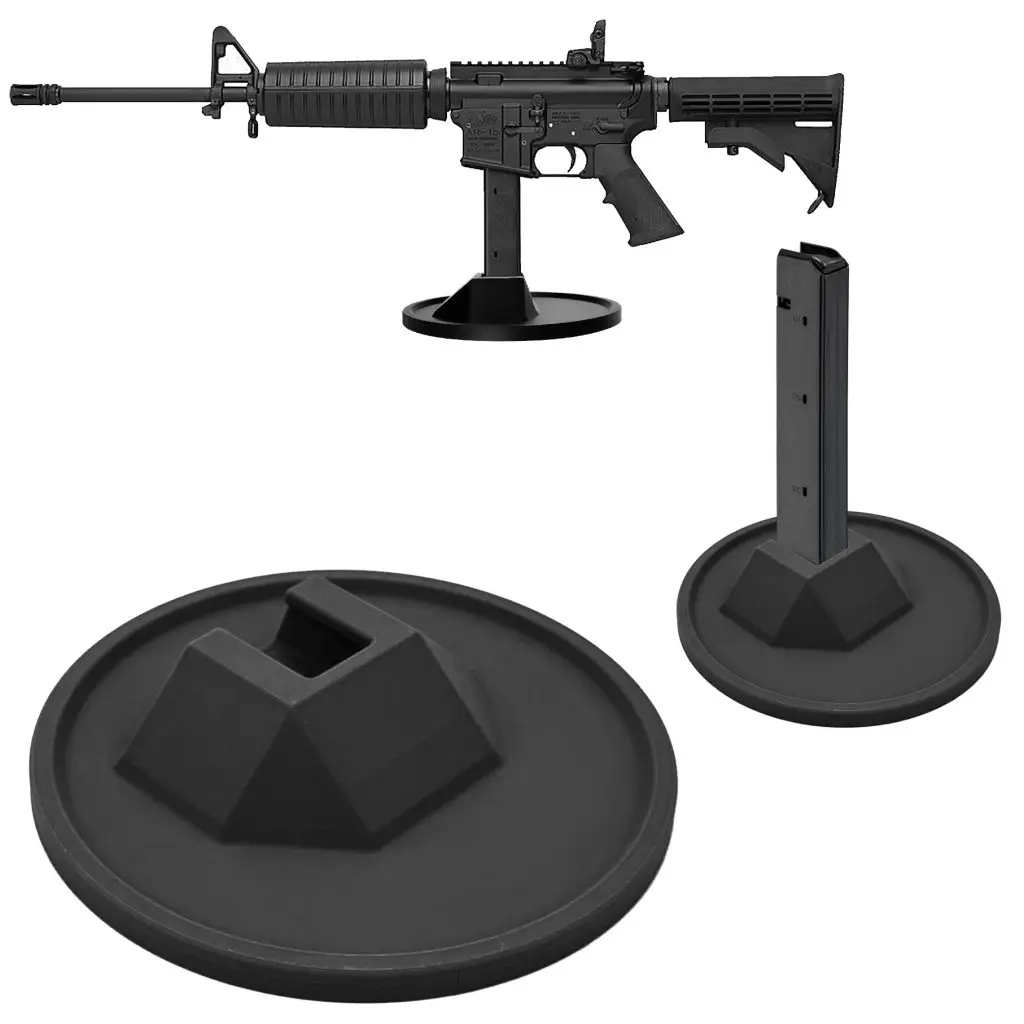
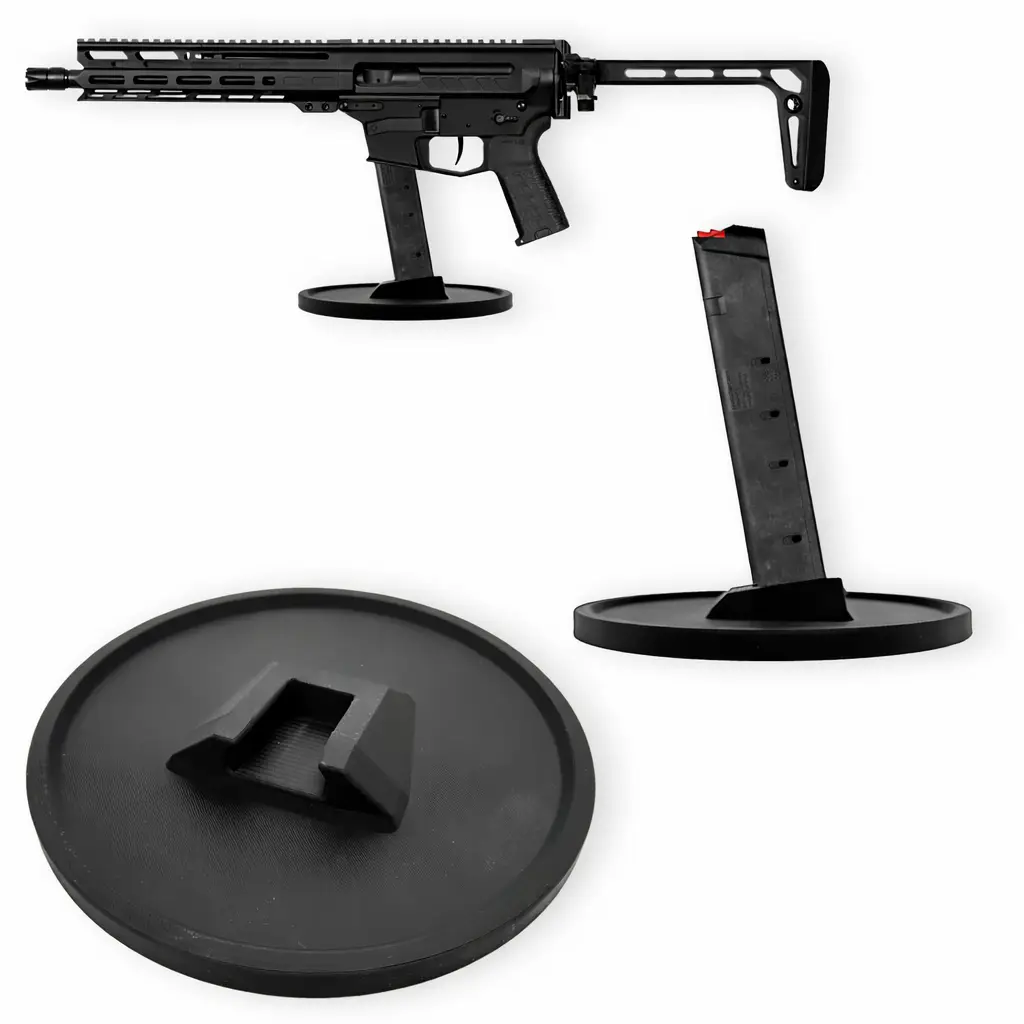
After maintenance is complete, collectors can organize an unloaded rifle on a compatible rifle stand within an appropriately secured storage or display area.
Why Rifle Maintenance Matters
A rifle contains moving parts, springs, fasteners, metal surfaces, finishes, magazines, and accessories that can be affected by use, moisture, dirt, storage conditions, and ordinary wear.
Regular rifle maintenance can help owners:
- Remove firing residue, dirt, and moisture.
- Protect metal surfaces from corrosion.
- Keep moving components appropriately lubricated.
- Identify damaged or unusually worn parts.
- Preserve wood, aluminum, steel, and durable plastic finishes.
- Maintain clean optic lenses.
- Detect loose scope rings or accessory mounts.
- Inspect magazines for damage.
- Protect the rifle’s appearance and collector value.
Maintenance also gives the owner an opportunity to notice small changes. A loose screw, unusual wear mark, cracked magazine, weak battery, damaged sling mount, or developing rust spot is easier to address when discovered early.
Always Begin with the Owner’s Manual
The owner’s manual should be the primary reference for any rifle-maintenance routine. Different platforms use different operating systems, coatings, springs, fasteners, and disassembly procedures.
The manual may provide guidance on:
- Recommended cleaning intervals.
- Approved solvents and lubricants.
- Field-stripping procedures.
- Areas requiring lubrication.
- Areas that should remain dry.
- Inspection points.
- Fastener specifications.
- Replacement-part recommendations.
- Warranty and service procedures.
General maintenance advice can be useful, but the manufacturer’s instructions should take priority for the exact model.
Basic Safety Before Rifle Maintenance
Every maintenance session should begin with careful safety preparation.
General steps include:
- Pointing the rifle in a safe direction.
- Removing the magazine.
- Opening the action.
- Visually and physically confirming the chamber is empty.
- Removing ammunition from the work area.
- Working in a well-lit and ventilated location.
- Using eye protection around springs and cleaning chemicals.
The rifle should remain unloaded throughout ordinary cleaning and inspection. Ammunition should be stored separately from the maintenance area to reduce confusion and prevent accidental contact with cleaning products.
Creating a Suitable Cleaning Area
A clean and organized work area helps prevent lost parts and accidental damage.
A practical maintenance space may include:
- A stable table or workbench.
- A protective cleaning mat.
- Good overhead lighting.
- Ventilation.
- Small containers for pins and screws.
- Lint-free cloths.
- Appropriate brushes and cleaning tools.
- Manufacturer-approved solvent and lubricant.
Avoid working over thick carpet, open floor vents, or cluttered surfaces where small springs, screws, optic caps, or pins can easily disappear.
How Often Should a Rifle Be Cleaned?
There is no universal cleaning schedule for every rifle. Maintenance frequency depends on the platform, ammunition, environment, use, and storage conditions.
A rifle may need attention after:
- A range session.
- Exposure to rain or snow.
- Use in dusty or sandy conditions.
- High humidity.
- Firing ammunition that creates heavy residue.
- Firing corrosive surplus ammunition.
- Extended storage.
- A noticeable change in function.
A lightly used rifle stored in a dry, climate-controlled safe may require less frequent cleaning than one regularly exposed to outdoor conditions.
Inspection can be performed more often than deep cleaning. A quick visual check may reveal moisture, loose hardware, damaged magazines, or optic problems without requiring complete disassembly.
Cleaning vs Inspection
Cleaning and inspection are related but separate tasks.
Cleaning removes:
- Firing residue.
- Dirt.
- Dust.
- Moisture.
- Old lubricant.
- Surface contamination.
Inspection looks for:
- Cracks.
- Corrosion.
- Loose fasteners.
- Damaged springs.
- Unusual wear.
- Deformed magazines.
- Loose optic mounts.
- Damaged stocks or handguards.
A rifle does not need aggressive cleaning every time it is inspected. Excessive cleaning can cause unnecessary wear when incorrect tools or harsh chemicals are used.
Common Rifle Cleaning Supplies
A basic rifle-maintenance kit may include:
- Cleaning rod or pull-through cleaning system.
- Caliber-appropriate bore brush.
- Chamber brush where applicable.
- Cleaning patches.
- Patch holder or jag.
- Nylon utility brush.
- Lint-free cloths.
- Cleaning solvent.
- Lubricant.
- Rust-preventive product.
- Small non-marring tools.
- Optic lens brush and microfiber cloth.
- Correctly sized screwdrivers or driver bits.
Cleaning tools should match the rifle’s caliber and design. Incorrectly sized or damaged tools can harm the bore, chamber, crown, finish, or fasteners.
Understanding Cleaning Products
Not every cleaning product performs the same function.
Cleaning Solvent
Solvent helps loosen carbon, powder residue, copper, lead, or other deposits. Some products are general-purpose cleaners, while others are designed for a particular type of fouling.
Lubricant
Lubricant reduces friction between moving surfaces. The correct amount and placement depend on the rifle.
Protective Oil
A light protective film may help reduce corrosion on appropriate metal surfaces during storage.
Combination Products
Some products are marketed as cleaners, lubricants, and protectants. Their suitability depends on the rifle, finish, and manufacturer recommendations.
Owners should avoid mixing cleaning chemicals unless their manufacturers specifically state that the products are compatible.
Barrel Maintenance
The barrel contains the chamber, bore, and rifling. Routine barrel care helps remove residue while allowing the owner to inspect for corrosion, damage, or obstructions.
General barrel maintenance may involve:
- Confirming the bore is free from obstructions.
- Using a caliber-correct cleaning system.
- Applying an appropriate solvent.
- Allowing the solvent to work for the recommended period.
- Using patches or a suitable brush.
- Removing loosened residue.
- Drying the bore as directed.
- Applying light storage protection when appropriate.
The manufacturer’s manual may recommend cleaning from the chamber toward the muzzle whenever the rifle design allows it.
Protecting the Muzzle Crown
The muzzle crown is the finished surface at the end of the barrel. Damage to this area may affect how gas exits around the projectile.
To reduce the risk of damage:
- Use a properly sized cleaning rod.
- Avoid dragging metal edges across the crown.
- Use a bore guide when recommended.
- Do not force an oversized brush into the bore.
- Keep abrasive debris away from the muzzle.
A muzzle device may partially cover the crown, but it should not be treated as complete protection from careless cleaning tools.
Chamber Cleaning
The chamber supports the cartridge before and during firing. Dirt, residue, or corrosion in this area can contribute to feeding, extraction, or chambering issues.
Chamber maintenance may include:
- Using a platform-appropriate chamber brush.
- Removing loose residue.
- Inspecting visible locking surfaces.
- Checking for corrosion.
- Removing excess lubricant before use.
An AR-style chamber has different geometry than an AK, bolt-action, or pistol-caliber carbine chamber. Use tools intended for the exact platform.
AR-15 Bolt Carrier Group Maintenance
The bolt carrier group is a major operating assembly in a traditional AR-15.
Common inspection areas include:
- Bolt body.
- Locking lugs.
- Extractor.
- Ejector.
- Gas rings.
- Cam pin.
- Firing pin.
- Carrier key.
- Carrier rails.
Residue commonly accumulates around the bolt, locking lugs, carrier interior, and extractor area.
Owners should avoid aggressively scraping parts merely to create a polished appearance. Maintenance should remove harmful residue without altering component dimensions, coatings, or finishes.
AR-15 Lubrication
Lubrication guidance varies by manufacturer, but common areas often include the moving and bearing surfaces of the bolt carrier group.
These may include:
- Carrier rails.
- Bolt body.
- Cam pin.
- Charging-handle contact surfaces.
- Other points identified in the manual.
Too little lubrication may increase friction. Too much can attract dirt, migrate into unwanted areas, or collect residue.
The goal is appropriate lubrication rather than soaking the entire receiver.
AK Bolt Carrier and Gas-Piston Maintenance
A traditional AK uses a long-stroke gas piston attached to the bolt carrier.
Common inspection areas include:
- Bolt and locking lugs.
- Extractor.
- Firing pin.
- Bolt carrier rails.
- Gas piston.
- Gas tube.
- Recoil spring assembly.
- Receiver interior.
Residue on the piston may not need to be polished away completely. The rifle’s manual should determine how thoroughly deposits should be removed and which surfaces require lubrication.
AK variants can differ in finishes, gas components, and internal dimensions, so one procedure should not be assumed to fit every rifle.
Corrosive Ammunition Considerations
Some surplus ammunition may use primers that leave corrosive salts after firing. These residues can attract moisture and contribute to corrosion.
If corrosive ammunition has been used, the rifle may require prompt cleaning according to suitable manufacturer-approved procedures.
Areas that may require attention include:
- Bore.
- Chamber.
- Gas block.
- Gas tube.
- Gas piston.
- Bolt face.
- Muzzle components.
Ordinary oil alone may not remove corrosive salts. Owners should identify their ammunition and follow reliable guidance for the exact rifle.
Trigger and Receiver Maintenance
Trigger assemblies generally require less frequent cleaning than barrels or operating groups, but dust, residue, and excessive lubricant can collect inside the receiver.
Inspection may include:
- Checking pins and retainers.
- Removing loose dirt.
- Looking for damaged springs.
- Checking selector movement.
- Inspecting visible contact surfaces.
- Following manufacturer lubrication guidance.
Owners should not reshape, polish, or alter engagement surfaces unless the work is specifically approved and performed by a qualified professional.
Magazine Maintenance
Magazines are essential to reliable feeding and should be included in every rifle-maintenance routine.
Inspect magazines for:
- Cracked or bent feed lips.
- Dented magazine bodies.
- Damaged locking surfaces.
- Loose floorplates.
- Follower binding.
- Weak or corroded springs.
- Dirt inside the magazine body.
- Heat deformation.
A magazine that repeatedly causes problems should be marked and removed from normal use until it can be evaluated.
Cleaning Metal Magazines
Steel and aluminum magazines may collect dirt, residue, moisture, and corrosion.
General care may include:
- Removing the floorplate according to manufacturer instructions.
- Inspecting the spring and follower.
- Wiping the interior.
- Checking for dents or corrosion.
- Using only recommended protective products.
- Reassembling the spring in the correct orientation.
Heavy lubricant inside a magazine can attract debris and contaminate ammunition.
Cleaning Durable Plastic Magazines
Durable plastic magazines do not rust, but they can crack, chip, deform, or collect dirt.
Inspect:
- Feed lips.
- Locking surfaces.
- Floorplate.
- Follower.
- Spring.
- Metal reinforcement where present.
Strong solvents can damage certain plastics. Use only products that are compatible with the magazine material.
Rifle Optic Maintenance
Optic maintenance is an important part of caring for a modern rifle. Scopes, red dot sights, prism optics, magnifiers, and holographic sights include lenses, coatings, seals, electronics, batteries, turrets, and mounting hardware.
A complete optic inspection may include:
- Cleaning the lenses.
- Checking scope rings and mount screws.
- Inspecting the optic housing.
- Checking turret caps.
- Testing illumination.
- Inspecting battery compartments.
- Checking lens covers.
- Looking for moisture or internal fogging.
- Confirming that the mount has not shifted.
Optic cleaning should be gentle. Loose dust and grit should be removed before the lens is wiped so abrasive particles are not dragged across delicate coatings.
How to Clean Rifle-Scope Lenses
Scope lenses often use specialized coatings that improve light transmission, reduce glare, or resist moisture and oil.
A careful cleaning process may include:
- Using a blower to remove loose dust.
- Using a clean lens brush for remaining particles.
- Applying an optic-safe cleaning solution to a lens cloth.
- Wiping gently with a clean microfiber cloth.
- Allowing the lens to dry without residue.
Paper towels, shirts, shop rags, and dirty cloths may contain fibers or debris that can scratch lens coatings.
Red Dot Sight Maintenance
Red dot sights contain an emitter, lens, battery compartment, adjustment controls, and electronic components.
Inspect a red dot sight for:
- Dirt or moisture on the lens.
- Debris around the emitter on open designs.
- Corrosion inside the battery compartment.
- Weak or flickering illumination.
- Loose mounting hardware.
- Damaged brightness controls.
- Cracks or dents in the housing.
Open-emitter optics require particular attention because lint, rain, dust, or oil can obstruct the light path between the emitter and the lens.
Optic Battery Maintenance
Battery-powered optics should be checked periodically, even when manufacturers advertise extremely long battery life.
Good battery practices include:
- Using the specified battery type.
- Checking battery expiration dates.
- Inspecting for leakage or corrosion.
- Replacing batteries on a consistent schedule.
- Testing illumination after replacement.
- Keeping spare batteries appropriately stored.
- Confirming correct battery orientation.
Battery-compartment caps should be tightened according to manufacturer instructions. Excessive force can damage threads or seals.
Inspecting Scope Rings and Optic Mounts
A clean optic may still perform poorly if its mount is loose, damaged, or incorrectly installed.
Inspect:
- Ring screws.
- Cross bolts.
- Quick-detach levers.
- Mounting surfaces.
- Rail engagement.
- Witness marks where used.
- Receiver or side-rail attachment.
Fasteners should be checked using published manufacturer specifications. Overtightening can strip threads, crush scope tubes, or damage mounting hardware.
Prism Optic and LPVO Maintenance
Prism optics and low-power variable optics combine lenses, adjustment controls, mounting hardware, and often electronic illumination.
Inspection may include:
- Checking ocular and objective lenses.
- Inspecting the diopter adjustment.
- Testing magnification movement.
- Checking turret function.
- Testing illumination controls.
- Looking for tube damage.
- Checking ring and mount security.
A stiff adjustment, visible internal moisture, moving reticle, or damaged tube should be evaluated by the manufacturer or a qualified service provider.
Fogging and Moisture Inside an Optic
External condensation can occur when equipment moves between temperatures. Internal fogging may indicate a damaged seal.
If moisture appears inside an optic:
- Do not disassemble the optic.
- Document the issue.
- Review the warranty.
- Contact the manufacturer.
- Store the optic in a dry environment until evaluated.
Opening a sealed optic can permanently damage it and may void warranty coverage.
Iron Sight Maintenance
Iron sights should be inspected along with electronic and magnified optics.
Check for:
- Loose mounting screws.
- Damaged apertures.
- Bent front-sight posts.
- Rust or corrosion.
- Dirt inside folding mechanisms.
- Secure locking in raised and lowered positions.
Folding sights should move smoothly while remaining secure when deployed.
Handguard Maintenance
Handguards can collect dust, residue, moisture, and debris through their ventilation openings.
Inspection may include:
- Checking mounting hardware.
- Looking for rotation or movement.
- Inspecting M-LOK or KeyMod slots.
- Checking Picatinny rail surfaces.
- Looking for cracks or heat deformation.
- Cleaning beneath removable rail covers.
- Inspecting clearance around the barrel and gas system.
A free-float handguard should remain securely attached and properly aligned with the receiver.
M-LOK Accessory Inspection
M-LOK accessories use screws and rotating T-nuts positioned behind the mounting slots.
Inspect M-LOK attachments for:
- Loose screws.
- Incorrectly positioned T-nuts.
- Damaged slots.
- Accessory movement.
- Contact with internal components.
- Missing hardware.
Fasteners should be tightened only according to the accessory manufacturer’s specifications.
Stock Maintenance
Stocks should be checked for structural damage and secure attachment.
Inspect:
- Cracks.
- Loose mounting hardware.
- Adjustment levers.
- Folding hinges.
- Cheek-rest controls.
- Recoil pads.
- Sling sockets.
- Storage compartments.
An adjustable stock should move through its positions smoothly and lock without excessive movement.
Wood Stock Care
Traditional wood stocks require different care than aluminum or durable plastic components.
Wood can be affected by:
- Moisture.
- Rapid temperature changes.
- Harsh solvents.
- Excess oil.
- Long-term pressure against hard surfaces.
- Scratches and impact damage.
Use products suitable for the exact finish. Oil-finished wood, sealed laminate, and high-gloss finishes may require different care.
Durable Plastic Stock and Grip Care
Durable plastic stocks and grips are relatively low maintenance but can still collect dirt and oil.
General care may include:
- Wiping with a mild material-safe cleaner.
- Cleaning textured surfaces with a soft brush.
- Inspecting for cracks.
- Checking adjustment mechanisms.
- Avoiding chemicals that may discolor or weaken the material.
Rifle Sling Maintenance
Slings and sling mounts should be inspected because they may support the full weight of the rifle.
Check:
- Webbing for cuts or fraying.
- Stitching.
- Buckles.
- Quick-adjust hardware.
- QD swivels.
- Hooks.
- Fixed loops.
- M-LOK or Picatinny sling mounts.
A damaged sling or loose attachment can allow the rifle to fall.
Rifle-Mounted Light Maintenance
Rifle-mounted lights include lenses, batteries, switches, mounts, and electrical contacts.
Inspect:
- Lens cleanliness.
- Battery condition.
- Tail-cap threads.
- Remote-switch cables.
- Mounting screws.
- Water seals.
- Output and switch function.
Residue on the lens can reduce light output. Use cleaning methods approved by the light manufacturer.
Bipod Maintenance
Bipods contain hinges, springs, leg locks, feet, and mounting hardware.
Check for:
- Loose attachment.
- Damaged legs.
- Weak or broken springs.
- Worn feet.
- Dirt in locking mechanisms.
- Excessive movement.
A loose bipod may affect stability and damage the handguard or mounting surface.
Muzzle Device Inspection
Muzzle devices collect residue and may loosen if damaged or improperly installed.
Inspection may include:
- Checking for visible movement.
- Looking for cracks or damage.
- Inspecting thread areas where accessible.
- Checking compatible mounting surfaces.
- Following manufacturer cleaning guidance.
Owners should not remove, tighten, or alter a muzzle device without understanding its installation method and the rifle’s legal configuration.
Exterior Metal Care
Exterior metal surfaces can be affected by fingerprints, moisture, sweat, and changing storage conditions.
General care may include:
- Wiping metal with a clean cloth.
- Removing moisture promptly.
- Applying light protection where recommended.
- Inspecting scratches and finish wear.
- Checking screws, pins, and mounting surfaces.
Wood and durable plastic should not automatically be coated with the same products used on steel or aluminum.
Checking for Corrosion
Corrosion often begins in hidden or frequently touched areas.
Inspect:
- Under handguards.
- Around sling mounts.
- Inside metal magazine bodies.
- Near muzzle devices.
- Around optic screws.
- On springs.
- Beneath grips or stock hardware when appropriate.
- Inside cases exposed to moisture.
Surface discoloration should be evaluated carefully before aggressive cleaning because some finishes and natural patinas may resemble corrosion.
Fastener Inspection
Modern rifles may include numerous screws and threaded attachments.
Common fastener locations include:
- Optic mounts.
- Scope rings.
- Handguards.
- M-LOK accessories.
- Stock components.
- Grips.
- Sling mounts.
- Lights and switches.
Use correctly sized tools to reduce damage to screw heads. Follow published torque values instead of tightening by guesswork.
Thread-Locking Products
Some manufacturers recommend a specific thread-locking product for selected fasteners. Others do not.
Before using one, confirm:
- The recommended product type.
- The required strength.
- Surface-preparation instructions.
- The torque specification.
- Whether future removal is expected.
The wrong product can damage threads or permanently secure a component designed to be removable.
Routine Cleaning vs Deep Cleaning
Routine cleaning may focus on the barrel, chamber, bolt assembly, magazines, optics, and exterior surfaces.
A deeper maintenance session may include:
- More complete disassembly permitted by the manual.
- Inspection beneath furniture.
- Detailed spring inspection.
- Cleaning accessory mounts.
- Replacing worn components.
- Checking fastener specifications.
- Inspecting long-term storage protection.
Unnecessary complete disassembly can create wear, lost parts, or incorrect reassembly. Only disassemble the rifle to the level recommended by the manufacturer and appropriate for the owner’s experience.
Common Rifle Maintenance Mistakes
Failing to Confirm the Rifle Is Unloaded
Every maintenance session should begin by removing the magazine and confirming the chamber is empty.
Using Too Much Lubricant
Excess lubricant can attract dirt, migrate into magazines, soak wood, or interfere with certain components.
Using the Wrong Cleaning Rod
An oversized, damaged, or poorly designed rod can harm the bore or crown.
Overcleaning the Barrel
Excessive brushing or harsh chemicals can cause unnecessary wear.
Using Household Cloths on Optics
Paper towels, shirts, and dirty rags can damage lens coatings.
Overtightening Optic Screws
Excessive force can damage scope tubes, strip threads, or deform mounts.
Ignoring Magazines
Many feeding problems begin with dirty, damaged, or incompatible magazines.
Mixing Cleaning Chemicals
Different products may react or damage finishes and plastics.
Reassembling Springs Incorrectly
Magazine, recoil, and other springs may require a specific orientation.
Forgetting Battery Maintenance
Old batteries can leak and damage optics, lights, and electronic accessories.
Long-Term Rifle Storage
A rifle being stored for an extended period may require additional preparation.
Consider:
- Cleaning and drying the rifle.
- Applying appropriate corrosion protection.
- Removing aging or leaking batteries.
- Using humidity control.
- Avoiding moisture-trapping cases.
- Checking the rifle periodically.
- Following secure-storage practices.
Foam-lined cases can retain moisture and may not be ideal for long-term storage unless the environment is carefully controlled.
Humidity Control
Humidity can affect steel, aluminum, optics, ammunition, and wood furniture.
Storage areas may use:
- Rechargeable dehumidifiers.
- Desiccant packs.
- Safe dehumidifier rods.
- Humidity monitors.
- Climate-controlled rooms.
The goal is stable, controlled humidity rather than an excessively dry environment that may affect certain wood products.
Storing Optics
Optics can usually remain mounted during storage when permitted by the rifle and optic manufacturers.
Before long-term storage:
- Clean the lenses.
- Install lens covers.
- Check batteries.
- Inspect the mounts.
- Confirm the optic is dry.
- Avoid pressure against adjustment turrets.
- Protect the optic from impact.
The rifle should never be stored with the optic supporting its weight.
Keeping Maintenance Records
A simple maintenance record can be valuable for frequently used rifles or large collections.
Records may include:
- Date cleaned.
- Approximate use since the last cleaning.
- Parts inspected.
- Components replaced.
- Magazine problems.
- Battery replacement dates.
- Optic-mount checks.
- Observed damage or wear.
Numbering magazines can make it easier to identify recurring issues connected to one specific magazine.
When Professional Service Is Appropriate
Some maintenance and repair concerns should be handled by the manufacturer or a qualified gunsmith.
Seek professional assistance for:
- Cracked receivers or bolts.
- Damaged locking surfaces.
- Headspace concerns.
- Bulged or obstructed barrels.
- Persistent reliability problems.
- Damaged trigger components.
- Broken optic mounts.
- Internal optic fogging.
- Unfamiliar proprietary systems.
Do not continue using a rifle with unexplained structural damage or abnormal operation.
Maintaining Collector Rifles
Collector rifles may require a preservation-focused approach rather than aggressive cosmetic restoration.
Consider:
- Preserving original finishes.
- Avoiding unnecessary refinishing.
- Using material-safe products.
- Documenting markings and condition.
- Protecting original wood furniture.
- Storing original magazines carefully.
- Avoiding permanent accessory changes.
Aggressive polishing, sanding, or refinishing can reduce historical and collector value.
Displaying a Maintained Rifle
After cleaning and inspection, a rifle may be displayed within a secure and appropriately controlled area.
A magazine-compatible gun stand can leave the following features visible:
- Receiver.
- Stock.
- Handguard.
- Optic.
- Magazine.
- Sling.
- Barrel.
- Finish.
An unloaded rifle should always be confirmed before display. A stand provides organization and presentation but does not replace secure storage, locking equipment, or responsible access control.
Why GunCreed Stands Complement Rifle Maintenance
GunCreed stands support compatible rifles through the appropriate magazine pattern rather than using the optic, barrel, handguard, or stock as the primary support point.
This can help collectors display a clean rifle while keeping recently maintained features visible.
A compatible stand can showcase:
- Clean optic lenses and mounts.
- Maintained stocks and grips.
- Free-float handguards.
- Receiver finishes.
- Platform-specific magazines.
- Traditional or modern furniture.
An AR-style rifle using the correct magazine pattern may be displayed on an AR15 gun stand. An AK, large-frame rifle, or pistol-caliber platform requires a stand designed around its compatible magazine.
Rifle Maintenance Frequently Asked Questions
Should a Rifle Be Cleaned After Every Use?
Cleaning frequency depends on the rifle, ammunition, environment, use, and manufacturer recommendations. Exposure to moisture, corrosive ammunition, or heavy debris may require prompt attention.
Can Too Much Cleaning Damage a Rifle?
Yes. Aggressive brushing, incorrect rods, harsh chemicals, and unnecessary disassembly can damage components or finishes.
How Much Lubricant Should Be Used?
Use the amount and locations recommended by the manufacturer. More lubricant is not automatically better.
Can Household Glass Cleaner Be Used on Rifle Optics?
It should not be assumed to be safe. Use a product approved for coated optical lenses.
How Should a Red Dot Sight Be Cleaned?
Remove loose debris first, then use optic-safe tools and cleaning products. Open-emitter designs should also be checked for dirt around the emitter.
How Often Should Optic Batteries Be Replaced?
Follow the optic manufacturer’s guidance and use a consistent replacement schedule based on battery life, use, and storage conditions.
Should Magazines Be Lubricated?
Many magazines are designed to function with little or no internal lubricant. Follow the magazine manufacturer’s directions because excess oil can attract dirt.
What Causes Rust During Storage?
Moisture, fingerprints, worn finishes, changing temperatures, trapped humidity, and inadequate protective treatment can contribute to corrosion.
Can a Rifle Be Stored in a Soft Case?
A soft case may be useful for transportation, but it can retain moisture and may not be suitable for long-term storage.
Does a Rifle Stand Replace a Safe?
No. A rifle stand is an organizational and display product. It does not replace secure storage, locking equipment, or responsible access control.
Final Thoughts
Common rifle maintenance practices involve much more than cleaning the barrel. A complete routine includes inspecting the chamber, bolt or operating assembly, magazines, optic, handguard, stock, sling, light, and mounting hardware.
The owner’s manual should guide every maintenance session. An AR-15 bolt carrier group, AK gas piston, bolt-action receiver, blowback carbine, and piston-operated rifle have different components and cleaning requirements.
Barrel and chamber care should use caliber-appropriate tools and material-safe products. Excessive scrubbing, harsh chemicals, damaged rods, and unnecessary disassembly can create more harm than ordinary residue.
Magazines deserve regular inspection because cracked feed lips, damaged locking surfaces, weak springs, and dirt can affect feeding. Metal magazines require corrosion checks, while durable plastic magazines should be inspected for cracks, chips, and heat deformation.
Optic maintenance is equally important. Scope and red dot lenses should be cleaned with suitable optical tools rather than paper towels or clothing. Mount screws, scope rings, battery compartments, adjustment controls, and lens covers should be checked regularly.
Stocks, handguards, slings, bipods, lights, and other accessories add their own fasteners and wear points. A complete maintenance routine should include every component attached to the rifle rather than focusing only on the action.
Storage conditions also matter. Stable humidity, corrosion protection, secure access control, and periodic inspection help protect rifles between uses.
Once an unloaded rifle has been cleaned and inspected, compatible gun stands can help organize a secured collection while leaving the maintained rifle and its accessories visible.
A properly matched rifle stand supports the correct platform through its compatible magazine pattern. By combining proper maintenance, secure storage, and organized display, owners can protect the condition and presentation of their rifle collections for years to come.