










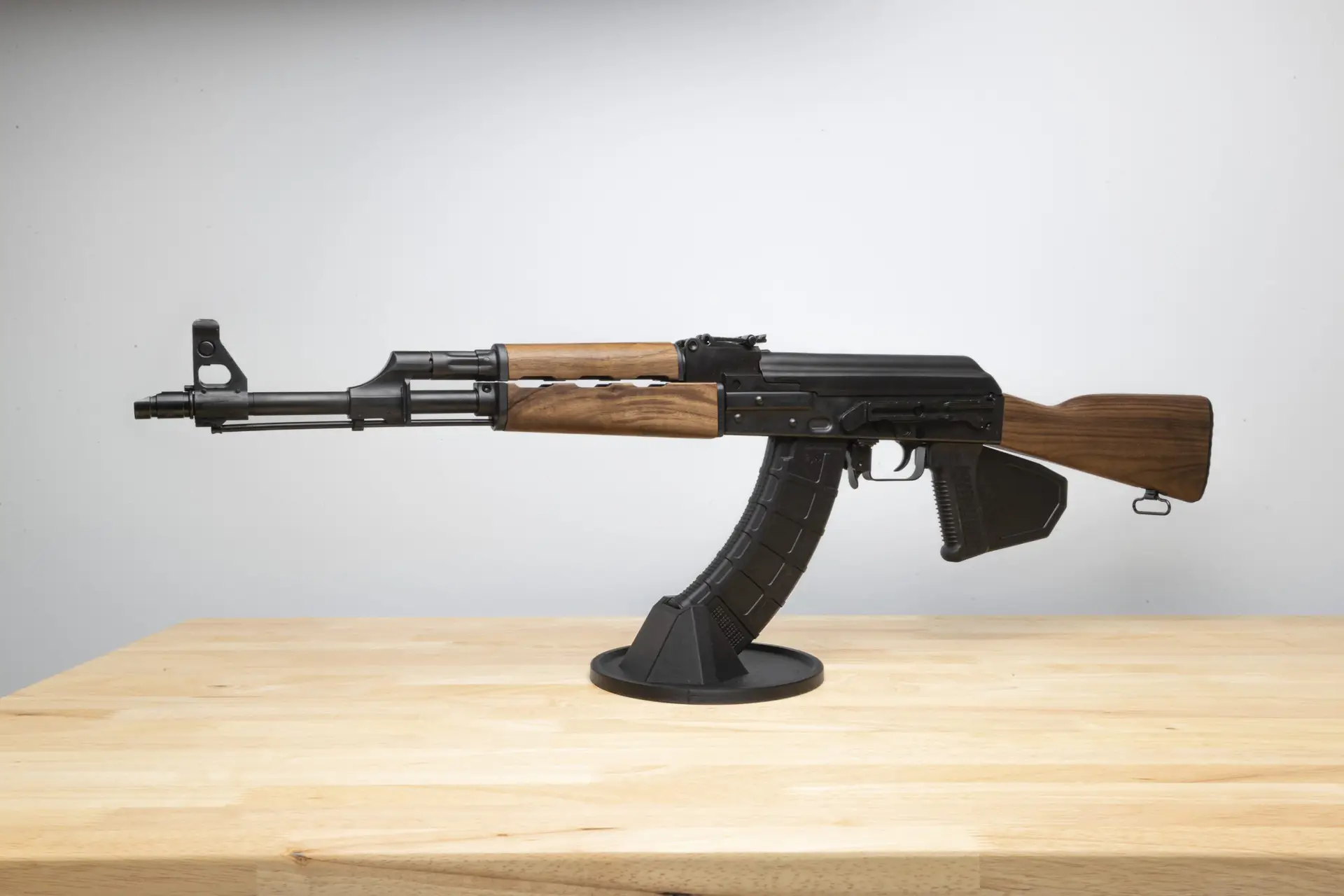

The AK-47 is one of the most recognizable rifle designs in the world. Its curved magazine, prominent gas tube, right-side charging handle, large safety lever, and distinctive wood or durable plastic furniture have made it instantly identifiable across generations.
Although the term “AK-47” is commonly used to describe nearly every Kalashnikov-style rifle, the original AK-47 represents only one stage in a much larger family of designs. Many rifles encountered in commercial collections are actually based on the later AKM, AK-74, AK-100 series, or country-specific variations.
The Kalashnikov family has been produced in numerous countries, chambered for several cartridges, and configured with stamped or milled receivers, fixed or folding stocks, traditional wood furniture, modern accessory rails, and many different magazine patterns.
Understanding the AK-47 platform requires more than recognizing its exterior shape. Receiver construction, caliber, country of origin, trunnion design, furniture pattern, barrel components, and magazine compatibility can all vary significantly from one rifle to another.
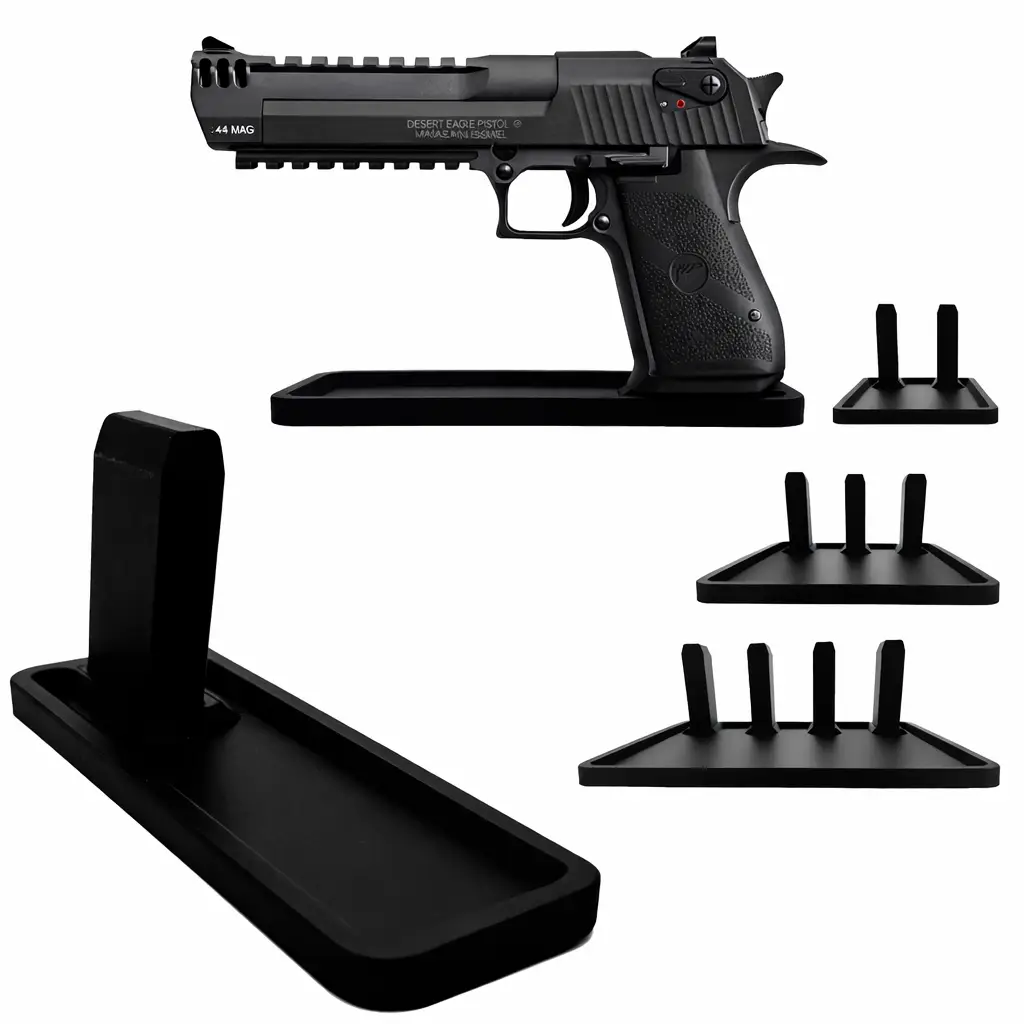
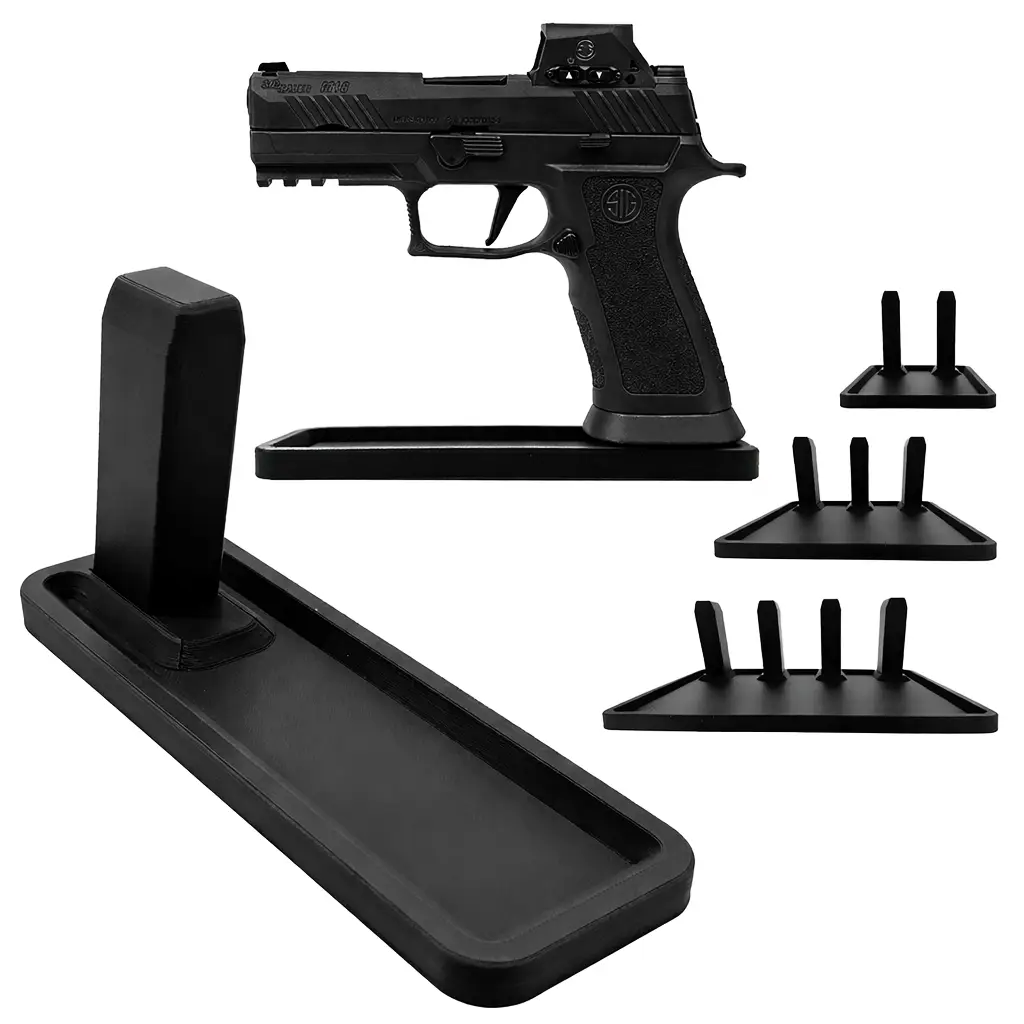
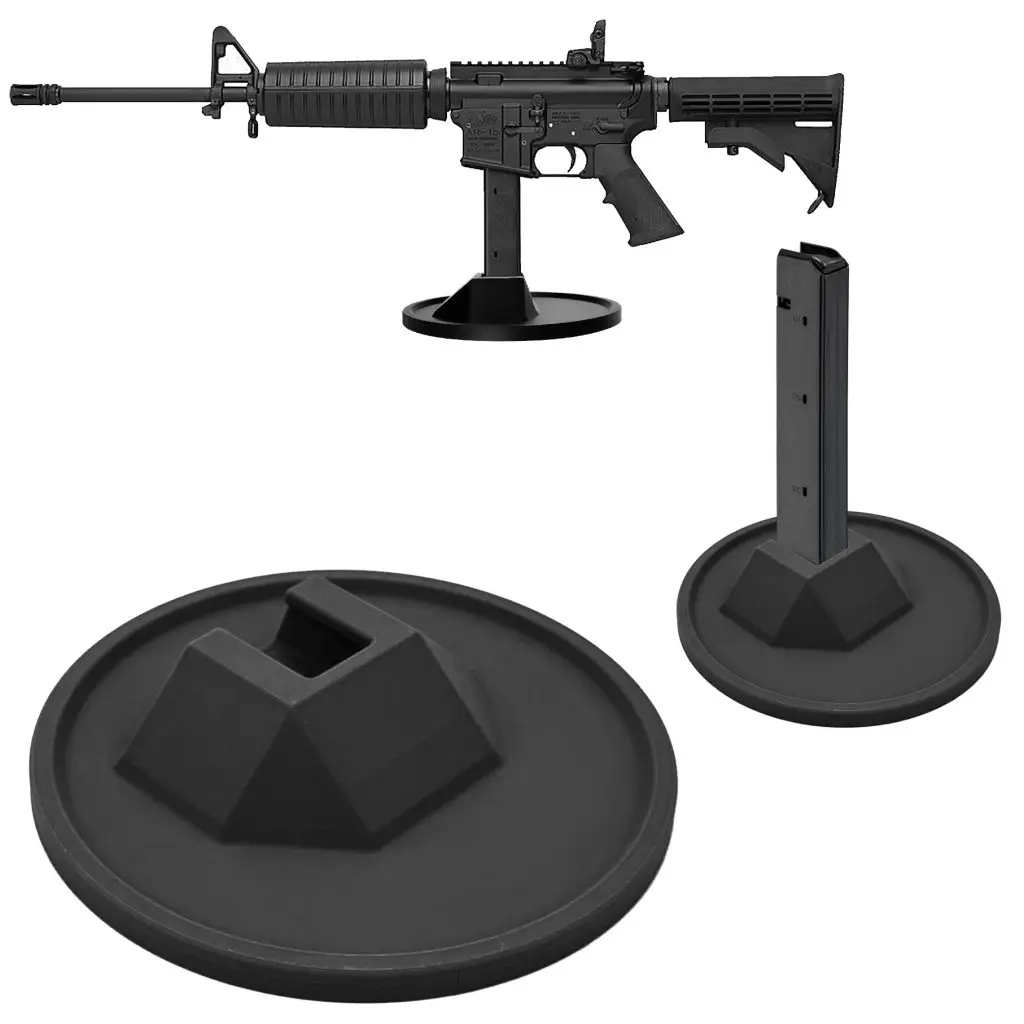
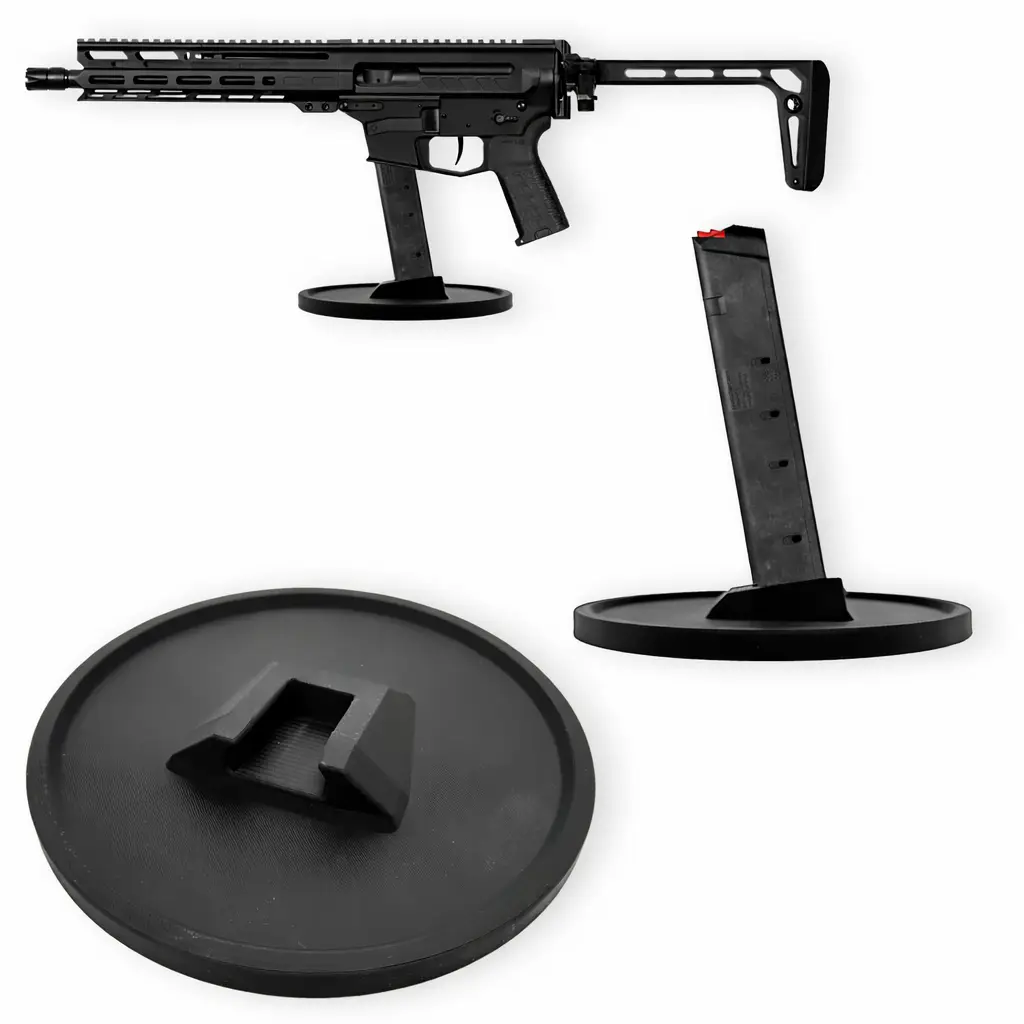
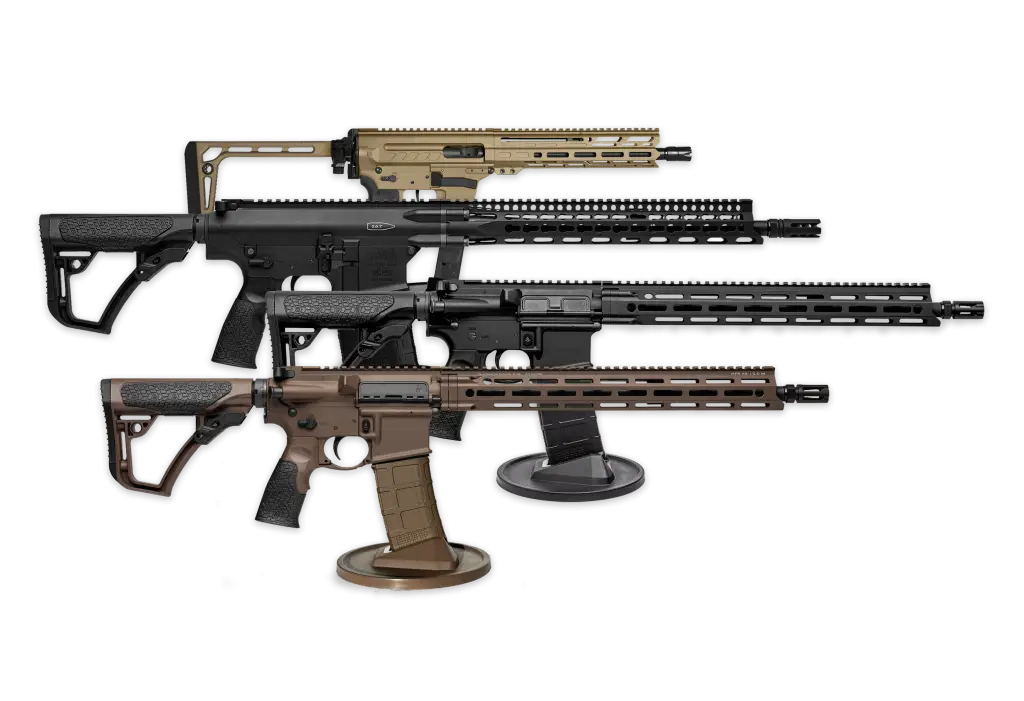
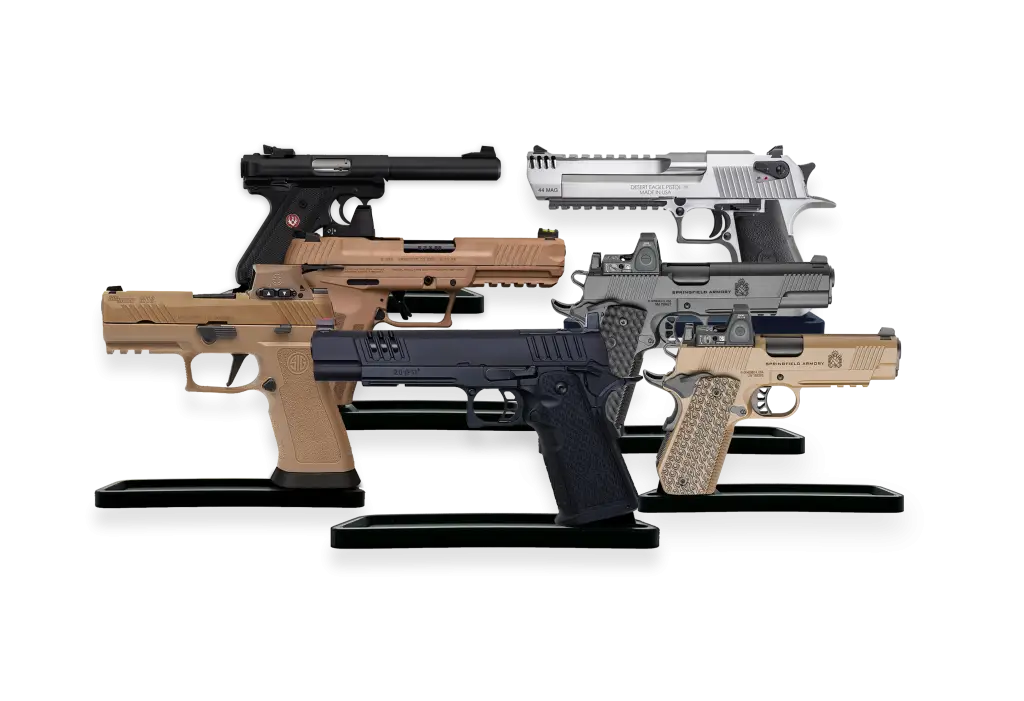
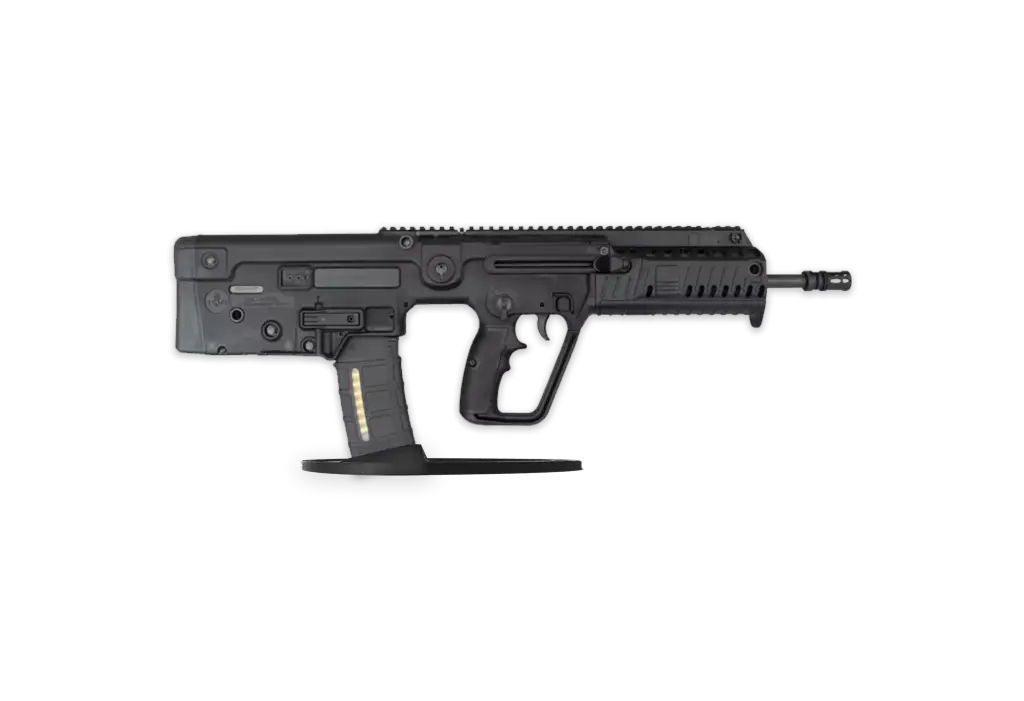
Collectors who own multiple Kalashnikov-pattern rifles often organize them using a compatible AK gun stand, allowing the curved magazine, receiver, stock, handguards, and country-specific details to remain visible.
What Is the AK-47?
The AK-47 is a gas-operated rifle developed in the Soviet Union during the years following World War II. Its name is derived from the Russian phrase commonly translated as “Kalashnikov automatic rifle, model of 1947.”
Mikhail Kalashnikov is the designer most closely associated with the platform, although the finished rifle was the result of a broader Soviet development and manufacturing effort involving engineers, armorers, testing personnel, and production specialists.
The original platform was designed around the 7.62x39mm intermediate cartridge and used a detachable curved magazine.
Recognizable design features include:
- Long-stroke gas-piston operation.
- Rotating bolt.
- Right-side reciprocating charging handle.
- Large safety and selector lever.
- Curved detachable magazine.
- Separate upper and lower handguards.
- Removable receiver top cover.
- Fixed or folding stock options.
Why the Term AK-47 Is Used So Broadly
In everyday conversation, “AK-47” is often used as a general label for almost any rifle with a Kalashnikov-style design. Technically, however, the original AK-47, the AKM, the AK-74, and modern commercial AK-pattern rifles are separate variants.
Many commonly encountered rifles are more accurately described as:
- AKM-pattern rifles.
- AK-74-pattern rifles.
- AK-100-series rifles.
- Country-specific Kalashnikov variants.
- Commercial AK-style rifles.
- Pistol-caliber or large-frame Kalashnikov-related platforms.
The broad use of the AK-47 name reflects the visual and mechanical influence of the original design, but collectors should identify individual rifles by their exact model, caliber, receiver, and country of manufacture.
The Development of the AK Platform
The AK platform was developed during a period when military organizations were exploring intermediate cartridges and select-fire rifles that could bridge the gap between full-power battle rifles and compact submachine guns.
The 7.62x39mm cartridge offered a smaller and lighter alternative to traditional full-power rifle ammunition. The new cartridge influenced the dimensions of the receiver, bolt, barrel, and magazine.
The strongly tapered cartridge case also contributed to the recognizable curve of the AK magazine. Stacking tapered cartridges in a double-column magazine naturally creates a curved shape.
Early production presented manufacturing challenges, and the platform evolved through several receiver designs before the stamped-receiver AKM became the dominant version.
The Original AK-47 Receiver Types
Collectors often divide early AK-47 rifles into several receiver types.
Type 1 Receiver
The earliest production AK rifles used a stamped sheet-steel receiver. Manufacturing difficulties limited the success of this first approach.
Type 2 Receiver
The Type 2 design used a machined or milled receiver with a distinctive profile and separate stock attachment arrangement.
Type 3 Receiver
The Type 3 refined the milled receiver design and became one of the most recognizable early AK-47 configurations.
Original early rifles are historically significant and differ considerably from the later stamped AKM pattern that dominates the modern market.
The AKM
The AKM was a major modernization of the original AK-47 design. The letter “M” refers to a modernized version.
The AKM returned to stamped receiver construction, using sheet steel formed into the receiver shell. Front and rear trunnions were riveted into the receiver to support the barrel, bolt-locking surfaces, and stock assembly.
Common AKM characteristics include:
- Stamped receiver.
- Riveted trunnions.
- Lower overall weight than many milled rifles.
- Slanted muzzle device on many configurations.
- Laminated or solid wood furniture.
- 7.62x39mm chambering.
- Curved 30-round magazine.
Many rifles casually called AK-47s are mechanically and visually closer to the AKM.
Stamped vs Milled AK Receivers
Receiver construction is one of the most important differences between AK variants.
Stamped Receiver
A stamped receiver is formed from sheet steel. Trunnions and other structural components are riveted into the receiver shell.
Potential characteristics include:
- Lower weight.
- Large-scale manufacturing efficiency.
- Visible rivets.
- Broad use across AKM-pattern rifles.
- Extensive furniture and parts support.
Milled Receiver
A milled receiver is machined from a larger piece of metal.
Potential characteristics include:
- Greater receiver mass.
- Distinctive lightening cuts.
- Different stock attachment system.
- Strong collector appeal.
- Smooth exterior receiver surfaces.
Neither receiver style automatically determines the quality of a complete rifle. Manufacturing quality, barrel installation, rivet work, heat treatment, component fit, and assembly all matter.
How the AK Operating System Works
The traditional AK uses a long-stroke gas-piston operating system. The gas piston is attached to the bolt carrier, creating one large moving assembly.
When the rifle cycles, gas is directed through a port in the barrel and acts on the piston. The carrier and piston move together, causing the bolt to unlock and the operating assembly to travel rearward.
The system works with several major components:
- Barrel gas port.
- Gas block.
- Gas tube.
- Gas piston.
- Bolt carrier.
- Rotating bolt.
- Recoil spring assembly.
This operating arrangement is one of the defining differences between the AK and traditional AR-15 platforms.
The AK Bolt and Bolt Carrier
The AK uses a rotating bolt that locks into the front trunnion or corresponding receiver structure, depending on the design.
The bolt carrier supports the bolt and is permanently connected to the long gas piston on traditional models.
Common bolt-related components include:
- Bolt body.
- Locking lugs.
- Extractor.
- Firing pin.
- Bolt carrier.
- Gas piston.
Bolts should not be treated as universally interchangeable. Caliber, headspace, country pattern, bolt dimensions, and trunnion specifications can differ.
The AK Safety and Selector Lever
The traditional AK safety and selector is a large stamped lever on the right side of the receiver.
On many designs, the lever serves several functions:
- Controls the rifle’s operating mode according to its design.
- Blocks movement of internal components when placed on safe.
- Covers part of the charging-handle opening.
- Helps reduce entry of large debris when closed.
Commercial semi-automatic rifles commonly use markings and internal components appropriate to their legal configuration.
Modern aftermarket selectors may include extended tabs that improve access while maintaining the traditional lever arrangement.
The Reciprocating Charging Handle
The AK charging handle is attached directly to the bolt carrier and moves whenever the carrier cycles. This is known as a reciprocating charging handle.
Its location on the right side creates a simple mechanical connection between the user and the operating assembly.
The handle’s size, angle, and shape may vary among countries and commercial manufacturers. Aftermarket extensions are also available, although compatibility and secure attachment should be considered carefully.
The AK Magazine System
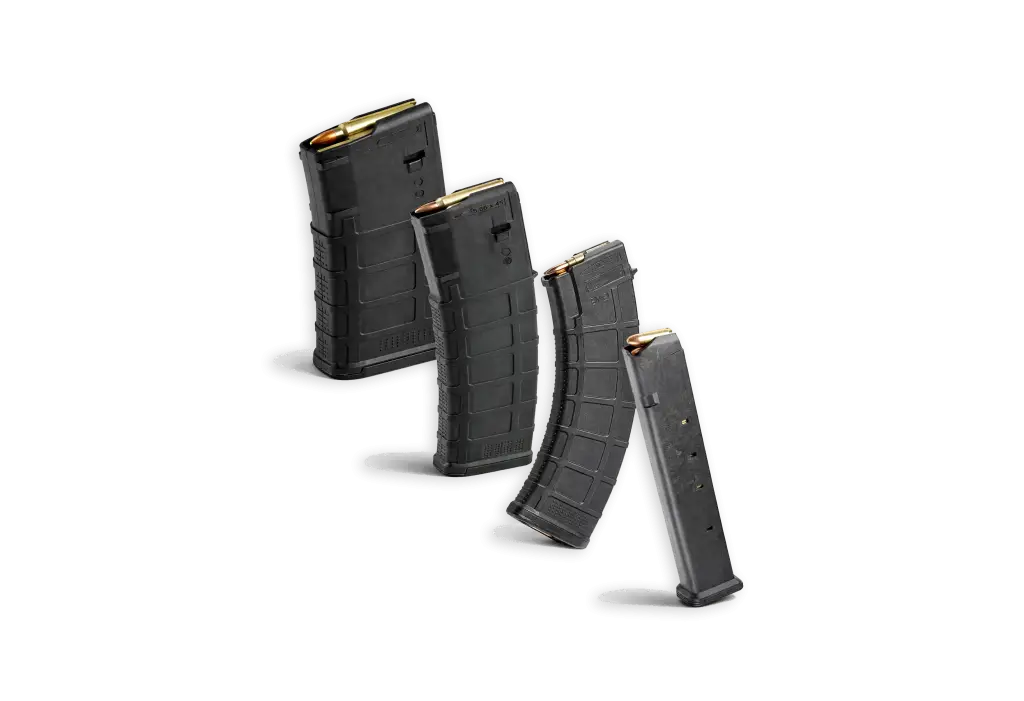
The traditional AK magazine uses front and rear locking points. The front lug engages the rifle first, and the magazine is then rotated rearward until the rear locking lug is secured by the magazine catch.
This insertion method is commonly described as rocking the magazine into place.
AK magazines are available in several materials:
- Stamped steel.
- Durable plastic.
- Fiber-reinforced materials.
- Aluminum on selected designs.
- Mixed-material construction.
Magazine compatibility depends on caliber, rifle pattern, feed-lip design, locking-lug dimensions, and receiver geometry.
7.62x39mm AK Magazines
The classic 7.62x39mm AK magazine is one of the most recognizable rifle magazines ever produced.
Common capacities include:
- 5 rounds.
- 10 rounds.
- 20 rounds.
- 30 rounds.
- 40 rounds.
- Drum configurations.
Capacity availability and legality vary by jurisdiction.
The 30-round curved magazine is the pattern most commonly associated with the AKM and commercial AK-style rifles.
AK-74 and 5.45x39mm
The AK-74 represented a major evolution of the Kalashnikov system. It was developed around the smaller 5.45x39mm cartridge.
Although the rifle retained the familiar AK operating layout, several components were changed for the new cartridge.
Common AK-74 characteristics include:
- 5.45x39mm chambering.
- Distinctively shaped magazine.
- Different bolt and barrel dimensions.
- Large muzzle brake on many models.
- Fixed and folding-stock variants.
- Wood, plum-colored, or black durable plastic furniture.
AK-74 magazines should not be confused with 7.62×39 AK magazines. Their curvature, feed geometry, cartridge dimensions, and locking details differ.
AKS-74 and Folding-Stock Variants
The AKS-74 is a folding-stock version of the AK-74. The “S” designation is associated with a folding stock.
Folding stocks reduce the rifle’s overall length for transportation and storage.
Kalashnikov folding-stock designs include:
- Underfolding metal stocks.
- Side-folding triangle stocks.
- Side-folding durable plastic stocks.
- Modern adjustable folding designs.
Stock compatibility depends heavily on the rear trunnion and receiver pattern.
AKS-74U
The AKS-74U is a compact member of the AK-74 family. It uses a shortened barrel, modified gas system, folding stock, and specialized muzzle device.
Its compact profile has made it highly recognizable among military-history collectors and enthusiasts.
Commercial rifles inspired by this appearance may differ significantly in barrel length, operating components, stock configuration, and legal classification.
Owners should evaluate modern commercial products according to their exact specifications rather than assuming they are mechanically identical to historic military models.
The AK-100 Series
The AK-100 series modernized the Kalashnikov family with updated materials, folding stocks, and several caliber options.
Commonly discussed members include:
- AK-101 in 5.56 NATO.
- AK-102 compact 5.56 variant.
- AK-103 in 7.62x39mm.
- AK-104 compact 7.62×39 variant.
- AK-105 compact 5.45×39 variant.
The family maintained the familiar AK layout while incorporating black durable plastic furniture and modernized manufacturing features.
AK-103
The AK-103 is one of the best-known AK-100-series rifles. It combines the traditional 7.62x39mm chambering with modernized furniture and a side-folding stock.
Its appearance has influenced several commercial rifles and collector builds.
Common visual features include:
- Black durable plastic furniture.
- Side-folding stock.
- AK-74-style muzzle device arrangement.
- Modern side optic rail.
- Traditional curved 7.62×39 magazine.
AK-12 and Newer Designs
The Kalashnikov platform has continued to evolve through newer rifle programs such as the AK-12 family.
Modernized features may include:
- Updated furniture.
- Improved accessory mounting.
- Revised selector designs.
- Adjustable or folding stocks.
- Modern sighting systems.
- Revised muzzle and handguard components.
These rifles demonstrate how the platform can retain its long-stroke piston and rotating-bolt heritage while adopting features expected on contemporary rifles.
RPK Light Support Variants
The RPK is a related Kalashnikov platform designed for a light-support role.
Common differences from a standard AKM include:
- Longer and heavier barrel.
- Reinforced receiver or trunnion features.
- Integrated bipod.
- Different stock shape.
- Use of extended magazines or drums.
Commercial semi-automatic versions and reproductions may appeal to collectors interested in the broader Kalashnikov family.
RPK-74
The RPK-74 applies the light-support concept to the 5.45x39mm cartridge family.
It commonly features a longer barrel, bipod, reinforced construction, and extended magazine compared with a standard AK-74.
As with other Kalashnikov variants, exact specifications differ by country, production period, and commercial manufacturer.
AK-Style Rifles in 5.56 NATO
Several countries and commercial manufacturers have produced Kalashnikov-pattern rifles chambered in 5.56 NATO or .223 Remington.
These rifles may appeal to owners who want AK-style operation while using a cartridge widely available in the American market.
However, 5.56 AK magazine compatibility can be complex. Different manufacturers may use different magazine geometry, feed angles, locking-lug dimensions, and bolt designs.
Owners should use magazines recommended for the specific rifle rather than assuming every 5.56 AK magazine is interchangeable.
AK-Style Rifles in 9mm
Commercial manufacturers have also adapted the Kalashnikov layout to pistol calibers such as 9mm.
These platforms may use:
- Proprietary magazines.
- Modified pistol magazines.
- Blowback operation.
- Caliber-specific bolts.
- Dedicated receivers or magazine wells.
Although they resemble traditional AK rifles, pistol-caliber versions may use substantially different internal systems.
Large-Frame Kalashnikov-Related Rifles
The broader Kalashnikov family also includes rifles chambered for larger cartridges such as 7.62x51mm NATO.
These rifles may use enlarged receivers, bolts, barrels, and magazines compared with standard AKM-pattern rifles.
A large-frame Kalashnikov-related rifle should not be assumed to share magazines or internal components with a 7.62×39 AK.
Country-Specific AK Variants
One of the most interesting aspects of AK collecting is the number of countries that produced their own variants.
Variations may involve:
- Receiver thickness.
- Front and rear trunnions.
- Furniture shape.
- Gas blocks.
- Front sights.
- Magazine compatibility.
- Muzzle threads.
- Markings.
- Stock attachment.
These differences create distinct collecting categories.
Romanian AK Variants
Romanian AK-pattern rifles are widely encountered in the American market. Commercial examples have included rifles assembled from imported components as well as factory-produced configurations.
Recognizable Romanian features may include:
- Stamped receiver construction.
- Traditional wood furniture.
- Distinctive lower handguards on some models.
- Side optic rails on selected versions.
- 7.62x39mm chambering.
Exact quality and specifications depend on the importer, production period, parts, and assembly.
Bulgarian AK Variants
Bulgarian production is associated with several respected milled and stamped Kalashnikov-pattern rifles.
Collector interest often focuses on:
- Milled receivers.
- Folding-stock configurations.
- 5.45, 5.56, and 7.62 caliber options.
- AK-74 and AK-100-inspired designs.
- Distinctive factory markings.
Bulgarian-pattern rifles occupy an important place in both historical and commercial AK collecting.
Serbian and Yugoslavian-Pattern Rifles
Serbian and former Yugoslavian-pattern rifles differ from standard Soviet AKM dimensions in several important ways.
Common differences may include:
- Different handguard dimensions.
- Unique stock attachment patterns.
- Thicker receiver construction on selected models.
- Distinctive gas blocks.
- Specialized furniture.
- Different receiver-cover or optic-mounting arrangements.
Furniture designed for a standard AKM may not fit a Serbian-pattern rifle.
Polish AK Variants
Polish Kalashnikov-related rifles include several historic and modern designs.
Collector interest may focus on:
- Country-specific markings.
- Folding-stock models.
- 5.45 and 5.56 variants.
- Unique muzzle devices.
- Distinctive handguard and stock designs.
Modern Polish commercial rifles may combine traditional Kalashnikov operating features with updated furniture and accessory mounting.
Chinese AK Variants
Chinese Kalashnikov-pattern rifles hold significant collector interest in the United States.
Recognizable features may include:
- Stamped or milled receivers.
- Distinctive front sight and gas-block arrangements.
- Different receiver thicknesses.
- Wood furniture.
- Unique markings and model names.
- Underfolding and fixed-stock configurations.
Import restrictions and historical availability have contributed to collector demand for certain Chinese models.
Hungarian AK Variants
Hungarian Kalashnikov-pattern rifles are known for several distinctive configurations, including compact or specialized furniture arrangements.
Collectors may look for:
- Country-specific grips.
- Unique handguards.
- Folding stocks.
- Distinct muzzle devices.
- Historic markings.
Finnish and Israeli Kalashnikov-Influenced Rifles
The Kalashnikov design also influenced rifles such as the Finnish Valmet family and the Israeli Galil.
These rifles are not simply standard AK variants. They incorporate significant changes to receivers, sights, furniture, calibers, magazines, and controls.
Their existence demonstrates how widely the Kalashnikov operating concept influenced global rifle development.
Traditional AK Furniture
Wood furniture is one of the most recognizable features of early AK and AKM rifles.
Common wood components include:
- Fixed stock.
- Lower handguard.
- Upper gas-tube cover.
- Pistol grip on selected patterns.
Wood types and finishes vary by country and production period. Solid wood and laminated wood are both common.
Collectors often value original furniture because grain, color, shape, and finish can help identify the rifle’s origin and historical style.
Durable Plastic AK Furniture
Later AK variants increasingly used durable plastic furniture.
Common colors include:
- Black.
- Plum.
- Dark brown.
- Green.
- Tan on modern commercial products.
Durable plastic furniture can reduce maintenance and provide greater consistency than traditional wood.
Modern AK Handguards
Modern AK handguards may incorporate:
- M-LOK slots.
- Picatinny rails.
- Extended aluminum construction.
- Heat shields.
- Integrated optic mounting.
- QD sling sockets.
Unlike AR-15 handguards, AK handguards are often pattern-specific. Receiver type, front handguard retainer, gas tube, barrel components, and country of origin may affect compatibility.
AK Optic Mounting Options
Traditional AK rifles were designed primarily around iron sights. Modern owners have several optic-mounting options.
Common systems include:
- Side-rail mounts.
- Railed gas tubes.
- Railed receiver covers.
- Rear-sight-block mounts.
- Modern chassis systems.
- Handguard-mounted rails.
The side optic rail is one of the most established systems. It allows a compatible mount to attach to the left side of the receiver.
Receiver-cover mounts vary in quality and design. A standard removable top cover was not originally intended to serve as a precision optic-mounting surface.
AK Iron Sights
Traditional AK sights include a front post and rear tangent sight.
The rear sight is mounted forward of the receiver, creating a shorter sight radius than many traditional AR-15 configurations.
Modern commercial rifles may include:
- Traditional tangent sights.
- Adjustable rear apertures.
- Optic-ready rails.
- Enhanced front sight posts.
AK Muzzle Devices
Kalashnikov variants use many different muzzle devices and thread patterns.
Common examples include:
- Thread protectors.
- Slant brakes.
- AK-74-style brakes.
- Flash hiders.
- Commercial compensators.
- Suppressor-mounting devices where lawful.
Thread pitch, barrel diameter, front-sight-block design, caliber, and manufacturer specifications must be verified before selecting a device.
AK Stock Variants
AK stocks vary more than many new owners realize.
Common styles include:
- Fixed wood stock.
- Fixed durable plastic stock.
- Underfolding metal stock.
- Side-folding triangle stock.
- Side-folding durable plastic stock.
- Wire stock.
- Modern adjustable stock.
- Stock adapters for selected patterns.
The stock must match the rear trunnion and receiver pattern. A stock designed for one Kalashnikov variant may not fit another without specialized conversion work.
AK Maintenance
Routine maintenance helps preserve any rifle’s reliability and service life.
General AK inspection may include:
- Barrel and chamber.
- Bolt and locking lugs.
- Bolt carrier.
- Gas piston.
- Gas tube.
- Recoil spring assembly.
- Extractor.
- Magazine catch.
- Safety lever.
- Stock and handguard hardware.
Owners should follow the manufacturer’s manual for their exact rifle.
Corrosive Ammunition Considerations
Some surplus ammunition may use corrosive primers. Residue from this ammunition can contribute to corrosion if the rifle is not cleaned appropriately.
Owners should determine whether their ammunition is corrosive and follow appropriate manufacturer-approved cleaning procedures.
Areas requiring attention may include:
- Bore.
- Chamber.
- Gas block.
- Gas tube.
- Gas piston.
- Muzzle components.
AK Parts Compatibility
One of the most common mistakes among new AK owners is assuming that every part fits every AK.
Compatibility may depend on:
- Stamped vs milled receiver.
- Caliber.
- Country pattern.
- Rear trunnion.
- Receiver thickness.
- Front handguard retainer.
- Gas-tube length.
- Barrel diameter.
- Muzzle threads.
- Magazine-well dimensions.
AK components frequently require more pattern-specific research than common AR-15 parts.
AK Magazine Compatibility
Magazine fit can vary even among rifles chambered for the same cartridge.
Owners should inspect:
- Front locking lug.
- Rear locking lug.
- Feed lips.
- Magazine body width.
- Follower.
- Rifle magazine catch.
- Receiver opening.
A small amount of movement may be normal on some rifles, but excessive looseness, failure to lock, or feeding problems should be evaluated.
Collecting AK Variants
AK collecting can focus on many different themes.
Popular collecting categories include:
- Country of origin.
- Stamped vs milled receivers.
- Fixed vs folding stocks.
- 7.62, 5.45, and 5.56 calibers.
- Historic furniture patterns.
- Factory markings.
- Imported rifles.
- Domestic commercial rifles.
- Military-inspired reproductions.
- Modernized accessory configurations.
The wide range of variants allows collectors to build a visual timeline of Kalashnikov development.
Displaying an AK Collection
An AK collection may contain rifles with very different magazines, stocks, receivers, and furniture.
A platform-specific rifle stand allows owners to showcase:
- Curved magazine profiles.
- Wood or durable plastic furniture.
- Stamped receiver rivets.
- Milled receiver lightening cuts.
- Side-folding stocks.
- Optic mounts.
- Country-specific markings.
- Modern M-LOK handguards.
Because AK magazines differ by caliber and platform, stand compatibility should be based on the exact magazine model rather than the general AK name.
Why GunCreed Offers AK-Specific Stands
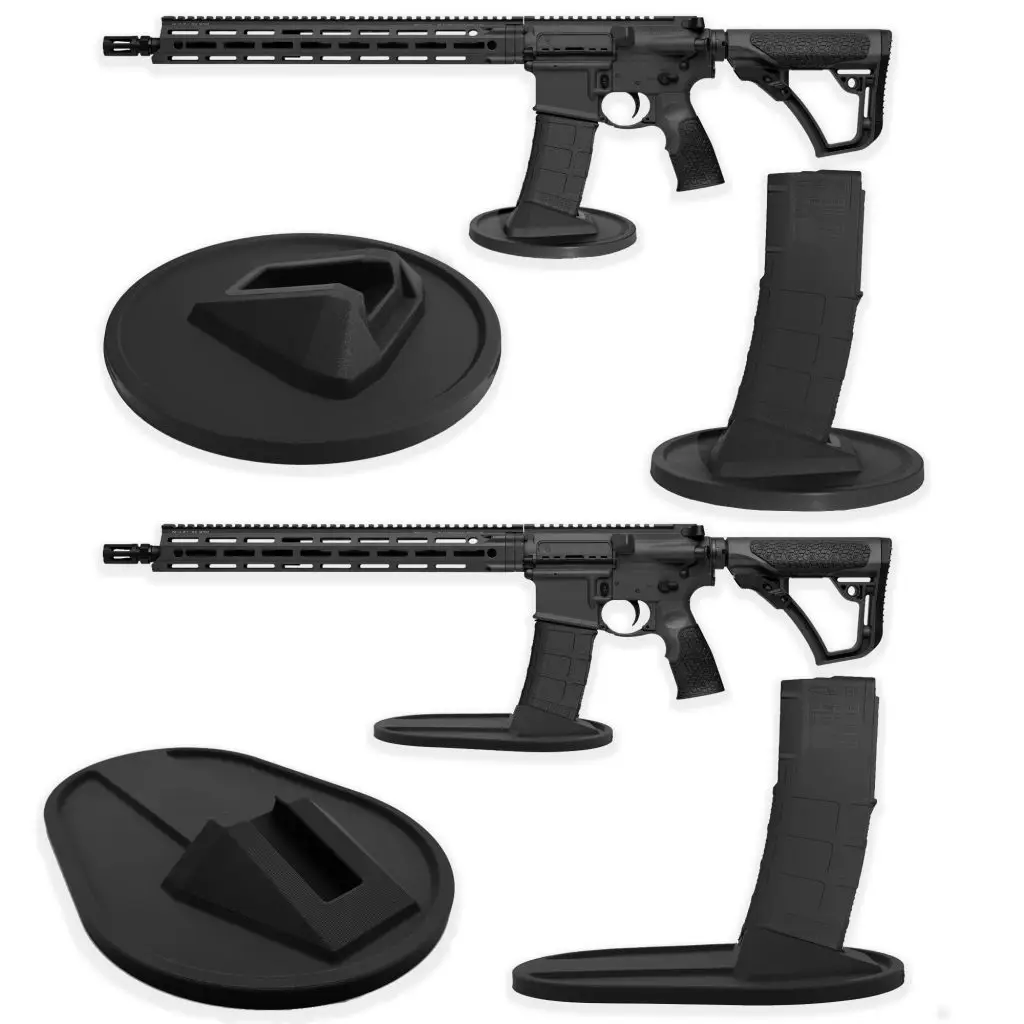
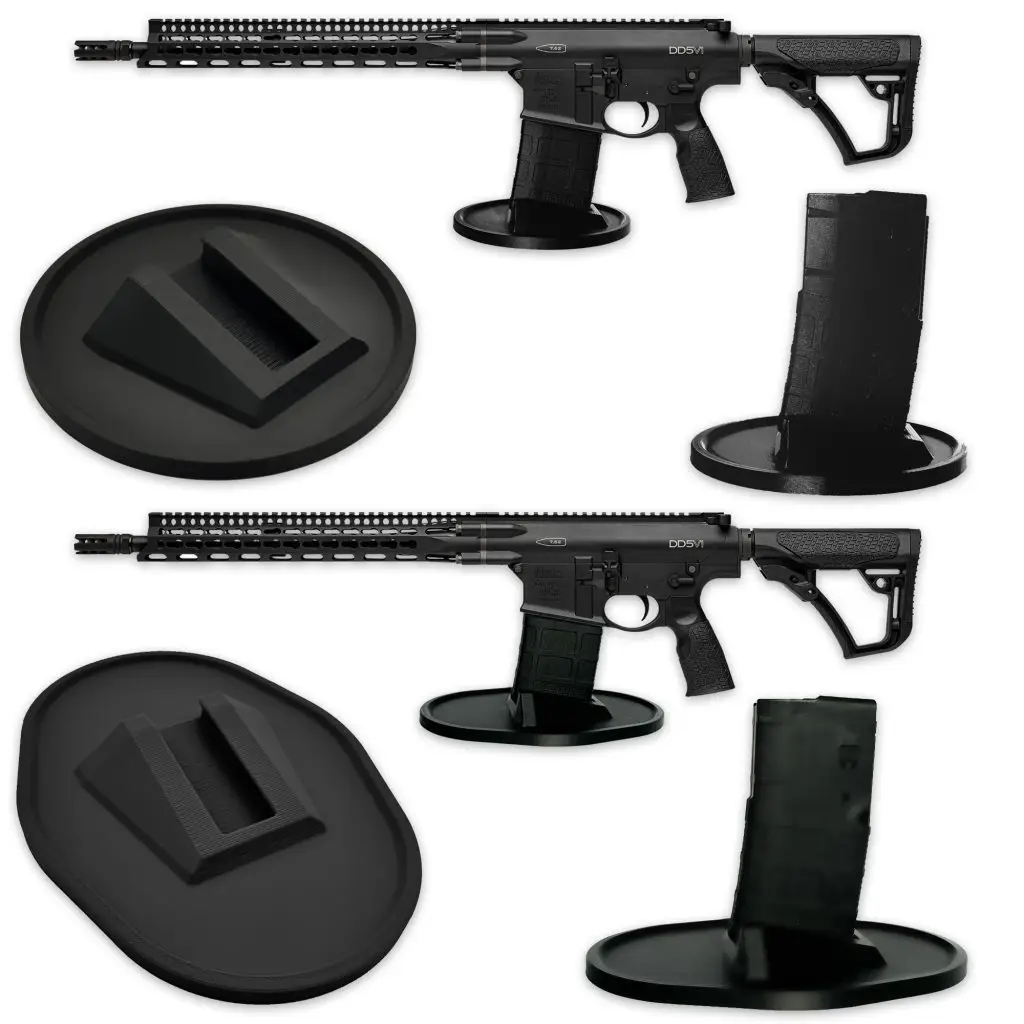
GunCreed rifle stands use a compatible magazine to connect the rifle to the display base. This approach leaves the receiver, furniture, barrel, optic, and stock visible.
An AK-specific stand must account for the magazine’s:
- Curvature.
- Body width.
- Front locking lug.
- Rear locking lug.
- Caliber-specific geometry.
A stand designed for a standard AR-15 magazine will not automatically fit an AK magazine.
Using the correct AK gun stand creates a stable, organized display while preserving the unique appearance of the Kalashnikov platform.
Common AK Buying Mistakes
Calling Every Variant an AK-47
Many rifles are more accurately identified as AKM, AK-74, AK-100-series, or country-specific patterns.
Assuming All Furniture Fits
Stocks, handguards, and pistol grips may be receiver- or country-specific.
Buying the Wrong Magazine
Caliber and magazine pattern must match the rifle.
Ignoring Receiver Construction
Stamped and milled receivers use different furniture and mounting systems.
Choosing Only by Appearance
Assembly quality, barrel condition, rivets, sights, receiver alignment, and parts availability matter.
Buying a Display Stand Without Checking the Magazine
The stand must match the exact magazine dimensions and locking pattern.
AK-47 Frequently Asked Questions
Is Every AK-Style Rifle an AK-47?
No. The AK-47 is the original platform, while the AKM, AK-74, AK-100 series, and numerous national variants represent later designs.
What Caliber Is the Original AK-47?
The original AK-47 was designed around the 7.62x39mm cartridge.
What Is the Difference Between an AK-47 and AKM?
The AKM is a modernized design that commonly uses a lighter stamped receiver and revised manufacturing features.
What Is a Milled AK?
A milled AK uses a receiver machined from a larger piece of metal rather than a formed sheet-steel shell with riveted trunnions.
What Is the AK-74?
The AK-74 is a later Kalashnikov variant designed primarily around the 5.45x39mm cartridge.
Can All AK Rifles Use the Same Magazine?
No. Magazine compatibility depends on caliber, receiver, manufacturer, and rifle pattern.
Can AR-15 Furniture Fit an AK?
Generally, no. The platforms use different receiver, stock, grip, and handguard attachment systems, although specialty adapters exist for selected configurations.
Can One AK Stand Fit Every AK Variant?
No. A magazine-based stand must match the exact magazine pattern and dimensions used by the rifle.
Final Thoughts
The AK-47 is not one single rifle configuration but the starting point of an enormous family of Kalashnikov-pattern designs. The original milled-receiver AK-47 evolved into the lighter stamped AKM, followed by the 5.45×39 AK-74 family, folding-stock models, compact variants, AK-100-series rifles, and modernized designs.
The platform also spread across numerous countries. Romanian, Bulgarian, Serbian, Polish, Chinese, Hungarian, and other manufacturers introduced distinct receiver designs, furniture, markings, calibers, and production methods.
This variety is one of the reasons AK collecting can be complex. A part or magazine that fits one rifle may not fit another, even when both are casually described as AK-47s. Receiver construction, trunnion pattern, caliber, country of origin, and magazine geometry must all be considered.
The Kalashnikov platform’s long-stroke gas piston, rotating bolt, reciprocating charging handle, curved magazine, and recognizable control arrangement have remained central throughout its evolution. Modern versions add M-LOK handguards, optics rails, adjustable stocks, enhanced selectors, and updated materials while preserving those core characteristics.
For collectors, the AK family provides an opportunity to compare decades of global rifle development. A milled rifle with traditional wood furniture, a stamped AKM, a folding-stock AK-74, and a modern 5.56 AK may look related while representing very different production histories.
Displaying those rifles on compatible gun stands helps keep the collection organized while leaving each receiver, stock, handguard, magazine, and optic visible.
Because magazine patterns vary, collectors should choose a stand designed specifically for the rifle’s compatible magazine. A properly matched AK gun stand provides a clean and professional way to showcase one of the most influential rifle platforms ever developed.