




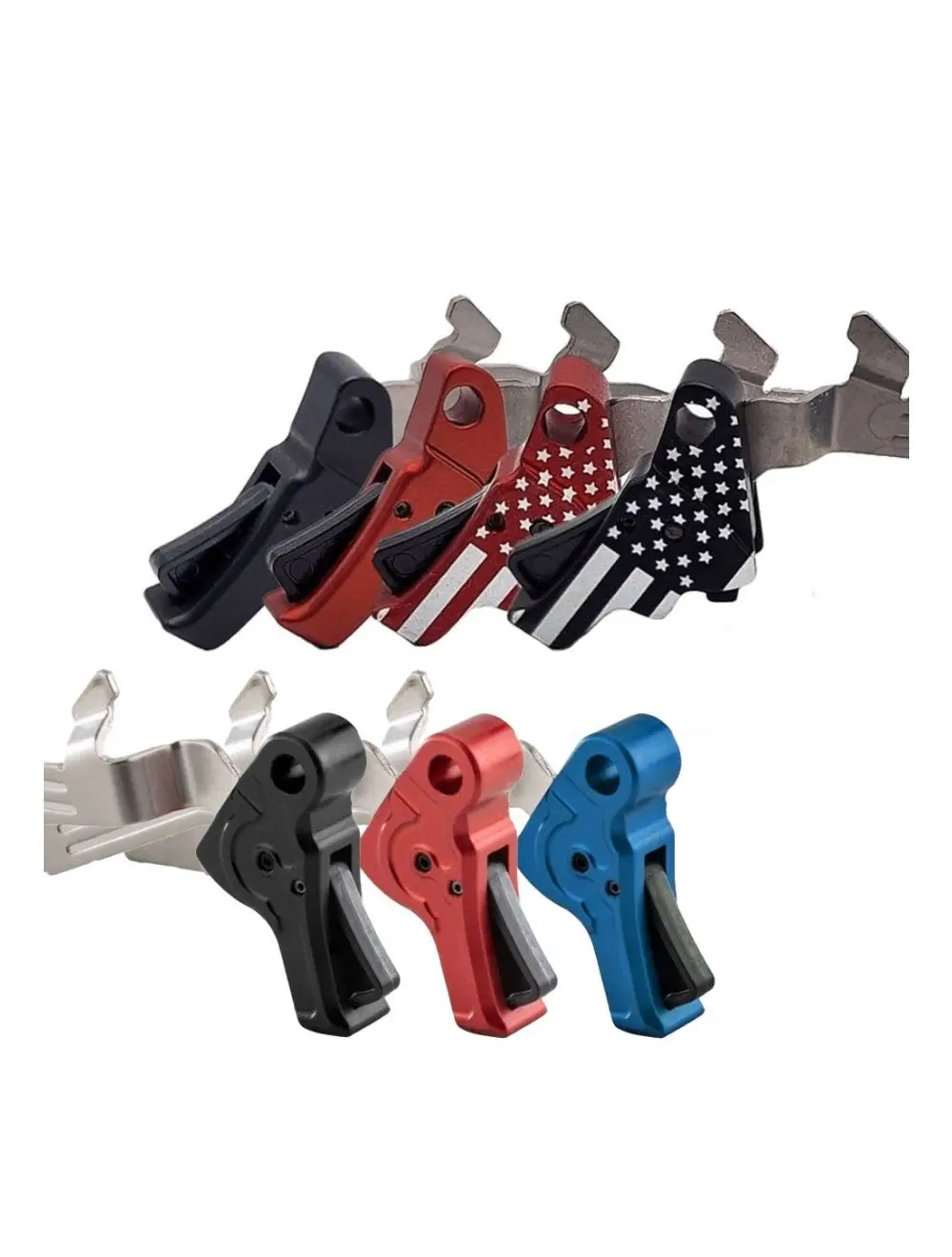

One of the most popular upgrades among modern sporting rifle owners is replacing the factory trigger. A quality trigger can improve accuracy, consistency, comfort, and overall shooting performance. However, one of the most misunderstood aspects of upgrading a rifle is trigger compatibility.
Not all triggers fit all rifles. While many modern sporting rifles share similar design characteristics, subtle differences in receivers, fire control groups, calibers, manufacturers, and operating systems can affect whether a trigger will function safely and reliably.
Understanding trigger compatibility is essential before purchasing an aftermarket trigger system. The wrong trigger may not fit properly, may fail to function correctly, or could create reliability issues that impact performance.
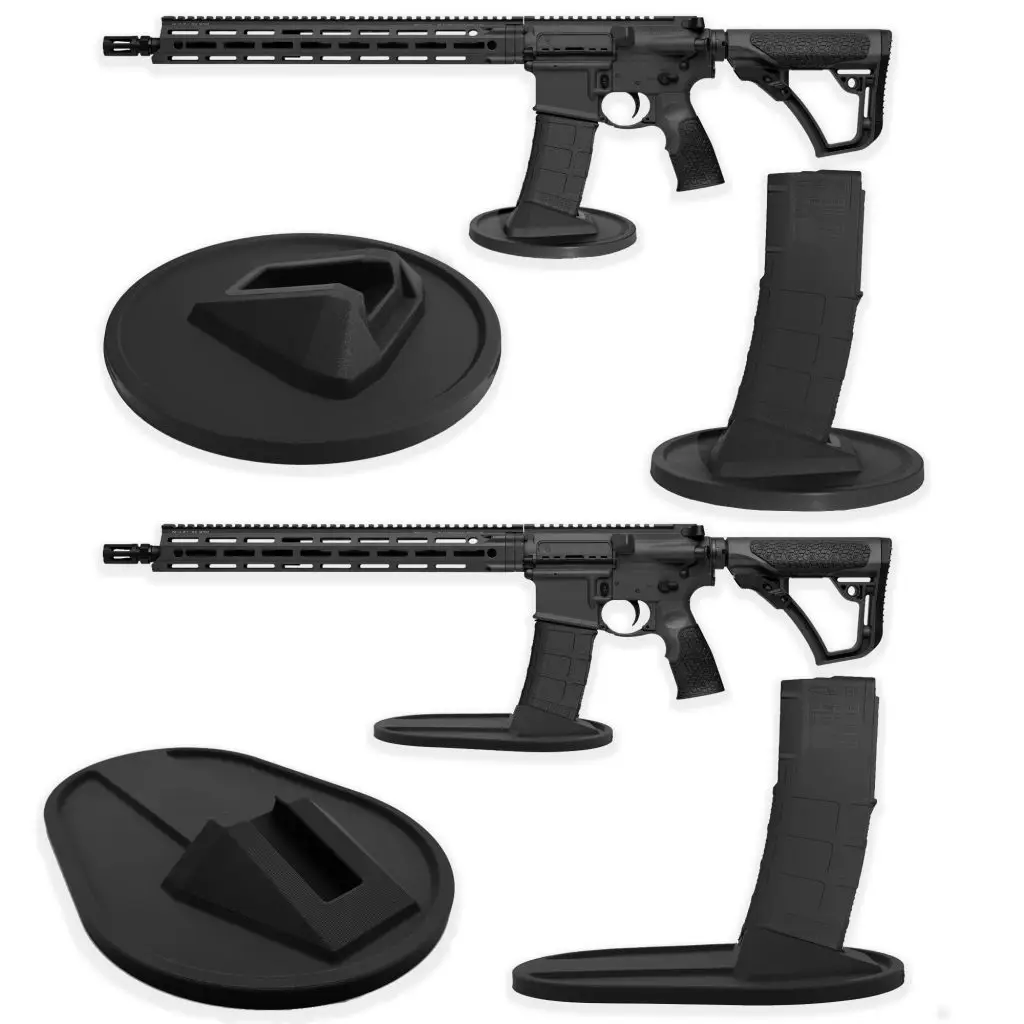
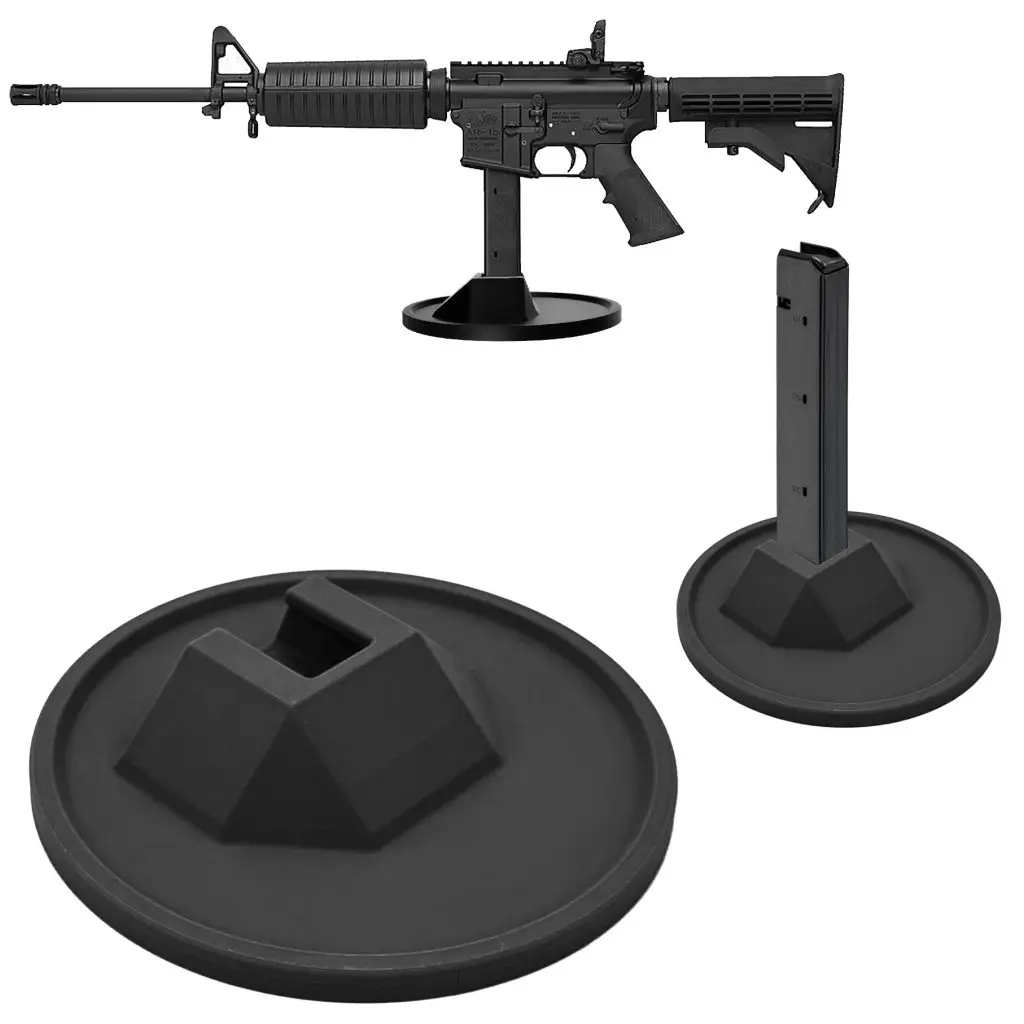
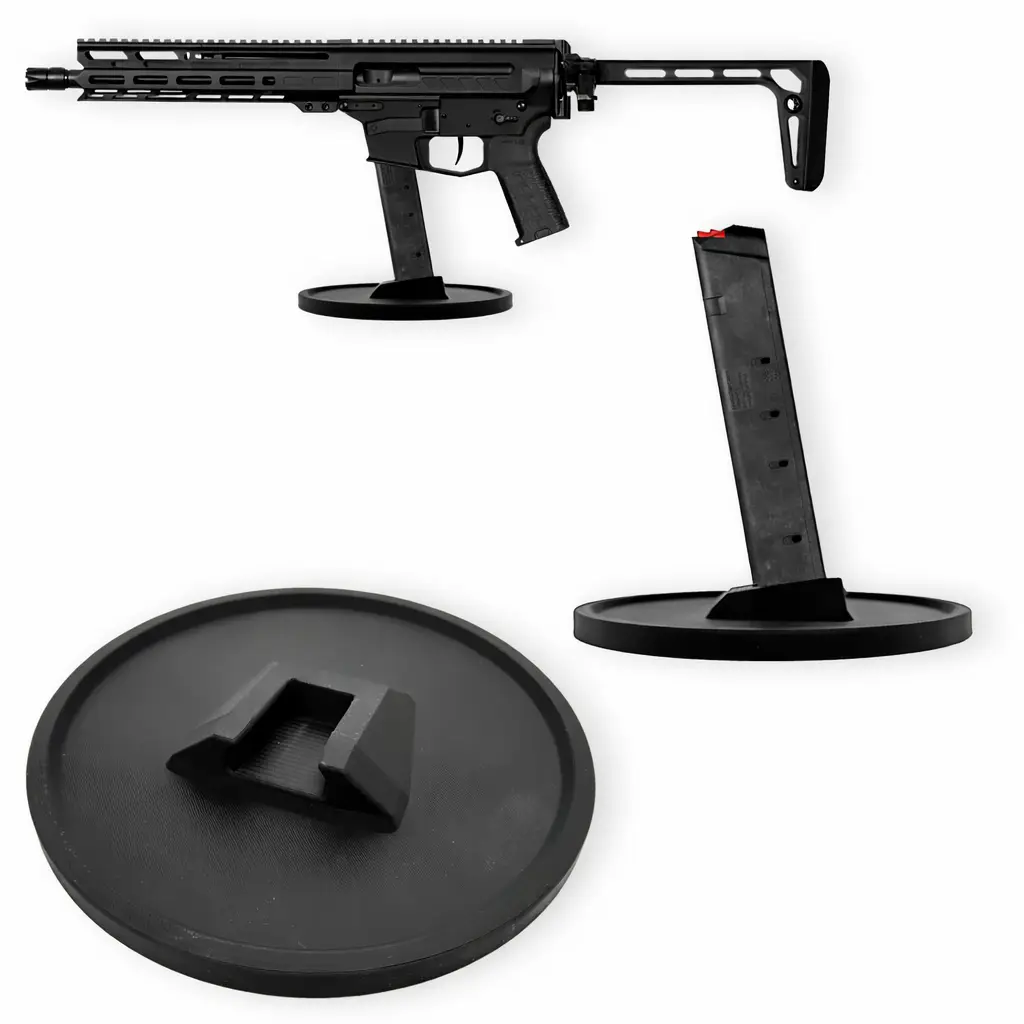
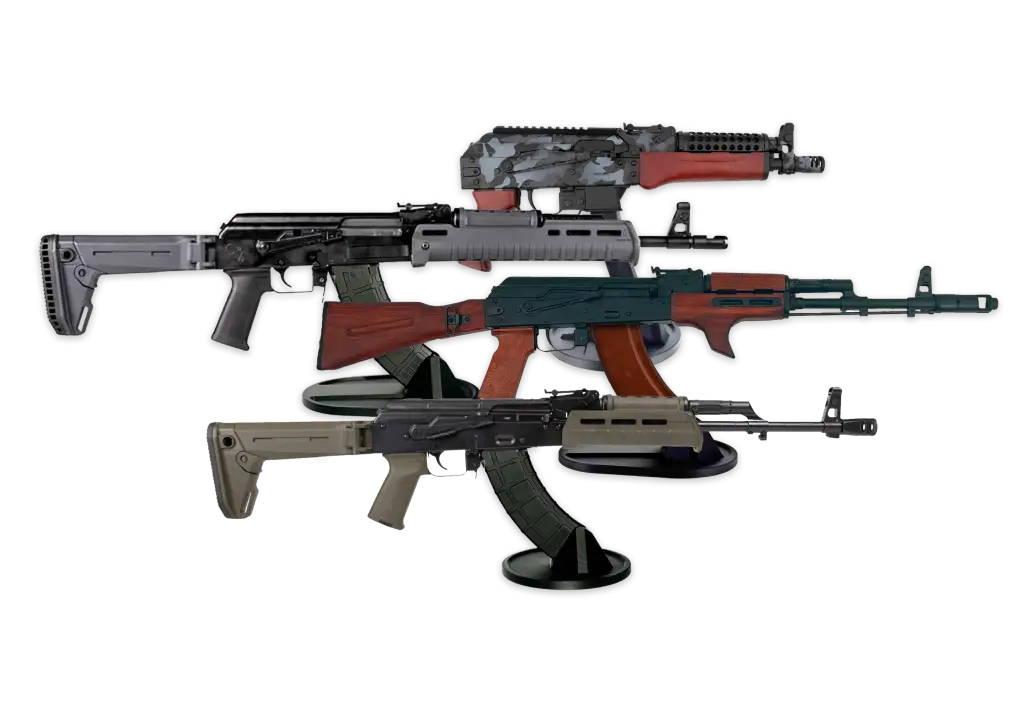
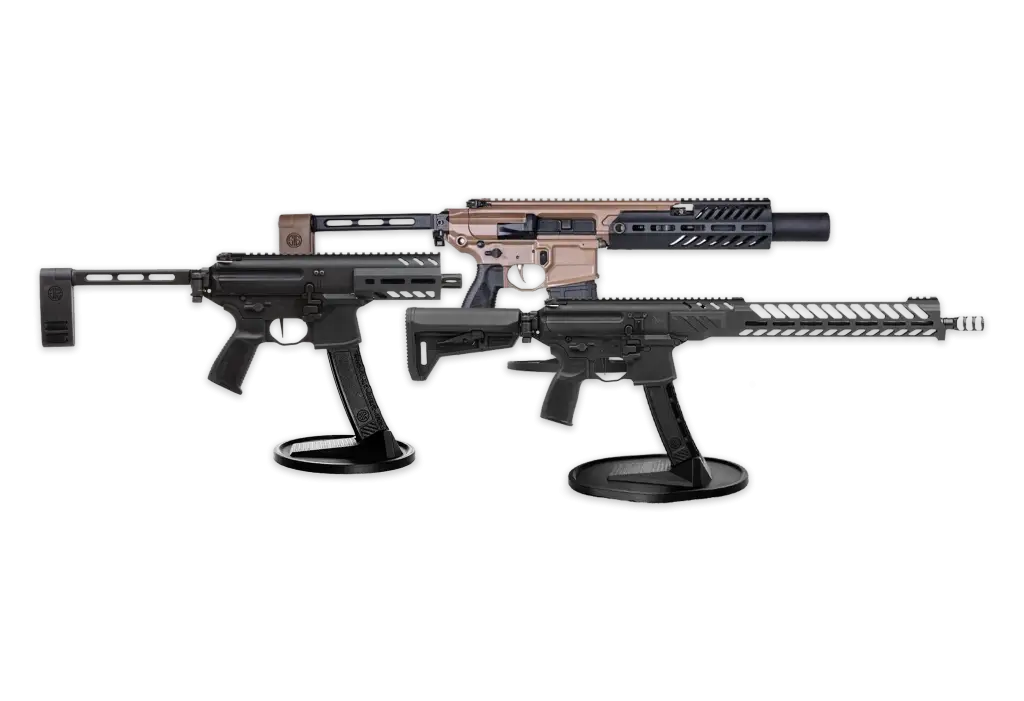
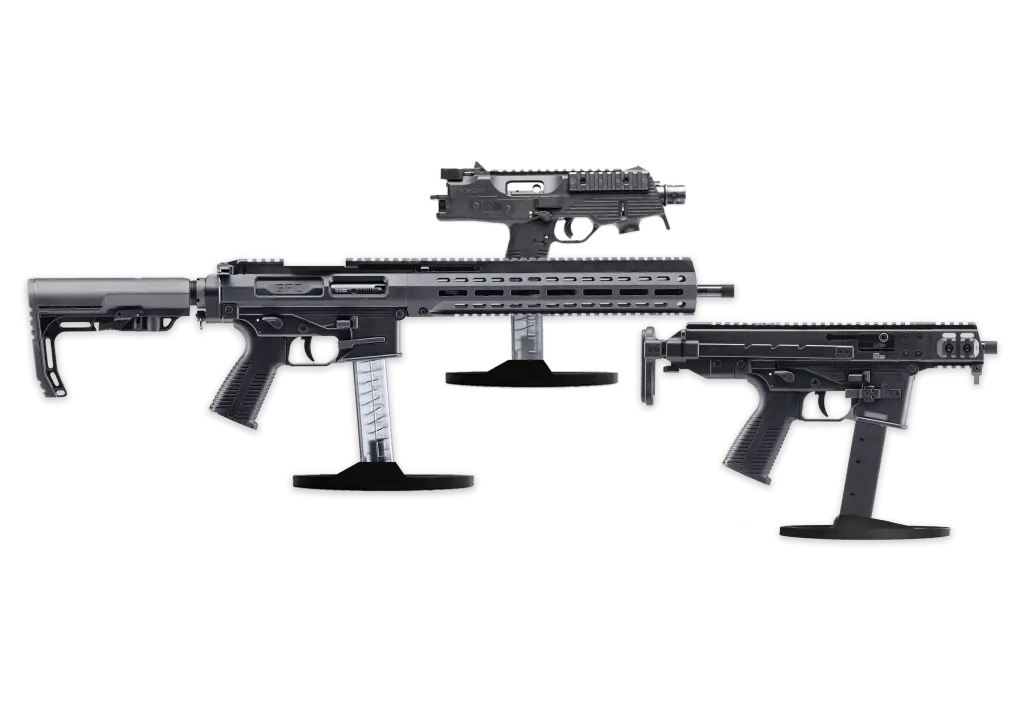
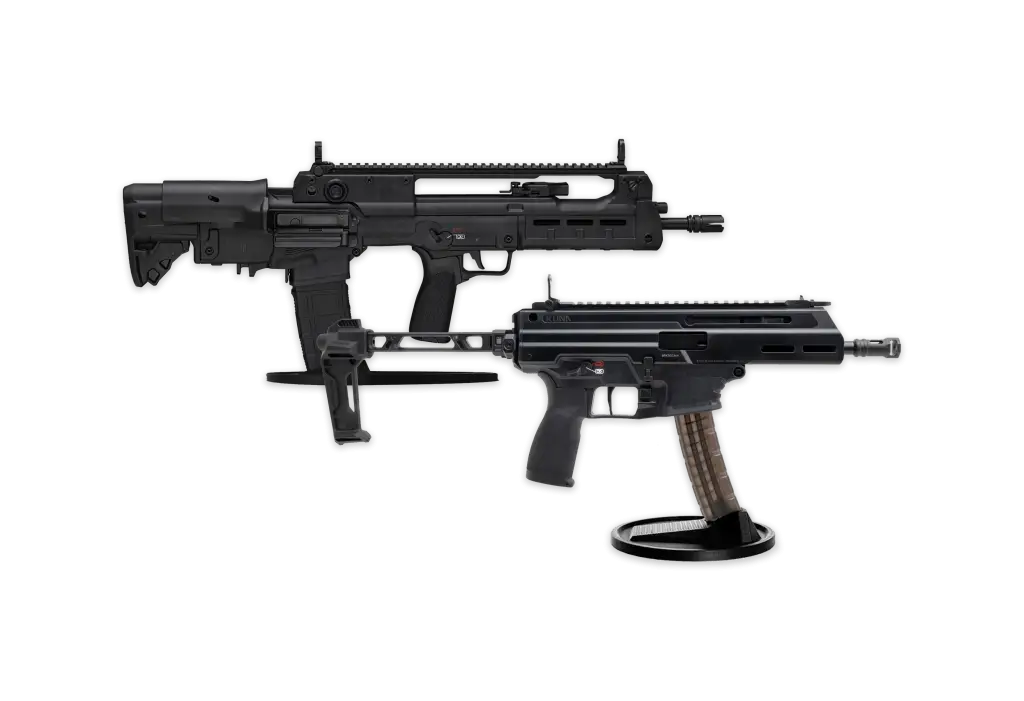
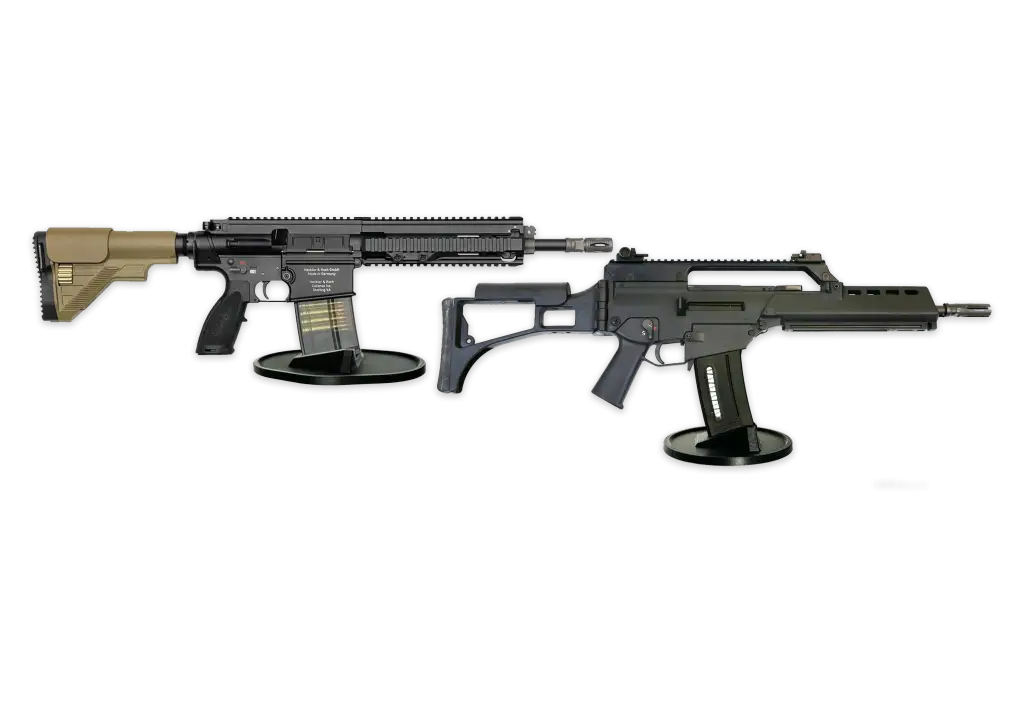
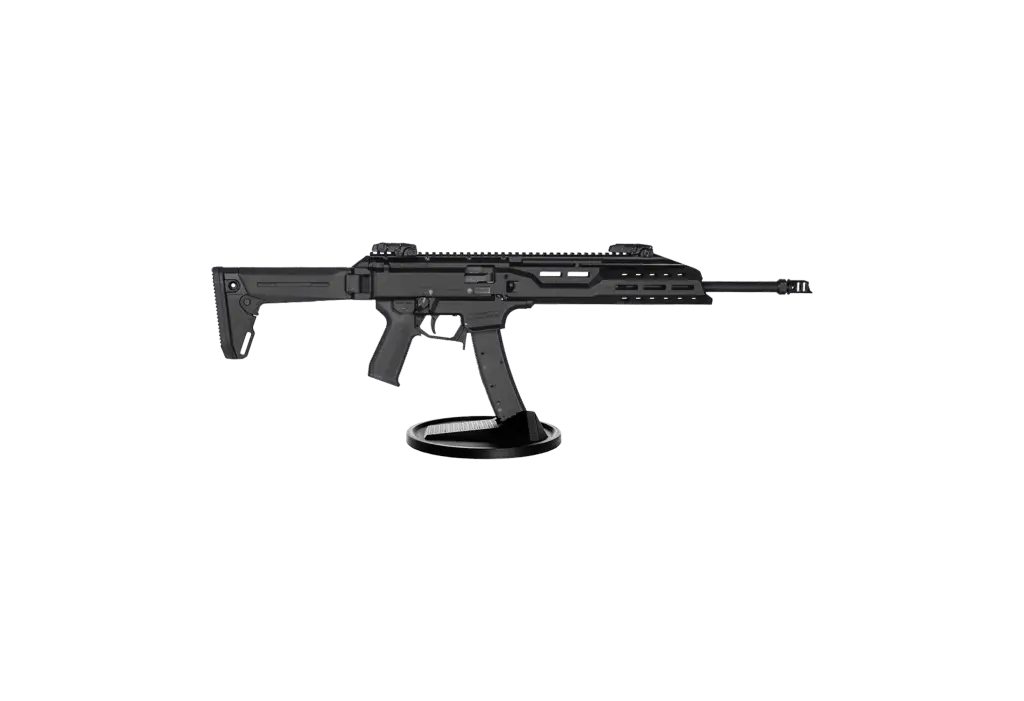
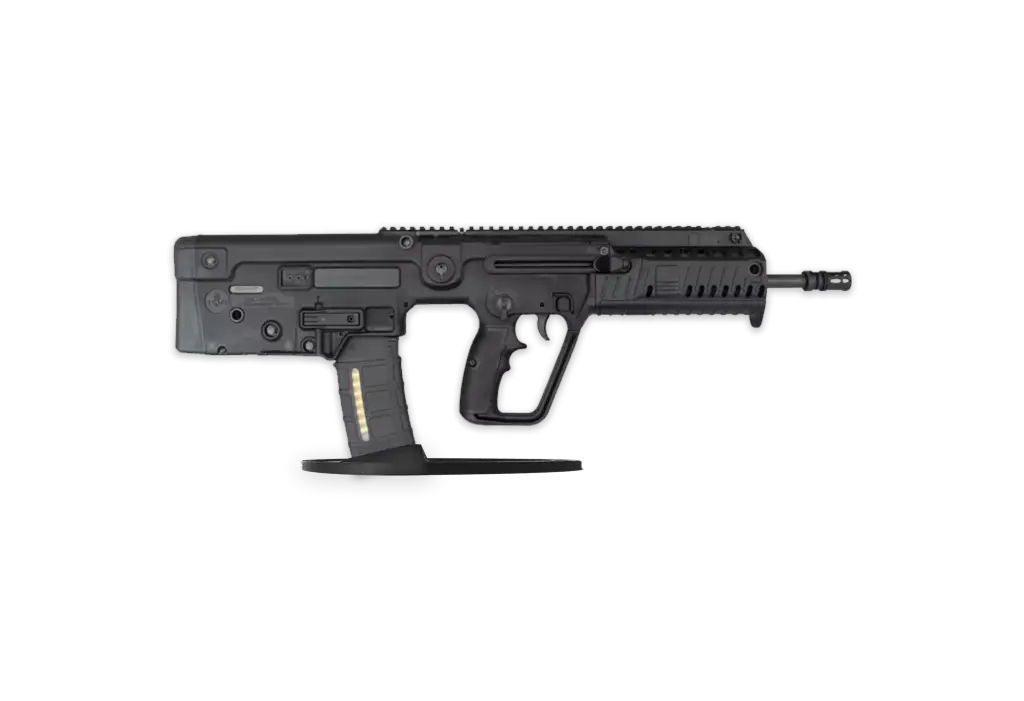
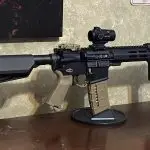
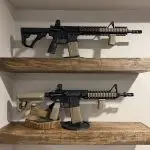
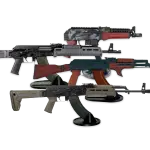
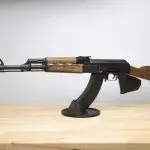
Many enthusiasts who perform upgrades also keep their rifles organized on a dedicated AR15 gun stand while performing maintenance, inspections, and trigger installations.
Why Trigger Compatibility Matters
The trigger is one of the most important components of any rifle. It serves as the interface between the shooter and the rifle’s firing mechanism. A properly matched trigger provides predictable performance, improved control, and enhanced accuracy.
Compatibility matters because different rifle platforms use different dimensions, pin sizes, receiver designs, and fire control group configurations. Even rifles that appear similar externally may require different trigger assemblies.
Installing an incompatible trigger can lead to:
- Improper fitment
- Failure to reset
- Light primer strikes
- Inconsistent trigger pull
- Reduced reliability
- Safety concerns
Taking the time to verify compatibility before purchasing an upgrade can save money and prevent frustration later.
What Is a Rifle Trigger System?
A rifle trigger system consists of multiple components that work together to release the firing mechanism. In many modern sporting rifles, these parts are collectively referred to as the fire control group.
- Trigger
- Hammer
- Disconnector
- Trigger springs
- Hammer springs
- Pins
When the trigger is pressed, the hammer is released and strikes the firing mechanism. The design and quality of these components directly influence trigger feel and overall performance.
Mil-Spec vs. Aftermarket Triggers
What Is a Mil-Spec Trigger?
Mil-spec triggers are factory-style trigger systems designed to meet military specifications. They are known for durability and reliability but often have heavier trigger pulls and more noticeable creep.
- Proven reliability
- Affordable cost
- Wide compatibility
- Durability under harsh conditions
However, many shooters eventually upgrade to aftermarket options for improved performance.
What Is an Aftermarket Trigger?
Aftermarket triggers are engineered to provide a cleaner break, lighter pull weight, shorter reset, and improved consistency.
- Reduced trigger pull weight
- Crisper break
- Faster reset
- Enhanced precision
- Improved shooting experience
Compatibility becomes especially important when selecting aftermarket systems because designs vary between manufacturers.
Single-Stage vs. Two-Stage Trigger Compatibility
Single-Stage Triggers
A single-stage trigger has one continuous pull before the shot breaks.
- Simpler design
- Fast operation
- Popular for defensive and general-purpose rifles
- Consistent pull from start to finish
Many aftermarket single-stage triggers are designed as drop-in units, making installation relatively straightforward.
Two-Stage Triggers
A two-stage trigger features an initial take-up followed by a distinct second stage before the break.
- Enhanced precision
- Greater control
- Popular among competition and precision shooters
- Improved trigger management
Not every rifle platform accommodates every two-stage trigger design, making compatibility checks especially important.
Receiver Design and Compatibility
One of the most important factors affecting trigger compatibility is receiver design.
Although many modern sporting rifles use similar layouts, manufacturers sometimes make slight dimensional changes that can affect trigger installation.
Many builders place their rifles on a dedicated gun stand while checking dimensions and fitting trigger components because it provides a stable work platform.
- Receiver pocket dimensions
- Pin hole locations
- Pin diameters
- Safety selector geometry
- Internal clearance dimensions
Before purchasing a trigger, always verify that it is specifically approved for your receiver configuration.
Pin Size Considerations
Trigger pins play a major role in compatibility.
While many rifles utilize standard pin sizes, some manufacturers have historically used proprietary dimensions.
When evaluating a trigger upgrade, verify:
- Pin diameter requirements
- Pin retention systems
- Anti-walk pin compatibility
- Manufacturer-specific requirements
Drop-In Trigger Systems
Drop-in triggers have become extremely popular because they simplify installation and often provide excellent performance.
These self-contained trigger modules are designed to replace the factory fire control group with minimal fitting.
- Simplified installation
- Consistent trigger geometry
- Reduced installation errors
- Excellent performance potential
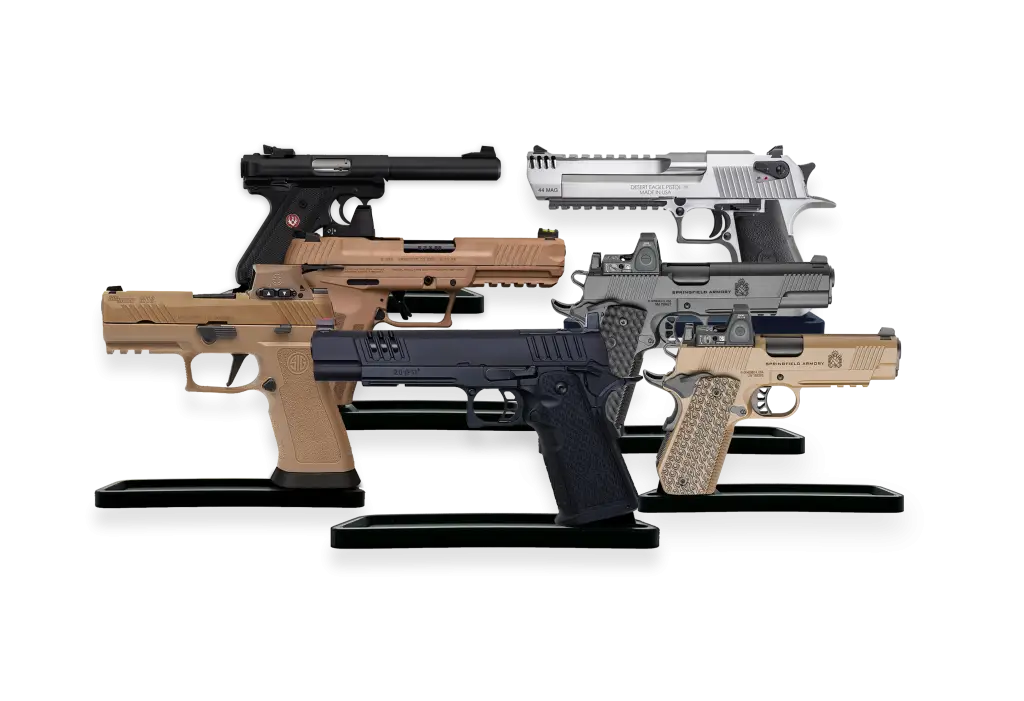
After installation, storing your rifle on a quality rifle stand helps prevent accidental damage while keeping your setup organized and ready for use.
Competition Triggers vs. Duty Triggers
Competition Triggers
Competition-focused triggers typically feature lighter pull weights and extremely short resets.
- Faster shooting
- Enhanced precision
- Reduced shooter fatigue
Duty-Oriented Triggers
Duty-style triggers emphasize reliability and consistency under demanding conditions.
- Strong ignition reliability
- Durable construction
- Predictable operation
- Long service life
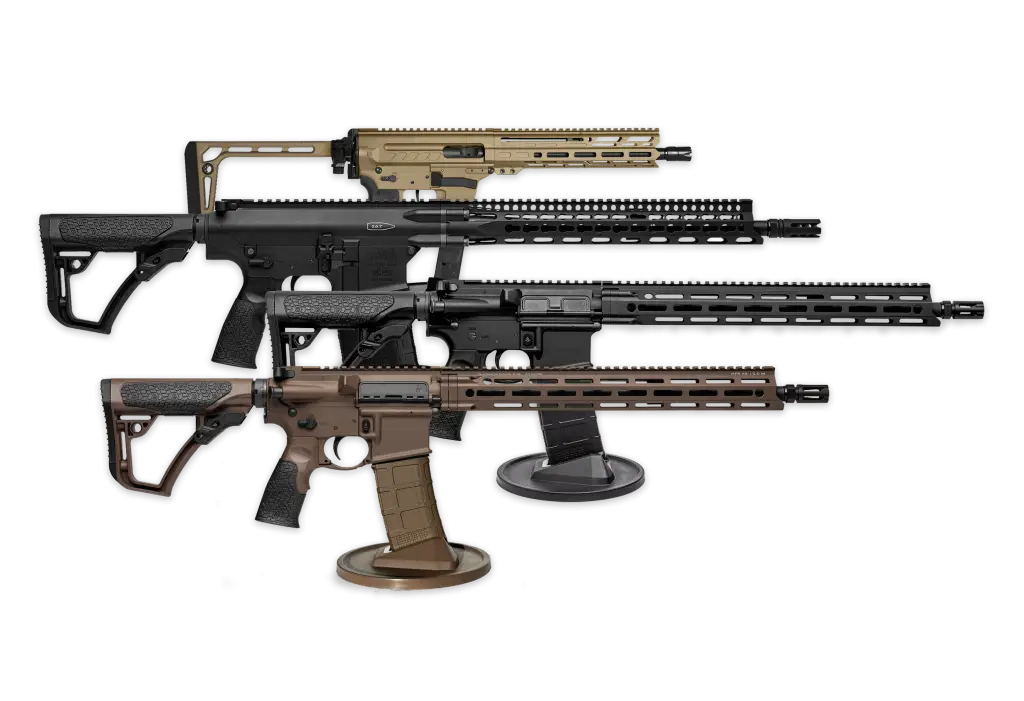
Many competitive shooters keep multiple rifles organized with dedicated gun stands to streamline maintenance and transportation.
Common Trigger Compatibility Mistakes
- Assuming all platforms are identical
- Ignoring manufacturer recommendations
- Overlooking pin sizes
- Choosing performance over reliability
- Skipping function testing
Final Thoughts
Trigger upgrades remain one of the most effective ways to enhance the performance of a modern sporting rifle. However, compatibility should always be verified before making a purchase.
Receiver dimensions, pin sizes, operating systems, caliber requirements, and intended use all play important roles in determining whether a trigger will function correctly.
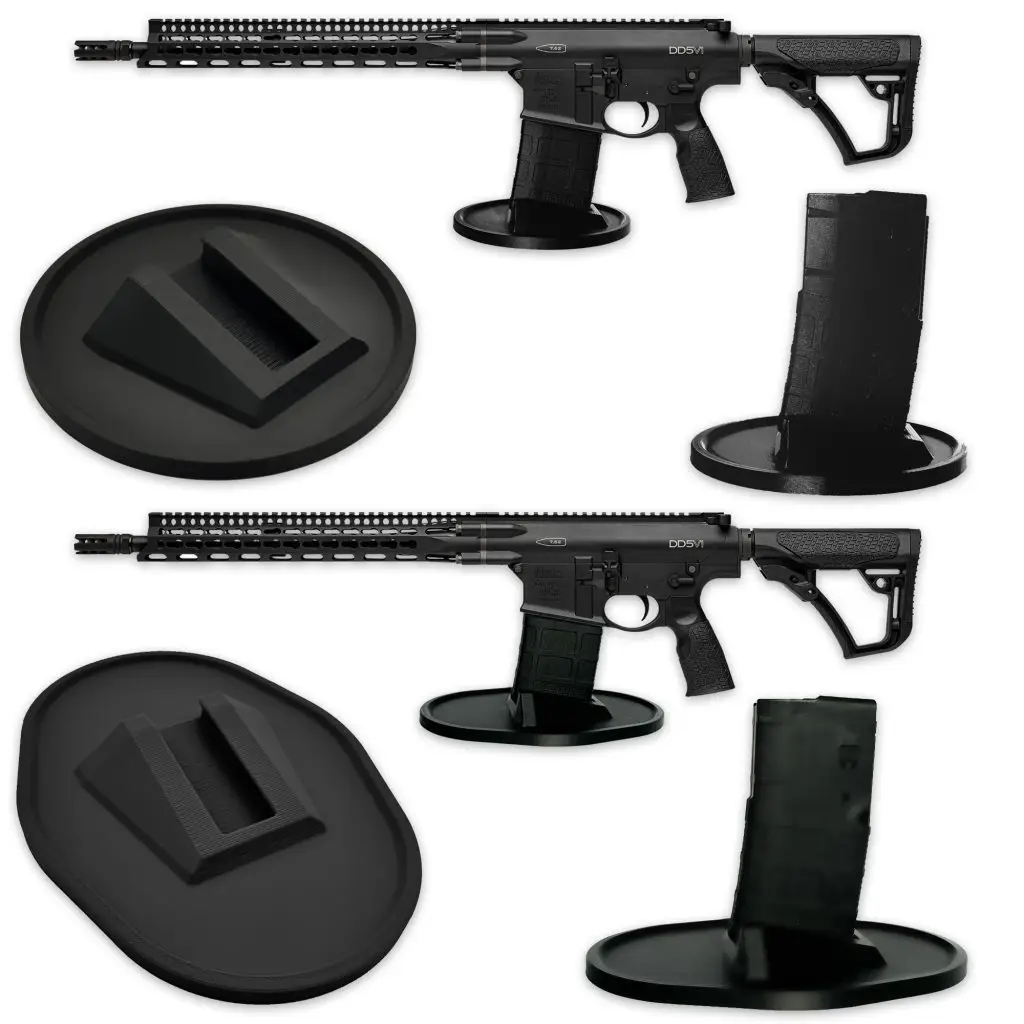
Once you’ve upgraded your rifle, consider protecting and displaying it with a premium AR10 gun stand designed to keep your collection organized, secure, and ready for display.
By understanding trigger compatibility across modern sporting rifles, shooters can confidently choose upgrades that improve performance, maintain reliability, and deliver the shooting experience they expect.