


















The AR-15 is one of the most recognizable and customizable modern sporting rifles ever developed. Its popularity stems from its modular design, widespread aftermarket support, and relatively simple operating system. Whether you’re new to the AR platform or simply want a better understanding of how its major components work together, learning the fundamentals of the AR-15 operating system provides valuable insight into one of America’s most popular rifles.
Unlike many traditional rifle platforms, the AR-15 was designed with interchangeable parts and a highly adaptable architecture. This allows manufacturers to produce compatible components while giving owners the flexibility to configure rifles for sporting, recreational, competitive, and collecting purposes.
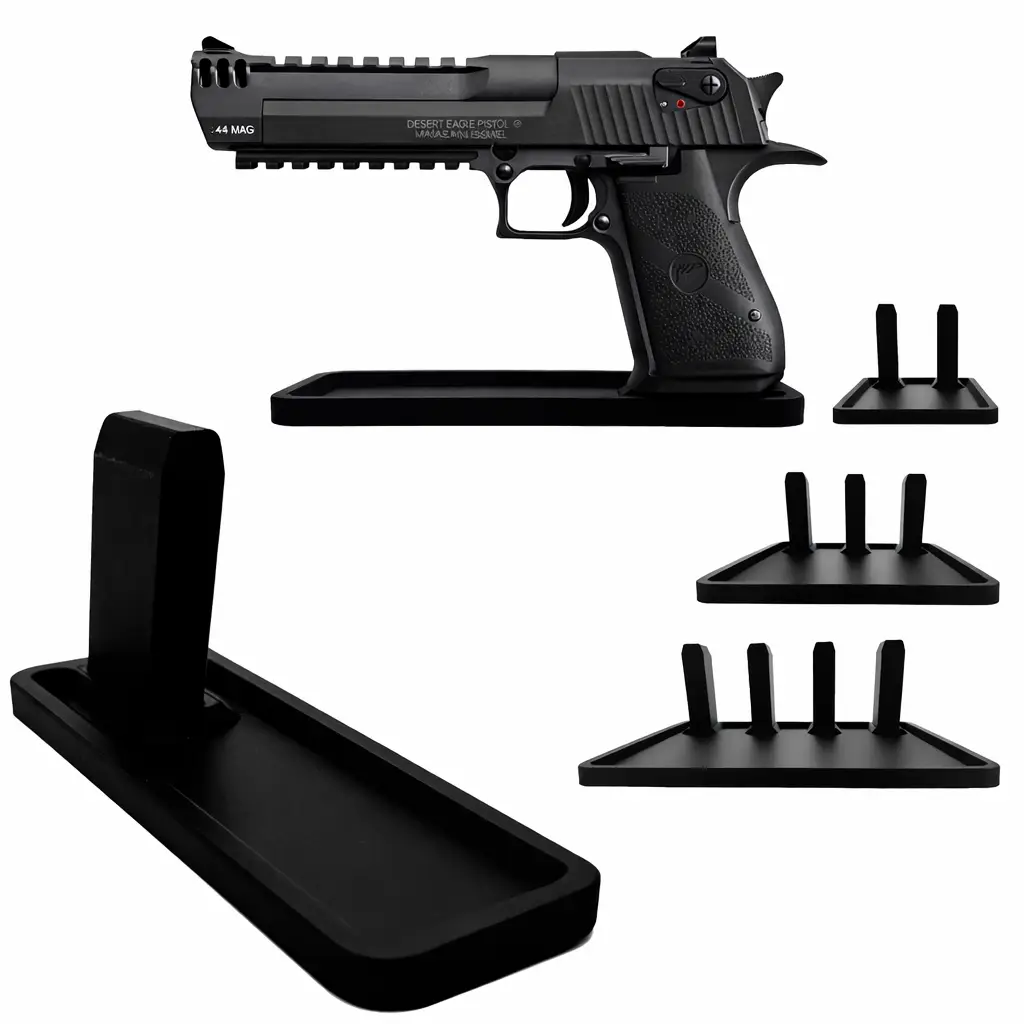
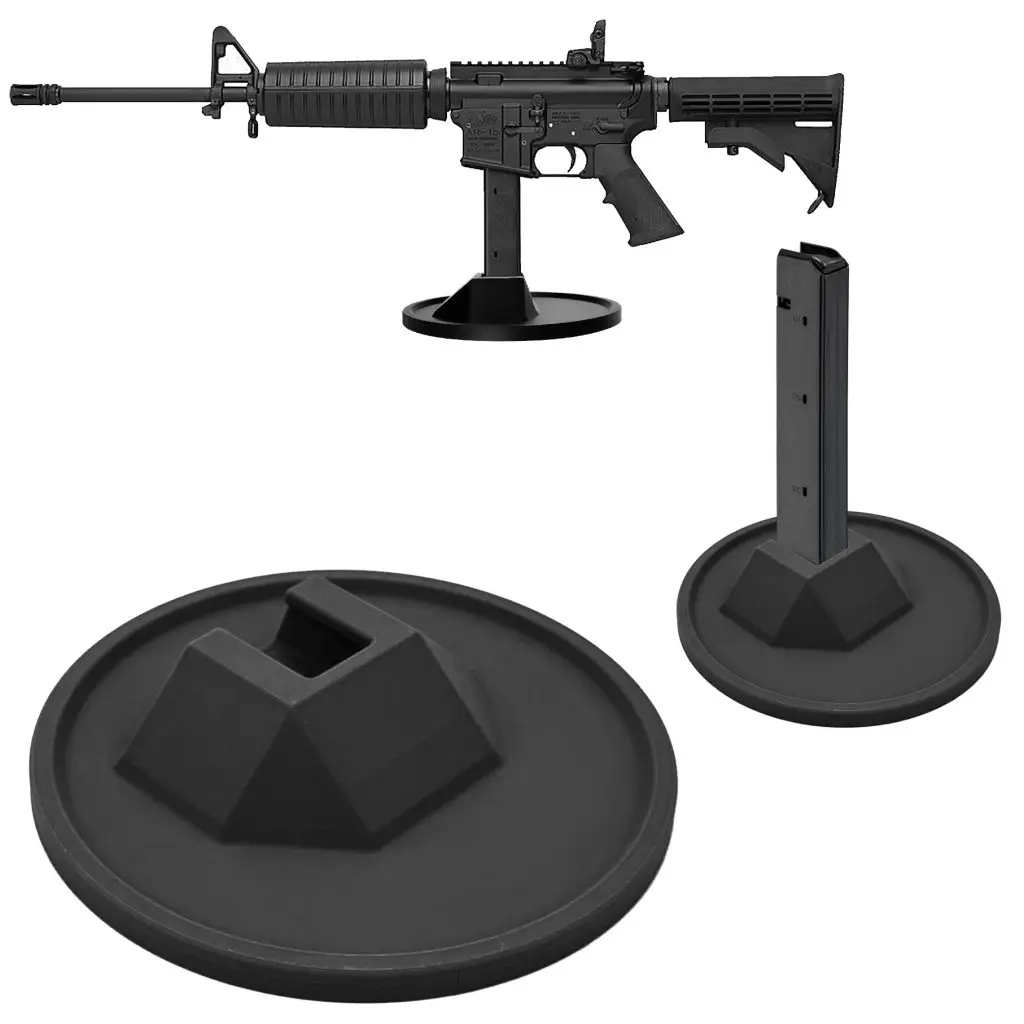
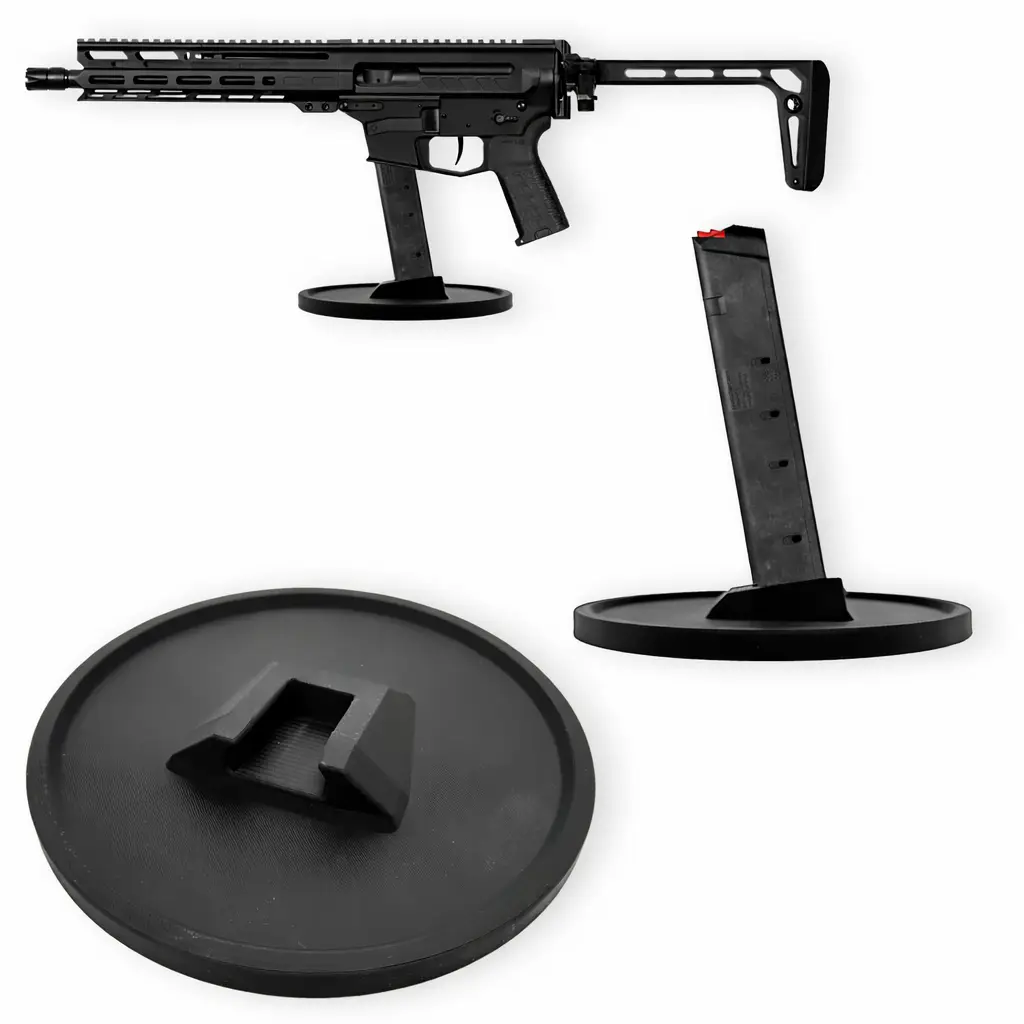
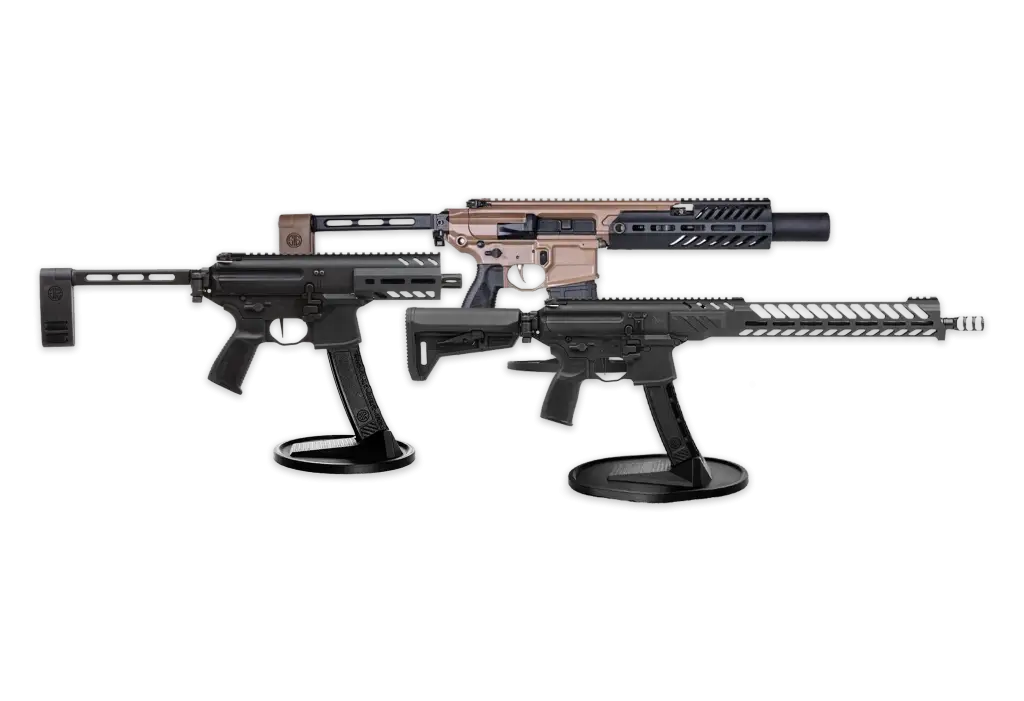
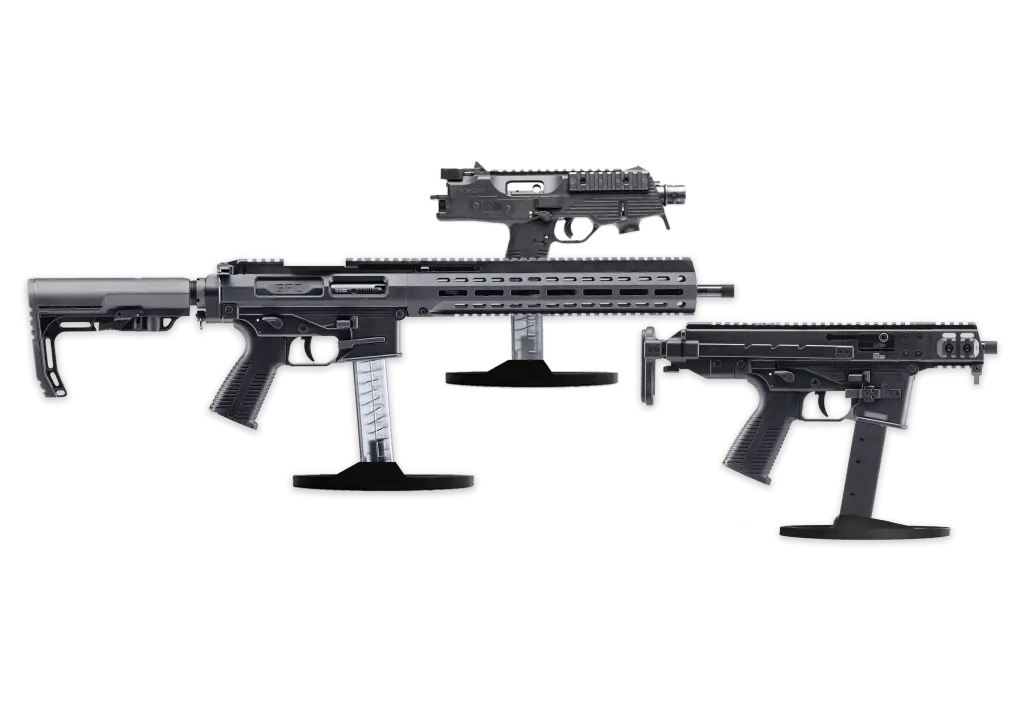
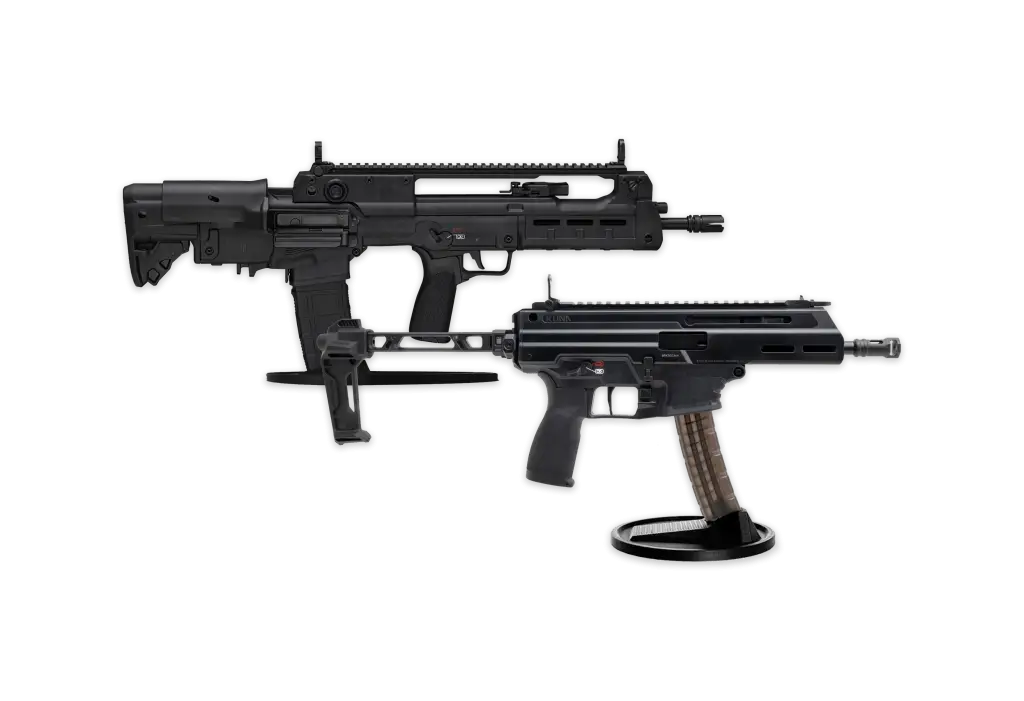
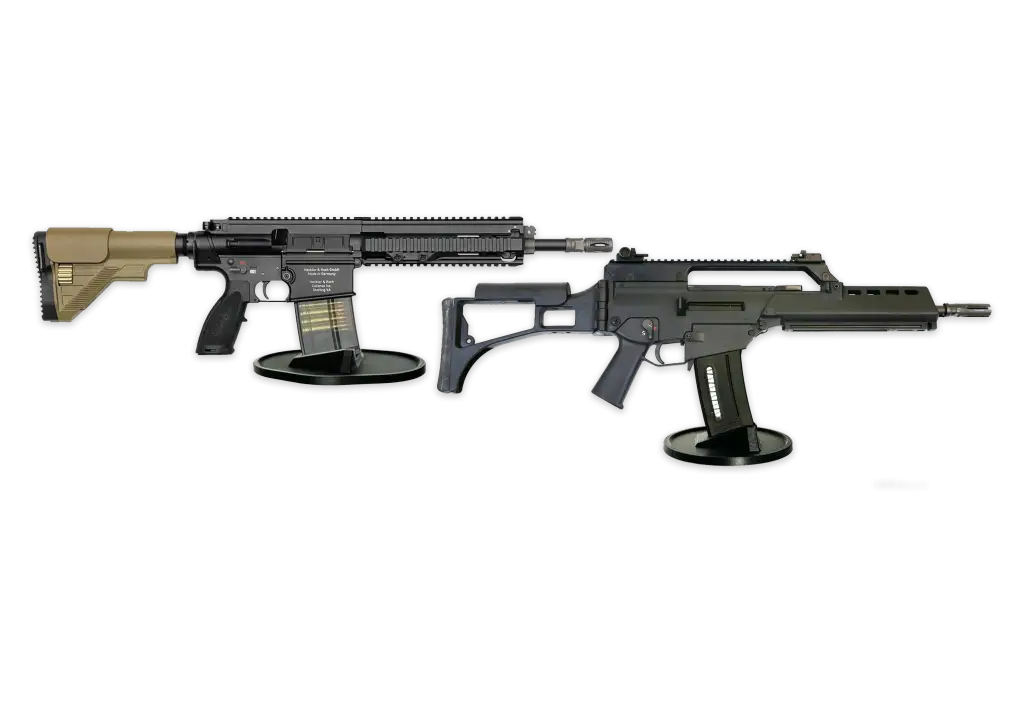
Many enthusiasts who own multiple rifles keep their collection organized using a dedicated AR15 gun stand, making it easier to display and protect valuable builds.
The Modular Design of the AR-15
One of the defining characteristics of the AR-15 is its modular construction. The rifle is built around two primary assemblies:
- Upper receiver
- Lower receiver
These two sections are connected using takedown and pivot pins, allowing owners to separate the rifle for cleaning, inspection, or maintenance.
The modular nature of the AR-15 has helped create one of the largest aftermarket industries in the firearm world, with thousands of compatible parts and accessories available from manufacturers across the country.
The Upper Receiver
The upper receiver contains many of the components responsible for chambering, firing, extracting, and ejecting cartridges. It serves as the foundation for several major parts.
Typical upper receiver components include:
- Barrel
- Bolt carrier group
- Charging handle
- Gas system
- Handguard
- Forward assist (on many models)
- Ejection port cover
- Muzzle device
The upper receiver is available in numerous configurations, allowing owners to select different barrel lengths, handguards, rail systems, and optics mounting options.
The Lower Receiver
The lower receiver houses the rifle’s controls and several internal components. It is also where the magazine is inserted and where the stock assembly attaches.
Major lower receiver components include:
- Magazine well
- Trigger assembly
- Safety selector
- Pistol grip
- Buffer tube
- Buffer assembly
- Stock
- Magazine release
- Bolt catch
Together, the upper and lower receivers form the foundation of the AR-15 platform.
The Barrel
The barrel guides the projectile after it leaves the chamber. Manufacturers produce barrels in a variety of lengths, profiles, finishes, and materials to accommodate different sporting applications.
Popular barrel features include:
- Government profile
- Lightweight profile
- Heavy profile
- Chrome-lined bores
- Nitride finishes
- Threaded muzzles
Many enthusiasts enjoy comparing rifles with different barrel configurations while displaying them on a quality gun stand.
The Gas System
Most traditional AR-15 rifles utilize a direct gas operating system. During firing, a portion of the expanding gases is redirected through the rifle’s gas system, allowing energy to cycle the bolt carrier group.
The primary gas system components include:
- Gas port
- Gas block
- Gas tube
- Bolt carrier key
This system allows the rifle to automatically cycle after each shot while maintaining the lightweight characteristics that helped make the AR platform so successful.
The Bolt Carrier Group (BCG)
The bolt carrier group is often considered the heart of the AR-15 operating system. It performs several important functions as part of the rifle’s normal operating cycle.
The bolt carrier group contains:
- Carrier
- Bolt
- Extractor
- Ejector
- Gas rings
- Firing pin
- Cam pin
- Retaining pin
Manufacturers produce BCGs using a variety of coatings and finishes designed to improve durability and simplify maintenance.
The Charging Handle
The charging handle allows manual operation of the action. Located at the rear of the upper receiver, it enables the bolt carrier group to be moved rearward when necessary.
Modern charging handles are available with:
- Extended latches
- Ambidextrous controls
- Enhanced gripping surfaces
These improvements focus primarily on ergonomics and ease of operation.
The Buffer System
The buffer system consists of the receiver extension (buffer tube), buffer, and action spring. These components work together with the bolt carrier group as part of the rifle’s operating cycle.
Different buffer weights are available depending on the rifle configuration and manufacturer recommendations.
The Trigger Assembly
The trigger assembly is housed inside the lower receiver and forms part of the rifle’s fire control system. Factory rifles typically include standard trigger systems, while numerous aftermarket manufacturers offer alternative trigger designs.
Owners researching replacement trigger components should always verify compatibility with their rifle and remain aware of applicable federal, state, and local laws governing firearm components.
The Magazine
The magazine stores cartridges and presents them for feeding into the chamber. One of the AR-15 platform’s strengths is its broad compatibility with magazines produced by many respected manufacturers.
Magazine quality plays an important role in overall reliability, making it important to select magazines designed for the intended caliber and platform.
The Handguard
The handguard surrounds the barrel while providing a comfortable gripping surface and mounting interface for accessories.
Common handguard styles include:
- Free-float
- Two-piece
- M-LOK compatible
- Picatinny rail systems
Because handguards are highly visible, they remain one of the most frequently customized AR-15 components.
The Stock
The stock provides shoulder support and contributes to overall comfort. Many AR-15 rifles utilize adjustable stocks that allow the length of pull to be customized for different shooters.
Popular stock features include:
- Adjustable positions
- Rubber butt pads
- Storage compartments
- Lightweight construction
Optics and Accessory Mounting
Modern AR-15 rifles commonly feature integrated Picatinny rails or M-LOK compatible handguards that support a wide variety of accessories.
Popular accessories include:
- Red dot sights
- Low-power variable optics
- Weapon lights
- Sling mounts
- Bipods
- Rail covers
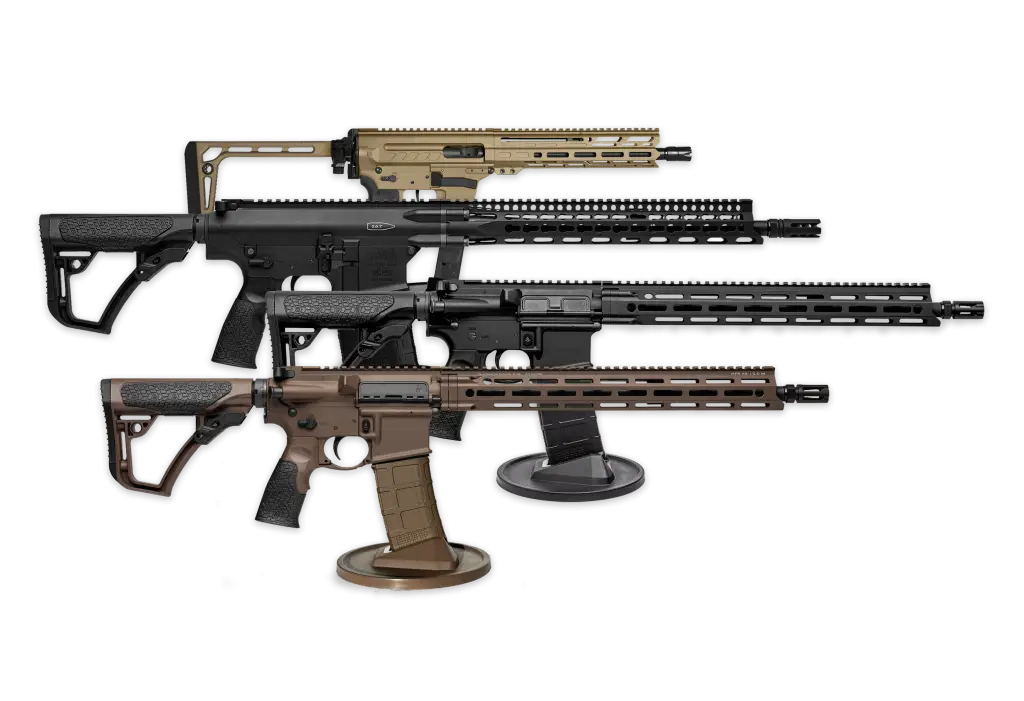
Owners who maintain multiple rifles with different optic configurations often organize them on a dedicated rifle stand for convenient storage and display.
Routine Maintenance
Routine inspection and maintenance help keep the AR-15 operating as intended. Manufacturers typically recommend regular cleaning, lubrication, and inspection according to the owner’s manual.
Routine maintenance commonly includes:
- Cleaning carbon buildup
- Inspecting wear surfaces
- Checking fasteners
- Lubricating moving parts
- Replacing worn components as recommended
Always follow the manufacturer’s maintenance schedule and use appropriate cleaning products designed for firearms.
Why the AR-15 Is So Popular
The AR-15 has earned its reputation because of its modular design, broad aftermarket support, ergonomic controls, and extensive parts compatibility. Owners can personalize nearly every component, allowing the rifle to evolve alongside changing preferences and sporting applications.
This unmatched flexibility has helped make the AR-15 one of the most successful rifle platforms ever produced.
Organizing and Displaying Your Collection
As collections grow, proper storage and organization become increasingly important. Displaying rifles in an organized manner helps protect finishes while improving accessibility.
Benefits include:
- Reduced clutter
- Protection from accidental damage
- Professional presentation
- Improved accessibility
- Better collection management
Many collectors rely on durable gun stands to safely display their favorite rifles while showcasing different builds.
Final Thoughts
Understanding how the AR-15 works provides valuable insight into one of America’s most versatile sporting rifle platforms. From the upper and lower receivers to the gas system, bolt carrier group, buffer assembly, and trigger components, every part contributes to the rifle’s overall design.
Whether you’re researching your first AR-15 or expanding an existing collection, learning about the operating system helps you better understand the platform and appreciate its engineering. As your collection continues to grow, investing in a premium AR10 gun stand can help keep every rifle organized, protected, and ready to display.