











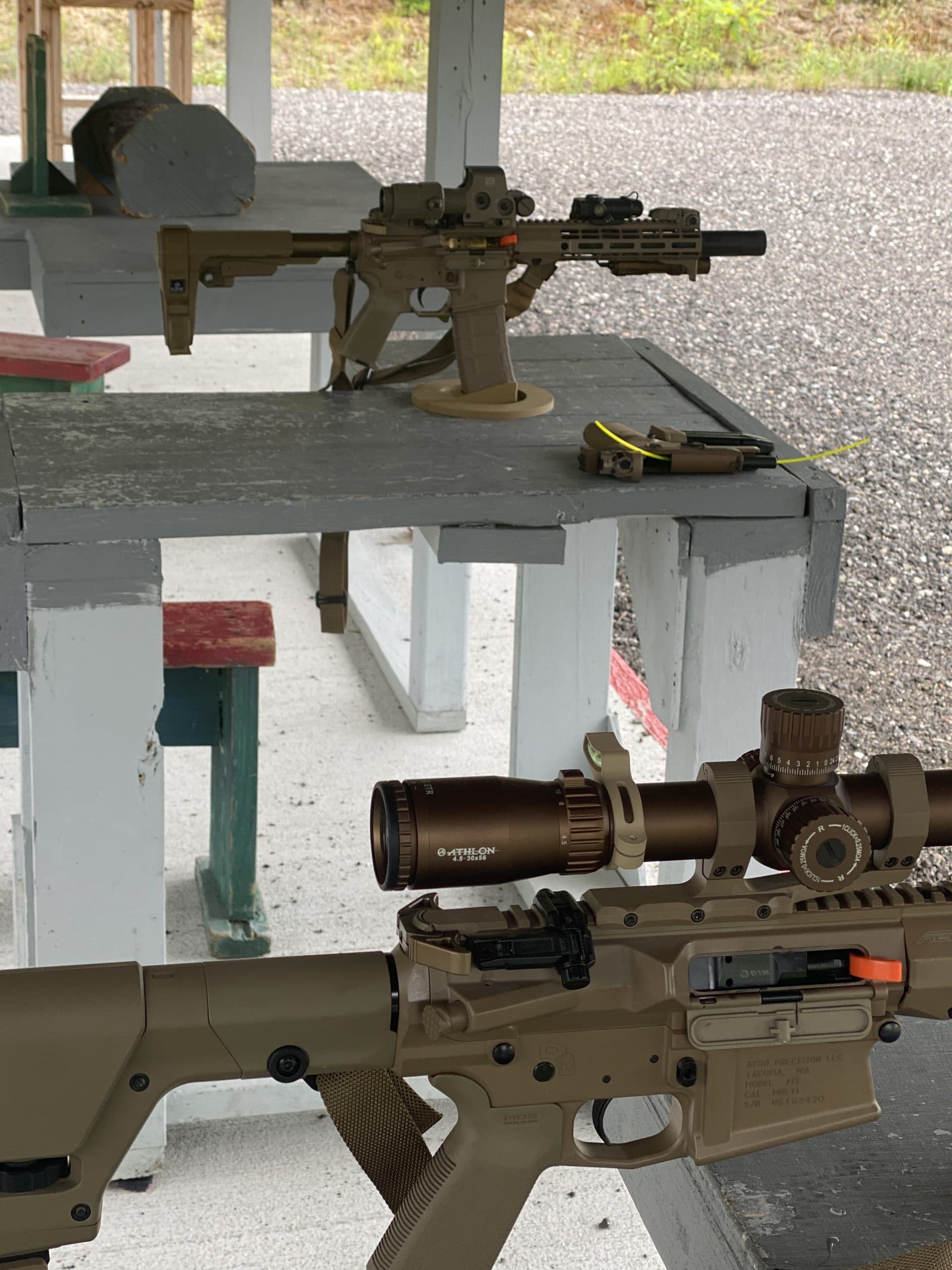

The AR-15 and AR-10 are two of the most recognizable rifle platforms in the modern sporting rifle market. At first glance they appear nearly identical, sharing similar ergonomics, controls, and modular designs. However, despite their similar appearance, these platforms differ significantly in size, cartridge compatibility, weight, parts interchangeability, and intended applications.
Whether you’re researching your first AR-style rifle or simply want to better understand the differences between these two platforms, knowing how they compare will help you make more informed decisions when shopping for rifles, accessories, and compatible components.
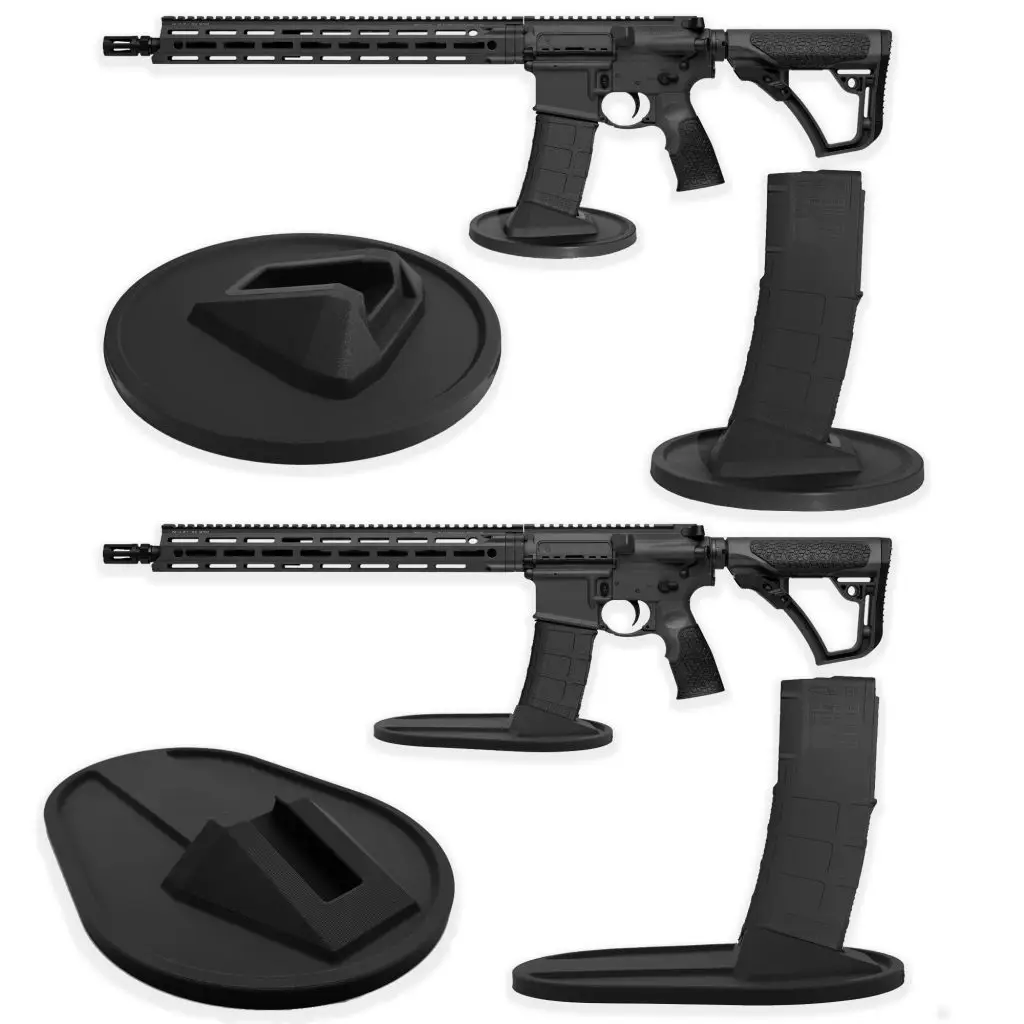
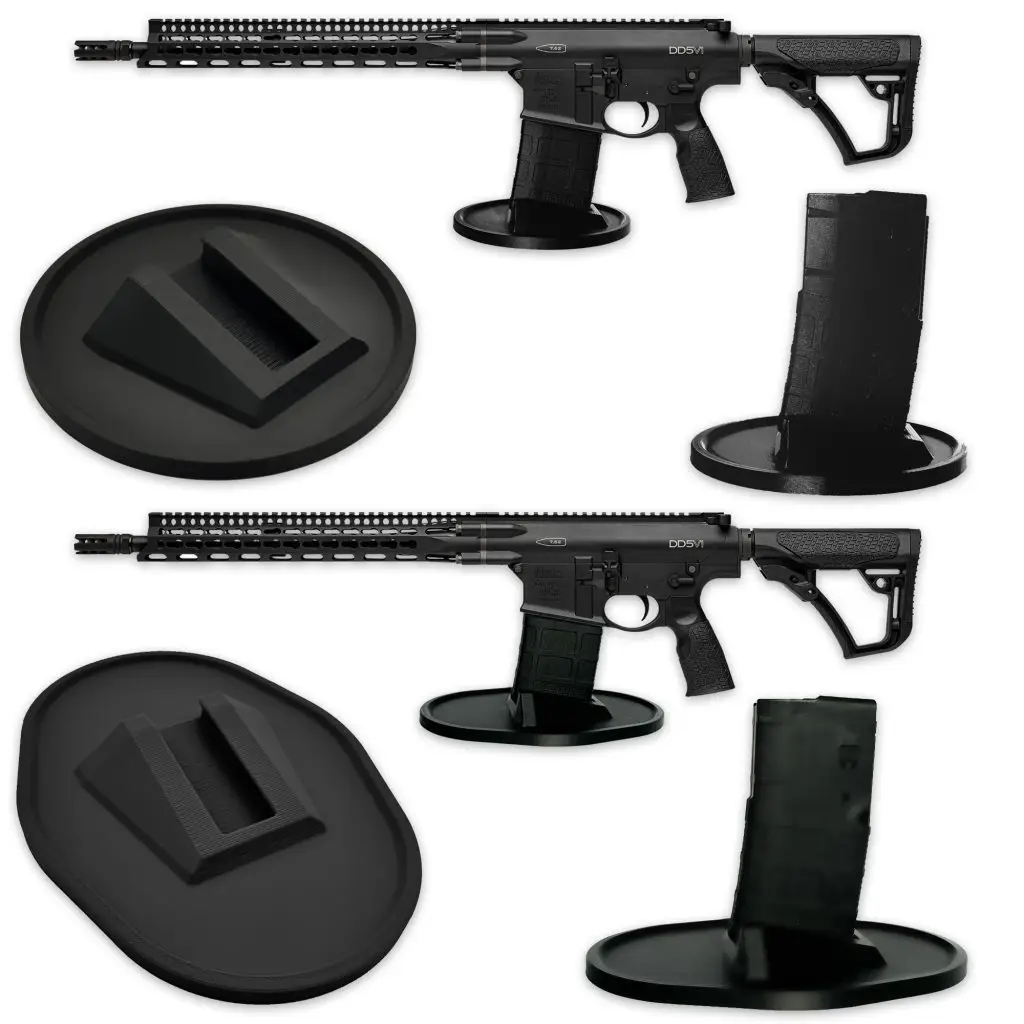
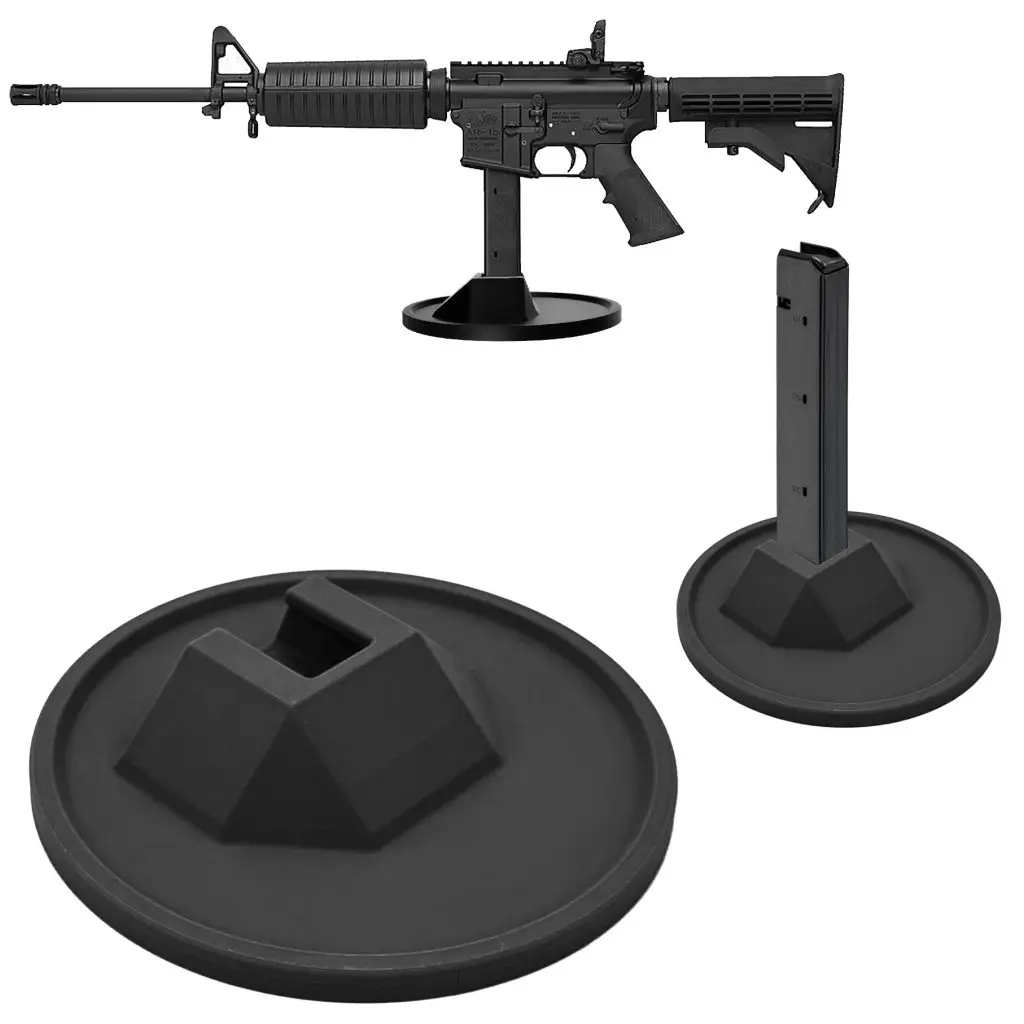
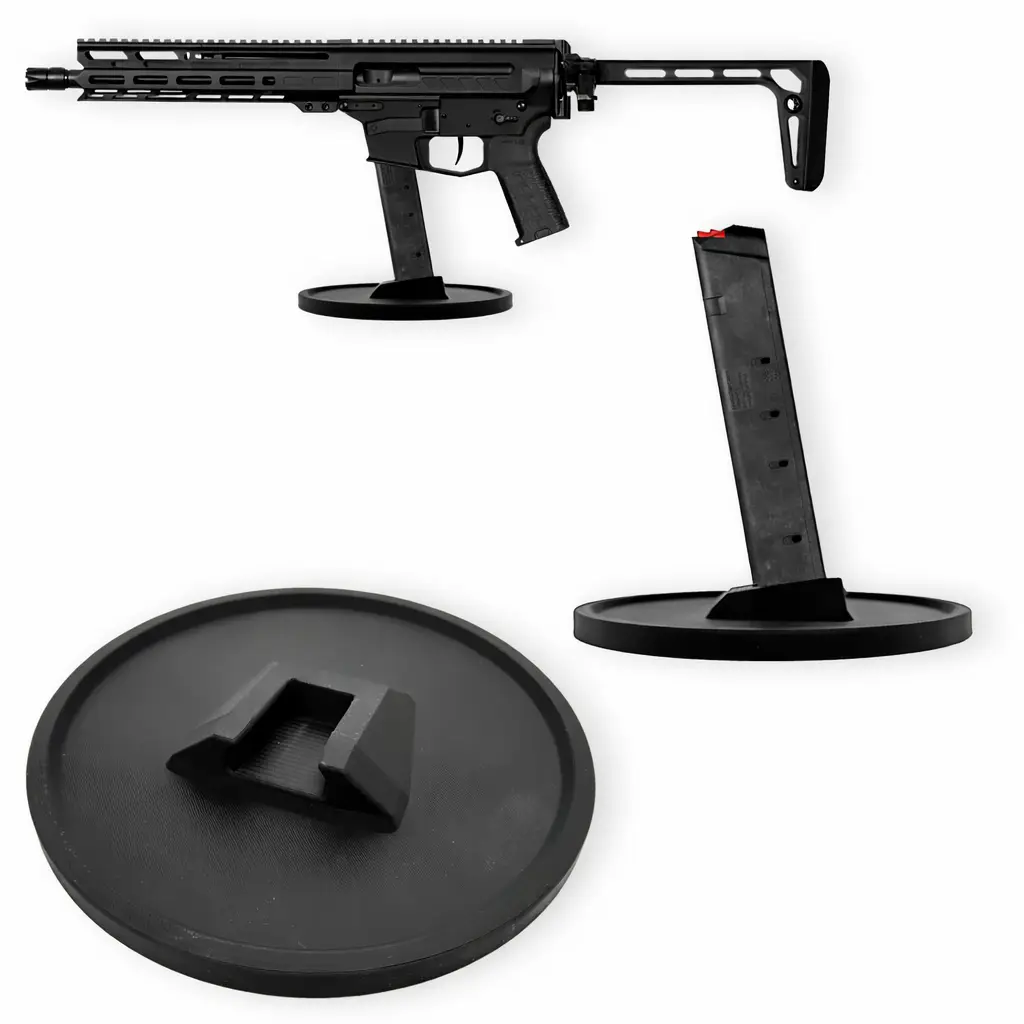
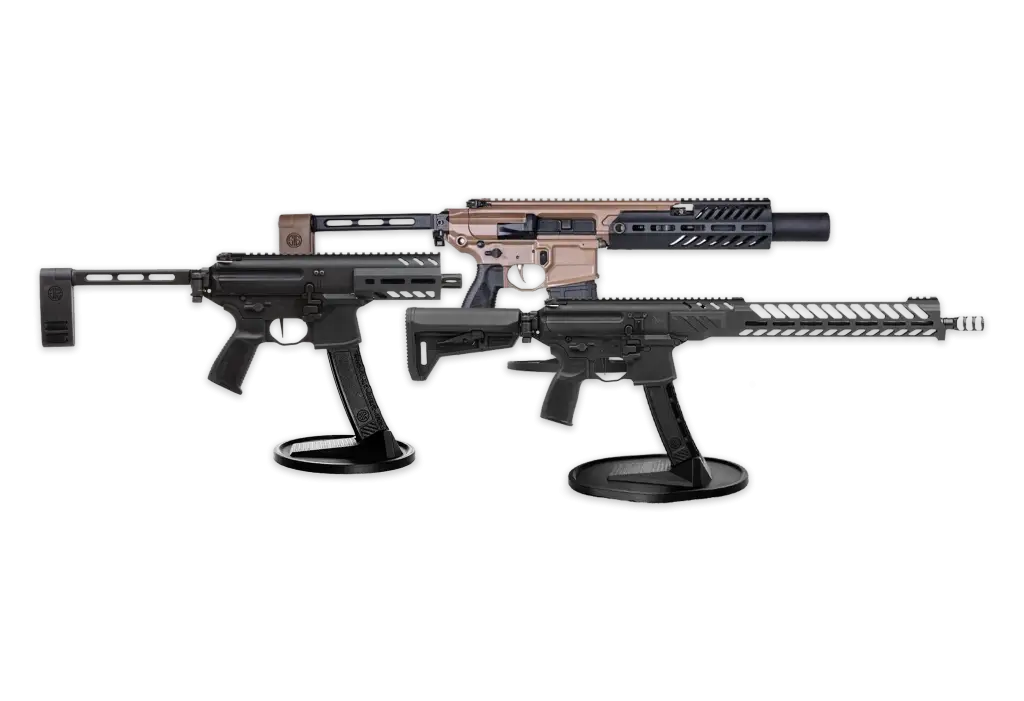
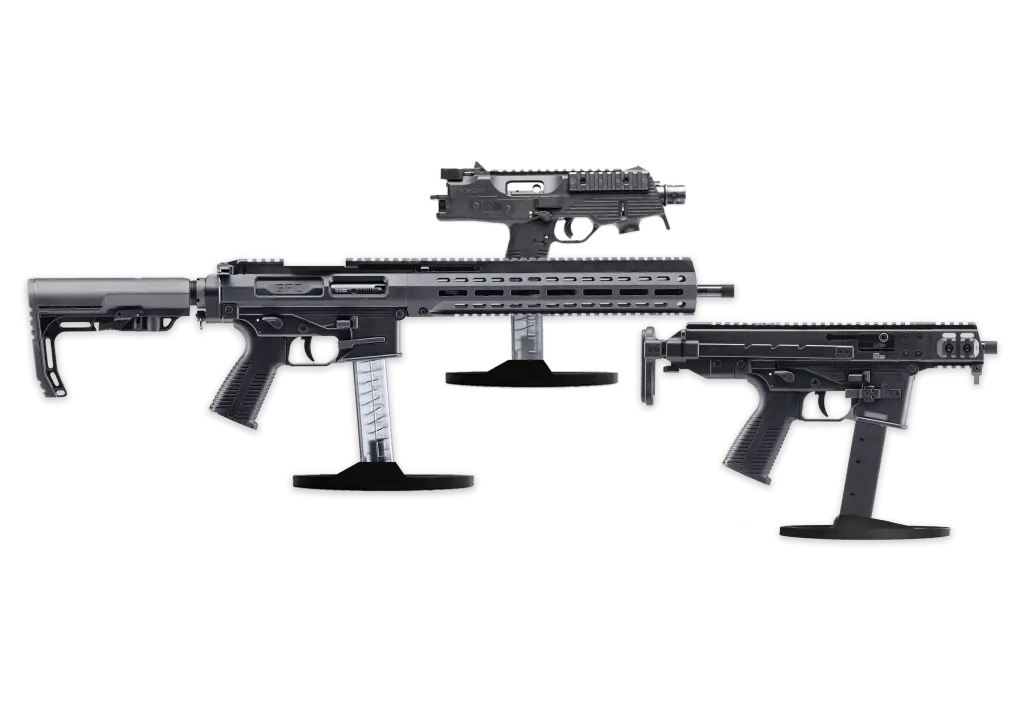
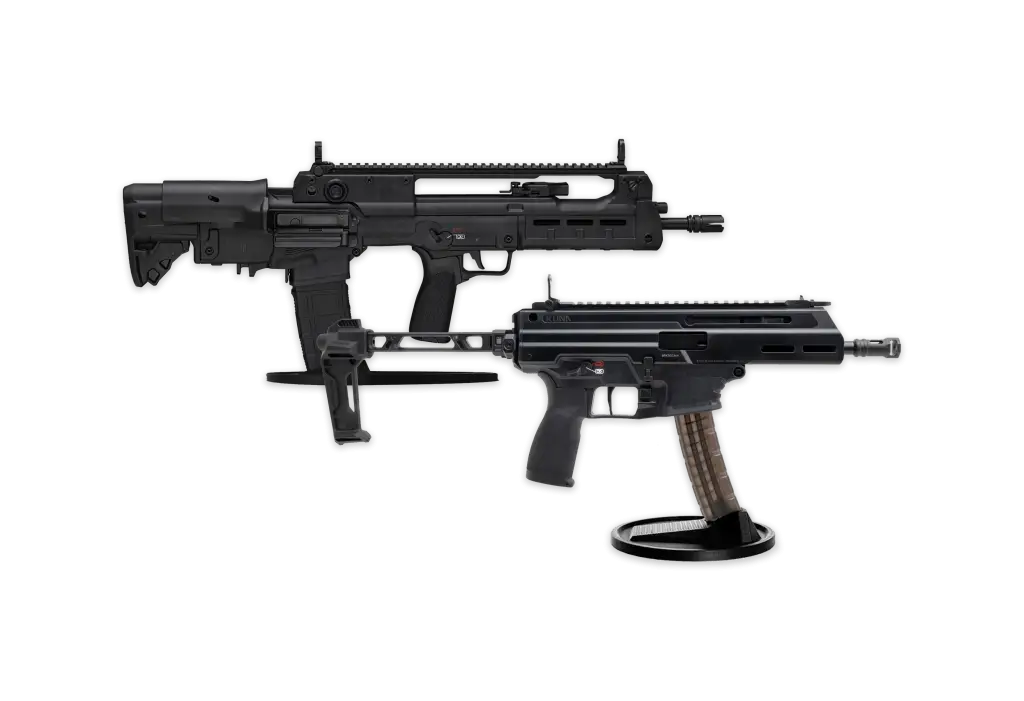
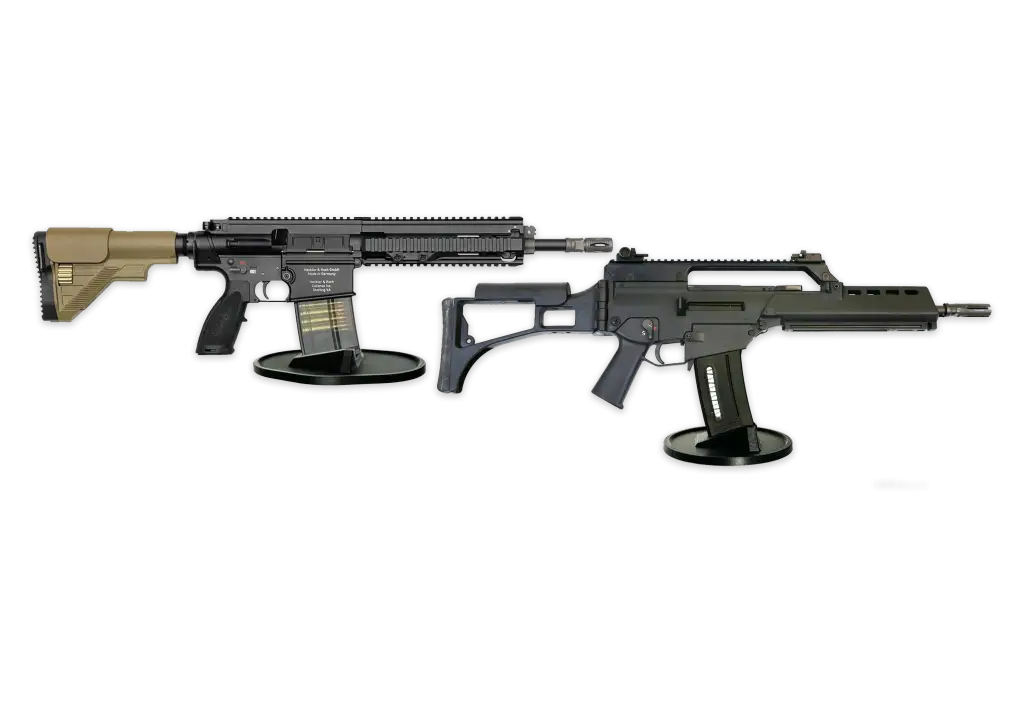
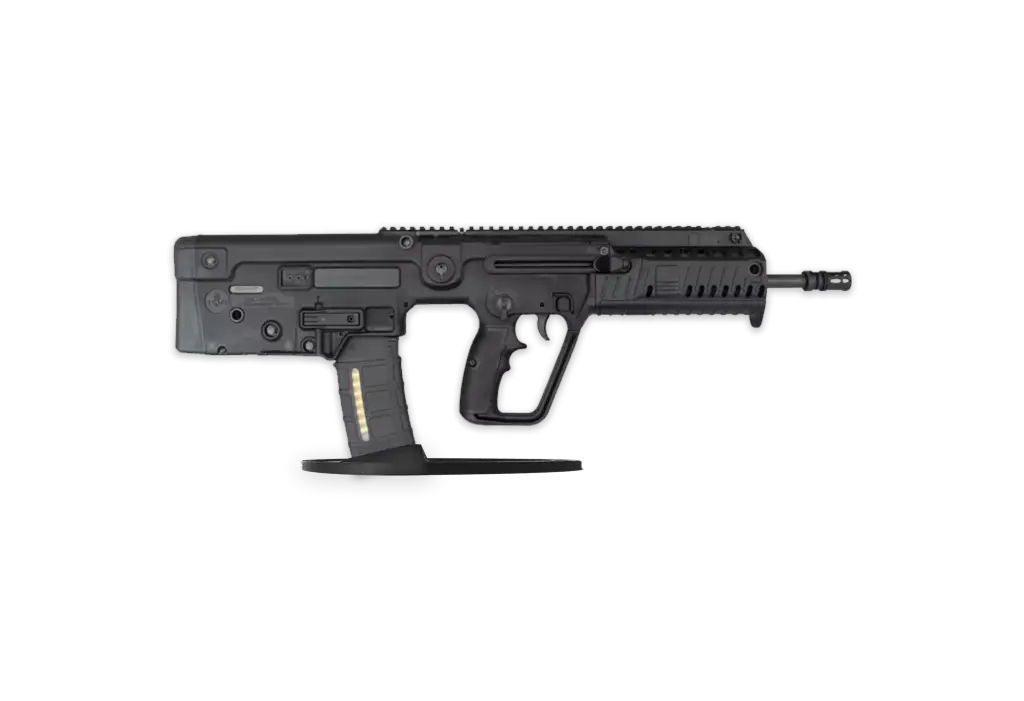
Many collectors who own both platforms display them using dedicated AR15 gun stand and rifle display solutions to keep their collections organized while protecting valuable finishes.
The History of the AR-10 and AR-15
Although many people assume the AR-15 came first, the AR-10 actually predates it. Designed by Eugene Stoner during the 1950s, the AR-10 was originally chambered for full-power rifle cartridges and introduced many of the design concepts that would later influence the AR-15.
The AR-15 was subsequently developed as a smaller, lighter platform designed around intermediate cartridges. Over time, it became one of the most popular sporting rifle platforms in America, supported by an enormous aftermarket industry.
Today, both rifles share similar operating principles while serving different roles within the sporting rifle community.
Size Differences
The most noticeable difference between the AR-15 and AR-10 is overall size.
The AR-10 uses a larger receiver set to accommodate larger cartridges, while the AR-15 is built around a smaller receiver.
Compared side by side, the AR-10 generally features:
- A longer receiver.
- A larger magazine well.
- A larger bolt carrier group.
- A heavier barrel profile.
- Greater overall weight.
The AR-15, by comparison, is typically lighter, shorter, and easier to carry during extended range sessions or recreational use.
Caliber Compatibility
One of the biggest differences between these platforms is the family of cartridges they are commonly designed to accommodate.
Common AR-15 Chamberings
- 5.56 NATO
- .223 Remington
- .300 Blackout
- 6.5 Grendel
- 6mm ARC
- .350 Legend
- .450 Bushmaster
- .22 LR (conversion systems)
Common AR-10 Chamberings
- .308 Winchester
- 7.62×51 NATO
- 6.5 Creedmoor
- .243 Winchester
- .260 Remington
- 8.6 Blackout (platform dependent)
Because of these different cartridge families, the two platforms require different receivers, bolts, magazines, and several other major components.
Weight Comparison
The larger receiver and heavier components generally make the AR-10 noticeably heavier than the AR-15.
Typical factors contributing to additional weight include:
- Larger receiver dimensions.
- Heavier barrel.
- Larger bolt carrier group.
- Bigger magazines.
- Larger ammunition.
Many owners appreciate the lighter weight of the AR-15 for recreational shooting, while others value the additional capabilities offered by the AR-10 platform.
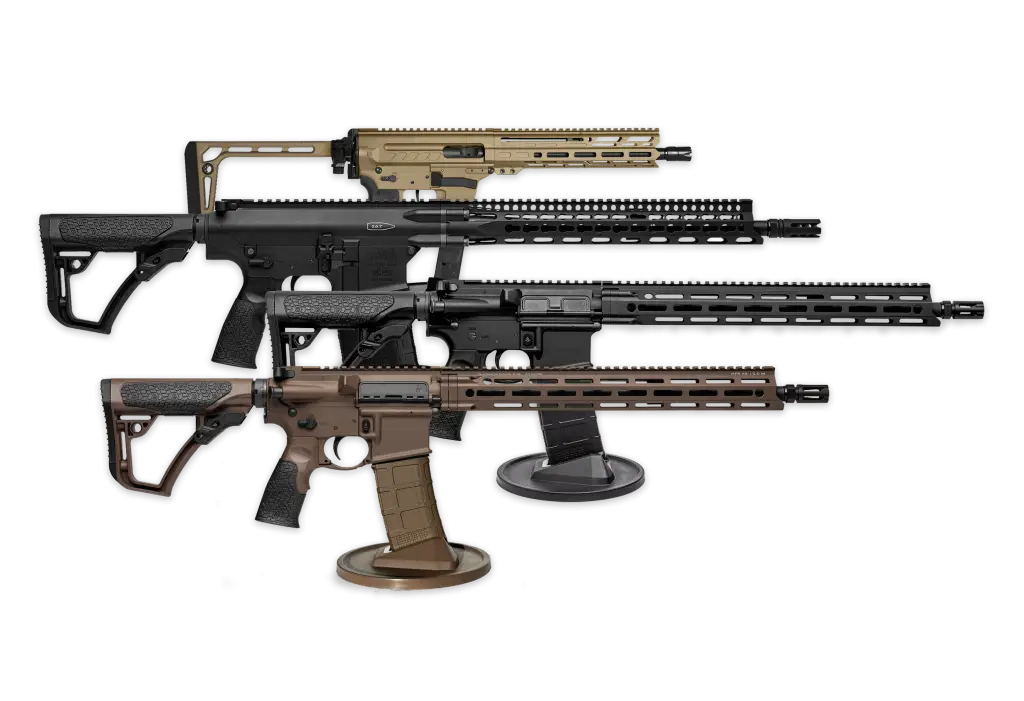
Collectors frequently display both rifles on a durable gun stand to compare different configurations side by side.
Receiver Differences
Although the two rifles look similar, their upper and lower receivers are not interchangeable.
The AR-10 receiver is physically larger to accommodate larger cartridges and internal components. Likewise, the bolt carrier group, charging handle, buffer system, and magazines are generally platform-specific.
When purchasing replacement parts or accessories, always verify that they are designed for your specific platform.
Magazine Compatibility
Magazine compatibility is another major distinction between the AR-15 and AR-10.
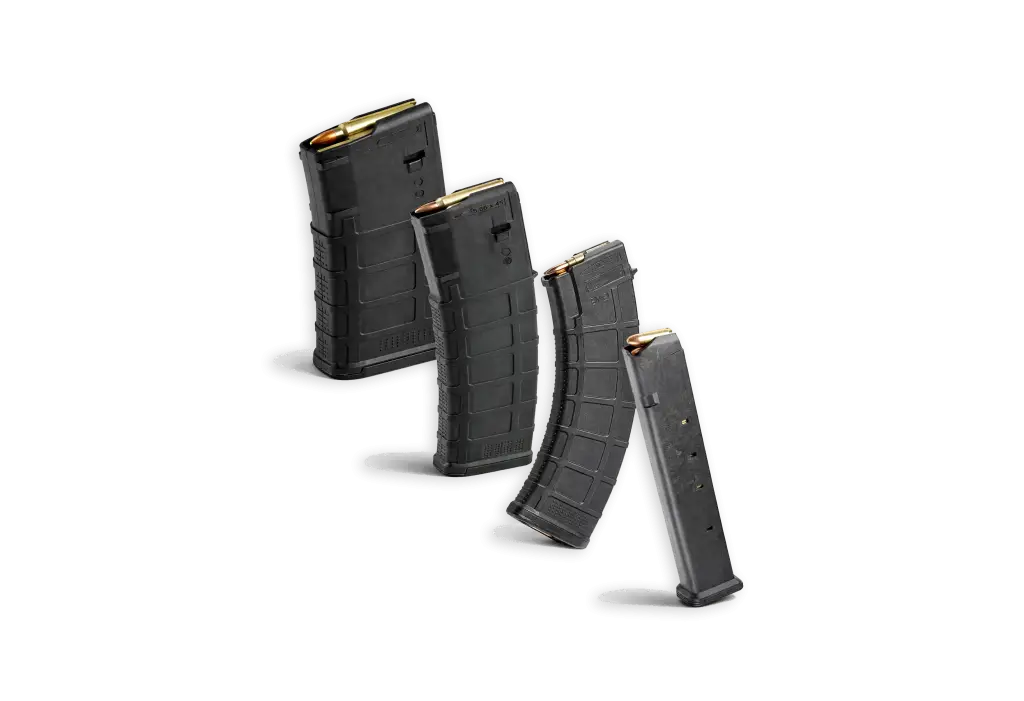
AR-15 magazines are typically designed around smaller intermediate cartridges, while AR-10 magazines are designed for larger rifle cartridges. Because of the difference in dimensions, magazines are not interchangeable between the two platforms.
Before purchasing magazines, owners should confirm compatibility with both their rifle model and chambering.
Parts Compatibility
Many new owners assume that most AR-15 and AR-10 parts can be swapped between platforms. In reality, relatively few major components are interchangeable.
Platform-specific components often include:
- Upper receivers.
- Lower receivers.
- Bolt carrier groups.
- Barrels.
- Buffer systems.
- Magazines.
- Charging handles.
Some accessories—such as optics, lights, slings, grips, and certain stocks—may be compatible depending on the specific design and manufacturer.
Accuracy and Performance
Both platforms are capable of excellent accuracy when paired with quality components and ammunition.
Many enthusiasts select one platform over the other based on cartridge preference, intended shooting discipline, and overall rifle configuration rather than any inherent difference in accuracy.
Barrel quality, ammunition selection, optics, maintenance, and shooter skill all contribute to real-world performance.
Customization Options
One of the biggest reasons both platforms remain popular is their extensive aftermarket support.
Owners can customize:
- Stocks.
- Handguards.
- Optics.
- Triggers.
- Pistol grips.
- Charging handles.
- Muzzle devices.
- Furniture.
The AR-15 generally offers a larger selection of aftermarket components because of its widespread popularity, though the AR-10 aftermarket continues to expand.
Maintenance Similarities
The overall maintenance process for both rifles is very similar. Manufacturers generally recommend routine cleaning, inspection, lubrication, and replacement of worn components according to the owner’s manual.
Regular maintenance helps preserve reliability while extending the service life of major components.
Collectors Often Own Both Platforms
Many firearm enthusiasts eventually add both an AR-15 and an AR-10 to their collections because each platform offers unique advantages.
Collectors often enjoy comparing:
- Different barrel lengths.
- Optic configurations.
- Furniture options.
- Manufacturer variations.
- Caliber selections.
As collections expand, organization becomes increasingly important. Many enthusiasts use a premium rifle stand to safely display multiple rifles while protecting them from unnecessary wear.
Why Display Matters
Proper storage and display help keep rifles organized while making them easier to access and admire.
Benefits of quality display solutions include:
- Reduced clutter.
- Protection from accidental damage.
- Professional presentation.
- Improved accessibility.
- Better collection management.
Many collectors rely on durable gun stands designed specifically for AR-platform rifles.
Which Platform Is Right for You?
Choosing between the AR-15 and AR-10 depends on your intended use, preferred chambering, budget, and personal preferences. Both platforms offer exceptional modularity, broad aftermarket support, and decades of proven popularity within the sporting rifle community.
Rather than viewing one as better than the other, many enthusiasts see them as complementary platforms that each excel in different roles.
Final Thoughts
While the AR-15 and AR-10 share similar styling and operating concepts, they are distinct platforms built around different receiver sizes, cartridge families, and component dimensions. Understanding these differences helps owners choose compatible parts, magazines, and accessories while appreciating the strengths of each design.
Whether your collection includes a lightweight AR-15, a full-size AR-10, or both, organizing them with a dedicated AR10 gun stand or display solution helps protect your investment while showcasing two of the most iconic modern sporting rifle platforms ever produced.