














One of the most common questions among AR-15 owners is the difference between 5.56 NATO and .223 Remington. At first glance, these cartridges appear nearly identical. They share similar external dimensions, look almost the same, and are often found side by side on store shelves. However, there are important differences involving chamber specifications, pressure standards, and firearm compatibility that every rifle owner should understand.
Whether you’re purchasing your first AR-15 or expanding an existing collection, understanding the relationship between 5.56 NATO and .223 Remington can help you better understand the platform and make informed decisions about compatible ammunition.
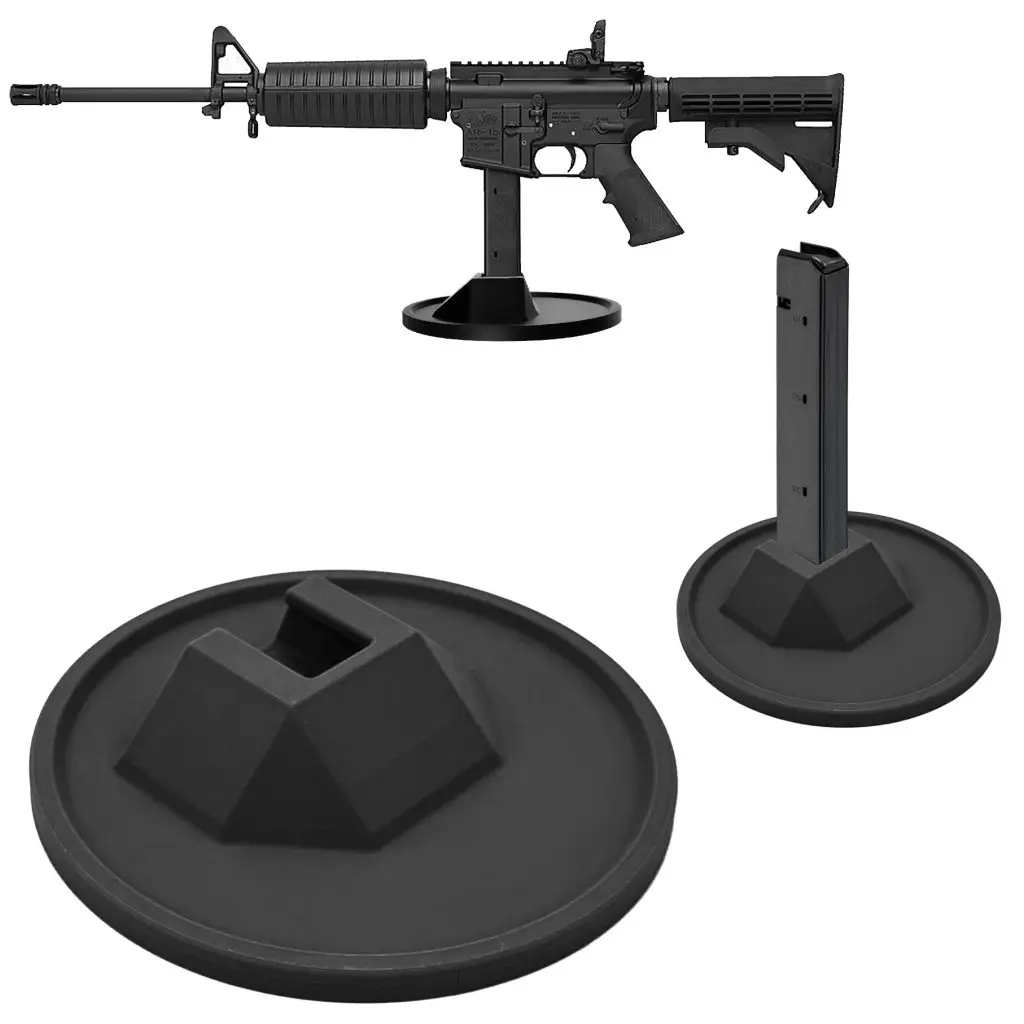
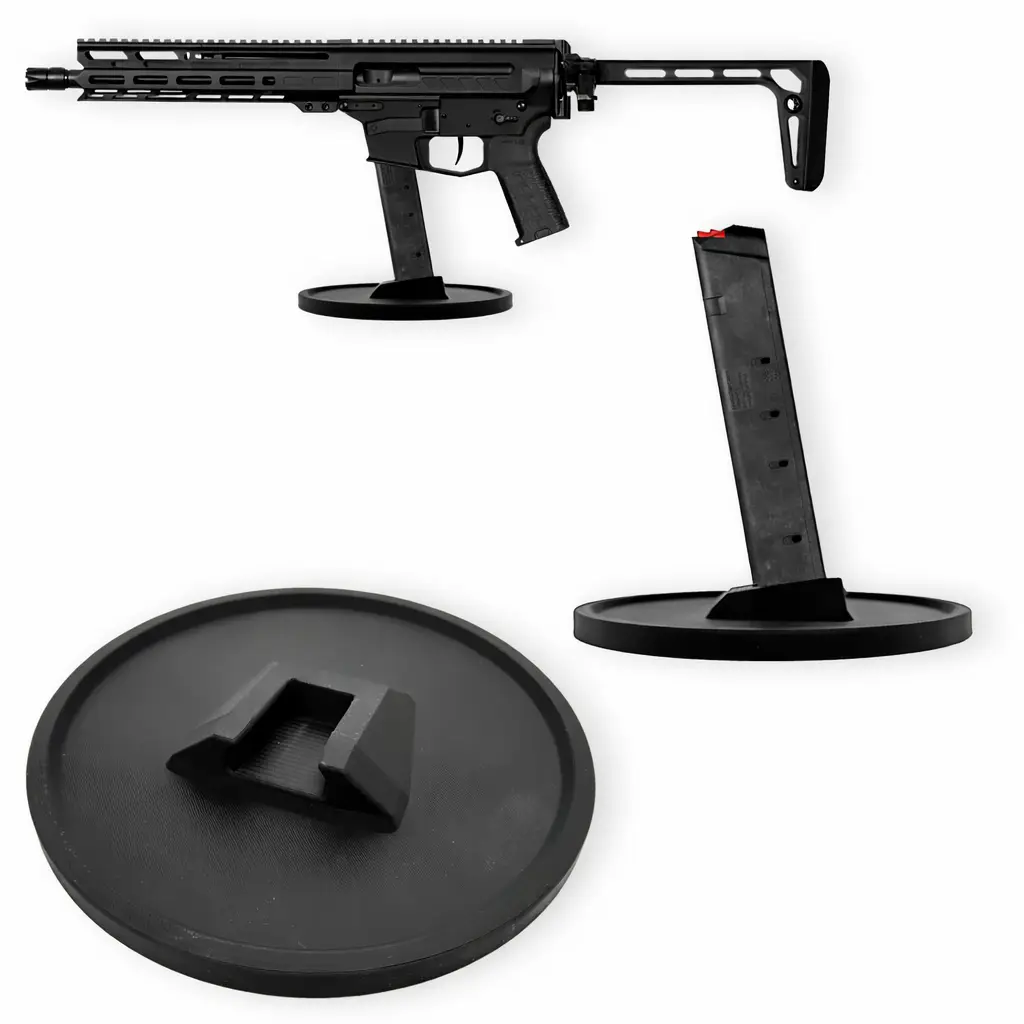
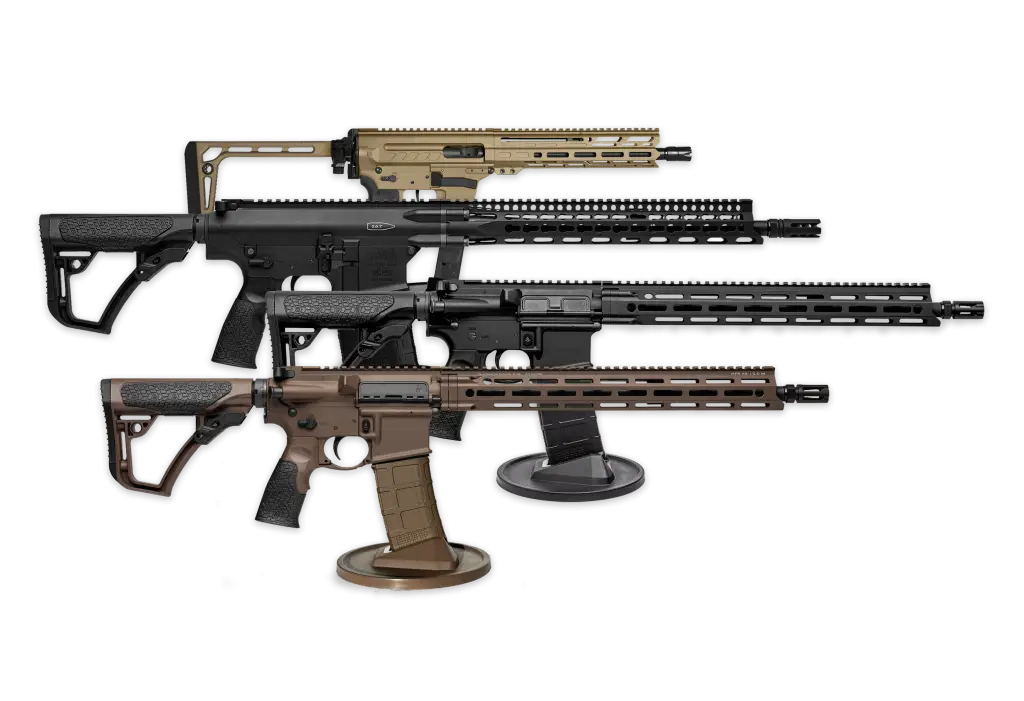
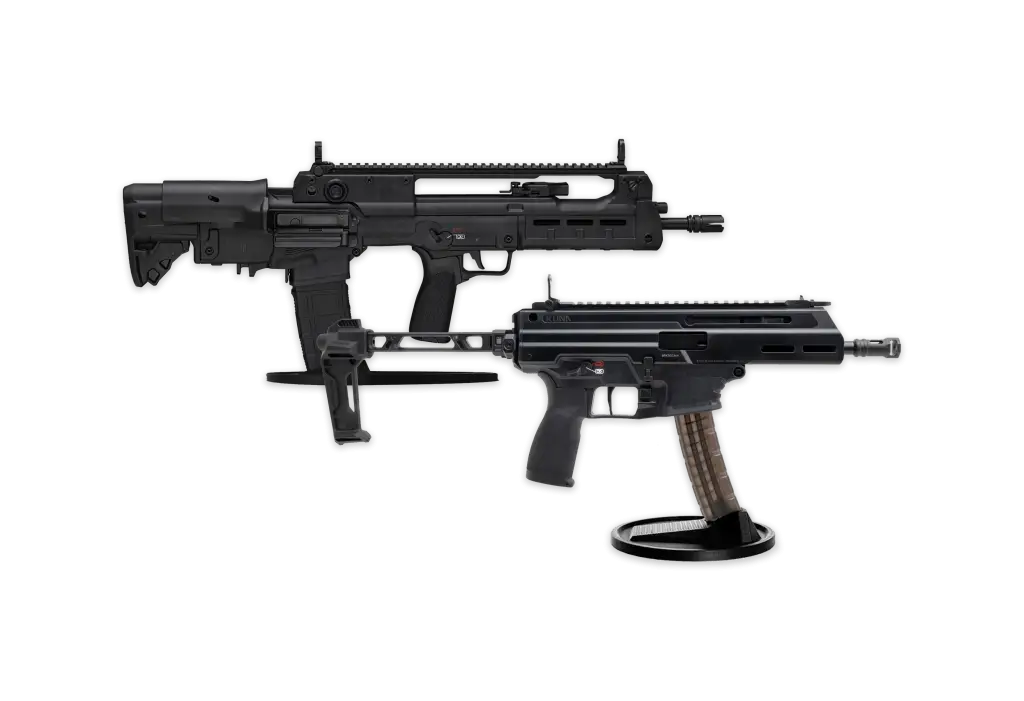
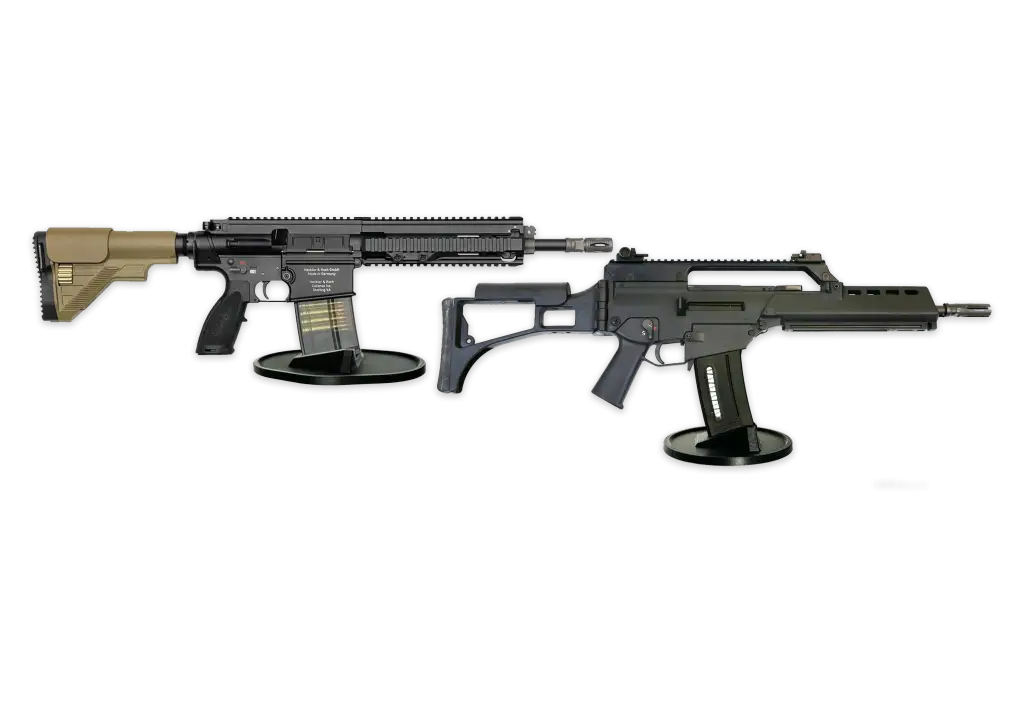
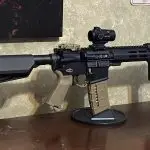
Many enthusiasts who own multiple AR-style rifles organize them on a premium AR15 gun stand, making it easy to compare different configurations while protecting valuable finishes.
What Is 5.56 NATO?
The 5.56×45mm NATO cartridge is a standardized military cartridge adopted by NATO member nations. It was developed to provide a lightweight, high-velocity cartridge suitable for modern military rifles while maintaining compatibility across participating countries.
Today, many civilian AR-15 rifles are chambered for 5.56 NATO because of its widespread availability and compatibility with both 5.56 NATO and .223 Remington ammunition when the rifle is properly marked for 5.56 NATO.
What Is .223 Remington?
.223 Remington is a commercial cartridge introduced during the development of the AR-15 platform. Although it shares nearly identical external dimensions with 5.56 NATO, it follows different industry specifications established by organizations such as SAAMI (Sporting Arms and Ammunition Manufacturers’ Institute).
.223 Remington remains one of the most popular rifle cartridges for recreational shooting, target practice, and varmint hunting.
Do They Look Different?
Visually, most shooters cannot distinguish a 5.56 NATO cartridge from a .223 Remington cartridge simply by looking at them. Their external case dimensions are extremely similar, which often leads new rifle owners to assume they are completely interchangeable.
However, the most significant differences involve the rifle’s chamber and the pressure specifications associated with each cartridge.
Chamber Differences
One of the most important distinctions between 5.56 NATO and .223 Remington is the chamber design.
Although the cartridges are externally similar, rifles chambered for 5.56 NATO typically feature a slightly different chamber geometry than rifles chambered exclusively for .223 Remington.
These engineering differences are one reason manufacturers clearly mark barrels to indicate the intended chamber specification.
Owners should always verify the chamber marking on their rifle before selecting ammunition.
Pressure Standards
Another commonly discussed difference involves pressure specifications.
5.56 NATO ammunition is generally loaded to different military pressure standards than commercial .223 Remington ammunition. Because of these specification differences, manufacturers provide chamber recommendations for each rifle.
For safe operation, owners should always follow the firearm manufacturer’s recommendations regarding compatible ammunition.
Compatibility Overview
One of the most frequently asked questions is whether the two cartridges can be used interchangeably.
In general:
- Many rifles chambered for 5.56 NATO are designed to safely use both 5.56 NATO and .223 Remington ammunition.
- Rifles marked only for .223 Remington should be used with ammunition recommended by the manufacturer.
Because firearm designs can vary, owners should always consult the barrel markings, owner’s manual, or manufacturer before selecting ammunition.
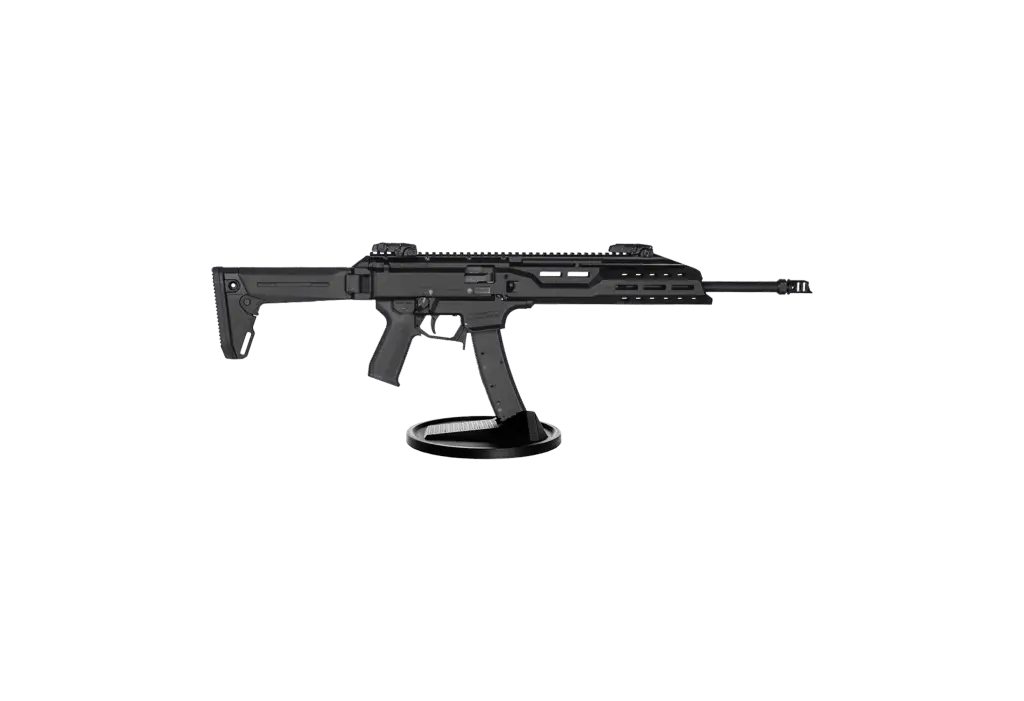
Collectors who own rifles chambered for multiple cartridges often organize them on a durable gun stand to clearly separate different configurations.
What About .223 Wylde?
Another chamber specification commonly encountered is .223 Wylde.
The .223 Wylde chamber was developed to accommodate characteristics of both .223 Remington and 5.56 NATO while maintaining excellent versatility. Many modern sporting rifles feature this chamber because of its popularity among enthusiasts.
As always, owners should follow the firearm manufacturer’s recommendations for compatible ammunition.
Accuracy Considerations
Both cartridges are capable of excellent accuracy when paired with quality rifles, ammunition, and optics.
Accuracy is influenced by numerous factors, including:
- Barrel quality.
- Ammunition consistency.
- Optics.
- Environmental conditions.
- Shooter skill.
- Maintenance.
Rather than focusing solely on cartridge designation, many enthusiasts prioritize overall rifle quality and ammunition consistency.
Popular Uses
Both cartridges are widely used for lawful recreational shooting, competition, training, and other sporting purposes.
Common applications include:
- Target shooting.
- Competition.
- Training.
- Recreational range use.
- Varmint hunting where lawful.
The AR-15 platform’s versatility has helped both cartridges remain among the most popular rifle chamberings in North America.
Magazine Compatibility
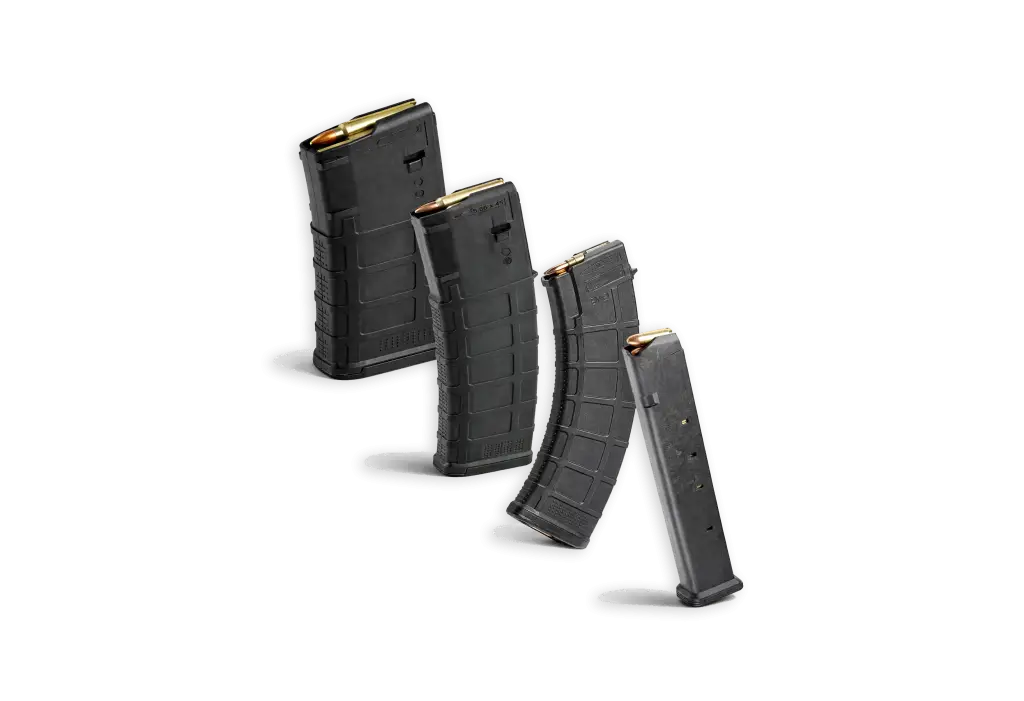
Because the external dimensions of the cartridges are nearly identical, standard AR-15 magazines designed for these chamberings are generally compatible with either cartridge when used in appropriately chambered rifles.
Owners should always verify compatibility with both the rifle manufacturer and magazine manufacturer.
Maintenance Tips
Regardless of cartridge selection, proper maintenance contributes to reliable operation and long service life.
Routine maintenance includes:
- Cleaning the bore.
- Inspecting the chamber.
- Lubricating moving components.
- Inspecting magazines.
- Replacing worn parts as recommended.
Always follow the maintenance procedures described in the firearm manufacturer’s owner’s manual.
Why the AR-15 Platform Uses Both
The widespread popularity of the AR-15 has contributed to the success of both 5.56 NATO and .223 Remington. Manufacturers continue producing rifles chambered for these cartridges because they remain among the most widely used options within the sporting rifle community.
The availability of rifles, ammunition, magazines, optics, and aftermarket accessories has created one of the largest ecosystems in the firearm industry.
Displaying Multiple AR Configurations
Many enthusiasts eventually own multiple AR-15 rifles chambered for different cartridges or configured for different purposes. Keeping these rifles organized helps protect finishes while creating an attractive display.
Benefits of organized storage include:
- Reduced clutter.
- Protection from accidental damage.
- Professional presentation.
- Improved accessibility.
- Better collection management.
Many collectors rely on a quality rifle stand or dedicated display solution to safely organize their collection.
Final Thoughts
Although 5.56 NATO and .223 Remington appear nearly identical externally, important differences exist in chamber specifications, pressure standards, and manufacturer recommendations. Understanding these differences helps owners make informed decisions while ensuring they select ammunition appropriate for their specific rifle.
Whether you’re building your first AR-15 or maintaining a growing collection, understanding the relationship between these two cartridges is an important part of responsible rifle ownership. As your collection expands, a durable AR10 gun stand or rifle display system can help keep your rifles organized, protected, and ready to showcase.