






The AR-15 is one of the most widely recognized and customizable modern sporting rifle platforms in the United States. Its modular upper-and-lower receiver design has created an enormous market of complete rifles, receivers, barrels, handguards, triggers, stocks, magazines, optics, and display accessories.
Dozens of American companies manufacture AR-style rifles and compatible parts. Some brands focus on affordable entry-level models, while others specialize in premium rifles, historically inspired designs, competition configurations, duty-oriented platforms, or components for custom builds.
Determining the most popular AR-15 manufacturers is not as simple as creating one permanent sales ranking. Private companies do not always publish detailed production figures, and popularity can be measured in several ways. A brand may be popular because it sells a large number of affordable rifles, because its products are frequently used as the foundation for custom builds, or because collectors strongly value its history and reputation.
This guide examines the AR-15 manufacturers that are most frequently encountered across the American market. The list considers product availability, brand recognition, aftermarket presence, collector interest, manufacturing history, and the variety of rifles or components offered.
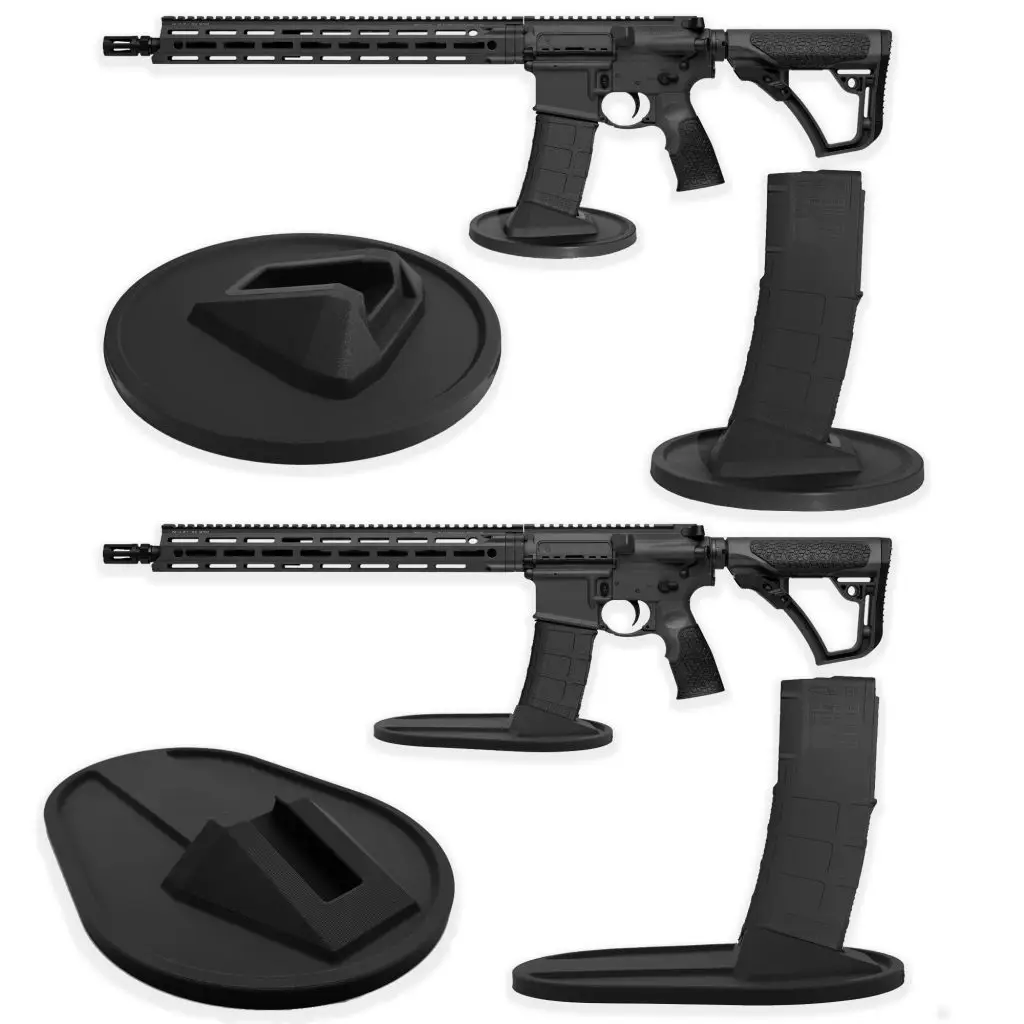
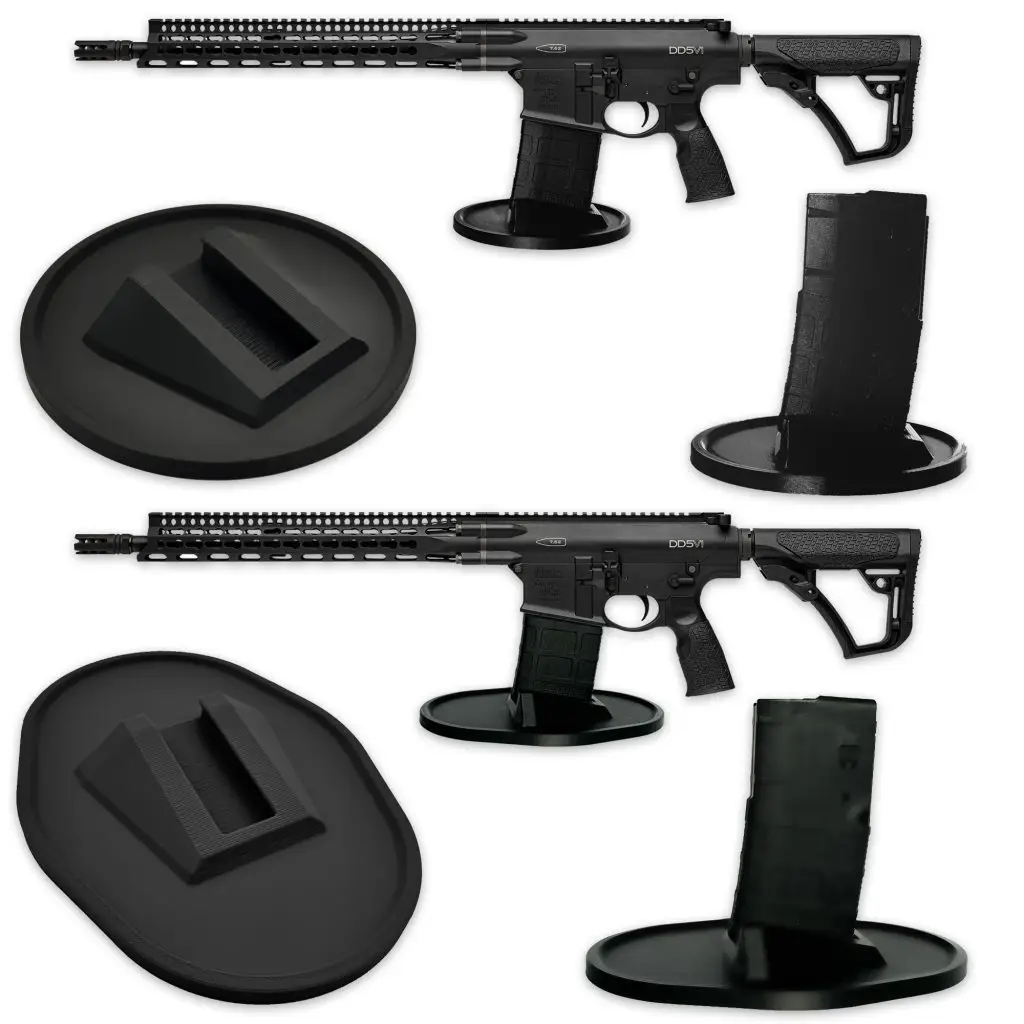
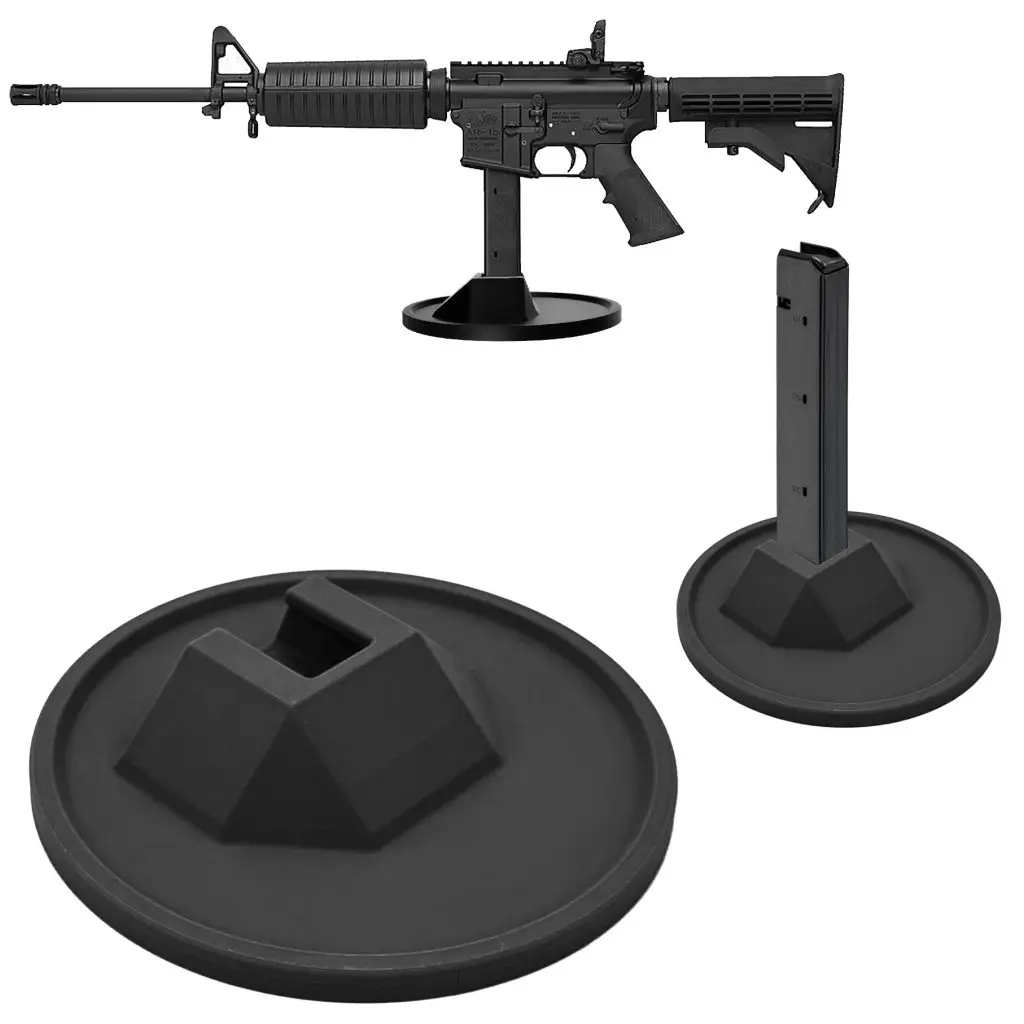
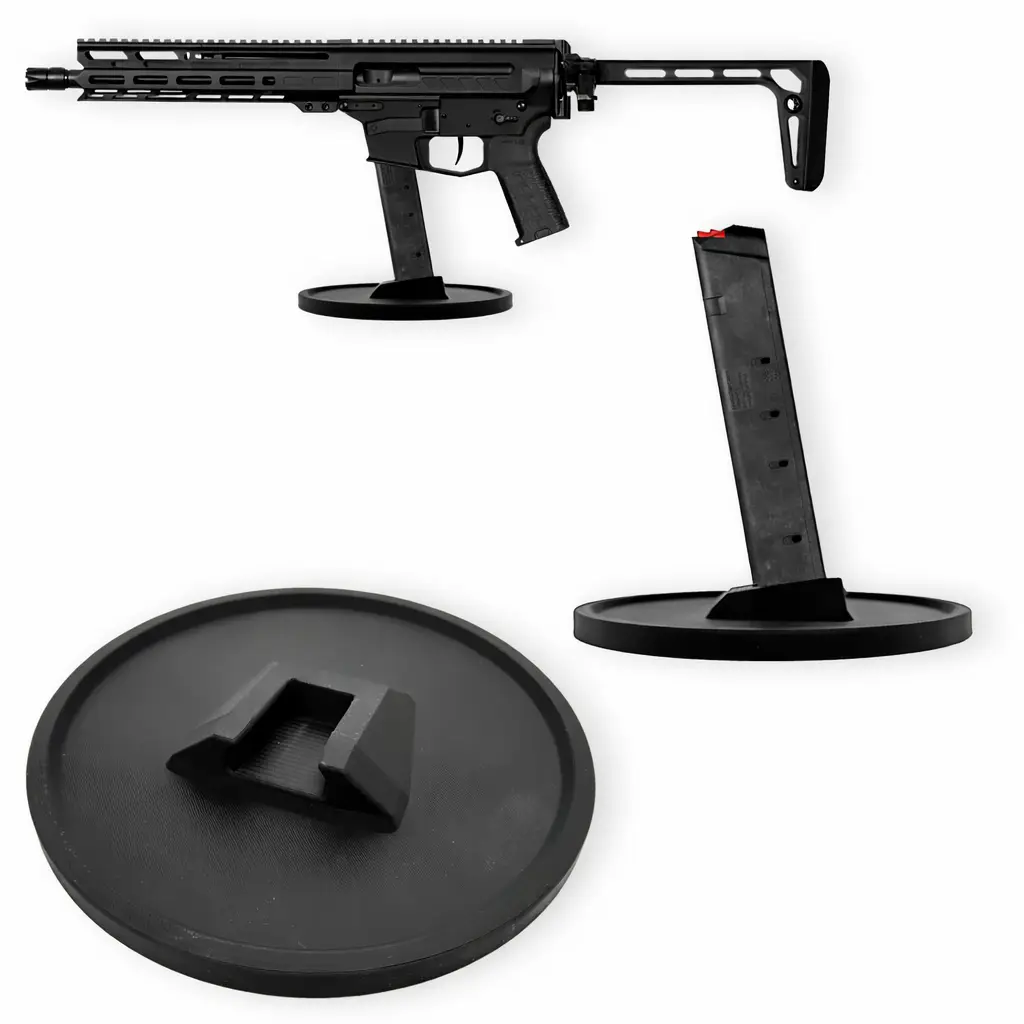
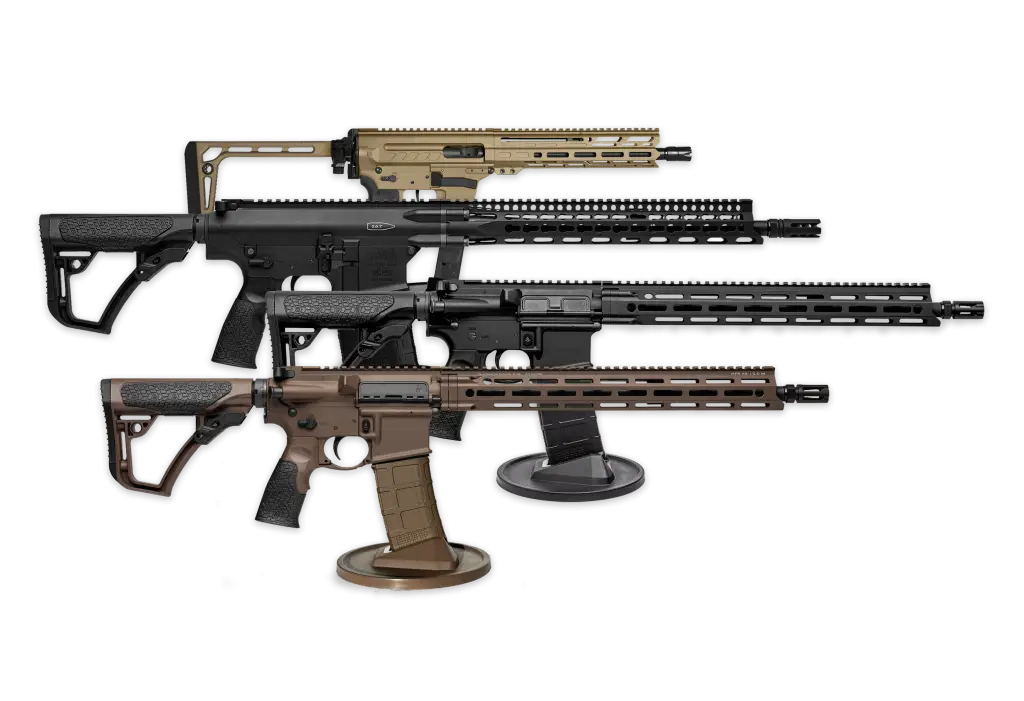
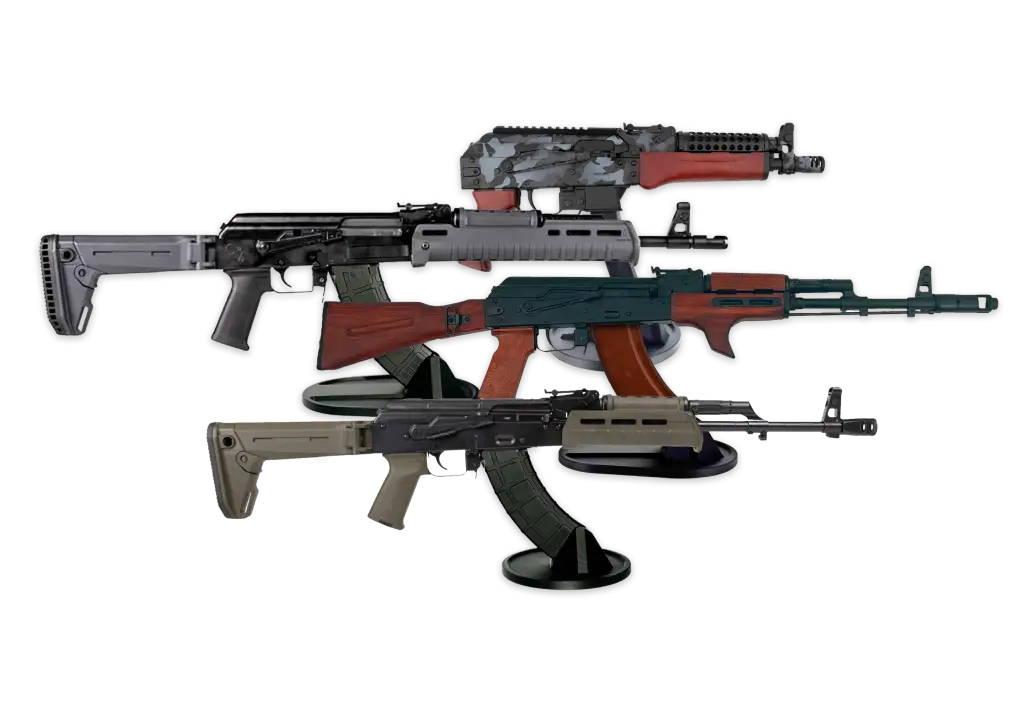
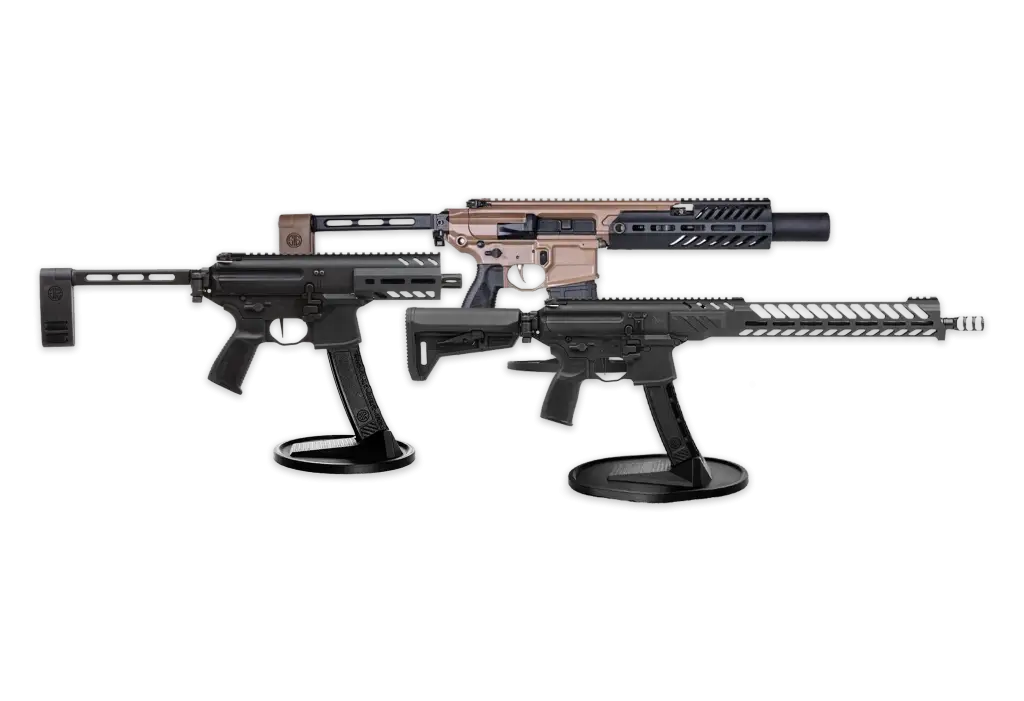
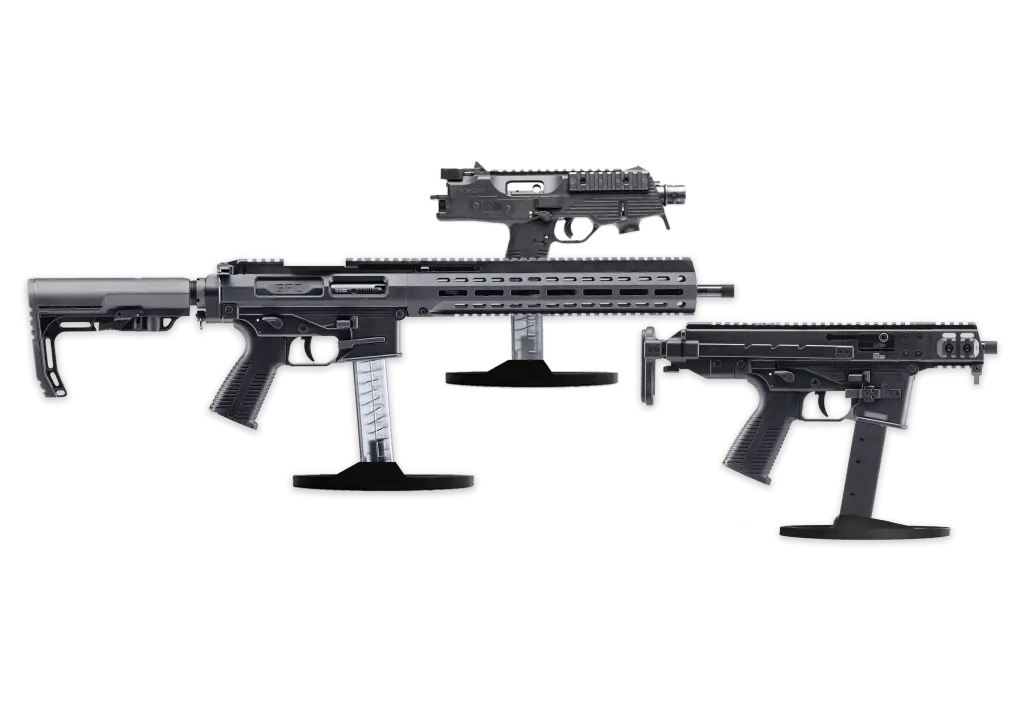
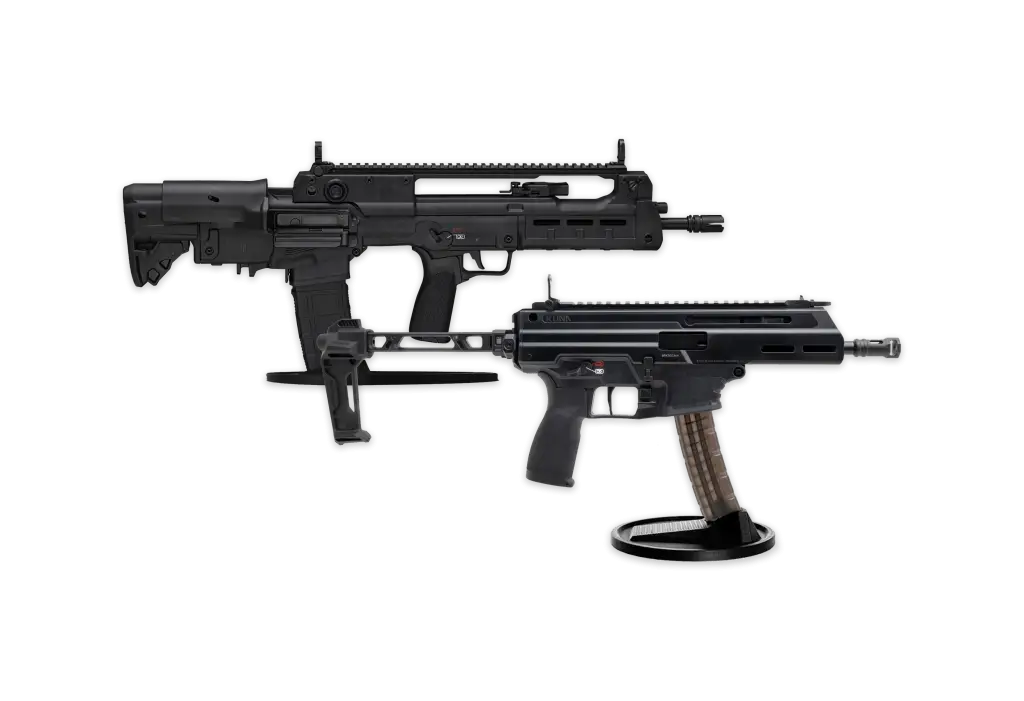
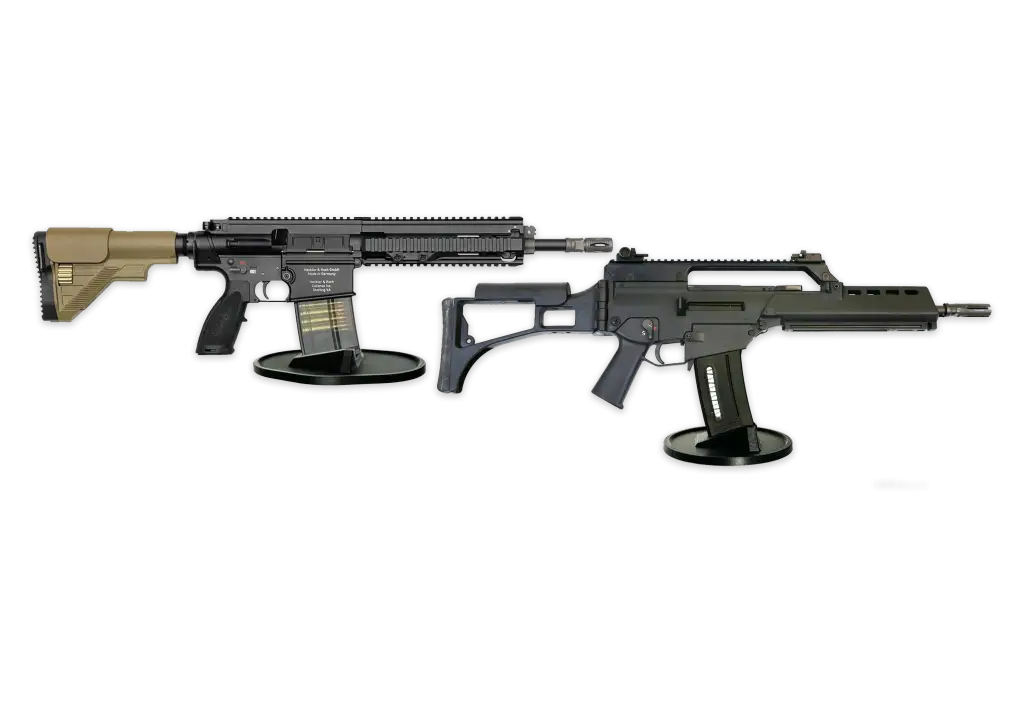
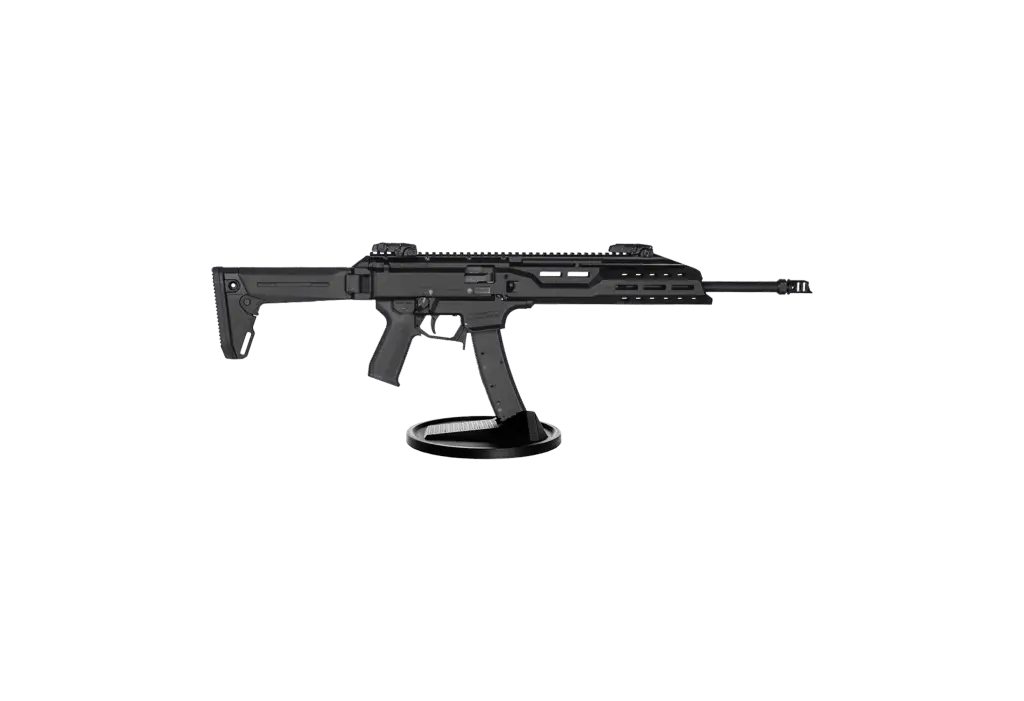
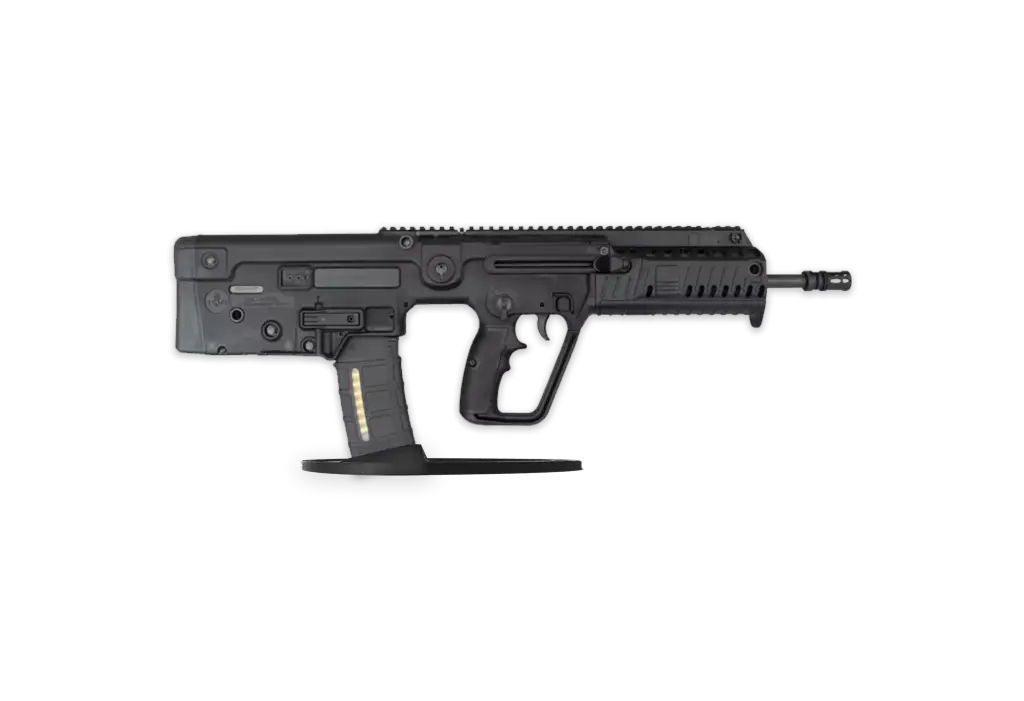
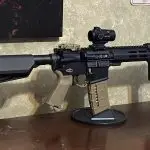
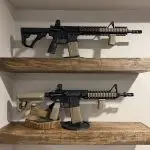
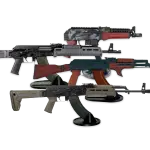
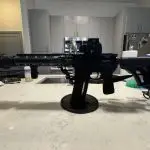
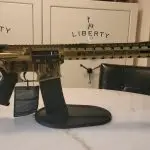
Collectors who own AR-style rifles from several manufacturers often display them on a compatible AR15 gun stand, making it easier to compare receiver designs, handguards, optics, stocks, finishes, and brand-specific features.
What Makes an AR-15 Manufacturer Popular?
Popularity in the AR-15 market can come from several different strengths. One manufacturer may dominate the affordable rifle category, while another is recognized for premium barrels or complete duty-oriented platforms.
Important measures of popularity include:
- Nationwide retail availability.
- Number of complete rifle configurations.
- Selection of upper and lower receivers.
- Aftermarket component support.
- Manufacturer history.
- Brand reputation.
- Collector demand.
- Warranty and customer service.
- Compatibility with common AR-15 parts.
- Participation in competition, law-enforcement, military, or sporting markets.
No manufacturer is automatically best for every buyer. The right brand depends on budget, intended lawful use, preferred configuration, desired features, and whether the owner wants a complete rifle or a foundation for a custom build.
1. Colt
Colt is one of the most historically significant names associated with the AR-15 platform. ArmaLite originally developed the design, but Colt acquired the rights and played a major role in its military and commercial development.
For many collectors, the Colt name represents a direct connection to the early commercial history of the AR-15. Models such as the AR15A4 and Colt carbines remain recognizable because they reflect traditional military-inspired configurations and established receiver designs.
Reasons Colt remains popular include:
- Strong connection to AR-15 history.
- High collector recognition.
- Traditional carbine and rifle configurations.
- Long-standing brand familiarity.
- Availability of modernized and historically inspired models.
Colt rifles often appeal to owners who value authenticity, history, traditional markings, and recognizable configurations. A classic Colt with a fixed front sight or carry-handle-inspired appearance may attract a different buyer than a lightweight competition rifle.
Collectors frequently place Colt rifles beside newer AR-style designs to show how the platform has evolved. A stable rifle stand helps keep traditional and modern configurations organized without covering the receiver markings or furniture.
2. Smith & Wesson
Smith & Wesson is one of the most widely recognized American firearm manufacturers. Its M&P15 family helped introduce many new owners to the AR-style rifle market by combining nationwide brand recognition with broad retail availability.
The M&P15 line has included entry-level sporting rifles, optics-ready models, tactical configurations, rimfire trainers, and models equipped with modern free-float handguards.
Reasons the M&P15 became popular include:
- Strong Smith & Wesson brand recognition.
- Availability through major retailers.
- Accessible factory configurations.
- Broad aftermarket compatibility.
- Options suitable for newer AR-15 owners.
- Modern models with M-LOK handguards and updated gas systems.
Many buyers choose an M&P15 as their first AR-style rifle because it comes from a company they already recognize. Its common dimensions also make it suitable for a wide variety of optics, stocks, grips, handguards, magazines, and display accessories.
Smith & Wesson’s broad market presence has made the M&P15 one of the rifles people are most likely to encounter at sporting-goods stores, ranges, training events, and private collections.
3. Ruger
Ruger is another major American manufacturer with extensive recognition among recreational shooters, hunters, collectors, and first-time buyers. The company’s AR-556 family became a common entry point into AR ownership.
Ruger has offered traditional AR-style carbines, free-float models, pistol configurations where lawful, and other modern sporting-rifle designs. The company has also continued developing its rifle offerings with newer product families and updated features.
Reasons Ruger remains an important AR manufacturer include:
- Nationwide retailer and dealer presence.
- Strong reputation among American firearm owners.
- Accessible factory rifle options.
- Traditional and modern configurations.
- Established customer-support network.
- Compatibility with a large aftermarket ecosystem.
Ruger rifles appeal to buyers who want a recognizable American brand and a complete factory platform that can later be personalized with optics, furniture, slings, lights, and other compatible accessories.
Because Ruger produces many different firearm categories, owners may also build brand-focused collections that include handguns, bolt-action rifles, rimfire platforms, and AR-style rifles.
4. Palmetto State Armory
Palmetto State Armory, commonly called PSA, has become one of the most visible companies in the American AR-15 market. Its popularity is closely connected to affordability, direct online sales, large product selection, and extensive availability of both complete rifles and individual components.
PSA offers a broad AR ecosystem that includes:
- Complete rifles.
- Complete upper receivers.
- Complete lower receivers.
- Stripped receivers.
- Build kits.
- Barrels.
- Bolt carrier groups.
- Handguards.
- Stocks and triggers.
- Multiple chamberings and configurations.
This wide selection allows buyers to purchase a complete rifle or assemble a personalized configuration from compatible parts.
Reasons PSA is frequently discussed include:
- Competitive pricing.
- Large online presence.
- Frequent product releases.
- Extensive component selection.
- Options for first-time buyers and hobby builders.
- Limited-edition receivers and themed products.
PSA’s market reach has helped make AR-style ownership more accessible. Its wide variety of configurations also makes the brand common among owners who enjoy assembling several rifles for different collection themes.
5. Daniel Defense
Daniel Defense is one of the most recognized premium manufacturers in the AR-15 market. The company is especially known for its DDM4 family, cold-hammer-forged barrels, rails, handguards, upper receivers, and complete rifle systems.
Daniel Defense rifles generally occupy a higher price category than basic entry-level models. They appeal to buyers who prioritize premium manufacturing, strong brand reputation, factory integration, and established product lines.
Popular Daniel Defense families and configurations include:
- DDM4 rifles.
- M4A1-inspired models.
- MK18-related configurations.
- RIII ambidextrous platforms.
- V7 and V7 Pro configurations.
- 5.56 NATO and .300 Blackout options.
Reasons Daniel Defense is popular include:
- Premium positioning.
- Recognizable rail and handguard designs.
- Cold-hammer-forged barrel production.
- Complete rifles and upper receivers.
- Strong collector appeal.
- Traditional and fully ambidextrous configurations.
Daniel Defense rifles are commonly displayed as centerpiece builds because of their distinctive rails, furniture, receiver markings, and finishes. A magazine-compatible gun stand leaves those exterior features visible while supporting the rifle through the appropriate magazine.
6. Bravo Company Manufacturing
Bravo Company Manufacturing, better known as BCM, has built a loyal following among enthusiasts who prioritize practical configurations, dependable components, and broad compatibility with common AR-15 specifications.
BCM is especially well known for:
- Complete upper receiver groups.
- Barrels.
- Bolt carrier groups.
- Charging handles.
- Stocks and pistol grips.
- MCMR M-LOK handguards.
- QRF Picatinny handguards.
- Complete rifles and carbines.
Many enthusiasts use BCM upper receivers or components as the basis for custom rifles, even when the lower receiver comes from another manufacturer.
Reasons BCM remains popular include:
- Strong enthusiast reputation.
- Emphasis on quality components.
- Factory-assembled upper receiver groups.
- Popular mid-length configurations.
- Practical furniture and control designs.
- Wide availability of replacement parts.
BCM’s market identity differs from brands focused primarily on decorative or themed builds. The company is often associated with purpose-driven rifles and components that maintain a relatively clean appearance.
7. Aero Precision
Aero Precision is one of the most important manufacturers in the custom-building segment of the AR market. The company produces AR-15 and large-frame components, including receivers, handguards, barrels, complete upper assemblies, and complete rifles.
Aero is especially popular among owners who prefer to select individual components rather than purchase a fully configured rifle.
Popular Aero Precision products include:
- Standard AR-15 receivers.
- M4E1 receiver sets.
- Complete upper receivers.
- M-LOK handguards.
- Barrels and gas-system components.
- Builder sets in multiple finishes.
- M5 large-frame components.
Reasons Aero Precision is popular include:
- Strong position in the builder market.
- Matching upper and lower receiver sets.
- Multiple handguard designs.
- Wide range of finishes.
- Availability of AR-15 and large-frame parts.
- Complete assemblies and individual components.
Aero Precision appeals to owners who want a coordinated receiver and handguard appearance. Its builder sets also allow collectors to create themed rifles in colors or finishes that differ from standard black configurations.
8. FN America
FN America is a major manufacturer with military, law-enforcement, and commercial product experience. In the AR-style market, its FN 15 family provides rifles with a strong connection to the company’s broader manufacturing heritage.
FN 15 rifles have included traditional military-inspired configurations, modern carbines, tactical models, and updated sporting rifles.
Reasons FN remains a respected AR manufacturer include:
- Long manufacturing history.
- Strong military and commercial recognition.
- FN 15 product family.
- Premium barrel and component reputation.
- Traditional and modern configurations.
- Collector interest in FN-branded rifles.
FN appeals to buyers who value the manufacturer’s connection to military small-arms production and want that brand identity represented in a commercial rifle collection.
An FN 15 can be displayed beside another FN platform to show the differences between AR-style rifles and the company’s proprietary rifle designs.
9. Springfield Armory
Springfield Armory entered the modern AR-style market with the SAINT family. The line gained attention by combining a well-known brand name with factory rifles available in several price and feature categories.
The SAINT family has included:
- Entry-level rifles.
- Mid-range configurations.
- Victor models.
- Edge models.
- Different barrel and handguard arrangements.
- Multiple chamberings and platform sizes.
Reasons Springfield SAINT rifles became popular include:
- Recognizable manufacturer name.
- Broad dealer availability.
- Several factory feature levels.
- Modern M-LOK configurations.
- Options for newer and experienced owners.
Springfield’s use of distinct subcategories allows buyers to compare models based on furniture, barrels, handguards, triggers, and other factory-installed features.
10. SIG Sauer
SIG Sauer is best known in the modern rifle market for proprietary systems such as the MCX, but the company has also produced rifles and components that overlap with the AR ecosystem.
SIG’s presence is important because it shows how the American market has expanded beyond traditional direct-impingement AR configurations. Some SIG platforms use AR-compatible magazines, familiar control layouts, and related accessories while incorporating different internal operating systems.
Reasons SIG attracts AR-platform owners include:
- Strong brand recognition.
- Modern rifle engineering.
- AR-related control familiarity.
- Use of common magazine patterns on certain platforms.
- Premium collector appeal.
- Wide optics and accessory ecosystem.
Buyers should remember that a rifle resembling an AR-15 may still use proprietary components. SIG upper receivers, bolt systems, stocks, and handguards should not be assumed to interchange with standard AR-15 parts.
11. LWRC International
LWRC International is associated with premium AR-style rifles, piston-operated designs, and fully ambidextrous receiver controls.
LWRC rifles often appeal to buyers seeking:
- Ambidextrous lower receivers.
- Piston-operated configurations.
- Premium finishes.
- Spiral-fluted barrels on certain models.
- Integrated factory features.
- Distinctive receiver and handguard designs.
The company occupies a premium market position and has strong collector appeal. Its rifles can be visually distinguished from basic AR-15 models by their receivers, controls, handguards, and barrel profiles.
LWRC is particularly relevant to owners researching ambidextrous AR-style rifles because several of its designs integrate bilateral controls rather than relying solely on aftermarket additions.
12. Knight’s Armament Company
Knight’s Armament Company, commonly abbreviated KAC, is one of the most respected premium names in the AR-style rifle community. Its rifles, rails, suppressor-related products, and military connections have created strong collector demand.
KAC products are generally positioned well above entry-level AR-15 pricing. Availability may also be more limited than mass-market brands.
Reasons KAC rifles attract interest include:
- Premium manufacturing reputation.
- Military and professional heritage.
- Proprietary enhancements.
- Strong collector demand.
- Recognizable rail systems.
- Limited availability compared with mass-market brands.
KAC demonstrates that popularity is not always measured by the highest number of rifles sold. A relatively limited premium product can remain extremely popular among collectors and knowledgeable enthusiasts.
13. Geissele Automatics
Geissele Automatics became widely known for triggers before expanding into handguards, charging handles, complete upper receivers, and complete rifles.
The company’s rifles often incorporate many Geissele-produced components into one factory system.
Popular product categories include:
- Triggers.
- Super Modular Rails.
- Charging handles.
- Complete upper receivers.
- Complete rifles.
- Mounts and accessories.
Reasons Geissele is popular include:
- Strong trigger reputation.
- Recognizable handguards.
- Premium factory integration.
- Multiple finishes and configurations.
- Collector interest.
Geissele appeals to owners who want one manufacturer represented throughout much of the rifle rather than mixing unrelated components.
14. Noveske Rifleworks
Noveske is a premium manufacturer known for barrels, distinctive receiver designs, complete rifles, and strong collector recognition.
Noveske rifles are often identified by their unique branding, finishes, receiver contours, and limited-production configurations.
Reasons Noveske remains popular include:
- Premium barrel reputation.
- Distinctive styling.
- Limited and special-edition products.
- Strong collector following.
- Recognizable receiver and handguard designs.
Noveske occupies a different segment than high-volume entry-level manufacturers. Its popularity is connected more closely to premium identity, collector demand, and distinctive factory configurations.
15. Windham Weaponry and Bushmaster’s Influence
Bushmaster played a major role in the commercial AR-15 market during earlier decades. Its rifles helped introduce many owners to the platform before today’s enormous selection of manufacturers developed.
Windham Weaponry was later established in Maine by individuals connected to the earlier Bushmaster operation. Both names have historical importance within the commercial AR market.
Collectors may value rifles from these companies because they represent an earlier stage in AR-15 manufacturing, when flat-top carbines, fixed carry handles, and traditional handguards were transitioning into the modern accessory-driven era.
Brand ownership, production status, and current availability can change over time, so buyers researching newer production should verify information directly through the manufacturer or authorized dealers.
Entry-Level vs Premium AR-15 Manufacturers
The AR-15 market includes rifles across an extremely wide price range. Entry-level and premium models may share the same basic receiver layout while differing in materials, barrels, quality-control processes, handguards, triggers, controls, finishes, and included accessories.
Entry-Level Manufacturers and Product Lines
Entry-level rifles generally prioritize affordability and common compatibility. Popular examples often come from brands such as:
- Palmetto State Armory.
- Smith & Wesson.
- Ruger.
- Springfield Armory.
These companies may also offer upgraded models that extend beyond the basic category.
Premium Manufacturers
Premium brands often emphasize advanced receivers, barrels, ambidextrous controls, refined triggers, specialized rails, or extensive factory testing.
Common premium names include:
- Daniel Defense.
- BCM.
- LWRC.
- Knight’s Armament.
- Geissele.
- Noveske.
A higher price does not automatically make a rifle the correct choice for every buyer. A basic rifle may be entirely suitable for recreational use, while a collector may prefer the machining, features, or limited availability of a premium model.
Complete-Rifle Manufacturers vs Component Manufacturers
Some companies are known primarily for complete rifles. Others are popular because they provide the components used by hobby builders.
Major component categories include:
- Upper receivers.
- Lower receivers.
- Barrels.
- Handguards.
- Bolt carrier groups.
- Triggers.
- Charging handles.
- Stocks and grips.
Aero Precision and PSA have especially large builder-focused ecosystems. BCM and Daniel Defense are widely recognized for complete upper assemblies, while Geissele developed a strong reputation through triggers and rails before expanding further into complete rifles.
When comparing brands, buyers should determine whether they want one factory warranty covering the entire rifle or a custom build assembled from components made by several companies.
How to Choose an AR-15 Manufacturer
Define the Intended Use
A recreational range rifle may not require the same features as a premium collector build or competition-oriented configuration.
Set a Realistic Budget
Remember to account for optics, magazines, cases, maintenance equipment, and display accessories in addition to the rifle itself.
Compare Included Components
Examine the barrel, handguard, gas-system length, trigger, stock, grip, charging handle, sights, and magazine.
Research Compatibility
Most standard AR-15 rifles support a broad aftermarket, but proprietary receiver sets and operating systems may require manufacturer-specific components.
Consider Warranty Support
Review the manufacturer’s written warranty, service procedures, contact information, and replacement-parts availability.
Look Beyond the Brand Name
A manufacturer may offer entry-level and premium rifles under the same brand. Compare the individual model rather than assuming every product from one company is identical.
Questions to Ask Before Buying
- Is the rifle a standard AR-15 or a proprietary AR-style platform?
- Which chambering does it use?
- What barrel length and twist rate are included?
- Does it use a carbine, mid-length, or rifle-length gas system?
- Is the handguard free-floating?
- Does it use M-LOK, Picatinny, KeyMod, or a proprietary rail?
- Are the controls ambidextrous?
- Which magazines are compatible?
- Are replacement parts readily available?
- What does the manufacturer’s warranty cover?
Common AR-15 Manufacturer Buying Mistakes
Choosing Only by Logo
Brand reputation matters, but the individual rifle’s components and specifications matter more.
Assuming Expensive Means Perfect
Premium rifles may offer excellent features, but every manufactured product should still be inspected and maintained.
Ignoring Proprietary Components
Some enhanced rifles use manufacturer-specific bolts, handguards, gas systems, or lower-receiver controls.
Paying for Features You Do Not Need
A fully ambidextrous premium rifle may be appealing, but a simpler configuration may better match the buyer’s actual requirements.
Forgetting Future Accessory Costs
An optic, sling, magazines, case, light, maintenance kit, and display stand can significantly affect the total ownership cost.
Which Manufacturer Is Best for Beginners?
There is no single best manufacturer for every beginner. New owners often prioritize:
- Clear manufacturer support.
- Common component compatibility.
- Broad magazine availability.
- Reasonable cost.
- Simple factory configuration.
- Availability through established dealers.
Smith & Wesson, Ruger, Springfield Armory, and PSA are frequently considered because of their accessibility and broad market presence. However, a beginner may also choose a premium rifle when budget allows and the added features match their preferences.
Which Manufacturers Appeal Most to Collectors?
Collector interest often focuses on history, rarity, premium manufacturing, discontinued configurations, or distinctive receiver designs.
Popular collector categories include:
- Historic Colt rifles.
- Premium Knight’s Armament rifles.
- Daniel Defense military-inspired configurations.
- Noveske limited editions.
- Geissele factory rifles.
- Fully ambidextrous LWRC platforms.
- FN military-inspired rifles.
- Early Bushmaster and Windham configurations.
Collectors may own examples from several manufacturers to show how the AR platform changed over time.
Displaying Rifles from Multiple Manufacturers
A multi-brand AR-15 collection can reveal substantial differences in design, even though each rifle shares the same general platform heritage.
Collectors may compare:
- Receiver shapes.
- Brand markings.
- Handguard lengths.
- M-LOK and quad-rail systems.
- Barrel profiles.
- Stocks and pistol grips.
- Ambidextrous controls.
- Optics and sights.
- Black, tan, green, gray, or custom finishes.
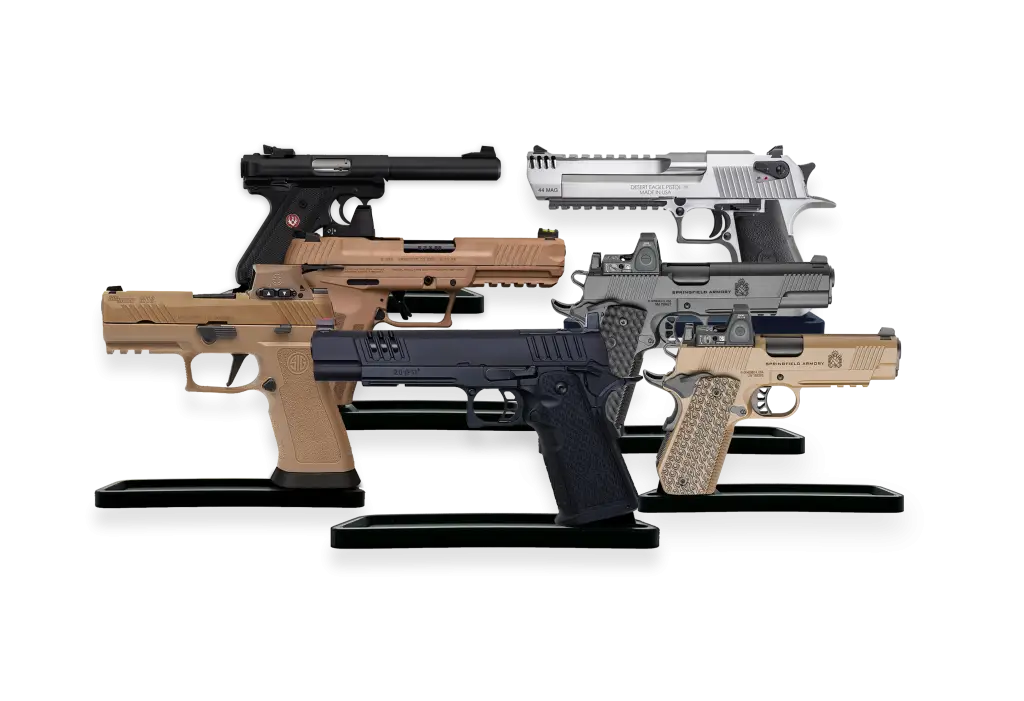
Using matching gun stands creates a consistent display while allowing the individual characteristics of each manufacturer to remain visible.
Why GunCreed Stands Work with Different AR-15 Brands
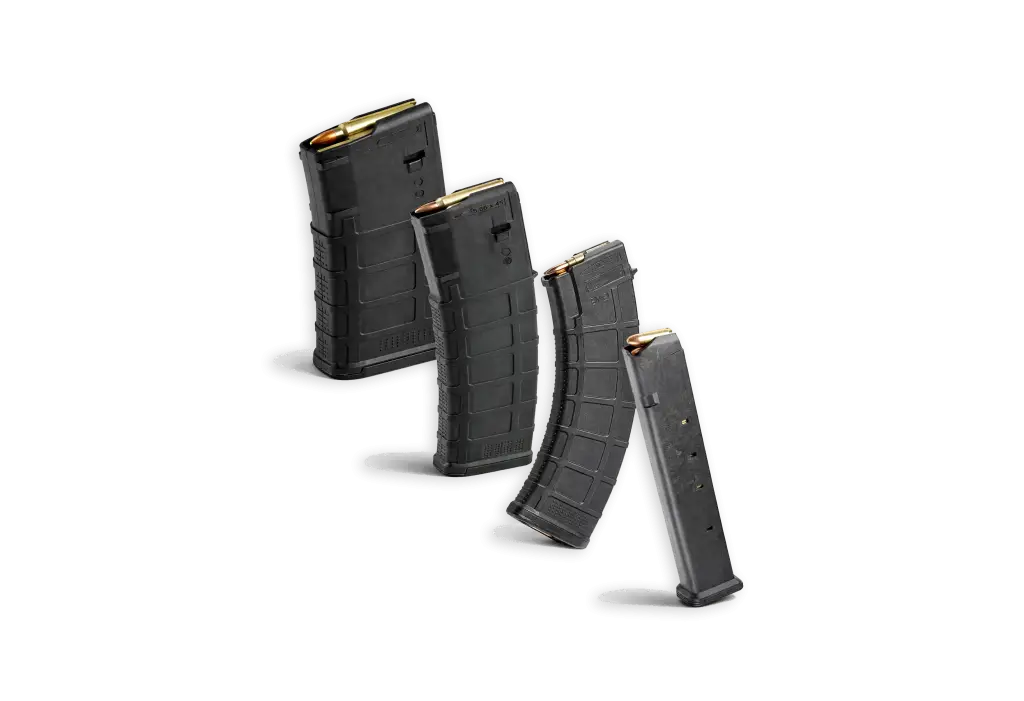
GunCreed rifle stands are designed around compatible magazine patterns rather than one specific rifle manufacturer. This allows an appropriate stand to support many compatible AR-15 rifles through the magazine well.
The magazine-based approach leaves the exterior features visible, including:
- Manufacturer markings.
- Upper and lower receivers.
- Handguards.
- Optics.
- Stocks.
- Pistol grips.
- Barrels and muzzle devices.
- Ambidextrous controls.
This makes the stands useful for collections containing Colt, Ruger, Smith & Wesson, Daniel Defense, BCM, Aero Precision, FN, PSA, Springfield Armory, and other compatible platforms.
Compatibility should always be confirmed by magazine pattern and rifle configuration rather than brand name alone.
Frequently Asked Questions
Who Originally Manufactured the AR-15?
ArmaLite developed the original design, and Colt later acquired the rights and became central to its military and commercial production history.
Which AR-15 Brand Is the Most Popular?
There is no single permanent public ranking. PSA, Smith & Wesson, Ruger, Colt, Daniel Defense, BCM, Aero Precision, and several other companies are widely recognized across different market segments.
Which Manufacturers Are Best for Custom Builds?
Aero Precision and PSA offer extensive receiver, upper, lower, barrel, handguard, and build-kit selections. BCM, Geissele, and Daniel Defense also provide major components and complete upper assemblies.
Which Manufacturers Produce Premium AR-15s?
Daniel Defense, BCM, LWRC, Knight’s Armament, Geissele, and Noveske are commonly associated with premium products.
Are Parts from Different Manufacturers Compatible?
Many standard AR-15 components share common specifications, but compatibility should always be verified. Proprietary receiver sets, piston systems, large-frame rifles, and specialty components may not interchange.
Are All AR-15 Manufacturers American?
No. Many major AR manufacturers are based in the United States, but international companies and American subsidiaries of global manufacturers also participate in the market.
Can the Same Stand Fit Different AR-15 Brands?
A magazine-compatible stand may fit multiple brands when the rifles use the correct compatible magazine pattern. The exact rifle, magazine, and stand specifications should be checked.
Final Thoughts
The American AR-15 market includes manufacturers serving nearly every type of owner. Colt provides historical significance, while Smith & Wesson and Ruger offer widely recognized factory rifles. Palmetto State Armory has built an enormous value-focused ecosystem, and Aero Precision remains a major resource for custom builders.
Daniel Defense, BCM, LWRC, Knight’s Armament, Geissele, and Noveske occupy important positions within the premium market. FN America contributes military manufacturing heritage, while Springfield Armory and SIG Sauer offer modern alternatives and related platforms.
No single manufacturer is the best choice for every buyer. The ideal brand depends on budget, intended lawful use, desired features, compatibility, warranty support, and whether the rifle will remain in its factory configuration or become the foundation for a custom build.
Buyers should compare complete specifications instead of relying only on popularity or brand recognition. Barrel quality, receiver design, handguard type, controls, trigger, gas system, furniture, and replacement-parts availability all contribute to the overall value of a rifle.
For collectors, owning rifles from multiple manufacturers provides a visual history of the AR-15 platform. Traditional Colt rifles, accessible M&P15 and Ruger models, custom Aero builds, premium Daniel Defense rifles, and fully ambidextrous platforms can each represent a different part of the market.
Displaying those rifles on a durable AR15 gun stand keeps the collection organized while allowing each manufacturer’s receiver, handguard, stock, optic, and finish to remain visible. Larger-frame rifles can be displayed using a compatible AR10 gun stand designed around the appropriate magazine platform.