












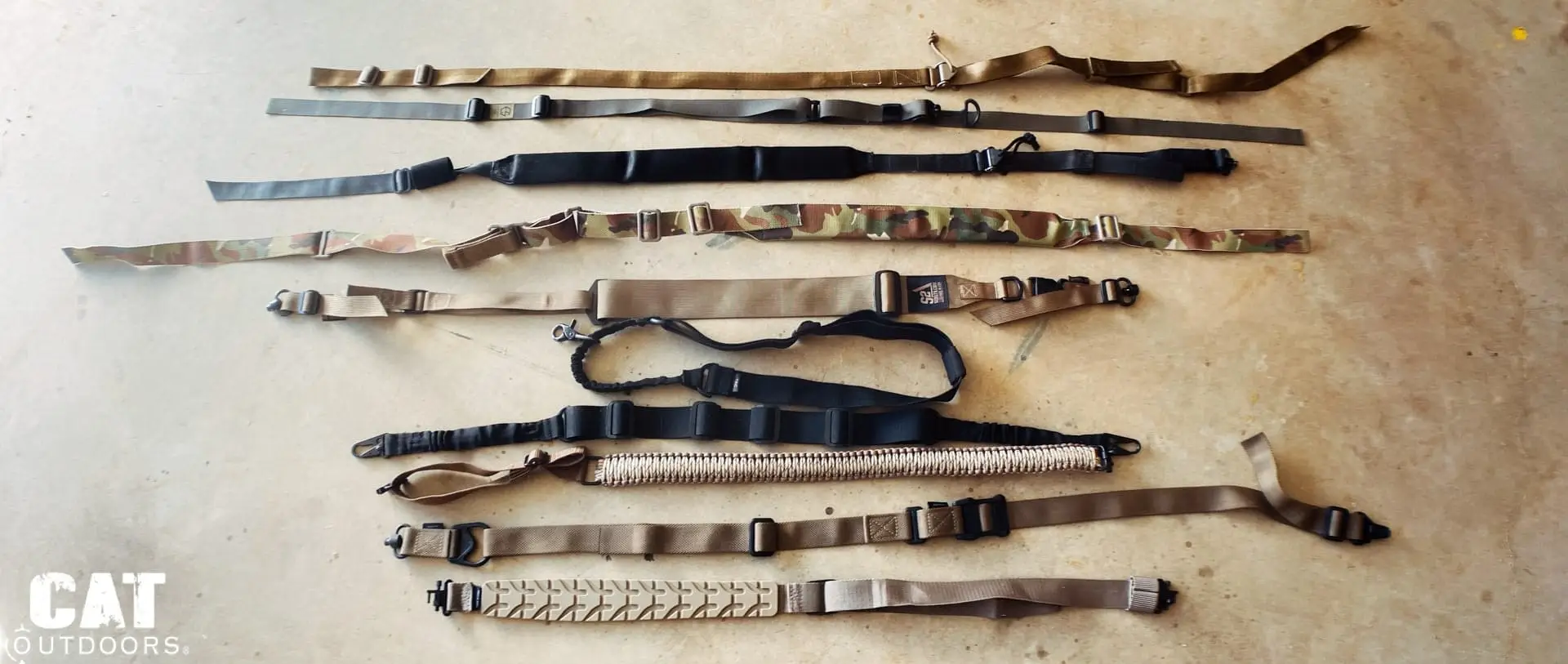

A rifle sling is one of the most useful accessories available for modern sporting rifles, hunting rifles, precision rifles, and many other long guns. Although often viewed simply as a carrying strap, a properly selected rifle sling can improve comfort, organization, balance, and convenience while transporting or handling a rifle.
Today’s market offers hundreds of sling designs. Traditional leather slings remain popular on hunting rifles, while adjustable two-point slings dominate much of the AR-15 market. One-point slings, three-point slings, padded slings, precision slings, competition slings, and convertible systems each provide different advantages depending on the rifle and the owner’s preferences.
Just as important as the sling itself are the mounting options. Modern rifles may use quick-detach sockets, fixed sling loops, M-LOK accessories, Picatinny rail mounts, receiver end plates, sling studs, or proprietary attachment systems.
Understanding these different sling styles and mounting methods helps owners choose equipment that complements their rifle while avoiding compatibility problems.
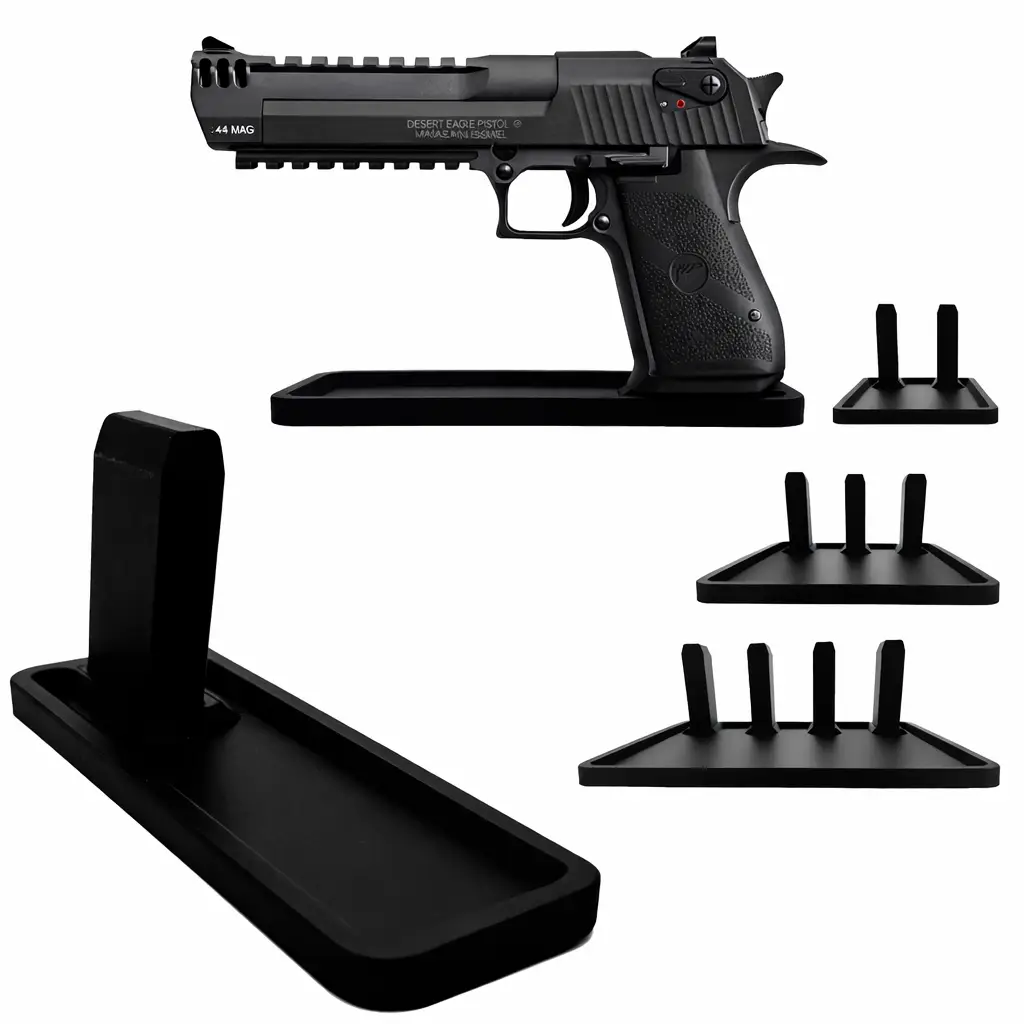
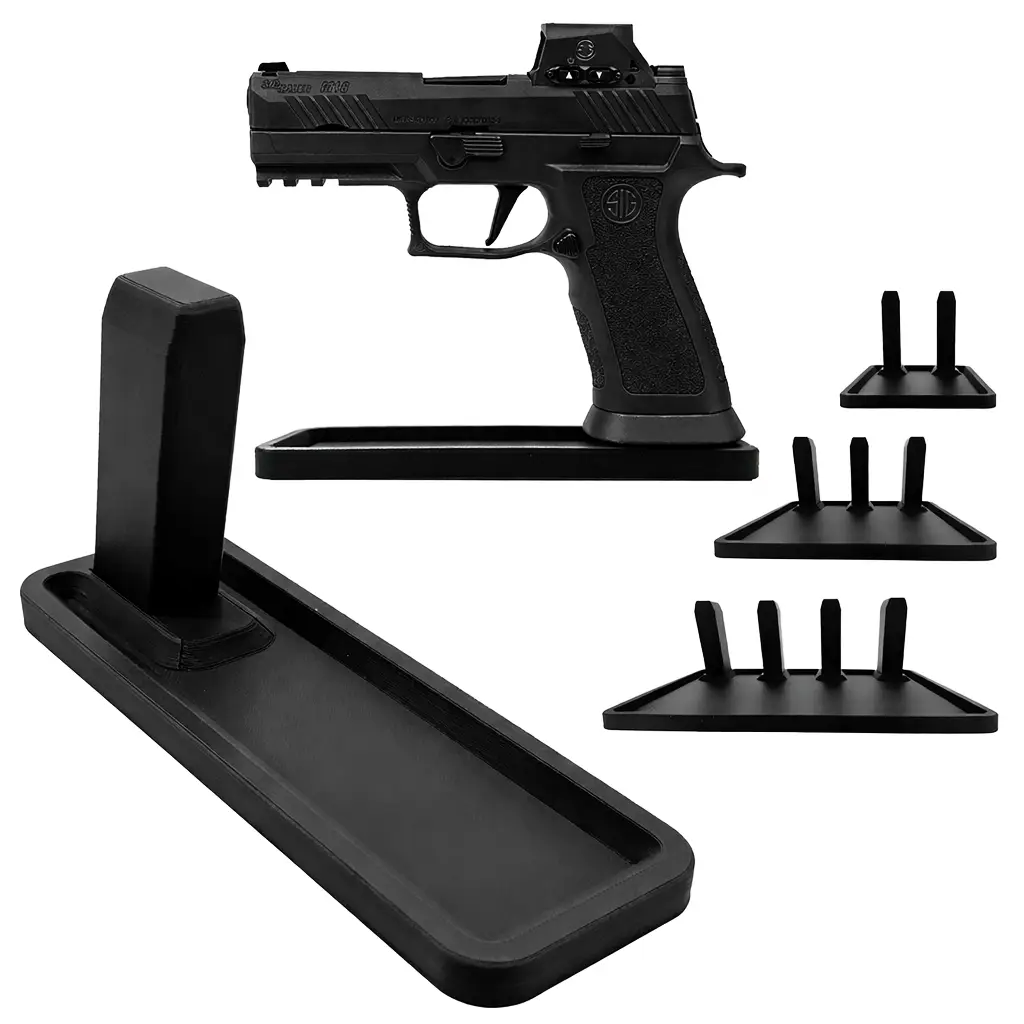
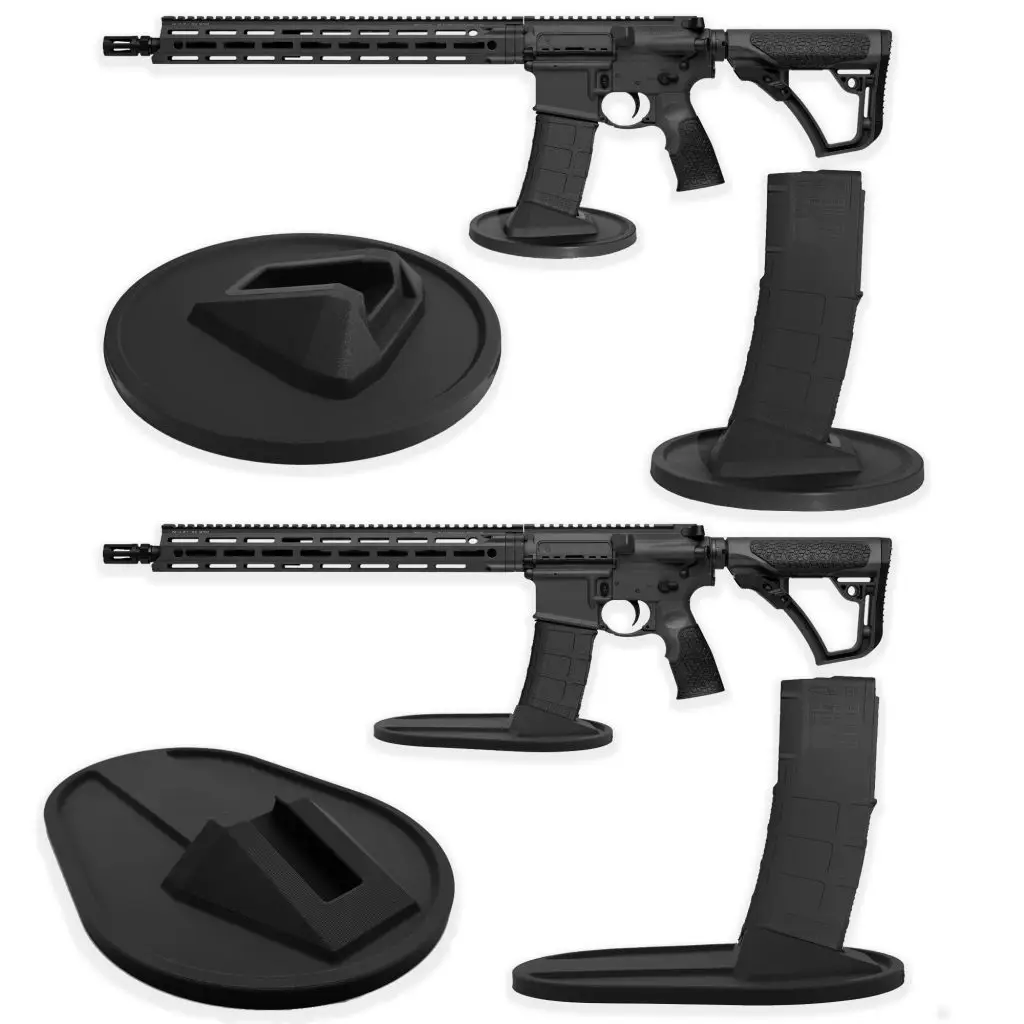
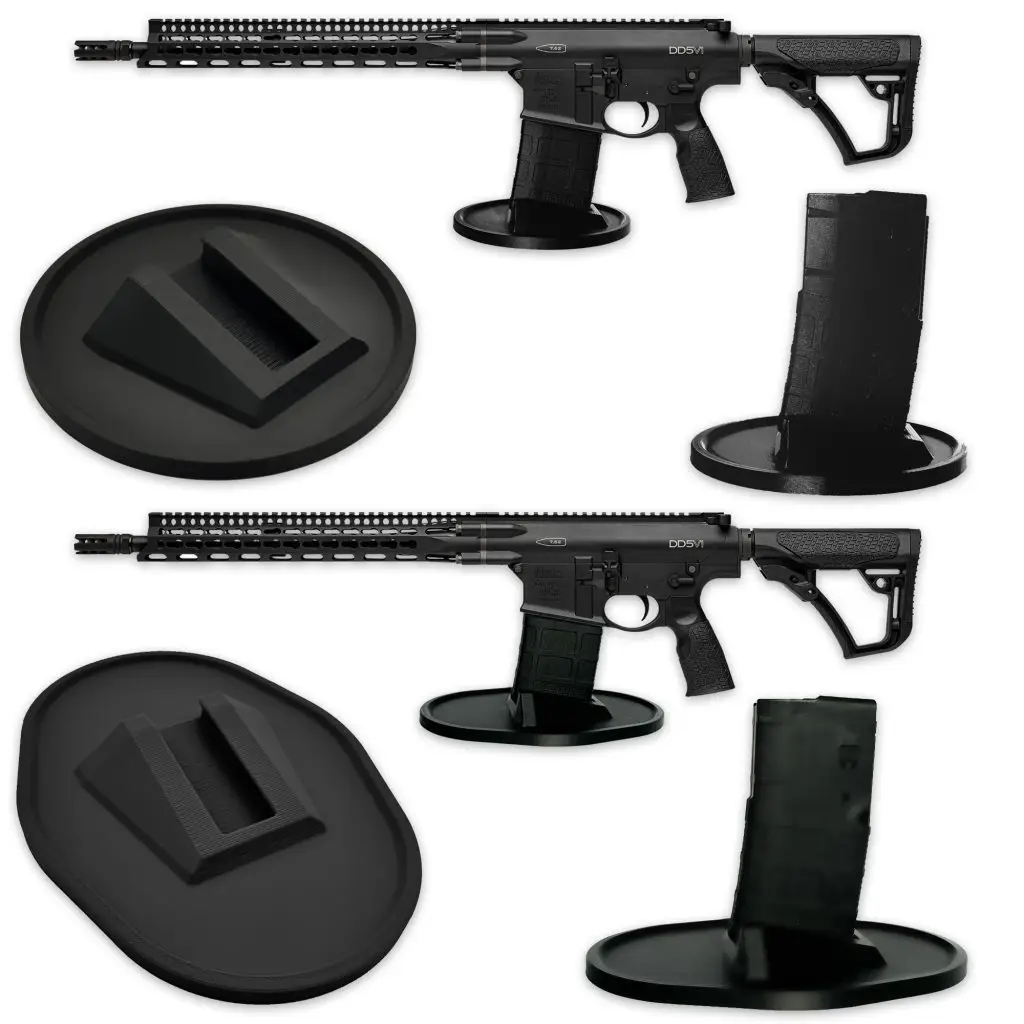
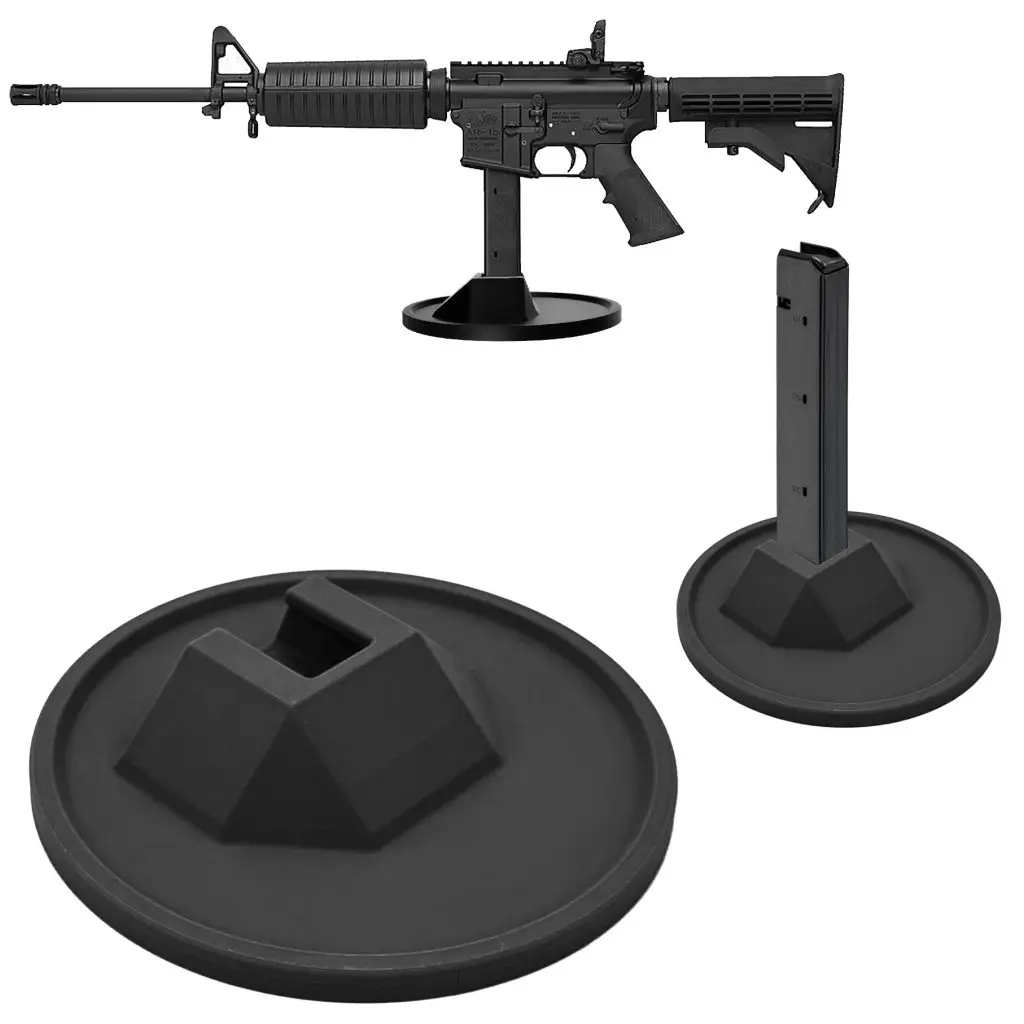
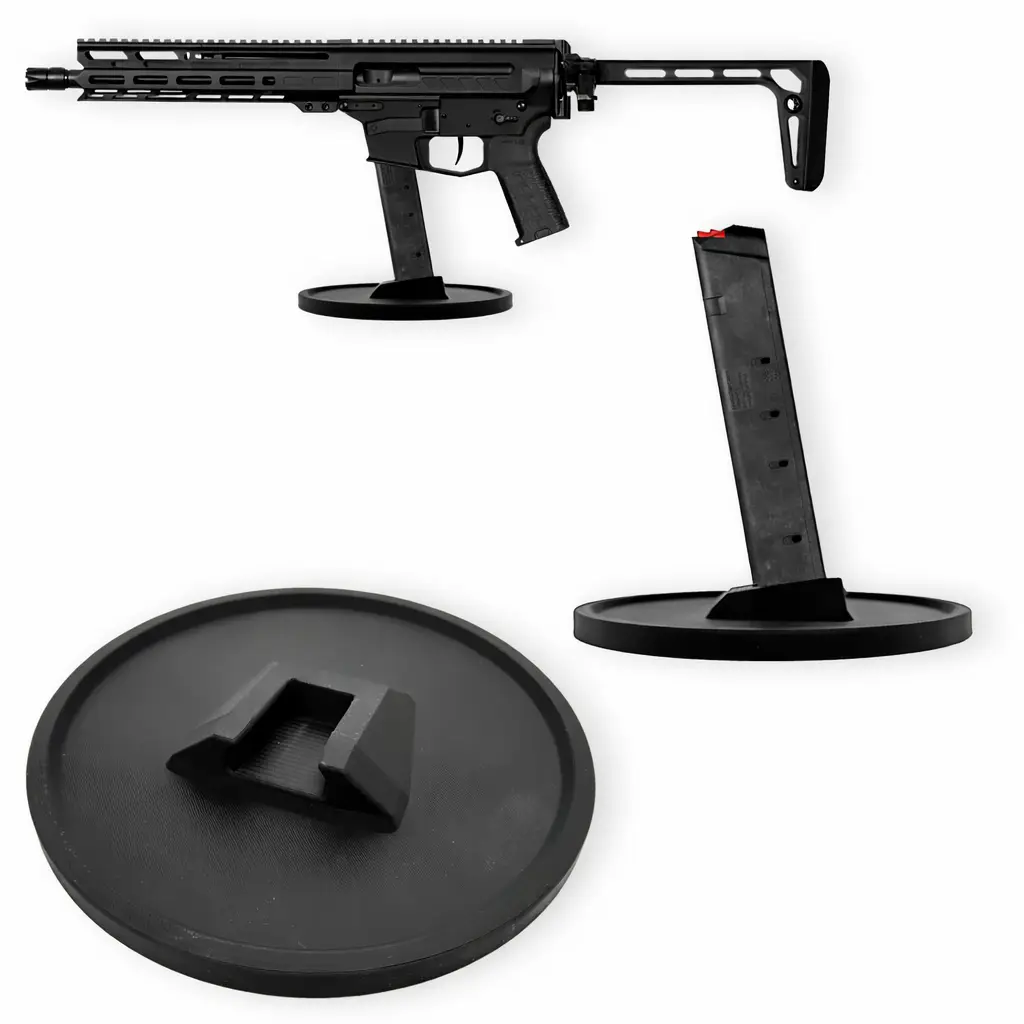
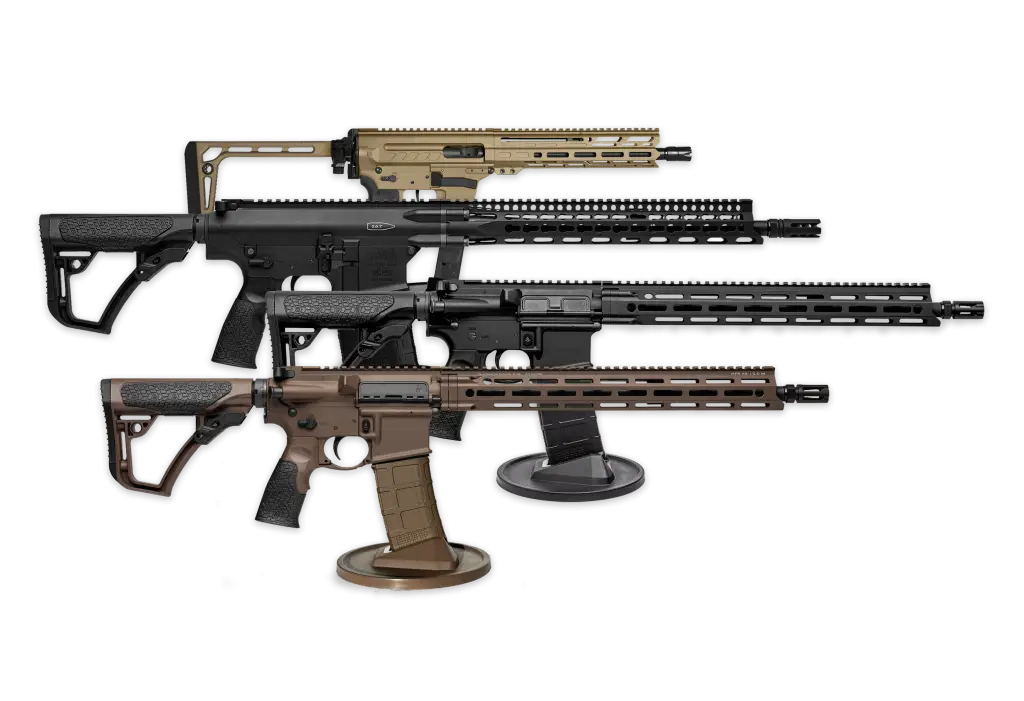
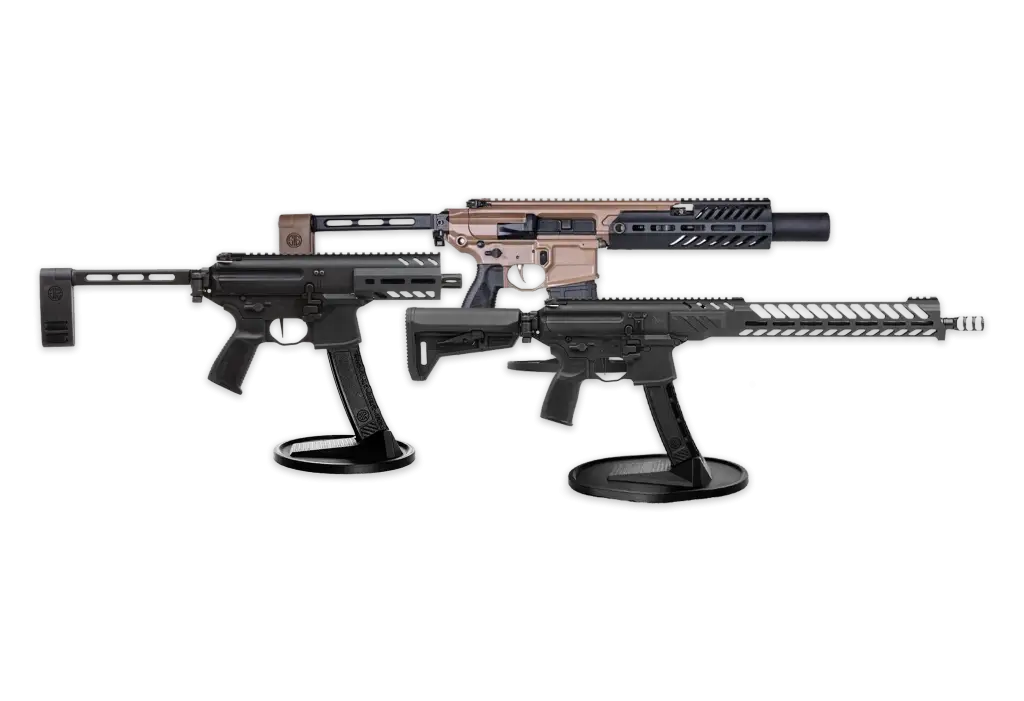
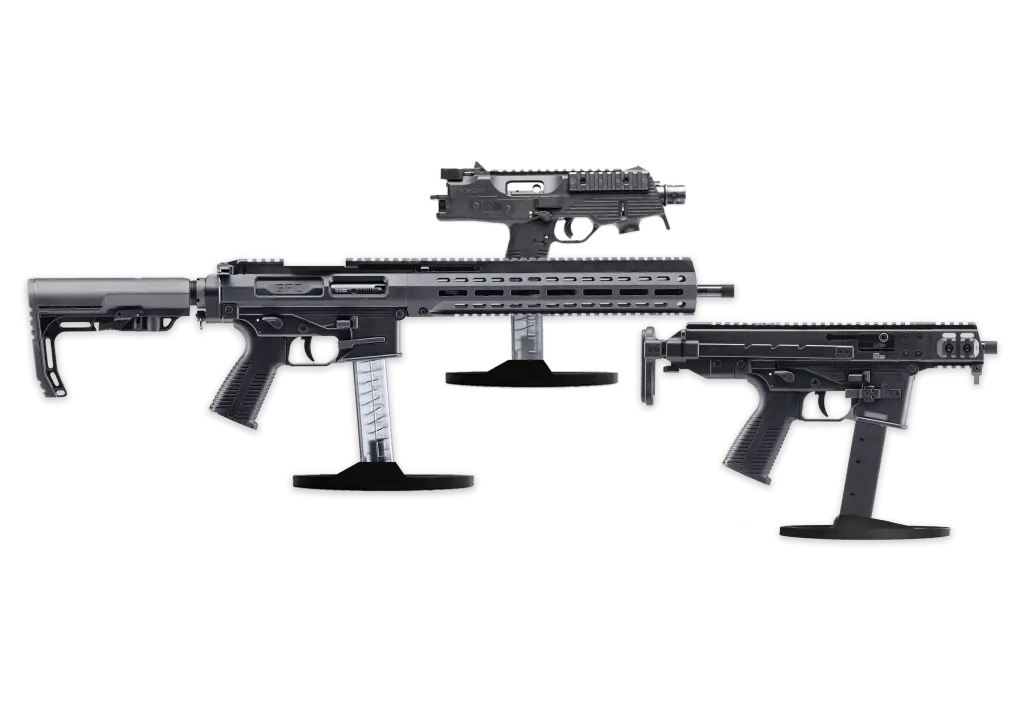
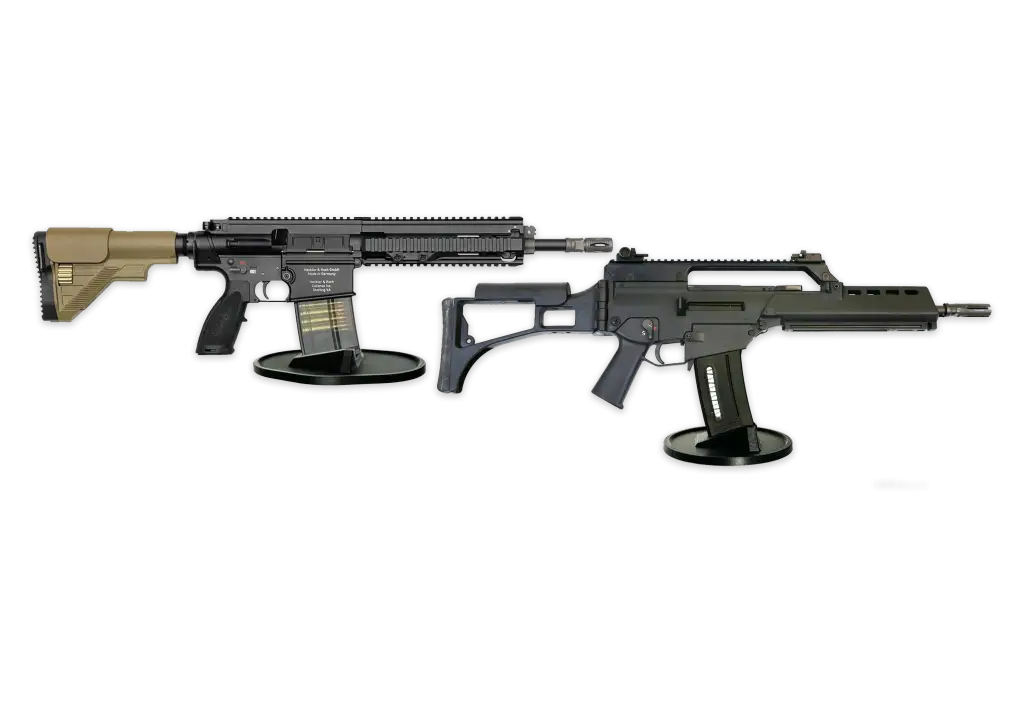
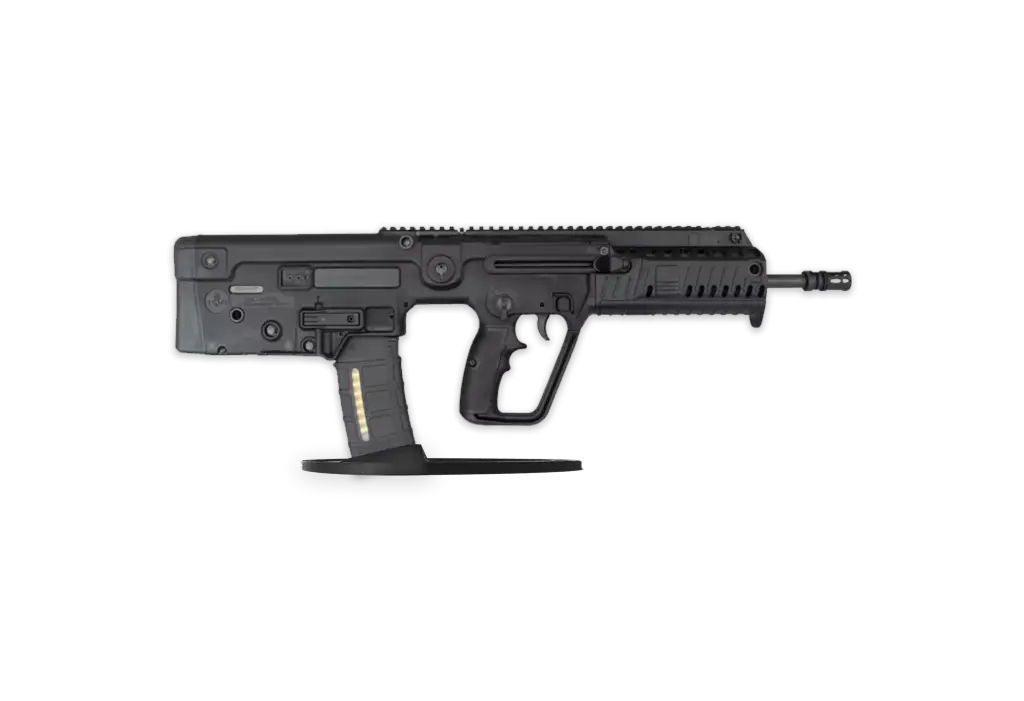
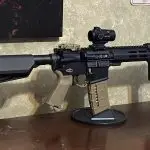
When a sling-equipped rifle is not being carried, many collectors display it on a compatible AR15 gun stand, allowing the sling, stock, optic, receiver, and handguard to remain fully visible.
What Is a Rifle Sling?
A rifle sling is a flexible strap that attaches to one or more mounting points on a rifle. While carrying is its primary purpose, modern sling systems can serve several functions depending on the design.
A rifle sling may help:
- Carry the rifle comfortably.
- Distribute weight across the shoulder.
- Keep the rifle close to the body.
- Improve organization during transport.
- Support certain sporting shooting positions.
- Protect the rifle from unnecessary contact with the ground.
Different sling styles prioritize different characteristics, so no single design is ideal for every rifle or every owner.
Why Rifle Slings Are Important
Modern rifles often include optics, lights, bipods, suppressor-ready barrels, adjustable stocks, and other accessories that increase overall weight. Carrying that weight by hand for long periods can become uncomfortable.
A quality sling helps distribute weight while allowing the rifle to remain accessible.
Benefits may include:
- Improved carrying comfort.
- Better weight distribution.
- Reduced arm fatigue.
- Hands-free convenience when appropriate.
- Improved organization.
- More secure rifle retention.
Main Types of Rifle Slings
Most rifle slings fall into several primary categories.
- One-point slings.
- Two-point slings.
- Three-point slings.
- Traditional hunting slings.
- Competition slings.
- Padded slings.
- Convertible slings.
Each design emphasizes different priorities.
One-Point Rifle Slings
A one-point sling attaches to a single mounting location on the rifle, typically near the rear of the receiver.
Characteristics include:
- Simple design.
- Quick attachment.
- Excellent maneuverability.
- Minimal hardware.
- Compact configuration.
One-point slings are commonly associated with AR-style rifles and compact modern sporting rifles.
Because only one attachment point is used, the rifle may move more freely while hanging than it would with a two-point sling.
Two-Point Rifle Slings
The two-point sling is the most common rifle sling design available today.
It attaches at two locations:
- Near the front of the rifle.
- Near the rear of the rifle.
Advantages include:
- Excellent weight distribution.
- Stable rifle positioning.
- Wide compatibility.
- Adjustable carry positions.
- Suitable for many rifle types.
Most modern adjustable AR-15 slings use a two-point configuration.
Three-Point Rifle Slings
Three-point slings incorporate an additional section of webbing connecting the primary strap to the rifle.
Characteristics include:
- Additional adjustment.
- More complex design.
- Multiple carrying positions.
- Greater webbing coverage.
Although once popular, three-point slings are less common today than modern adjustable two-point designs.
Traditional Hunting Slings
Traditional hunting slings emphasize comfortable shoulder carry during extended walks.
These slings often feature:
- Leather construction.
- Wide shoulder sections.
- Decorative stitching.
- Classic appearance.
- Traditional sling swivels.
Many hunters choose leather because it complements wood-stocked rifles.
Padded Rifle Slings
Padded slings incorporate cushioning within the shoulder section.
Benefits may include:
- Improved comfort.
- Reduced shoulder pressure.
- Better weight distribution.
- Long-duration carrying comfort.
Padding thickness varies considerably between manufacturers.
Competition Rifle Slings
Competition slings are designed specifically for organized shooting disciplines.
These slings may include:
- Precision adjustment.
- Heavy-duty hardware.
- Specialized attachment methods.
- Support-oriented designs.
Competition rules determine which sling types are permitted.
Convertible Rifle Slings
Some modern slings convert between one-point and two-point configurations.
Advantages include:
- Multiple carry options.
- Greater flexibility.
- Adaptability for different rifles.
- Single sling for multiple purposes.
These systems generally use quick-connect hardware to change configurations.
Rifle Sling Materials
Modern rifle slings are manufactured from several materials.
Nylon
Nylon webbing is the most common material used on modern sporting rifles.
Benefits include:
- Durability.
- Weather resistance.
- Wide color selection.
- Adjustability.
Leather
Leather remains popular among traditional sporting rifles and collectors.
It offers:
- Classic appearance.
- Natural texture.
- Traditional styling.
Hybrid Materials
Some slings combine nylon webbing with padded synthetic shoulder sections or leather accents.
Common Rifle Sling Mounting Options
Several attachment systems are commonly found on modern rifles.
- QD sockets.
- Sling swivels.
- M-LOK mounts.
- Picatinny adapters.
- Sling studs.
- Receiver end plates.
- Fixed loops.
The rifle determines which attachment systems are compatible.
Quick Detach (QD) Sling Swivels
Quick-detach swivels are among the most popular modern mounting systems.
Advantages include:
- Fast installation.
- Quick removal.
- Rotating attachment.
- Compact design.
Many modern stocks and handguards include integrated QD sockets.
M-LOK Sling Mounts
M-LOK handguards commonly support direct-mounted sling attachments.
Owners can position compatible QD sockets or fixed sling mounts where needed.
This allows significant flexibility compared with older fixed sling loops.
Picatinny Sling Mounts
Picatinny rail adapters provide another mounting solution.
These adapters attach directly to standard rail sections and support compatible sling hardware.
Sling Studs
Sling studs remain common on hunting rifles and traditional sporting firearms.
These studs commonly support:
- Traditional sling swivels.
- Bipod adapters.
- Quick-detach hardware.
Receiver End Plate Mounts
Many AR-15 owners use receiver end plates with integrated sling attachment points.
These mounts are frequently paired with one-point sling systems.
Fixed Sling Loops
Traditional rifles often include permanently attached sling loops.
Although simple, these attachment points remain durable and effective.
Choosing the Right Rifle Sling
Several factors should be considered before purchasing a sling.
Compatibility
Verify that the sling matches the rifle’s attachment points.
Weight
Heavier rifles often benefit from wider or padded slings.
Adjustment
Quick-adjust systems provide greater flexibility.
Material
Choose a material appropriate for the rifle and intended environment.
Intended Use
A hunting rifle, precision rifle, and AR-15 may each benefit from different sling designs.
Common Buying Mistakes
Ignoring Mount Compatibility
Not every sling fits every mounting system.
Buying Based Only on Appearance
Comfort and compatibility are usually more important than color.
Choosing an Overly Narrow Sling
Heavier rifles often benefit from wider shoulder sections.
Ignoring Adjustment Range
Not every sling provides the same adjustment capability.
Maintaining a Rifle Sling
Routine inspection helps extend sling life.
Owners should periodically inspect:
- Webbing.
- Leather.
- Buckles.
- QD swivels.
- Mounting screws.
- Stitching.
- Adjustment hardware.
Cleaning methods depend on the material and manufacturer’s recommendations.
Displaying Rifles with Slings
Many collectors leave their preferred sling installed even while displaying the rifle.
A compatible gun stand allows the sling to hang naturally while keeping the rifle upright.
This provides an organized appearance while showcasing:
- The stock.
- The optic.
- The receiver.
- The handguard.
- The sling hardware.
- The overall rifle configuration.
Why GunCreed Rifle Stands Complement Sling-Equipped Rifles
GunCreed rifle stands support compatible rifles through the magazine rather than resting against the sling or stock.
This allows owners to display:
- Two-point slings.
- One-point slings.
- Padded slings.
- Leather hunting slings.
- Precision rifle slings.
- Competition slings.
Whether displaying one rifle or an entire collection, a compatible rifle stand provides a clean presentation while keeping the sling fully visible.
Frequently Asked Questions
What Is the Most Popular Rifle Sling?
Adjustable two-point slings are among the most common choices for modern sporting rifles because they provide versatility, comfort, and broad compatibility.
Can I Put Any Sling on Any Rifle?
No. The sling and mounting hardware must be compatible with the rifle’s attachment points.
What Is a QD Sling Swivel?
A quick-detach sling swivel allows fast installation and removal from compatible sockets.
Are Leather Slings Better Than Nylon?
Each offers different advantages. Leather emphasizes traditional appearance, while nylon generally provides greater adjustability and weather resistance.
Do All AR-15s Use the Same Sling Mounts?
No. Attachment methods vary depending on the stock, handguard, and accessories installed.
Final Thoughts
A rifle sling is one of the most valuable accessories an owner can add to a rifle. Modern sling systems improve carrying comfort, weight distribution, and overall convenience while offering numerous adjustment options.
Choosing the right sling involves more than selecting a color or material. Owners should evaluate mounting compatibility, adjustment range, width, padding, construction quality, and intended use before making a purchase.
One-point, two-point, three-point, hunting, precision, and convertible slings each offer unique advantages. Likewise, modern mounting systems such as QD sockets, M-LOK attachments, Picatinny adapters, sling studs, and receiver end plates provide multiple ways to configure a rifle.
For collectors, leaving a quality sling installed completes the rifle’s appearance. Displaying the rifle on a durable AR15 gun stand keeps the sling, stock, receiver, optic, and handguard fully visible while maintaining an organized collection.