





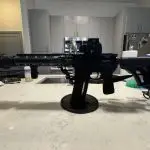




The AR-15 has become one of the most recognizable and widely owned modern sporting rifles in the United States. Since its introduction to the civilian market decades ago, the platform has grown into an incredibly diverse ecosystem supported by hundreds of manufacturers producing complete rifles, receivers, barrels, optics, stocks, triggers, handguards, magazines, and countless compatible accessories.
Its popularity comes from several factors rather than one single feature. The AR-15 combines a lightweight design, modular construction, broad aftermarket support, familiar ergonomics, and extensive customization opportunities. Owners can configure rifles for recreational target shooting, competition, hunting where lawful, collecting, and many other lawful sporting purposes.
Today, virtually every major American rifle manufacturer offers some version of the AR-15 platform. From entry-level sporting rifles to premium collector models, the platform continues to evolve while maintaining compatibility across many standardized components.
This guide explains why the AR-15 has become so popular, explores its history, discusses its modular design, highlights common features, and explains why it remains one of the most collected rifles in America.
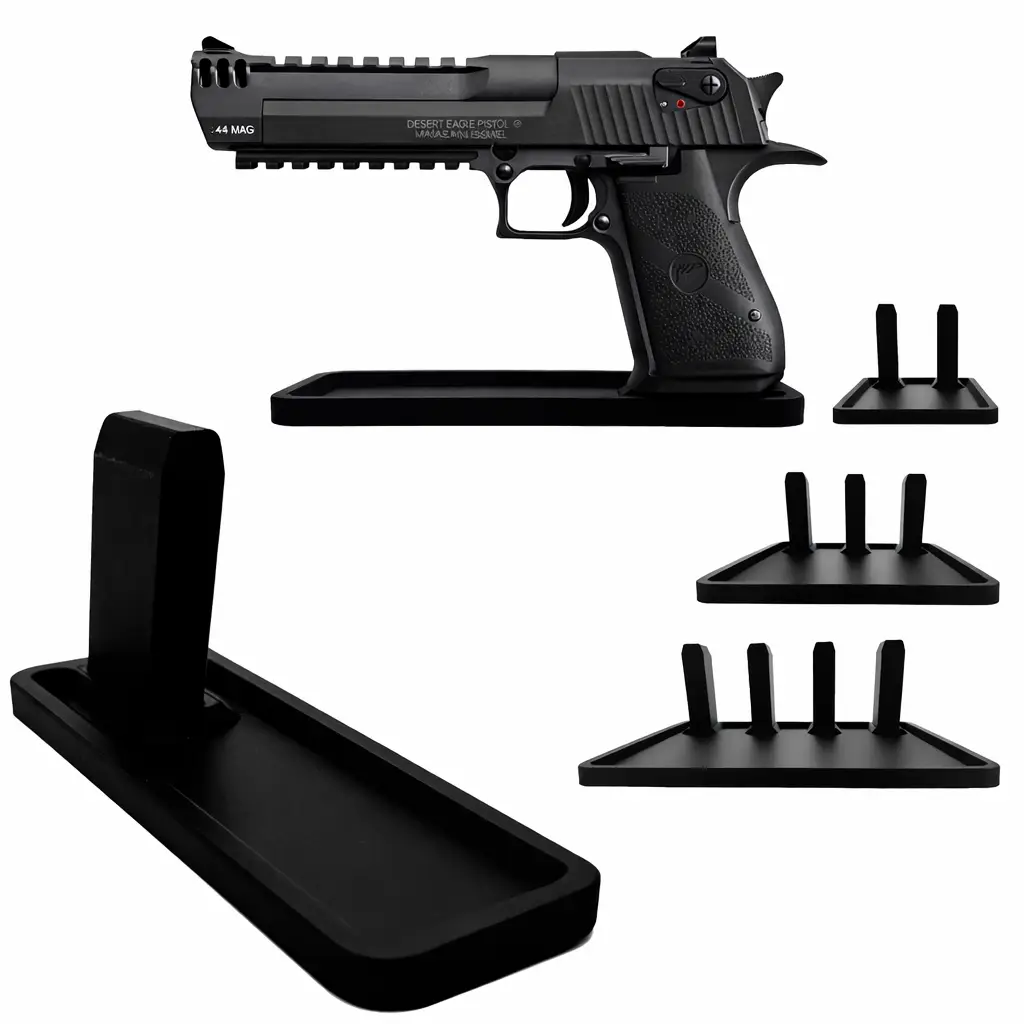
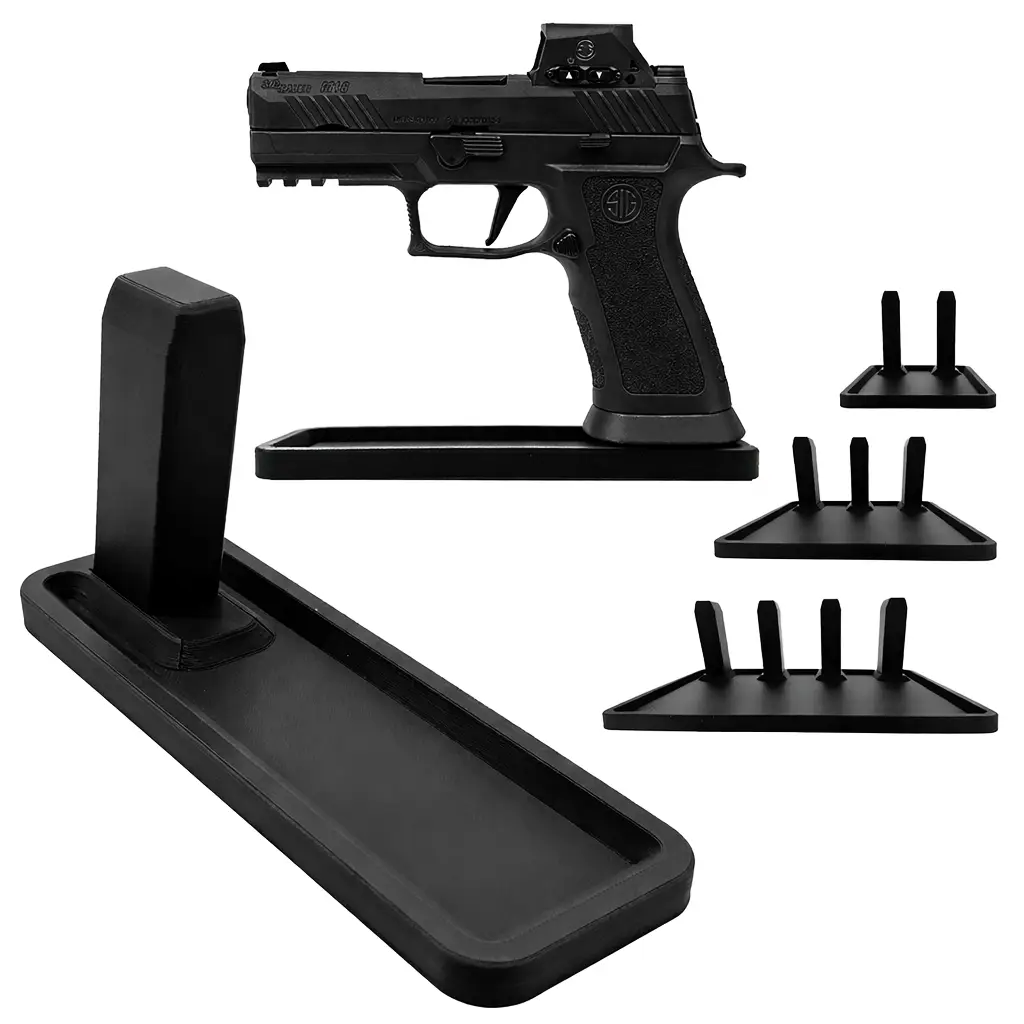
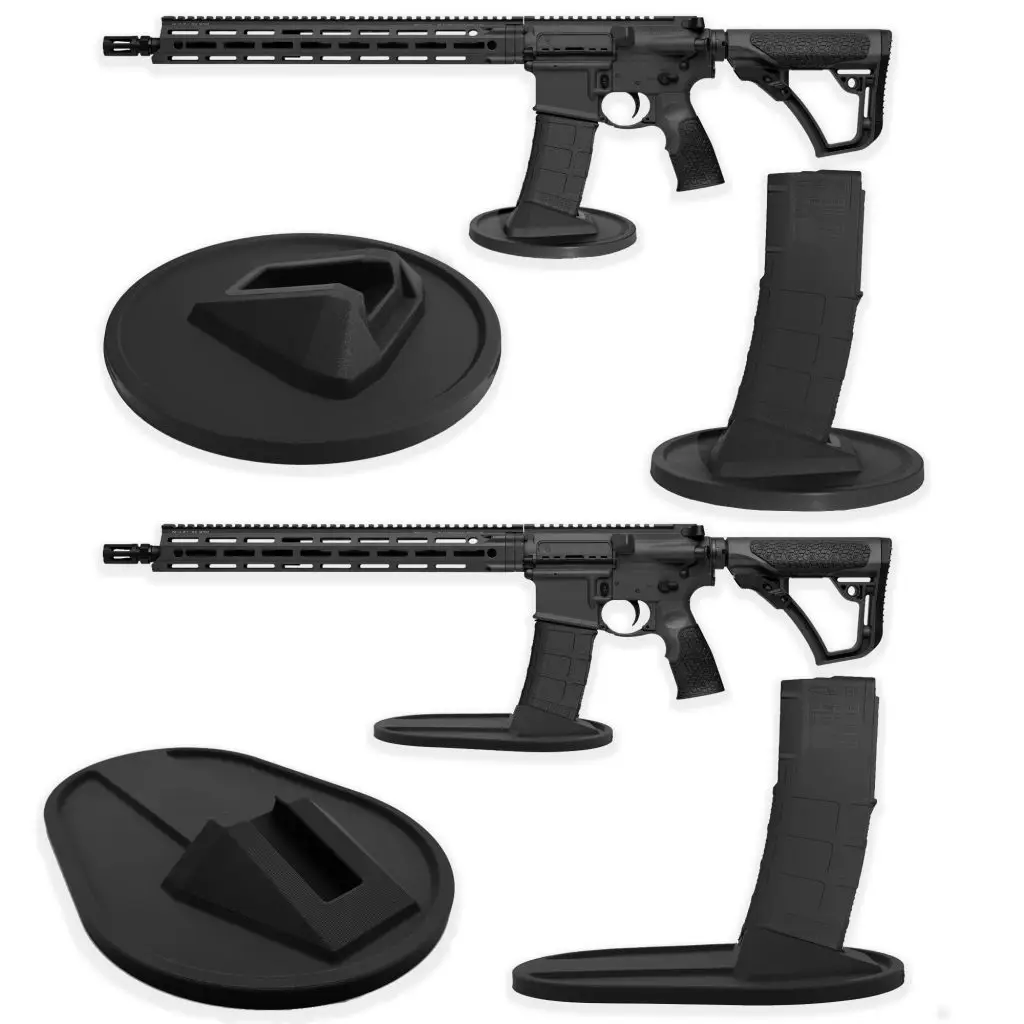
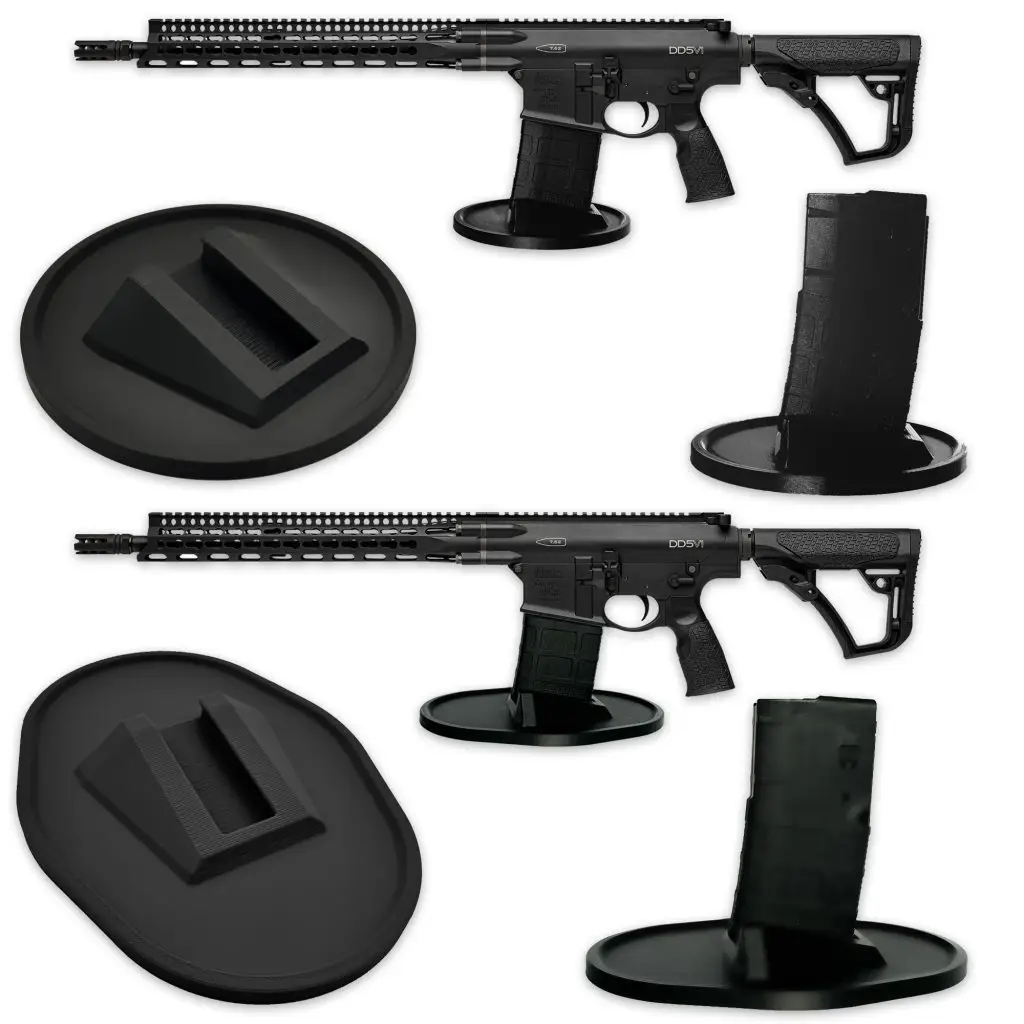
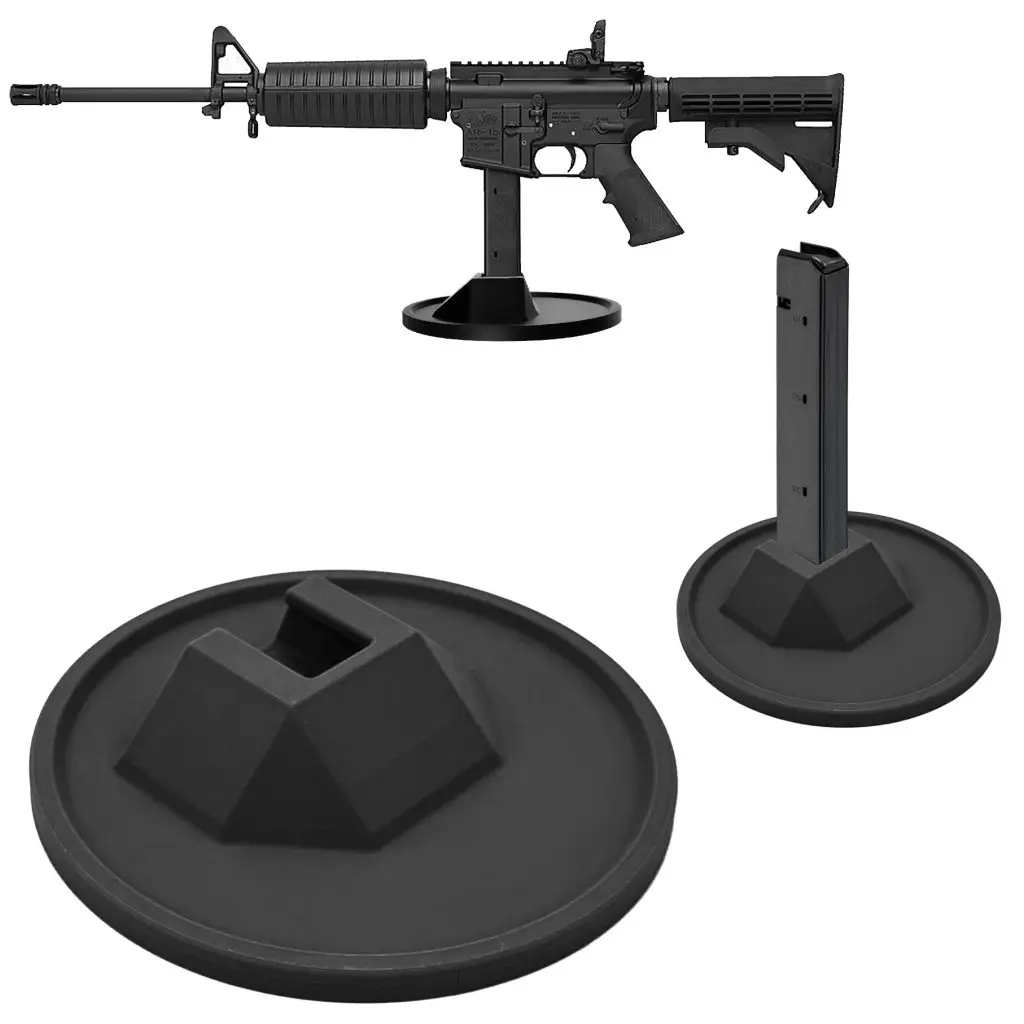
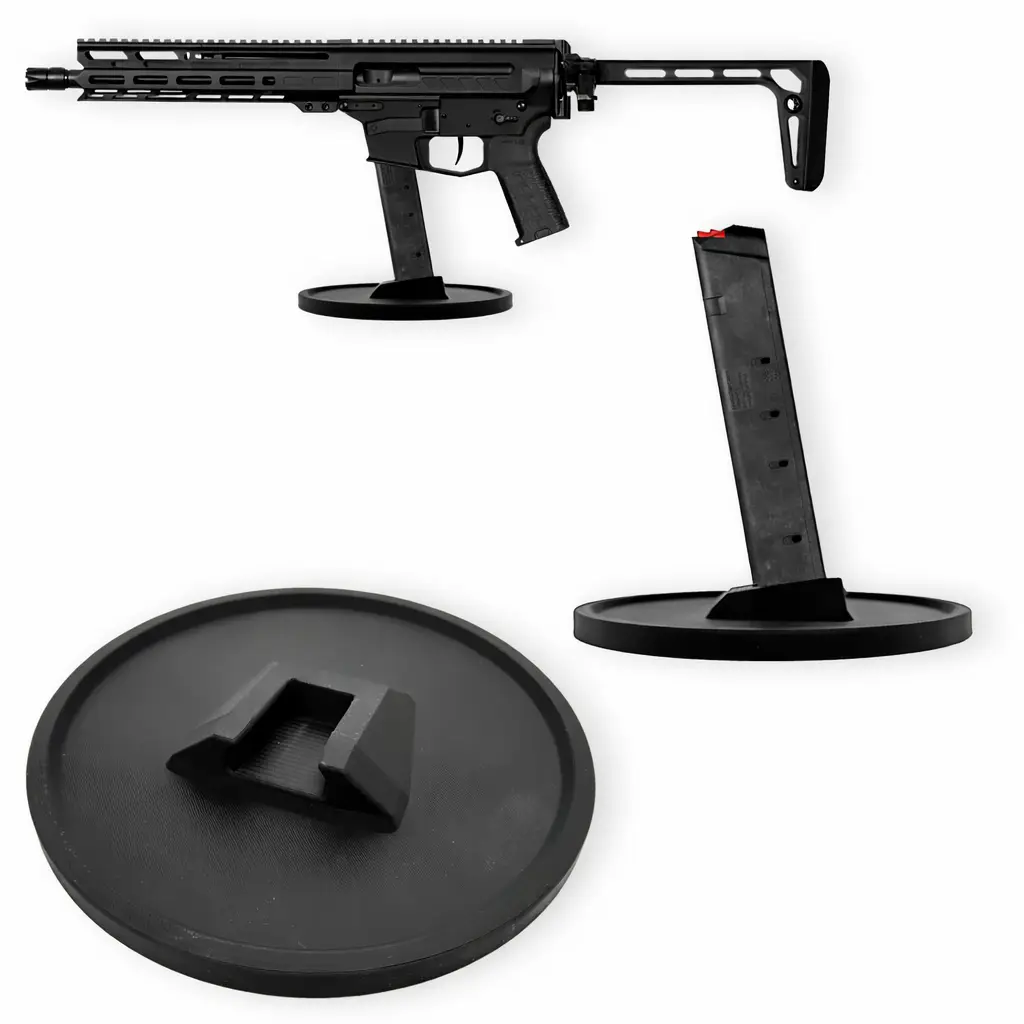
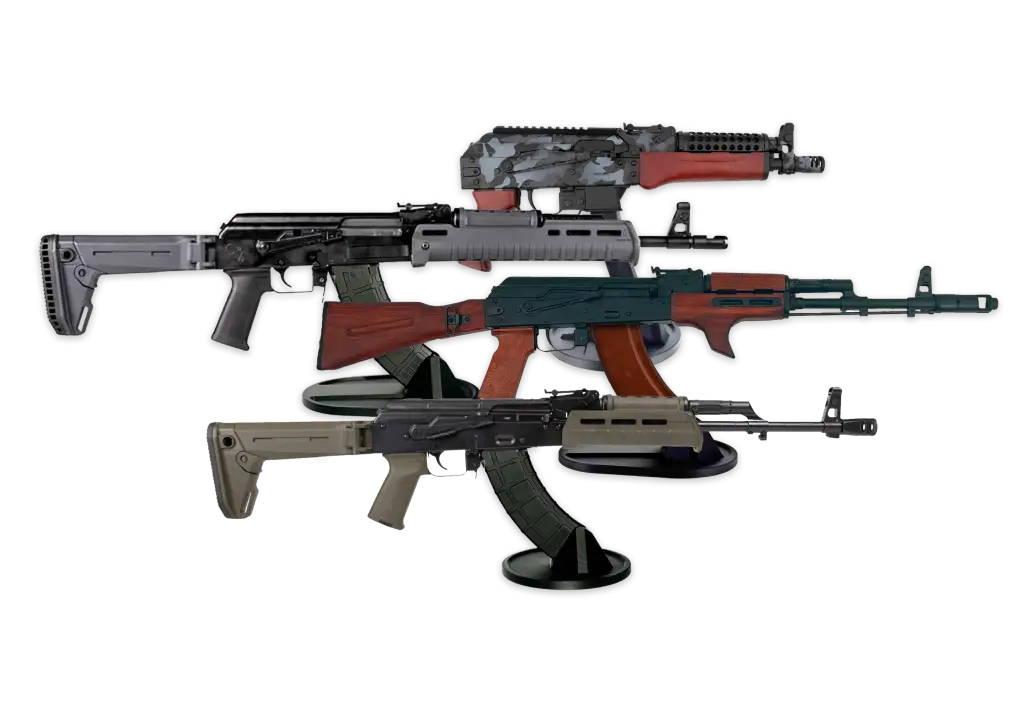
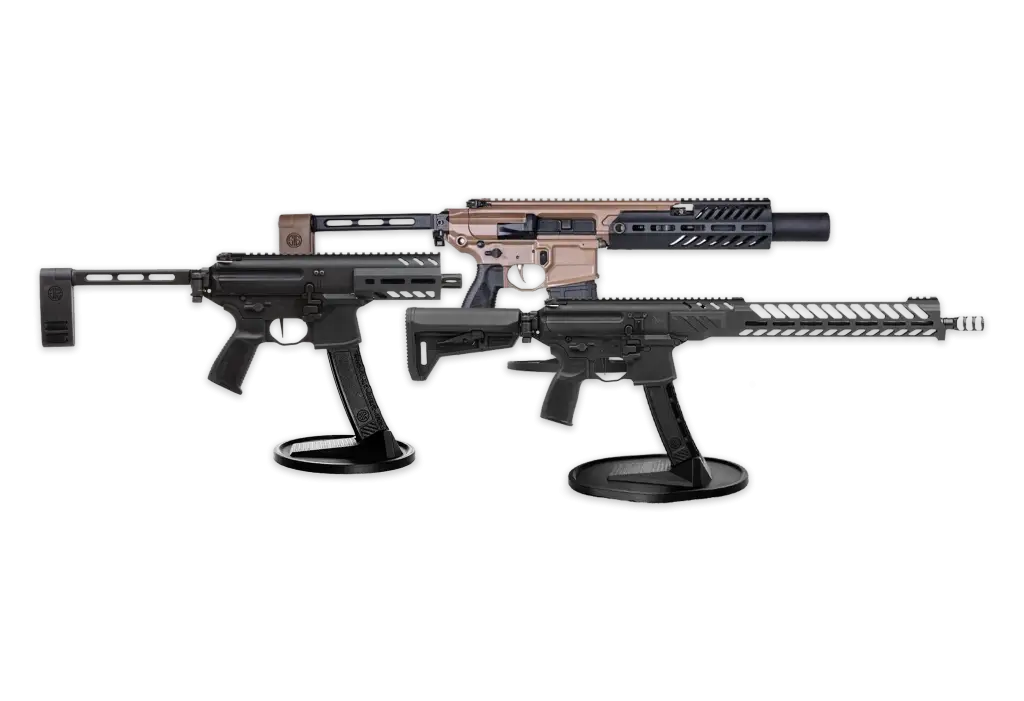
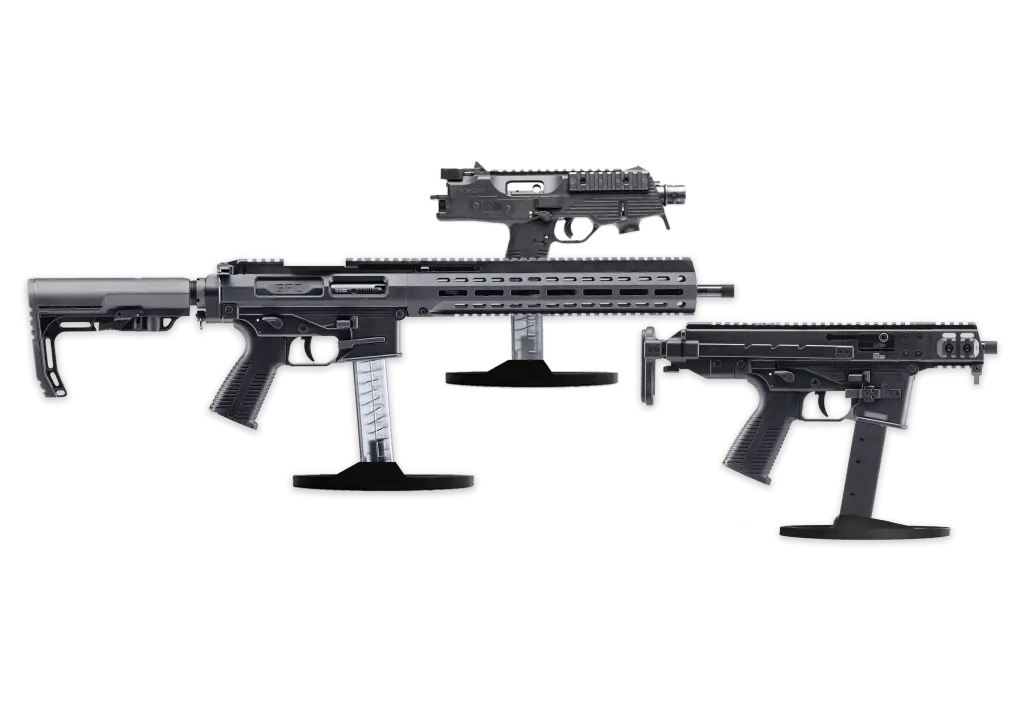
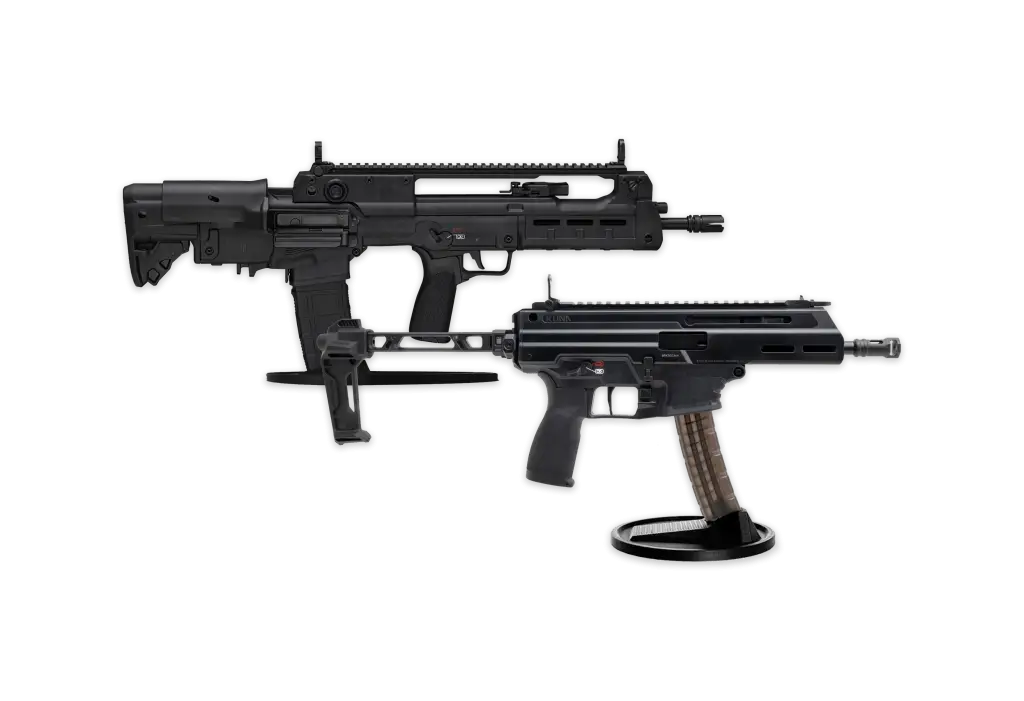
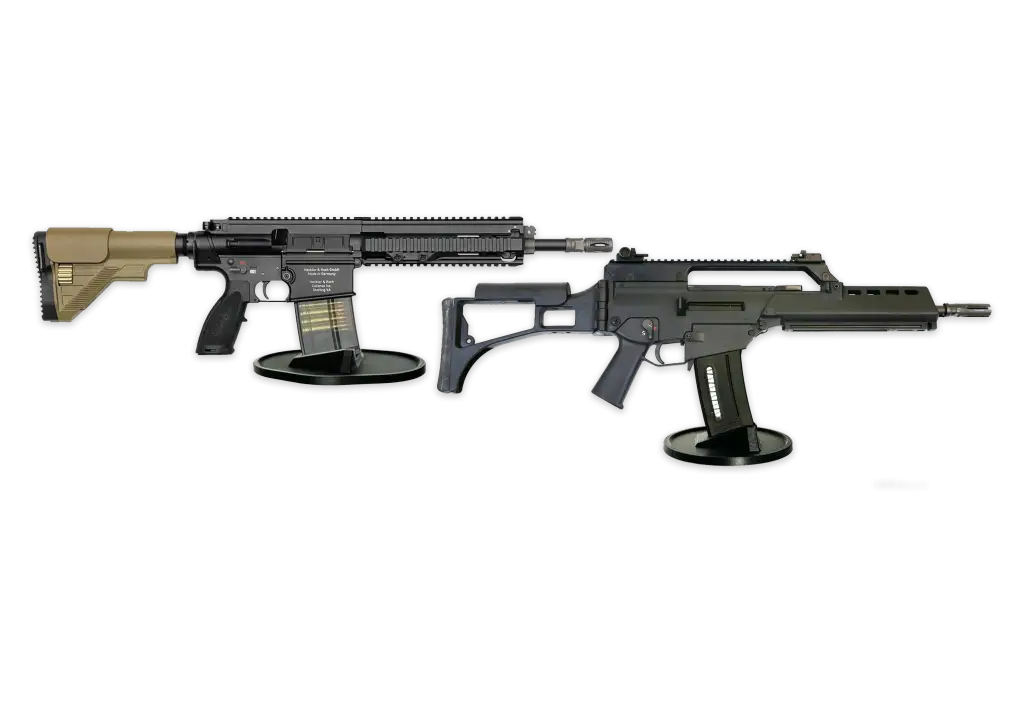
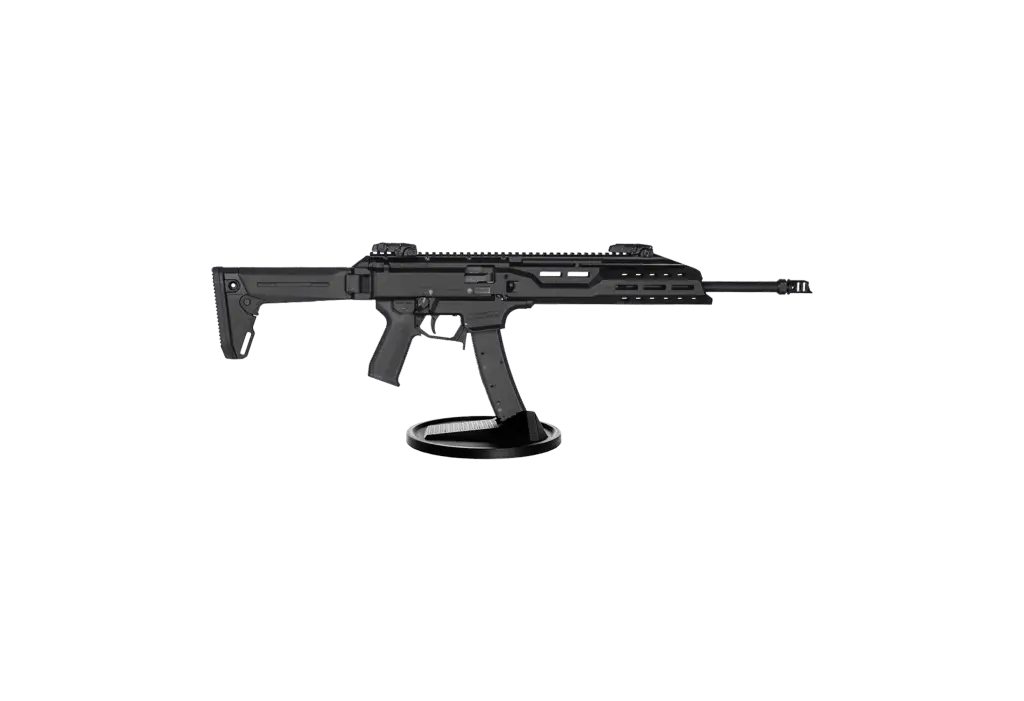
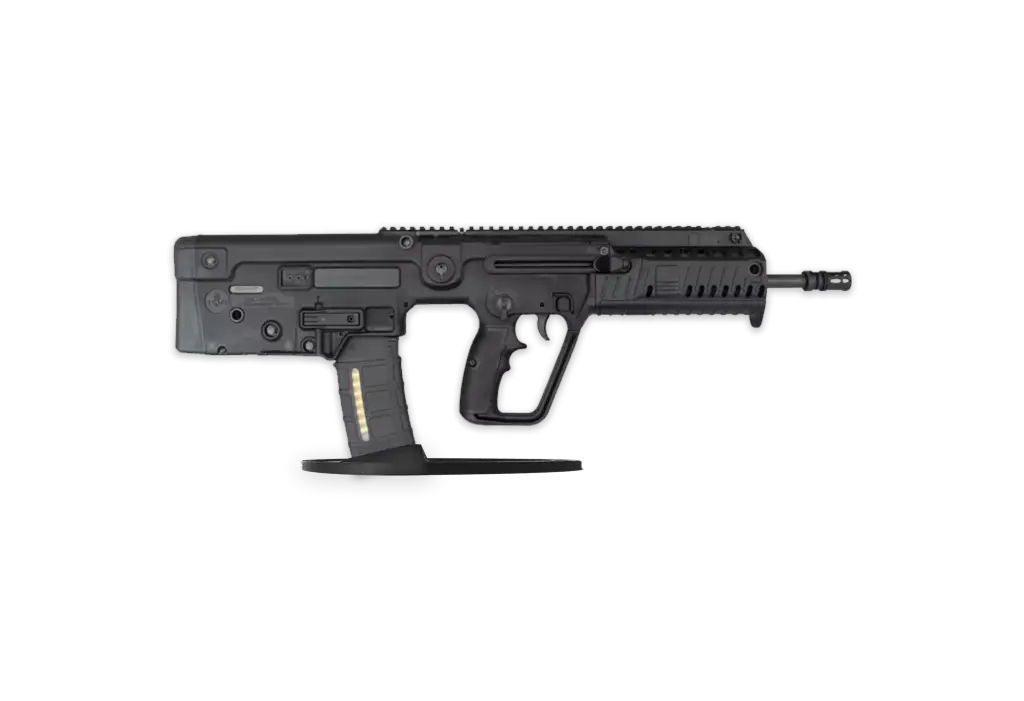
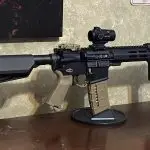
Collectors often display their favorite configurations on a compatible AR15 gun stand, allowing the receiver, optic, handguard, stock, and other features to remain fully visible.
What Is the AR-15?
The AR-15 is a lightweight, magazine-fed, semi-automatic rifle platform originally developed by ArmaLite during the 1950s. The “AR” designation stands for ArmaLite Rifle, referring to the company that designed the original platform.
The civilian AR-15 is built around a modular upper and lower receiver system that allows owners to replace or upgrade many individual components without replacing the entire rifle.
Common AR-15 features include:
- Modular upper and lower receivers.
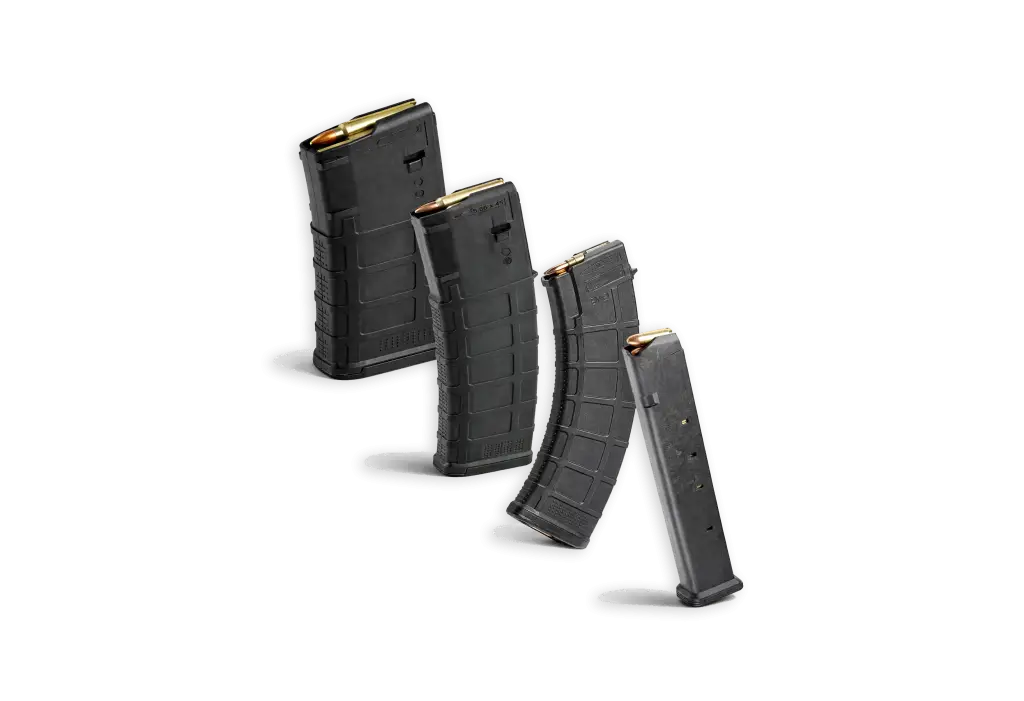
- Detachable magazines.
- Aluminum receiver construction.
- Interchangeable barrels.
- Replaceable stocks.
- Accessory-ready handguards.
- Optics mounting capability.
- Extensive aftermarket compatibility.
A Brief History of the AR-15
The AR-15 traces its origins to ArmaLite’s rifle development program during the mid-20th century. Colt later acquired the rights to the design and played a significant role in both military and commercial production.
Over time, the civilian AR-15 evolved into one of the most customizable rifle platforms available. Improvements in manufacturing, accessory compatibility, and aftermarket innovation expanded the platform far beyond its original configuration.
Today, dozens of manufacturers produce complete rifles and compatible components while preserving the platform’s familiar operating characteristics.
Why the AR-15 Became So Popular
The AR-15’s popularity is the result of many different advantages working together.
Major factors include:
- Modular design.
- Large aftermarket support.
- Wide manufacturer availability.
- Ergonomic controls.
- Numerous caliber options.
- Broad accessory compatibility.
- Ease of customization.
- Strong collector interest.
Few modern rifles offer the same level of flexibility.
The Modular Design
The defining characteristic of the AR-15 is its modular construction.
Unlike many traditional rifles, the AR-15 separates into upper and lower receiver assemblies. This allows owners to replace compatible parts individually.
Common upgrades include:
- Stocks.
- Handguards.
- Barrels.
- Charging handles.
- Triggers.
- Optics.
- Muzzle devices.
- Pistol grips.
This flexibility allows one rifle platform to be configured in many different ways.
Extensive Aftermarket Support
Hundreds of manufacturers produce compatible AR-15 components.
Owners can choose from:
- Upper receivers.
- Lower receivers.
- Bolt carrier groups.
- Triggers.
- Free-float handguards.
- Adjustable stocks.
- Optics.
- Back-up iron sights.
- Slings.
- Lights.
- Bipods.
- Grips.
The enormous aftermarket is one reason the platform continues to attract new owners and experienced collectors alike.
Ergonomics
The AR-15’s controls are positioned to allow efficient operation while maintaining a comfortable shooting position.
Common ergonomic features include:
- Pistol grip.
- Inline stock design.
- Accessible safety selector.
- Magazine release.
- Charging handle.
- Bolt catch.
Modern ambidextrous rifles expand upon these controls by providing additional access from both sides of the receiver.
Accessory Compatibility
The AR-15 has become one of the most accessory-friendly rifle platforms available.
Popular accessories include:
- Red dot sights.
- Magnified optics.
- Backup sights.
- Weapon lights.
- Laser aiming devices.
- Foregrips.
- Slings.
- Bipods.
- Hand stops.
- Rail covers.
Modern M-LOK and Picatinny systems make it easy to configure rifles for different lawful purposes.
Multiple Caliber Options
Although the AR-15 is commonly associated with 5.56 NATO and .223 Remington, the platform has expanded to support numerous chamberings.
Examples include:
- .223 Remington.
- 5.56 NATO.
- .300 AAC Blackout.
- 9mm.
- 6.5 Grendel.
- 6mm ARC.
- .350 Legend.
- .450 Bushmaster.
Compatibility depends on the upper receiver, barrel, bolt, and magazine configuration.
Popularity Among Collectors
The modular nature of the AR-15 has created a thriving collector community.
Collectors often own:
- Historic configurations.
- Retro builds.
- Competition rifles.
- Precision rifles.
- Short-barrel-inspired clones where lawful.
- Premium factory rifles.
- Custom builds.
Many collectors enjoy comparing receiver styles, handguards, optics, finishes, and manufacturer markings.
Manufacturer Support
Nearly every major American firearms manufacturer now offers AR-style rifles or compatible components.
Popular manufacturers include:
- Colt.
- Daniel Defense.
- BCM.
- Smith & Wesson.
- Ruger.
- Aero Precision.
- FN America.
- Springfield Armory.
- Palmetto State Armory.
- LWRC.
This broad manufacturer support gives buyers a wide range of choices across different price points and feature levels.
AR-15 Customization
Customization is one of the platform’s greatest strengths.
Owners commonly personalize:
- Furniture.
- Triggers.
- Optics.
- Stocks.
- Charging handles.
- Handguards.
- Barrels.
- Grips.
- Muzzle devices.
- Controls.
Many of these upgrades can be performed without replacing the entire rifle.
Maintenance
Routine maintenance contributes to long-term reliability.
Owners should inspect and maintain:
- Barrel.
- Bolt carrier group.
- Chamber.
- Charging handle.
- Buffer assembly.
- Magazine well.
- Pins and controls.
Always follow the manufacturer’s maintenance recommendations.
Common Buying Mistakes
Buying Only by Brand
Different models from the same manufacturer may include very different features.
Ignoring Compatibility
Not every aftermarket component fits every rifle.
Overlooking Future Upgrades
Consider how the rifle may evolve as accessories are added.
Choosing Appearance Over Features
Function, compatibility, and quality should remain priorities.
Displaying an AR-15 Collection
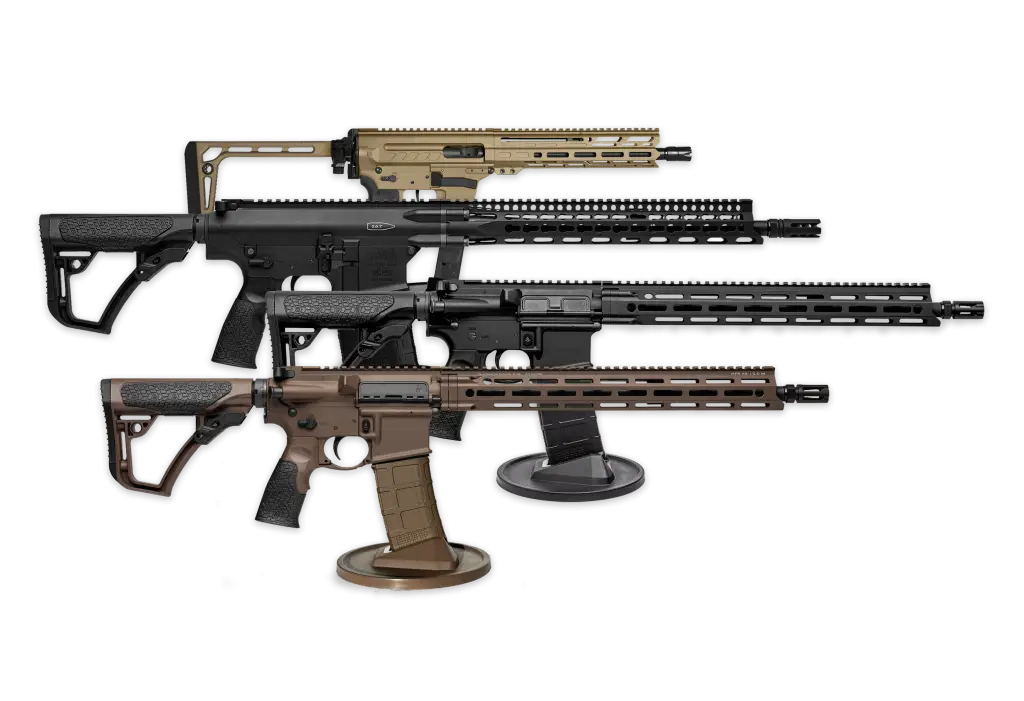
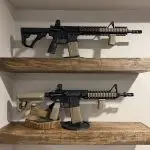
Many owners eventually build collections containing several AR-15 configurations.
A compatible gun stand provides an organized way to display:
- Factory rifles.
- Custom builds.
- Retro configurations.
- Precision rifles.
- Competition rifles.
- Premium collector pieces.
Magazine-compatible stands leave the stock, receiver, optic, barrel, and handguard unobstructed.
Why GunCreed Rifle Stands Are Ideal for AR-15 Collections
GunCreed rifle stands support compatible AR-15 rifles through the magazine rather than placing pressure on the handguard or stock.
This allows owners to showcase:
- Receiver markings.
- Custom optics.
- Free-float handguards.
- Adjustable stocks.
- Premium finishes.
- Ambidextrous controls.
Whether displaying a single rifle or an extensive collection, a compatible rifle stand provides a clean and professional presentation.
Frequently Asked Questions
What Does AR Stand For?
AR stands for ArmaLite Rifle, referencing the company that originally developed the platform.
Why Is the AR-15 So Popular?
Its modular design, extensive aftermarket support, ergonomic controls, and broad customization options have contributed to its popularity.
Can the AR-15 Be Customized?
Yes. One of the platform’s defining characteristics is its compatibility with a large selection of aftermarket parts and accessories.
Are All AR-15 Parts Interchangeable?
No. Compatibility varies depending on the manufacturer, platform, caliber, and component.
Why Do Collectors Like the AR-15?
The platform offers nearly endless opportunities for customization, historical collecting, and comparison between different manufacturers and configurations.
Final Thoughts
The AR-15 has earned its place as one of America’s most popular rifles because of its adaptability, modular design, widespread manufacturer support, and unmatched aftermarket ecosystem. Whether purchased as a factory rifle or assembled as a custom build, the platform offers owners tremendous flexibility while maintaining familiar ergonomics and broad compatibility.
Its popularity continues to grow among collectors, recreational shooters, competitors, and enthusiasts who appreciate the ability to personalize nearly every aspect of the rifle.
For collectors who enjoy displaying multiple configurations, a durable AR15 gun stand provides an excellent way to organize and showcase rifles while keeping every feature fully visible.