














Proper gun storage is an essential part of responsible rifle and handgun ownership. A secure storage system helps prevent unauthorized access, protects valuable equipment from theft, reduces the risk of accidental handling, and helps preserve the condition of metal, wood, durable plastic, optics, magazines, and other accessories.
There is no single storage solution that works perfectly for every owner. A household with one handgun may need a compact locking box, while a collector with several rifles, pistols, magazines, and optics may need a full-size gun safe with adjustable shelving, humidity control, interior lighting, and organized display equipment.
The correct approach depends on the type and number of guns being stored, who lives in or visits the home, how quickly authorized access is needed, the available space, local requirements, and the owner’s security priorities.
Storage should protect against more than unauthorized access. Rifles and handguns can also be damaged by moisture, rapid temperature changes, poorly fitted racks, hard surfaces, leaking batteries, unsuitable foam cases, and long-term pressure on stocks, optics, or barrels.
This complete guide explains common gun storage options, how to organize rifles and handguns, how to control humidity, how to protect optics and finishes, and how compatible gun stands can support an organized collection inside an appropriately secured area.
Why Proper Gun Storage Matters
Secure storage serves several important purposes. It helps control access while protecting the condition and organization of the collection.
A complete gun storage plan may help:
- Prevent access by children and unauthorized individuals.
- Reduce theft risk.
- Protect rifles and handguns from accidental damage.
- Reduce exposure to moisture and corrosion.
- Keep ammunition organized.
- Protect optics and electronic accessories.
- Prevent guns from falling or contacting each other.
- Preserve original finishes and collector value.
- Keep magazines and accessories matched to the correct platform.
A gun resting unsecured in a closet, drawer, vehicle, or behind furniture may be difficult to control and easy to damage. A purpose-built storage system creates a defined location and a repeatable process for securing the collection.
The Main Goals of Gun Storage
Effective storage generally balances four priorities:
- Security.
- Access control.
- Environmental protection.
- Organization.
Security
The storage system should resist unauthorized entry and, where appropriate, be attached to the building structure to make removal more difficult.
Access Control
Keys, combinations, biometric credentials, and backup access methods should be controlled carefully.
Environmental Protection
The interior should remain dry and stable enough to reduce corrosion, mold, battery leakage, and damage to wood or optics.
Organization
Rifles, handguns, magazines, ammunition, optics, and accessories should be arranged so they do not damage one another.
Common Gun Storage Options
Gun storage products range from small portable lockboxes to large safes capable of holding an entire collection.
Common options include:
- Full-size gun safes.
- Residential security containers.
- Locking gun cabinets.
- Handgun lockboxes.
- Quick-access handgun safes.
- Under-bed storage safes.
- Wall-mounted locking cabinets.
- Secure display cabinets.
- Hard cases secured inside a locked area.
Each option offers a different balance of security, weight, cost, capacity, portability, and environmental protection.
Full-Size Gun Safes
A full-size gun safe is one of the most common solutions for storing several rifles and handguns in one location.
Features may include:
- Steel construction.
- Mechanical or electronic lock.
- Multiple locking bolts.
- Fire-resistant insulation.
- Adjustable shelving.
- Long-gun racks.
- Door-mounted handgun organizers.
- Interior lighting.
- Electrical pass-throughs.
- Anchor holes.
A safe can provide substantial security, but performance varies widely. Exterior dimensions, door thickness, lock design, steel thickness, hinge construction, anchoring, and installation quality all matter.
Marketing terms should not replace careful comparison of actual specifications.
Residential Security Containers
Many products commonly called gun safes are technically residential security containers. These products may provide useful theft resistance and organized storage without meeting the construction standards associated with heavier commercial safes.
They remain popular because they are generally:
- More affordable than commercial safes.
- Lighter and easier to install.
- Available through major retailers.
- Offered in numerous sizes.
- Designed specifically for gun collections.
Owners should compare the actual body construction, door design, lock, anchoring system, and warranty rather than relying only on the word “safe.”
Locking Gun Cabinets
A locking steel cabinet is lighter and generally less expensive than a heavy safe.
Potential advantages include:
- Lower cost.
- Reduced weight.
- Simpler installation.
- Availability in rifle and handgun configurations.
- Ability to anchor to walls or floors.
A cabinet may provide effective access control when used properly, but it usually offers less resistance to forced entry than a heavier safe.
Locking cabinets can be useful for owners who prioritize organized, controlled access and do not need the weight or cost of a large safe.
Handgun Lockboxes
A handgun lockbox is a compact container designed for one or more pistols.
Common lock types include:
- Mechanical push-button locks.
- Electronic keypads.
- Biometric readers.
- Tubular or standard keys.
- Combination dials.
Some lockboxes include steel security cables that can be looped around a fixed structure. Others are designed to be bolted directly to a shelf, drawer, floor, or piece of furniture.
A portable box should not be assumed to provide strong theft protection unless it is secured to something difficult to remove.
Quick-Access Handgun Safes
Quick-access safes are designed to open efficiently for an authorized user while remaining locked against unauthorized access.
Common designs include:
- Top-opening boxes.
- Front-opening drawers.
- Spring-assisted lids.
- Drop-down compartments.
- Under-desk safes.
- Nightstand lockboxes.
Owners should test the access system regularly and keep backup keys secure. Electronic and biometric systems depend on batteries or power, so battery maintenance is part of safe maintenance.
Biometric Gun Safes
Biometric safes use a fingerprint reader to identify authorized users.
Potential advantages include:
- No combination to remember during normal use.
- Multiple authorized fingerprints on selected models.
- Fast opening when the reader works properly.
- Compact lock design.
Potential considerations include:
- Battery dependence.
- Reader performance with dirty, wet, or injured fingers.
- Need for backup access.
- Possibility of false rejections.
- Quality differences between manufacturers.
A biometric system should be tested under realistic conditions rather than assumed to work perfectly because it opened correctly once.
Mechanical Push-Button Safes
Mechanical push-button locks do not depend on batteries or electronics. The user opens the safe by pressing buttons in a programmed sequence.
Advantages may include:
- No batteries.
- Simple operation.
- Durable mechanical design.
- Consistent access when maintained properly.
The combination should remain private and should not be entered where unauthorized individuals can easily observe it.
Electronic Keypad Safes
Electronic keypad locks are common on both compact lockboxes and full-size gun safes.
They may offer:
- Programmable codes.
- Fast authorized access.
- Multiple user codes on selected models.
- Audit features on advanced systems.
- Backup key access.
Batteries should be replaced before they become weak, and backup keys should not be stored inside the safe they open.
Mechanical Combination Locks
Mechanical dial locks are frequently found on traditional full-size safes.
Potential benefits include:
- No battery requirement.
- Long service history.
- Resistance to certain electronic failures.
- Traditional appearance.
They may take longer to open than electronic keypads and require careful dial operation.
Trigger Locks
A trigger lock attaches around or through the trigger area to help prevent operation.
Trigger locks may use:
- Keys.
- Combinations.
- Clamshell housings.
- Hardened locking pins.
A trigger lock can add a layer of access control, but it does not protect the entire rifle or handgun from theft, corrosion, impact, or unauthorized removal.
Trigger locks should be installed only on an unloaded gun and according to the lock and gun manufacturers’ instructions.
Cable Locks
A cable lock uses a flexible locking cable routed through an appropriate part of an unloaded gun, depending on the platform and manufacturer guidance.
Potential advantages include:
- Low cost.
- Broad availability.
- Compact storage.
- Compatibility with many platforms.
Like a trigger lock, a cable lock is an access-control device rather than a complete storage enclosure. It does not protect the gun from theft or environmental damage.
Layered Gun Storage
A layered approach combines more than one storage method.
Examples include:
- An unloaded rifle inside a locked safe with a cable lock installed.
- A handgun inside a lockbox placed within a secured cabinet.
- A safe installed inside a locked room.
- A secured display cabinet inside a controlled-access area.
- Separate locked ammunition storage.
Layered storage can provide additional access control and make unauthorized use or removal more difficult.
Choosing the Right Location for a Gun Safe
Safe placement affects security, environmental conditions, convenience, and installation.
Potential locations include:
- Interior closets.
- Basements with humidity control.
- Dedicated collection rooms.
- Bedrooms.
- Home offices.
- Garages with appropriate environmental control.
Important considerations include:
- Floor strength.
- Humidity.
- Temperature changes.
- Visibility from doors or windows.
- Access for installation.
- Ability to anchor the container.
- Risk of water leaks or flooding.
A large safe can weigh several hundred pounds before rifles, handguns, ammunition, and accessories are added. Floor capacity should be considered during installation.
Anchoring a Gun Safe or Cabinet
A safe or cabinet that is not anchored may be easier to tip, pry, or remove from the property.
Anchoring methods vary depending on:
- Concrete floors.
- Wood-framed floors.
- Wall studs.
- Safe construction.
- Manufacturer hardware.
- Building layout.
Installation should follow the manufacturer’s instructions and account for electrical wiring, plumbing, flooring, and structural components.
Professional installation may be appropriate for large, heavy, or complex safes.
Fire Ratings and Fire Protection
Many safes advertise a fire-resistance time and temperature. These ratings can be difficult to compare because testing methods and construction vary.
Fire-related features may include:
- Insulated walls.
- Fire-resistant door seals.
- Expanding heat seals.
- Multiple layers of insulating board.
- Protected lock components.
A fire-resistant container may offer useful protection, but no residential product should be assumed to guarantee that every gun, optic, document, battery, or electronic accessory will remain undamaged during every fire.
Water and Flood Protection
Fire suppression, plumbing failures, storms, and basement flooding can expose a collection to water.
Ways to reduce water risk may include:
- Placing the safe above known flood levels.
- Avoiding locations beneath plumbing lines.
- Using raised platforms where structurally appropriate.
- Inspecting basement drainage.
- Maintaining humidity control after water exposure.
- Checking manufacturer water-resistance claims.
A safe located directly on a damp concrete floor may also experience moisture transfer or corrosion beneath the base.
Humidity Control Inside a Gun Safe
Humidity is one of the biggest threats to long-term gun storage. Moisture can contribute to rust, mold, wood swelling, lens fogging, ammunition deterioration, and damage to leather or fabric accessories.
Common humidity-control products include:
- Electric safe dehumidifier rods.
- Rechargeable dehumidifiers.
- Desiccant canisters.
- Silica-gel packs.
- Digital hygrometers.
- Room dehumidifiers.
The goal is a stable, appropriately dry environment rather than extreme dryness. Excessively dry conditions may affect certain wood stocks, leather slings, and other natural materials.
Using a Hygrometer
A hygrometer measures relative humidity inside the safe or storage room.
Benefits include:
- Identifying seasonal humidity changes.
- Monitoring dehumidifier performance.
- Detecting unexpected moisture.
- Comparing different storage locations.
A hygrometer should be placed where it can measure the safe’s actual interior environment without being blocked by equipment.
Electric Safe Dehumidifier Rods
Dehumidifier rods gently warm the air inside a safe. Warmer air circulates and can reduce condensation on metal surfaces.
They generally require:
- An electrical outlet.
- A safe electrical pass-through.
- Proper installation.
- Clear space around the device.
The rod should not rest directly against guns, foam, fabric, ammunition, or other stored items.
Rechargeable Dehumidifiers
Rechargeable units absorb moisture without requiring continuous electrical power. When saturated, they are removed and dried or recharged according to the manufacturer’s instructions.
Advantages include:
- No permanent cord.
- Compact size.
- Easy installation.
- Reusable design.
They require regular monitoring. A saturated unit provides little benefit until it is recharged.
Preparing Rifles for Storage
Before storing a rifle, confirm that it is unloaded and inspect its condition.
A general preparation routine may include:
- Removing the magazine.
- Confirming the chamber is empty.
- Cleaning the rifle when appropriate.
- Removing moisture.
- Applying suitable corrosion protection.
- Inspecting the stock and handguard.
- Checking the optic and mount.
- Inspecting sling hardware.
- Removing aging batteries when appropriate.
The correct procedure depends on how long the rifle will be stored and the manufacturer’s recommendations.
Preparing Handguns for Storage
Handguns should also be unloaded, inspected, and placed in a storage system that prevents unauthorized access.
Preparation may include:
- Removing the magazine.
- Opening the action.
- Confirming the chamber is empty.
- Cleaning and drying the handgun.
- Applying appropriate surface protection.
- Inspecting optic batteries.
- Removing the handgun from moisture-trapping fabric or foam.
- Placing it in a secure rack, holder, or lockbox.
A handgun should not be placed loosely where it can slide, fall, or contact another gun.
Storing Rifles Upright
Rifles are commonly stored vertically because upright storage can use safe space efficiently.
Traditional safe interiors often use a notched barrel rack and a carpeted floor.
Potential concerns include:
- Barrels contacting hard or abrasive surfaces.
- Rifles leaning into one another.
- Pressure on optics.
- Stocks sliding on the safe floor.
- Slings becoming tangled.
- Muzzle devices damaging nearby finishes.
Individual rifle stands, dividers, or padded organizers can help maintain consistent spacing.
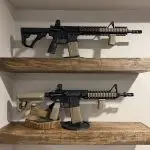
Storing Rifles Horizontally
Horizontal racks support rifles along two or more points.
Potential advantages include:
- Easy viewing.
- Reduced need for tall storage space.
- Organized wall or cabinet display.
- Separation between rifles.
Support points should avoid delicate optics, thin barrels, adjustment controls, or easily damaged finishes.
The rack should be located inside a secured area when unauthorized access is a concern.
Storing Handguns on Shelves
Handguns can be organized on safe shelves using individual stands, racks, or divided trays.
Potential benefits include:
- Reduced contact between handguns.
- Improved visibility.
- Better use of shelf space.
- Easier identification.
- Reduced risk of scratched finishes.
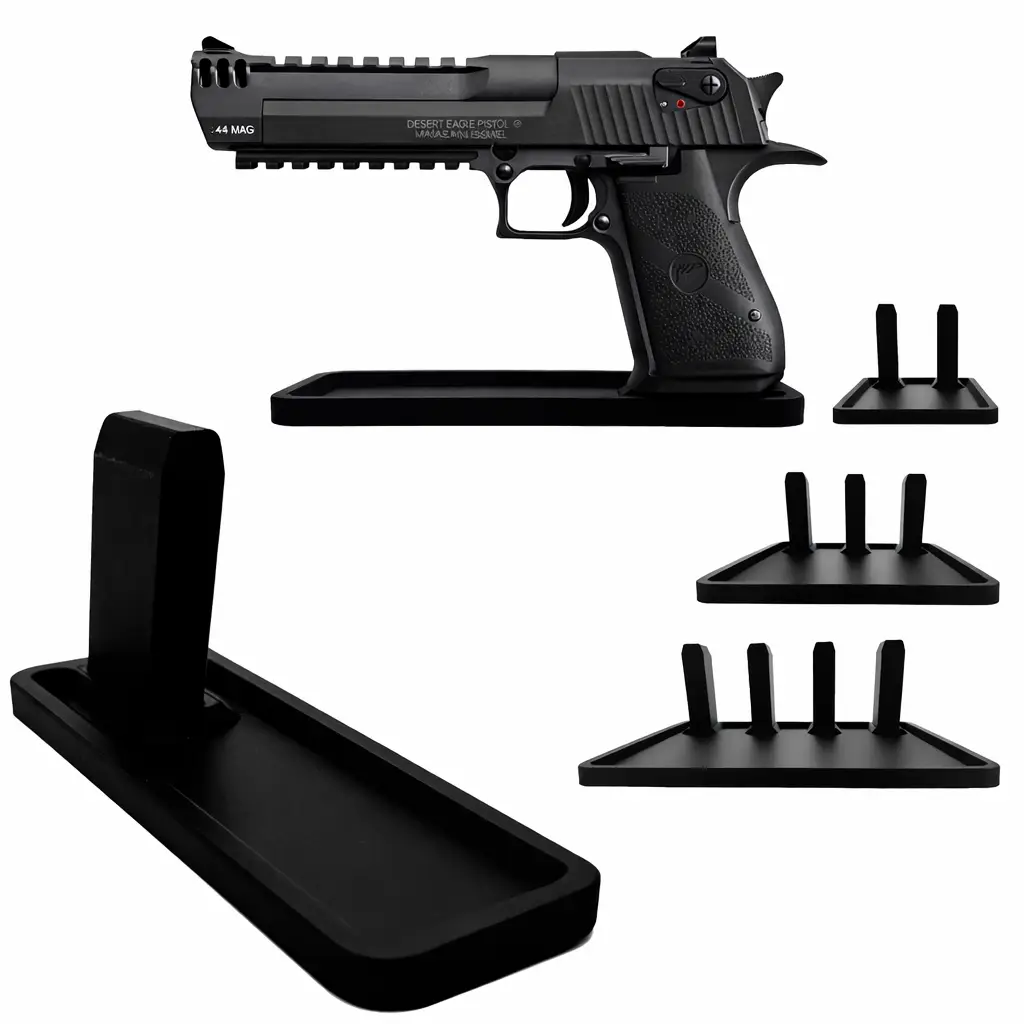
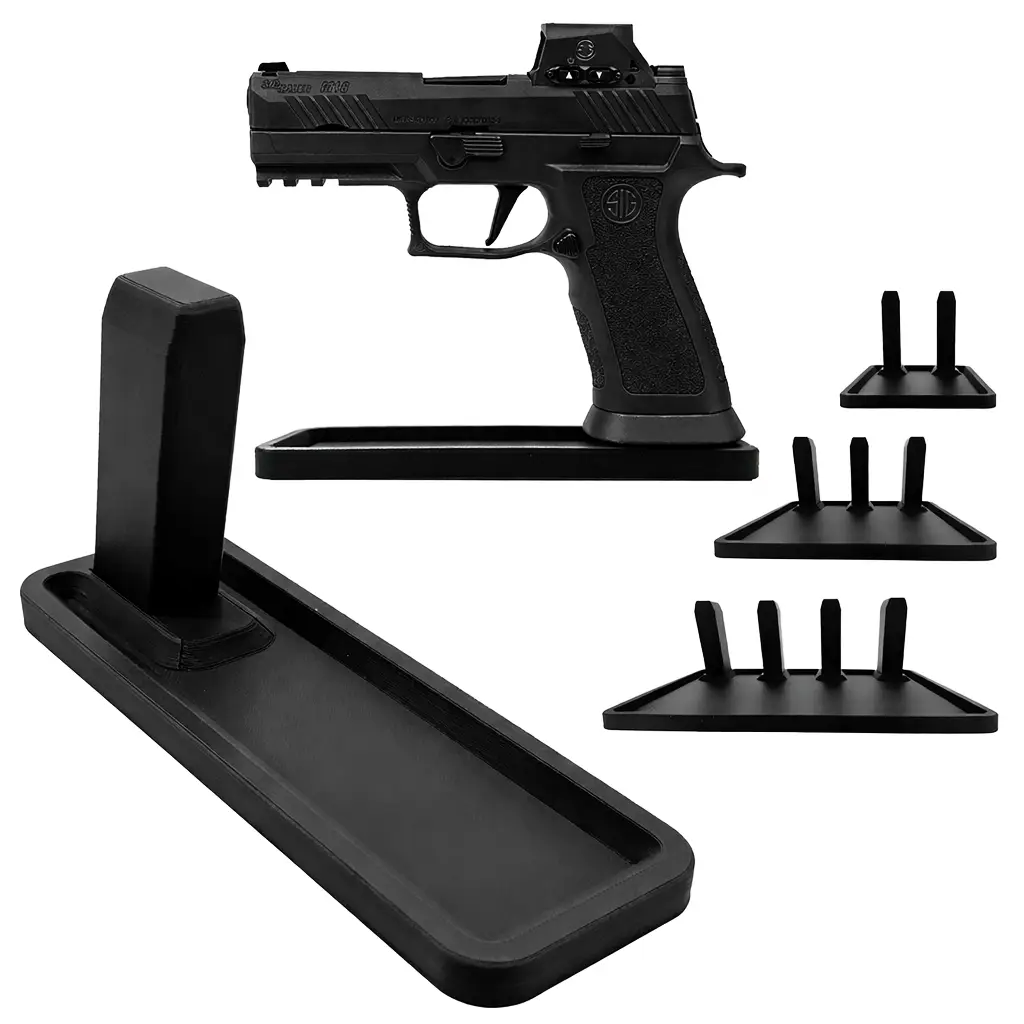
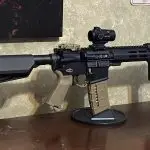
A compatible handgun stand can support a pistol in an organized position inside a locked safe or cabinet.
Handgun Racks
Handgun racks hold several pistols vertically or horizontally.
Common materials include:
- Coated metal.
- Durable plastic.
- Foam-covered wire.
- Wood.
- Fabric-lined dividers.
The contact material should be clean and compatible with the handgun’s finish. Worn or dirty coatings can trap abrasive particles.
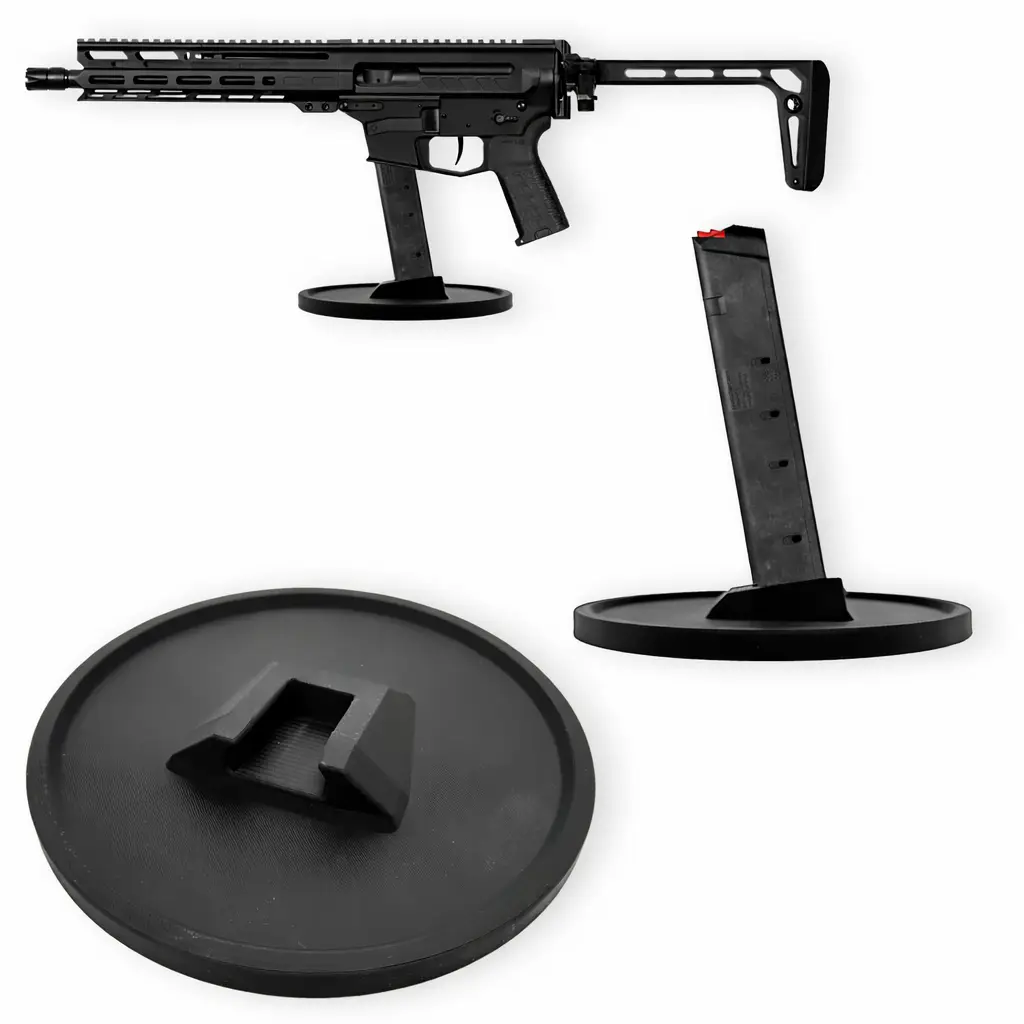
Magazine-Based Handgun Stands
Some handgun stands support a compatible pistol through an empty magazine inserted into the magazine well.
This approach can leave the slide, frame, optic, grip, and other exterior features visible.
Compatibility depends on:
- Magazine manufacturer.
- Magazine body width.
- Caliber.
- Single-stack or double-stack design.
- Pistol model.
- Stand specifications.
A stand intended for one magazine pattern should not be assumed to fit every handgun.
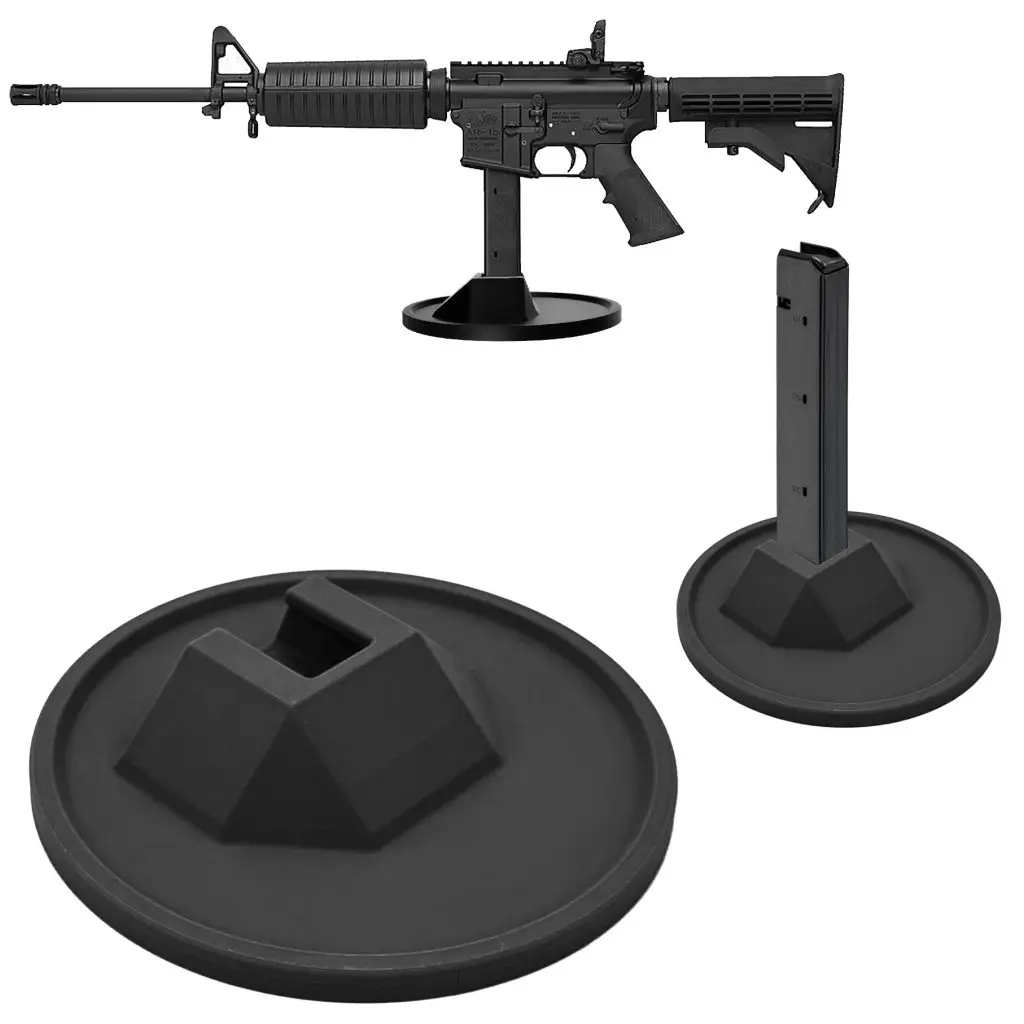
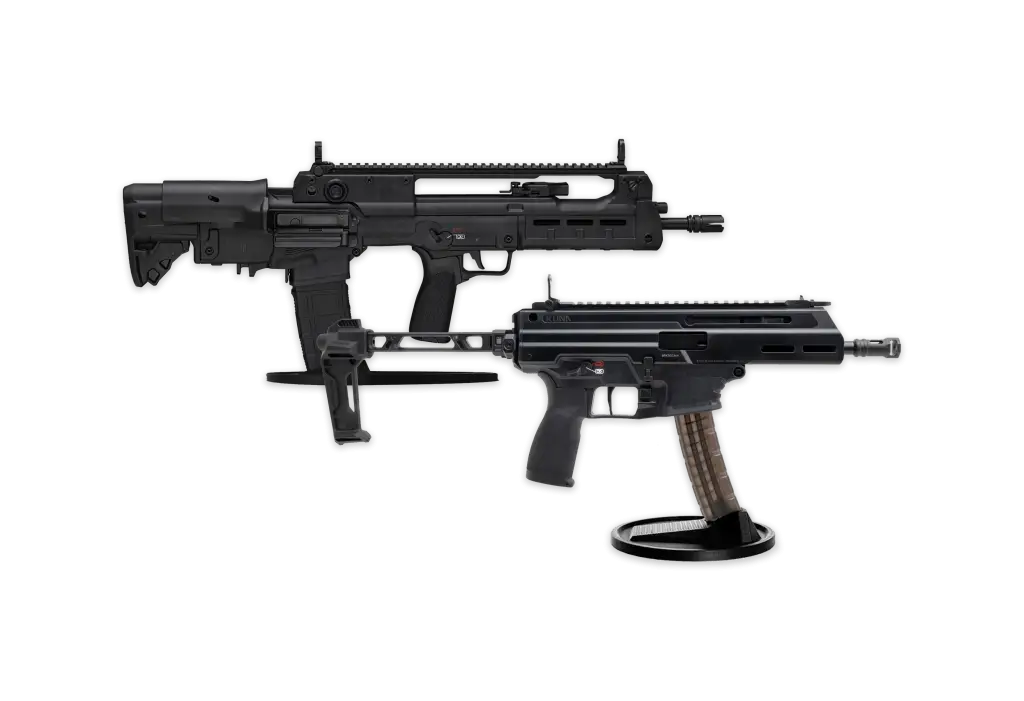
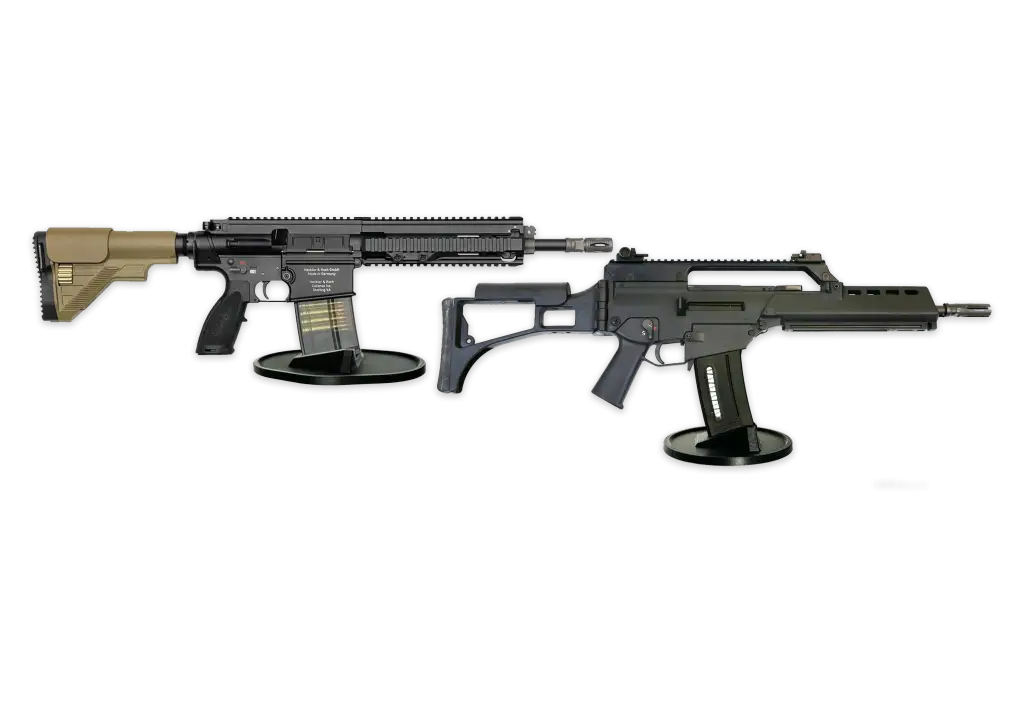
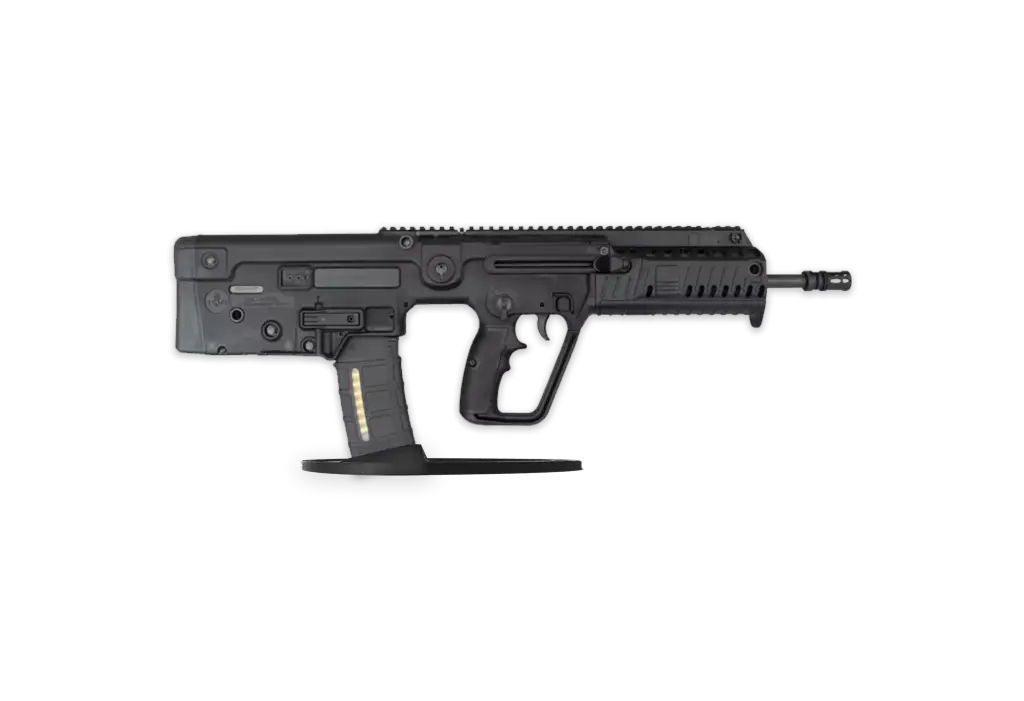
Magazine-Based Rifle Stands
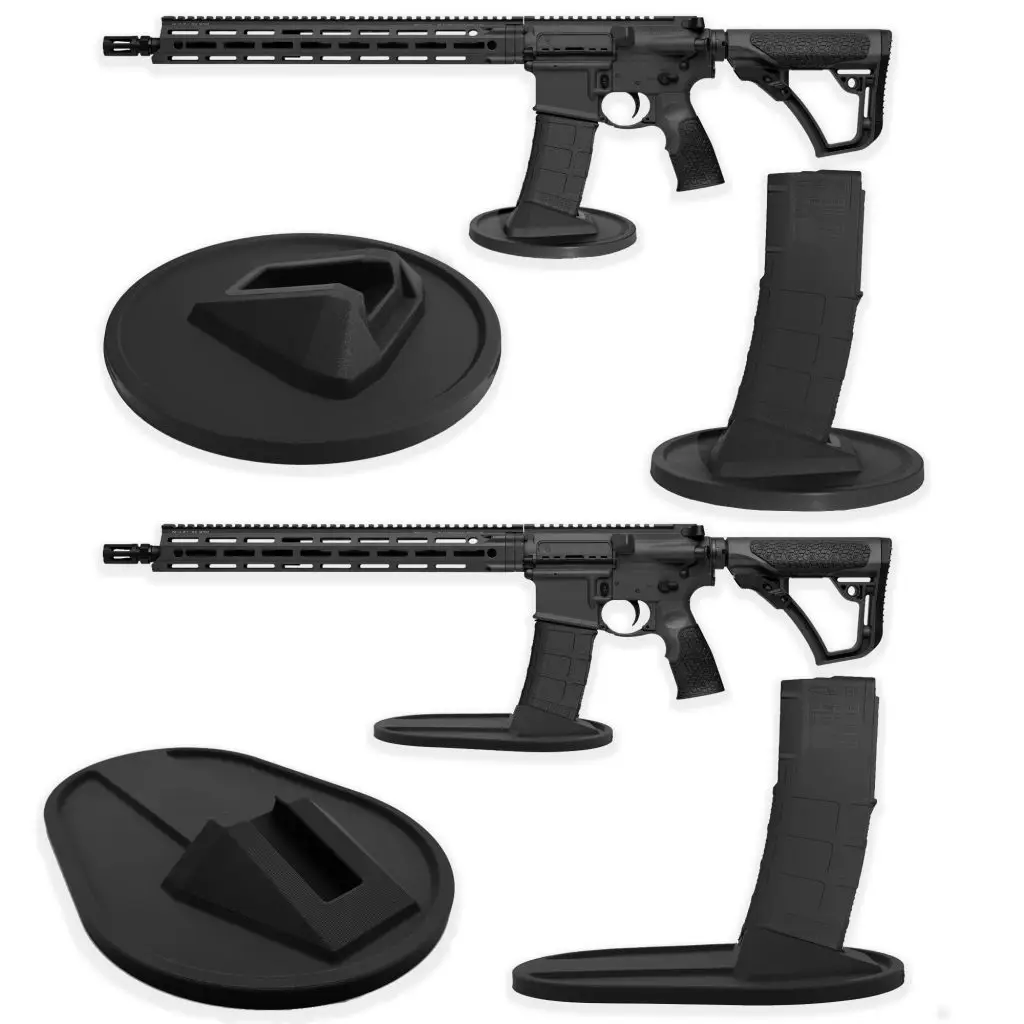
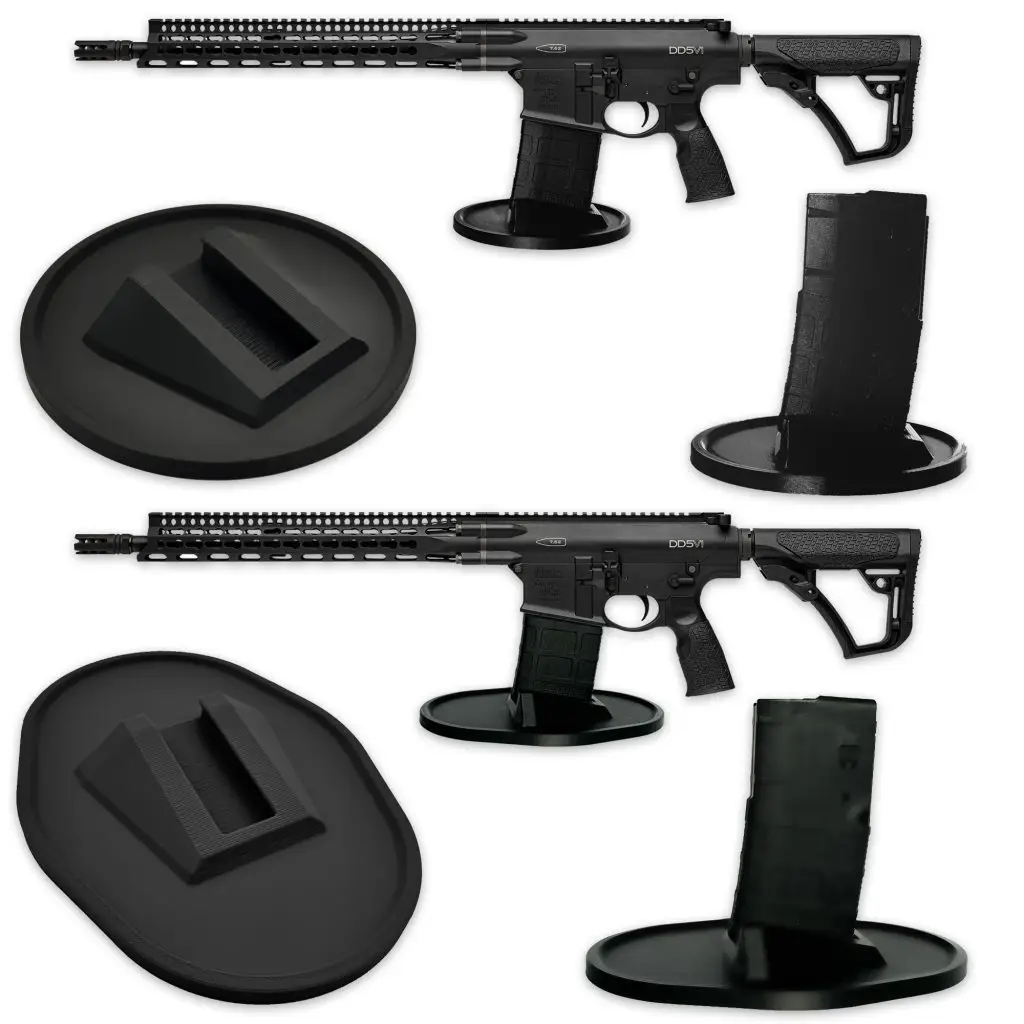
Magazine-based rifle stands support a compatible rifle through the magazine and magazine well.
This display method can provide:
- Clean upright organization.
- Visibility of the receiver and handguard.
- Reduced contact with the stock or barrel.
- Consistent spacing between rifles.
- Professional collection presentation.
An appropriate rifle stand must match the exact magazine pattern used by the rifle.
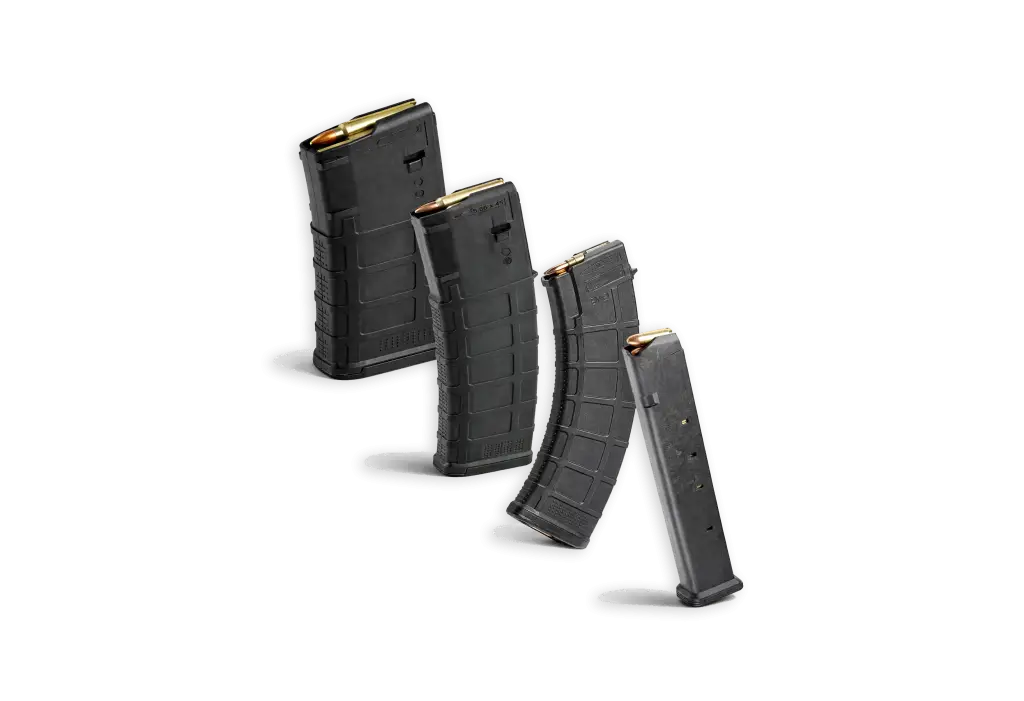
Why Magazine Compatibility Matters
Different rifle platforms use different magazines and locking systems.
Common patterns include:
- AR-15 STANAG magazines.
- AR-10 and SR25 magazines.
- 7.62×39 AK magazines.
- 5.45 AK-74 magazines.
- Glock-pattern magazines.
- Colt-style 9mm magazines.
- Scorpion-pattern magazines.
- Proprietary rifle magazines.
A stand designed for a Magpul AR-15 PMAG will not automatically fit an AK, AR-10, Glock-pattern, or pistol-caliber magazine.
Using Gun Stands Inside a Safe
Gun stands can help organize rifles and handguns inside a safe when sufficient space is available.
Potential benefits include:
- Reduced contact between guns.
- Improved use of shelf and floor space.
- Easy identification of each platform.
- Cleaner collection presentation.
- Reduced pressure on optics and furniture.
The safe must be wide and deep enough for the gun, stand, magazine, optic, sling, and muzzle device.
A stand is an organizational tool and does not replace the safe’s locking and access-control functions.
Storing Rifles with Optics
Optics can usually remain mounted during storage when allowed by the rifle and optic manufacturers.
Before storage:
- Clean the lenses.
- Install lens covers.
- Inspect the mount.
- Check the battery compartment.
- Confirm the optic is dry.
- Avoid pressure against turrets or adjustment controls.
- Ensure the optic does not support the rifle’s weight.
Rifles should be spaced so that one optic cannot strike another gun when items are removed from the safe.
Storing Red Dot Sights and Electronic Optics
Electronic optics depend on batteries and sealed housings.
Storage considerations include:
- Battery age.
- Battery leakage.
- Automatic shutoff settings.
- Lens cleanliness.
- Humidity.
- Mount security.
- Backup battery location.
For extended storage, follow the optic manufacturer’s instructions regarding whether batteries should remain installed.
Storing Rifles with Slings
Slings can remain attached during storage, but they should be arranged so they do not become tangled around triggers, charging handles, safeties, optics, or adjacent rifles.
Good organization may include:
- Folding the sling against the rifle.
- Securing loose webbing.
- Keeping metal hooks away from finishes.
- Checking leather for moisture.
- Inspecting QD swivels.
- Avoiding tension on sling mounts.
Wet slings should be dried before being placed in a closed safe.
Storing Wood-Stocked Rifles
Wood stocks require stable environmental conditions and protection from excess oil or moisture.
Potential risks include:
- Swelling.
- Shrinkage.
- Cracking.
- Finish damage.
- Mold.
- Oil soaking into the wood.
- Pressure marks from hard racks.
Wood-stocked rifles should not remain pressed against damp carpet, foam, untreated metal, or abrasive surfaces.
Storing Rifles with Durable Plastic Furniture
Durable plastic stocks, grips, and handguards resist moisture better than untreated wood, but they can still be damaged by heat, chemicals, deformation, and prolonged pressure.
Inspect for:
- Cracks.
- Warping.
- Chemical discoloration.
- Loose adjustment mechanisms.
- Damaged sling sockets.
- Pressure against optics or neighboring rifles.
Storing Ammunition
Ammunition should be stored according to manufacturer recommendations and applicable requirements.
A suitable ammunition area is generally:
- Dry.
- Cool.
- Protected from major temperature swings.
- Separated from cleaning chemicals.
- Organized by caliber.
- Protected from unauthorized access.
- Clearly labeled.
Original packaging can help preserve lot, caliber, projectile, and manufacturer information.
Separate Ammunition Storage
Some owners choose to store ammunition in a separate locked container or separate area from their guns.
Potential benefits include:
- Additional access control.
- Clearer organization.
- Reduced confusion between calibers.
- More efficient use of gun-safe space.
- Separation from oils and cleaning solvents.
The appropriate arrangement depends on household needs, local requirements, and the storage system.
Ammunition Cans
Metal and durable plastic ammunition cans are commonly used for organization.
Features may include:
- Rubber seals.
- Lockable latches.
- Stackable shapes.
- Carrying handles.
- Label areas.
Sealed containers should hold dry ammunition. Trapping existing moisture inside an airtight can can create problems.
Organizing Ammunition by Caliber
Clear labeling reduces the risk of mixing incompatible ammunition.
Labels may include:
- Caliber.
- Manufacturer.
- Projectile type.
- Lot number.
- Purchase date.
- Quantity.
- Intended rifle or handgun.
This is especially important for cartridges that may fit into similar magazines or look alike at a quick glance.
Storing Magazines
Magazines can be stored inside the safe, in a separate cabinet, in pouches, or in labeled containers.
Before long-term storage, inspect:
- Feed lips.
- Magazine body.
- Follower movement.
- Floorplate.
- Locking lugs.
- Spring condition.
- Corrosion.
- Caliber markings.
Magazines should be kept dry and away from chemicals that may damage steel, aluminum, coatings, or durable plastic.
Loaded vs Unloaded Magazine Storage
Magazine manufacturers may provide guidance on loaded storage. Spring quality, feed-lip material, environmental conditions, and magazine construction can affect long-term performance.
Owners should follow the magazine manufacturer’s recommendations rather than relying on assumptions that apply to every magazine type.
Regardless of loaded or unloaded status, magazines should be clearly separated by caliber and kept away from unauthorized users.
Protecting Guns from Scratches
Rifles and handguns can be damaged inside a safe when they contact one another, shelves, door panels, or loose accessories.
Ways to reduce scratches include:
- Using individual stands.
- Installing padded dividers.
- Spacing guns consistently.
- Securing slings and cables.
- Keeping magazines and tools in separate containers.
- Using clean, non-abrasive rack materials.
- Avoiding overcrowding.
Overcrowding increases the chance that an optic, muzzle device, sling hook, or magazine will strike another gun.
Avoiding Foam for Long-Term Storage
Foam-lined cases are useful for transportation, but some foam can trap moisture against metal surfaces during long-term storage.
Potential concerns include:
- Condensation.
- Moisture retention.
- Chemical interaction with finishes.
- Pressure marks.
- Mold.
- Corrosion hidden beneath the gun.
A rifle or handgun should be dry before being placed in any case. Long-term case storage should follow the case and gun manufacturers’ recommendations.
Gun Socks
Gun socks are soft sleeves designed to reduce scratches and contact between guns.
Some are treated to help resist moisture, while others provide only basic fabric protection.
Potential benefits include:
- Reduced surface contact.
- Protection from dust.
- Simple identification by color.
- Additional separation within a safe.
A gun sock should be clean and dry. It should not be used to hide an existing moisture problem.
Vehicle Gun Storage
Vehicles present serious storage challenges because they are mobile, frequently unattended, and exposed to large temperature changes.
A gun should not be left visible inside a vehicle.
Vehicle storage products may include:
- Bolted steel lockboxes.
- Cable-secured lockboxes.
- Console safes.
- Under-seat safes.
- Rear cargo security drawers.
Owners should verify current local laws and avoid leaving guns in vehicles longer than necessary.
Why the Glove Compartment Is Not Enough
A standard glove compartment is usually not designed as a high-security gun container.
Potential weaknesses include:
- Lightweight locks.
- Plastic construction.
- Easy access after vehicle entry.
- Limited anchoring.
- Visibility when opened.
A purpose-built vehicle lockbox secured to the vehicle generally provides better access control.
Temperature Changes in Vehicles
Vehicle interiors can become extremely hot or cold. Temperature changes may affect:
- Optic batteries.
- Lubricants.
- Durable plastic components.
- Adhesives.
- Ammunition.
- Electronic locks.
- Wood finishes.
Condensation can also form when a cold gun is carried into a warm, humid environment.
Temporary Transportation Cases
Hard and soft rifle cases help protect guns during lawful transportation.
A quality transportation case may include:
- Lockable latches.
- Protective padding.
- Optic clearance.
- Reinforced handles.
- Weather-resistant seals.
- Wheel systems on larger cases.
A transportation case is not automatically a substitute for secure long-term home storage.
Storing Guns in Homes with Children
Homes with children require especially careful access control.
Storage decisions should account for:
- The child’s age.
- Visiting children.
- Location of keys and combinations.
- Safe placement.
- Ability to move or climb furniture.
- Access to tools.
- Separate ammunition storage.
- Backup access methods.
Children should not be expected to provide the primary layer of safety through instructions alone. Physical access prevention is essential.
Controlling Keys and Combinations
The security of a safe depends partly on how its access credentials are managed.
Good practices may include:
- Keeping backup keys away from the safe.
- Not labeling keys with the safe location.
- Avoiding easily guessed codes.
- Changing codes after unauthorized disclosure.
- Limiting the number of people with access.
- Not storing combinations in obvious locations.
- Testing backup access periodically.
A hidden key placed nearby may be discovered more easily than the owner expects.
Safe Battery Maintenance
Electronic and biometric safe locks depend on battery condition.
Battery maintenance may include:
- Using the specified battery type.
- Replacing batteries before they become weak.
- Checking for corrosion.
- Testing the lock after replacement.
- Keeping backup access available.
- Recording replacement dates.
Cheap or damaged batteries can leak and harm the lock mechanism.
Inspecting the Safe Interior
The safe itself should be inspected periodically.
Check for:
- Moisture.
- Carpet or fabric damage.
- Rust on interior metal.
- Loose shelving.
- Failed lighting.
- Damaged electrical cords.
- Loose racks.
- Mold or unusual odors.
- Pest activity.
Removing every gun periodically allows hidden areas of the safe and the guns to be inspected.
Creating a Gun Storage Inventory
An inventory can help owners organize a large collection and document important information.
Records may include:
- Manufacturer.
- Model.
- Caliber.
- Serial number.
- Purchase date.
- Photographs.
- Optic and accessory information.
- Maintenance records.
- Magazine compatibility.
- Storage location.
Inventory records should be stored securely and backed up in an appropriate location.
Insurance and Documentation
Collectors may consider whether their homeowners or renters insurance provides sufficient coverage for guns, optics, magazines, and accessories.
Documentation may include:
- Receipts.
- Photographs.
- Serial numbers.
- Appraisals.
- Accessory lists.
- Safe purchase and installation records.
Insurance coverage, limits, exclusions, and documentation requirements vary by policy.
Secure Gun Display Cabinets
Some owners prefer to display collector rifles or handguns behind glass or within a dedicated room.
A secure display cabinet may include:
- Locking doors.
- Reinforced glass or clear panels.
- Anchoring.
- Interior gun stands.
- Humidity control.
- Lighting.
- Restricted room access.
A decorative cabinet should not automatically be treated as equivalent to a heavy safe. Access control and theft resistance should be evaluated separately from appearance.
Displaying Rifles Safely
A rifle display should not create uncontrolled access.
Secure display considerations include:
- Locked room access.
- Locked cabinet doors.
- Alarm coverage.
- Window visibility.
- Wall and floor anchoring.
- Unloaded condition.
- Separate ammunition storage.
- Stable stands or racks.
A rifle stand can improve presentation and organization but does not provide access control by itself.
Displaying Handguns Safely
Handguns are compact and easy to remove, making secure access control especially important.
A handgun display may use:
- Locked glass cabinets.
- Safe shelves.
- Individual pistol stands.
- Magazine-compatible stands.
- Drawer lockboxes.
- Locked display rooms.
The display should prevent the handgun from falling, contacting other guns, or being accessed by unauthorized people.
Why GunCreed Stands Complement Secure Gun Storage
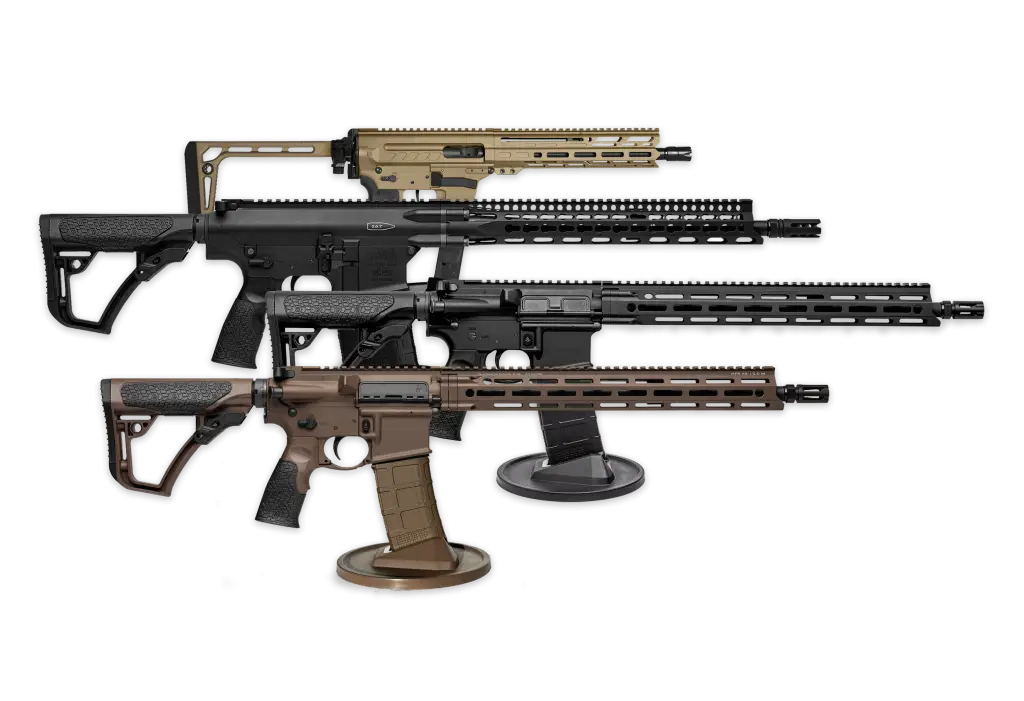
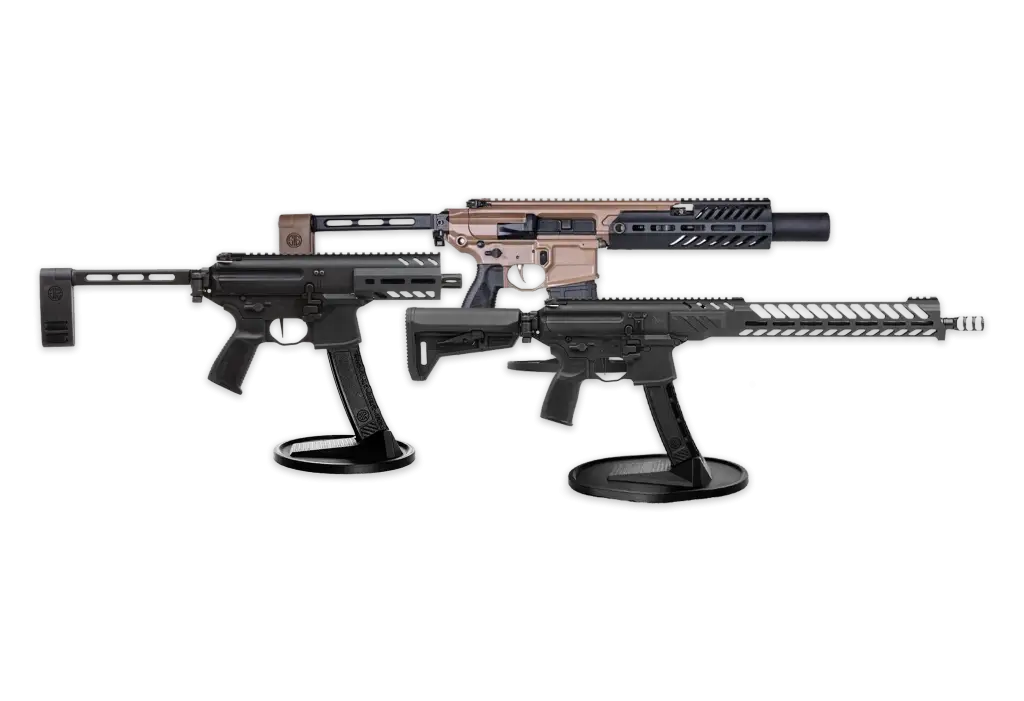
GunCreed stands help organize rifles and handguns by supporting compatible platforms through the correct magazine pattern.
Inside an appropriately secured safe, cabinet, or display room, a compatible stand can help:
- Maintain consistent spacing.
- Keep rifles from leaning against one another.
- Display handguns upright.
- Keep optics visible.
- Protect stocks and handguards from hard contact.
- Separate different platforms.
- Create a professional collection layout.
An AR15 gun stand must be paired with the compatible AR magazine pattern. AK, large-frame AR, pistol-caliber, and handgun models require different magazine-specific stands.
Using Handgun Stands Inside a Locked Safe
Handgun stands can help owners use safe shelves more efficiently.
They can display:
- Double-stack pistols.
- Single-stack pistols.
- 1911-style handguns.
- 2011-style handguns.
- Optic-equipped pistols.
- Different grip and frame sizes.
The stand should match the exact pistol or magazine pattern listed by the manufacturer.
A compatible handgun stand organizes the handgun but should always be used within a secured storage system when access control is required.
Common Gun Storage Mistakes
Leaving Guns Unsecured
A rifle or handgun placed in a closet, drawer, or vehicle without a suitable locking system may be accessible to unauthorized users.
Hiding Instead of Securing
A hidden gun is not necessarily a secured gun. Children, visitors, burglars, or workers may discover locations that seem private.
Failing to Anchor the Safe
An unanchored container may be easier to tip or remove.
Ignoring Humidity
A locked safe can still allow corrosion if moisture is uncontrolled.
Storing Guns Wet
Rain, snow, condensation, or sweat should be removed before the gun is placed into a closed container.
Overcrowding the Safe
Overcrowding increases the chance of scratches, damaged optics, and tangled slings.
Storing Guns in Foam Cases for Long Periods
Foam may trap moisture and conceal corrosion.
Leaving Old Batteries Installed
Leaking batteries can damage optics, lights, and electronic locks.
Keeping Backup Keys Beside the Safe
A nearby hidden key may be found by an unauthorized person.
Assuming a Gun Stand Is a Security Device
A stand organizes and displays a gun but does not replace a lock, safe, or secured room.
Creating a Gun Storage Checklist
A repeatable checklist can help owners maintain a secure and organized collection.
- Confirm every gun is unloaded before storage.
- Remove magazines when appropriate.
- Inspect chambers and actions.
- Remove moisture.
- Apply suitable corrosion protection.
- Check optics and batteries.
- Inspect magazines.
- Organize ammunition by caliber.
- Lock the safe, cabinet, or box.
- Confirm keys and codes are controlled.
- Check humidity.
- Inspect anchoring.
- Review the collection periodically.
Gun Storage Frequently Asked Questions
What Is the Best Way to Store Rifles?
Rifles should generally be unloaded, protected from moisture, and secured against unauthorized access. A locked and properly installed safe or cabinet provides a practical storage foundation.
What Is the Best Way to Store Handguns?
Handguns can be stored in a locking handgun safe, lockbox, full-size safe, or secured cabinet. The best option depends on access needs, household conditions, and the number of handguns.
Should Ammunition Be Stored Separately?
Many owners use separate locked ammunition storage as an additional layer of access control. Applicable requirements and household needs should guide the decision.
Can Rifles Be Stored in Soft Cases?
Soft cases are useful for transportation but may trap moisture and are not usually ideal for long-term storage.
Can Guns Be Stored in Foam-Lined Cases?
Foam cases can protect equipment during transportation, but long-term storage may allow moisture to remain against metal surfaces.
How Can Rust Be Prevented Inside a Safe?
Store guns dry, use appropriate surface protection, monitor humidity, inspect the collection periodically, and maintain suitable dehumidification.
Should Optic Batteries Be Removed?
Follow the optic manufacturer’s guidance. For extended storage, removing aging batteries may prevent leakage, but some optics are designed for continuous operation.
Does a Gun Safe Need to Be Anchored?
Anchoring can make tipping, prying, and removal more difficult. Installation should follow manufacturer instructions and account for the building structure.
Can a Rifle Stand Be Used Inside a Gun Safe?
Yes, when the safe has sufficient interior dimensions and the stand is compatible with the rifle and magazine pattern.
Does a Gun Stand Replace a Gun Safe?
No. A stand is designed for organization and display. It does not provide locking, theft resistance, or unauthorized-access prevention.
Final Thoughts
Proper gun storage protects rifles and handguns from unauthorized access, theft, moisture, impact damage, corrosion, and disorganization. The best storage system depends on the size of the collection, the household, the available space, access requirements, and local rules.
Full-size safes provide high-capacity storage and may include fire-resistant construction, adjustable shelves, interior lighting, and long-gun racks. Locking cabinets provide a lighter and more affordable option, while compact handgun lockboxes create controlled storage for one or more pistols.
Locks are only one part of a complete storage system. The container should also be positioned carefully, anchored when appropriate, monitored for humidity, and inspected regularly. Keys, combinations, biometric credentials, and backup access methods must remain controlled.
Environmental protection is essential. Rifles and handguns should be stored dry and protected with products compatible with their finishes. Wood stocks, durable plastic furniture, optics, magazines, batteries, leather slings, and ammunition all respond differently to moisture and temperature changes.
Ammunition should be clearly labeled, organized by caliber, protected from moisture, and kept away from cleaning chemicals. Magazines should be inspected for damaged feed lips, worn locking surfaces, weak springs, corrosion, and incorrect caliber identification.
Organization helps prevent scratches and makes the collection easier to inspect. Rifles should not be packed so tightly that optics, muzzle devices, slings, and magazines strike one another. Handguns should not be stacked loosely on shelves or placed where they can fall.
Within a locked safe, cabinet, or secured display room, compatible gun stands can help maintain spacing and keep each gun’s exterior features visible.
A properly matched rifle stand can support an AR, AK, large-frame rifle, or pistol-caliber platform through the correct magazine pattern. A compatible handgun stand can organize pistols on a safe shelf without stacking them together.
Gun stands are organizational products rather than security devices. They work best as part of a larger storage plan that includes secure locks, controlled access, appropriate environmental protection, regular inspection, and responsible household practices.
By combining a suitable safe or cabinet with humidity control, careful ammunition organization, equipment maintenance, and platform-specific display stands, owners can protect the security, condition, and presentation of their rifle and handgun collections for years to come.