












The AR-15 remains one of the most customizable modern sporting rifle platforms available. From simple ergonomic improvements to advanced optics and modular mounting systems, owners can choose from an enormous selection of AR-15 accessories designed for recreational shooting, competition, hunting where lawful, collection display, and general rifle personalization.
In 2026, the accessory market continues to emphasize practical improvements rather than unnecessary bulk. Lightweight components, dependable optics, modular M-LOK attachments, improved controls, adjustable furniture, and clean accessory integration remain major priorities. New products displayed during the 2026 industry trade-show season also reflected a strong focus on usability, modular product ecosystems, optics, lighting equipment, and refined rifle configurations. :contentReference[oaicite:0]{index=0}
Not every accessory is necessary for every rifle. The best setup depends on how the rifle will be used, the owner’s preferences, applicable laws, and compatibility with the specific model. However, several categories consistently remain among the most popular AR-15 accessories in 2026.
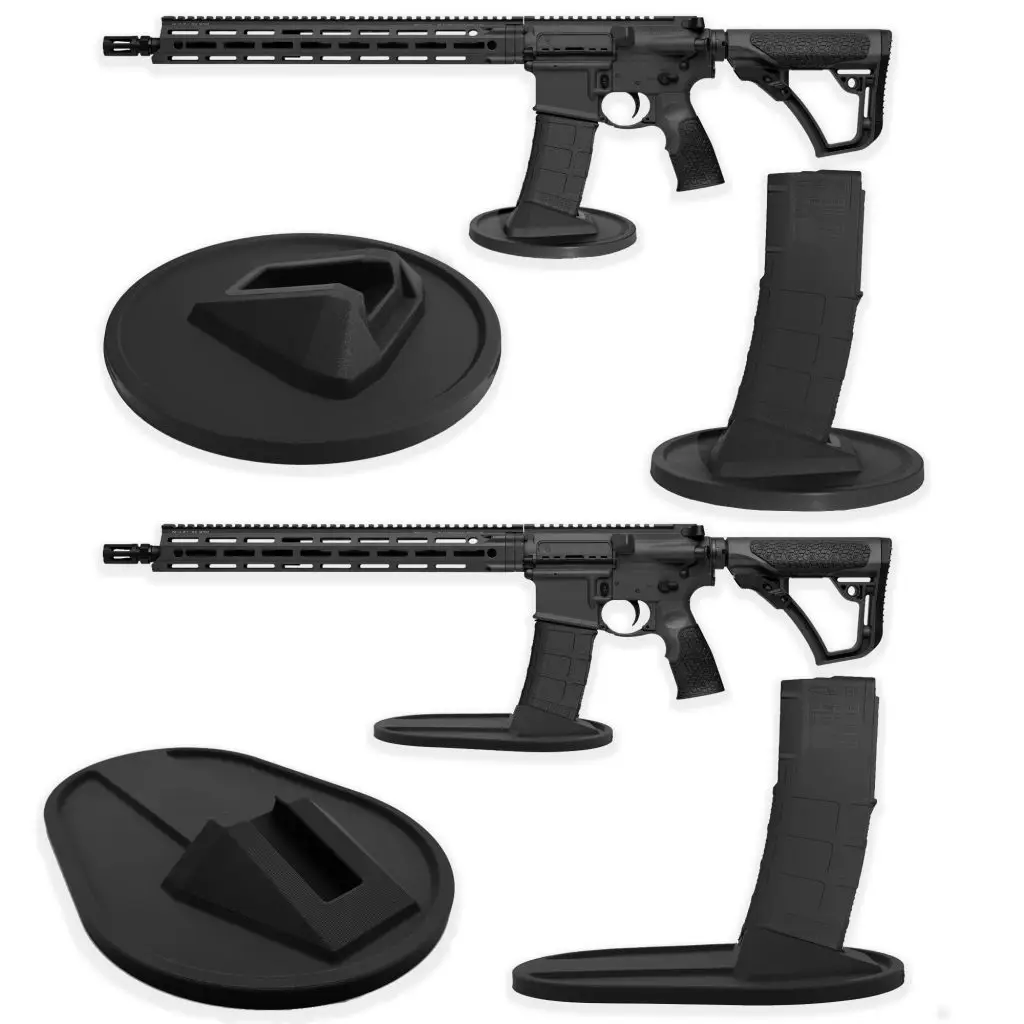
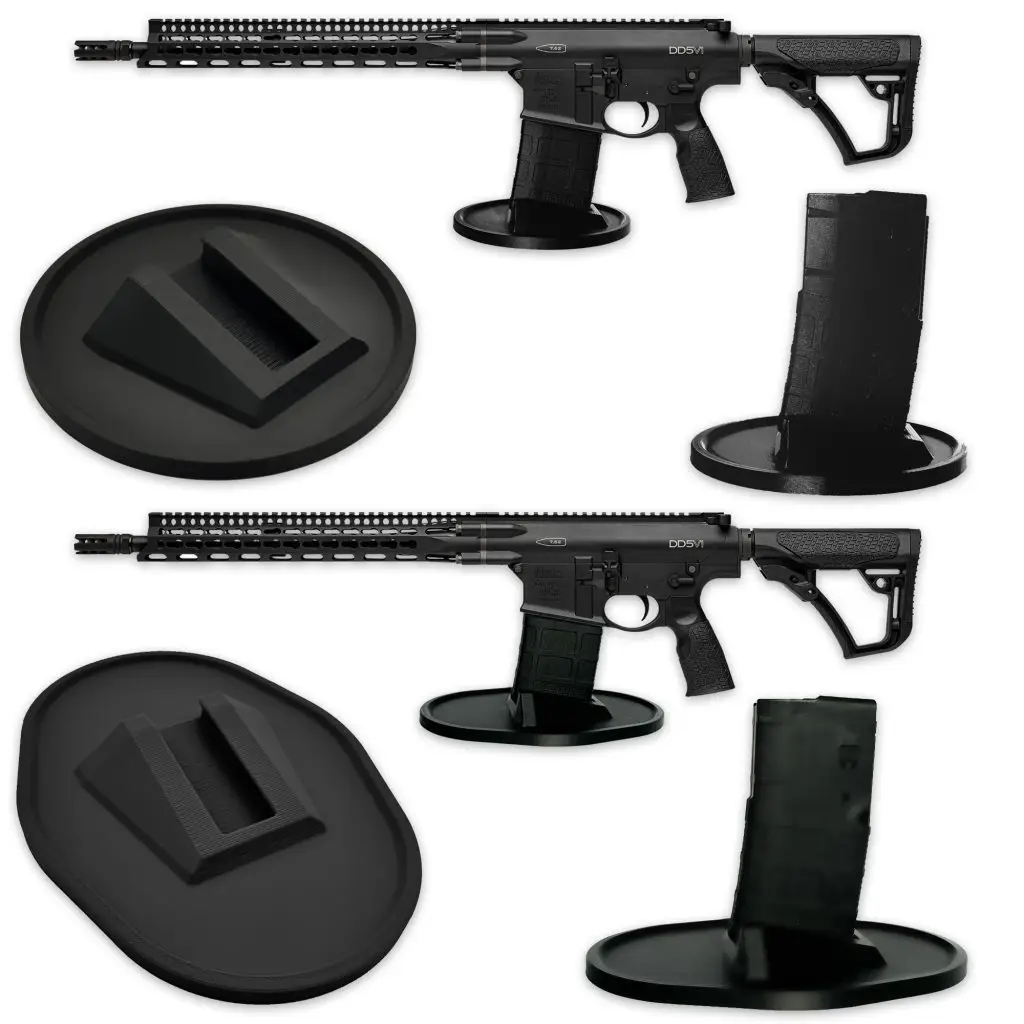
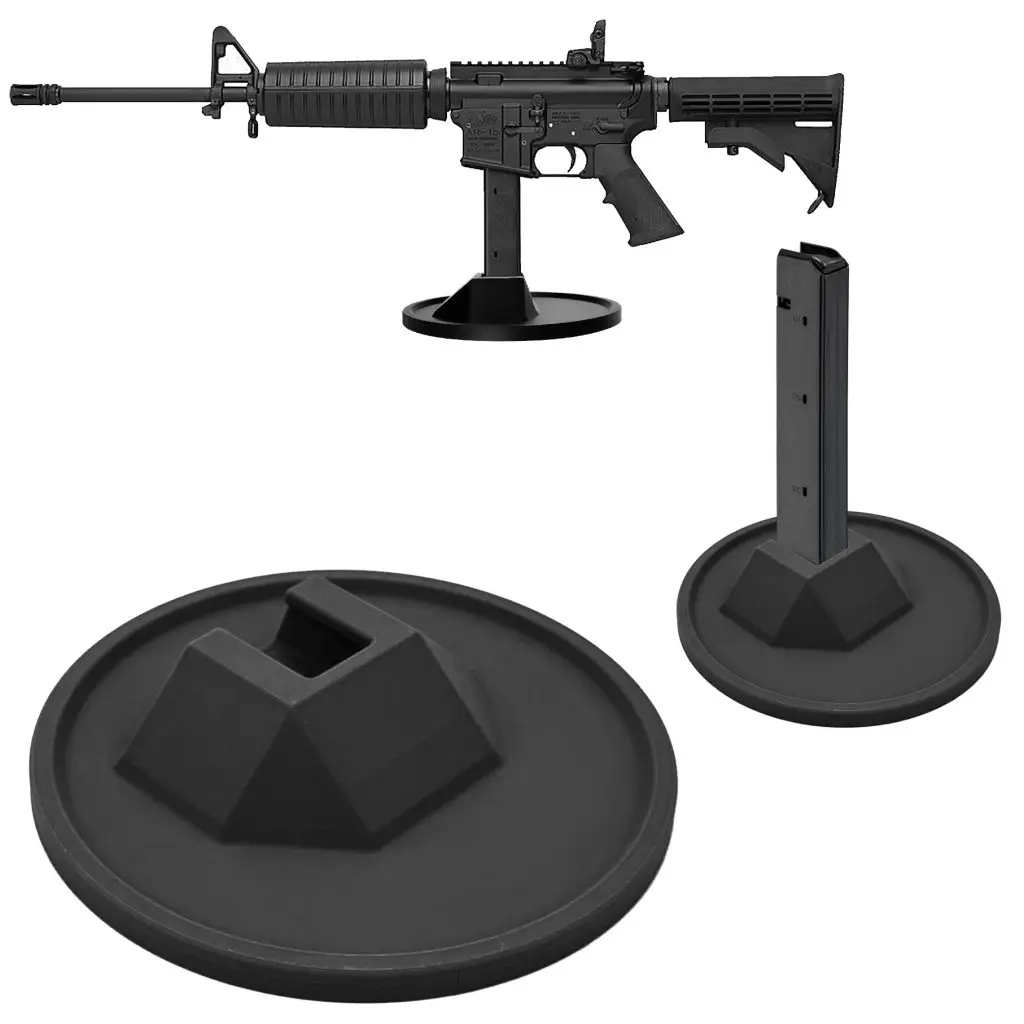
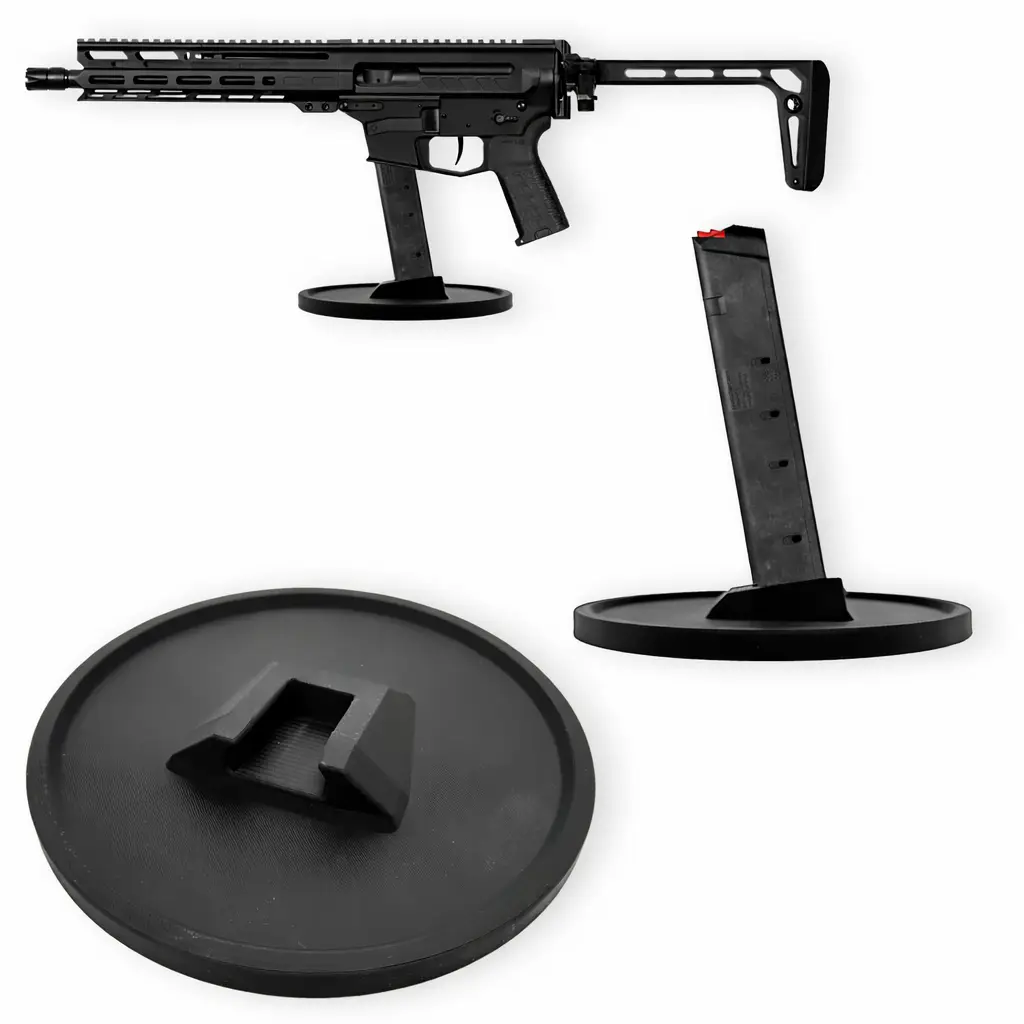
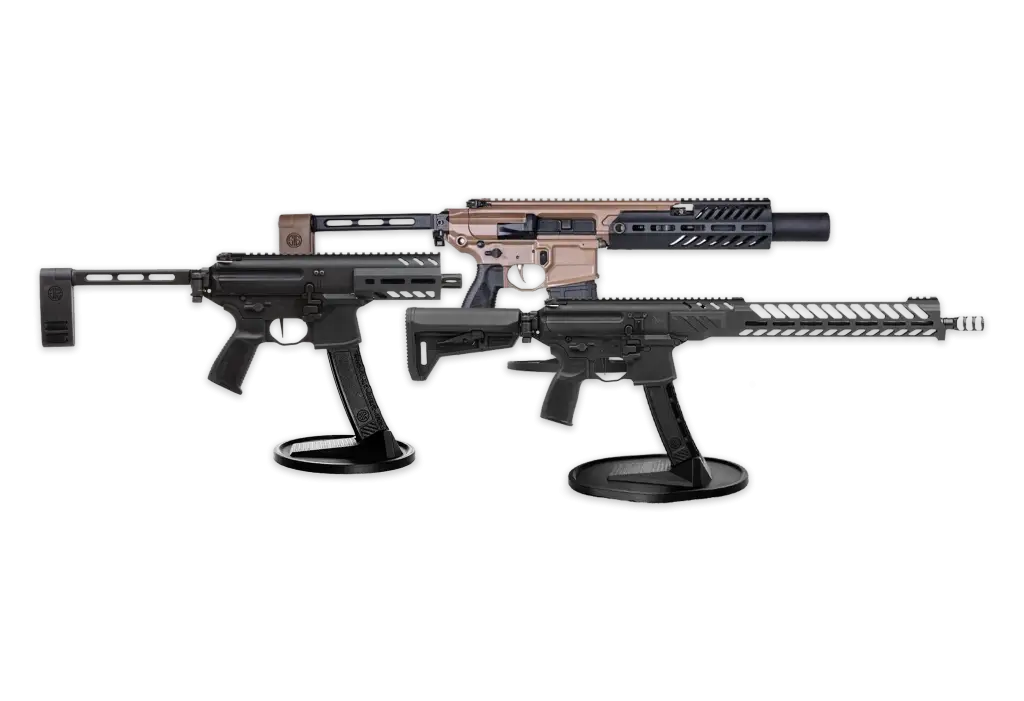
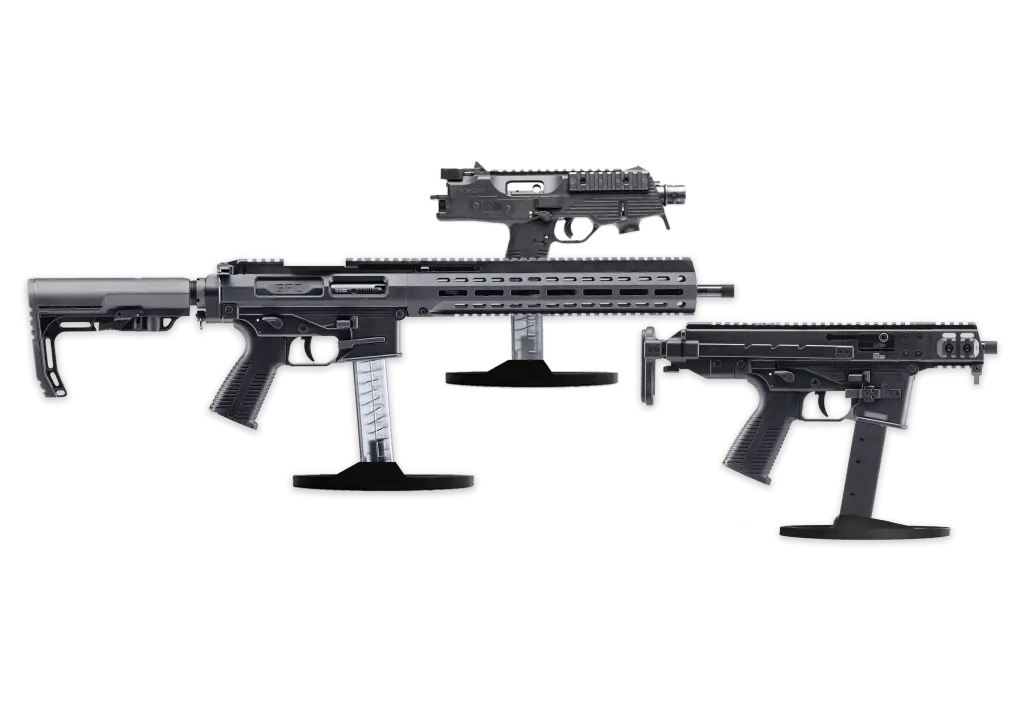
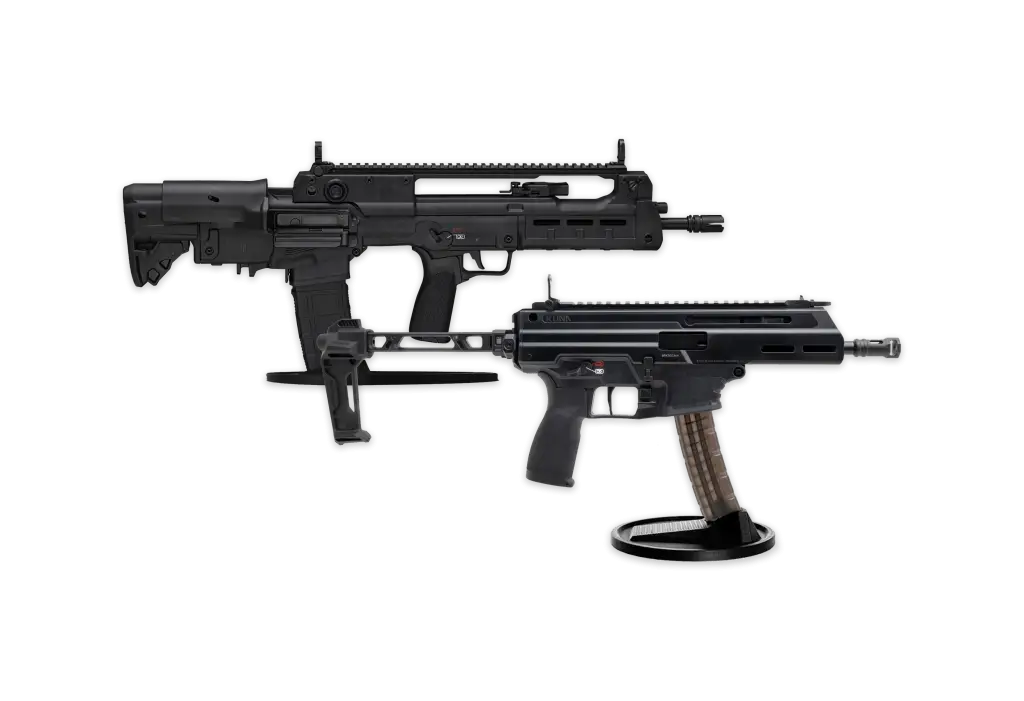
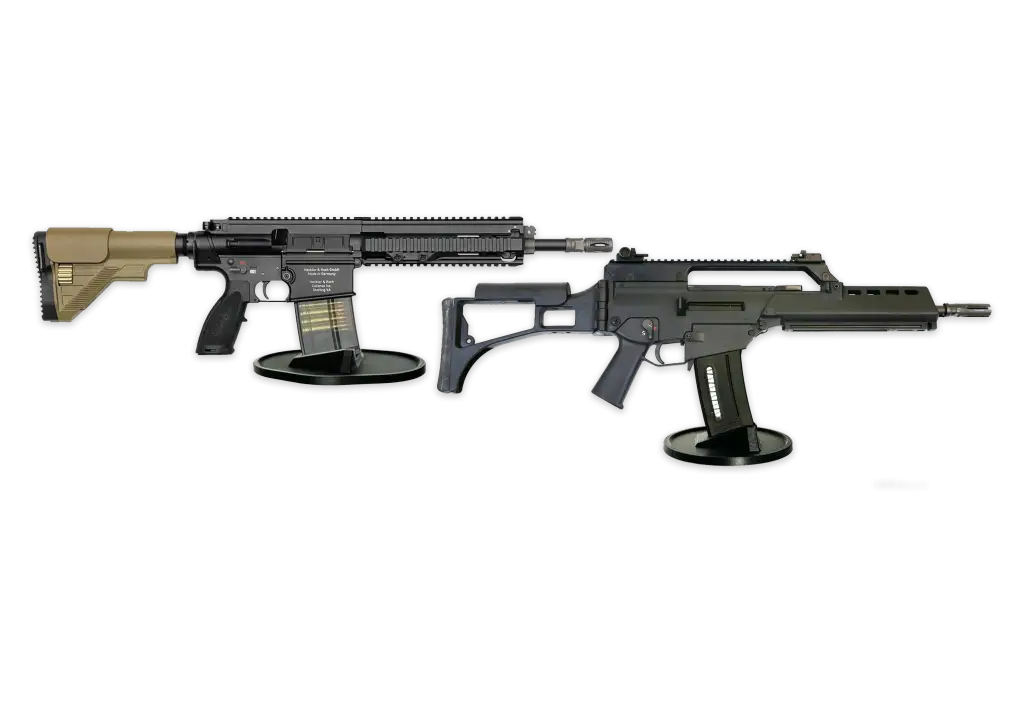
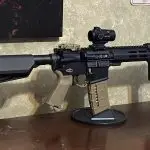
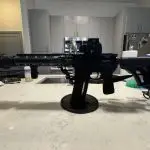
Once a rifle has been customized, many owners showcase it using a dedicated AR15 gun stand that keeps the complete configuration upright, organized, and fully visible.
Why AR-15 Accessories Remain So Popular
The AR-15 was designed around a modular upper-and-lower receiver arrangement. This architecture allows many components to be replaced or personalized without changing the entire rifle.
Owners commonly add accessories to improve:
- Optical clarity.
- Ergonomics.
- Comfort.
- Organization.
- Accessory mounting space.
- Rifle balance.
- Visibility in low-light conditions.
- Collection presentation.
The size of the AR aftermarket also means accessories are available at nearly every price point. A rifle can remain relatively simple with only a sling and optic, or it can be configured with specialized furniture, controls, mounting hardware, and competition-oriented components.
1. Red Dot Sights
Red dot sights continue to rank among the most popular AR-15 accessories in 2026. Their compact size, low weight, simple aiming point, and broad range of available prices make them a common first upgrade.
A red dot sight is generally a non-magnified optic that projects an illuminated aiming reference onto a lens. Many models offer red or green illumination, adjustable brightness levels, motion activation, automatic shutoff, and extended battery life.
Common advantages include:
- Fast visual acquisition.
- Both-eyes-open use.
- Compact construction.
- Minimal added weight.
- Simple controls.
- Compatibility with magnifiers.
Tube-style red dots are especially common on AR-15 rifles because their enclosed construction protects the internal optical system. Open reflex sights also appear on lightweight builds, offset mounts, and competition-oriented configurations.
Before purchasing a red dot, owners should consider mount height, battery type, reticle size, lens clarity, durability, warranty coverage, and compatibility with backup sights.
2. Low-Power Variable Optics
Low-power variable optics, commonly called LPVOs, remain another major category in the 2026 AR-15 market. These scopes typically begin at low magnification and allow the user to increase magnification for clearer viewing at greater distances.
Common LPVO ranges include:
- 1-4x.
- 1-6x.
- 1-8x.
- 1-10x.
The 1-6x category remains especially popular because it offers a practical balance of size, weight, field of view, and magnification. Current accessory guides continue to feature red dots and LPVOs prominently among recommended AR-platform upgrades. :contentReference[oaicite:1]{index=1}
Features buyers commonly compare include:
- First- or second-focal-plane reticles.
- Illuminated reticles.
- Reticle design.
- Tube diameter.
- Eye relief.
- Field of view.
- Turret style.
- Overall weight.
An LPVO generally adds more size and weight than a red dot, but many owners appreciate the additional versatility provided by variable magnification.
3. Prism Optics
Prism optics continue to attract AR-15 owners who want a compact sight with an etched reticle. Unlike a standard red dot, a prism optic uses an internal prism system and can usually display its etched aiming reference even when illumination is turned off.
Prism optics are available in fixed magnification levels such as:
- 1x.
- 2x.
- 3x.
- 4x.
- 5x.
They are often selected by owners who prefer a defined etched reticle, compact construction, and optional magnification without the length of a traditional scope.
Because prism optics generally have a more defined eye-relief requirement than red dots, proper mounting position is important.
4. Backup Iron Sights
Backup iron sights remain popular even as optics become more dependable. Folding front and rear sights provide a secondary sighting system without permanently occupying the main sight picture.
Common materials include:
- Durable plastic.
- Aluminum.
- Steel.
- Mixed-material construction.
Many owners choose folding sights that remain lowered beneath an optic until needed. Others prefer fixed front sights or traditional carrying-handle configurations for a classic appearance.
Before selecting iron sights, owners should confirm that the front and rear units are intended for compatible mounting heights.
5. Optic Magnifiers
A magnifier is commonly placed behind a compatible red dot or holographic sight. Most use a pivoting or flip-to-side mount that allows the magnifier to be moved in or out of the sight picture.
Popular magnification levels include:
- 3x.
- 5x.
- 6x.
This combination allows a rifle to retain the simplicity of a red dot while providing optional magnification. However, a magnifier adds weight and occupies additional rail space, so buyers should compare it with an LPVO before deciding which setup better fits their rifle.
6. M-LOK Handguards
M-LOK handguards remain one of the defining features of modern AR-15 configurations. Instead of covering the entire handguard with permanent accessory rails, M-LOK uses standardized slots that allow compatible attachments to be installed only where needed.
Benefits commonly include:
- Reduced weight.
- Slimmer dimensions.
- Flexible accessory placement.
- Improved ventilation.
- Broad aftermarket support.
- Clean modern appearance.
Magpul continues to support an extensive M-LOK accessory ecosystem, including handguards, angled grips, vertical grips, index stops, thumb shelves, and related mounting products. Its current product lineup demonstrates the continued popularity of compact M-LOK control accessories in 2026. :contentReference[oaicite:2]{index=2}
Owners should verify handguard diameter, barrel clearance, gas-system compatibility, mounting instructions, and accessory placement before changing components.
7. Hand Stops and Index Stops
Compact hand stops and index stops have become increasingly common as owners move away from large, bulky front-end accessories.
These small attachments provide a repeatable reference point for hand placement without occupying much rail space. In 2026, manufacturers continue introducing short vertical grips, index stops, and thumb-support accessories that reflect the demand for smaller and cleaner control surfaces. :contentReference[oaicite:3]{index=3}
Common styles include:
- Single-piece index stops.
- Two-piece hand stops.
- Angled control surfaces.
- Thumb shelves.
- Textured M-LOK panels.
These products are especially popular on lightweight rifles where owners want to preserve a slim handguard profile.
8. Angled Foregrips
Angled foregrips remain a familiar AR-15 accessory. They provide a sloped gripping surface beneath the handguard and are available in numerous sizes and materials.
Some owners prefer a full-size angled grip, while others choose shorter, minimalist designs. Compatibility depends on whether the accessory attaches through M-LOK, Picatinny rail, or another mounting system.
Before purchasing any foregrip or similar attachment, owners should understand how the rifle is legally classified and comply with all applicable federal, state, and local requirements.
9. Vertical Grips
Vertical grips continue to appear on full-length rifles, competition builds, and retro-inspired configurations. Modern versions are often shorter than the large vertical grips that were popular during the quad-rail era.
Available designs include:
- Full-length vertical grips.
- Short vertical grips.
- Storage grips.
- Aluminum grips.
- Durable plastic grips.
- Textured competition grips.
The growing popularity of shorter versions reflects the broader 2026 trend toward accessories that provide control without adding unnecessary bulk.
10. Adjustable Stocks
An adjustable stock is one of the most recognizable AR-15 accessories. It allows the rifle’s length of pull to be adjusted to fit different owners, shooting positions, clothing, and equipment.
Popular stock features include:
- Multiple adjustment positions.
- Integrated sling attachment points.
- Cheek-support surfaces.
- Storage compartments.
- Enhanced locking systems.
- Rubberized butt pads.
Magpul and other manufacturers continue to offer a broad selection of adjustable stocks for AR-15, M4, M16, AR-10, SR25, and related platforms. :contentReference[oaicite:4]{index=4}
Owners should verify whether a stock is compatible with a mil-spec or commercial-diameter receiver extension before purchasing it.
11. Upgraded Pistol Grips
The standard pistol grip works for many owners, but replacement grips remain among the easiest and most affordable AR-15 upgrades.
Grip designs vary in:
- Angle.
- Width.
- Texture.
- Backstrap shape.
- Finger-groove design.
- Storage capacity.
- Rubber overmolding.
More vertical grip angles are particularly popular on compact and modern sporting-rifle configurations. Traditional angles remain common on classic rifles and owners who prefer a more conventional wrist position.
Current manufacturer catalogs offer everything from slim grips to larger models, rubberized designs, and modular grip systems, showing how important ergonomic customization remains. :contentReference[oaicite:5]{index=5}
12. Two-Point Slings
The two-point sling remains one of the most practical AR-15 accessories. It attaches to the rifle at two locations and can support several carrying positions.
Popular features include:
- Quick-adjustment tabs.
- Padded shoulder sections.
- Quick-detach swivels.
- Convertible attachment hardware.
- Low-profile webbing.
Before choosing a sling, owners should inspect the rifle for compatible mounting points. Common options include QD sockets, fixed loops, receiver plates, and M-LOK sling mounts.
A sling should be selected based on comfort, adjustability, attachment compatibility, and the intended use of the rifle.
13. Quick-Detach Sling Hardware
Quick-detach sling swivels and sockets remain popular because they allow a sling to be installed or removed without permanently unthreading the webbing.
Many modern stocks and handguards include built-in QD sockets. If they do not, compatible M-LOK or Picatinny attachment points can often be added.
Owners should verify the quality and compatibility of the swivel, socket, sling, and mounting hardware. A sling system is only as dependable as its attachment points.
14. Rifle-Mounted Lights
Rifle-mounted lights continue to be a major accessory category in 2026. Modern lights have become smaller, brighter, and easier to integrate with M-LOK handguards and low-profile mounts.
Common light-system components include:
- Light body.
- Mount.
- Battery.
- Tail cap.
- Remote pressure switch.
- Cable-management hardware.
Current product trends emphasize cleaner integration between lights, switches, mounts, slings, and other rail accessories. :contentReference[oaicite:6]{index=6}
Buyers should evaluate output, beam pattern, battery availability, water resistance, overall weight, mounting compatibility, and switch placement.
15. Cable-Management Accessories
As rifle-mounted lights and electronic accessories have become more common, cable management has become an accessory category of its own.
Small M-LOK clips, rail covers, switch mounts, and integrated control panels help keep wires close to the handguard. This reduces clutter and gives the rifle a cleaner appearance.
In 2026, buyers increasingly favor mounts and control components that combine multiple functions while minimizing bulk. :contentReference[oaicite:7]{index=7}
16. Enhanced Charging Handles
Enhanced charging handles remain a popular upgrade because they are available in different sizes, latch designs, and ambidextrous configurations.
Popular features include:
- Ambidextrous operation.
- Larger gripping surfaces.
- Low-profile latches.
- Extended latches.
- Gas-deflecting design features.
- Improved surface texture.
A larger handle can be helpful on rifles equipped with magnified optics, although oversized designs may catch on equipment or add unnecessary width. The appropriate size depends on the rifle’s configuration and the owner’s preference.
17. Ambidextrous Controls
Ambidextrous components continue to gain popularity as manufacturers improve accessibility for both right- and left-handed owners.
Common ambidextrous upgrades include:
- Safety selectors.
- Charging handles.
- Magazine releases.
- Bolt-control components.
- Complete ambidextrous lower receivers.
Not every control fits every receiver, and installation requirements vary. Owners should confirm compatibility and follow the manufacturer’s instructions.
18. Upgraded Triggers
Replacement triggers remain one of the most discussed AR-15 accessories. Manufacturers offer single-stage, two-stage, cassette-style, and competition-oriented models with different pull characteristics.
Buyers commonly compare:
- Single-stage versus two-stage operation.
- Pull weight.
- Trigger shape.
- Reset characteristics.
- Manufacturer reputation.
- Intended application.
- Compatibility with the lower receiver.
Current AR-15 buyer guides continue to identify triggers as one of the platform’s highest-interest upgrade categories, alongside handguards, optics, and bolt carrier groups. :contentReference[oaicite:8]{index=8}
Because the trigger is part of the rifle’s operating system, installation should follow the manufacturer’s directions and be completed by a qualified professional when appropriate.
19. Replacement Magazines
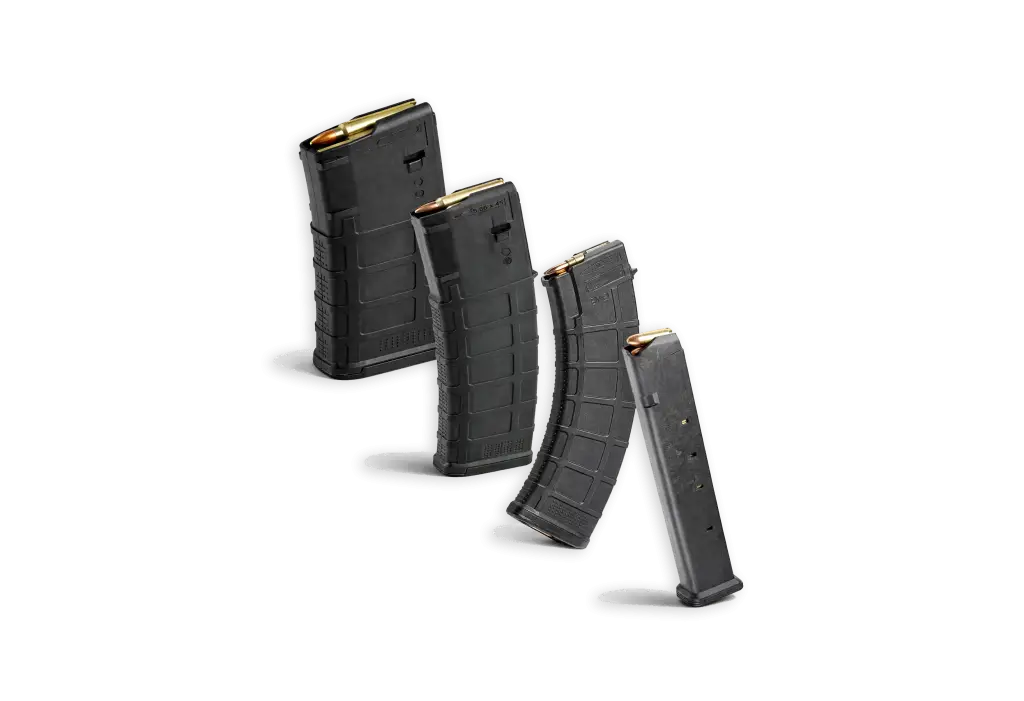
Magazines remain among the most commonly purchased AR-15 accessories. Owners frequently purchase additional magazines for recreational shooting, training, competition, collection organization, and replacement of worn equipment.
Common capacities include:
- 5-round magazines.
- 10-round magazines.
- 20-round magazines.
- 30-round magazines.
- 40-round magazines.
Availability and lawful capacity depend on jurisdiction. Owners must comply with all applicable laws.
Popular magazine materials include durable plastic, aluminum, and steel. Magpul’s PMAG 30 AR/M4 GEN M3 continues to occupy a prominent position in the company’s current AR accessory lineup. :contentReference[oaicite:9]{index=9}
Compatibility must be confirmed by caliber, receiver design, magazine model, and manufacturer recommendation.
20. Magazine Couplers and Identification Accessories
Some owners use magazine identification bands, floorplate markings, or color-coded components to help distinguish between different calibers or ammunition types.
This can be especially useful for collections containing rifles chambered in cartridges that use similarly shaped magazines.
Any identification system should be clear, consistent, and used alongside careful verification of the cartridge and chamber marking.
21. Bipods
Bipods remain popular on precision-oriented AR-15 rifles, hunting configurations where lawful, and rifles used for supported recreational shooting.
Modern bipods may attach through:
- M-LOK slots.
- Picatinny rails.
- Sling-swivel studs.
- Proprietary mounting systems.
Features commonly include adjustable leg height, cant adjustment, pivoting, replaceable feet, and quick-detach mounts.
Because bipods add front-end weight, many owners choose lightweight designs or remove them when they are not needed.
22. Rail Covers and Grip Panels
Rail covers protect unused mounting surfaces while changing the texture and appearance of the handguard.
They are available in:
- Textured durable plastic.
- Rubber.
- Aluminum.
- Heat-resistant materials.
- Low-profile M-LOK panels.
Rail covers also allow owners to add color accents without changing the entire handguard. Black, tan, green, gray, red, orange, white, pink, and camouflage patterns are commonly available throughout the accessory market.
23. Muzzle Devices
Muzzle devices remain a major customization category. Common types include flash hiders, compensators, brakes, thread protectors, and manufacturer-specific mounting devices.
Each type is designed around different priorities, and performance can vary considerably by model. Buyers should verify:
- Thread pattern.
- Caliber compatibility.
- Barrel diameter.
- Manufacturer instructions.
- Applicable laws.
Suppressor-ready integration continues to influence new AR configurations and related mounting products in 2026, particularly among manufacturers developing complete rifle and accessory ecosystems. :contentReference[oaicite:10]{index=10}
24. Suppressor-Compatible Accessories
Where lawful, suppressor-compatible components remain a growing area of the AR accessory market. These may include compatible muzzle devices, charging handles, gas-system components, handguards, and heat-resistant accessories.
Suppressors are regulated items, and ownership requirements vary. Owners must follow all federal, state, and local laws as well as the instructions provided by the rifle, suppressor, and accessory manufacturers.
Accessory compatibility is especially important because muzzle-device alignment, barrel threading, handguard clearance, and mounting standards can differ.
25. Adjustable Gas Components
Adjustable gas components are commonly discussed for specialized rifle configurations. They are intended to allow changes to the amount of gas used to operate the action.
Because changes to the operating system can affect reliability, wear, and compatibility, owners should follow manufacturer recommendations and seek assistance from a qualified professional when necessary.
These components are generally more specialized than optics, magazines, grips, or slings and may not be appropriate for every rifle.
26. Enhanced Bolt Carrier Groups
Bolt carrier groups remain another frequently researched AR-15 component. The market includes standard models as well as products featuring different coatings, materials, weights, and manufacturing specifications.
Buyers commonly compare:
- Carrier profile.
- Bolt material.
- Testing and inspection claims.
- Surface coating.
- Manufacturer reputation.
- Caliber compatibility.
Current 2026 AR buyer guides continue to identify the bolt carrier group as a major upgrade and replacement-parts category. :contentReference[oaicite:11]{index=11}
Owners should select components that meet the rifle manufacturer’s specifications rather than choosing solely by appearance or coating.
27. Range Bags and Rifle Cases
Not every useful AR-15 accessory attaches directly to the rifle. Soft cases, hard cases, range bags, magazine pouches, and protective covers remain important for lawful transportation and organization.
Buyers should consider:
- Internal length.
- Padding.
- Lock compatibility.
- Magazine storage.
- Optic clearance.
- Weather resistance.
- Local transportation requirements.
A case should fit the complete rifle, including any optic, stock, muzzle device, or mounted accessory.
28. Cleaning and Maintenance Equipment
Cleaning equipment remains one of the most practical accessory categories. A basic maintenance kit may include:
- Cleaning rod or pull-through system.
- Bore brushes.
- Chamber brush.
- Patches.
- Cleaning cloths.
- Appropriate solvent.
- Appropriate lubricant.
- Small inspection tools.
Owners should use products compatible with the rifle’s materials and finishes and follow the maintenance procedures in the owner’s manual.
Accessory roundups for 2026 continue to include cleaning kits among the practical items AR-15 owners regularly purchase. :contentReference[oaicite:12]{index=12}
29. Magazine-Compatible Rifle Stands
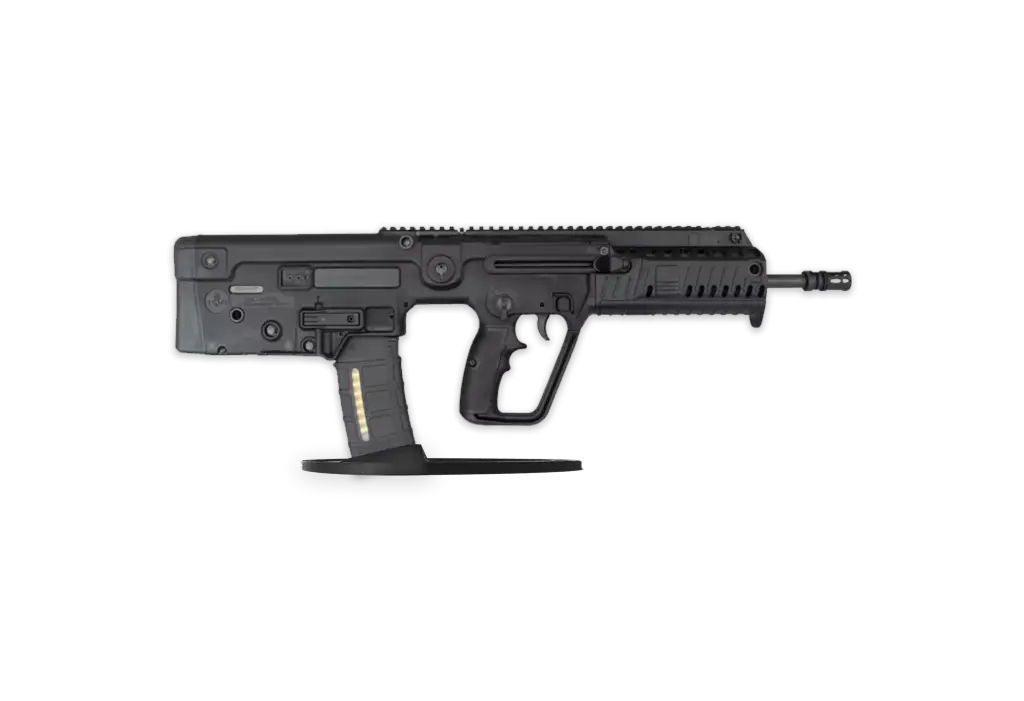
One of the most useful accessories for collectors is a magazine-compatible rifle stand. Unlike accessories intended for use while shooting, a rifle stand helps organize and present the rifle when it is being displayed.
GunCreed stands use a compatible magazine to support the rifle through the magazine well. This approach leaves the stock, handguard, barrel, optic, and other upgrades visible.
Benefits include:
- Clean upright presentation.
- Reduced collection clutter.
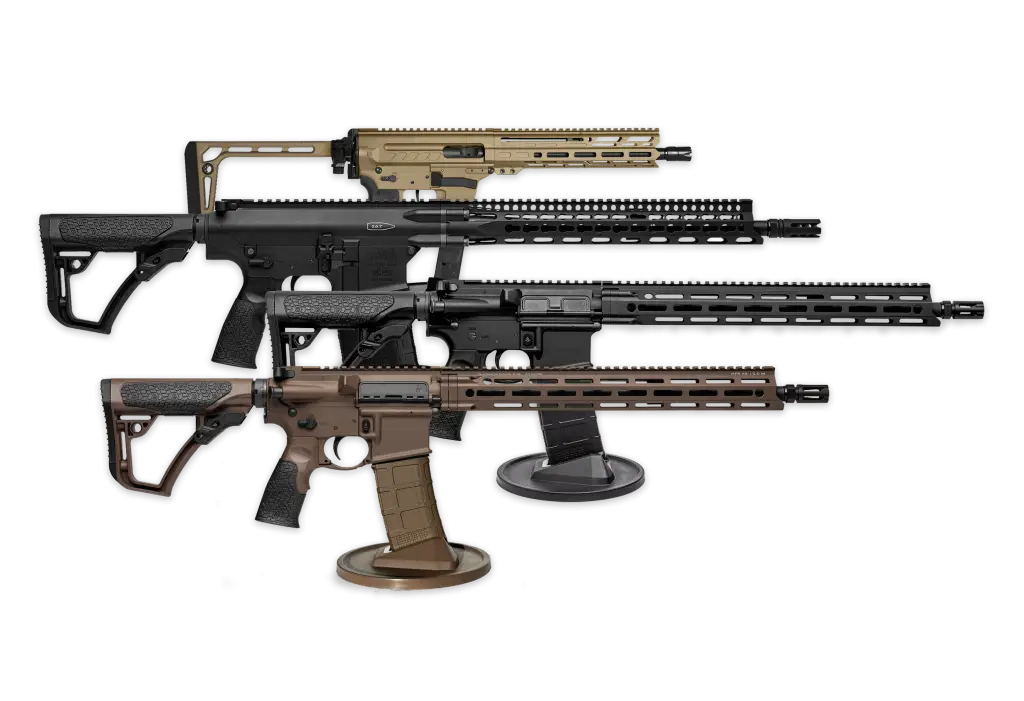
- Easy comparison of multiple builds.
- Minimal obstruction of accessories.
- Professional product photography.
- Improved organization.
A compatible gun stand is particularly valuable for rifles equipped with optics, bipods, lights, custom furniture, or unique color combinations because the complete configuration remains visible.
30. Color-Matched Display Accessories
Personalization is not limited to rifle-mounted components. Many collectors coordinate their display stands with the furniture or accent colors used on their rifles.
Popular display colors include:
- Black.
- Army Tan or FDE.
- Army Green.
- White.
- Safety Orange.
- Cherry Red.
- Pink.
- Light Pink.
A coordinated rifle and stand can create a cleaner presentation for a collection room, retail display, photography setup, trade-show booth, or product showcase.
How to Choose the Best AR-15 Accessories
The most popular accessory is not automatically the best one for every rifle. Before buying, owners should consider several factors.
Intended Use
A recreational range rifle may benefit from a simple red dot, sling, magazines, and stand. A precision-oriented rifle may be better suited to a magnified optic, bipod, and adjustable stock.
Compatibility
AR-style components are not always universally interchangeable. Verify the receiver type, rail system, caliber, gas system, thread pattern, buffer system, and manufacturer specifications.
Weight
Small accessories can add significant combined weight. Owners should consider the complete rifle rather than evaluating each attachment separately.
Quality
Reliable accessories from established manufacturers may provide better materials, clearer specifications, warranty support, and replacement parts.
Legal Requirements
Some accessories or configurations may be regulated differently depending on jurisdiction. Owners must understand and follow all applicable laws.
Actual Need
A clean, dependable rifle with a quality optic and sling may be more useful than a rifle covered in unnecessary attachments. Accessories should serve a clear purpose or contribute meaningfully to the owner’s collection.
Popular AR-15 Accessory Trends in 2026
Several broad trends define the AR-15 accessory market in 2026.
Lightweight Construction
Manufacturers continue reducing unnecessary material while preserving strength and function. Lightweight handguards, compact mounts, short grips, and smaller control accessories remain popular.
Cleaner Integration
Owners increasingly prefer accessories that fit closely against the rifle. Low-profile light mounts, integrated cable management, compact sling attachments, and slim M-LOK components create a cleaner overall configuration.
Modular Systems
Products designed to work together as part of a complete ecosystem are becoming increasingly common. Mounts, switches, lights, hand stops, slings, and optics are often selected as coordinated systems rather than unrelated parts.
Versatile Optics
Red dots remain popular for simplicity, while LPVOs continue attracting owners who want variable magnification. Prism sights and red-dot magnifiers provide additional options between those two categories.
Improved Ergonomics
More vertical pistol grips, refined stock shapes, ambidextrous controls, and compact hand stops allow owners to personalize how the rifle feels without completely changing its appearance.
Display and Organization
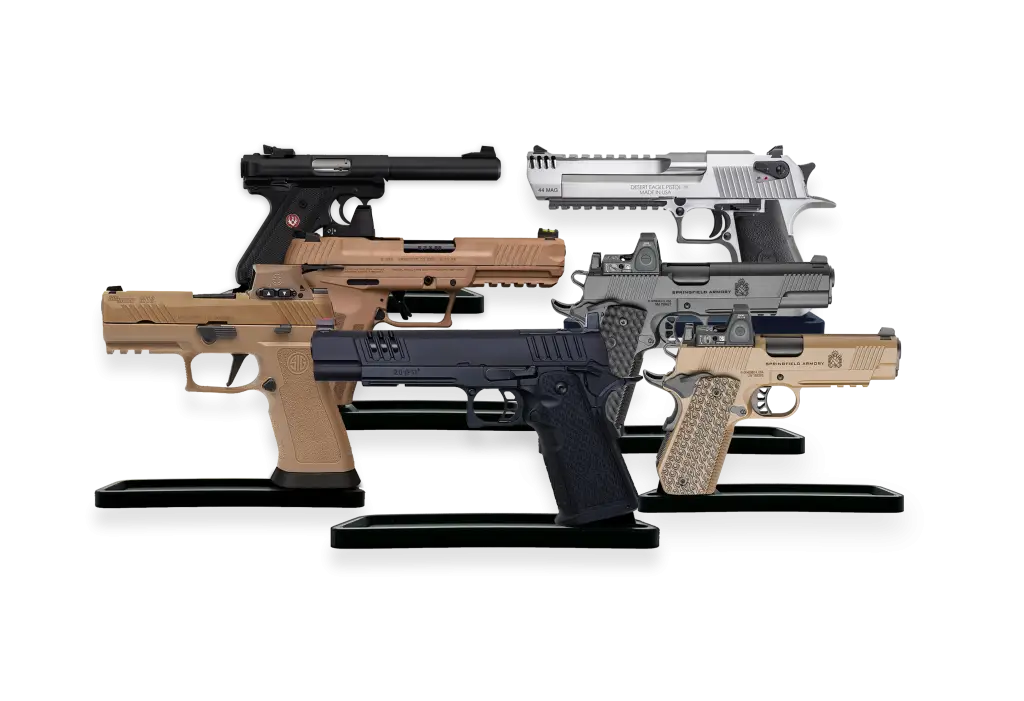
As collections grow, owners are paying more attention to how rifles are stored, organized, photographed, and displayed. A dedicated rifle stand turns an accessorized AR-15 into an organized centerpiece rather than leaving it hidden in a case or leaning against another surface.
Accessories Beginners Should Consider First
A new AR-15 owner does not need to purchase every available upgrade. A practical starting group may include:
- A dependable optic or appropriate iron sights.
- Compatible magazines.
- A quality sling.
- A protective case.
- Basic cleaning equipment.
- A stable display or storage solution.
After becoming familiar with the rifle, owners can decide whether they would benefit from a different stock, grip, light, trigger, handguard attachment, or magnification system.
Beginning with practical accessories helps prevent unnecessary spending and keeps the rifle balanced.
Accessories Collectors Often Prioritize
Collectors may have different priorities than owners configuring a single general-purpose rifle. They often focus on accessories that create a specific theme or distinguish one rifle from another.
Popular collection themes include:
- Retro carrying-handle builds.
- Modern red-dot carbines.
- LPVO-equipped rifles.
- Precision-style builds.
- Lightweight configurations.
- Competition-inspired rifles.
- Color-matched builds.
- Different caliber configurations.
Using consistent gun stands allows the differences between each rifle to remain visible while giving the entire collection a unified presentation.
Why GunCreed Stands Complement AR-15 Accessories
Many traditional racks support a rifle by contacting the barrel, handguard, stock, or optic area. That can cover the very accessories an owner wants to display.
GunCreed magazine-compatible rifle stands support an appropriate rifle through a compatible magazine. This leaves the major exterior components visible, including:
- Optics.
- Stocks.
- Grips.
- Handguards.
- Rail covers.
- Lights.
- Bipods.
- Charging handles.
- Custom finishes.
The result is a clean display that highlights the work and personal choices invested in each configuration.
Final Thoughts
The most popular AR-15 accessories in 2026 reflect the platform’s continuing evolution. Red dot sights, LPVOs, M-LOK attachments, adjustable stocks, ergonomic grips, slings, lights, magazines, upgraded triggers, and compact control accessories remain major categories.
Current trends favor equipment that is lighter, more modular, easier to integrate, and less bulky. Instead of adding attachments simply because space is available, many owners are creating cleaner configurations built around a specific purpose.
The right accessories depend on the rifle, the owner, the intended lawful application, and manufacturer compatibility. Starting with practical additions and evaluating the rifle as a complete system can help owners avoid unnecessary weight and expense.
Once the rifle is complete, a durable AR15 gun stand provides a professional way to organize and showcase the finished configuration. For owners of larger-frame rifles, a compatible AR10 gun stand offers the same clean presentation while supporting the appropriate magazine platform.