












The AR-15 has become one of the most recognizable and customizable modern sporting rifles in America. One of the primary reasons for its popularity is its modular design, allowing owners to replace, upgrade, and personalize nearly every major component. Whether you’re a first-time owner trying to understand the platform or an experienced enthusiast looking to expand your knowledge, understanding AR-15 parts is one of the best ways to appreciate what makes this rifle so versatile.
Unlike many traditional rifle designs, the AR-15 was engineered around interchangeable components. This allows manufacturers to produce compatible parts while giving owners tremendous flexibility when selecting accessories and upgrades. From the upper receiver and barrel to the stock and bolt carrier group, every component plays an important role in the rifle’s overall design.
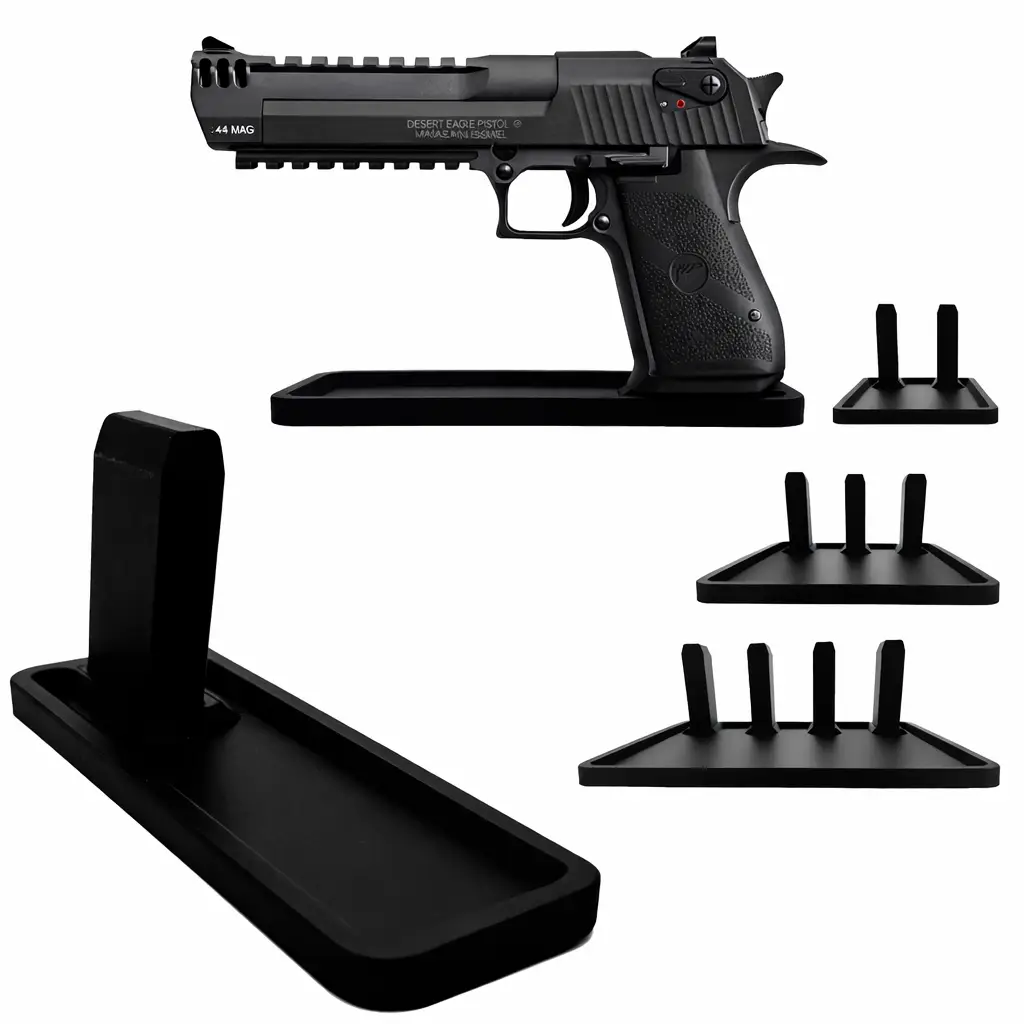
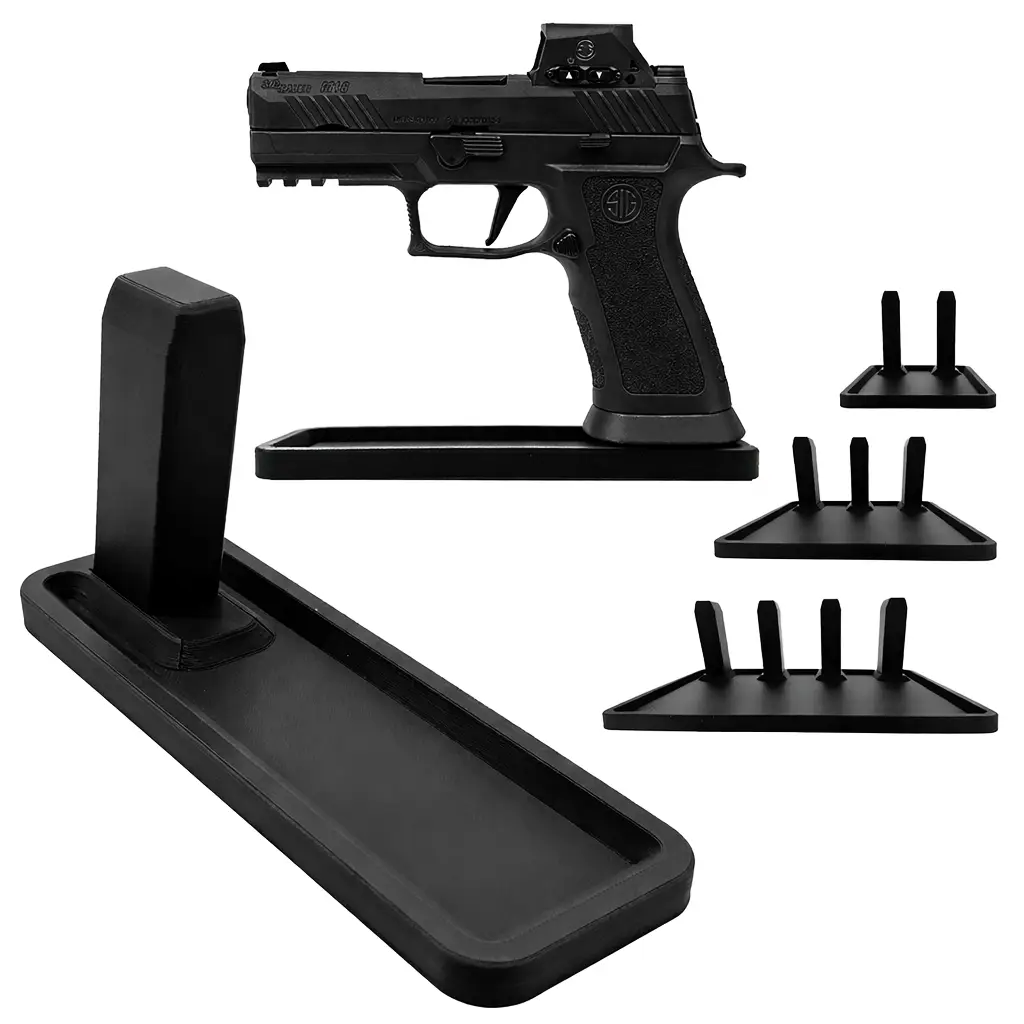
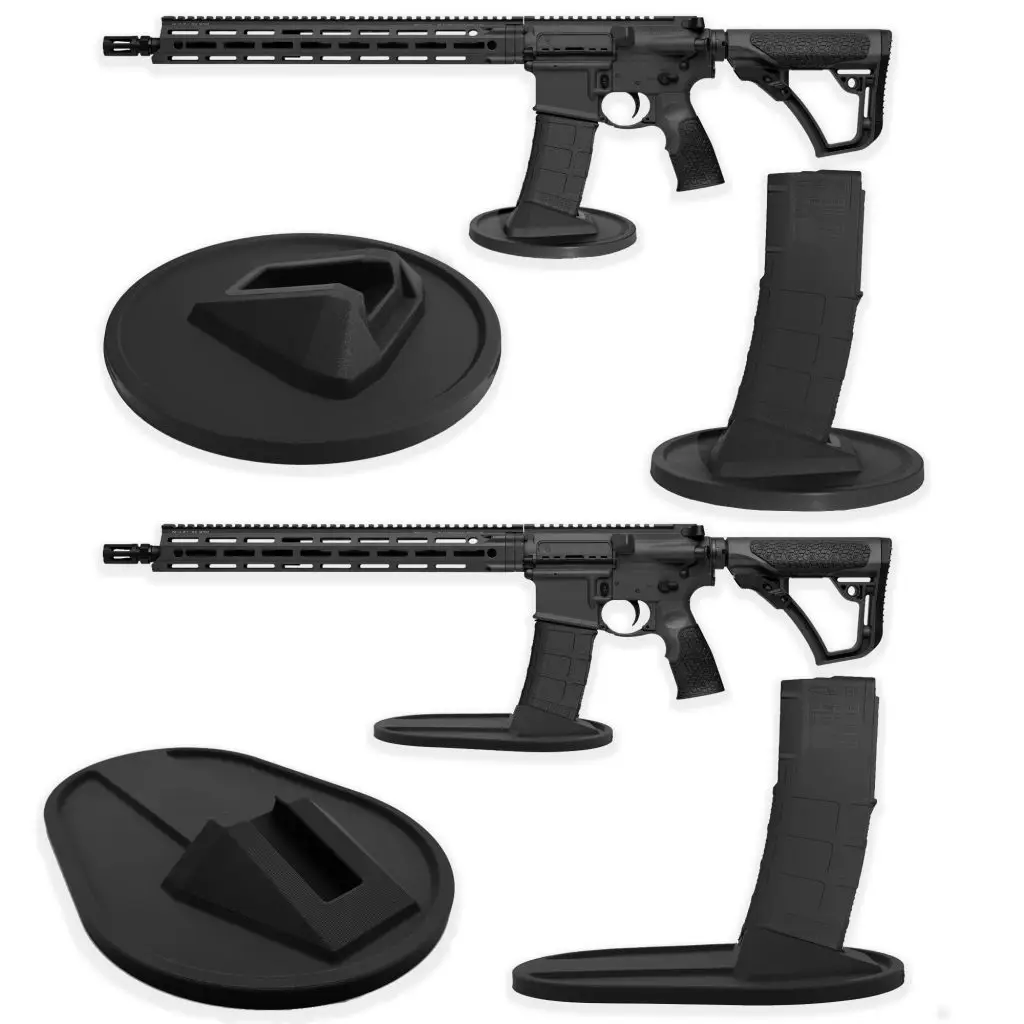
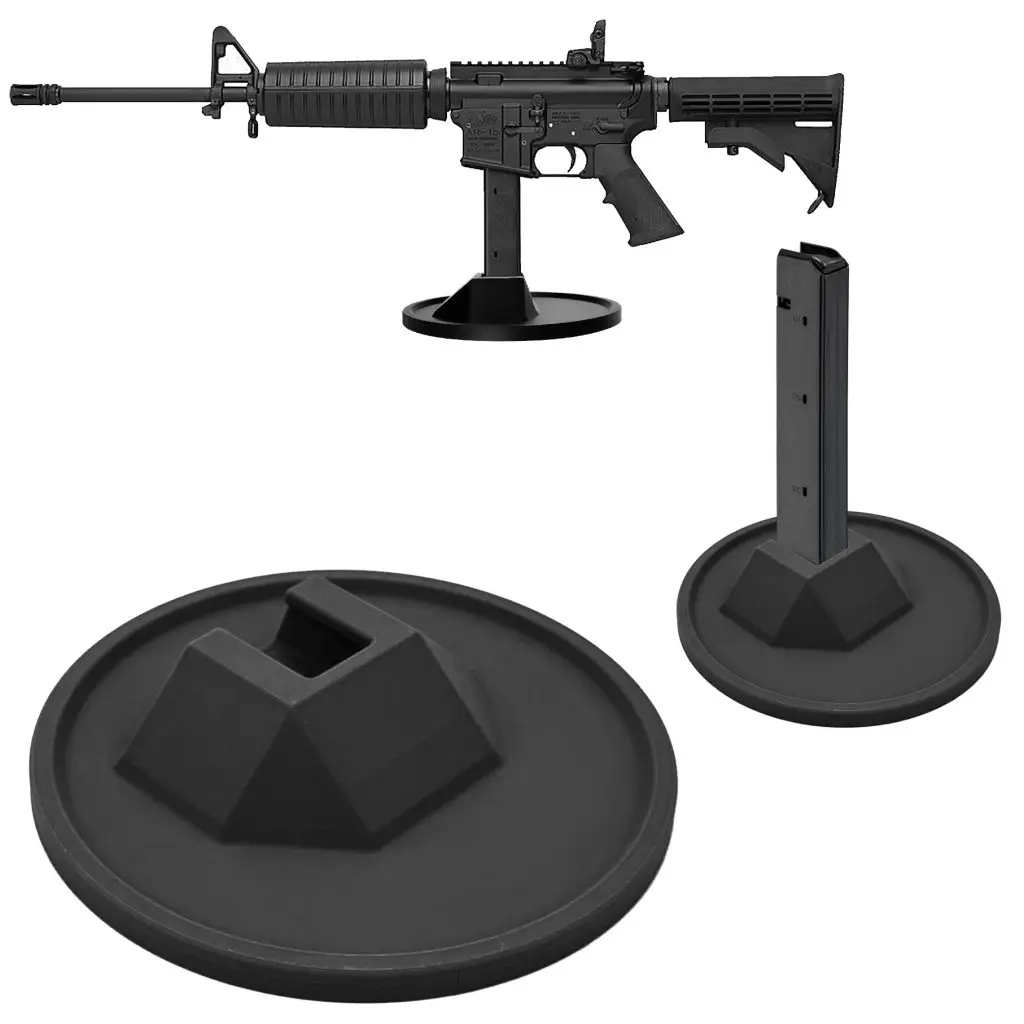
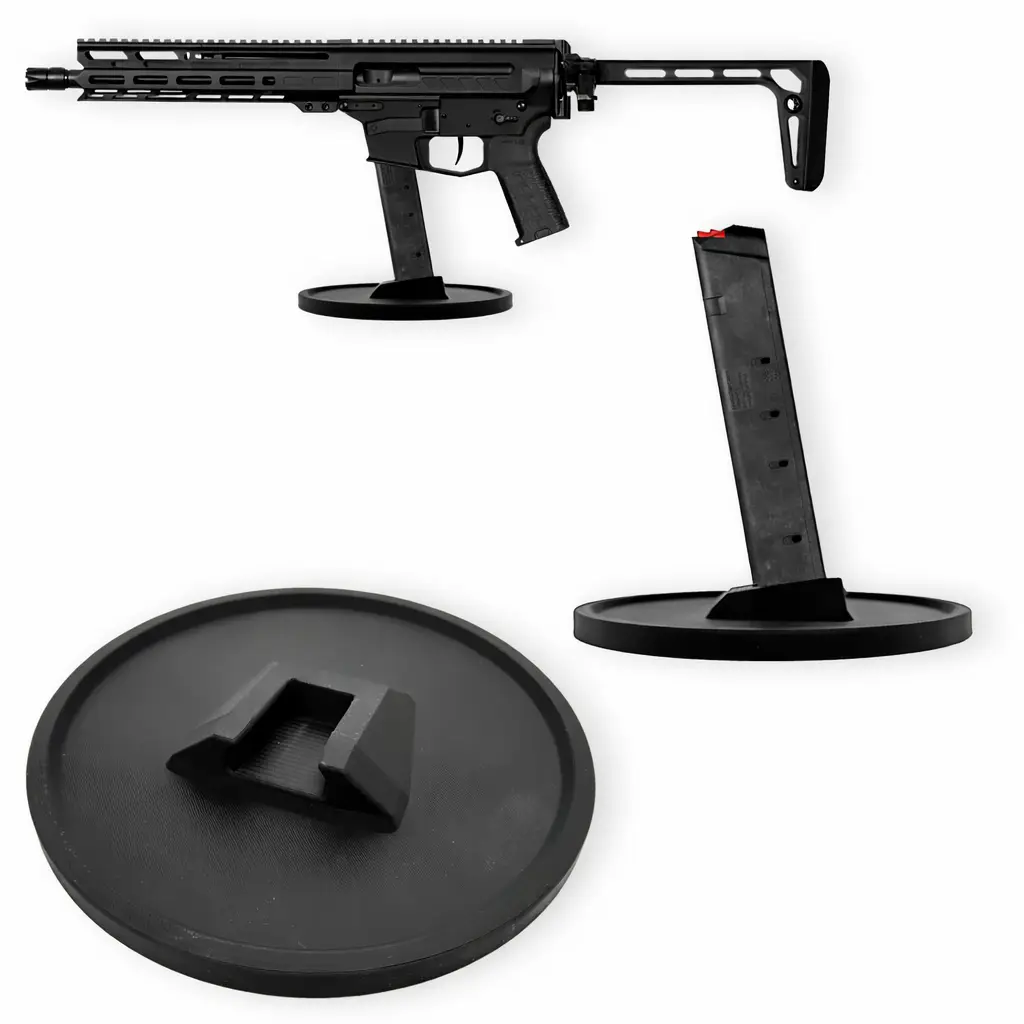
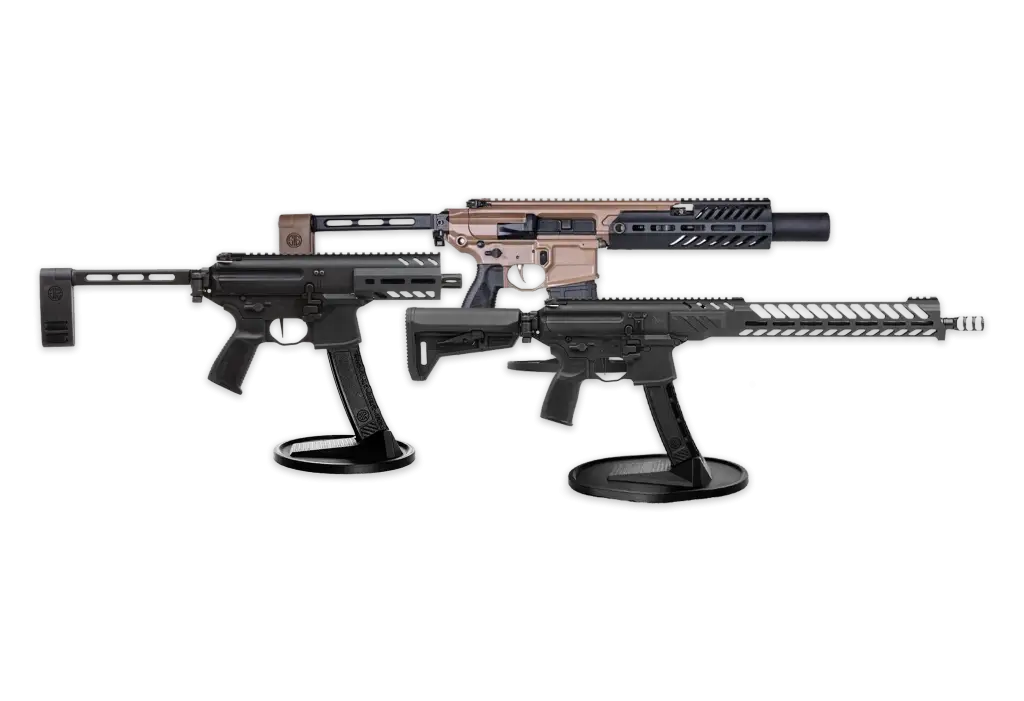
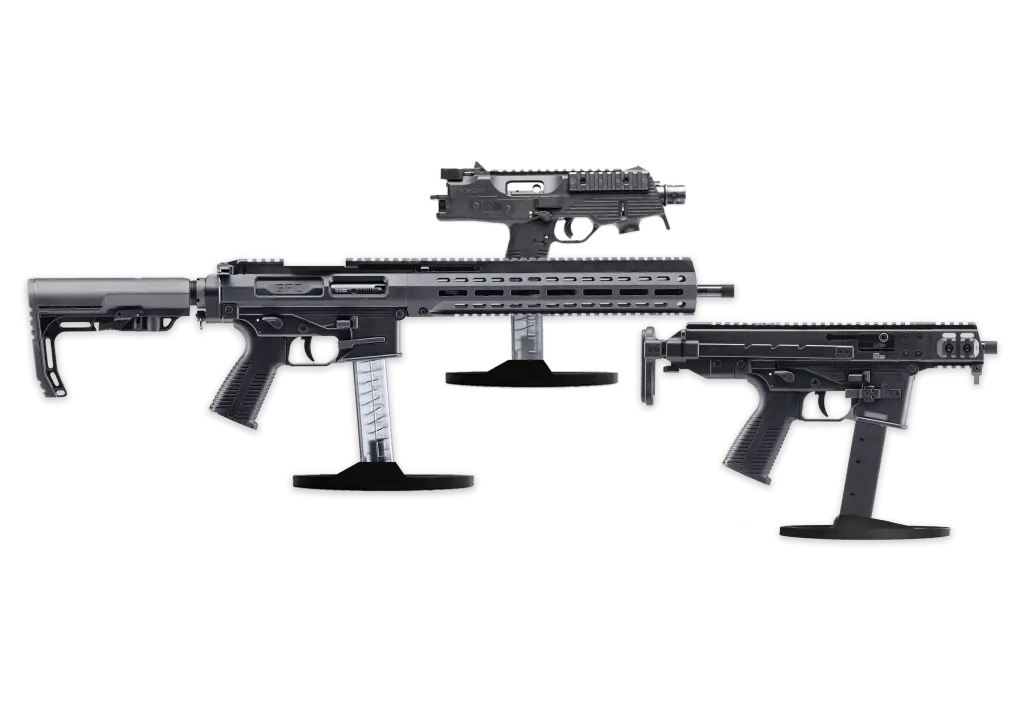
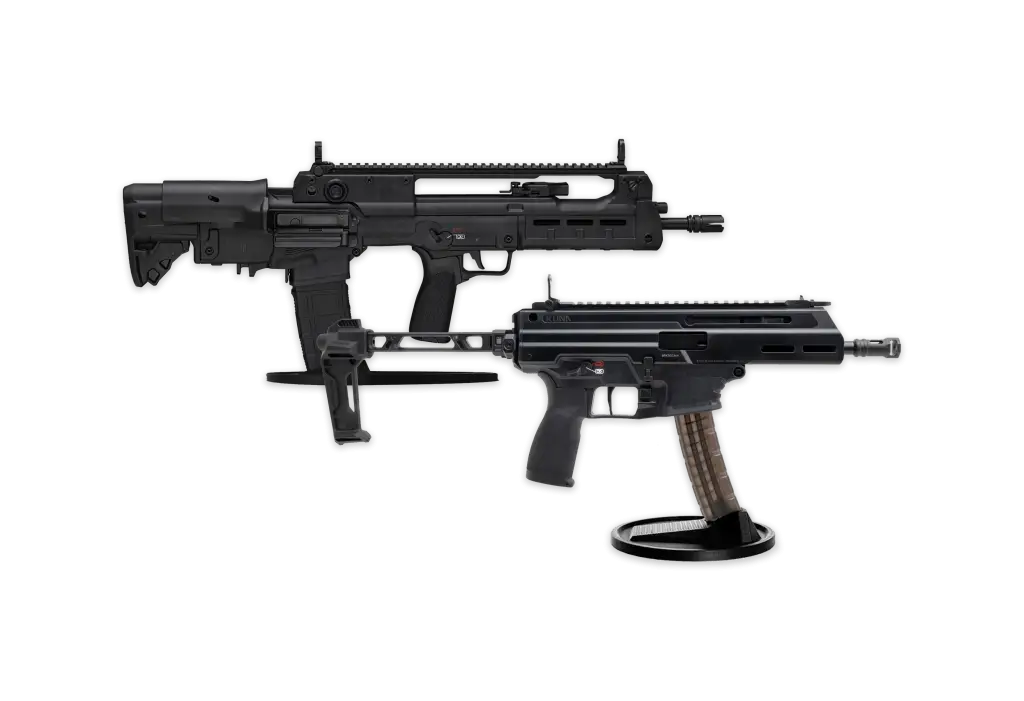
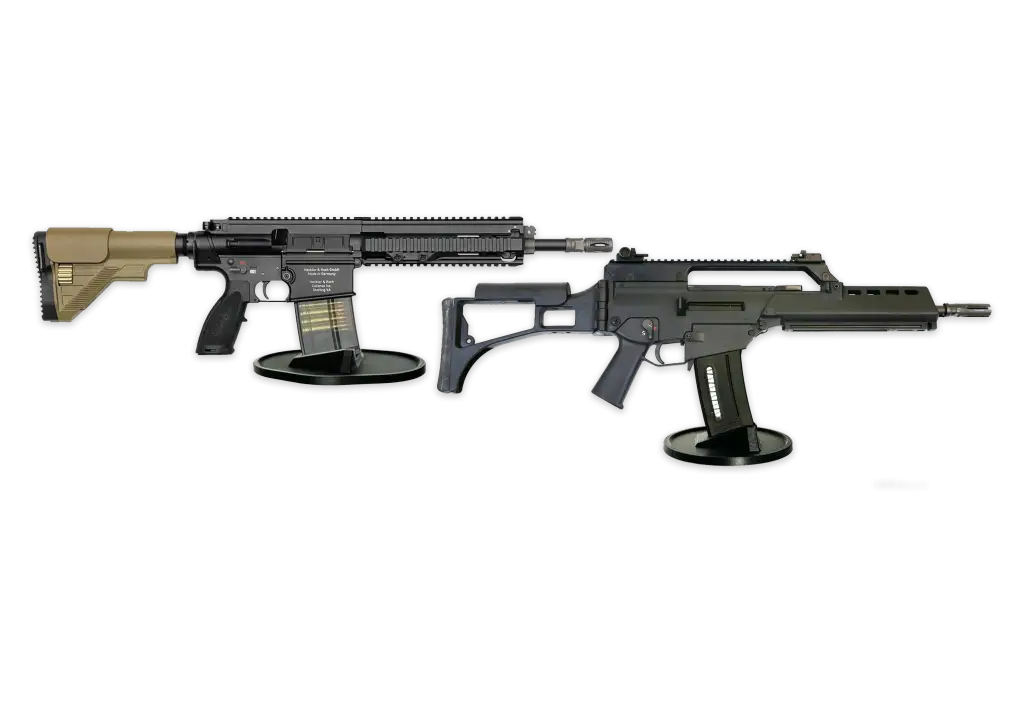
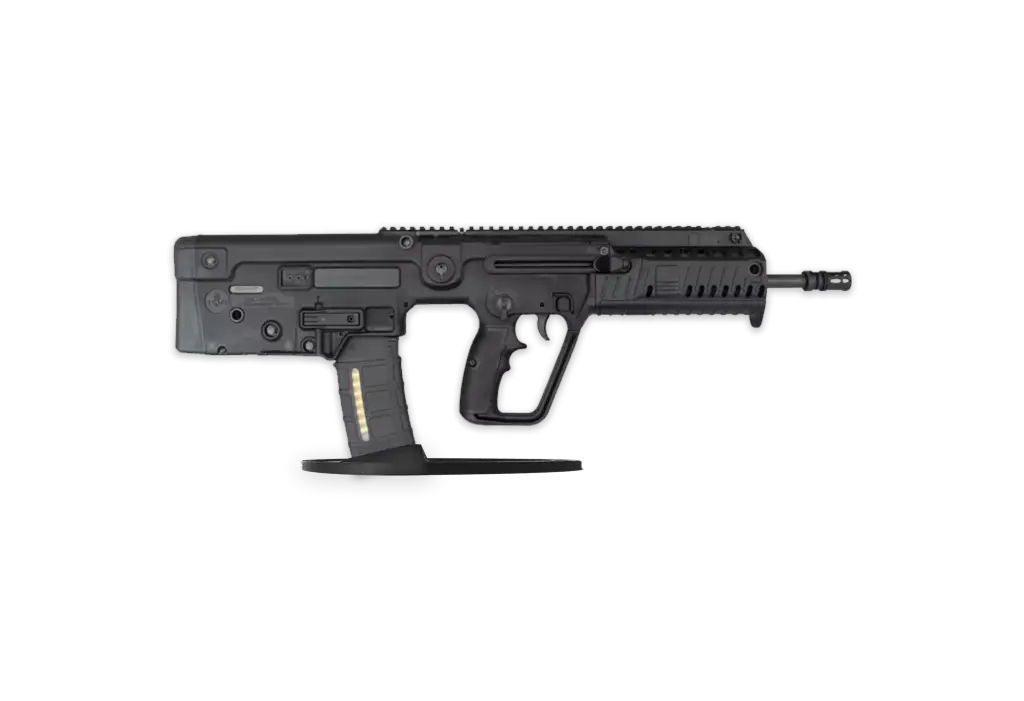
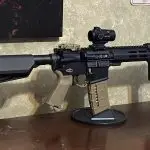
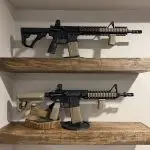
Many enthusiasts who own multiple AR-15s also invest in a quality AR15 gun stand to keep their rifles organized, protected, and displayed professionally.
Why Understanding AR-15 Parts Is Important
Learning about AR-15 parts helps owners better understand how the platform is assembled and why it has become one of the largest aftermarket ecosystems in the sporting rifle industry. Familiarity with each component also makes it easier to select compatible accessories, identify replacement parts, and perform routine maintenance.
Understanding the platform can help you:
- Identify major components.
- Choose compatible accessories.
- Understand manufacturer terminology.
- Perform routine cleaning and maintenance.
- Build a better understanding of AR-15 design.
Upper Receiver
The upper receiver is the primary housing for several critical AR-15 parts, including the barrel, charging handle, and bolt carrier group. It also serves as the mounting point for optics and sights on many configurations.
Modern upper receivers commonly feature:
- Integrated Picatinny rails
- Forward assist (on many models)
- Ejection port cover
- Compatibility with free-float handguards
The upper receiver is available from dozens of manufacturers, allowing owners to choose different configurations that fit their intended use.
Lower Receiver
The lower receiver houses the magazine well, fire control group, safety selector, grip interface, and stock attachment point. It forms the lower half of the rifle and serves as the foundation for many internal components.
Manufacturers commonly produce:
- Forged lowers
- Billet lowers
- Ambidextrous designs
- Enhanced receiver configurations
Barrel
The barrel is one of the most influential AR-15 parts because it determines the rifle’s overall configuration and handling characteristics. Barrels are available in multiple lengths, profiles, finishes, and materials.
Common barrel options include:
- Government profile
- Lightweight profile
- Heavy profile
- Stainless steel
- Chrome-lined
- Nitride-treated
Many owners enjoy comparing rifles with different barrel configurations while displaying them on a dedicated gun stand.
Handguard
The handguard surrounds the barrel and provides a comfortable gripping surface while also supporting accessory mounting systems.
Today’s handguards frequently include:
- M-LOK attachment slots
- Picatinny rail sections
- Free-float construction
- Lightweight aluminum designs
Because handguards are highly visible, they have become one of the most commonly customized AR-15 parts.
Bolt Carrier Group (BCG)
The bolt carrier group is one of the best-known internal AR-15 components. Manufacturers offer BCGs with different coatings and finishes that emphasize durability, corrosion resistance, and ease of cleaning.
Popular finishes include:
- Phosphate
- Nitride
- Nickel boron
- Chrome
Charging Handle
The charging handle allows manual operation of the rifle’s action. While factory charging handles are functional, many owners choose aftermarket versions featuring larger latches or ambidextrous controls for improved ergonomics.
Stock
The stock provides shoulder support and contributes significantly to comfort. Adjustable stocks allow owners to modify the length of pull to fit different shooters or equipment setups.
Popular stock features include:
- Adjustable length
- Lightweight construction
- Storage compartments
- Rubber butt pads
Buffer System
The buffer system consists of the buffer tube, buffer, and buffer spring. Although located inside the receiver extension, these components are essential to the rifle’s overall operating system and support the adjustable stock on many configurations.
Pistol Grip
The AR-15 pistol grip is one of the easiest parts to replace. Manufacturers produce grips with different textures, angles, and storage options to match various preferences.
Popular grip characteristics include:
- Aggressive texturing
- Vertical grip angles
- Traditional grip angles
- Internal storage compartments
Trigger Group
The trigger group consists of several internal components located inside the lower receiver. Factory rifles generally include standard trigger systems, while numerous aftermarket options are available for owners seeking different trigger characteristics.
When researching trigger components, owners should always verify compatibility with their specific rifle and follow applicable laws regarding firearm parts and accessories.
Safety Selector
The safety selector allows the rifle to be placed into different operating positions depending on its design. Enhanced selectors with ambidextrous controls have become popular upgrades within the AR community.
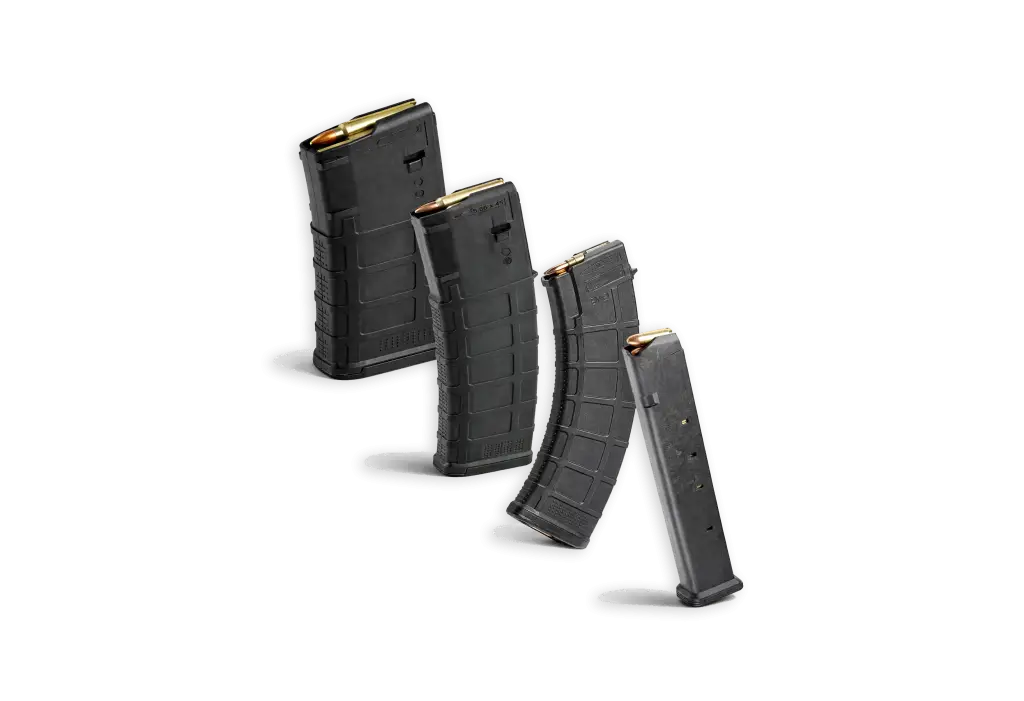
Magazine Well
The magazine well accepts compatible magazines and is integrated into the lower receiver. Standardized dimensions across most AR-15 platforms contribute to broad compatibility with magazines produced by many manufacturers.
Forward Assist
Many AR-15 upper receivers include a forward assist. While not present on every configuration, it remains one of the platform’s most recognizable external features.
Ejection Port Cover
The ejection port cover helps reduce exposure to dust and debris when the rifle is not cycling. It automatically opens during normal operation on many AR-style rifles.
Muzzle Device
The threaded muzzle allows owners to install compatible muzzle devices depending on their rifle configuration. Muzzle devices are available in numerous styles and are among the most visible customization options.
Optics Mounting System
Modern AR-15s commonly feature integrated Picatinny rails or other mounting interfaces that support optics and related accessories.
Popular optic categories include:
- Red dot sights
- Prism optics
- Low-power variable optics
- Traditional scopes
Accessory Mounting Systems
M-LOK and Picatinny rails allow owners to attach a wide variety of compatible accessories.
Common accessories include:
- Weapon lights
- Sling mounts
- Bipods
- Hand stops
- Rail covers
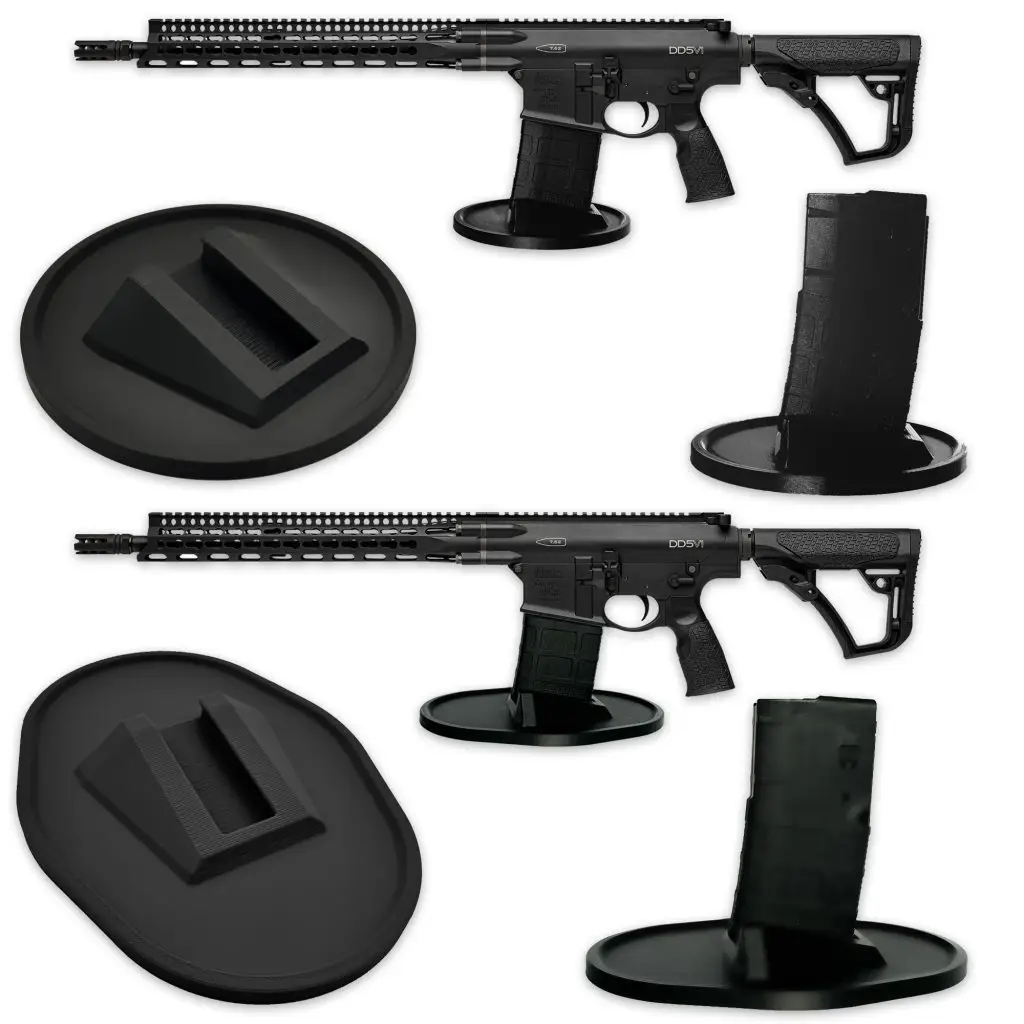
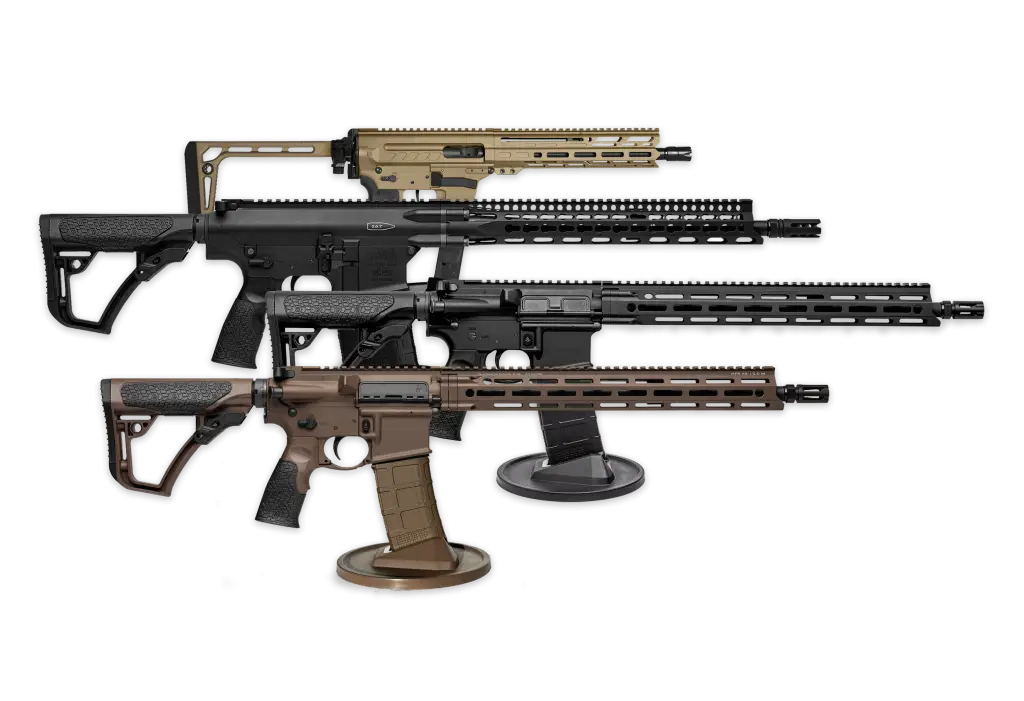
Many enthusiasts keep multiple rifles equipped with different accessories organized using a quality rifle stand that keeps each configuration easily accessible.
The Importance of Compatibility
One of the biggest strengths of the AR-15 is the broad compatibility shared across many manufacturers. Although proprietary designs exist, many components follow established industry standards that allow owners to mix compatible parts from different companies.
This compatibility has helped create one of the largest aftermarket ecosystems in the firearm industry and continues to drive innovation throughout the modern sporting rifle market.
Organizing Your AR-15 Collection
Many enthusiasts eventually own multiple AR-15 rifles configured for different purposes. Proper storage and organization help protect finishes while making each rifle easier to access.
Benefits of organized displays include:
- Reduced clutter
- Protection from accidental damage
- Improved accessibility
- Professional presentation
- Better collection management
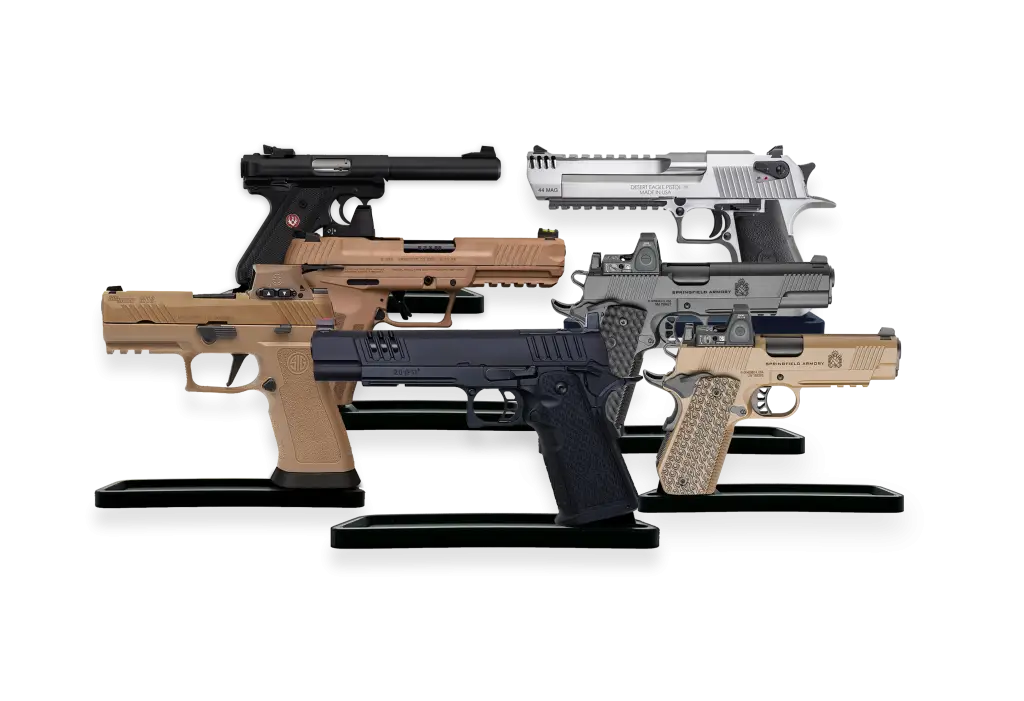
Quality gun stands allow owners to safely display their favorite builds while showcasing different configurations.
Why the AR-15 Continues to Dominate
The AR-15 remains America’s most popular sporting rifle because of its versatility, modularity, and extensive aftermarket support. Owners can personalize nearly every major component, creating rifles tailored to their own preferences while benefiting from one of the largest parts ecosystems in the industry.
This flexibility has made the AR-15 the platform of choice for collectors, enthusiasts, competitive shooters, and recreational owners alike.
Final Thoughts
Understanding AR-15 parts is the first step toward appreciating why this platform has become such a dominant force in the modern sporting rifle market. Every component—from the upper receiver and barrel to the stock, handguard, and bolt carrier group—plays a role in the rifle’s overall design and functionality.
Whether you’re researching your first AR-15 or expanding an existing collection, becoming familiar with these major components will help you better understand the platform and make more informed decisions about compatible accessories and maintenance.
And as your collection continues to grow, investing in a premium AR10 gun stand or rifle display solution can help keep your rifles organized, protected, and ready to showcase.