






When shopping for an AR-15 or researching replacement barrels, you’ll often see specifications such as 1:7, 1:8, or 1:9. These numbers refer to the barrel’s twist rate—a feature that plays an important role in stabilizing a projectile as it travels down the barrel.
Although twist rate is only one factor affecting overall rifle performance, understanding what it means can help you better compare different barrel options and appreciate the engineering behind modern sporting rifles.
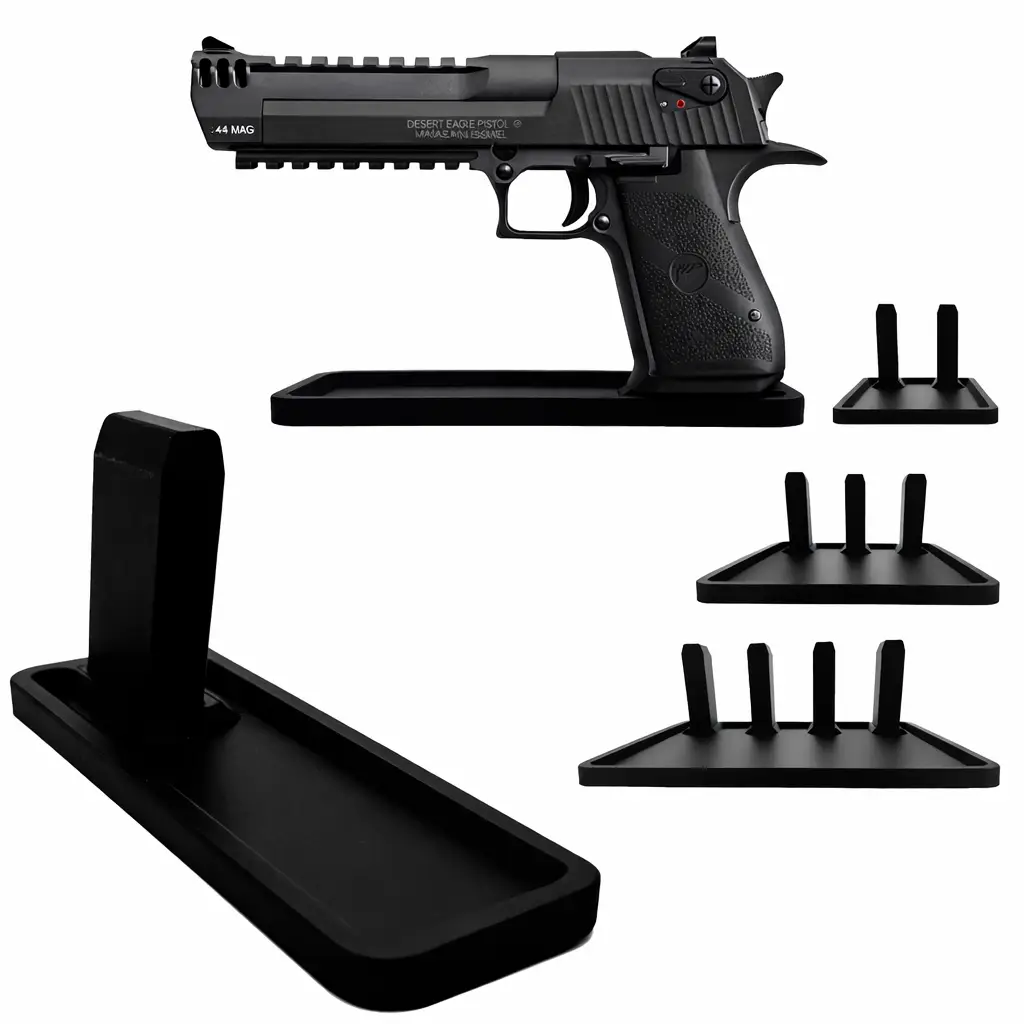
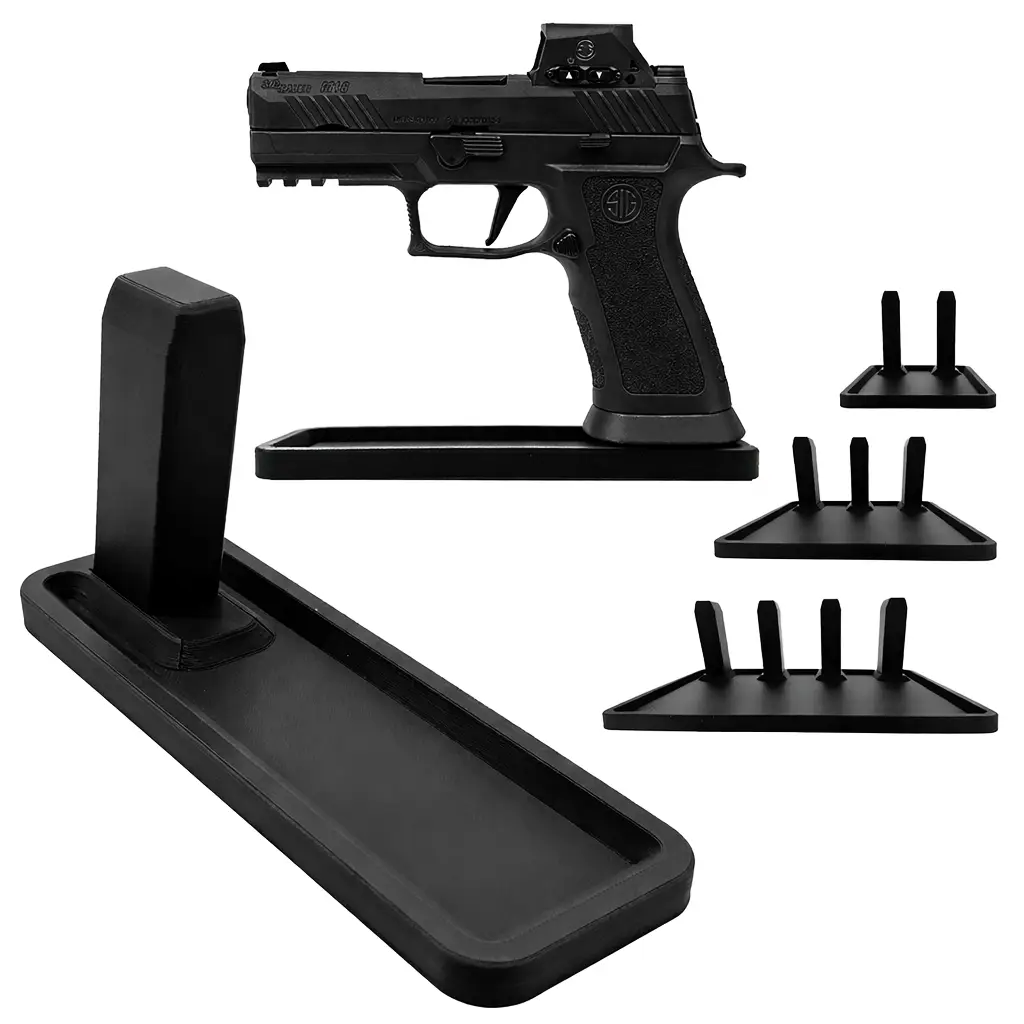
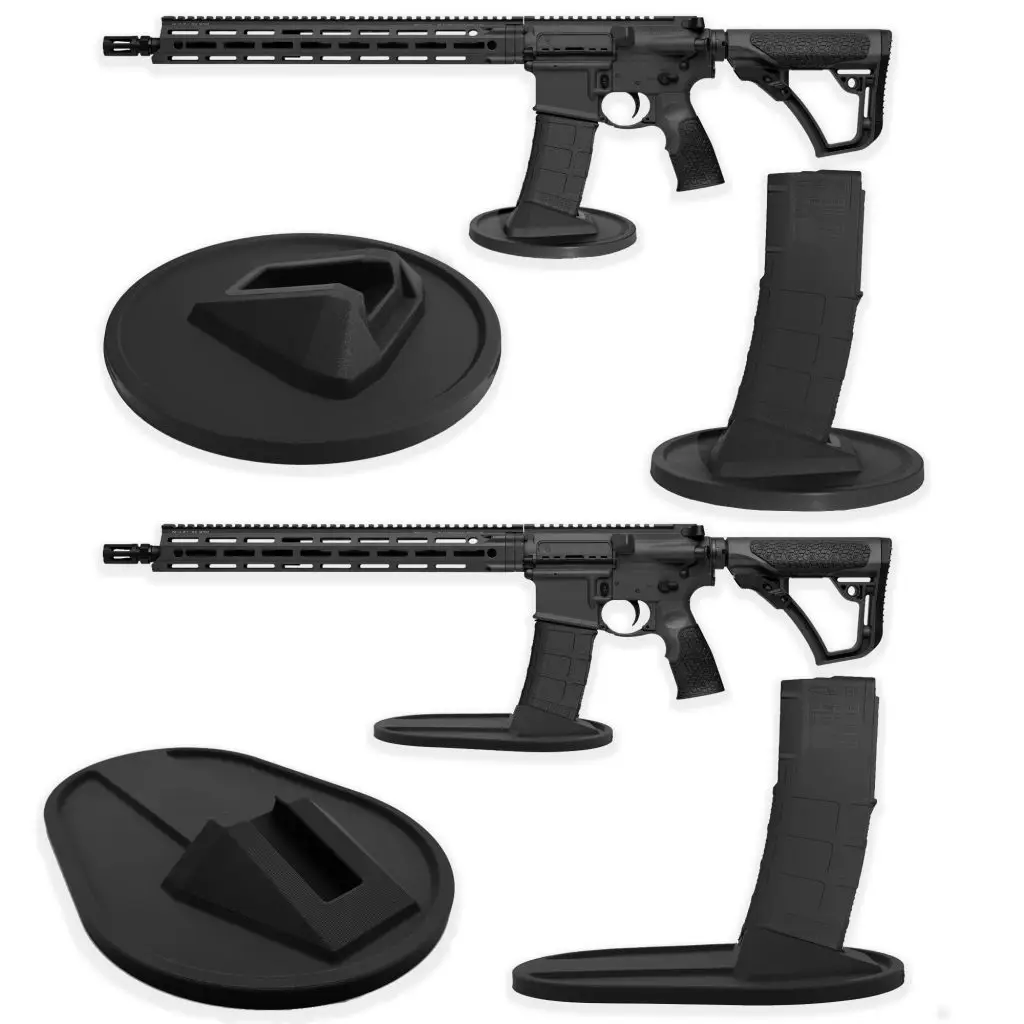
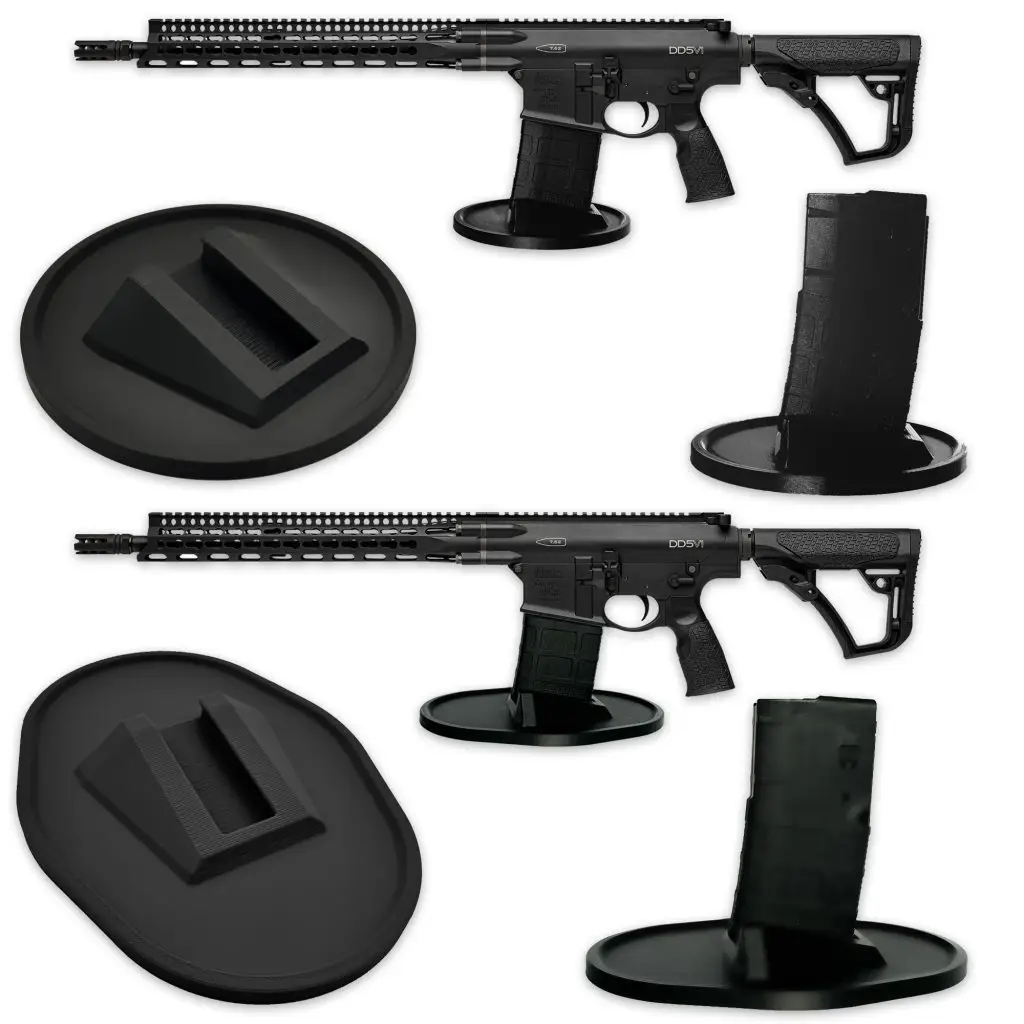
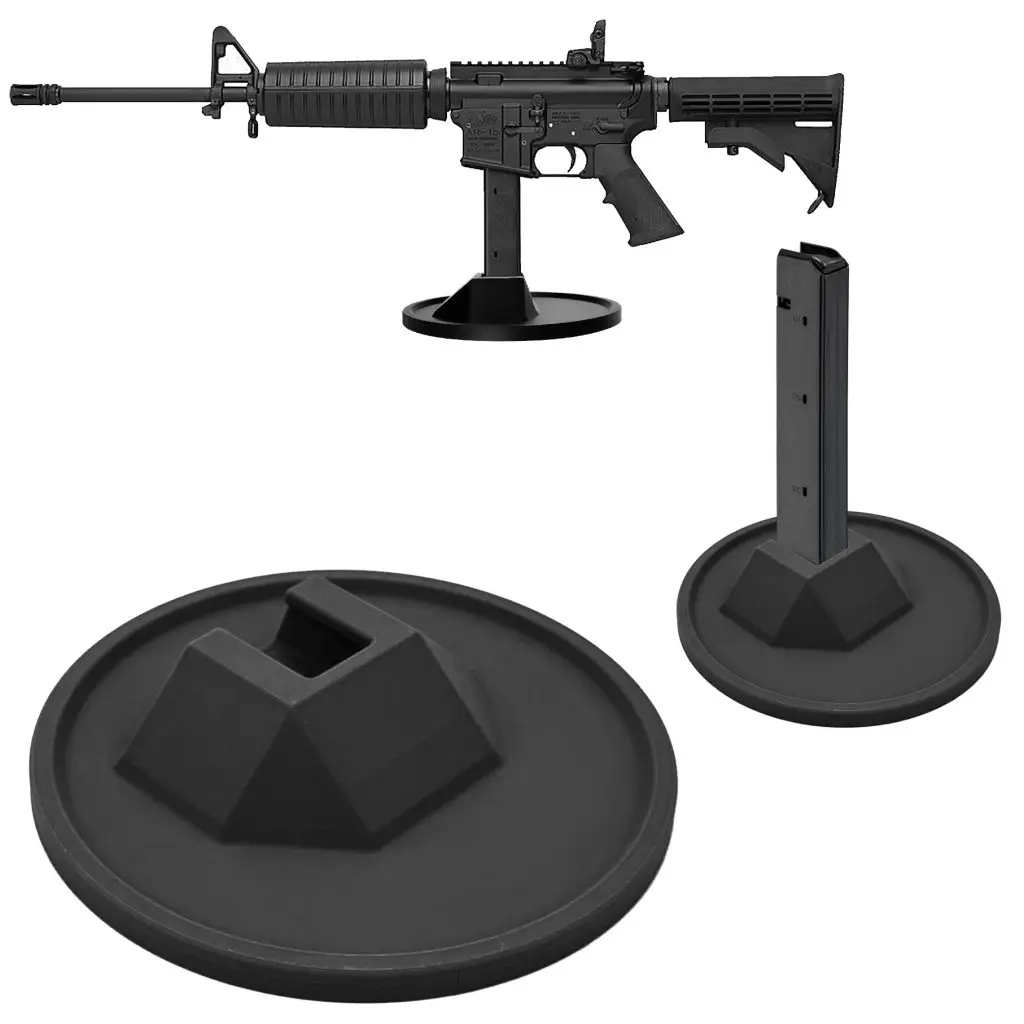
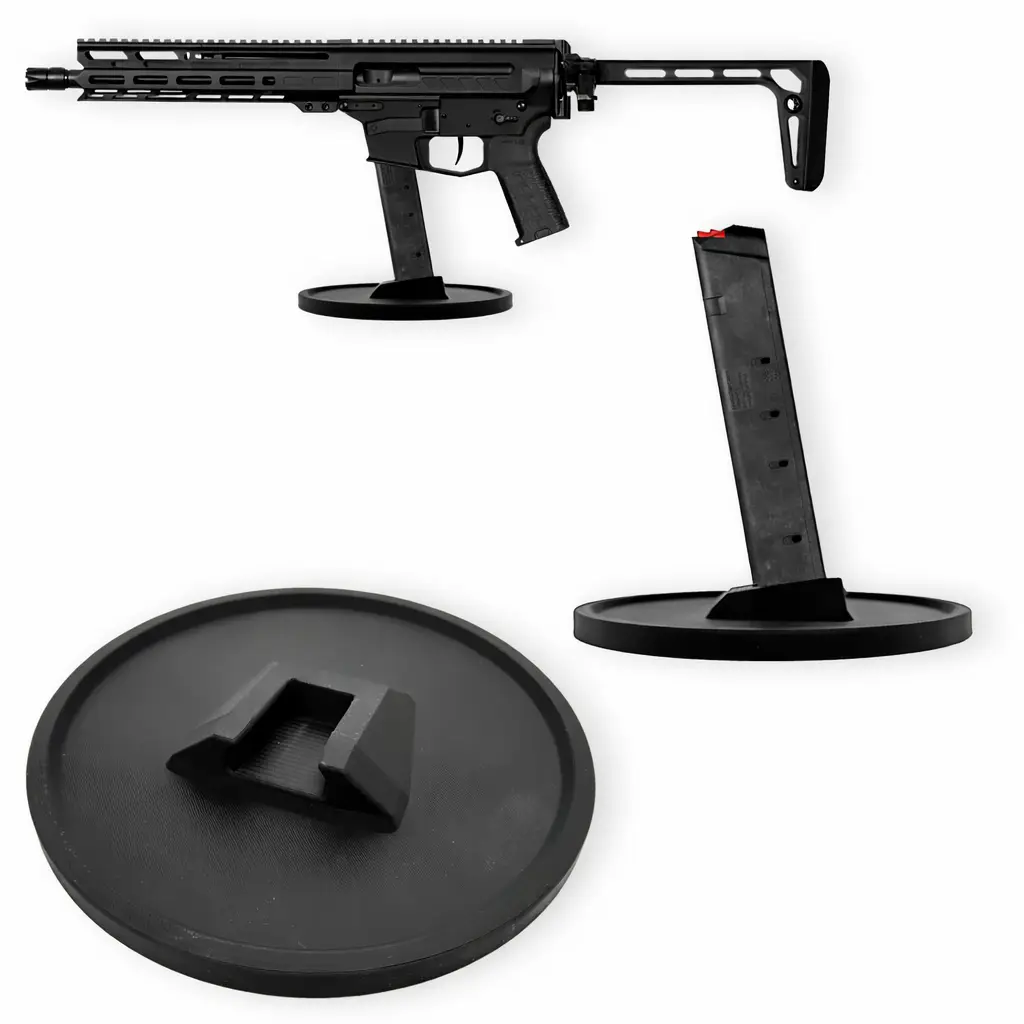
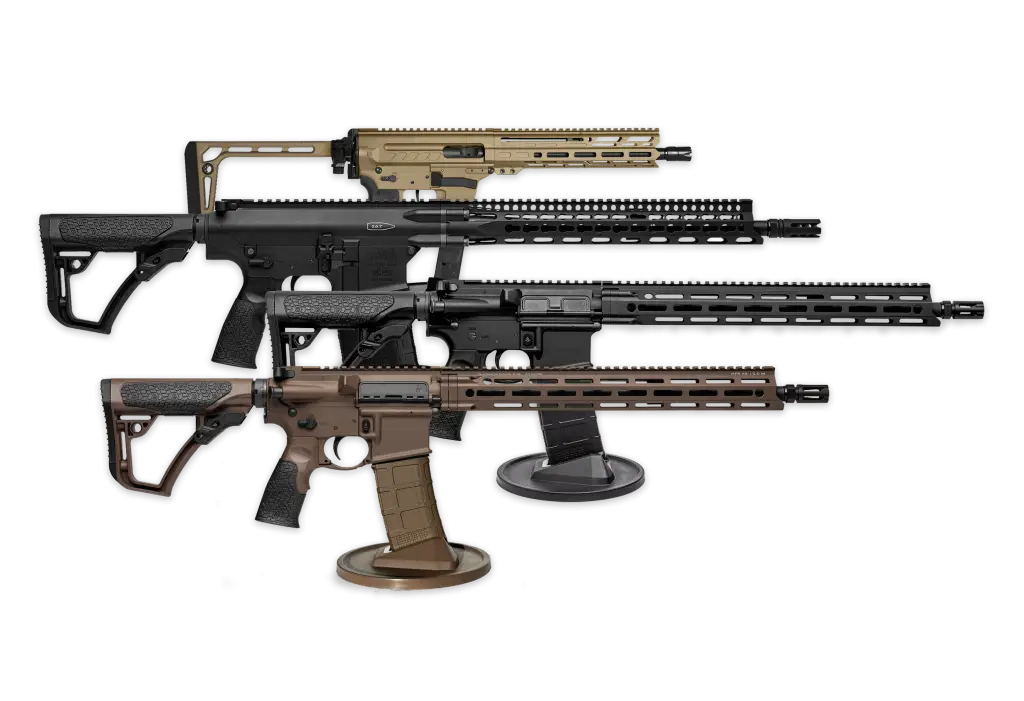
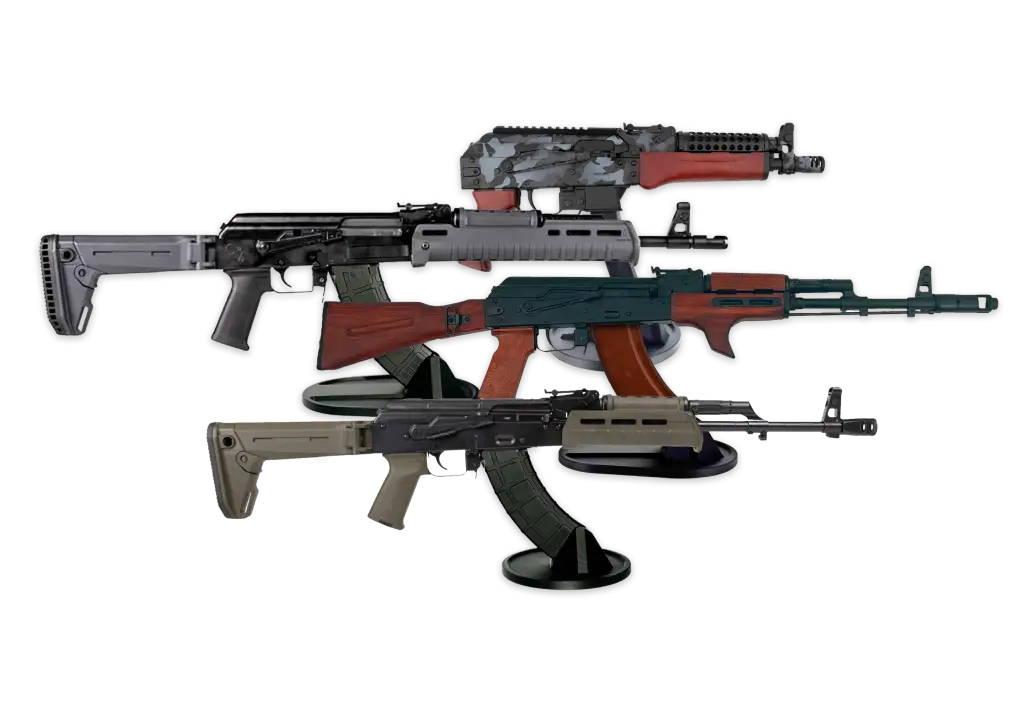
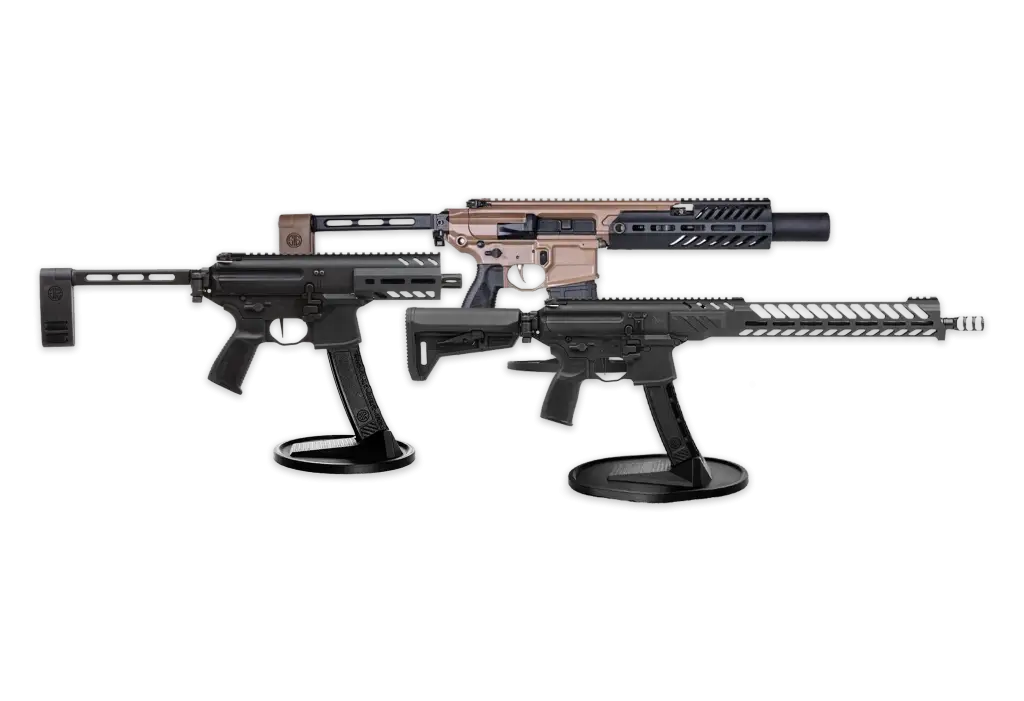
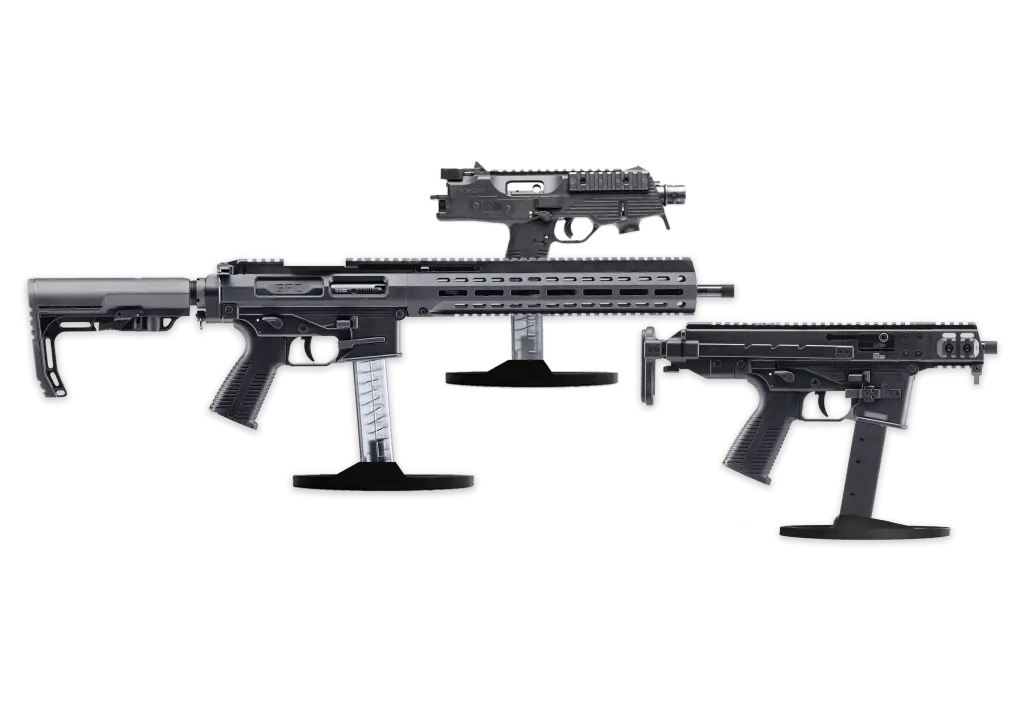
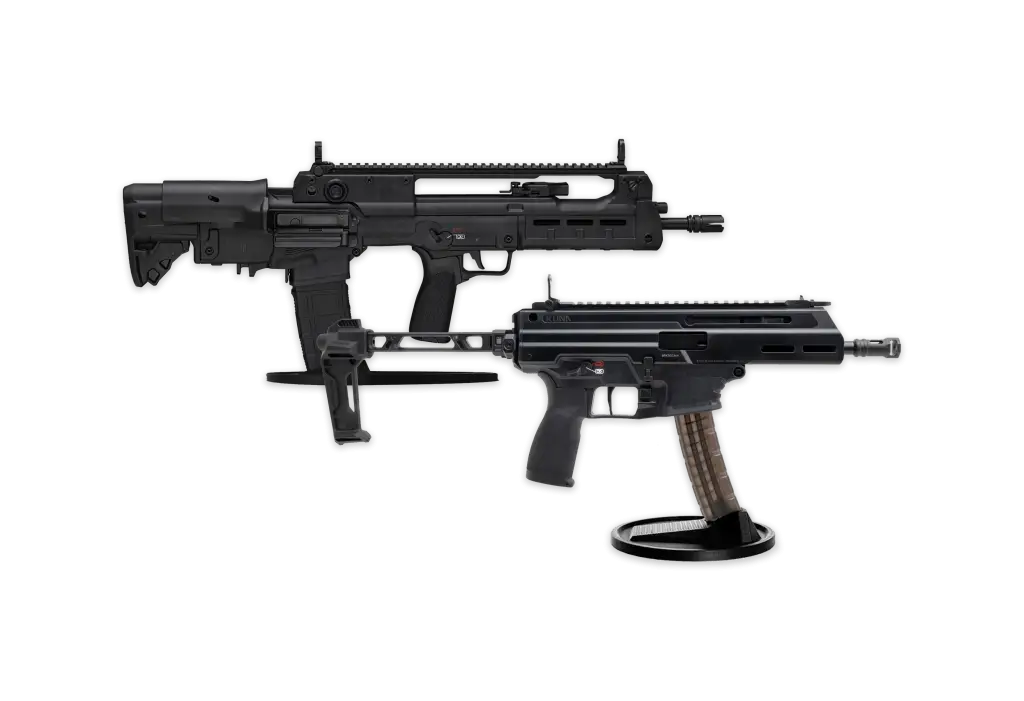
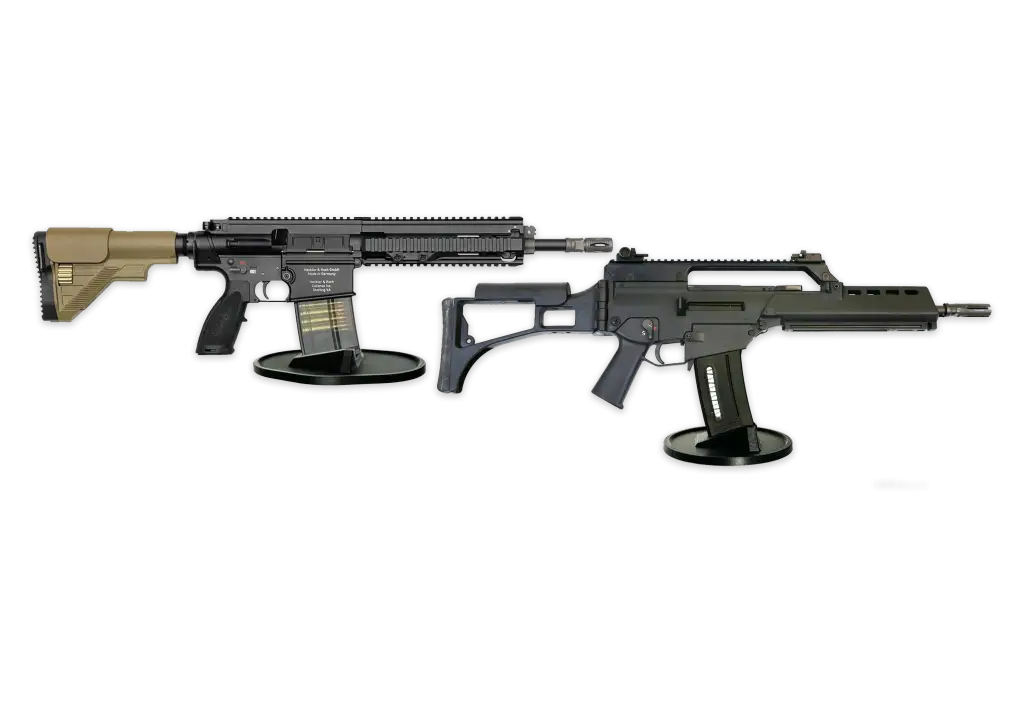
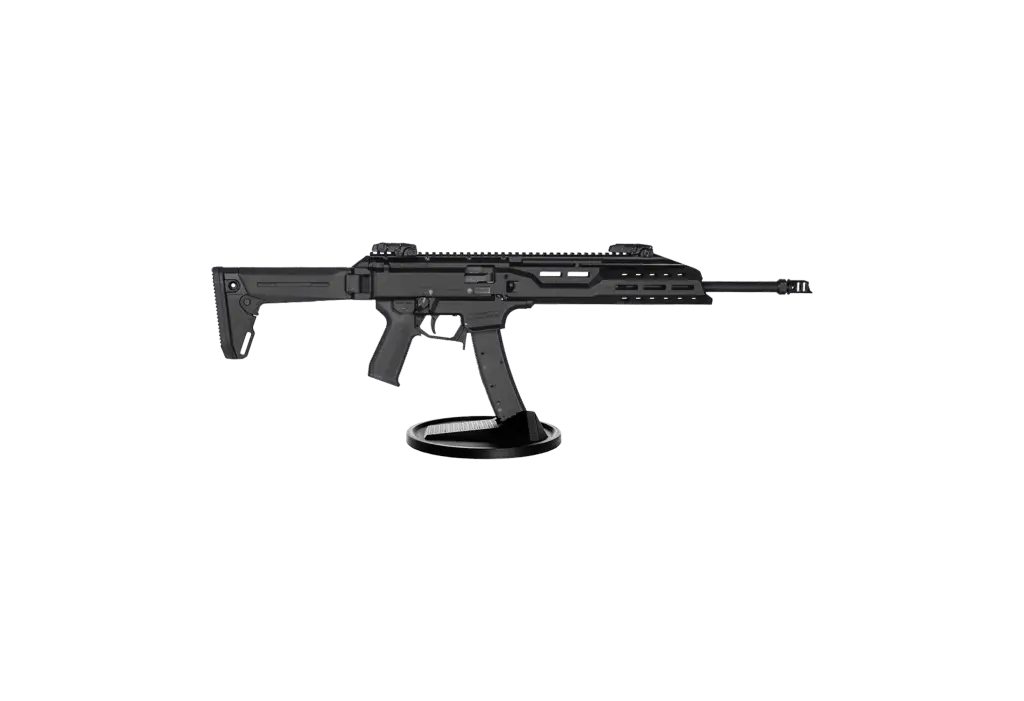
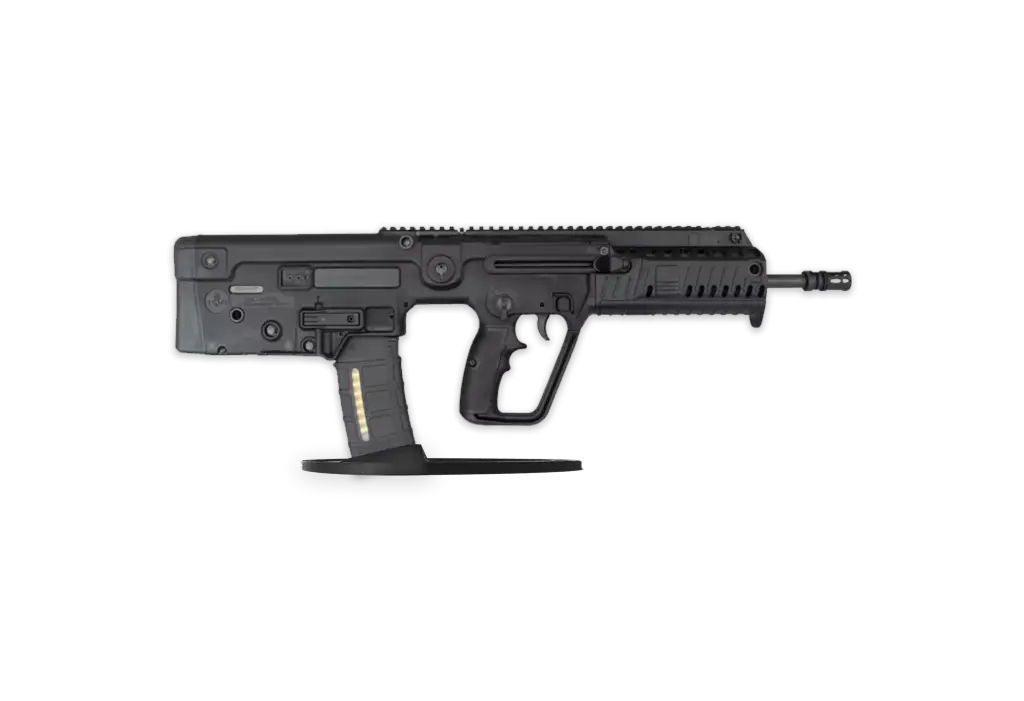
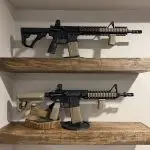
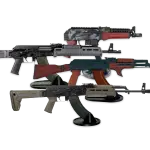
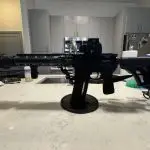
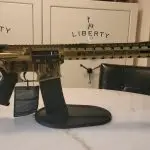
Many enthusiasts enjoy owning multiple AR-15 configurations featuring different barrel lengths and twist rates. Displaying these rifles on a dedicated AR15 gun stand makes it easy to compare builds while keeping a collection organized.
What Is a Barrel Twist Rate?
A barrel twist rate describes how quickly the rifling inside a barrel completes one full revolution. Rifling consists of spiral grooves cut or formed into the bore that cause a projectile to spin as it travels toward the muzzle.
The twist rate is expressed as a ratio such as:
- 1:7
- 1:8
- 1:9
For example, a 1:7 twist barrel means the rifling completes one full revolution every seven inches of barrel length.
Why Rifling Exists
Rifling imparts rotational spin to a projectile. This spin helps stabilize it during flight, much like a football spins when thrown with a proper spiral.
Stable projectiles generally maintain a more consistent flight path than those that are insufficiently stabilized. Manufacturers select twist rates based on the cartridges and projectile types a barrel is intended to support.
Understanding Twist Rate Numbers
A common misconception is that a larger number means a faster twist. In reality, the opposite is true.
- 1:7 = Faster twist.
- 1:8 = Medium-fast twist.
- 1:9 = Slower twist.
Because the rifling completes one full turn in fewer inches, a 1:7 barrel spins a projectile faster than a 1:9 barrel.
Common AR-15 Twist Rates
1:7 Twist
The 1:7 twist rate is one of the most common options found on modern AR-15 rifles. It is widely used by manufacturers producing rifles chambered in 5.56 NATO.
Characteristics include:
- Broad industry adoption.
- Excellent versatility.
- Common on military-style configurations.
- Compatible with a wide variety of projectile types when recommended by the manufacturer.
1:8 Twist
The 1:8 twist rate has become increasingly popular because many enthusiasts consider it a versatile middle ground.
Advantages often include:
- Broad commercial popularity.
- Excellent balance.
- Available from many premium barrel manufacturers.
- Suitable for numerous sporting applications.
1:9 Twist
The 1:9 twist rate has been used on countless commercial AR-15 rifles for many years.
Features include:
- Long history in civilian AR-15 production.
- Available from many manufacturers.
- Common on recreational sporting rifles.
How Twist Rate Affects Bullet Stabilization
The primary purpose of barrel twist is to stabilize a projectile during flight. Different projectile designs may benefit from different twist rates depending on characteristics such as length, weight, and construction.
Rather than focusing on weight alone, manufacturers evaluate several design factors when determining an appropriate twist rate for a particular barrel.
For the best results, always follow the firearm and ammunition manufacturer’s recommendations regarding compatible ammunition.
Does Twist Rate Affect Accuracy?
Twist rate is one factor that can influence overall accuracy, but it is far from the only one. Other important factors include:
- Barrel quality.
- Ammunition consistency.
- Optics.
- Trigger quality.
- Environmental conditions.
- Shooter skill.
A properly matched barrel and ammunition combination can help achieve consistent performance, but no single twist rate is universally “most accurate.”
Barrel Length vs. Twist Rate
Barrel length and twist rate are often discussed together, but they describe different characteristics.
Barrel length refers to the physical length of the barrel.
Twist rate refers to how quickly the rifling rotates inside that barrel.
Two rifles may both have 16-inch barrels while using completely different twist rates.
How Manufacturers Choose Twist Rates
Manufacturers select twist rates based on the intended purpose of the rifle and the ammunition it is expected to use. Engineering decisions often consider:
- Chambering.
- Projectile design.
- Intended market.
- Industry standards.
- Overall rifle configuration.
This is one reason twist rates can vary even among rifles chambered for the same cartridge.
Reading Barrel Markings
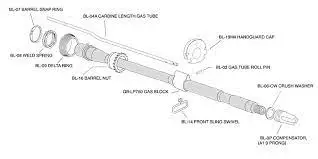
Many AR-15 barrels are marked with important specifications that may include:
- Caliber.
- Chamber designation.
- Twist rate.
- Manufacturer.
- Material or finish.
Understanding these markings helps owners identify compatible components and compare different barrel options.
Maintaining Your Barrel
Regardless of twist rate, proper barrel maintenance contributes to long service life and consistent performance.
Routine maintenance includes:
- Cleaning the bore.
- Inspecting the crown.
- Checking the gas system.
- Removing fouling as recommended.
- Following the manufacturer’s maintenance schedule.
Comparing Multiple Barrel Configurations
Many enthusiasts own several AR-15 rifles with different barrel lengths, handguards, optics, and twist rates. Organizing these rifles side by side makes it easy to compare their configurations while protecting valuable finishes.
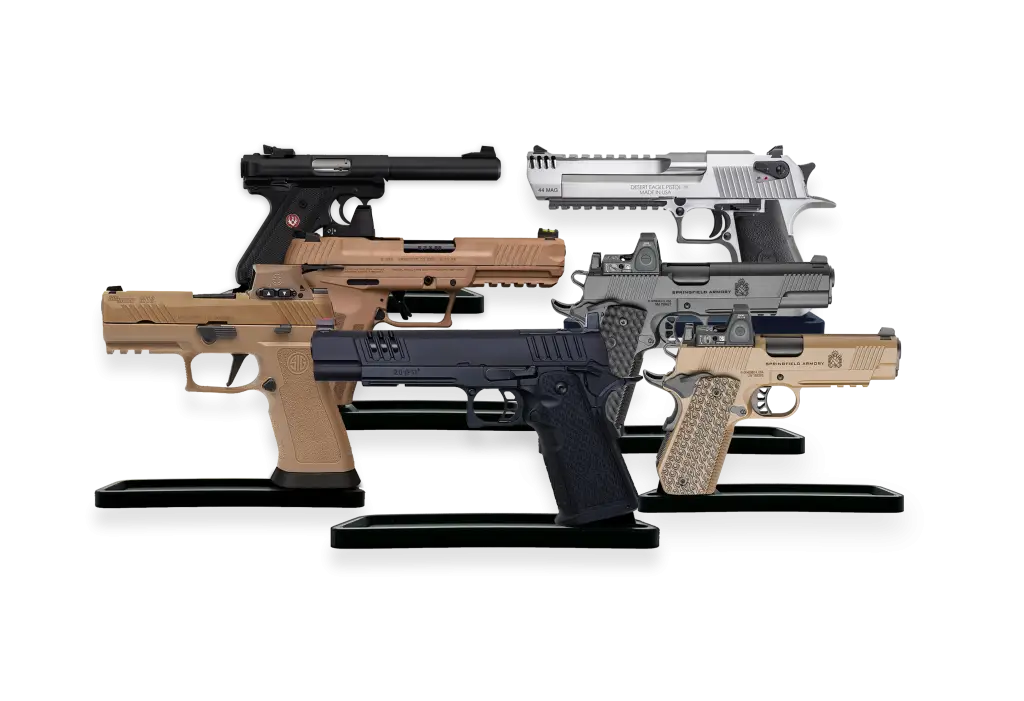
A quality rifle stand provides an attractive way to display multiple rifles while keeping them accessible and organized.
Why GunCreed Stands Are Perfect for AR Collections
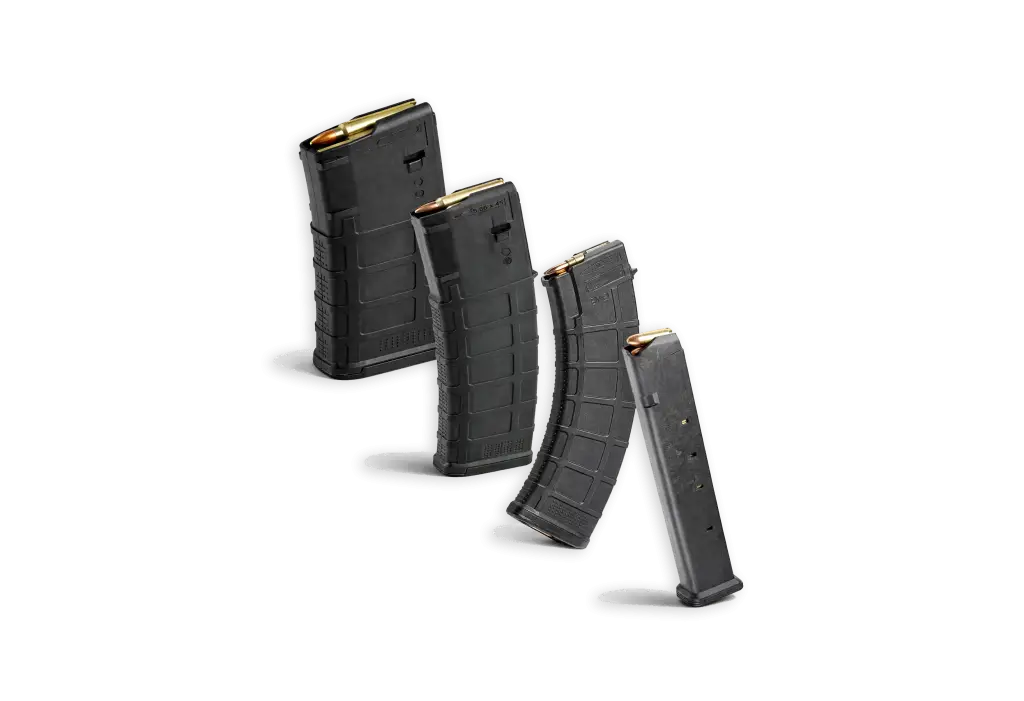
GunCreed magazine-compatible rifle stands allow collectors to display rifles regardless of barrel length, optic choice, or twist rate. Because the stand supports the rifle using a compatible magazine, the barrel and handguard remain fully visible, allowing every unique configuration to stand out.
Whether you own a classic 20-inch rifle with a 1:7 twist or a compact 16-inch rifle featuring a 1:8 barrel, GunCreed stands offer a professional way to showcase your collection.
Final Thoughts
Understanding a barrel twist rate helps AR-15 owners better appreciate one of the most important engineering characteristics of a rifle barrel. While twist rate is only one part of the overall equation, it works alongside barrel length, chambering, ammunition selection, and barrel quality to create the complete shooting system.
As your collection grows, displaying rifles with different barrel configurations on a premium gun stand or dedicated AR10 gun stand is an excellent way to keep them organized while highlighting the unique features of each build.