











The AR-15 and M16 are two of the most recognizable rifles in the world, yet many people still confuse them. While they share similar appearances and a common design heritage, the differences between the two platforms are significant. Understanding those differences is important for collectors, enthusiasts, historians, and anyone interested in modern rifle design.
In this guide, we’ll break down the history, functionality, military use, civilian applications, customization options, and key distinctions between the AR-15 and M16. We’ll also explore why these platforms have become so iconic among collectors and display enthusiasts.
The Origins of the AR-15 and M16
To understand the difference between the AR-15 and M16, you first need to understand their shared history.
The AR-15 was originally designed in the late 1950s by Eugene Stoner for ArmaLite. The “AR” stands for ArmaLite Rifle—not “assault rifle,” as many mistakenly believe.
ArmaLite eventually sold the design rights to Colt, which further developed the platform for military use. The military version evolved into the M16, which became the standard service rifle of the United States military during the Vietnam War.
Although the AR-15 and M16 look extremely similar externally, their internal capabilities and intended use differ greatly.
Primary Difference: Semi-Automatic vs Select-Fire
The biggest difference between the AR-15 and M16 comes down to the firing system.
AR-15
- Semi-automatic only
- One round fired per trigger pull
- Designed for civilian ownership
- Widely used for sport shooting, home defense, competition, and collecting
M16
- Select-fire capability
- Can operate in semi-auto and burst/full-auto modes
- Designed for military applications
- Restricted under federal law
This firing capability is the single most important distinction between the two platforms.
Military Role of the M16
The M16 became one of the most influential military rifles in modern history. Lightweight, accurate, and chambered in 5.56 NATO, it represented a major shift away from heavier battle rifles used in earlier wars.
Over the decades, the M16 evolved through several generations:
- M16
- M16A1
- M16A2
- M16A3
- M16A4
Each version introduced improvements in reliability, sights, barrel design, and accessory compatibility.
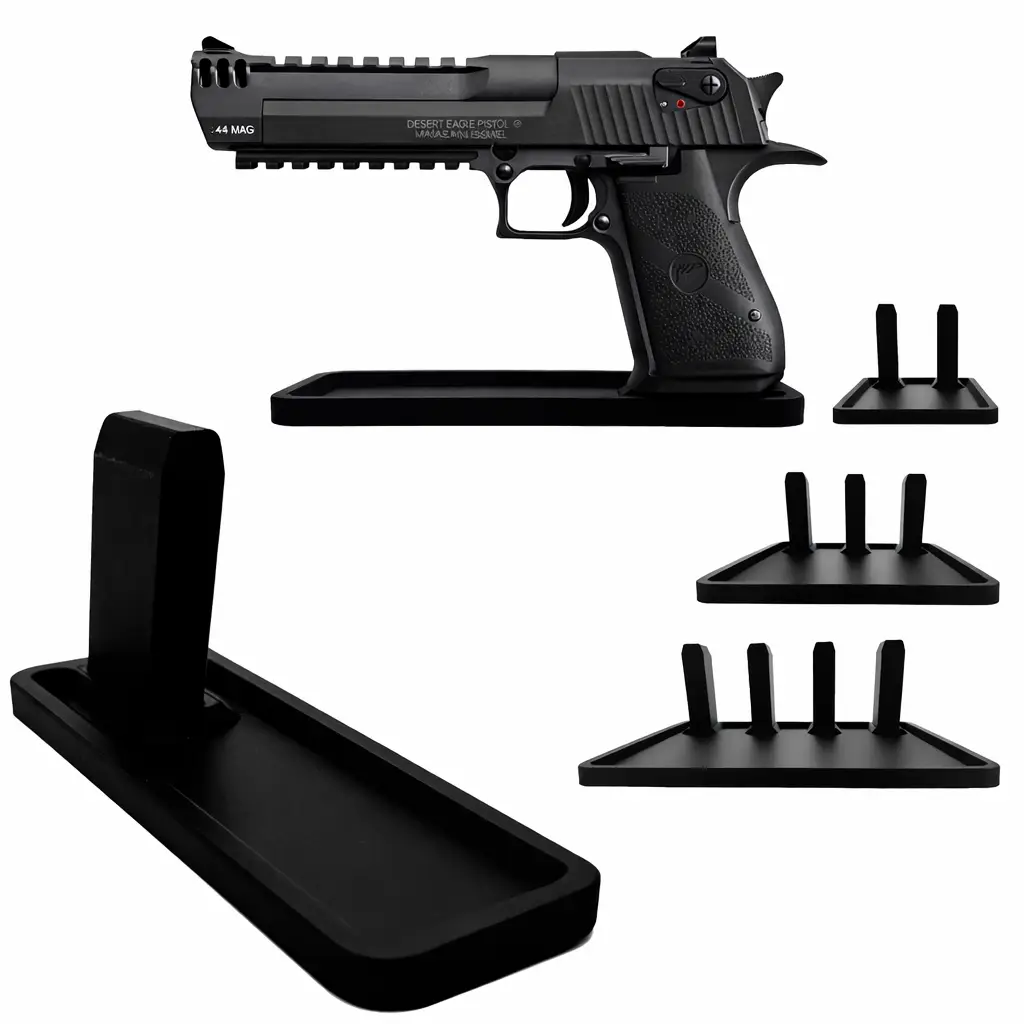
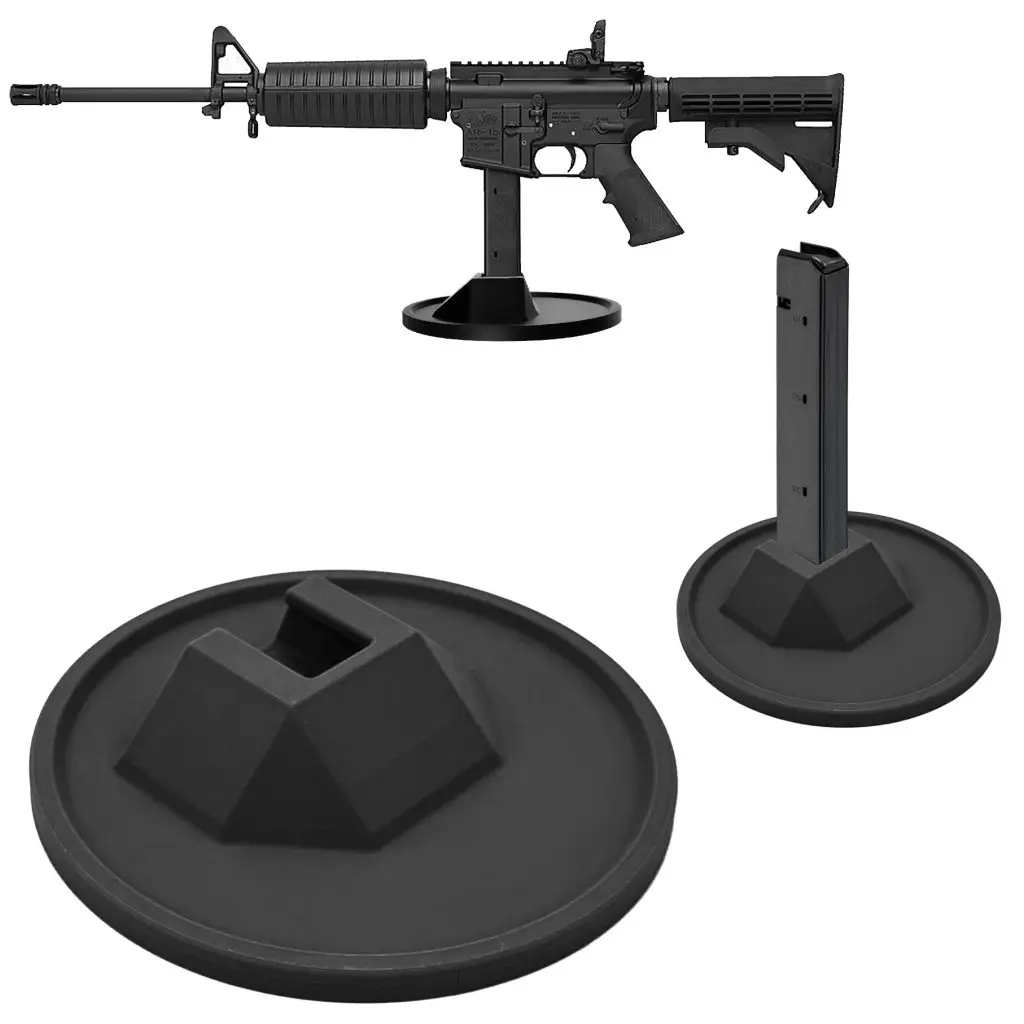
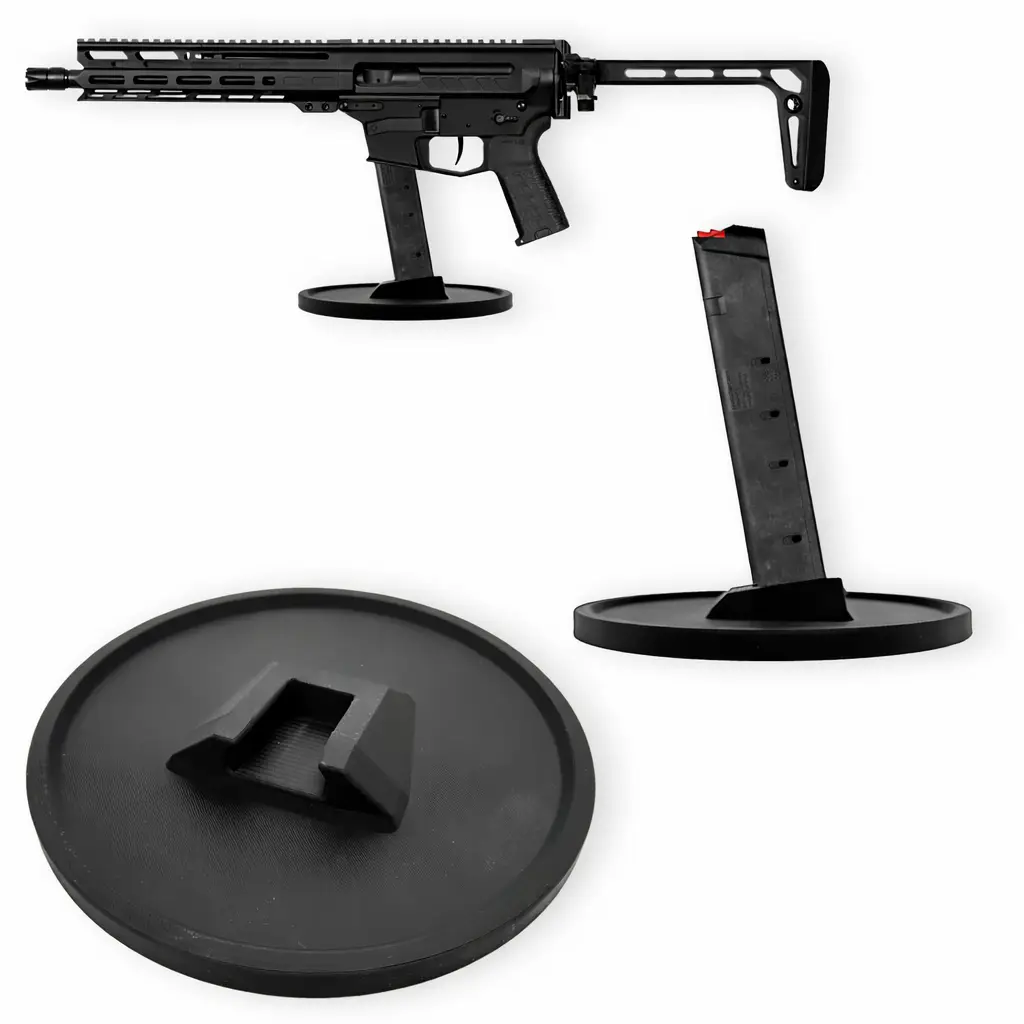
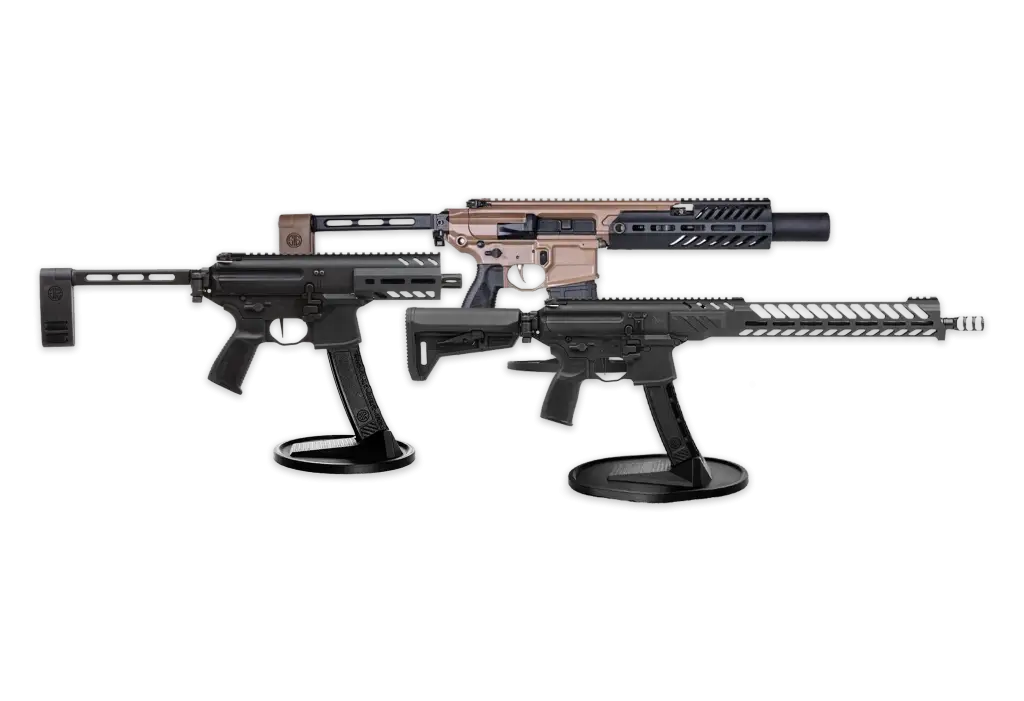
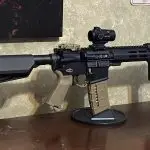
Collectors often display military-inspired builds on dedicated ar15 gun stand systems to showcase the historical evolution of the platform.
The Rise of the Civilian AR-15
While the M16 remained primarily a military rifle, the AR-15 exploded in popularity within the civilian market.
The AR-15 platform became known for:
- Customization
- Lightweight ergonomics
- Accuracy
- Modularity
- Wide aftermarket support
Today, the AR-15 is one of the most customizable rifles ever created. Owners can personalize nearly every component including:
- Stocks
- Handguards
- Triggers
- Optics
- Barrels
- Furniture
- Finishes
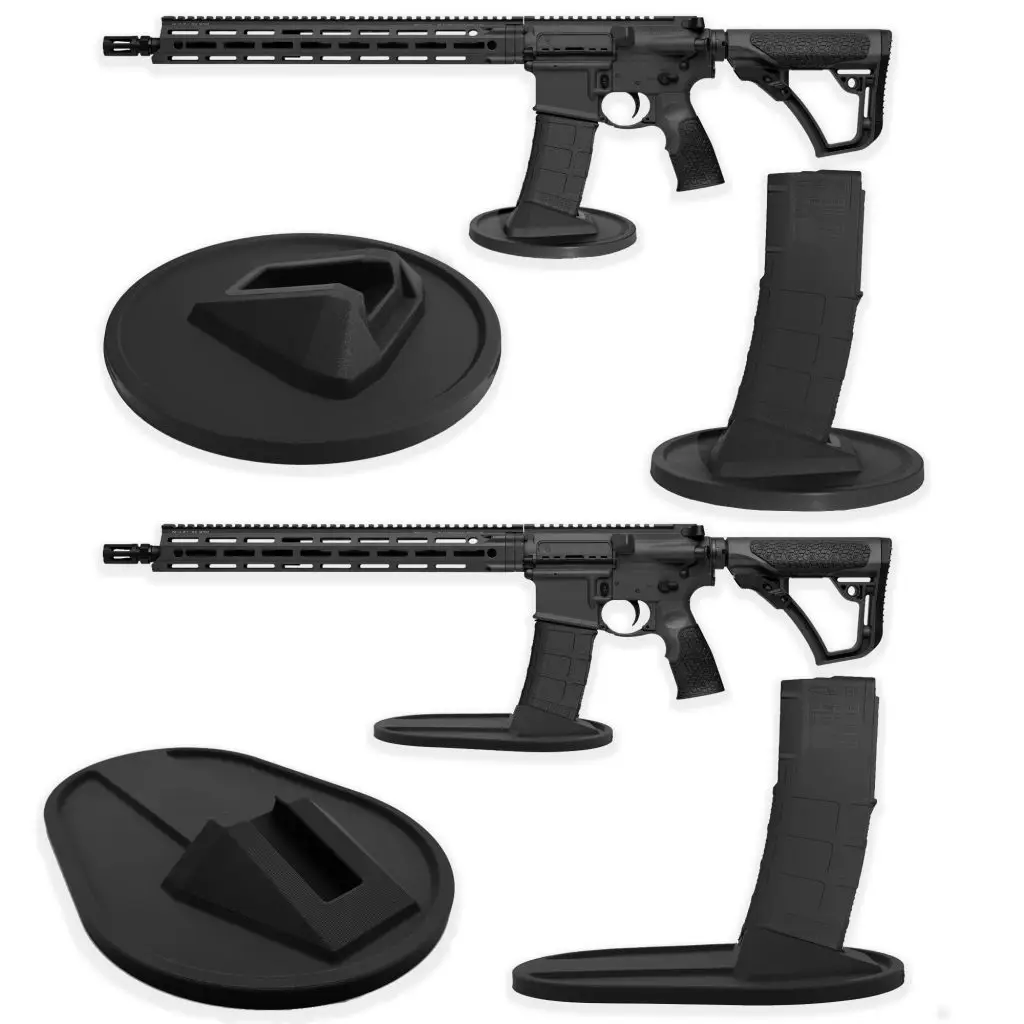
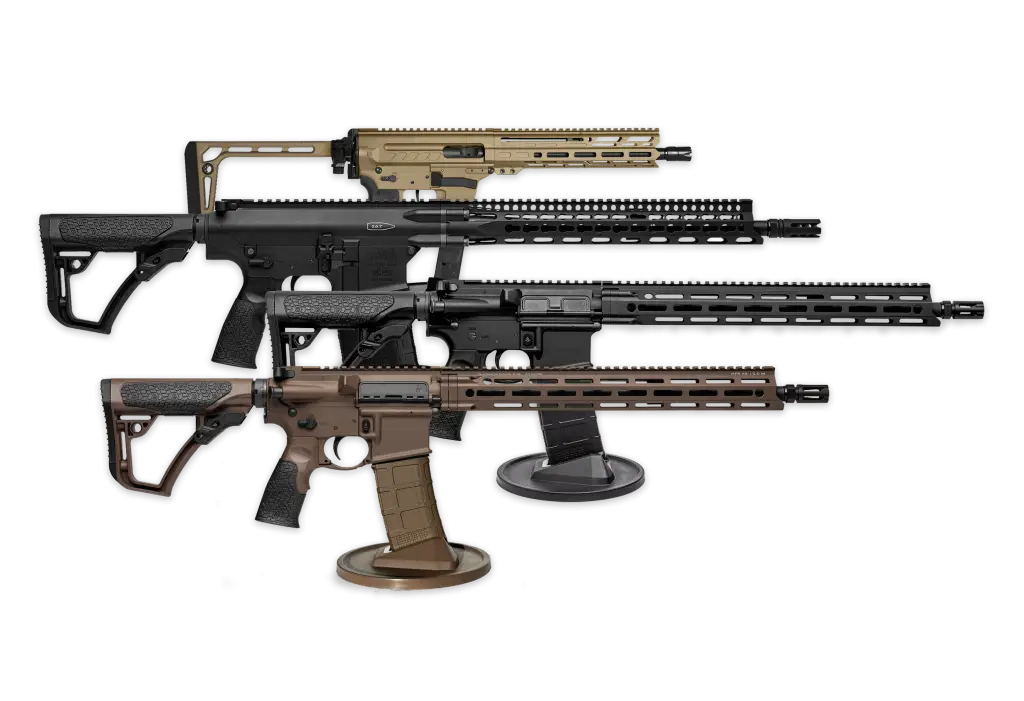
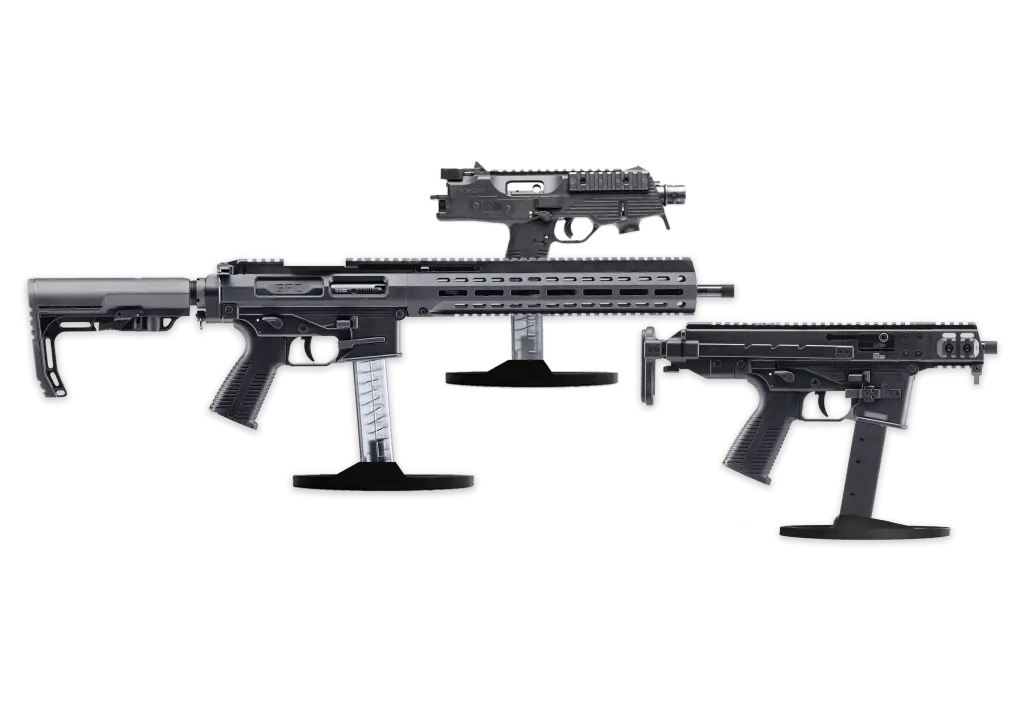
Because of this versatility, collectors and enthusiasts frequently organize multiple builds using premium gun stand display setups.
Internal Mechanical Differences
Although externally similar, several internal differences separate the AR-15 from the M16.
Fire Control Group
The M16 contains components that allow select-fire functionality. AR-15 rifles do not include these parts.
Bolt Carrier Group
Military-spec M16 bolt carriers differ slightly from civilian AR-15 carriers.
Receiver Differences
The lower receiver design on an M16 accommodates select-fire components not found on standard AR-15 platforms.
These internal differences are heavily regulated under federal law.
Barrel Length and Configuration
M16 rifles traditionally feature a 20-inch barrel designed for military field use and velocity optimization.
AR-15 rifles, however, come in numerous configurations including:
- 16-inch carbines
- Precision long-range setups
- Compact pistol variants
- Competition rifles
- Tactical builds
This flexibility is one reason the AR-15 platform became dominant in the civilian market.
Customization and Modularity
One of the biggest reasons enthusiasts love the AR platform is customization.
The modular design allows users to easily swap:
- Upper receivers
- Calibers
- Optics
- Stocks
- Rails
- Triggers
Many collectors create themed builds inspired by military rifles, competition shooting, or historical recreations.
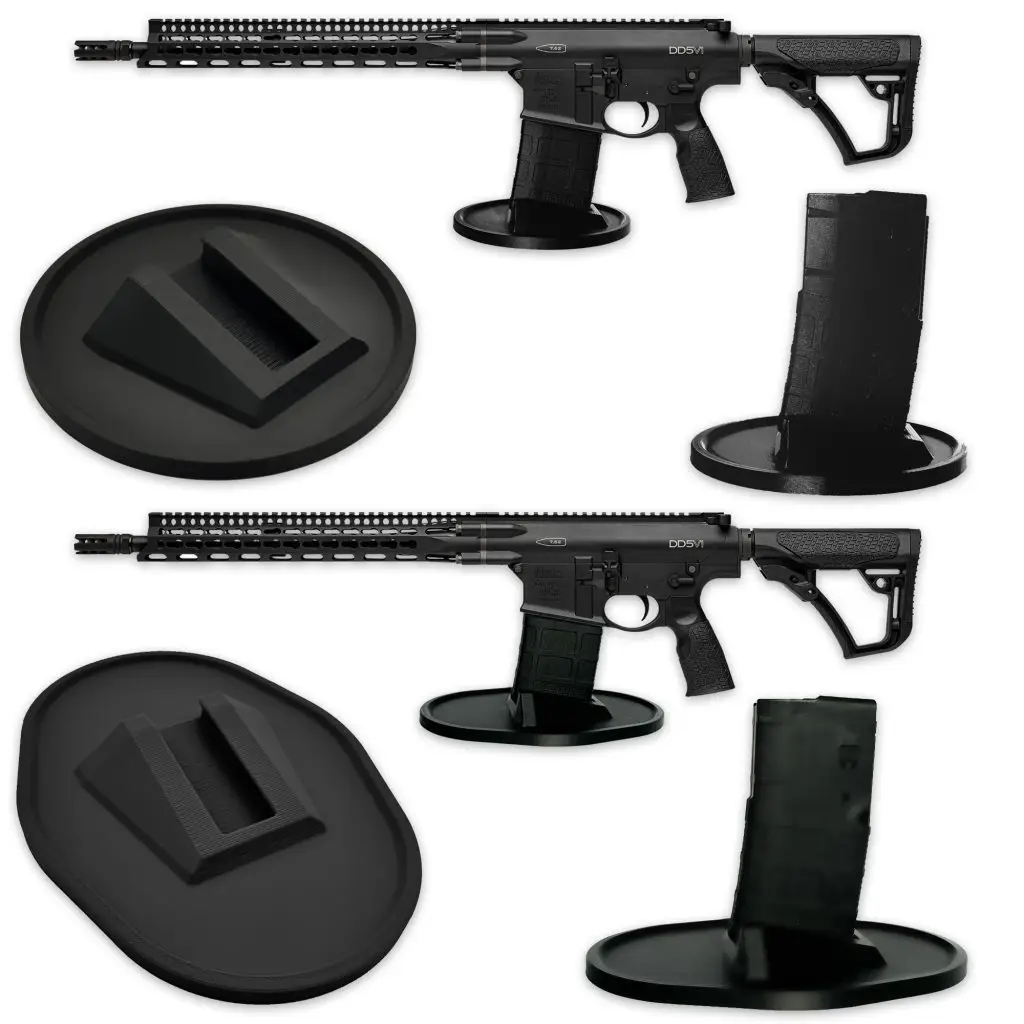
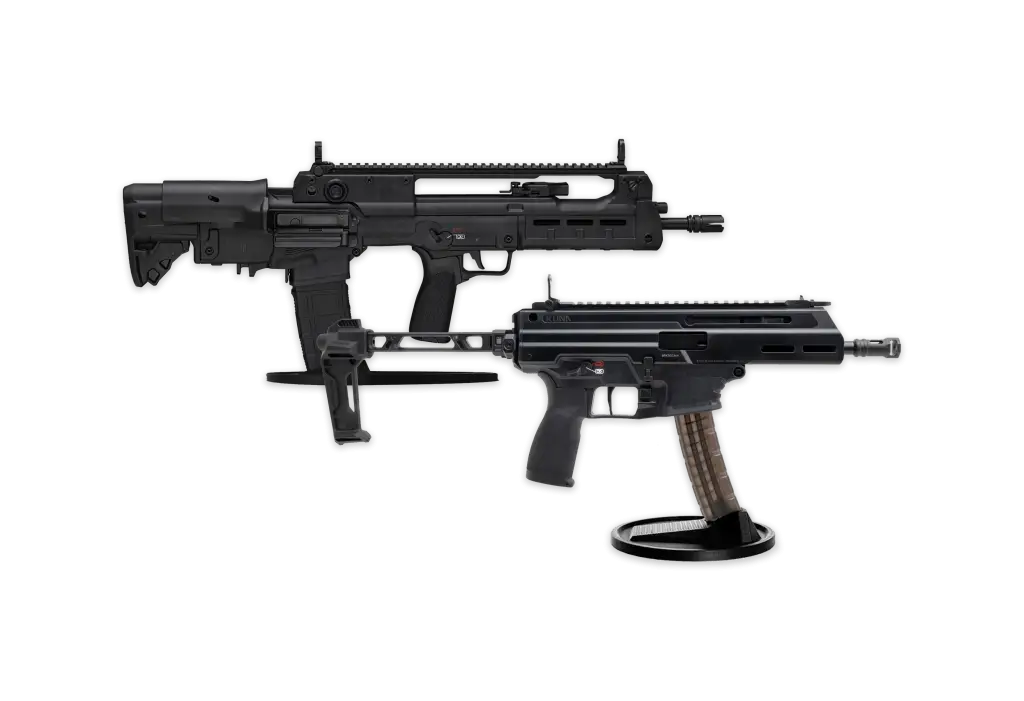
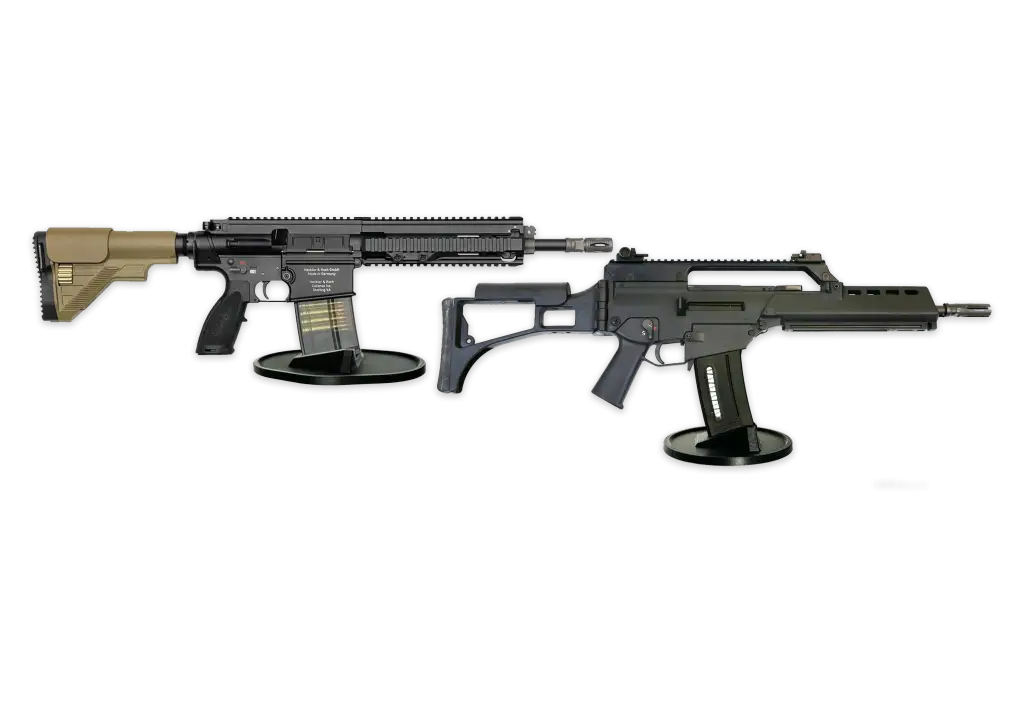
Once completed, these builds are often showcased on premium ar10 gun stand and rifle display systems to protect and organize collections.
Legal Differences
The legal distinction between the AR-15 and M16 is extremely important.
AR-15
- Legal for civilian ownership in many states
- Semi-automatic only
- Subject to varying local regulations
M16
- Fully automatic/select-fire
- Heavily regulated under the National Firearms Act
- Requires extensive federal approval for transferable models
Collectors interested in historical military rifles often pursue legal transferable M16 platforms due to their rarity and historical significance.
Accuracy and Performance
Both rifles are known for excellent accuracy when configured properly.
The AR-15 platform has become especially dominant in:
- Competitive shooting
- Precision rifle competitions
- Sport shooting
- Tactical training
The lightweight recoil and ergonomic controls make the platform highly user-friendly.
Why the Platforms Became So Popular
The popularity of the AR-15 and M16 stems from several factors:
- Lightweight construction
- Low recoil
- Excellent ergonomics
- Customization potential
- Strong reliability
- Military heritage
For many enthusiasts, owning and displaying AR-platform rifles is about appreciating the engineering and history behind the design.
Collector Interest and Historical Value
Original military M16 variants have become highly collectible.
Collectors seek:
- Vietnam-era models
- Colt-marked rifles
- Military surplus components
- Rare configurations
- Historic reproductions
Modern AR-15 collectors also pursue:
- Limited edition rifles
- Custom builds
- Clone-correct military reproductions
- Premium competition setups
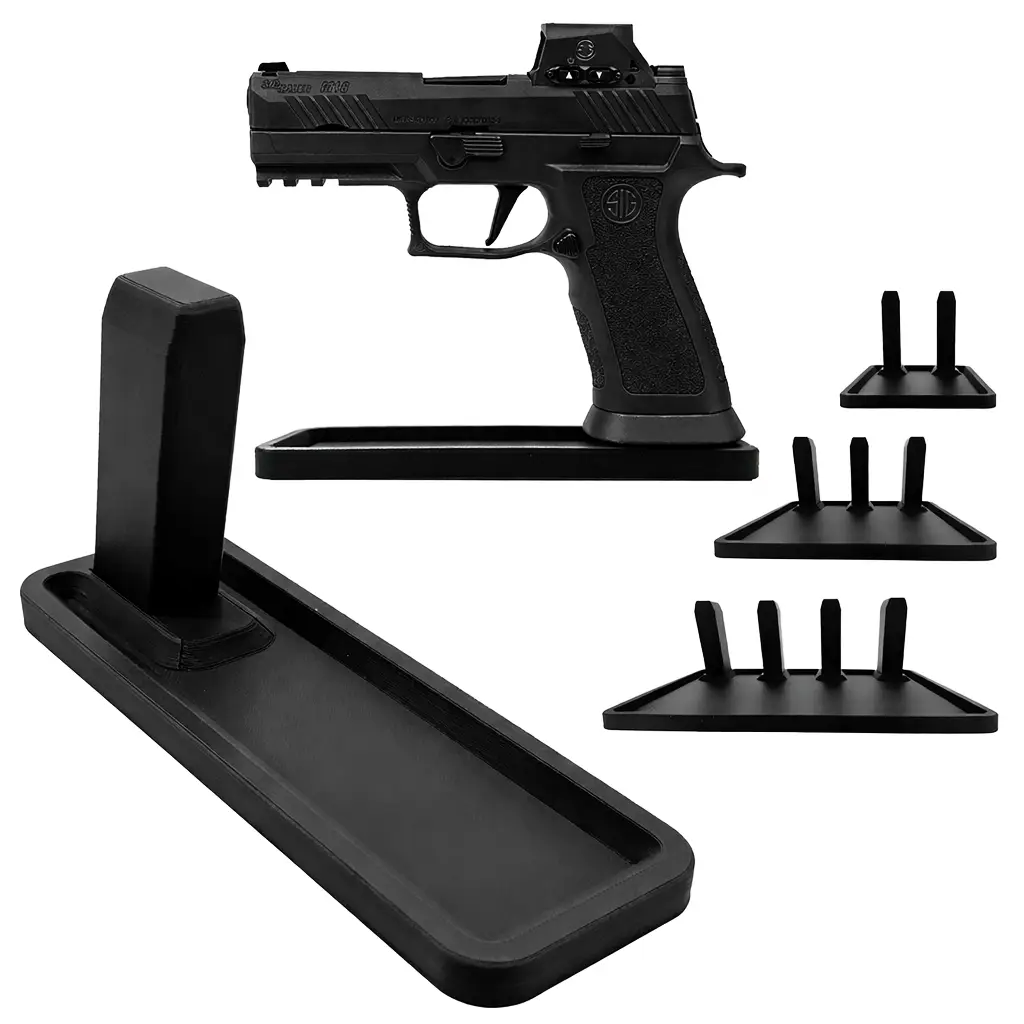
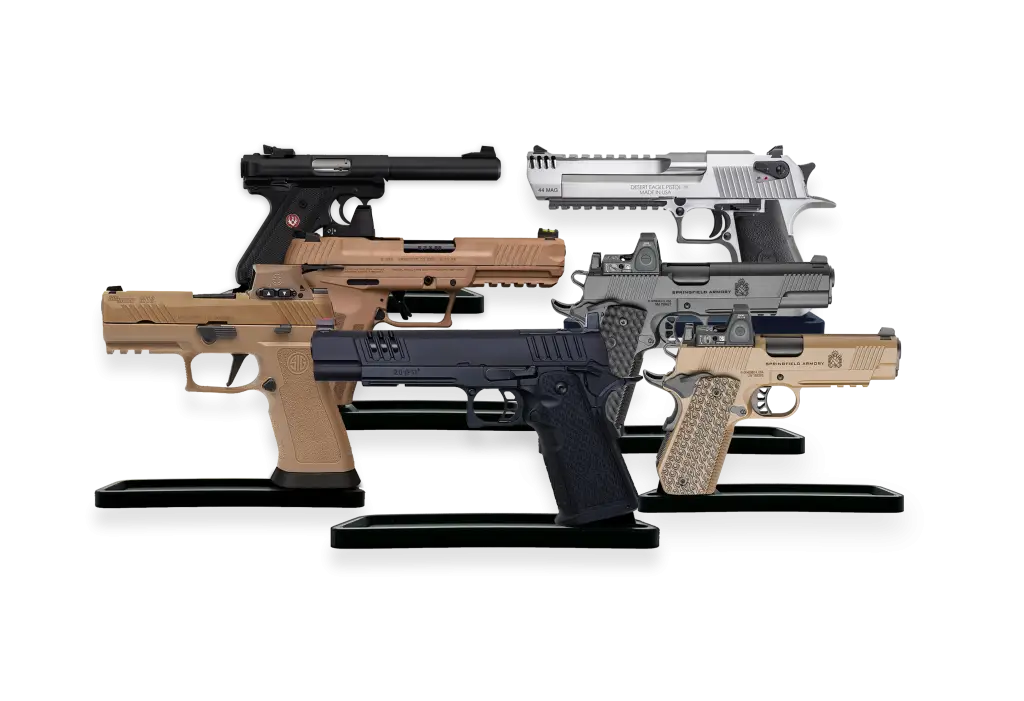
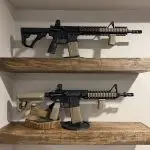
Many enthusiasts create display rooms featuring rifles organized on dedicated gun stand systems alongside collectible pistols and accessories.
Displaying and Storing AR Platform Rifles
As collections grow, proper storage and display become increasingly important.
Why Display Matters
- Protects finishes
- Keeps collections organized
- Improves accessibility
- Creates a professional presentation
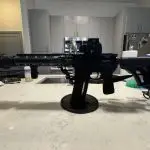
Modern collectors frequently use premium display stands that complement tactical builds and preserve their condition.
Purpose-built display solutions help transform ordinary storage into impressive showcase setups.
Common Misconceptions
“AR” Means Assault Rifle
False. “AR” stands for ArmaLite Rifle.
AR-15s and M16s Are Identical
False. The firing systems and internal components differ significantly.
The Platforms Are Difficult to Use
Actually, the AR platform is widely praised for ergonomics and ease of operation.
The Future of the AR Platform
Even decades after its original design, the AR platform continues evolving.
Manufacturers now offer:
- Advanced materials
- Improved triggers
- Enhanced optics integration
- Lightweight handguards
- Precision barrels
- Custom finishes
The platform’s adaptability ensures it will remain influential for years to come.
Final Thoughts
Although the AR-15 and M16 share a common heritage and outward appearance, they serve very different roles. The M16 was designed as a military select-fire rifle, while the AR-15 evolved into one of the most versatile civilian rifle platforms ever created.
Both rifles have earned legendary status thanks to their engineering, performance, customization potential, and historical significance.
Whether you’re a collector, enthusiast, competitive shooter, or historian, understanding the differences between the AR-15 and M16 helps you better appreciate the legacy of these iconic rifles.
If you’re looking to organize or showcase your collection, explore premium rifle display solutions here:
Shop GunCreed Rifle & Gun Display Stands