




















Few rifles in history are as recognizable as the AK-47. Known for its rugged reliability, simple engineering, and global influence, the AK-47 became one of the most iconic rifle platforms ever created. But behind this legendary rifle was a young Soviet tank commander named Mikhail Kalashnikov.
The story of how Kalashnikov designed the AK-47 is a fascinating mix of wartime necessity, engineering innovation, and practical battlefield experience. What began as a wounded soldier’s determination to improve Soviet infantry weapons eventually became one of the most influential rifle designs in history.
In this guide, we’ll explore how Mikhail Kalashnikov developed the AK-47, the inspirations behind its design, the engineering principles that made it famous, and why the platform remains incredibly popular among collectors and enthusiasts today.
Who Was Mikhail Kalashnikov?
Mikhail Timofeyevich Kalashnikov was born in 1919 in Russia. Growing up with an interest in machinery and engineering, he developed strong mechanical skills at an early age.
Before becoming famous for rifle design, Kalashnikov served in the Soviet Red Army as a tank commander during World War II.
His military service would ultimately shape the creation of the AK-47.
The Battlefield Inspiration Behind the AK-47
During World War II, Kalashnikov was wounded while fighting against German forces. While recovering in a hospital, he listened to fellow soldiers complain about the shortcomings of Soviet infantry rifles.
At the time, Soviet forces relied heavily on rifles like the Mosin-Nagant and submachine guns such as the PPSh-41.
German forces, however, had introduced the revolutionary Sturmgewehr 44 (StG 44), one of the first true assault rifles. The StG 44 combined automatic fire capability with an intermediate cartridge, offering soldiers both mobility and firepower.
This concept deeply influenced Soviet weapons development.
Kalashnikov became determined to create a rifle that combined:
- Reliability
- Simplicity
- Ease of manufacturing
- Effective automatic fire
- Durability under harsh conditions
The Soviet Rifle Competition
After the war, the Soviet military began searching for a new infantry rifle chambered in the intermediate 7.62x39mm cartridge.
Kalashnikov entered multiple design competitions during the mid-1940s.
While his earliest prototypes were not selected, he continued refining his concepts based on military feedback and engineering improvements.
Eventually, his finalized rifle design emerged as the Avtomat Kalashnikova 1947 — better known today as the AK-47.
Key Design Features of the AK-47
Long-Stroke Gas Piston System
One of the AK-47’s defining features is its long-stroke gas piston system.
This design allows the rifle to cycle reliably even under extremely dirty or harsh battlefield conditions.
The simplicity of the system became one of the rifle’s greatest strengths.
Loose Tolerances
Unlike precision rifles with extremely tight tolerances, the AK-47 was intentionally designed with extra clearance between moving parts.
This allowed the rifle to continue functioning despite:
- Mud
- Dust
- Sand
- Snow
- Poor maintenance
That reliability helped make the AK platform legendary.
Simplicity of Manufacturing
Kalashnikov understood that the Soviet Union needed a rifle that could be mass-produced quickly and efficiently.
The AK platform used:
- Stamped components
- Simple machining processes
- Durable materials
- Straightforward assembly methods
This allowed enormous production numbers while keeping costs relatively low.
Was the AK-47 Inspired by the StG 44?
One of the most debated questions in rifle history is whether the AK-47 copied the German StG 44.
While both rifles share certain visual similarities and the assault rifle concept itself, the internal operating systems are significantly different.
The AK-47 borrowed ideas from multiple earlier designs, including:
- The American M1 Garand
- The Soviet SVT-40
- The German StG 44
- Earlier gas-operated rifles
Kalashnikov combined existing concepts with his own engineering solutions to create something uniquely durable and practical.
Why the AK-47 Became So Successful
The AK-47 succeeded because it solved real battlefield problems.
Its advantages included:
- Extreme reliability
- Ease of maintenance
- Simple operation
- Affordable production
- Effective combat performance
Soldiers could field-strip and clean the rifle quickly, even with minimal training.
The rifle also performed reliably in environments where many competing platforms struggled.
The Evolution of the AK Platform
After the original AK-47 came numerous variants and improvements.
AKM
The AKM introduced stamped receiver manufacturing improvements that reduced weight and production costs.
AK-74
The AK-74 later transitioned to the smaller 5.45x39mm cartridge, improving controllability and reducing recoil.
Modern AK Variants
Today, modern AK platforms feature:
- Optics rails
- Enhanced furniture
- Improved ergonomics
- Modern coatings
- Precision manufacturing
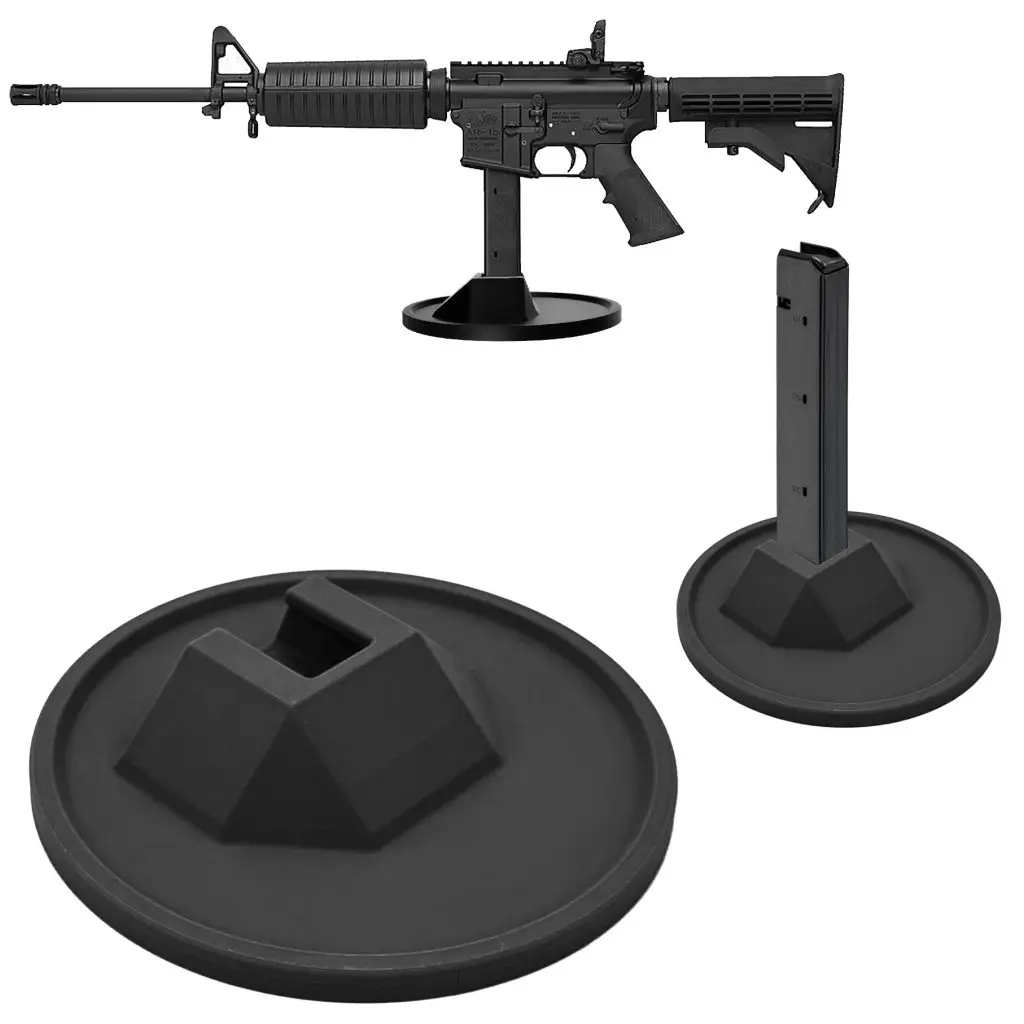
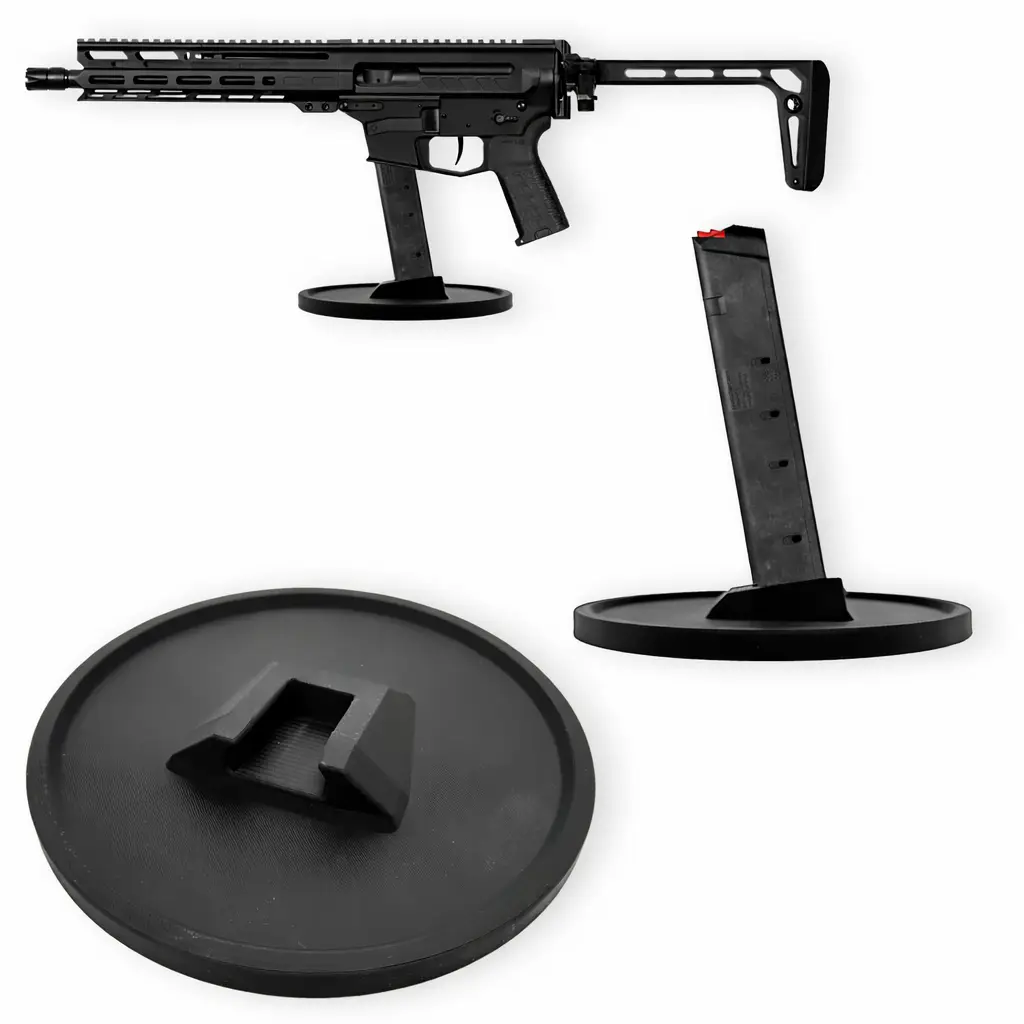
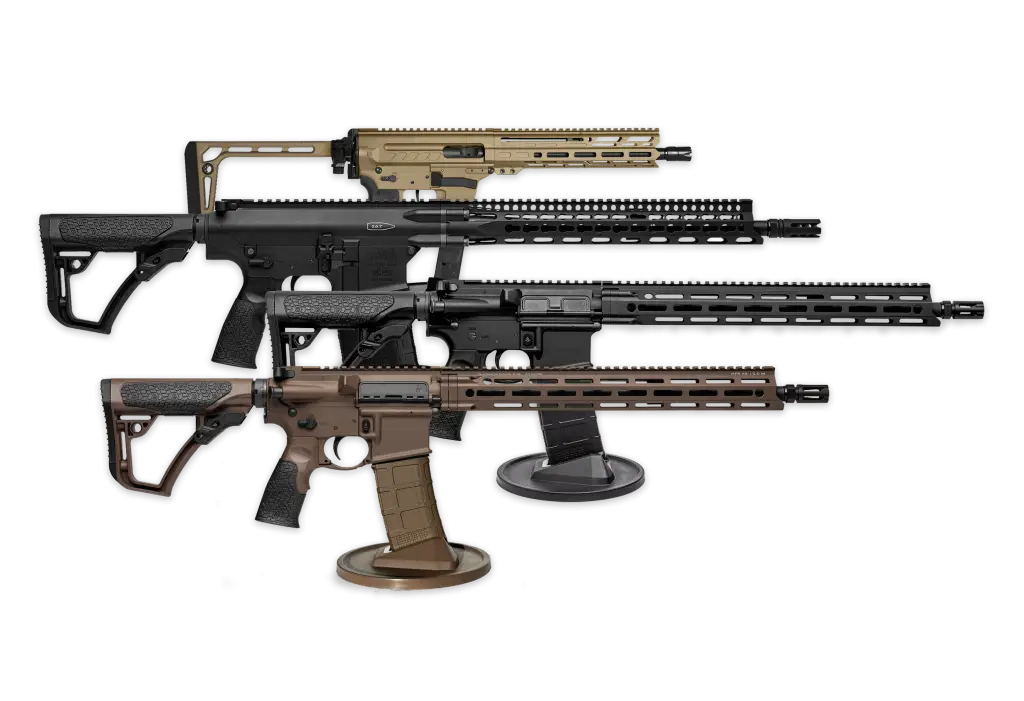
Collectors frequently display modern and vintage AK rifles using premium gun stands designed specifically for rifle organization and presentation.
The AK-47’s Global Influence
The AK-47 became far more than just a military rifle.
Over time, it became a global symbol recognized almost everywhere in the world.
Its influence spread through:
- Military adoption
- International manufacturing
- Cultural representation
- Collector communities
- Competitive shooting
Millions of AK-pattern rifles have been produced worldwide, making it one of the most widely manufactured rifle platforms in history.
Why Collectors Love AK Rifles
AK collectors appreciate the platform for several reasons:
- Historical significance
- Military heritage
- Mechanical simplicity
- Variant diversity
- Customization potential
Rare imports, military-issued examples, and vintage variants are especially desirable among enthusiasts.
Many collectors organize their rifles using dedicated gun stand systems to safely showcase different AK variants.
Displaying AK Rifles Properly
If you own collectible or custom AK rifles, proper storage and display are important.
Quality display setups help:
- Prevent scratches
- Protect optics
- Improve organization
- Enhance presentation
- Maximize safe space
Modern collectors often build full rifle display setups using premium gun stands for both AK and AR-platform rifles.
The Legacy of Mikhail Kalashnikov
Mikhail Kalashnikov remained closely associated with the AK platform throughout his life.
Despite the rifle’s global fame, Kalashnikov consistently stated that he designed the rifle to defend his country during wartime.
His engineering philosophy focused heavily on practical reliability and simplicity — principles that continue influencing rifle design today.
How the AK-47 Changed Rifle Design Forever
The AK-47 helped define the modern assault rifle concept.
Its success demonstrated the importance of:
- Intermediate cartridges
- Reliable gas-operated systems
- Simple field maintenance
- Mass-production capability
- Durable battlefield engineering
Even decades later, modern rifle manufacturers still study many of the AK platform’s core engineering principles.
Final Thoughts
Mikhail Kalashnikov designed the AK-47 during a time of enormous military and technological change. Inspired by battlefield realities and driven by a desire to improve infantry weapons, he created a rifle platform that became one of the most recognizable and influential firearms in history.
The AK-47’s reputation for rugged reliability, simplicity, and durability continues attracting collectors, enthusiasts, and shooters around the world.
Whether you appreciate the AK platform for its engineering, historical importance, or collectible value, proper display and organization can help showcase your collection professionally.
Explore premium rifle display solutions here:
Shop GunCreed Gun Stands & Rifle Display Solutions