






















Few rifles in history are as legendary as the AK47 and AKM. Both rifles helped define modern military weapon design and earned worldwide reputations for reliability, simplicity, and battlefield durability. While many enthusiasts use the terms interchangeably, the AK47 and AKM are actually different rifles with important distinctions in construction, weight, manufacturing, recoil, and overall performance.
Whether you’re a collector, enthusiast, competitive shooter, or simply researching the AK platform, understanding the differences between these two iconic rifles can help you appreciate why both remain so respected decades after their introduction.
In this guide, we’ll break down the AK47 vs AKM debate in detail, covering performance, reliability, recoil, historical significance, modernization potential, and collector appeal.
The Origins of the AK47
The AK47 was originally developed by Mikhail Kalashnikov shortly after World War II. Officially adopted by the Soviet military in 1949, the rifle quickly became famous for its rugged reliability and ease of use.
The original AK47 featured:
- Milled steel receiver
- Heavy-duty construction
- Simple gas-operated system
- Excellent battlefield durability
Early AK47 rifles were incredibly robust, but they were also relatively expensive and time-consuming to manufacture.
The Introduction of the AKM
The AKM was introduced in 1959 as a modernized and more efficient evolution of the AK47.
Rather than replacing the AK platform entirely, the AKM refined the original design to improve manufacturing efficiency while reducing weight and cost.
The AKM introduced several important upgrades:
- Stamped steel receiver
- Lighter overall weight
- Improved production efficiency
- Enhanced recoil compensation
- Updated furniture and components
The AKM would eventually become one of the most widely produced rifles in history.
Receiver Differences: Milled vs Stamped
AK47 Receiver
The original AK47 used a milled steel receiver machined from a solid block of steel.
Advantages include:
- Exceptional durability
- Solid construction feel
- Reduced receiver flex
Disadvantages include:
- Heavier weight
- Higher production costs
- Longer manufacturing time
AKM Receiver
The AKM switched to a stamped receiver made from sheet metal.
Advantages include:
- Lighter weight
- Lower production costs
- Faster manufacturing
- Easier mass production
While some collectors prefer the solid feel of milled rifles, the AKM proved that stamped receivers could still deliver exceptional reliability.
Weight Comparison
One of the biggest practical differences between the AK47 and AKM is weight.
The milled AK47 is noticeably heavier than the AKM.
Approximate unloaded weights:
- AK47: 9.5 to 10.5 pounds
- AKM: 7 to 8 pounds
This reduction made the AKM easier to carry for extended periods while improving overall maneuverability.
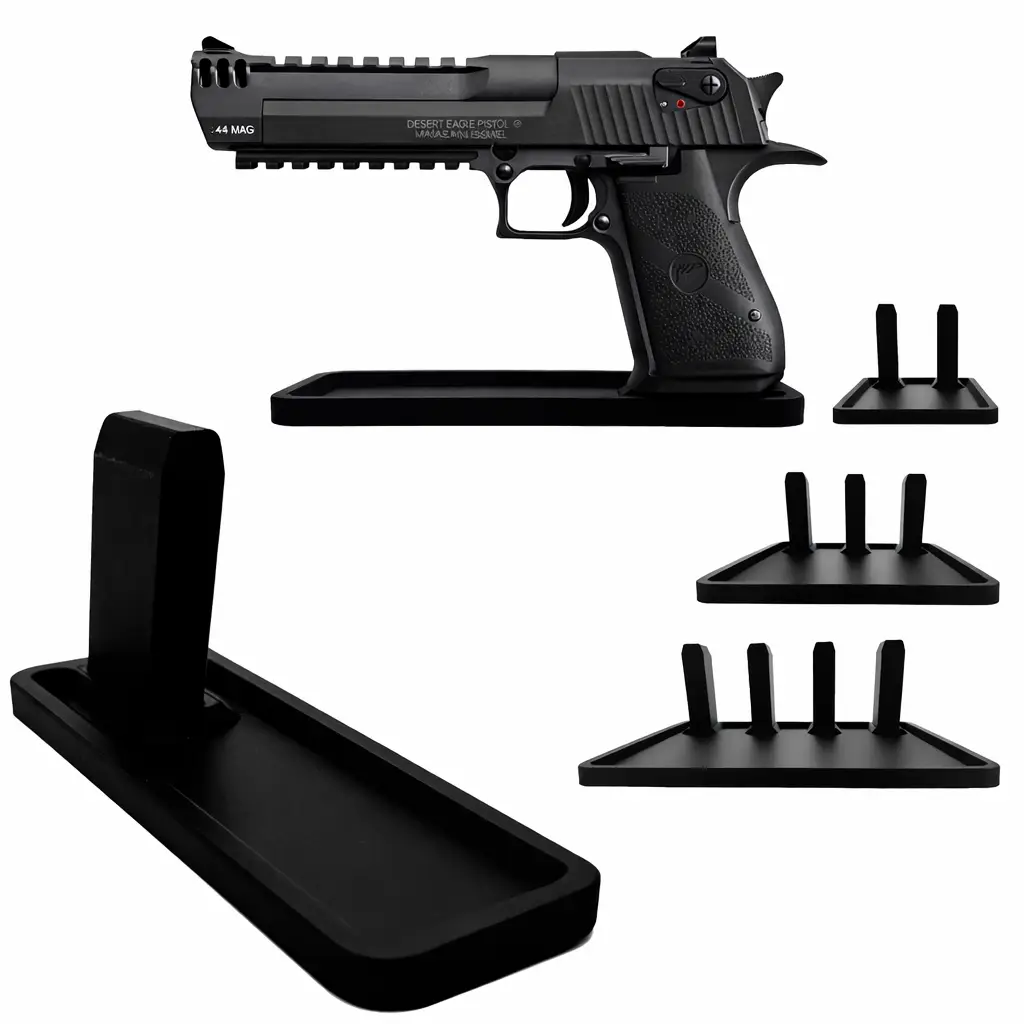
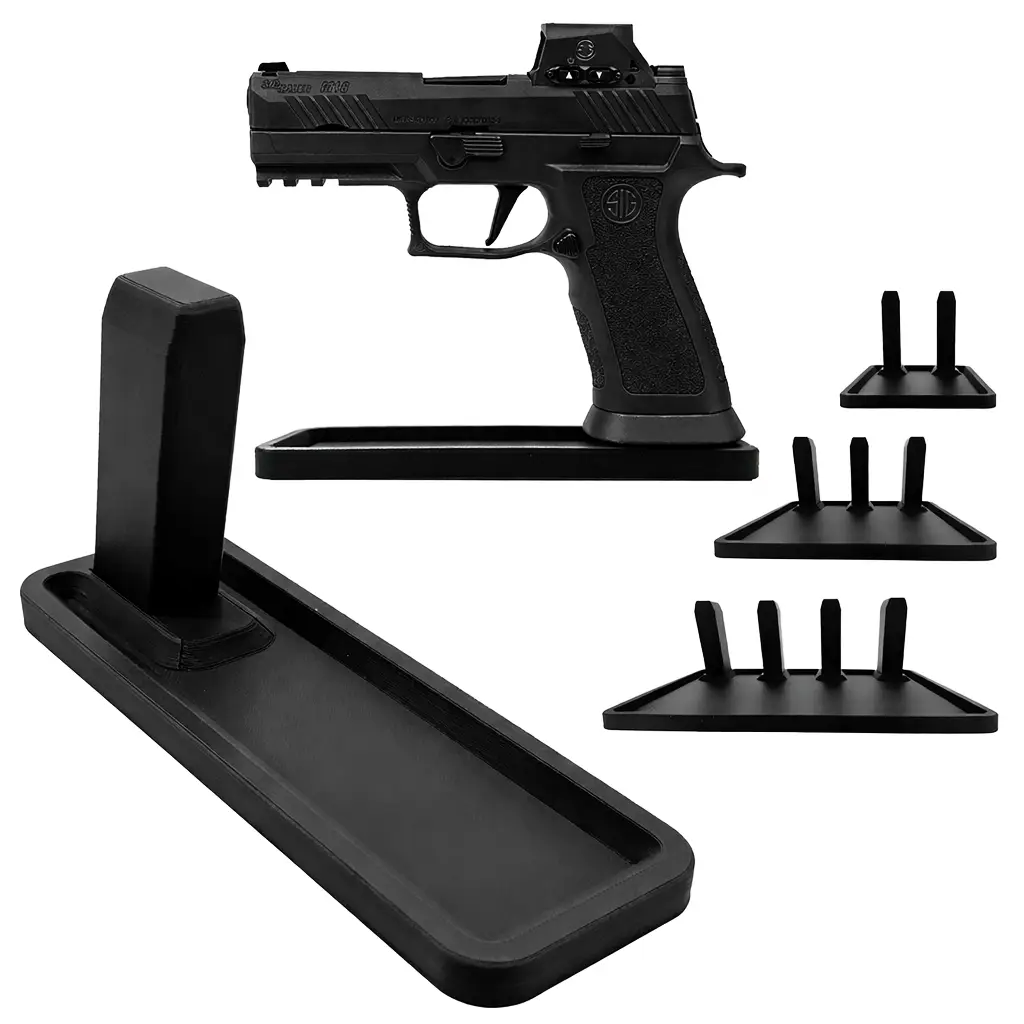
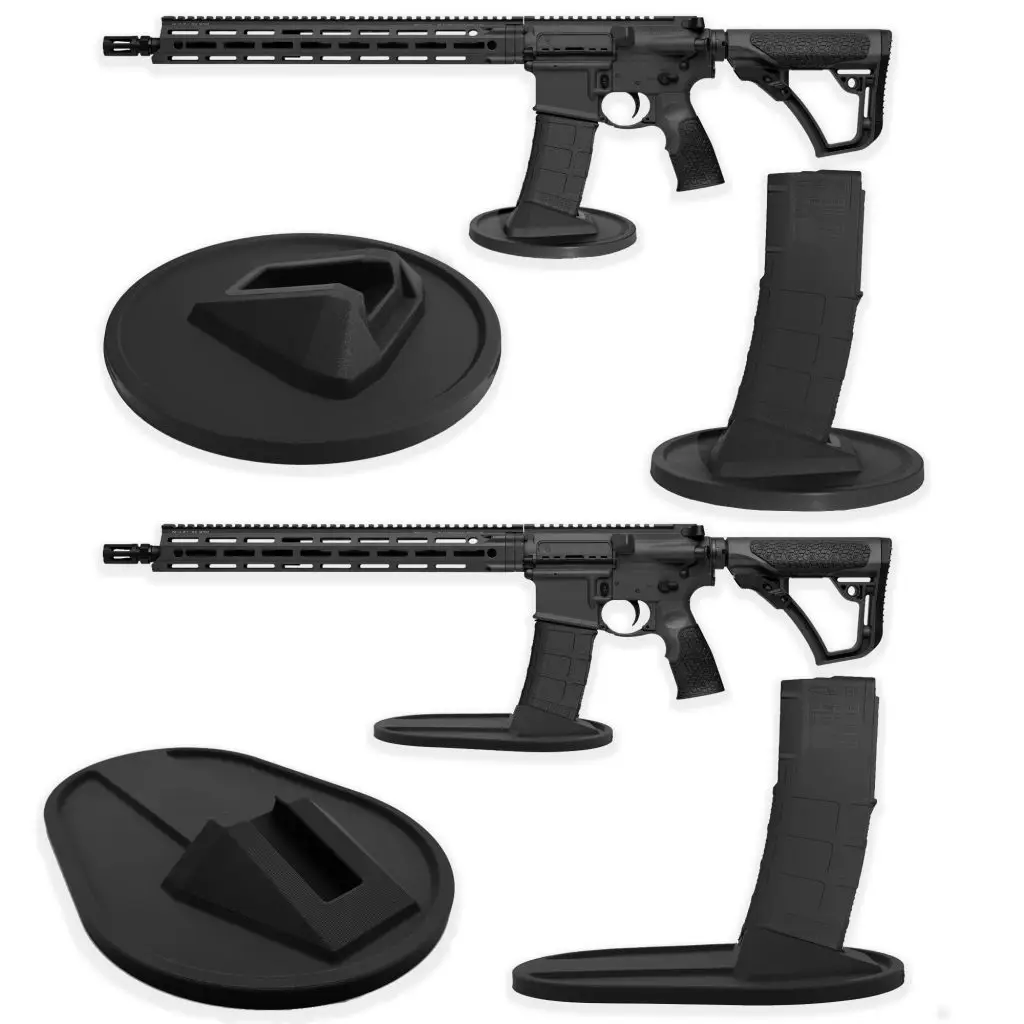
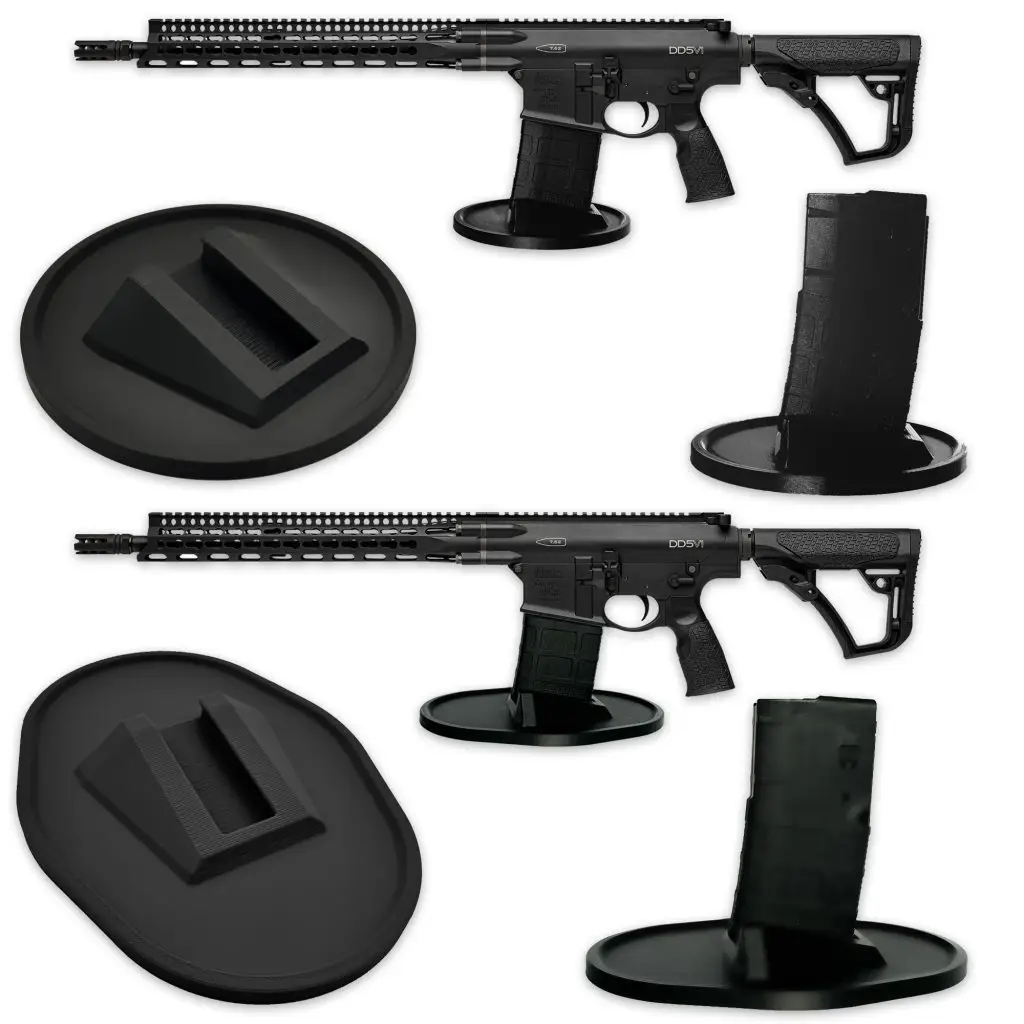
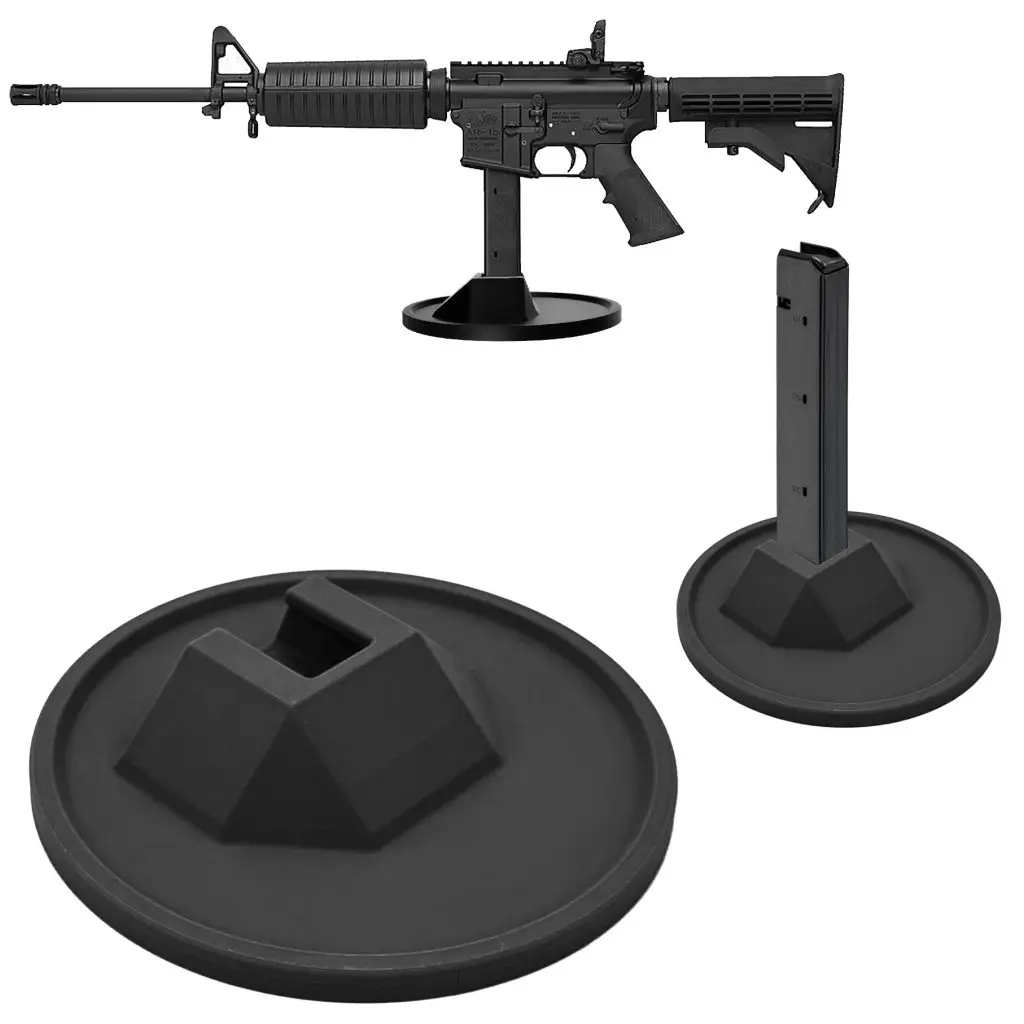
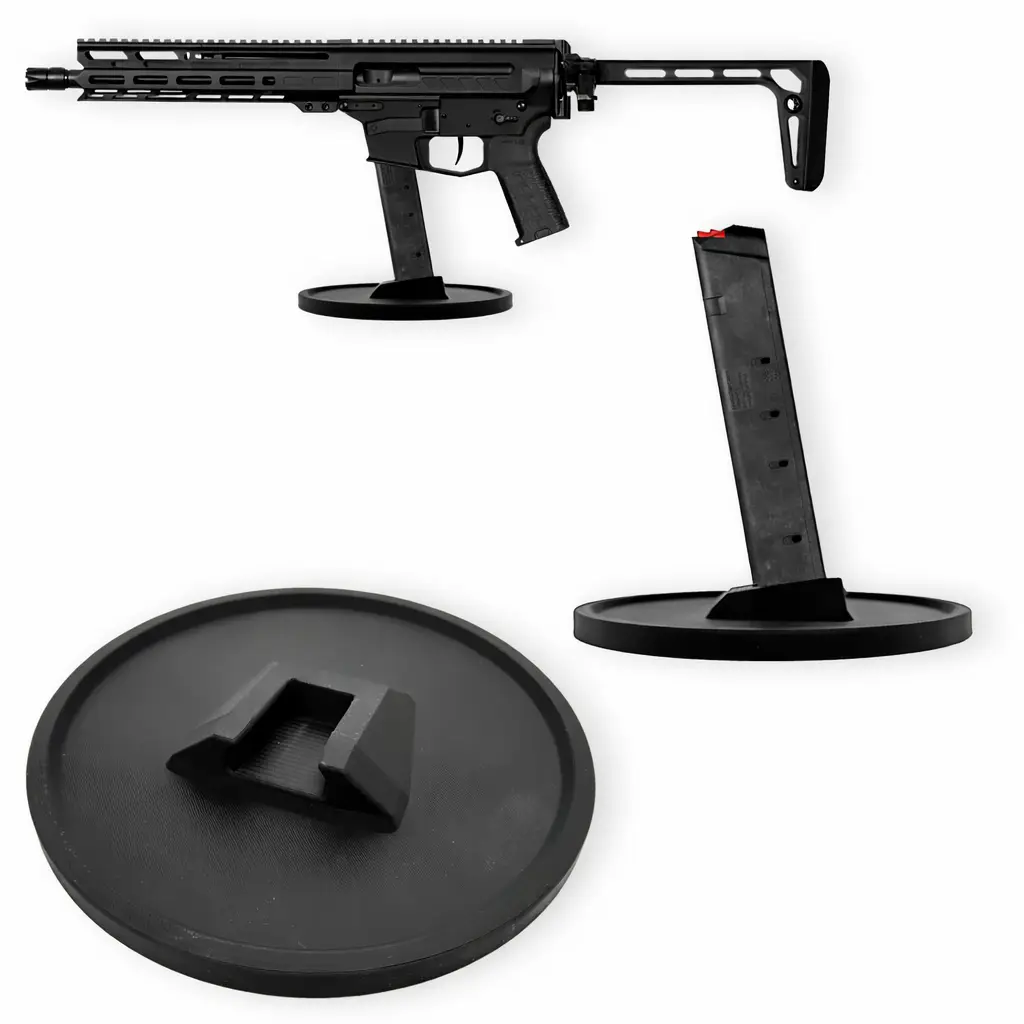
Collectors often showcase both classic platforms on premium gun stands designed specifically for AK-style rifles.
Recoil and Shooting Characteristics
AK47 Recoil
The heavier milled receiver of the AK47 helps absorb recoil, giving the rifle a smoother overall impulse.
Many shooters describe the AK47 as feeling more solid during firing.
AKM Recoil
The lighter AKM produces slightly sharper felt recoil, but the addition of the slant compensator helped reduce muzzle climb.
The AKM’s recoil remains highly manageable and contributed to its widespread military success.
Reliability Comparison
Both rifles are legendary for reliability.
The AK platform became famous because it could function in:
- Mud
- Sand
- Rain
- Extreme cold
- Harsh battlefield conditions
In real-world use, both the AK47 and AKM are exceptionally dependable.
However, the AKM ultimately proved that lighter stamped receivers could maintain reliability while improving manufacturing efficiency.
Accuracy Differences
Neither rifle was designed primarily as a precision platform, but both offer respectable practical accuracy.
AK47 Accuracy
The heavier milled receiver can provide slightly better stability and reduced vibration.
AKM Accuracy
The AKM remains accurate enough for military and defensive applications while benefiting from reduced weight and faster handling.
Most practical differences in accuracy are relatively minor for average shooters.
Durability and Longevity
The milled AK47 is often viewed as nearly indestructible because of its massive steel construction.
However, the AKM also demonstrated extraordinary longevity across decades of military use worldwide.
Both rifles are capable of extremely high round counts with proper maintenance.
Historical Significance
AK47
The original AK47 became an icon of post-war military engineering and revolutionized modern rifle design.
AKM
The AKM became the true global standard of the Kalashnikov system due to its mass production and worldwide military adoption.
Many of the AK-pattern rifles seen globally today trace their design lineage directly to the AKM.
Modernization Potential
Modern shooters frequently customize AK platforms with:
- Optics
- Rails
- Adjustable stocks
- Enhanced triggers
- Modern muzzle devices
The AKM platform is generally easier to modernize due to its lighter design and widespread aftermarket support.
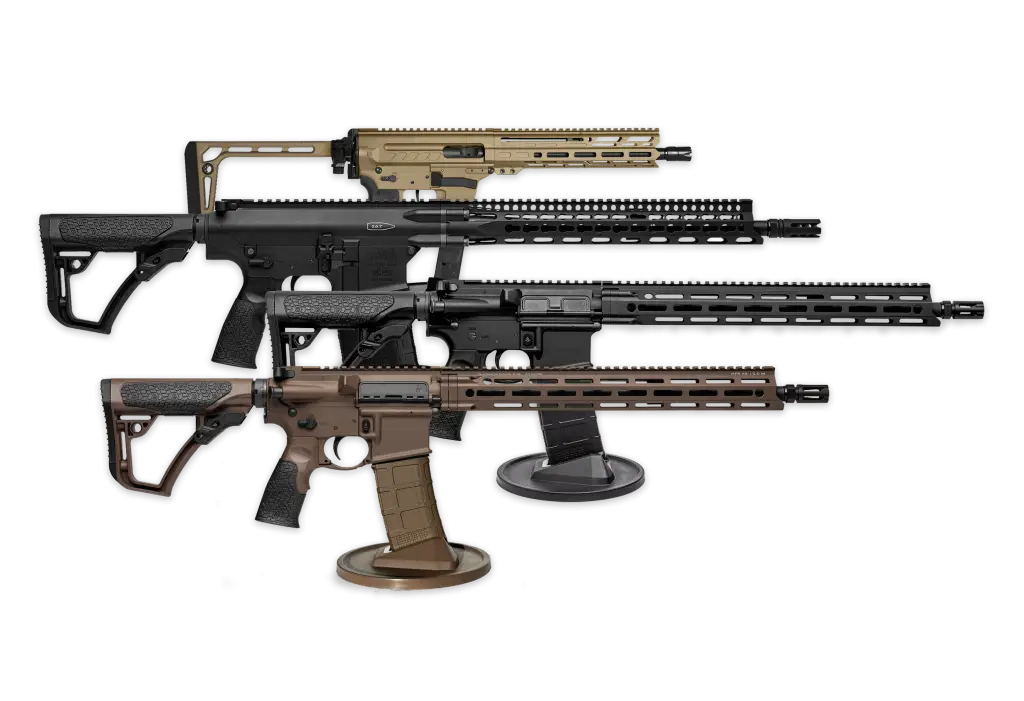
Collectors who build modern tactical AK setups often organize them using dedicated gun stand systems for safe storage and cleaner presentation.
Collector Appeal
Both rifles hold tremendous collector value.
AK47 Collector Interest
Collectors highly value:
- Original milled rifles
- Historic military variants
- Matching serialized parts
- Rare production models
AKM Collector Interest
Collectors pursue:
- Military surplus AKMs
- Rare country variants
- Cold War-era rifles
- Original import configurations
Many enthusiasts create dedicated AK display rooms using premium gun stands to showcase their collections safely and professionally.
Which Rifle Performs Better?
The answer depends heavily on intended use.
Choose the AK47 If You Prefer:
- Classic collector appeal
- Milled receiver durability
- Smoother recoil impulse
- Historic authenticity
Choose the AKM If You Prefer:
- Lighter weight
- Better maneuverability
- Easier modernization
- Practical field use
Both rifles remain incredibly capable and reliable even by modern standards.
Why the AK Platform Remains Legendary
Few rifles have influenced global military history like the Kalashnikov platform.
The AK47 and AKM became symbols of rugged simplicity because they prioritized reliability above everything else.
That reputation continues today among collectors, competitors, tactical shooters, and enthusiasts worldwide.
Proper Storage and Display for AK Rifles
Collectors who invest in AK platforms often want safe and professional display solutions.
Quality display systems help:
- Protect finishes
- Reduce scratches
- Improve organization
- Showcase rare rifles
- Create clean collector displays
Modern collectors frequently combine rifles and pistols into coordinated display setups using premium gun stands for maximum presentation and organization.
Final Thoughts
The AK47 and AKM are both legendary rifles that shaped modern military history and continue earning respect worldwide.
The AK47 offers classic milled construction and historic authenticity, while the AKM refined the platform into a lighter, more efficient, and globally dominant rifle system.
Both platforms remain outstanding examples of rugged engineering, battlefield reliability, and timeless firearm design.
For collectors and enthusiasts, proper organization and display matter just as much as ownership. Premium display systems help protect your collection while creating a clean, professional setup worth showcasing.
Explore premium display solutions here:
Shop GunCreed Gun Stands & Rifle Display Solutions