



















The AK-47 is one of the most iconic rifle platforms ever created. Designed by Mikhail Kalashnikov shortly after World War II, the original AK-47 earned a legendary reputation for reliability, simplicity, and battlefield durability. However, despite its strengths, the original milled-receiver AK-47 design had limitations that eventually led Soviet engineers to develop an improved version — the AKM.
Introduced in 1959, the AKM became the modernized evolution of the AK-47. While visually similar, the AKM incorporated several important upgrades that reduced weight, simplified manufacturing, improved handling, and increased overall efficiency.
Today, the AKM remains one of the most influential rifle designs in history and continues inspiring modern AK variants used around the world.
In this guide, we’ll explore exactly how the AKM improved upon the original AK-47 design and why it became one of the most successful rifle platforms ever produced.
The Original AK-47: A Revolutionary Rifle
The original AK-47 entered Soviet service in the late 1940s and quickly gained a reputation for rugged reliability.
Key characteristics of the original AK-47 included:
- Milled steel receiver
- 7.62×39 cartridge
- Gas-operated rotating bolt system
- Wood furniture
- Exceptional reliability in harsh conditions
While highly effective, the original milled construction made production expensive, time-consuming, and heavier than desired.
The AKM: The Modernized Kalashnikov
The AKM — short for “Avtomat Kalashnikova Modernizirovanniy” — was designed to solve many of the production and weight challenges of the original rifle.
The AKM retained the legendary reliability of the AK-47 while improving manufacturing efficiency and practical battlefield performance.
1. Stamped Receiver Construction
The single biggest improvement introduced by the AKM was the stamped steel receiver.
The original AK-47 used a milled receiver carved from a solid block of steel. While strong, this process required extensive machining and labor.
The AKM switched to:
- Stamped sheet metal construction
- Riveted trunnion system
- Simplified manufacturing processes
This dramatically reduced:
- Production cost
- Manufacturing time
- Overall rifle weight
The lighter construction also improved handling for soldiers carrying rifles over long distances.
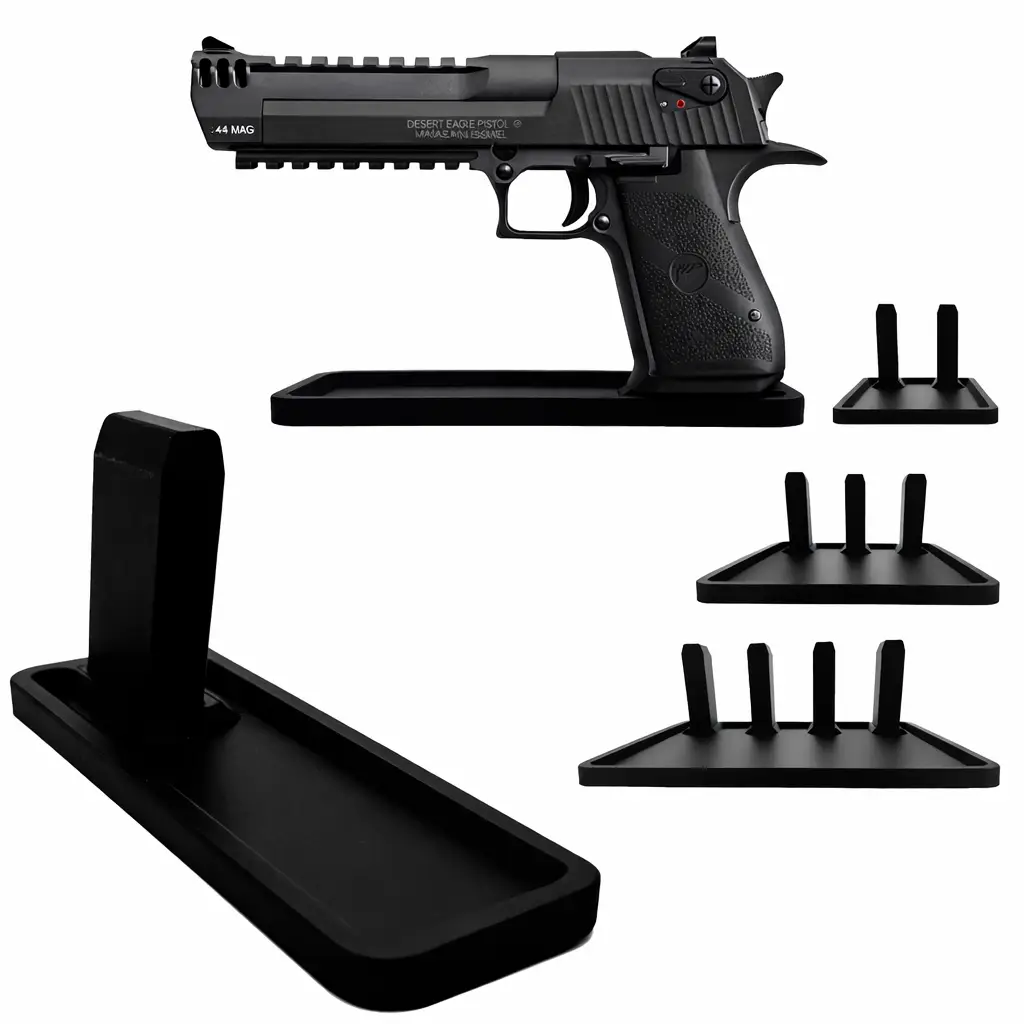
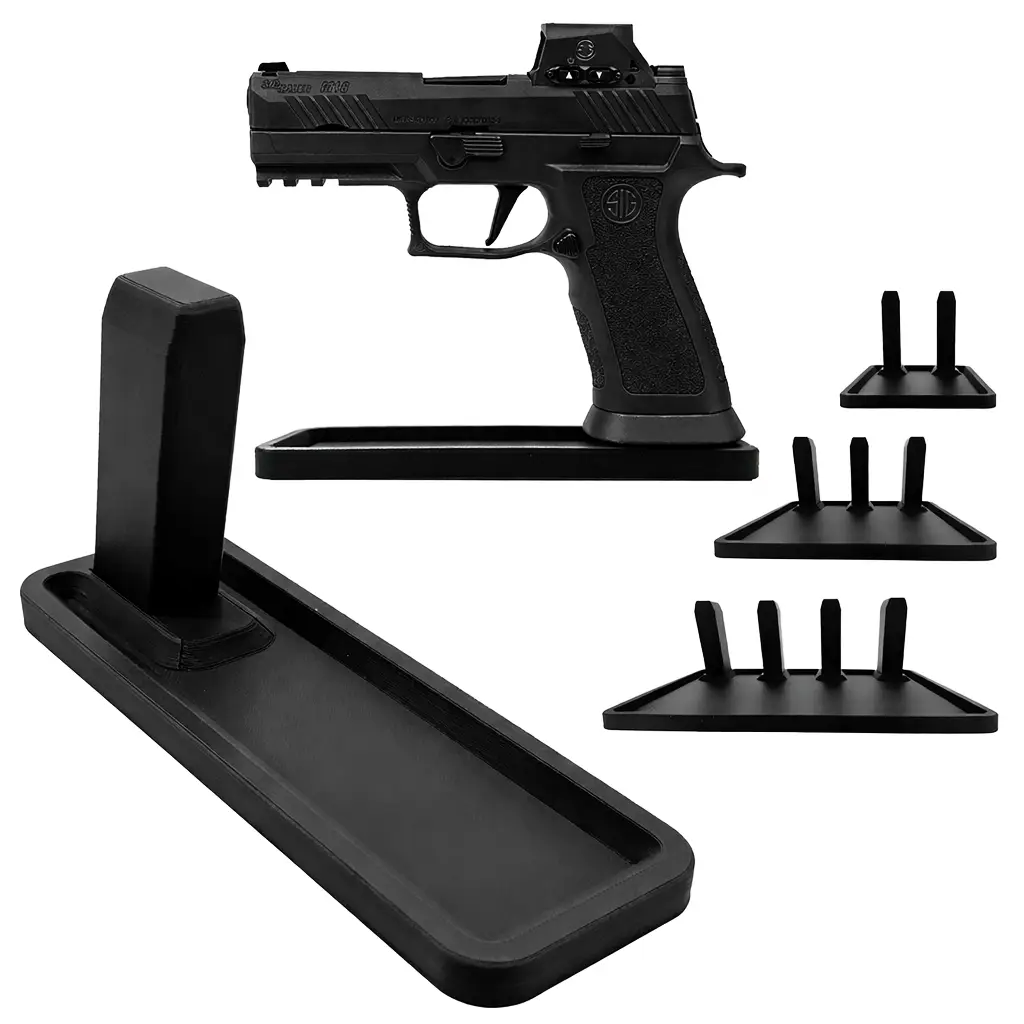
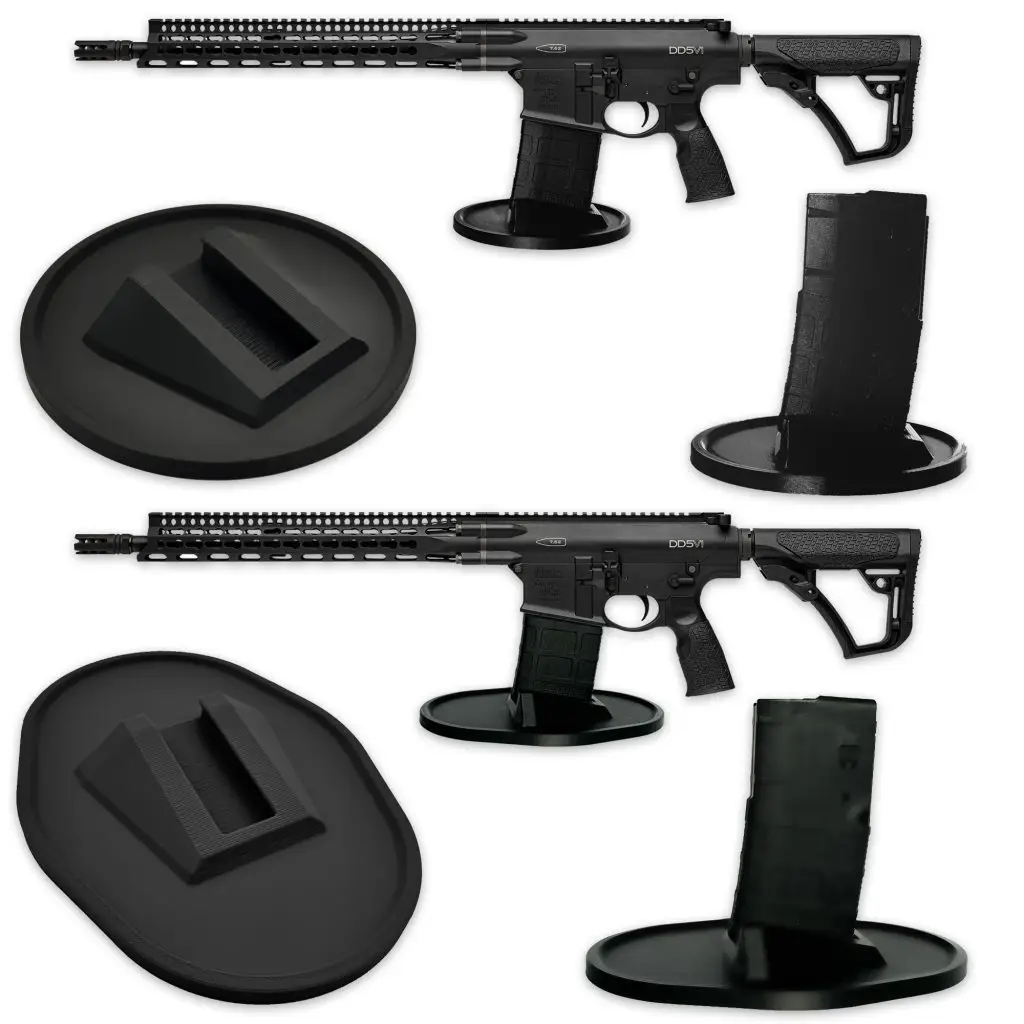
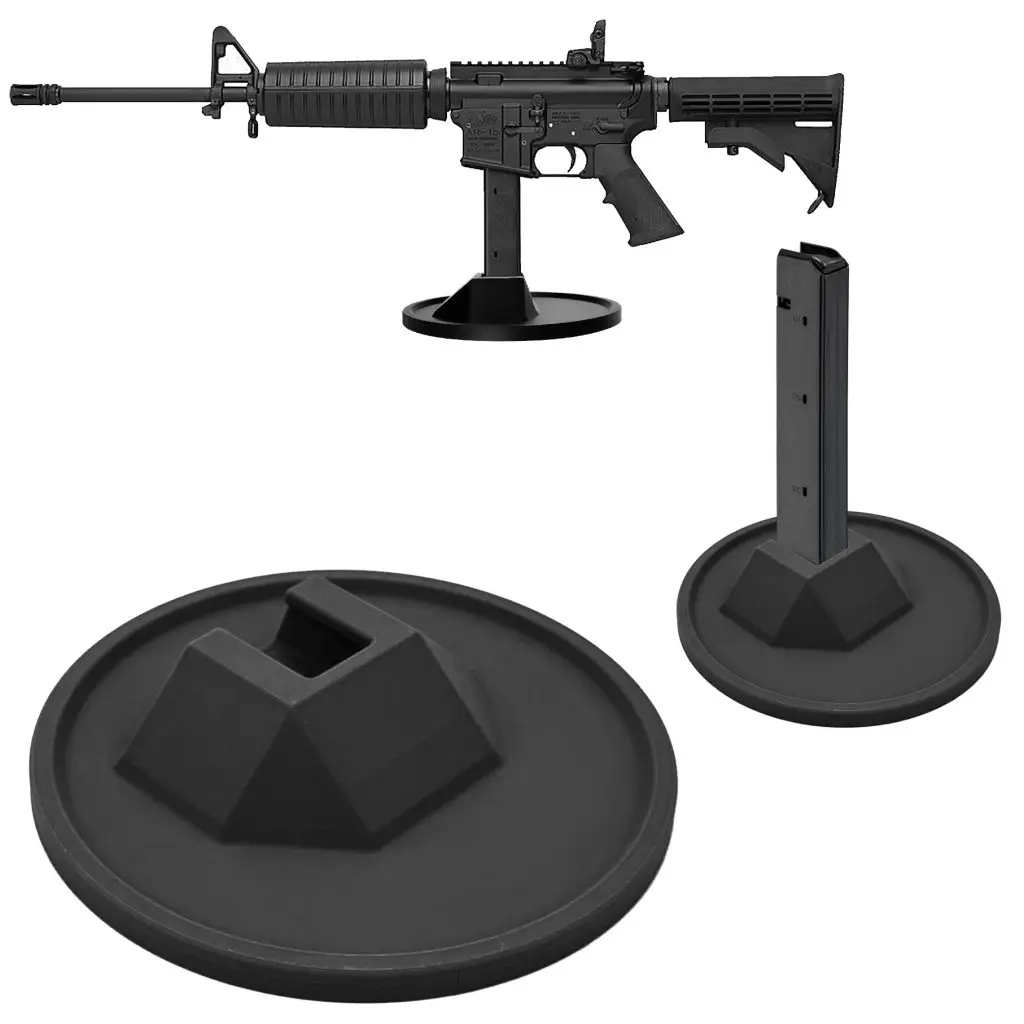
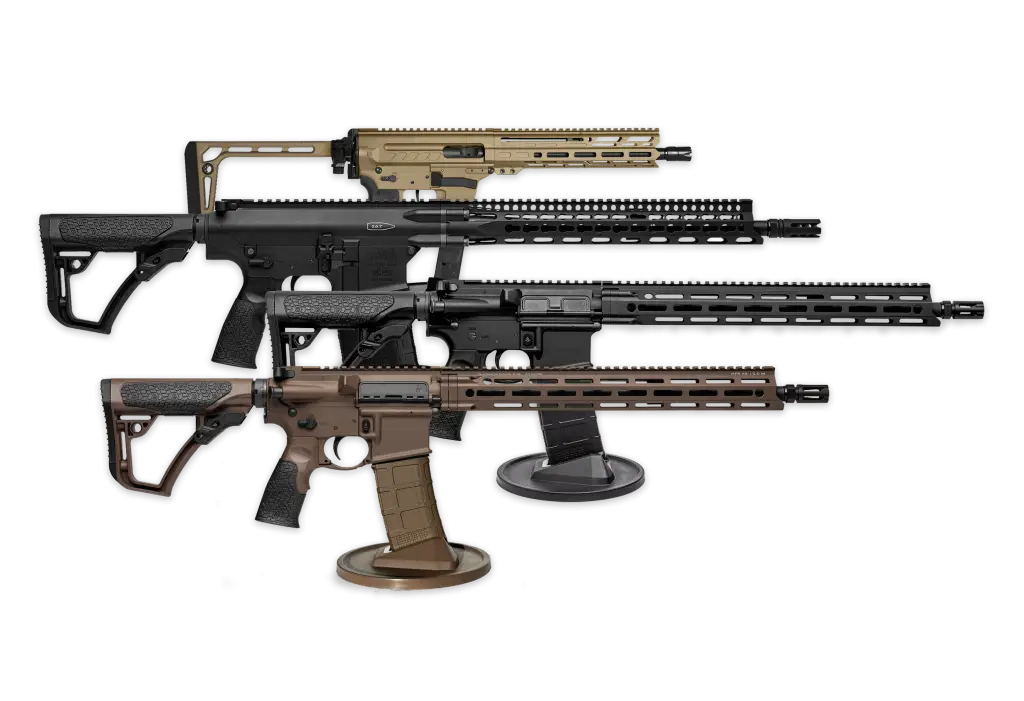
Today, collectors often showcase classic AK variants on premium gun stands that highlight the rifle’s distinctive profile and historical significance.
2. Reduced Weight
The AKM weighs significantly less than the original milled AK-47.
Approximate weight comparison:
- Original AK-47: around 9.5 lbs
- AKM: around 7.7 lbs
This reduction made the rifle easier to:
- Carry during long operations
- Deploy quickly
- Handle during rapid movement
The lighter platform helped improve soldier mobility without sacrificing reliability.
3. Improved Manufacturing Efficiency
One of the Soviet Union’s primary goals was mass production.
The AKM’s stamped construction allowed factories to produce rifles far faster and more efficiently than the original milled AK-47.
Advantages included:
- Lower material costs
- Faster assembly
- Simplified tooling
- Easier large-scale production
This manufacturing efficiency helped spread the AKM platform worldwide.
4. Slant Muzzle Brake
The AKM introduced the iconic slant compensator.
This angled muzzle device helped:
- Reduce muzzle climb
- Improve recoil control
- Enhance controllability during rapid fire
Although simple in appearance, the slant brake became one of the AKM’s most recognizable features.
5. Improved Trigger System
The AKM also introduced modifications to the fire control group.
Engineers redesigned components to:
- Reduce trigger slap
- Improve durability
- Enhance reliability
This contributed to smoother shooting characteristics while maintaining the AK platform’s rugged simplicity.
6. Enhanced Stock and Furniture Design
The AKM featured updated furniture designs that improved manufacturing and handling.
Changes included:
- Laminated wood furniture
- Lighter stock construction
- More durable materials
These improvements helped extend service life while reducing overall production complexity.
7. Better Battlefield Practicality
While the original AK-47 was already highly reliable, the AKM refined the platform into a more practical combat rifle.
The AKM became:
- Lighter
- Cheaper
- Easier to maintain
- Faster to manufacture
- More controllable
These factors helped the AKM dominate global military markets for decades.
Why the AKM Became So Widespread
The AKM eventually became one of the most produced rifles in history.
Its success came from several advantages:
- Extreme reliability
- Low production cost
- Simple maintenance
- Adaptability
- Durability in harsh environments
Countries around the world adopted or copied the AKM platform because it was affordable, effective, and easy to produce.
AKM vs AK-47: Visual Differences
Although similar in appearance, enthusiasts can identify several visual differences between the rifles.
AK-47 Features
- Milled receiver
- Smooth receiver sides
- Heavier profile
- No slant brake on early models
AKM Features
- Stamped receiver
- Visible rivets
- Dimpled magazine well
- Slant muzzle brake
- Lighter construction
Collectors often display both platforms side-by-side using premium gun stand systems to highlight the design evolution.
The AKM’s Influence on Modern Rifles
The AKM became the foundation for countless AK variants produced globally.
Modern descendants include:
- Romanian WASR rifles
- Zastava M70 variants
- Polish AKM clones
- Russian Saiga rifles
- Modern tactical AK platforms
Even today, many modern AK rifles still rely heavily on the AKM’s stamped receiver architecture.
Collecting and Displaying AKM Rifles
AK collectors are among the most passionate enthusiasts in the rifle community.
Collectors often seek:
- Military surplus variants
- Matching serial number rifles
- Cold War-era imports
- Rare country-specific models
- Original wood furniture builds
Proper display and storage help protect these collectible rifles while creating visually impressive setups.
Many enthusiasts organize their collections using premium gun stands that safely support optics-equipped rifles and traditional wood-furniture builds alike.
Modern Tactical AK Builds
Today’s AK platforms often combine traditional AKM reliability with modern accessories.
Popular upgrades include:
- Red dot optics
- M-LOK handguards
- Enhanced triggers
- Modern stocks
- Suppressor-ready muzzle devices
Despite these modernizations, the AKM’s core engineering remains largely unchanged because the original design was so effective.
Why Enthusiasts Still Love the AKM
The AKM remains beloved because it represents the perfect balance between simplicity, reliability, and practicality.
Unlike many overly complex modern platforms, the AKM thrives because it does exactly what it was designed to do:
- Run reliably
- Handle harsh conditions
- Operate simply
- Remain durable for decades
That timeless practicality continues attracting collectors, builders, competitors, and enthusiasts worldwide.
Final Thoughts
The AKM didn’t replace the AK-47 because the original design failed — it improved the platform by making it lighter, cheaper, faster to produce, and more practical for large-scale military deployment.
By refining the original Kalashnikov design, the AKM became one of the most influential rifles ever created and remains a dominant force in military and civilian markets worldwide.
Whether you’re an AK collector, builder, or enthusiast, properly organizing and displaying your rifles helps protect your investment while showcasing the legendary history behind the platform.
Explore premium rifle display solutions here:
Shop GunCreed Gun Stands & Rifle Display Solutions