




















One of the easiest ways to personalize an AR-15 is by adding an optic. From lightweight red dot sights to magnified scopes and versatile low-power variable optics (LPVOs), today’s market offers more choices than ever before. Selecting the right optic depends on your intended use, personal preferences, and the features that matter most to you.
Whether you’re building your first AR-15 or upgrading an existing rifle, understanding the differences between the most common optic types can help you make an informed decision. Many enthusiasts also enjoy displaying rifles equipped with premium optics on a dedicated AR15 gun stand, allowing each rifle’s unique configuration to be showcased while keeping the collection organized.
What Is a Red Dot Sight?
A red dot sight is a non-magnified optic that projects an illuminated aiming point onto a lens. Unlike traditional iron sights, a red dot allows the shooter to focus on the target while keeping both eyes open, making target acquisition quick and intuitive.
Although commonly called a “red” dot sight, many modern optics also offer green reticles or multiple illumination colors depending on the manufacturer.
Why Red Dot Sights Are So Popular
Red dot sights have become one of the most popular optic choices for AR-15 owners because they are lightweight, simple to use, and compatible with a wide variety of rifle configurations.
Advantages commonly include:
- Fast target acquisition.
- Wide field of view.
- Lightweight construction.
- Compact overall size.
- Simple controls.
- Excellent versatility.
These characteristics have made red dot sights a favorite among recreational shooters, competitors, and firearm enthusiasts alike.
How Does a Red Dot Sight Work?
A red dot sight uses an internal light source to project an illuminated reticle onto a specially coated lens. The reticle appears to remain aligned with the target regardless of head position within the optic’s viewing window, provided the optic is being used within its design limits.
Most modern red dot sights operate using battery-powered LED technology and feature adjustable brightness settings for different lighting conditions.
Types of Rifle Optics
Today’s AR-15 owners can choose from several major categories of optics, each offering unique advantages.
Red Dot Sights
Red dot sights remain one of the most popular choices for general-purpose AR-15 rifles due to their speed, simplicity, and compact design.
Holographic Sights
Holographic sights use a different projection system than traditional red dots while providing an illuminated aiming reticle. They are recognized for their large viewing windows and distinctive reticle designs.
Prism Scopes
Prism optics utilize etched reticles rather than relying solely on illuminated projections. Many models remain usable even if illumination is unavailable.
LPVO (Low Power Variable Optics)
LPVOs combine low magnification with variable zoom ranges, allowing shooters to transition between close and more distant targets by adjusting magnification.
Traditional Rifle Scopes
Magnified scopes remain popular for precision-oriented shooting, hunting where lawful, and long-range applications.
Understanding Reticles
The reticle is the aiming reference visible inside the optic. Different manufacturers offer a wide variety of reticle designs, including:
- Single dot.
- Circle-dot.
- Chevron.
- Crosshair.
- BDC (Bullet Drop Compensation) reticles.
- Horseshoe reticles.
The ideal reticle depends on the optic type and the user’s intended application.
Open vs. Tube-Style Red Dot Sights
Red dot sights generally fall into two primary categories.
Open Reflex Sights
Open reflex sights use a single exposed lens and compact housing. They are lightweight and commonly found on pistols as well as some rifles.
Tube-Style Red Dot Sights
Tube-style optics resemble small rifle scopes and completely enclose the optical system, offering additional protection from environmental conditions.
Battery Life
Modern red dot sights are known for impressive battery life. Depending on the model and brightness setting, many optics can operate for thousands—or even tens of thousands—of hours on a single battery.
Features that influence battery life include:
- Brightness level.
- Automatic shutoff.
- Motion activation.
- Reticle design.
- Battery type.
Mounting Options
Most AR-15 optics mount directly to the rifle’s Picatinny rail. Some optics include integrated mounts, while others allow users to choose separate mounting systems.
Common mounting heights include:
- Absolute co-witness.
- Lower one-third co-witness.
- High-rise mounts.
- Quick-detach mounts.
When selecting a mount, always verify compatibility with your optic and rifle.
Durability Considerations
Many modern optics are designed for demanding outdoor use and feature:
- Water-resistant construction.
- Fog-resistant lenses.
- Shock-resistant housings.
- Aircraft-grade aluminum bodies.
- Scratch-resistant lens coatings.
Durability requirements vary depending on how the rifle will be used.
Choosing the Right Optic
Before purchasing an optic, many owners consider:
- Intended shooting discipline.
- Magnification needs.
- Weight.
- Battery life.
- Reticle style.
- Budget.
- Mount compatibility.
There is no universal “best” optic. The right choice depends on your rifle configuration and personal preferences.
Caring for Your Optic
Proper maintenance helps preserve optical clarity and extend the service life of your sight.
Routine care includes:
- Cleaning lenses with appropriate lens cloths.
- Checking mounting screws.
- Replacing batteries as needed.
- Inspecting lens covers.
- Storing the rifle in a clean, dry environment.
Displaying Rifles Equipped with Optics
Quality optics are a significant investment, and many enthusiasts enjoy displaying rifles outfitted with different sighting systems. Whether your rifle features a compact red dot, an LPVO, or a traditional scope, proper storage helps protect both the optic and the rifle.
Many collectors choose a durable rifle stand to showcase rifles while minimizing unnecessary contact with optics, handguards, and finishes.
Why GunCreed Stands Pair Perfectly with AR-15 Optics
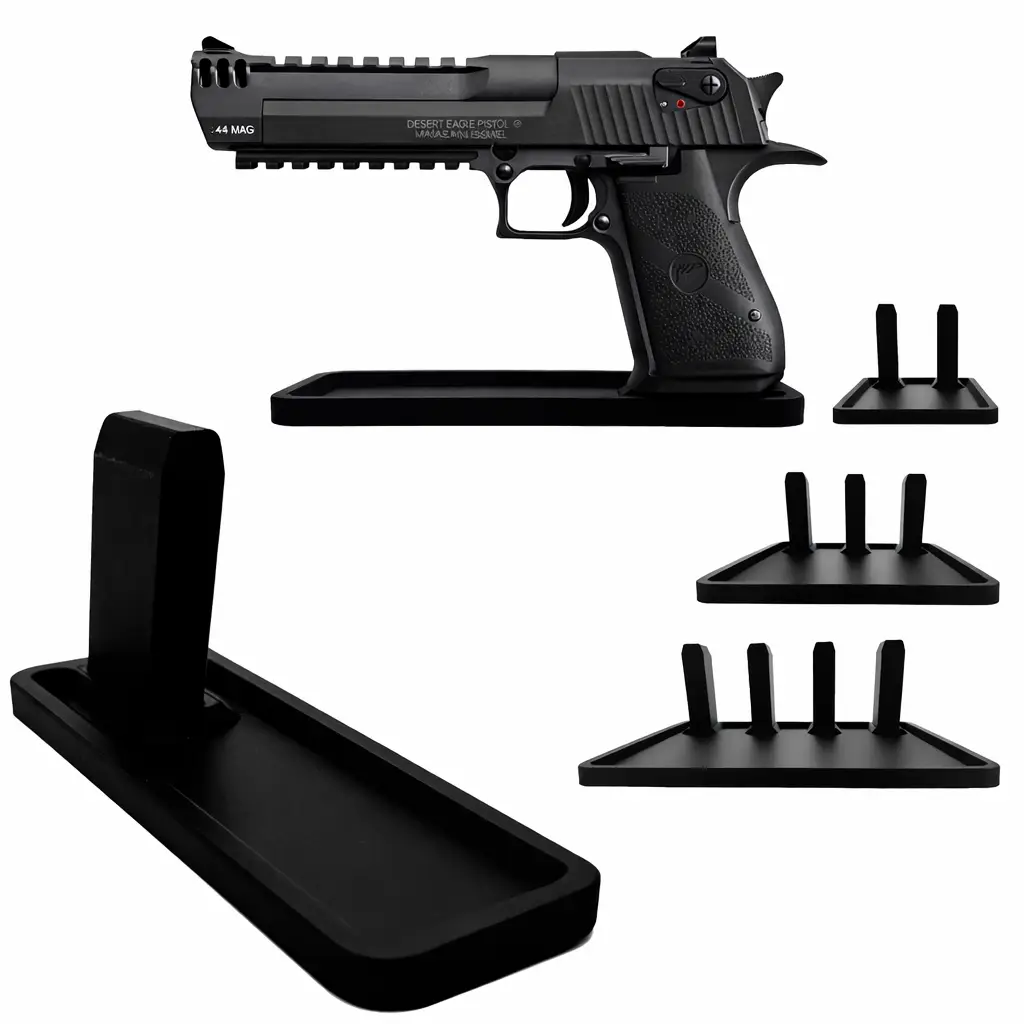
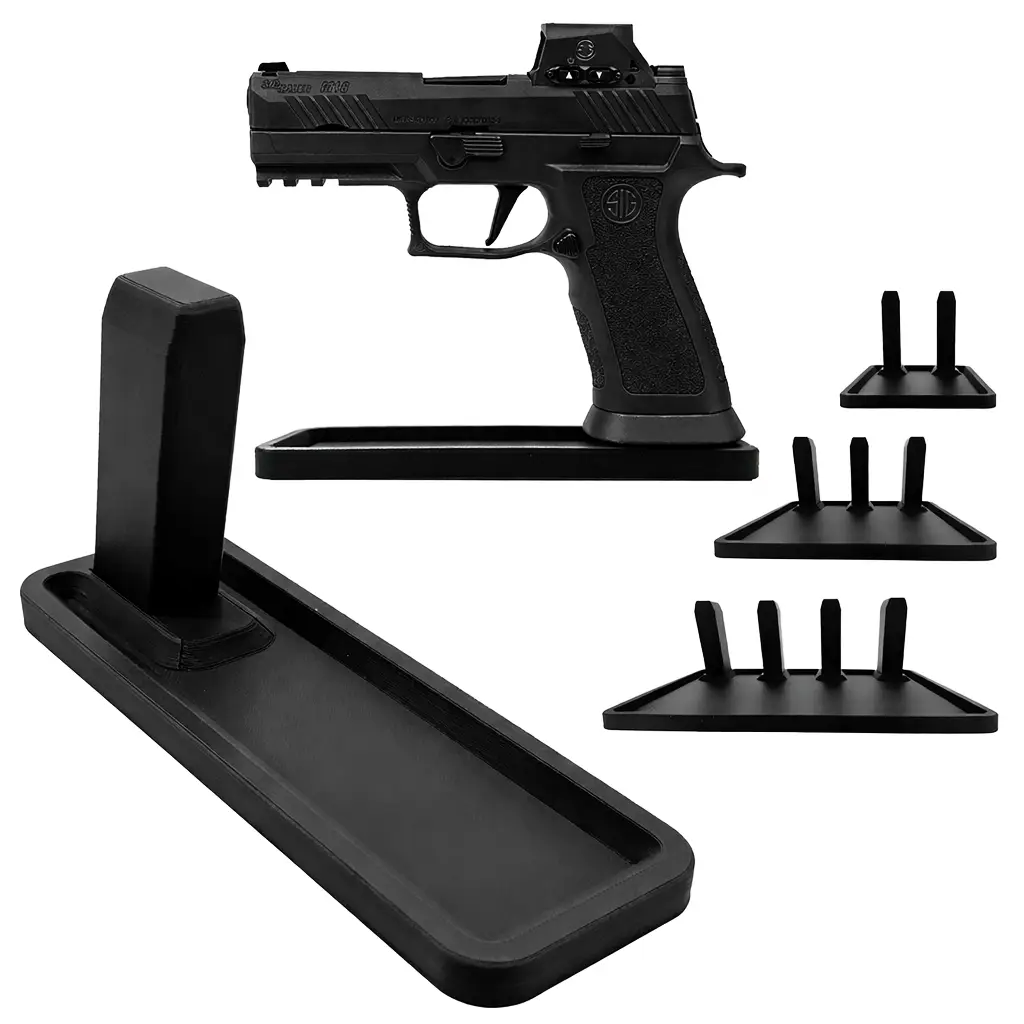
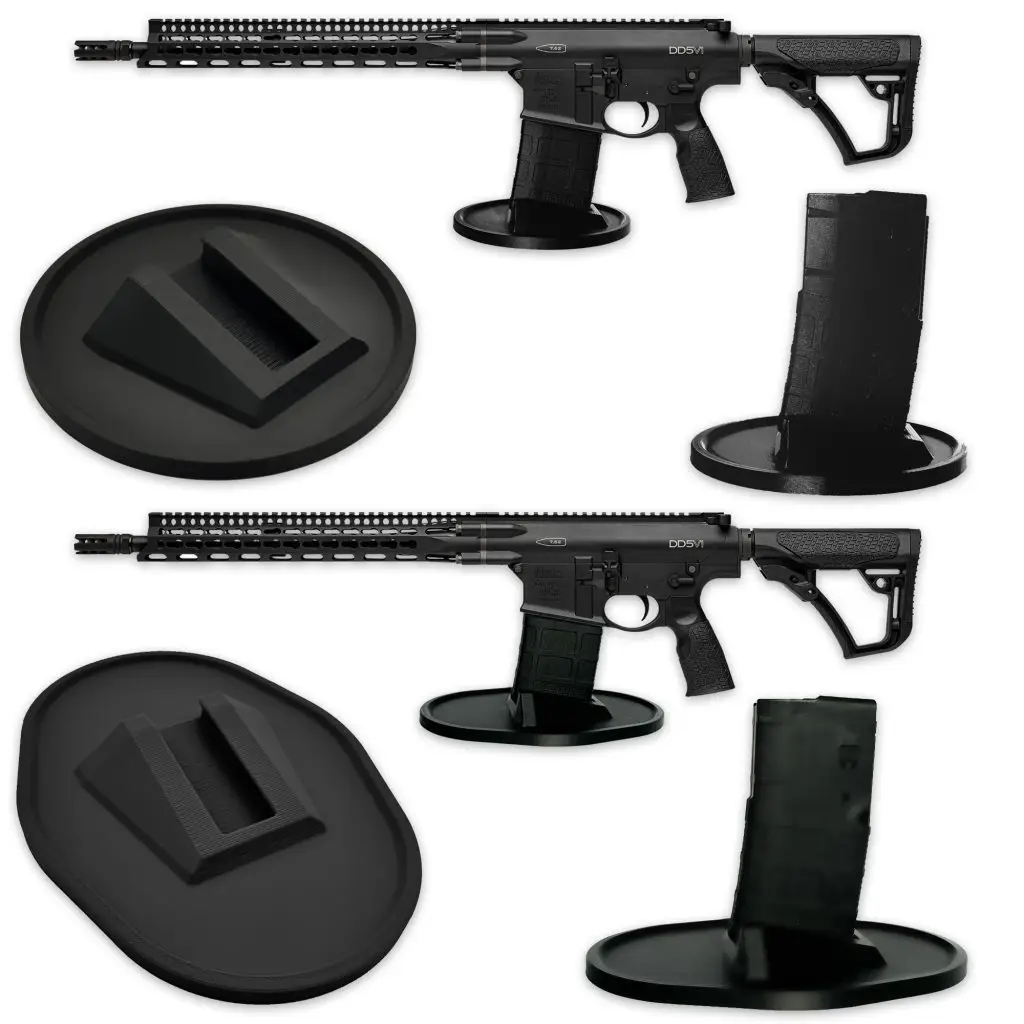
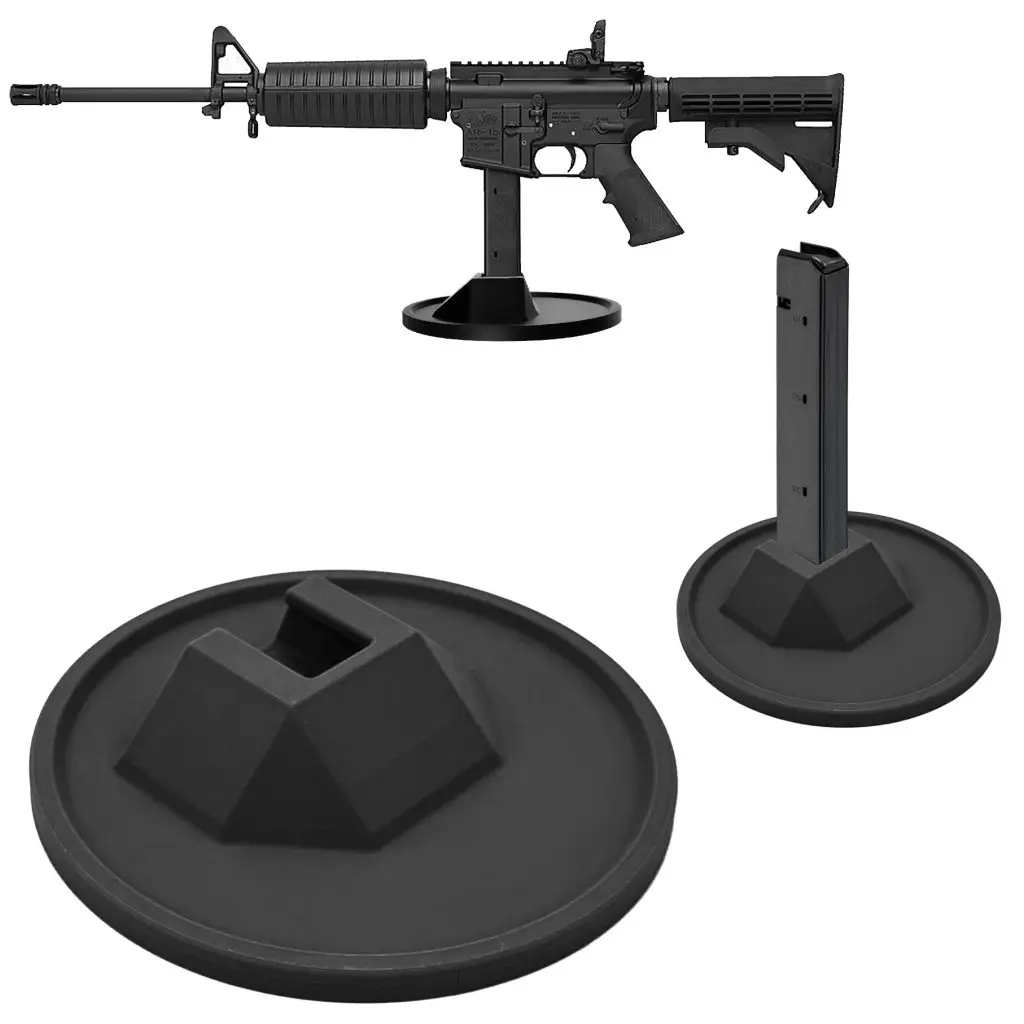
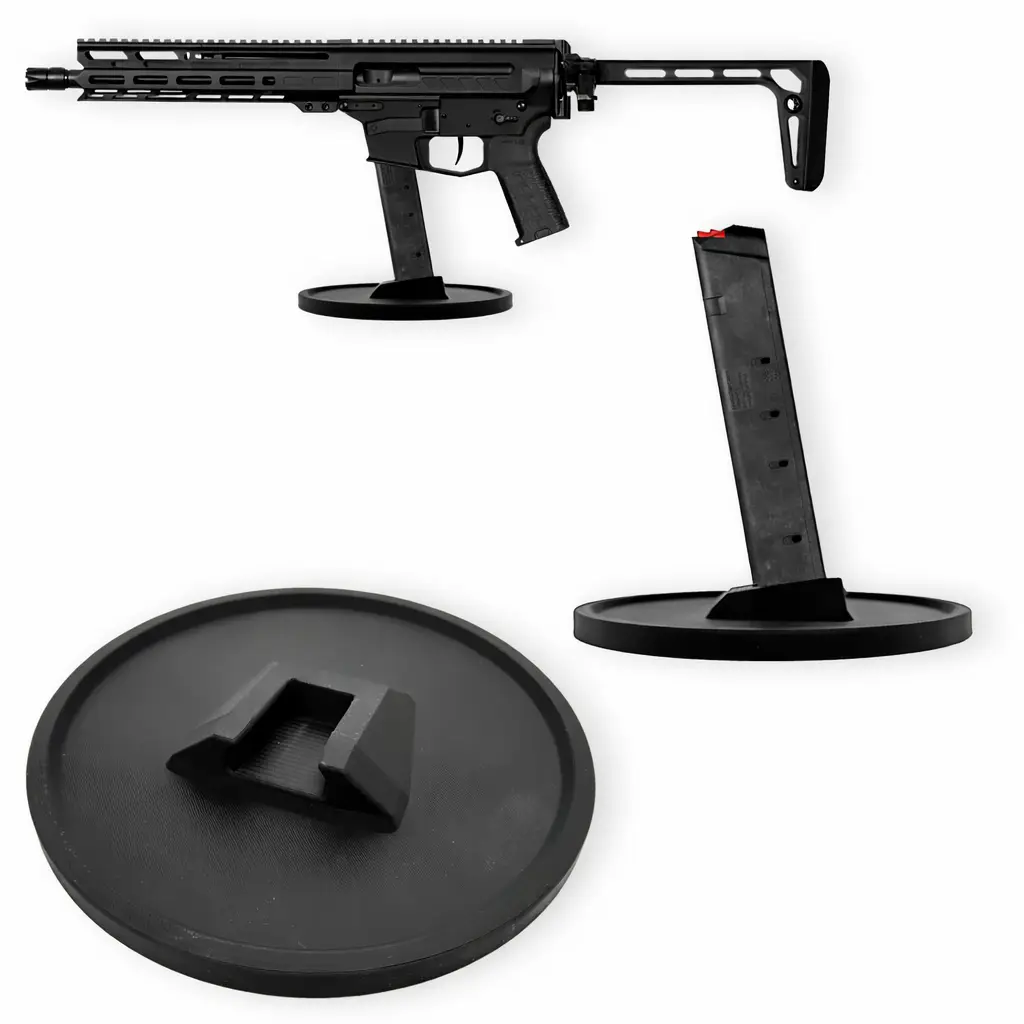
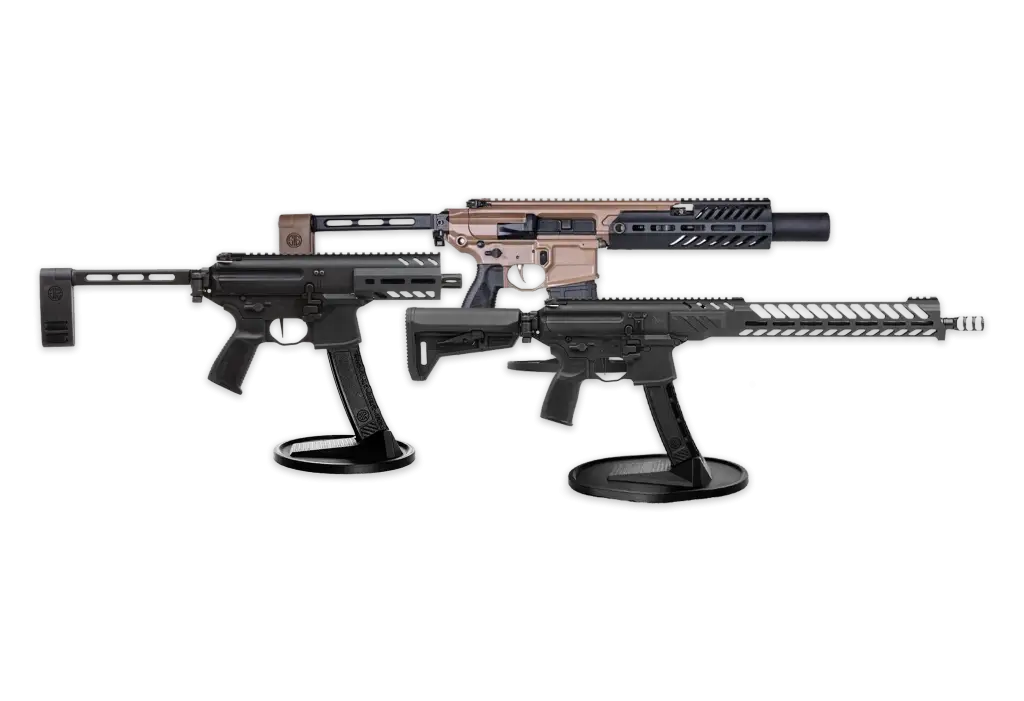
GunCreed magazine-compatible rifle stands allow AR-15 owners to display rifles equipped with virtually any optic configuration. Because the stand supports the rifle using a compatible magazine, optics remain unobstructed, allowing each build to be fully appreciated.
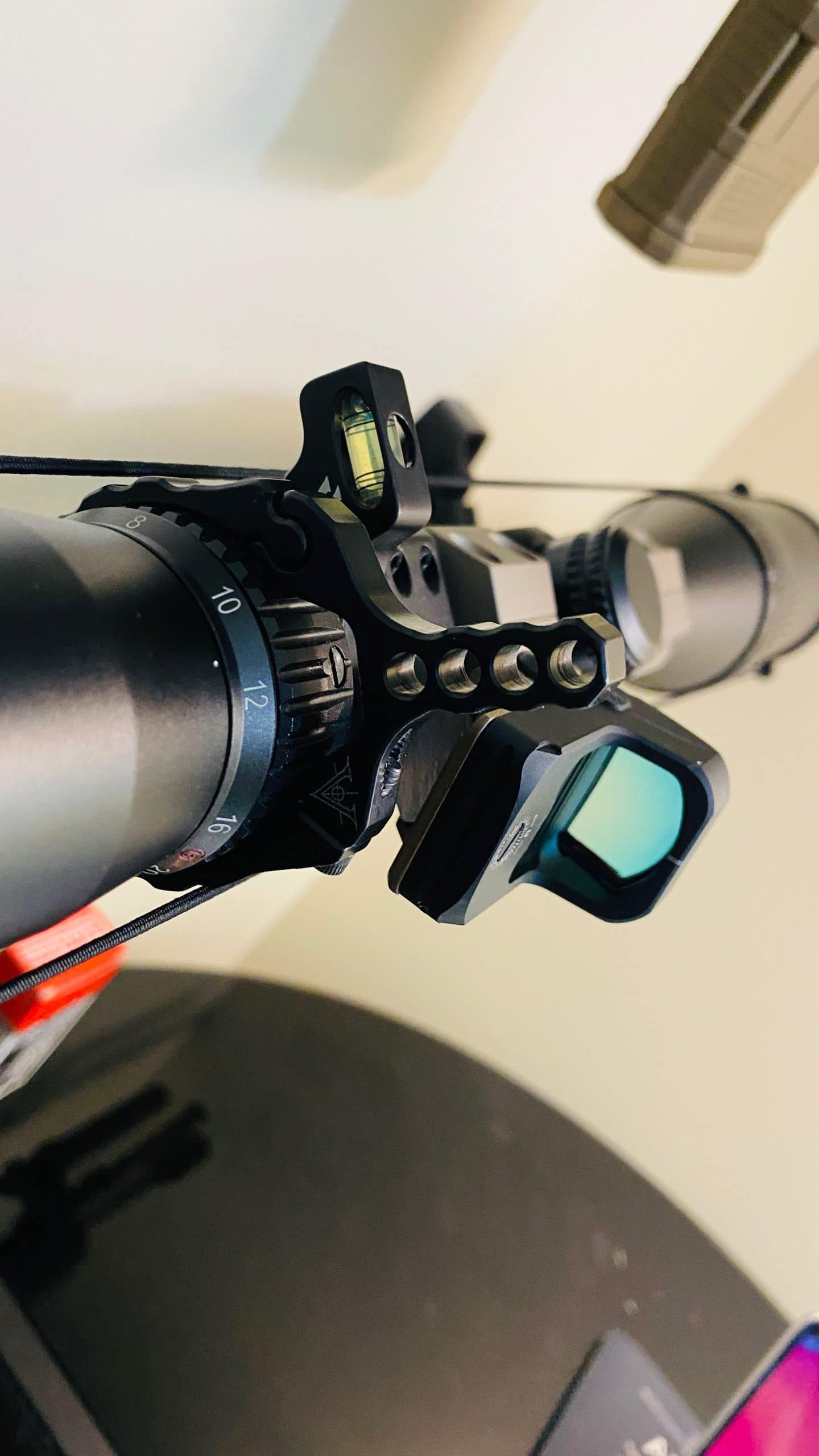
Whether your rifle features a lightweight red dot sight, a holographic optic, or a full-size LPVO, GunCreed stands provide a stable, professional display solution for collectors.
Final Thoughts
A quality red dot sight or rifle optic can transform the overall experience of owning an AR-15. From simple non-magnified red dots to advanced LPVOs and magnified scopes, today’s optics offer solutions for nearly every type of sporting shooter and enthusiast.
As your collection grows, displaying optic-equipped rifles on a premium gun stand or dedicated AR10 gun stand helps protect your investment while showcasing the craftsmanship and individuality of every rifle in your collection.