



















The rifle stock is one of the most recognizable components of any rifle. While barrels, optics, triggers, and handguards often receive significant attention, the stock plays an equally important role in the rifle’s overall design, ergonomics, balance, and appearance.
Whether you own a traditional bolt-action hunting rifle, an AR-15, a precision rifle, or another modern sporting rifle, the stock provides the primary point of contact between the shooter and the firearm. Its design influences how comfortably the rifle fits the individual, how easily it can be shouldered, and how accessories integrate with the platform.
Today’s market offers dozens of rifle stock styles. Some prioritize lightweight construction, while others focus on adjustability, traditional appearance, precision shooting, or compact storage. Materials have also evolved from traditional hardwood into modern laminates, reinforced polymers, aluminum chassis systems, carbon fiber, and hybrid designs.
Understanding the different types of rifle stocks helps buyers compare factory rifles, evaluate aftermarket upgrades, and better understand why one design may be chosen over another.
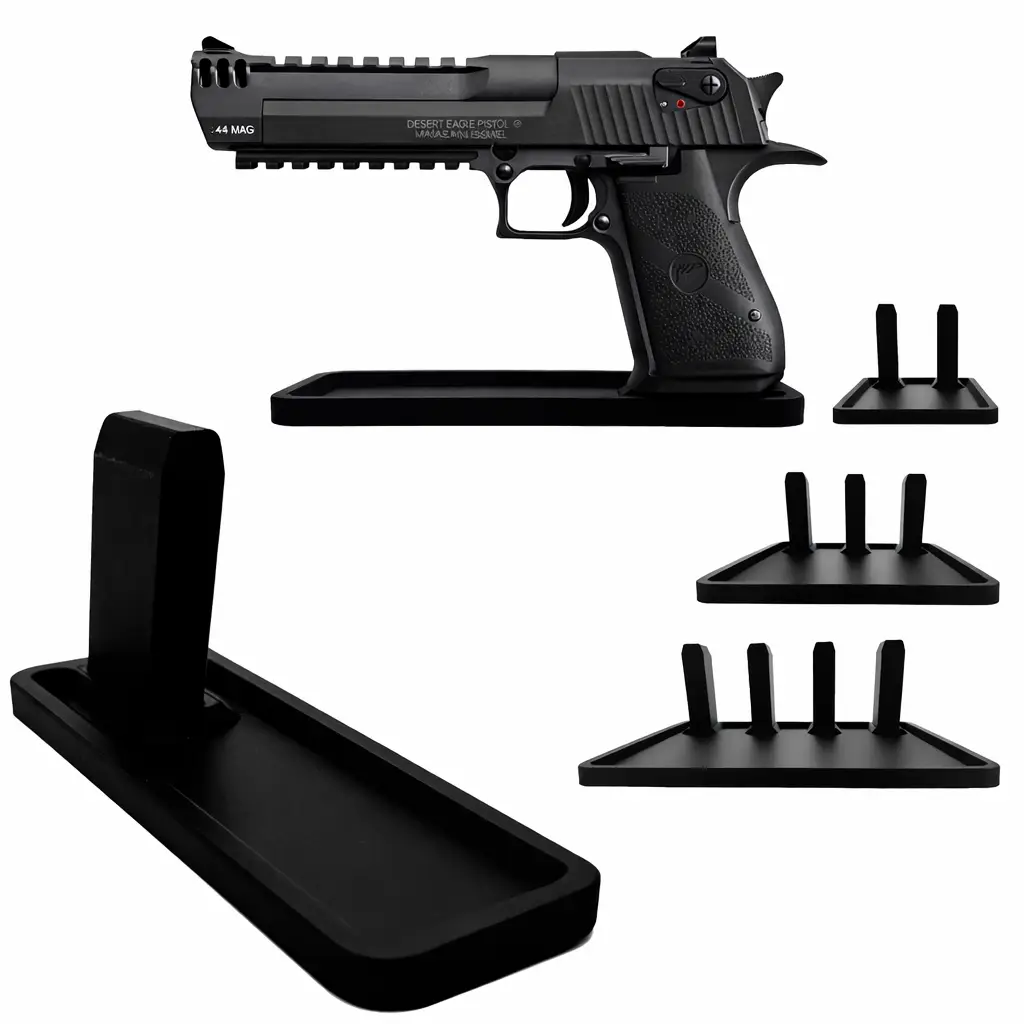
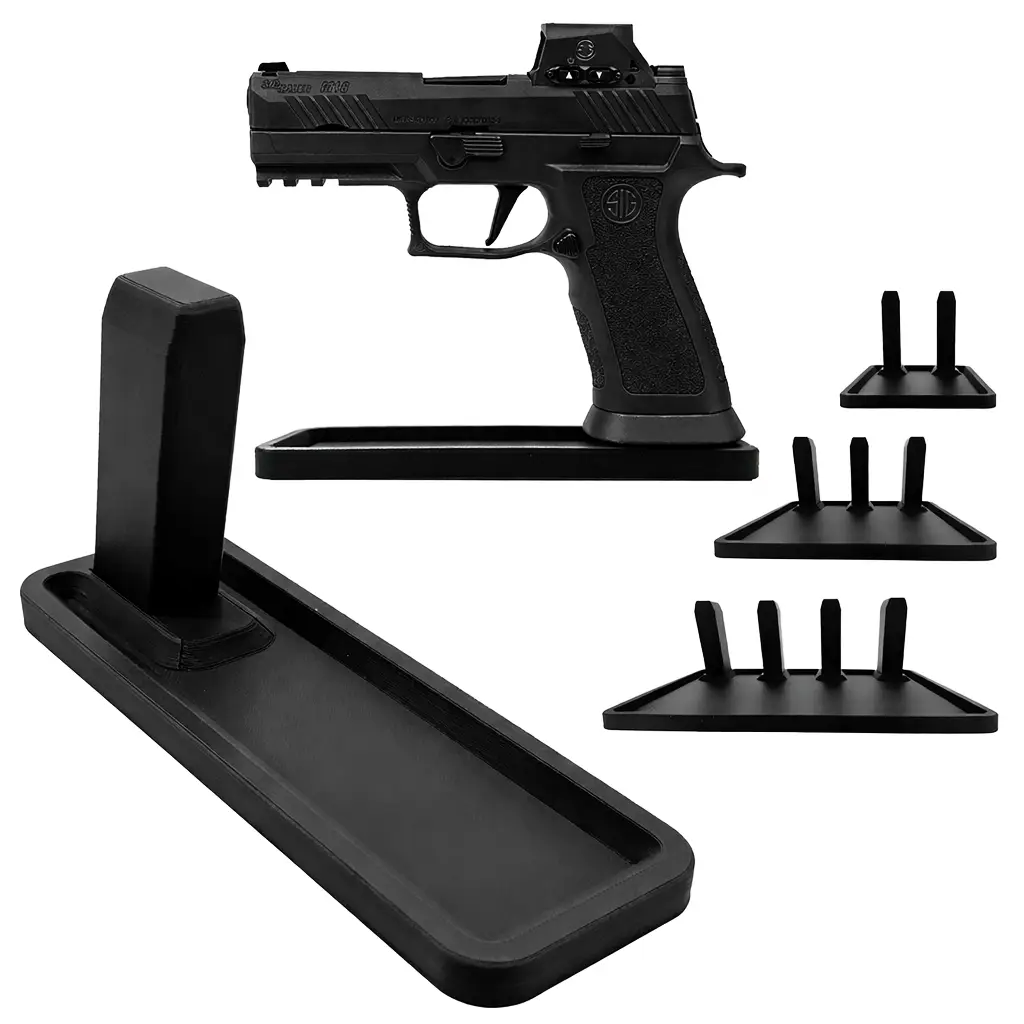
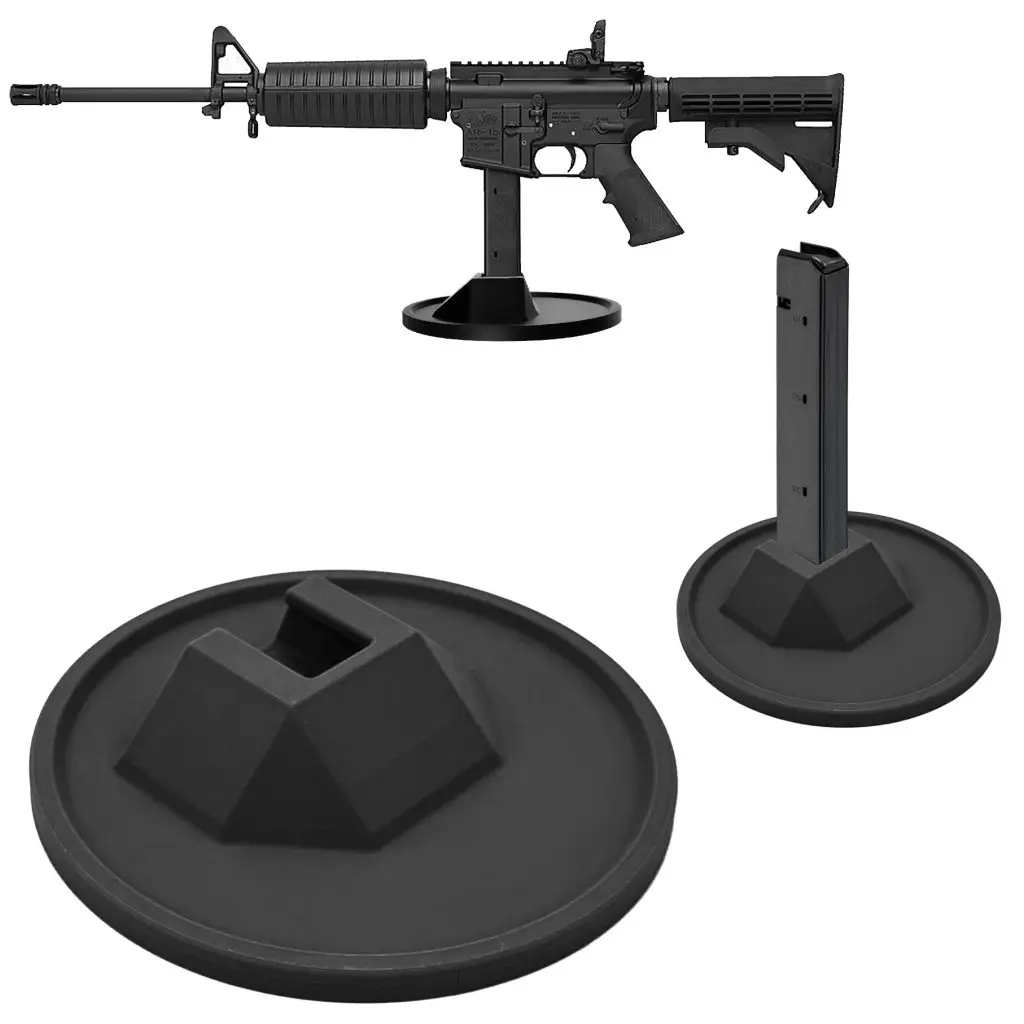
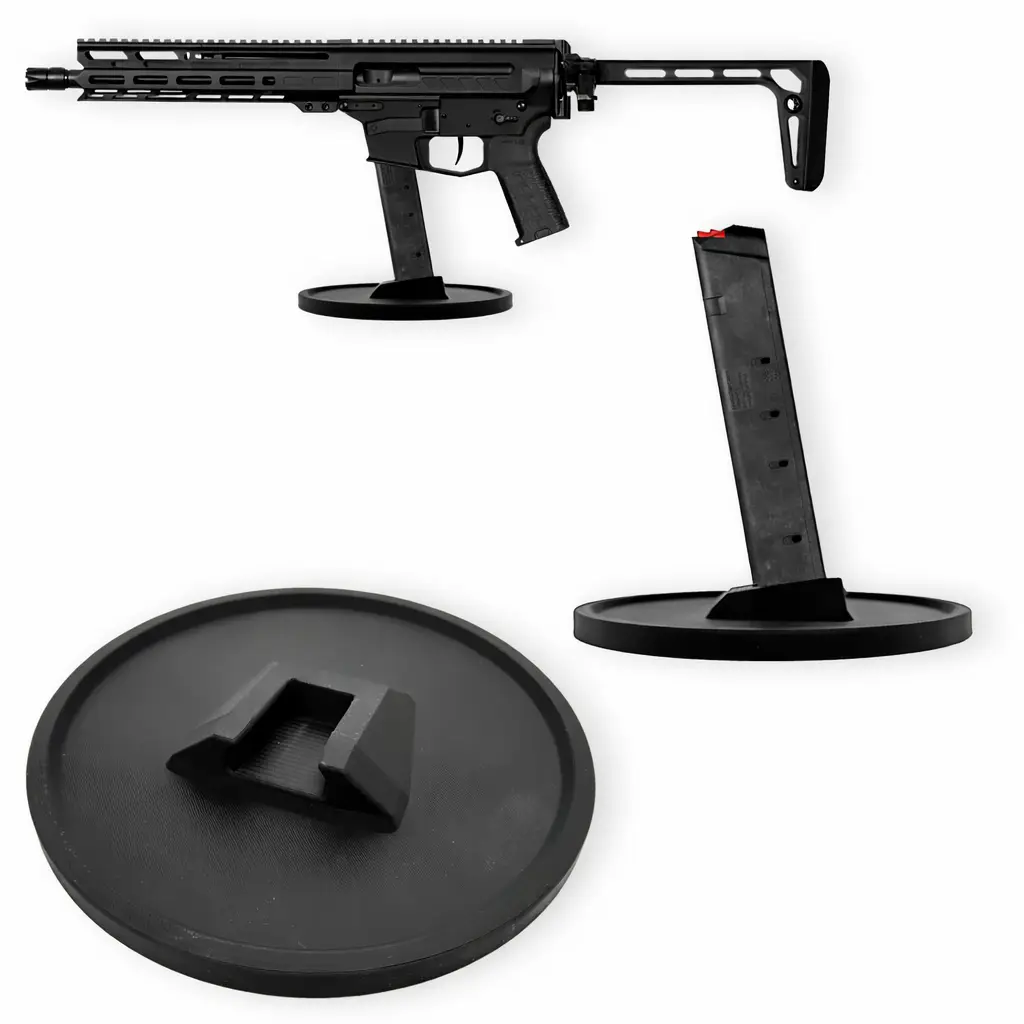
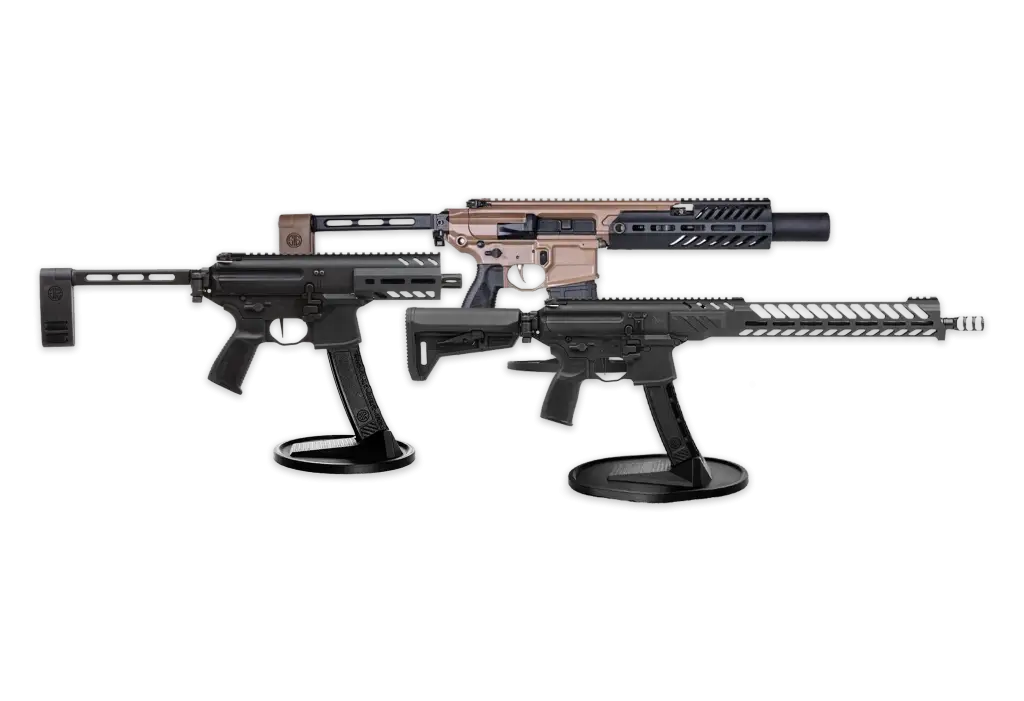
After selecting the ideal stock, many collectors display their completed rifles on a compatible rifle stand, allowing the stock, receiver, optic, barrel, and handguard to remain completely visible.
What Is a Rifle Stock?
The rifle stock is the rear portion of the firearm that supports the shoulder and helps position the rifle during use. It provides an attachment point for the shooter’s shoulder while supporting proper eye alignment with sights or optics.
Depending on the firearm design, the stock may also contain or support:
- Buffer systems.
- Receiver extensions.
- Cheek rests.
- Length-of-pull adjustments.
- Sling attachment points.
- Storage compartments.
- Adjustable buttplates.
- Recoil pads.
Some rifles use a one-piece stock that extends beneath the receiver, while others, such as the AR-15, separate the pistol grip and stock into individual components.
The Purpose of a Rifle Stock
The stock serves several important functions beyond simply resting against the shoulder.
A quality rifle stock helps provide:
- Stable shoulder support.
- Comfortable shooting position.
- Proper eye alignment with sights or optics.
- Balanced weight distribution.
- Accessory mounting options.
- Consistent positioning.
- Ergonomic control.
- Visual style.
Different stock designs emphasize different priorities. A lightweight sporting rifle stock differs considerably from a precision chassis stock or a collapsible AR-15 stock.
Main Categories of Rifle Stocks
Although hundreds of stock models exist, most fall into several broad categories.
- Fixed stocks.
- Adjustable or collapsible stocks.
- Folding stocks.
- Precision stocks.
- Chassis systems.
- Thumbhole stocks.
- Traditional sporting stocks.
- Skeletonized stocks.
Each style offers different advantages depending on the rifle platform and intended application.
Fixed Rifle Stocks
A fixed stock maintains one permanent length and does not telescope or fold. It remains one of the most common designs found on traditional rifles and many AR-style platforms.
Characteristics include:
- Simple construction.
- Rigid design.
- Consistent cheek weld.
- Traditional appearance.
- Minimal moving parts.
- Broad compatibility.
Fixed stocks are commonly found on hunting rifles, classic military-inspired rifles, and precision-oriented platforms.
Adjustable (Collapsible) Rifle Stocks
Adjustable stocks, often called collapsible or telescoping stocks, are especially common on AR-15 platforms. They allow the overall length of the stock to be changed by moving it along the receiver extension.
Benefits include:
- Multiple length-of-pull settings.
- Compact storage.
- Adaptability for different shooters.
- Compatibility with various clothing layers.
- Wide aftermarket availability.
Modern collapsible stocks are available in lightweight, reinforced, minimalist, and enhanced configurations with additional features such as storage compartments and adjustable cheek rests.
Folding Rifle Stocks
Folding stocks pivot to the side or underneath the rifle to reduce overall length for storage or transportation.
Common characteristics include:
- Compact storage.
- Mechanical hinge system.
- Locking mechanism.
- Multiple material options.
- Available on several rifle platforms.
Compatibility depends entirely on the firearm’s design. Not every rifle can accept a folding stock, particularly those using receiver extensions as part of their operating system.
Precision Rifle Stocks
Precision stocks emphasize consistency, adjustability, and stability. They are commonly found on long-range and precision-oriented rifles.
Features may include:
- Adjustable cheek rests.
- Adjustable buttplates.
- Length-of-pull adjustment.
- Vertical grips.
- Wide fore-end support.
- Bipod mounting options.
Many precision stocks are heavier than sporting designs because stability often takes priority over minimizing weight.
Chassis Rifle Systems
A chassis system replaces the traditional stock with a rigid framework, often constructed from aluminum or another structural material.
Modern chassis systems commonly offer:
- Modular accessory attachment.
- Adjustable buttstocks.
- Precision bedding surfaces.
- M-LOK compatibility.
- Integrated rails.
- Multiple sling attachment options.
Many precision rifle platforms use chassis systems because they allow extensive customization while maintaining a rigid foundation.
Thumbhole Stocks
Thumbhole stocks incorporate an opening behind the grip area that allows the thumb to pass through the stock.
Potential characteristics include:
- Distinctive appearance.
- Comfortable wrist angle.
- Integrated grip area.
- Traditional or modern construction.
Thumbhole stocks are available on bolt-action rifles, rimfire rifles, air rifles, and certain sporting rifle platforms.
Traditional Sporting Stocks
Traditional sporting stocks remain common on hunting rifles and classic sporting firearms.
These stocks often feature:
- Straight combs.
- Curved grip areas.
- Wood construction.
- Checkering.
- Traditional recoil pads.
- Classic appearance.
Walnut remains one of the most recognizable materials for traditional sporting stocks, although laminated hardwoods have become increasingly popular.
Skeletonized Stocks
Skeletonized stocks reduce weight by removing non-essential material while maintaining structural integrity.
These designs are commonly found on:
- Competition rifles.
- Modern sporting rifles.
- Precision chassis systems.
- Lightweight builds.
The appearance is highly distinctive, with open sections replacing the solid body found on conventional stocks.
Wood Rifle Stocks
Wood has been used in rifle stocks for generations and remains popular among collectors and hunters.
Common wood species include:
- Walnut.
- Maple.
- Birch.
- Beech.
- Laminated hardwood.
Wood stocks are often appreciated for their natural grain patterns and traditional appearance.
Synthetic Rifle Stocks
Modern synthetic stocks are commonly manufactured from reinforced polymers or composite materials.
Advantages may include:
- Reduced maintenance.
- Weather resistance.
- Lower weight.
- Consistent manufacturing.
- Wide variety of colors.
Synthetic stocks are widely used across modern hunting rifles, AR-style platforms, and recreational sporting rifles.
Carbon Fiber Stocks
Carbon fiber stocks combine lightweight construction with high rigidity.
They are often selected for:
- Weight reduction.
- Precision rifles.
- Mountain rifles.
- Competition platforms.
Carbon fiber generally occupies a premium price category compared to standard polymer stocks.
Adjustable Features
Modern rifle stocks may include numerous adjustment points.
Popular adjustments include:
- Length of pull.
- Cheek rest height.
- Buttplate height.
- Buttplate cant.
- Sling attachment position.
- Accessory rails.
Not every shooter requires every adjustment. The best configuration depends on the rifle, optic height, and intended application.
Length of Pull
Length of pull is the distance between the trigger and the rear of the buttstock.
This measurement influences:
- Comfort.
- Shouldering position.
- Eye relief.
- Body positioning.
- Overall ergonomics.
Adjustable stocks provide multiple length settings, while fixed stocks maintain one consistent dimension.
Cheek Weld
Cheek weld refers to the consistent placement of the shooter’s cheek against the stock.
A repeatable cheek weld helps align the eye with sights or optics.
Some precision stocks incorporate adjustable cheek rests to accommodate different optic heights.
Recoil Pads
Many rifle stocks include recoil pads attached to the rear of the buttstock.
Common materials include:
- Rubber.
- Synthetic compounds.
- Foam inserts.
- Composite materials.
Recoil pads vary considerably in thickness, shape, and texture depending on the rifle’s intended purpose.
Sling Mounting Options
Modern rifle stocks frequently support several sling attachment methods.
These may include:
- Quick-detach sockets.
- Fixed sling loops.
- M-LOK attachments.
- Stud mounts.
- Picatinny adapters.
The available mounting options depend on the specific stock design.
Storage Compartments
Some adjustable and tactical stocks include internal storage compartments.
Depending on the model, these compartments may hold:
- Small maintenance items.
- Batteries.
- Cleaning accessories.
- Other compact equipment.
Storage capacity and compartment design vary significantly between manufacturers.
Choosing the Right Rifle Stock
Several factors should be considered before selecting a replacement stock.
Compatibility
Always verify that the stock is designed for the specific rifle platform.
Weight
Lightweight stocks improve portability, while heavier designs may increase stability.
Material
Wood, polymer, laminate, carbon fiber, and aluminum each provide different characteristics.
Adjustability
Consider whether adjustable features are actually needed.
Intended Use
A hunting rifle, precision rifle, and AR-15 may all benefit from different stock designs.
Common Buying Mistakes
Ignoring Compatibility
Not every stock fits every rifle platform.
Choosing Only by Appearance
Comfort and compatibility are often more important than cosmetic styling.
Overlooking Weight
A heavy stock may not suit every application.
Buying Unnecessary Features
Multiple adjustments may add cost without providing meaningful benefits.
Maintaining a Rifle Stock
Routine maintenance depends on the material and manufacturer.
General inspection may include:
- Checking mounting hardware.
- Inspecting sling attachments.
- Cleaning textured surfaces.
- Looking for cracks or damage.
- Inspecting recoil pads.
- Checking adjustment mechanisms.
Owners should always follow the manufacturer’s maintenance recommendations.
Displaying Rifles with Different Stock Styles
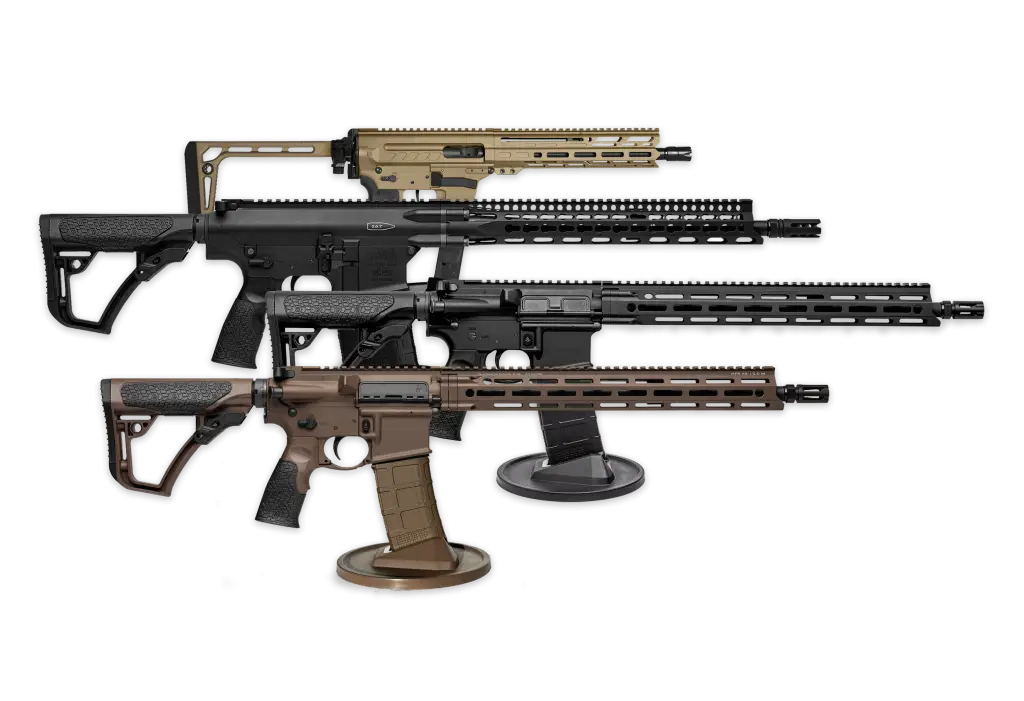
Collectors often own rifles equipped with several stock styles, including traditional walnut stocks, precision chassis systems, adjustable AR stocks, and lightweight hunting stocks.
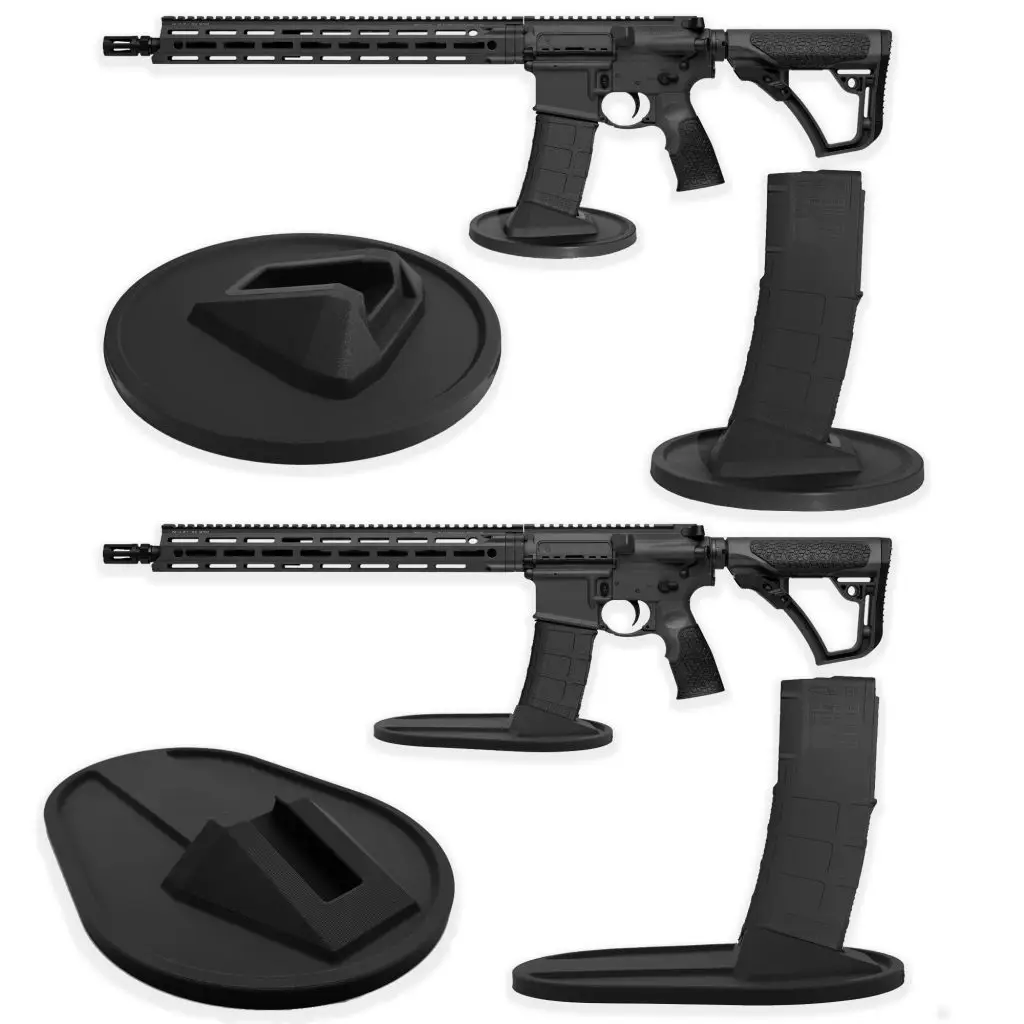
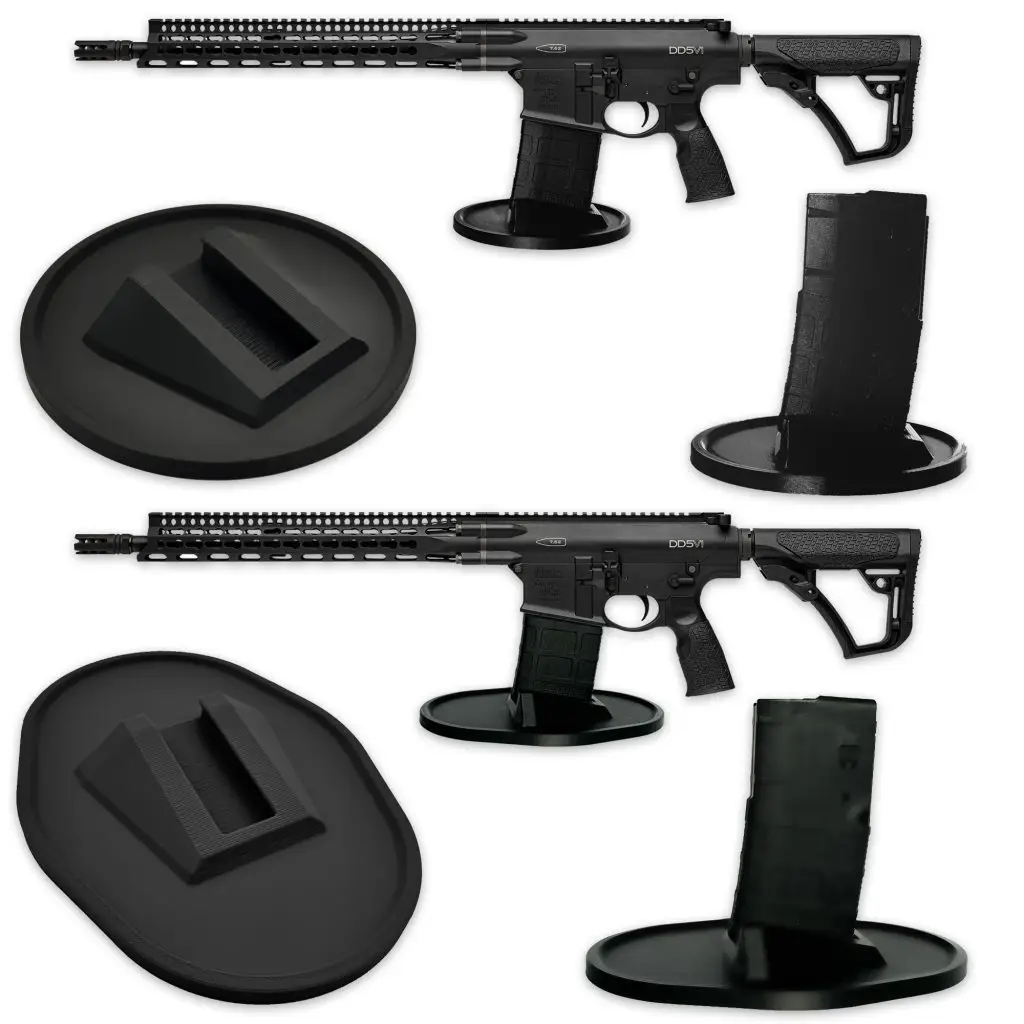
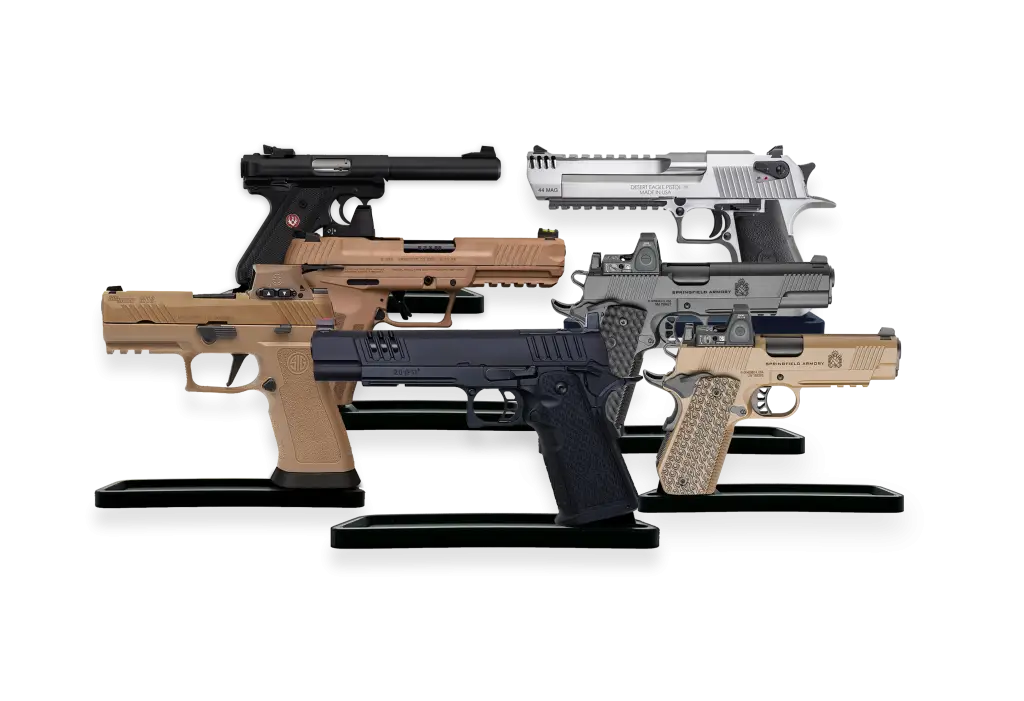
A compatible gun stand allows these different designs to be displayed without covering the stock or resting the rifle on delicate furniture.
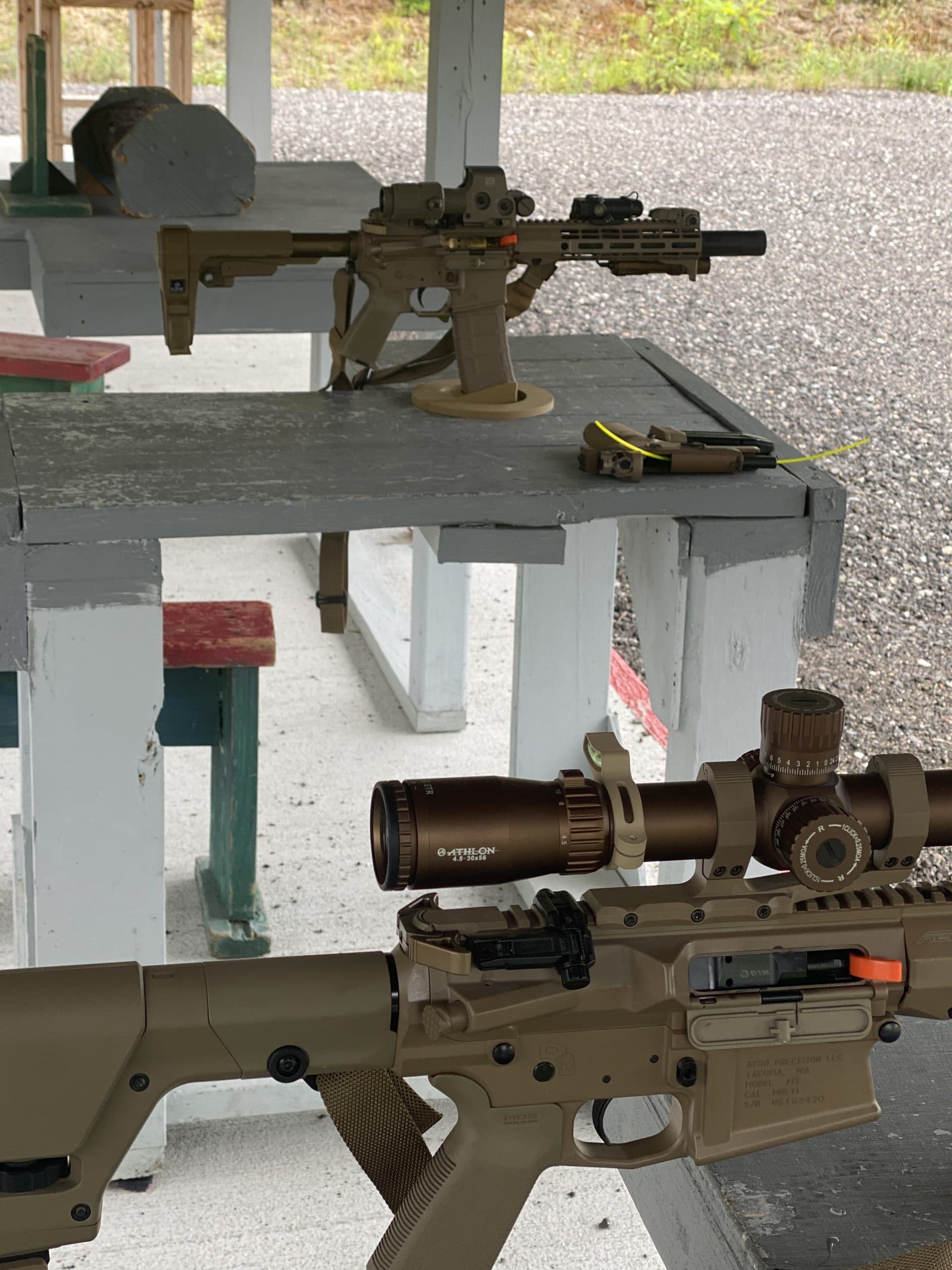
Magazine-compatible displays are especially useful for AR-style rifles because they leave the stock, receiver, handguard, and optic fully visible.
Why GunCreed Rifle Stands Complement Every Stock Style
GunCreed rifle stands support compatible rifles through the magazine rather than by placing pressure on the stock or handguard.
This allows collectors to showcase:
- Traditional wood stocks.
- Adjustable AR stocks.
- Precision chassis systems.
- Carbon fiber stocks.
- Skeletonized designs.
- Thumbhole stocks.
- Premium custom finishes.
Whether displaying one rifle or an entire collection, a compatible AR15 gun stand helps keep the display organized while highlighting the rifle’s unique stock and overall configuration.
Frequently Asked Questions
What Is the Purpose of a Rifle Stock?
The stock supports the shoulder, contributes to proper shooting position, and helps provide a stable interface between the shooter and the rifle.
What Is the Difference Between a Fixed and Adjustable Stock?
A fixed stock maintains one length, while an adjustable stock offers multiple length settings.
Are Folding Stocks Universal?
No. Compatibility depends on the specific rifle platform and receiver design.
Which Material Is Best?
Wood, laminate, polymer, aluminum, and carbon fiber each offer different characteristics. The best choice depends on the owner’s preferences and intended application.
Can I Replace My Rifle Stock?
Many rifles support replacement stocks, but compatibility should always be verified before purchasing.
Final Thoughts
The rifle stock plays an important role in comfort, ergonomics, balance, and the overall appearance of a rifle. Today’s owners can choose from traditional wood stocks, lightweight synthetic models, adjustable AR-style stocks, folding designs, chassis systems, and precision-oriented configurations.
No single stock is ideal for every rifle. The best choice depends on compatibility, intended use, desired features, and personal preference. Buyers should compare materials, adjustment options, weight, and manufacturer support before selecting a replacement.
For collectors, the rifle stock is one of the most visually distinctive parts of any firearm. Displaying rifles on durable gun stands helps organize a collection while keeping every stock design fully visible. Whether showcasing a traditional walnut hunting rifle or a modern AR-15 with an adjustable stock, a compatible rifle stand provides a clean and professional display solution.