







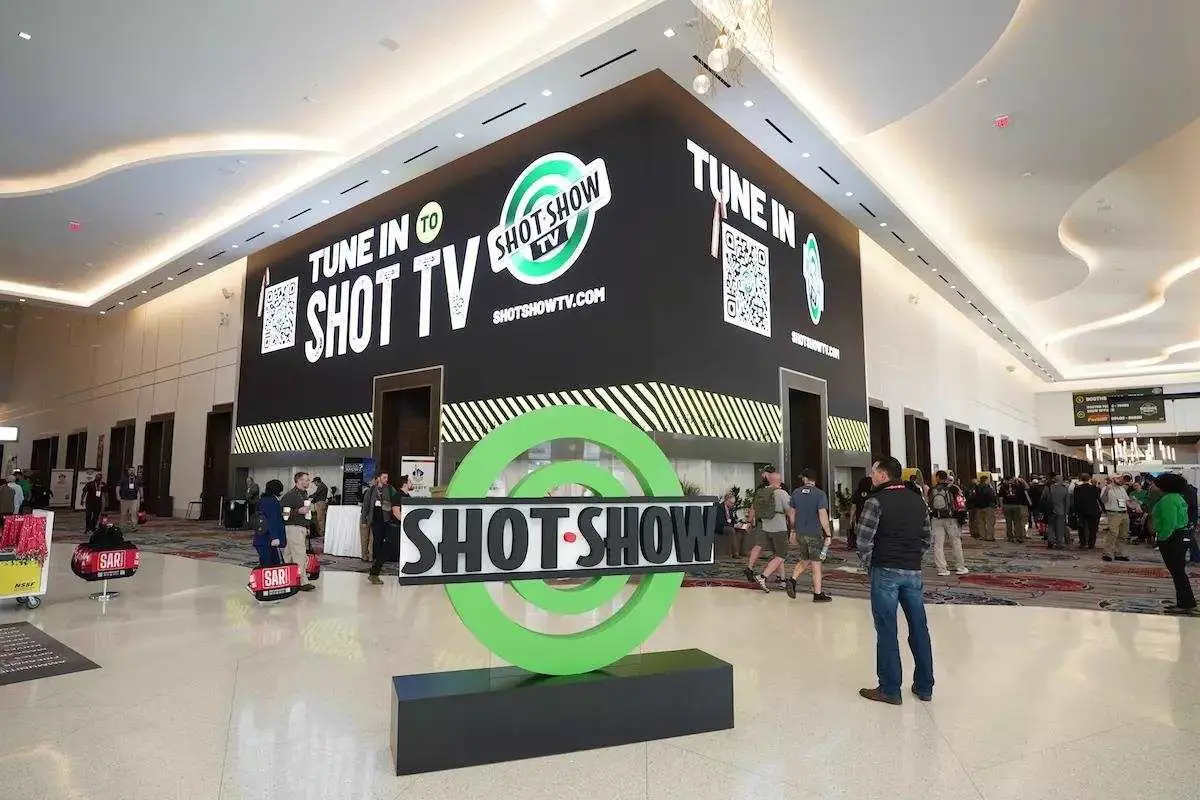

Trying to find the “must-see” booths without walking 13 miles of aisles? This guide is built to help you use the official SHOT Show Exhibitor List like a pro—so you can discover new products faster, prioritize the brands that matter to your business, and leave Las Vegas with real leads (not just sore feet).
Quick Links (Save These)
- Official 2026 Exhibitor Directory (Search + Filters)
- 2026 Schedule + Exhibit Hall Hours
- 2026 SHOT Show Planner (Home)
- Supplier Showcase Info
- New Product Center Updates
- SHOT Show Main Site (Tracker + Highlights)
What This “Product” Gives You
Think of this page as your exhibitor list companion. The directory is the source of truth. This guide adds the part the directory can’t: a simple, repeatable method to (1) identify the exhibitors most relevant to you, (2) spot the best new gear quickly, and (3) build a show-floor plan you can actually execute.
How to Use the Official Exhibitor List (In 5 Minutes)
- Open the directory and search by keyword first (brand, product type, or category).
- Filter by floor/venue so you don’t bounce back and forth across the city of booths.
- Use “Search by New Product” (inside the planner) to find brands actively launching new releases.
- Flag “Supplier Showcase” exhibitors if you source materials, packaging, OEM/ODM partners, machining, coatings, textiles, electronics, or logistics.
- Build a tight route: pick 12–18 priority stops per day. Anything more becomes wishful thinking.
Pro tip: Don’t start with “Who’s the biggest?” Start with “Who can move my business forward?” That could mean new vendors, better margins, faster lead times, more durable materials, or a fresh category you’ve been meaning to add.
Who’s Showing Off the Best New Gear?
“Best” depends on what you sell, buy, review, or outfit. At SHOT, the most exciting launches tend to show up in patterns—categories where brands compete hard and where buyers demand year-over-year improvements.
1) Lights, Power, and Everyday Carry (EDC) Tools
New releases here often revolve around higher output, better run times, smarter switching, and more durable housings. If you’re a retailer, look for products that can win a quick in-store demo: bright, intuitive, and visibly rugged.
- What to ask: warranty terms, battery ecosystem, accessory compatibility, MAP policies, and merchandising support.
- What to look for: easy SKU laddering (entry/mid/premium), rechargeable options, and clear differentiation.
2) Optics and Observation
Optics booths can be overwhelming because everyone has glass. The best new gear usually stands out through improved clarity, more usable reticles, better durability, and lighter weight. For buyers: prioritize brands that offer strong training, fast turnaround on service, and clear positioning for your customer base.
- What to ask: service turnaround, parts availability, product education assets, and how they handle returns.
- What to look for: streamlined SKU sets, consistent mounts/accessories, and simplified “which one do I buy?” messaging.
3) Range, Training, and Safety Gear
This category is quietly one of the most important—especially for businesses that run ranges, teach classes, or outfit teams. “Best new” here usually means comfort, better fit, more realistic training tools, and easier sanitation/maintenance.
- What to ask: institutional pricing, volume discounts, replacement parts, and product lifecycle updates.
- What to look for: gear that reduces friction (easy sizing, clear instructions, durable packaging).
4) Hunting, Outdoor, and Apparel Systems
In the outdoor space, “best” often comes down to materials (quiet fabrics, weather resistance), layering logic, and real-world usability (pockets, ventilation, articulation, and weight). If you’re a retailer, the winners are the brands that make it easy to tell the story on a hang tag and easy to sell in 30 seconds.
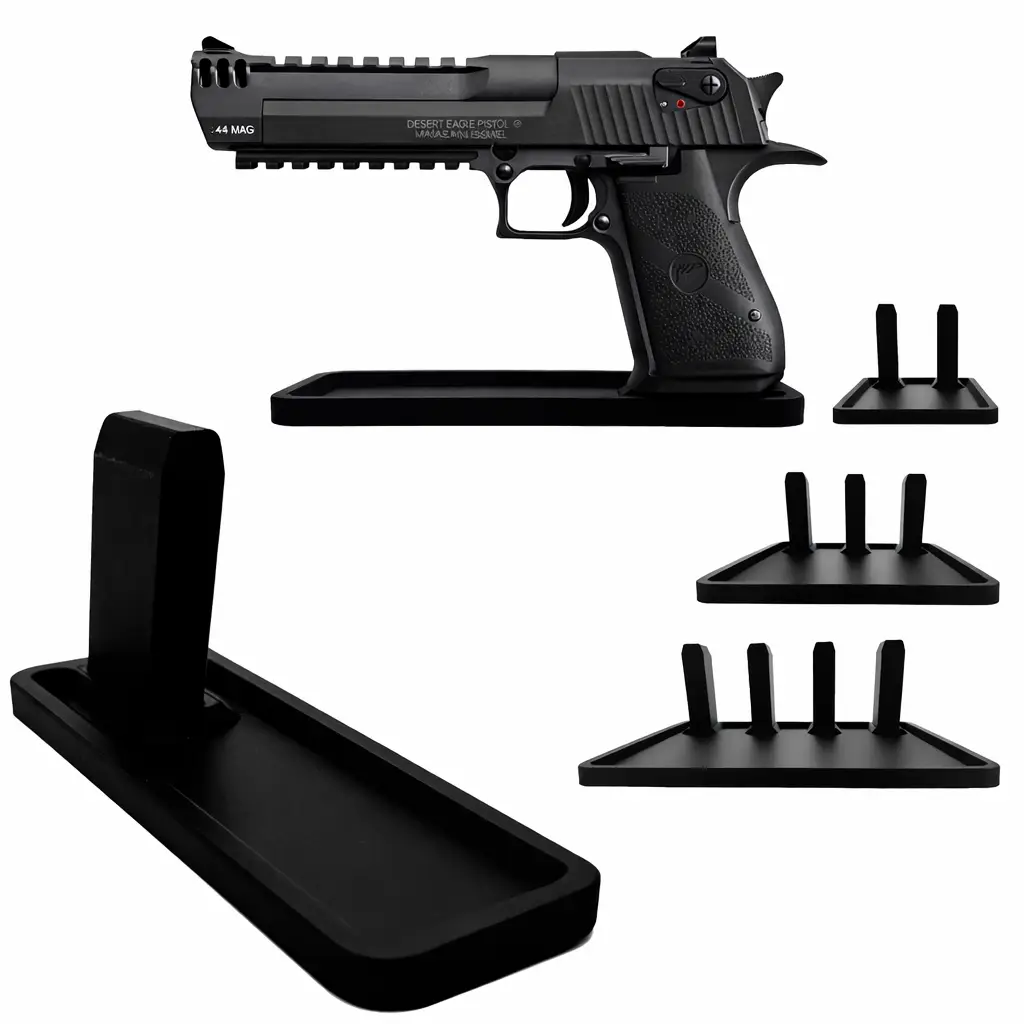
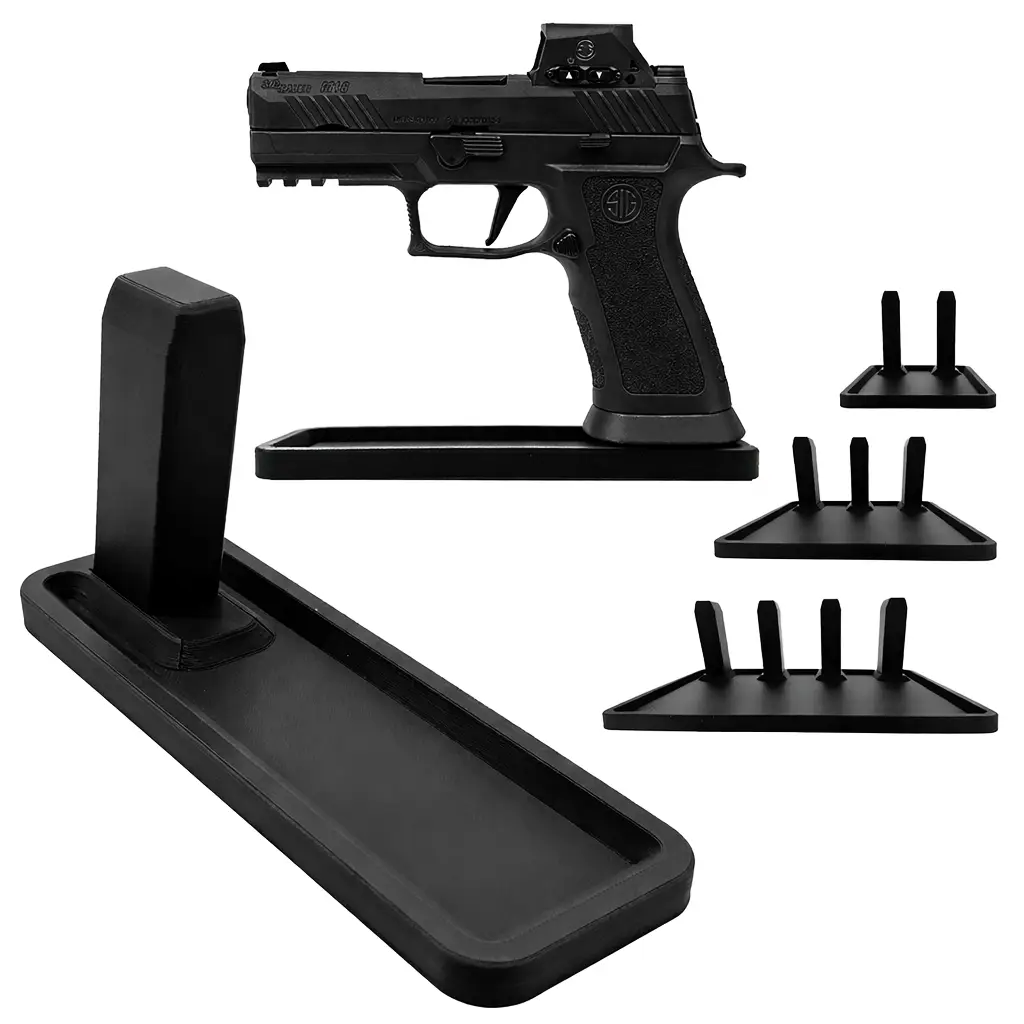
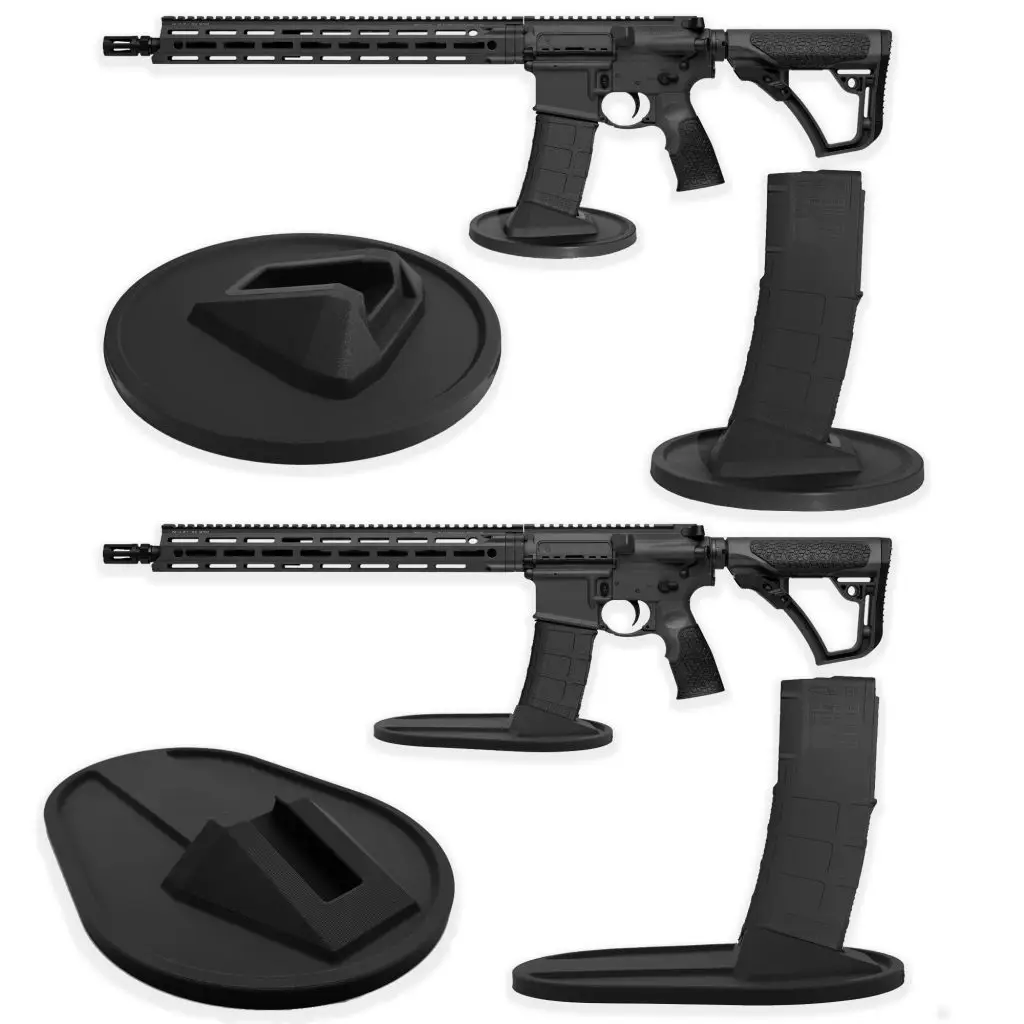
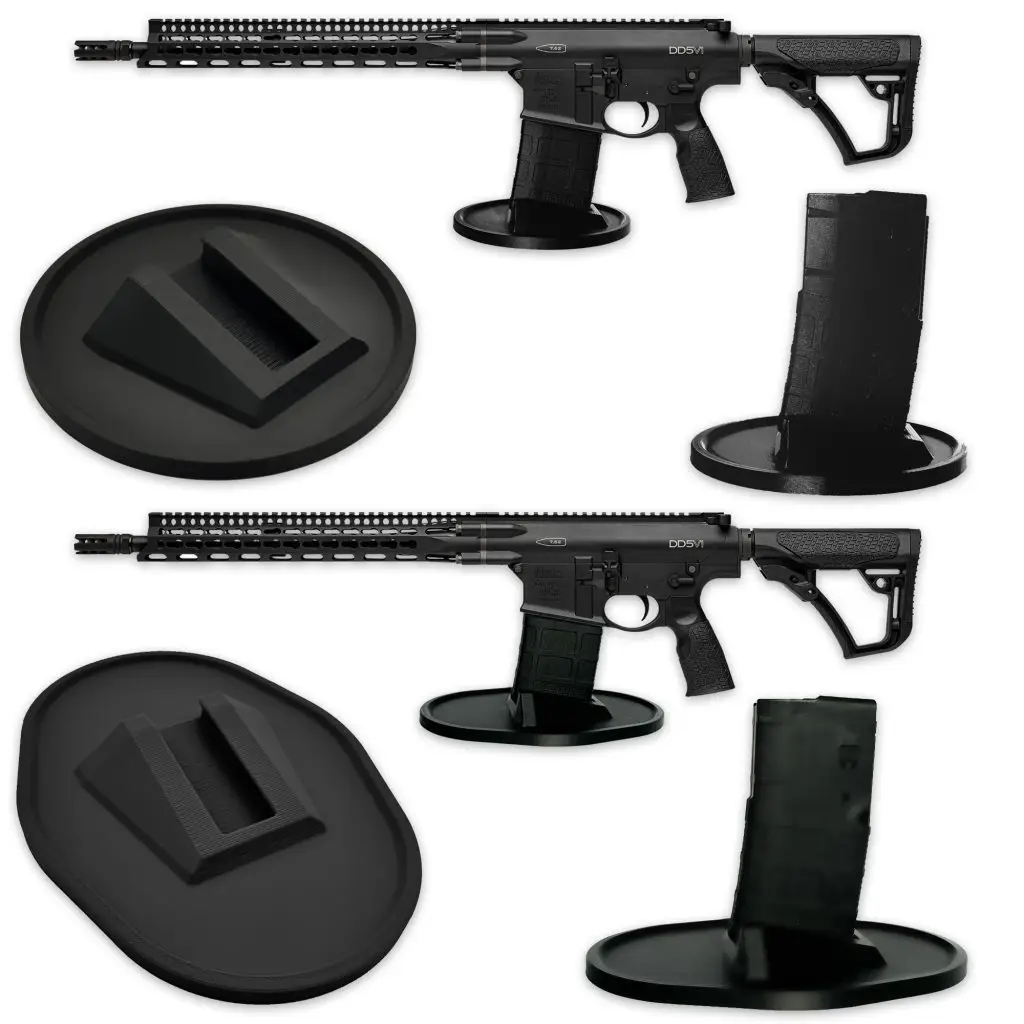
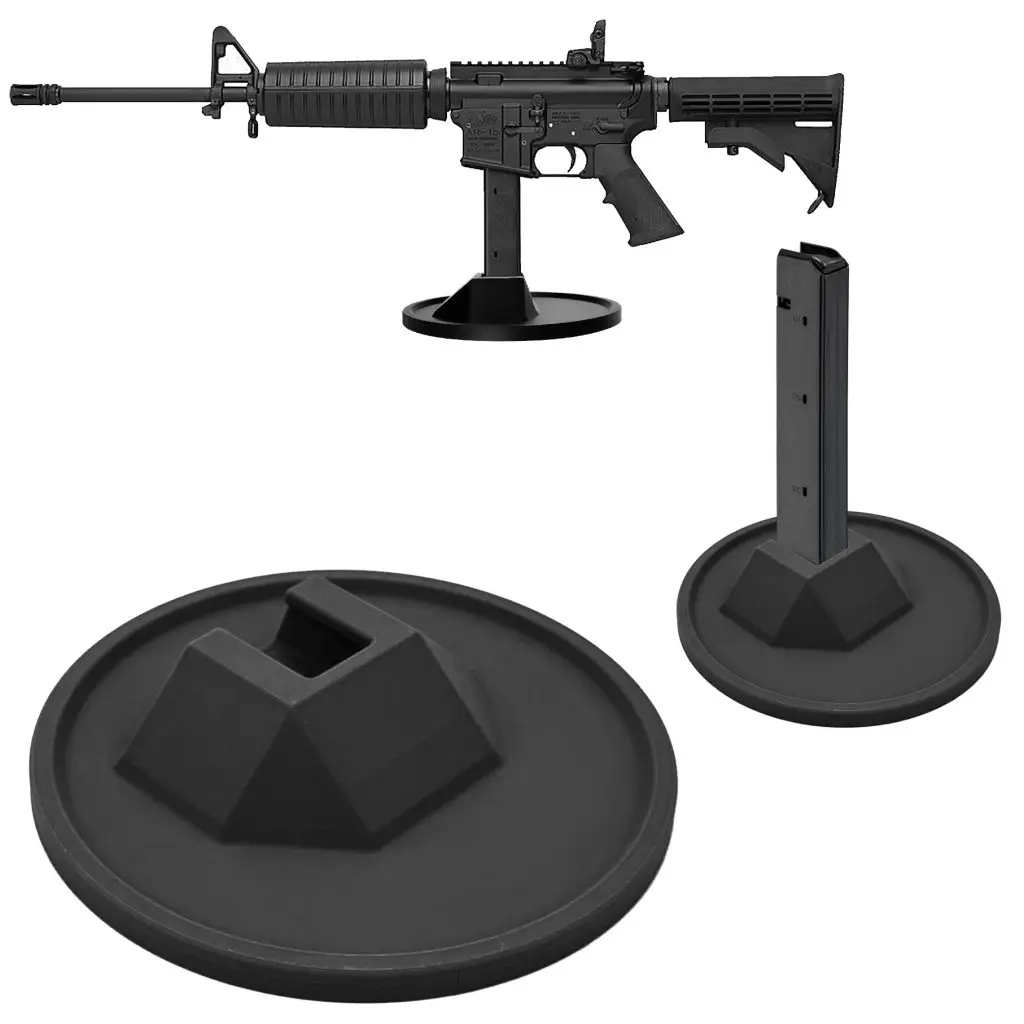
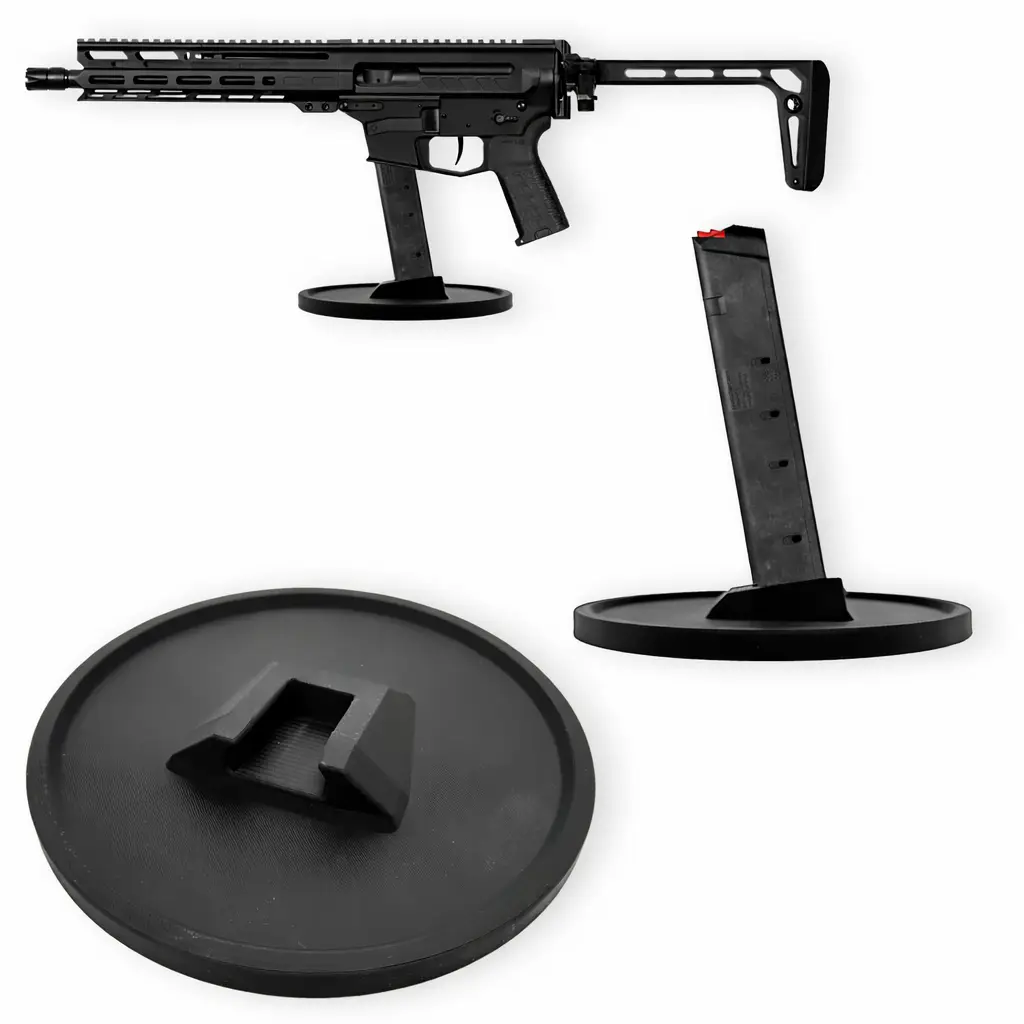
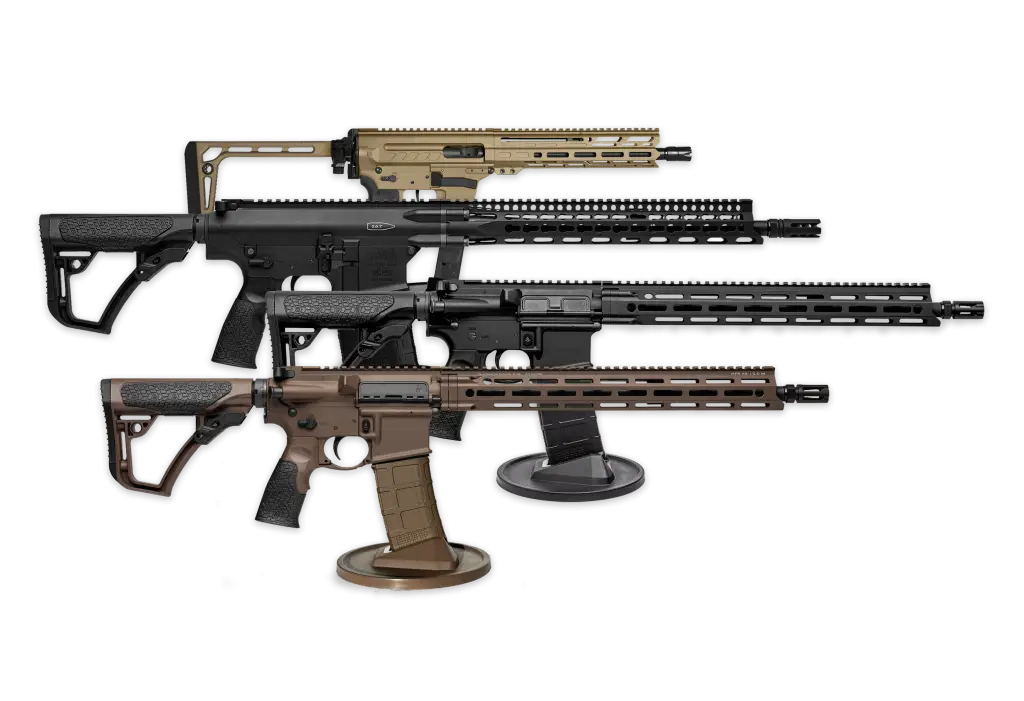
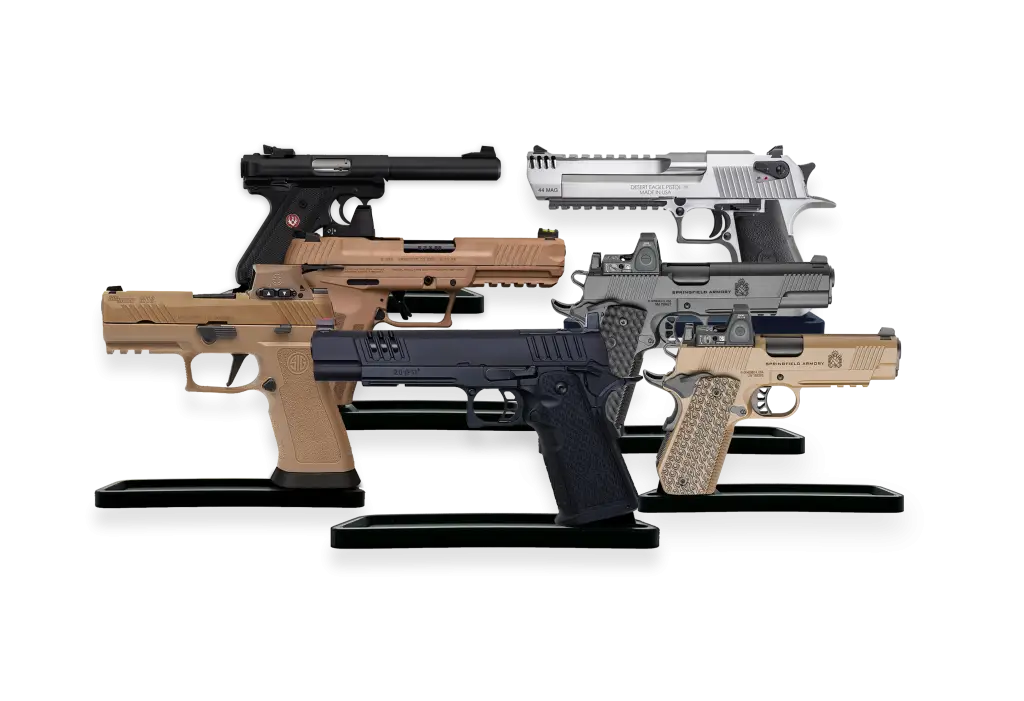
5) Storage, Display, and Organization
Whether it’s home organization, retail display, or showroom presentation, this is the category where buyers can win on both function and visual impact. The best new products often bring:
- Cleaner aesthetics (better finishes, better colors, more “premium” feel)
- More universal compatibility
- Improved stability and smarter mounting solutions
- Packaging that looks good on a shelf and ships well
The “Exhibitor List” Strategy That Actually Works
Here’s a simple framework you can use before you even arrive:
Step 1: Pick Your 3 Outcomes
- Retailers: 10 new SKUs to test, 3 vendor conversations about terms, 1 new category expansion.
- Media/Creators: 12 “story booths” with real launches, 6 interview slots, 3 trend angles.
- Manufacturers: 8 supplier meetings, 3 packaging solutions, 2 new materials/coatings leads.
- Buyers/Distributors: margin improvements, better lead times, and alternative vendors for risk reduction.
Step 2: Build a Two-Tier Booth List
Tier 1 (Non-negotiable): the booths that directly impact your revenue or sourcing.
Tier 2 (Discovery): the booths that might surprise you—new brands, new materials, or new categories.
Step 3: Time-Block Your Walk
- Morning: Tier 1 meetings and demos (fresh energy, easier scheduling).
- Midday: New Product Center sweep + discovery.
- Late afternoon: follow-ups, second looks, and “price/terms” discussions.

New Product Center: Your Fastest Path to What’s New
If your goal is to find the best new gear quickly, you want the New Product Center on your plan. It’s designed to help attendees scan what’s new without spending hours wandering booth-to-booth hoping to get lucky.
How to Win the New Product Center
- Do a first pass fast: identify what’s relevant, take notes, move on.
- Do a second pass focused: revisit the items that fit your store, channel, or content plan.
- Then go to the booth: the real value is the follow-up conversation—pricing, availability, and distribution.
Content creators: the New Product Center is where you find “what’s new” story angles. Your best interviews come from asking: What problem does this solve, and why now?
Supplier Showcase: The Hidden Goldmine for Builders and Brands
If you manufacture, private-label, or build a product business, the Supplier Showcase can be the best ROI of the entire week. You’ll find vendors in materials, components, machining, coatings, textiles, packaging, printing, electronics, and more.
What to Bring to Supplier Meetings
- Photos or CAD screenshots (if applicable)
- Target volumes (even rough estimates)
- Constraints: budget, lead time, durability, finish requirements
- Packaging goals (retail shelf vs. e-comm ship-ready)
Tip: Ask suppliers how they handle scale. A great prototype partner isn’t always a great high-volume partner.
Booth Conversations That Find the “Best” Products
At a show this big, “best” is discovered through questions—not hype. Use these prompts at booths to separate what’s truly new from what’s simply newly branded:
- “What changed from last year?” (Forces real differentiation.)
- “What problem did customers report that led to this redesign?”
- “What’s the #1 reason someone returns this?” (Gold for retailers.)
- “What’s the real availability date?” (Avoid “soon” traps.)
- “What’s your best-seller in my channel?” (Retail vs. agency vs. online can differ.)
- “What does support look like after the sale?” (Service, warranty, training.)
How Retailers Can Turn the Exhibitor List Into Orders
Retail buyers win at SHOT by being disciplined. The exhibitor list helps you pre-sort the chaos and focus on products you can actually sell.
Retail Buyer Checklist
- Margin + MAP: Can you compete profitably?
- Packaging: Does it look like a premium product on a shelf?
- SKU logic: Can a customer understand the lineup quickly?
- Training: Do they provide one-sheets, spec cards, or videos?
- Availability: Can you stock it when the demand hits?
- Terms: Freight, minimums, dating, and reorder process.
How Media and Creators Can Build a “Best New Gear” Story
The best coverage isn’t “everything I saw.” It’s a curated story built around trends. Use the exhibitor list to locate brands that align with your editorial lanes.
Trend Angles That Perform
- Smaller, lighter, stronger: materials and design efficiency
- Multi-use gear: products that work across multiple customer types
- Better everyday value: premium features moving into mid-tier price points
- Comfort + ergonomics: gear designed for longer wear and less fatigue
- Smart organization: storage and display solutions that look good and work better

Sample One-Day Plan (Stealable)
If you’re arriving with limited time, here’s a realistic day you can copy:
- 8:30–10:30: Tier 1 booths (highest priority vendors or meetings)
- 10:30–11:15: New Product Center quick sweep (mark top 10 items)
- 11:15–12:00: Follow-up booths for the top 3 items you marked
- 12:00–1:00: Lunch + quick notes consolidation (don’t skip this)
- 1:00–2:30: Supplier Showcase or category discovery block
- 2:30–4:00: Second looks + pricing/terms conversations
- 4:00–5:30: “Wildcard hour” — new brands and overlooked aisles
FAQ: SHOT Show Exhibitor List
Is the exhibitor list the same as the New Product Center?
No. The exhibitor list is the full directory. The New Product Center is a faster way to discover launches, then you use the directory to find booth details and plan your route.
What’s the best way to find new brands?
Use the directory filters and look for new exhibitors and Supplier Showcase vendors. Then build a small “discovery route” each day so you don’t spend the entire week only visiting the biggest booths.
How do I avoid wasting time on “not actually new” products?
Ask: “What changed from last year?” and “What problem did this redesign solve?” If the answers are vague, move on.
How many booths can I realistically do in a day?
If you want quality conversations, aim for 12–18 meaningful stops. You can physically walk past hundreds—but “best new gear” is found through demos, details, and follow-up questions.
What should I bring to meetings?
A notes system (phone + backup), photos of your current setup, a simple list of needs, and a short “what success looks like” statement. If you’re sourcing, bring rough volumes and constraints.
Bottom Line
The SHOT Show exhibitor list is your map to opportunity—but the real value comes from how you use it. Build a tight plan, prioritize new-product pathways, and use smart booth questions to uncover what’s truly worth your time. The “best new gear” isn’t always the loudest—it’s the product that solves a real problem for your customers, your operation, or your audience.
Start Here
1) Open the Official Exhibitor Directory
2) Use the Schedule to time-block your day
3) Add a New Product Center sweep + a Supplier Showcase block
4) Leave space for discovery—your best finds are often the unexpected ones