














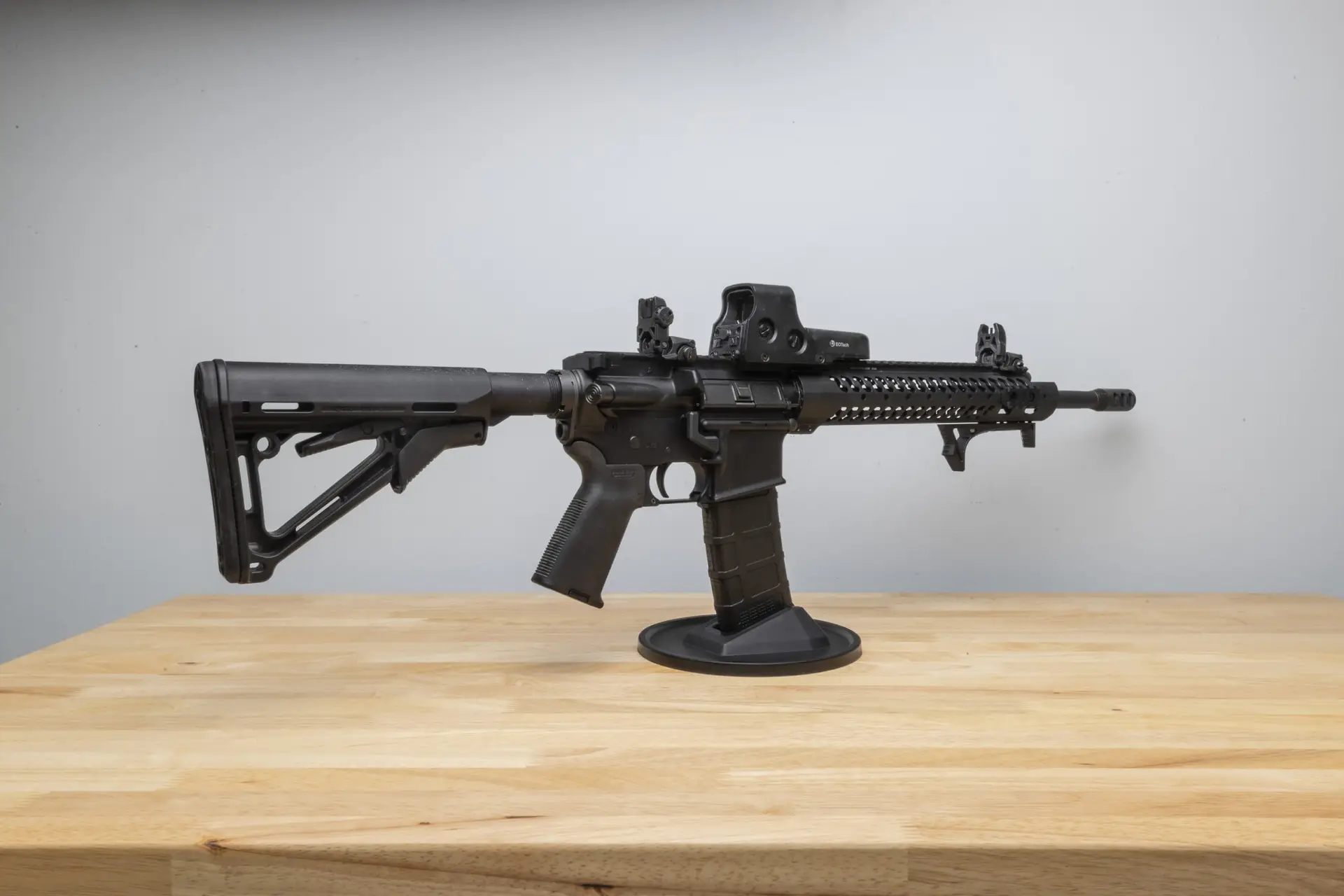

The AR15 platform is one of the most customizable and versatile rifles ever designed. From optics and rails to triggers and stocks, nearly every component can be tailored to fit a shooter’s needs. However, one critical component often overlooked by newer enthusiasts is the rear sight aiming device located on the upper receiver.
Whether you’re building a tactical rifle, setting up a competition platform, or simply learning the fundamentals of sight alignment, understanding the AR15 rear sight system is essential.
In this complete guide, we’ll break down what the rear sight aiming device is, how it works, the different types available, and how to build a clean, professional rifle setup around it.
What Is the AR15 Rear Sight Aiming Device?
The rear sight aiming device on an AR15 is the sight component mounted on the rifle’s upper receiver that works together with the front sight to help the shooter align the rifle accurately.
The rear sight is responsible for:
- Target alignment
- Windage adjustment
- Precision aiming
- Backup aiming capability
On modern AR15 rifles, rear sights may be fixed, folding, detachable, or integrated into carry handles.
Why Rear Sights Still Matter
Even with modern red dots and magnified optics dominating today’s rifle setups, iron sights remain extremely important.
Rear sights provide:
- Backup aiming capability
- Reliability without batteries
- Emergency optic redundancy
- Fundamental shooting skill development
Many experienced shooters consider backup iron sights essential on any serious rifle setup.
Types of AR15 Rear Sights
Fixed Rear Sights
Fixed sights remain permanently upright and ready for immediate use.
Advantages include:
- Maximum durability
- Fast target acquisition
- Simple operation
- Strong tactical reliability
Fixed rear sights are popular on duty rifles and traditional builds.
Flip-Up Rear Sights
Flip-up sights can fold down when optics are in use and deploy instantly when needed.
Benefits include:
- Cleaner optic sight picture
- Compact profile
- Excellent versatility
- Quick deployment
Modern tactical shooters frequently prefer flip-up backup iron sights.
Carry Handle Rear Sights
Classic AR15 carry handles feature integrated rear sight systems built directly into the handle assembly.
Collectors and retro rifle enthusiasts appreciate these setups for their military heritage and iconic appearance.
How the Rear Sight Works
The rear sight works in conjunction with the front sight post to create proper sight alignment.
To aim correctly:
- Center the front sight within the rear aperture
- Place the aligned sights on target
- Maintain proper focus on the front sight
Rear sights also allow windage adjustments to compensate for left or right point-of-impact shifts.
Windage and Elevation Adjustments
Windage
Most AR15 rear sights adjust windage using side-mounted knobs.
This allows shooters to compensate for:
- Crosswinds
- Ammunition variations
- Mechanical offset
Elevation
Elevation adjustments are often handled through the front sight post or dedicated rear sight elevation systems depending on the sight design.
Best Rear Sight Materials
Durability matters when selecting iron sights.
Aluminum Sights
Lightweight and corrosion-resistant.
Steel Sights
Maximum strength and durability for hard-use rifles.
Polymer Sights
Lightweight and affordable while still offering solid performance for many recreational shooters.
Rear Sights vs Red Dot Optics
Modern AR15 builds frequently combine optics with backup iron sights.
Advantages of Red Dots
- Fast target acquisition
- Excellent low-light performance
- Improved speed shooting
Advantages of Iron Sights
- No batteries required
- Mechanical reliability
- Lightweight simplicity
- Backup capability
Many shooters use both systems together for maximum versatility.
Co-Witness Setups Explained
Co-witnessing refers to aligning iron sights with a red dot optic.
Absolute Co-Witness
The optic dot aligns directly with the iron sights.
Lower 1/3 Co-Witness
The iron sights sit lower in the optic window for a cleaner sight picture.
Lower 1/3 setups are extremely popular among tactical shooters.
Building the Perfect AR15 Setup
A quality rear sight is only one part of a complete rifle system.
Modern enthusiasts often combine:
- Red dot optics
- Magnifiers
- Weapon lights
- Suppressors
- Backup iron sights
- Premium display systems
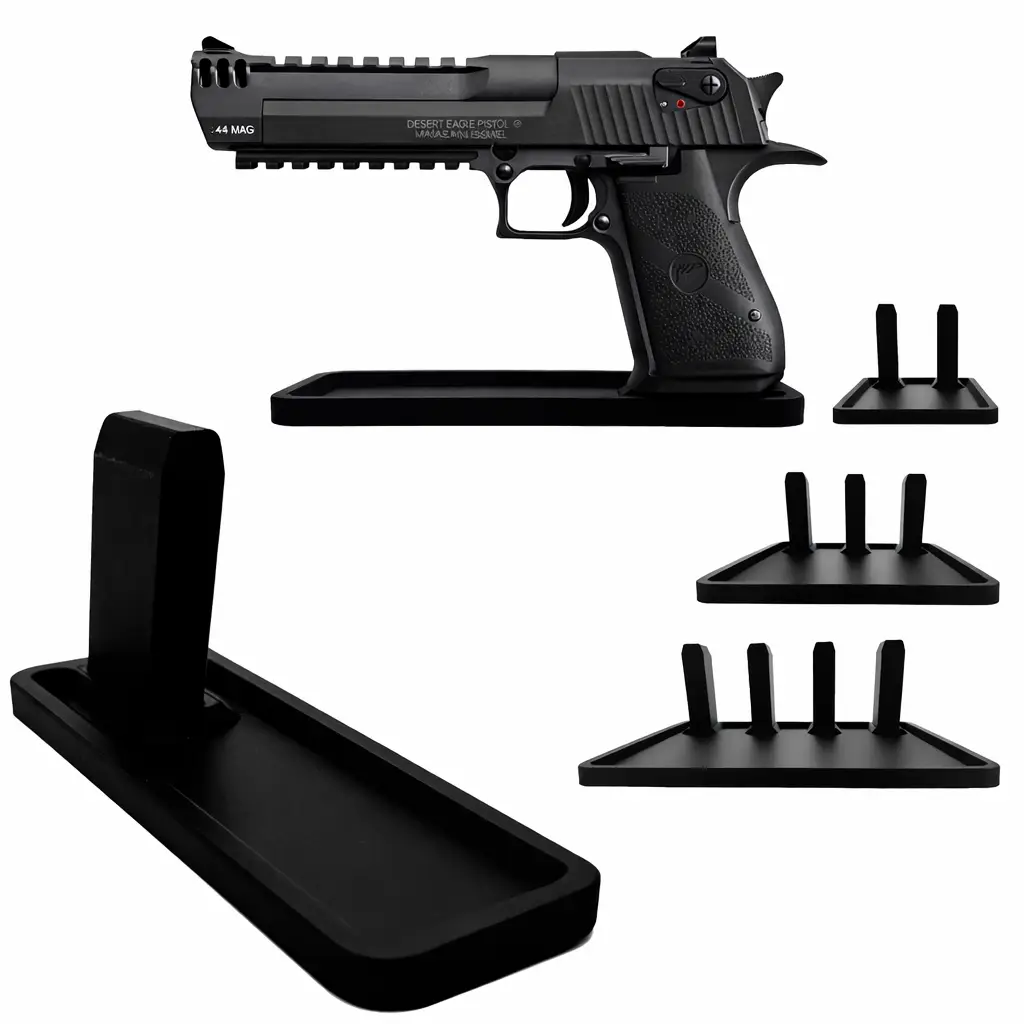
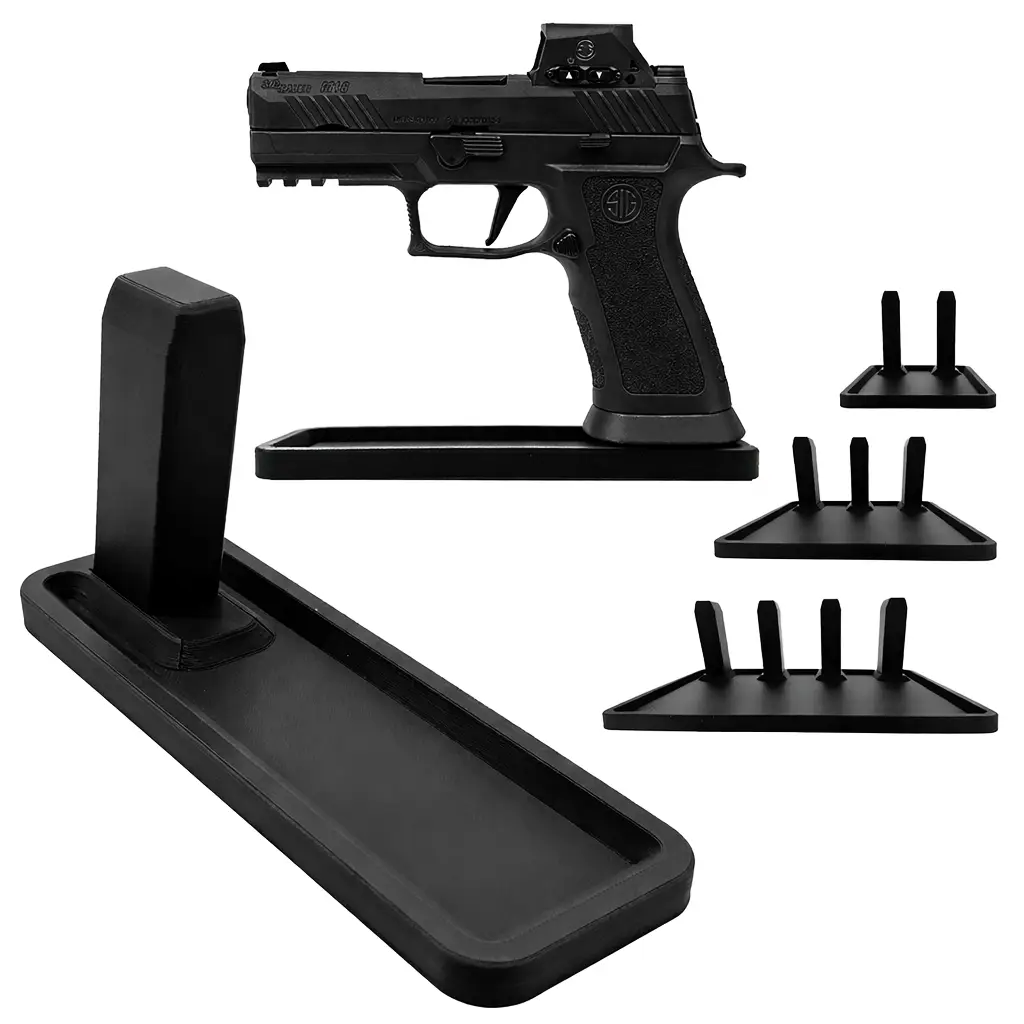
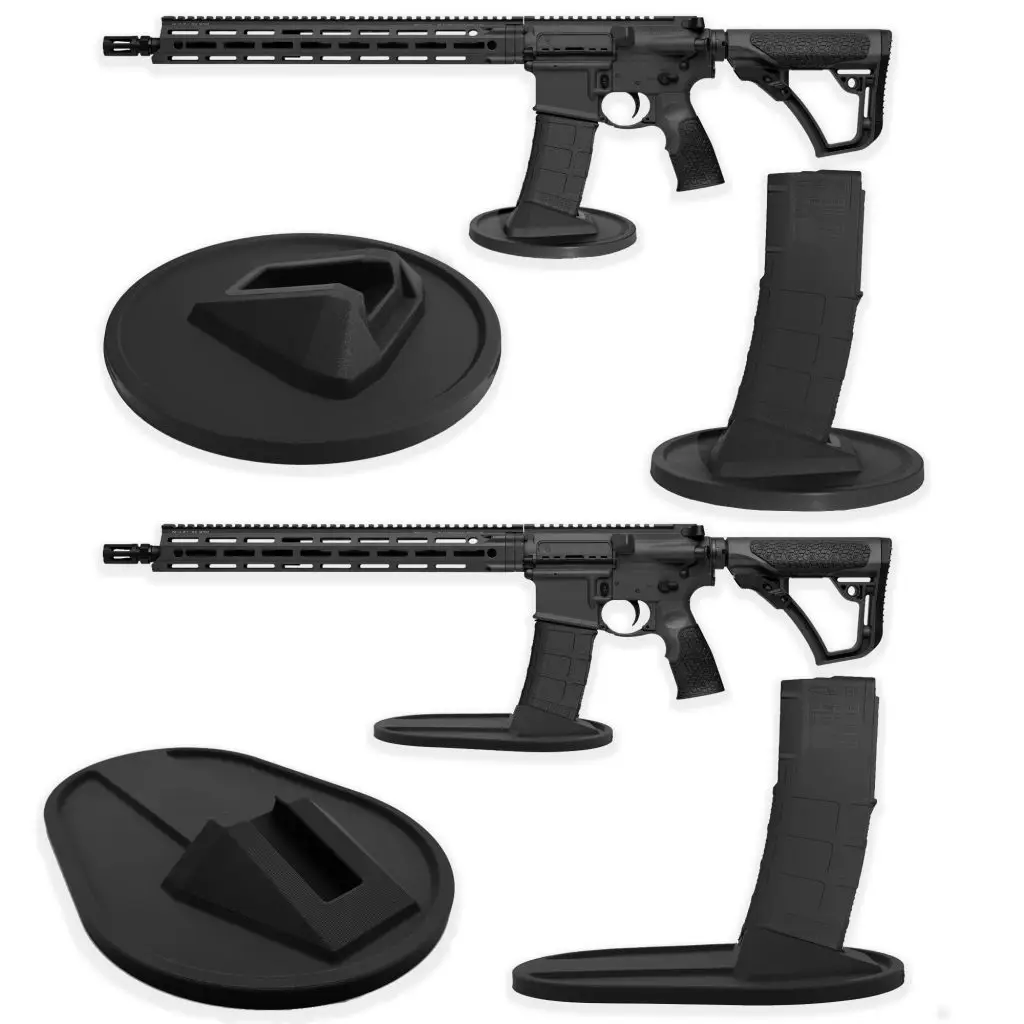
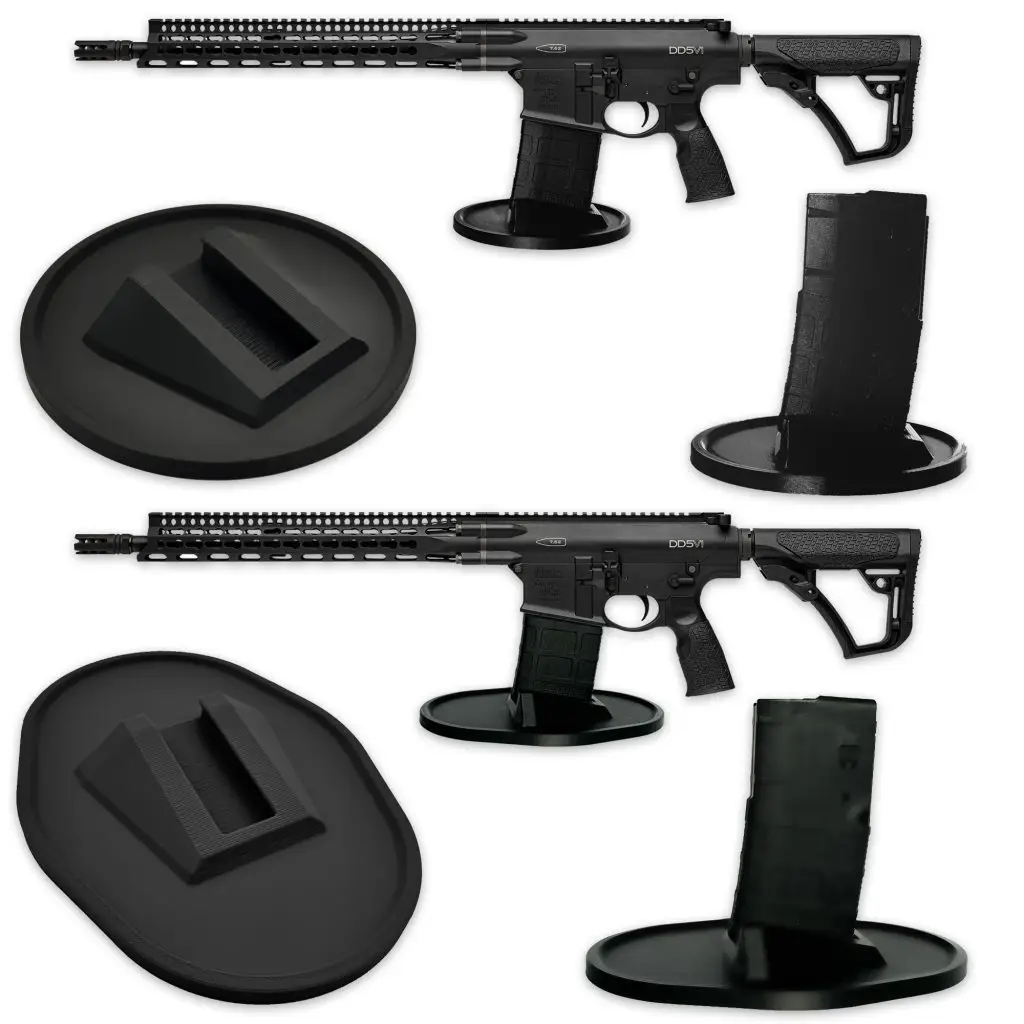
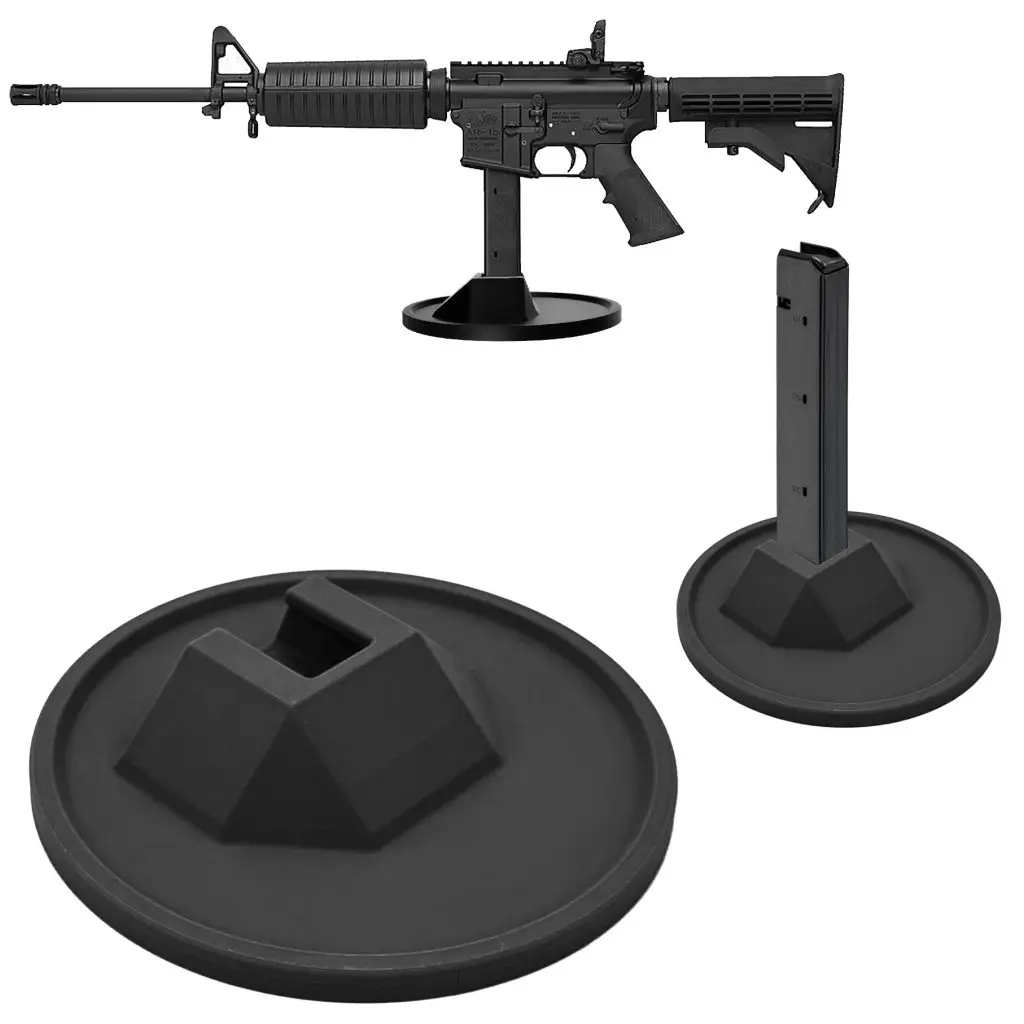
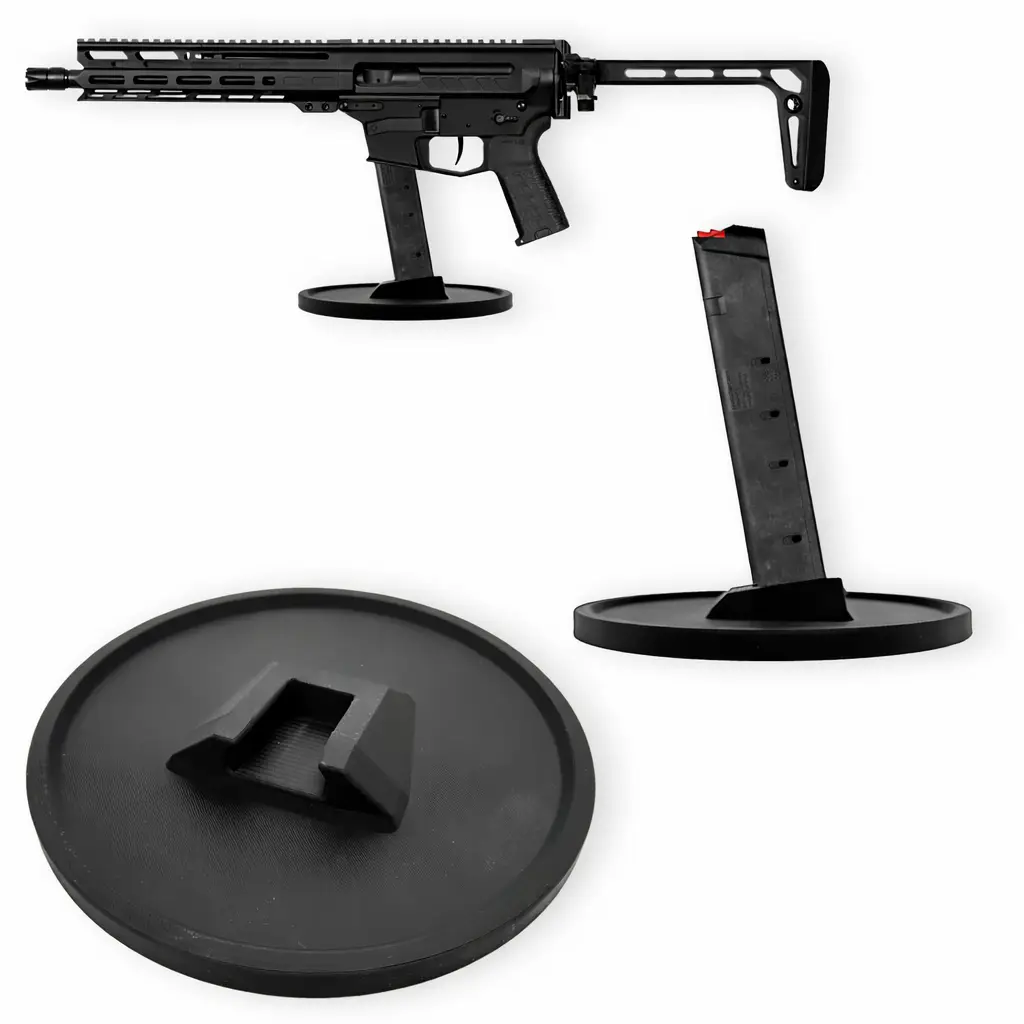
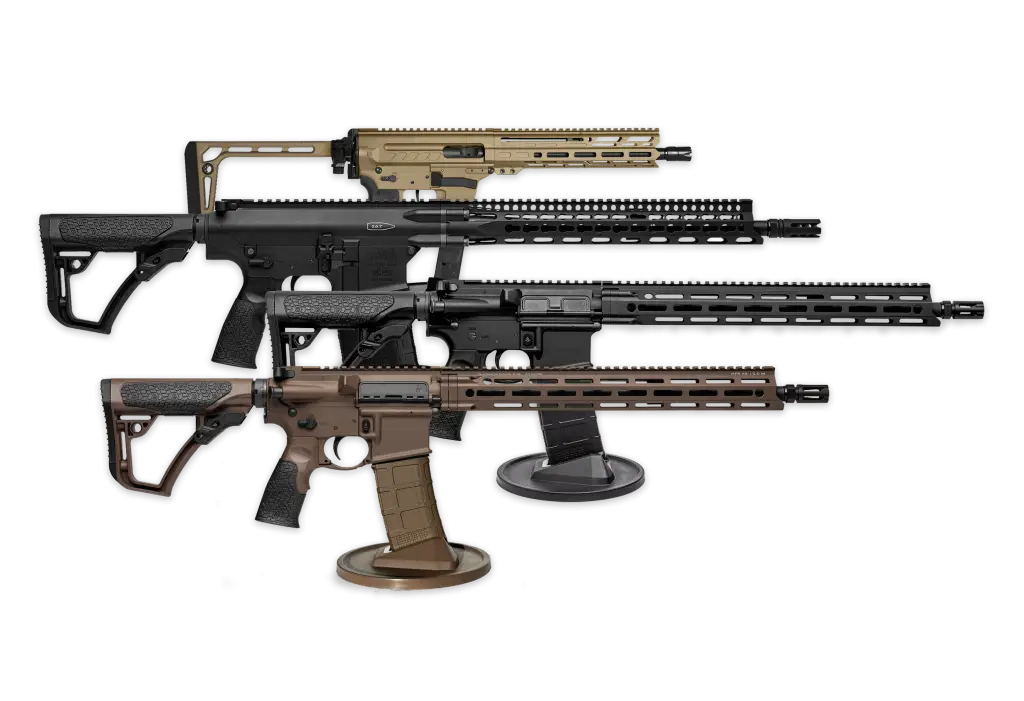
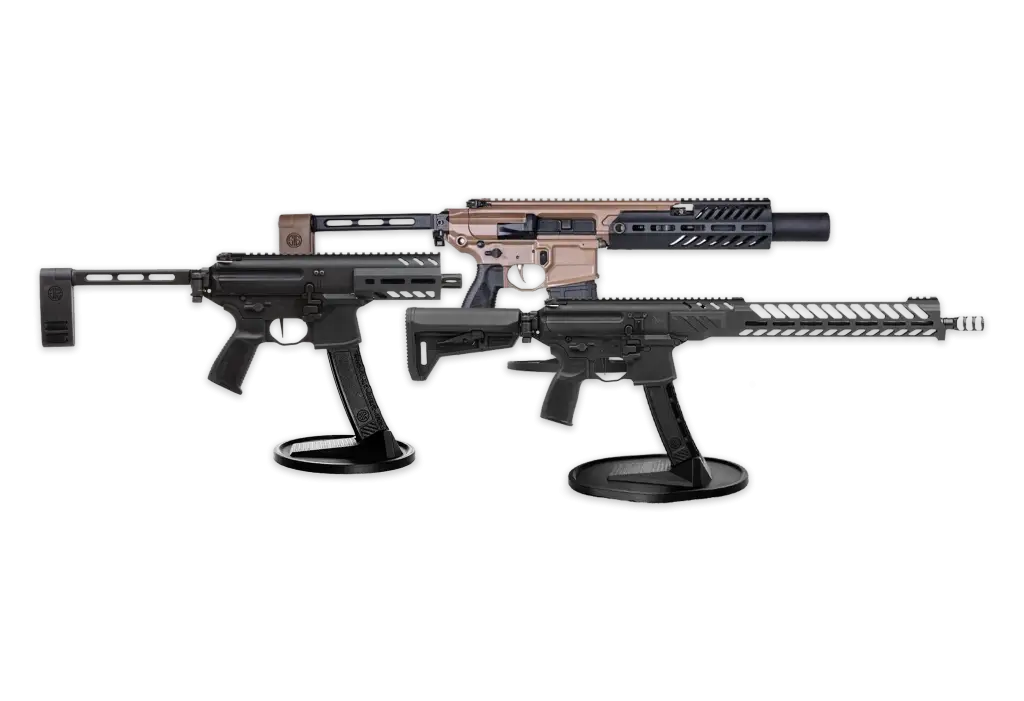
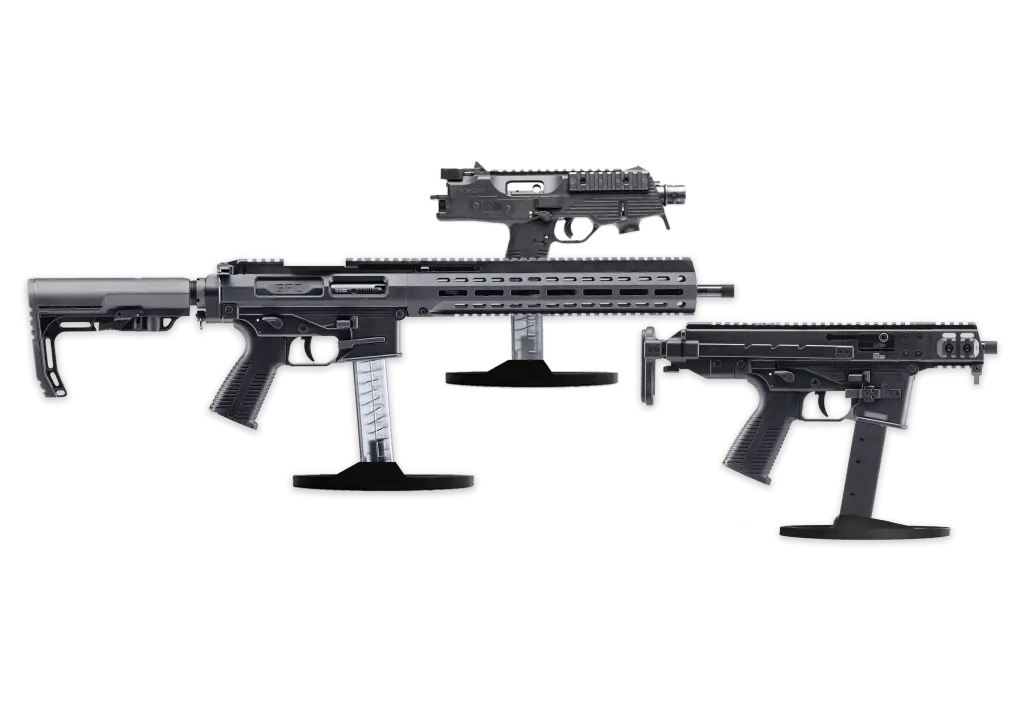
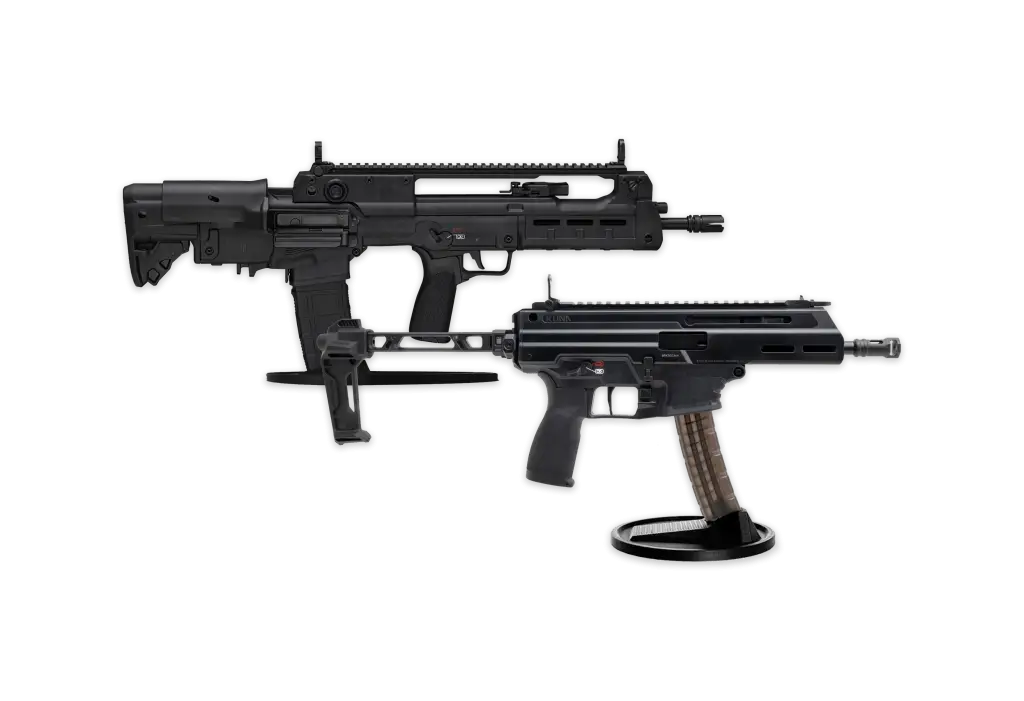
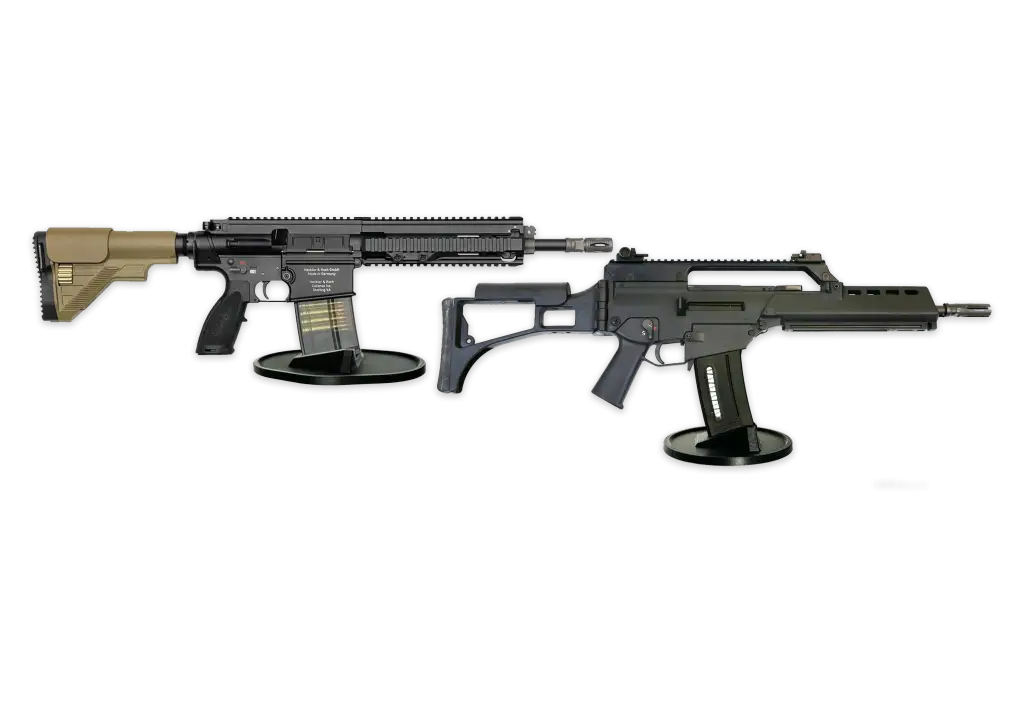
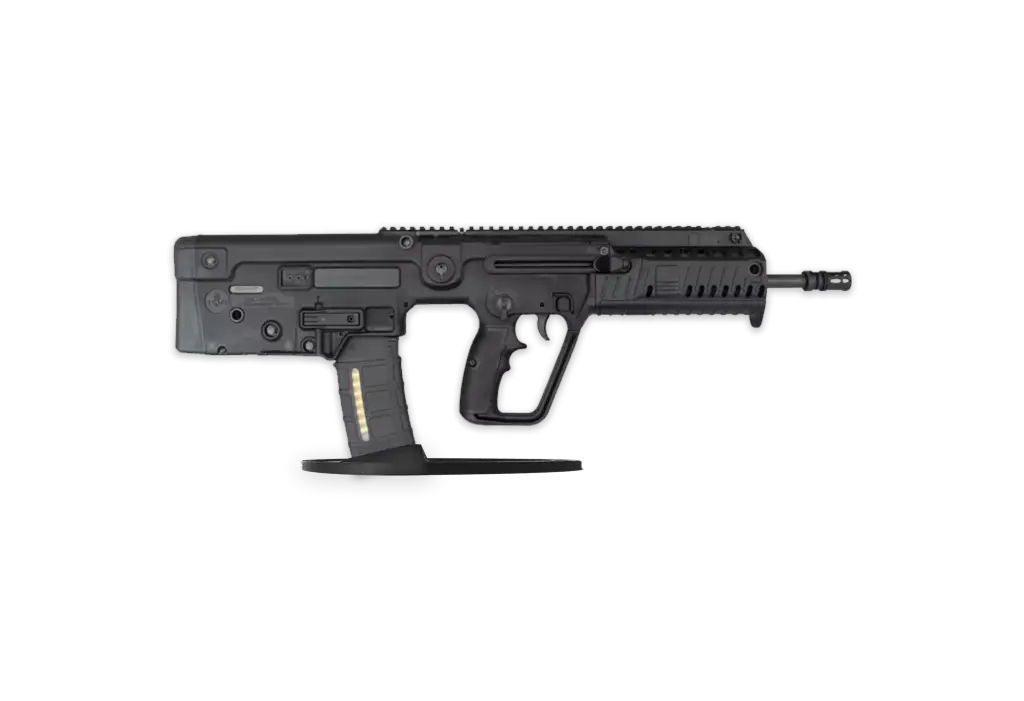
Once complete, many collectors organize their rifles using professional gun stands designed specifically for tactical rifles.
Why Proper Rifle Storage Matters
After investing in a quality AR15 setup, proper storage becomes extremely important.
A good storage and display system helps:
- Protect optics and sights
- Prevent scratches
- Reduce accidental tipping
- Improve organization
- Create cleaner displays
Many enthusiasts prefer dedicated gun stand systems to showcase rifles equipped with optics and upgraded sight systems.
Displaying Tactical Rifle Builds
Today’s collectors and enthusiasts increasingly focus on presentation as well as performance.
Modern display setups often include:
- Wall-mounted rifle displays
- Safe organization systems
- LED lighting
- Dedicated rifle shelving
- Professional gun stands
These systems help create cleaner and more professional-looking setups.
Choosing the Right Rear Sight for Your Rifle
The best rear sight depends heavily on your intended use.
For Tactical Use
Durable flip-up sights remain extremely popular.
For Competition
Low-profile precision-adjustable sights may offer advantages.
For Retro Builds
Carry handle systems preserve classic military styling.
For Backup Systems
Lightweight folding sights pair perfectly with optics-equipped rifles.
Common Rear Sight Mistakes
Improper Zeroing
A poorly zeroed rifle creates major accuracy issues.
Ignoring Backup Sights
Optics can fail — backup iron sights remain important.
Buying Cheap Materials
Low-quality sights may lose zero or break under hard use.
Poor Mounting
Loose mounting hardware can negatively affect accuracy and consistency.
Why Enthusiasts Still Love Iron Sights
Despite advances in optics technology, many shooters still enjoy mastering traditional iron sights.
Iron sight shooting develops:
- Fundamental accuracy skills
- Target focus discipline
- Mechanical understanding
- Confidence without electronics
For many enthusiasts, iron sights remain an essential part of the AR15 experience.
Final Thoughts
The AR15 rear sight aiming device located on the upper receiver remains one of the most important components of any rifle setup. Whether used as a primary sighting system or a backup to modern optics, quality rear sights provide reliability, precision, and versatility.
From fixed military-style sights to advanced flip-up systems, choosing the right setup depends on your shooting style and overall rifle configuration.
And once your build is complete, proper storage and presentation help protect your investment while creating a clean, professional display.
Explore premium rifle display solutions here:
Shop GunCreed Gun Stands & Rifle Display Solutions