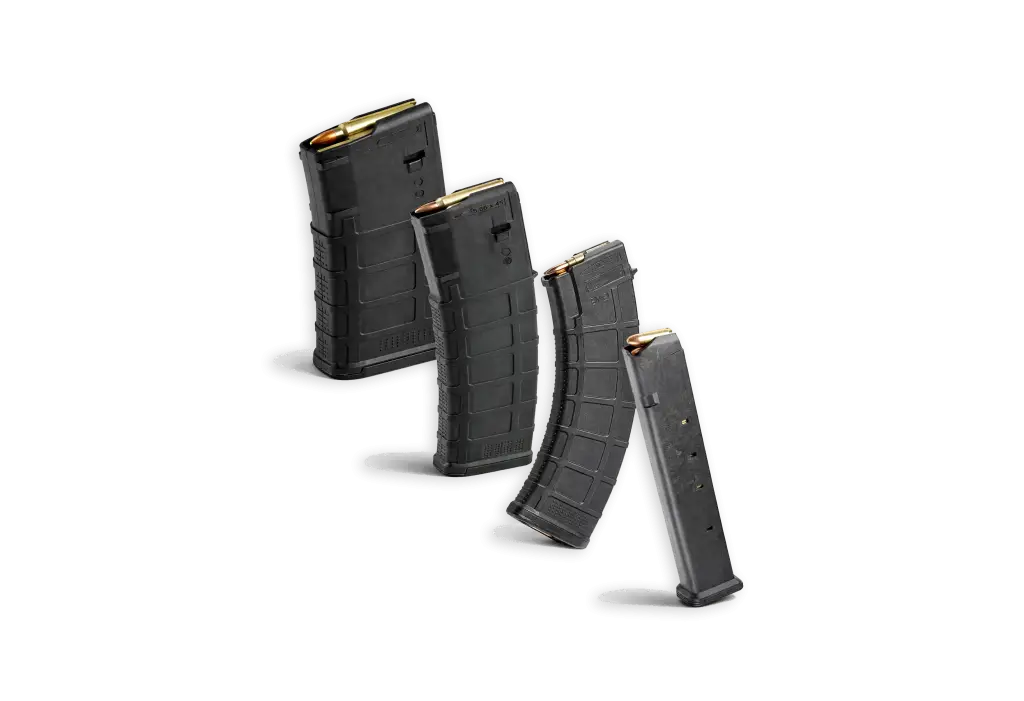






One of the most common questions among rifle owners is: What’s the difference between 5.56 NATO and .223 Remington? At first glance, these two cartridges appear nearly identical. In fact, they are so similar externally that many people assume they are interchangeable. However, there are several important differences involving chamber pressure, chamber dimensions, performance, and safety that every rifle owner should understand.
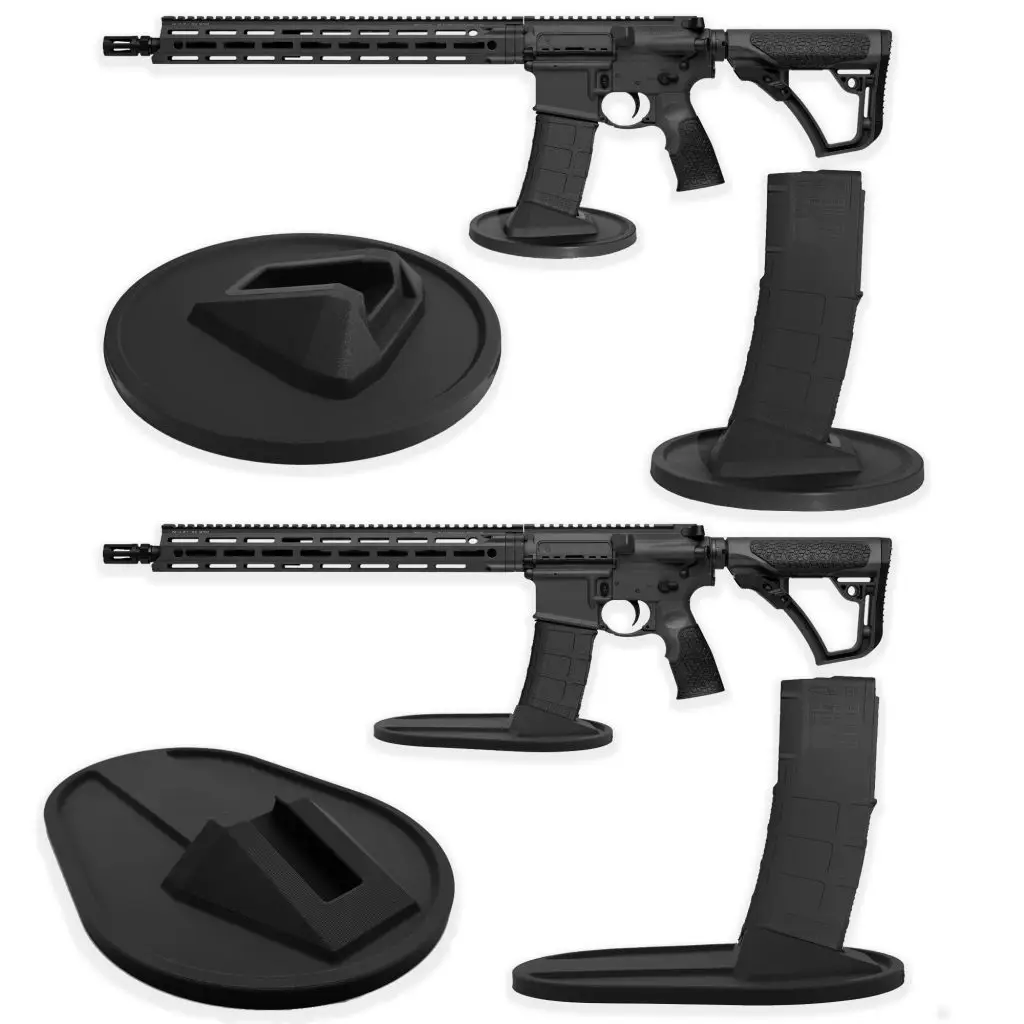
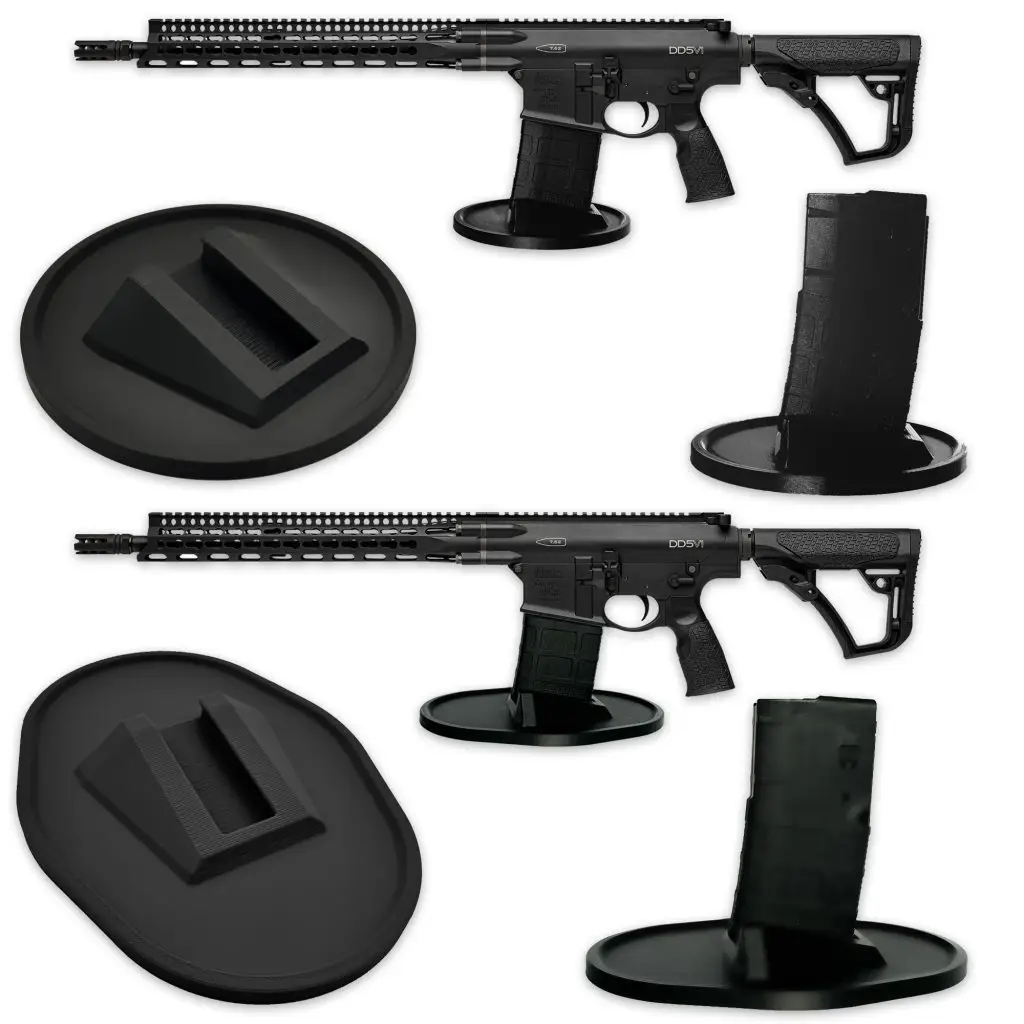
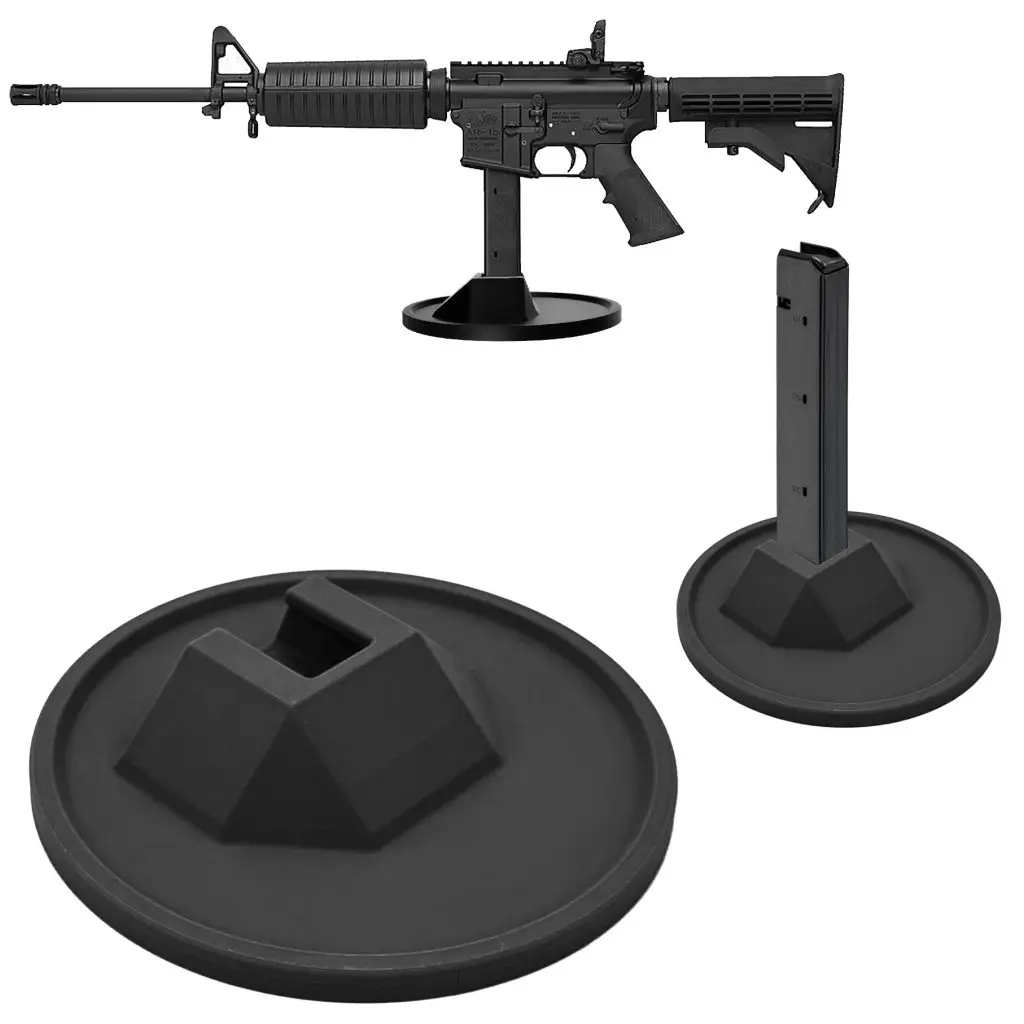
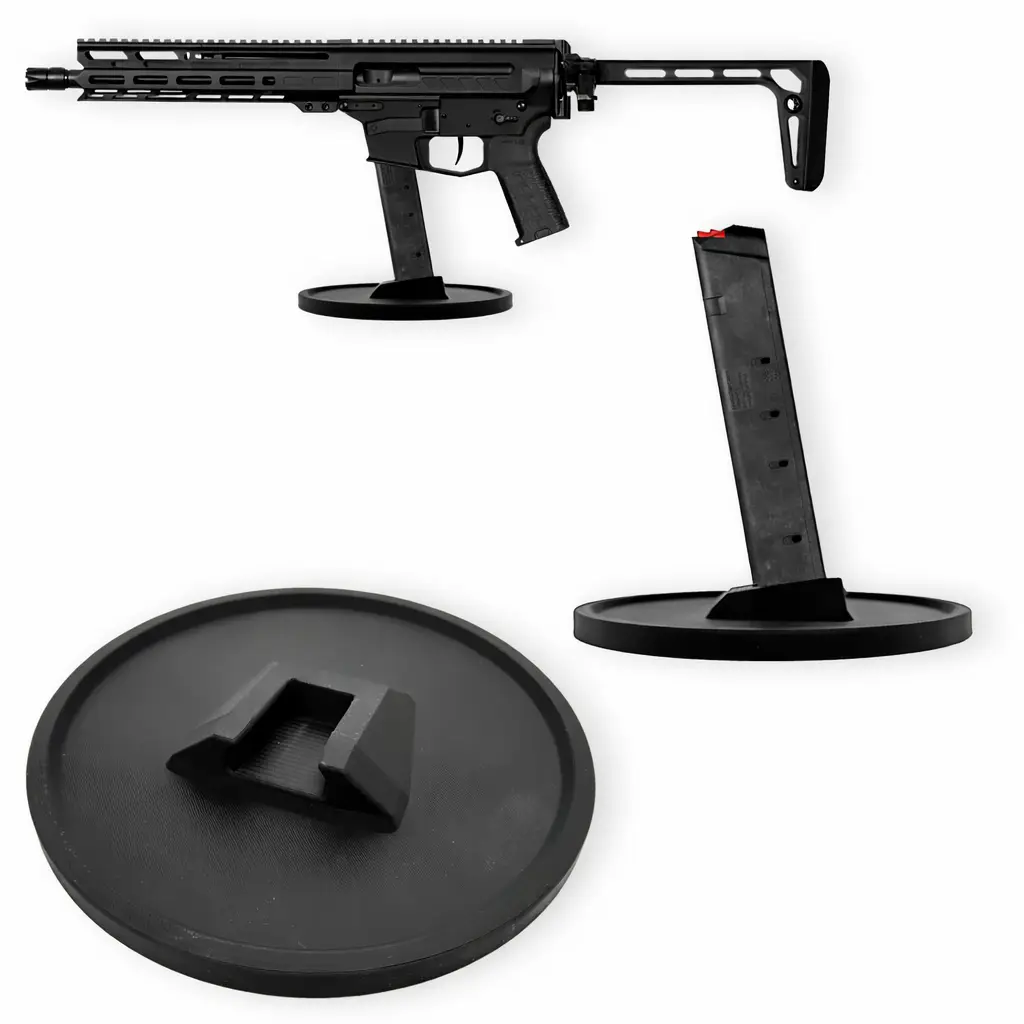
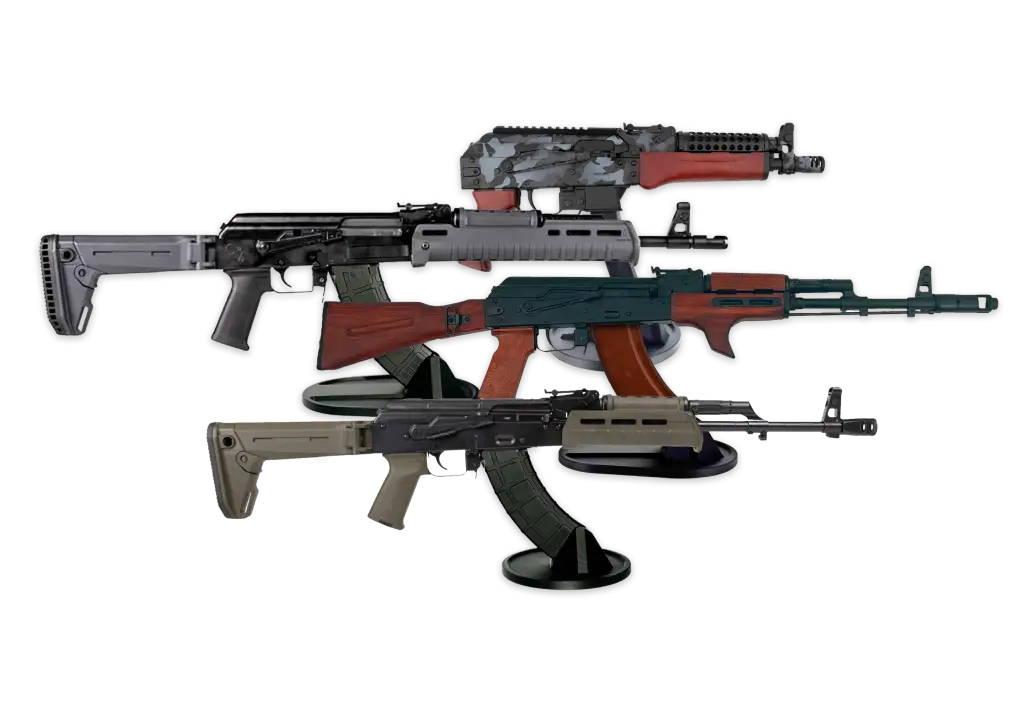
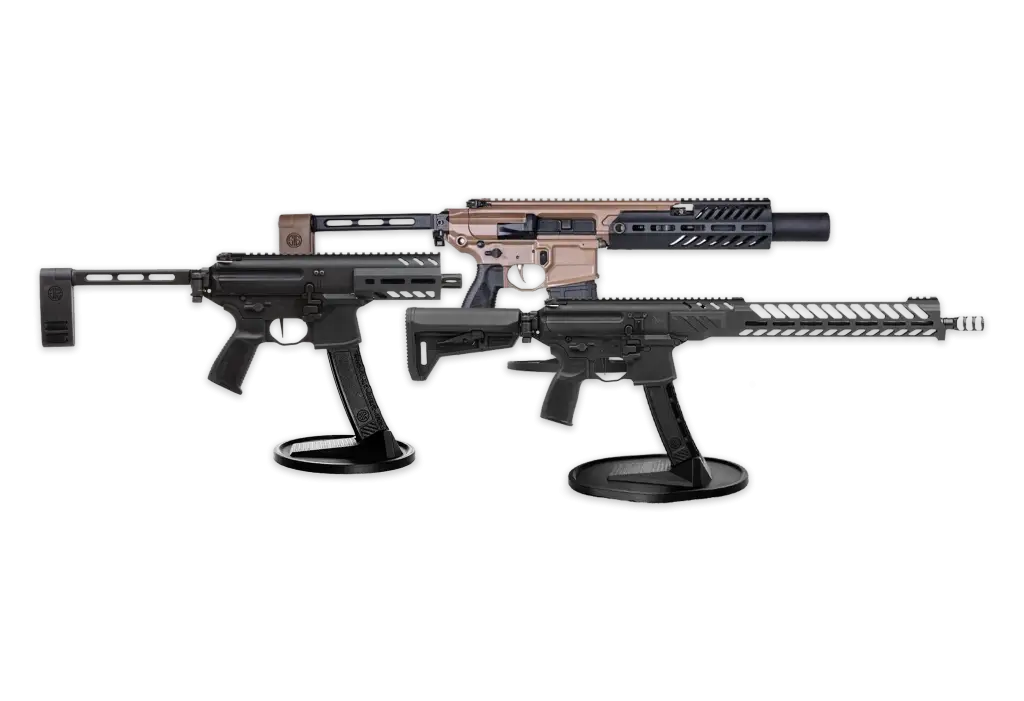
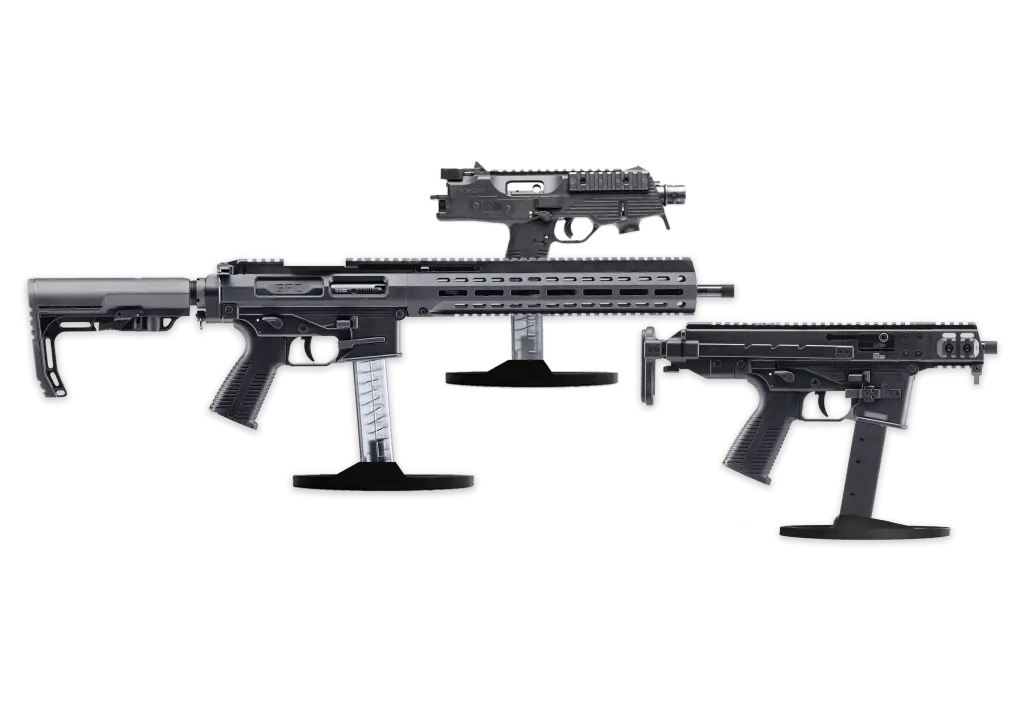
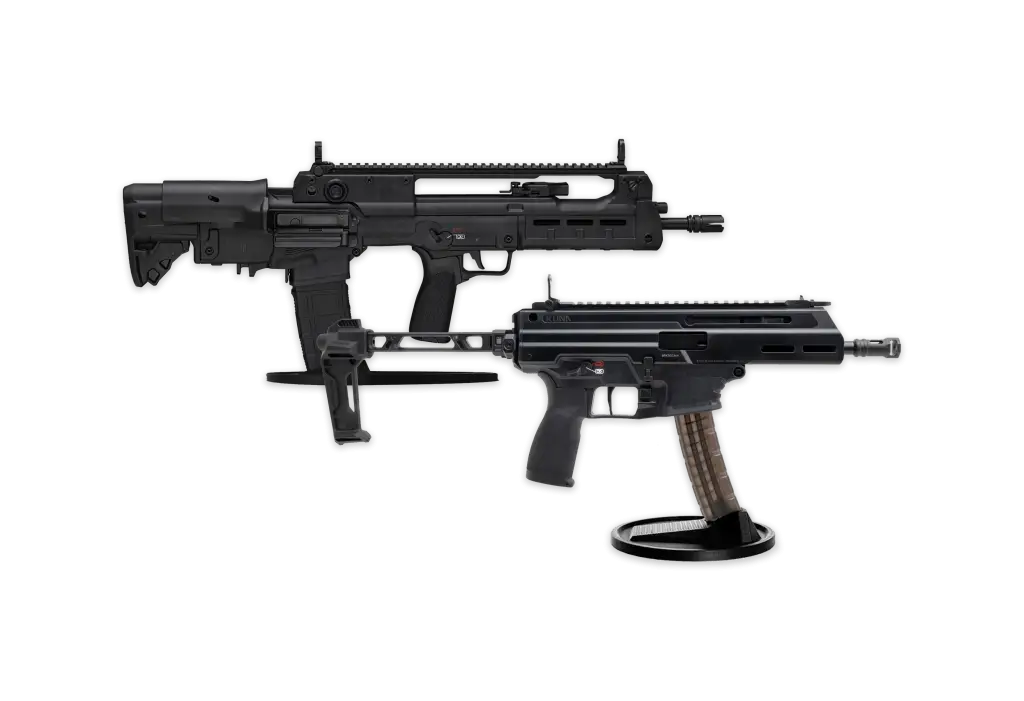
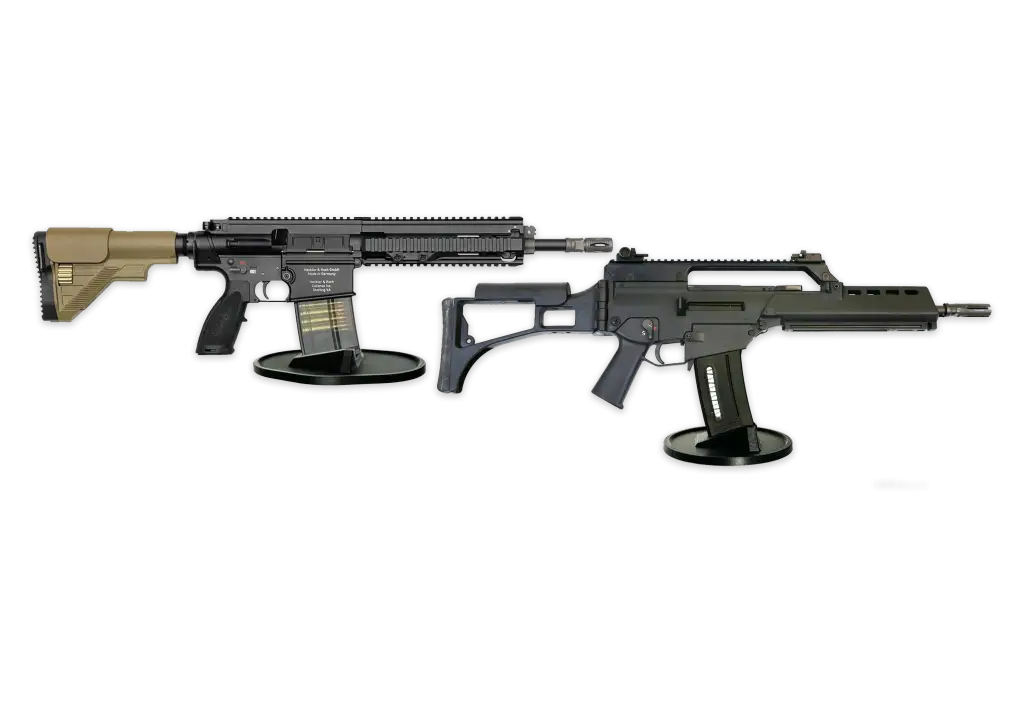
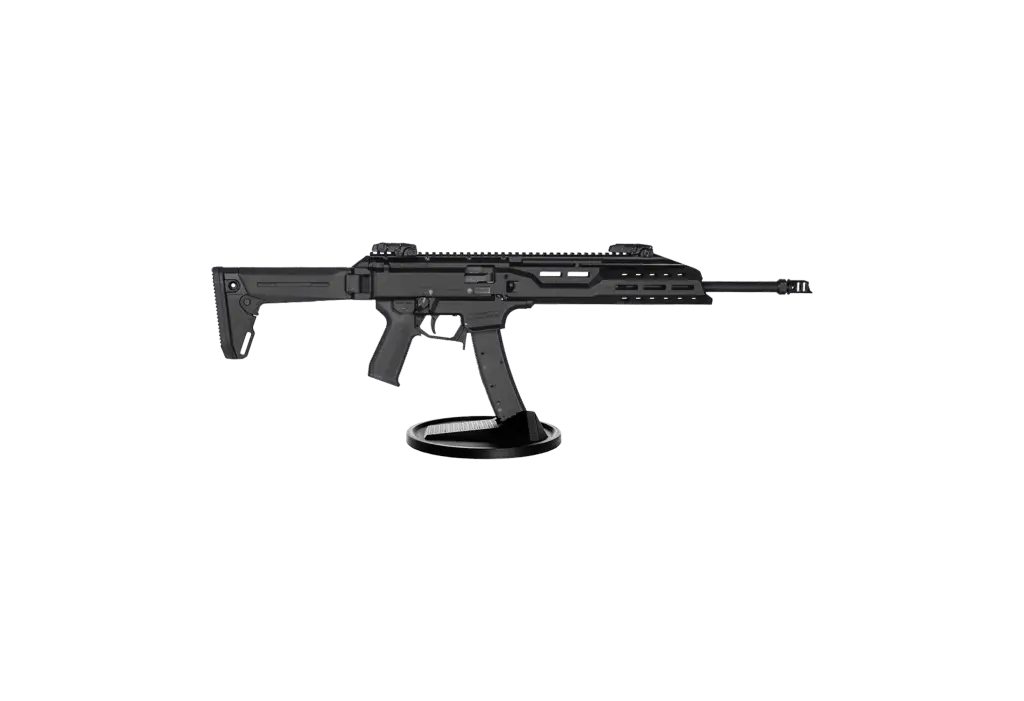
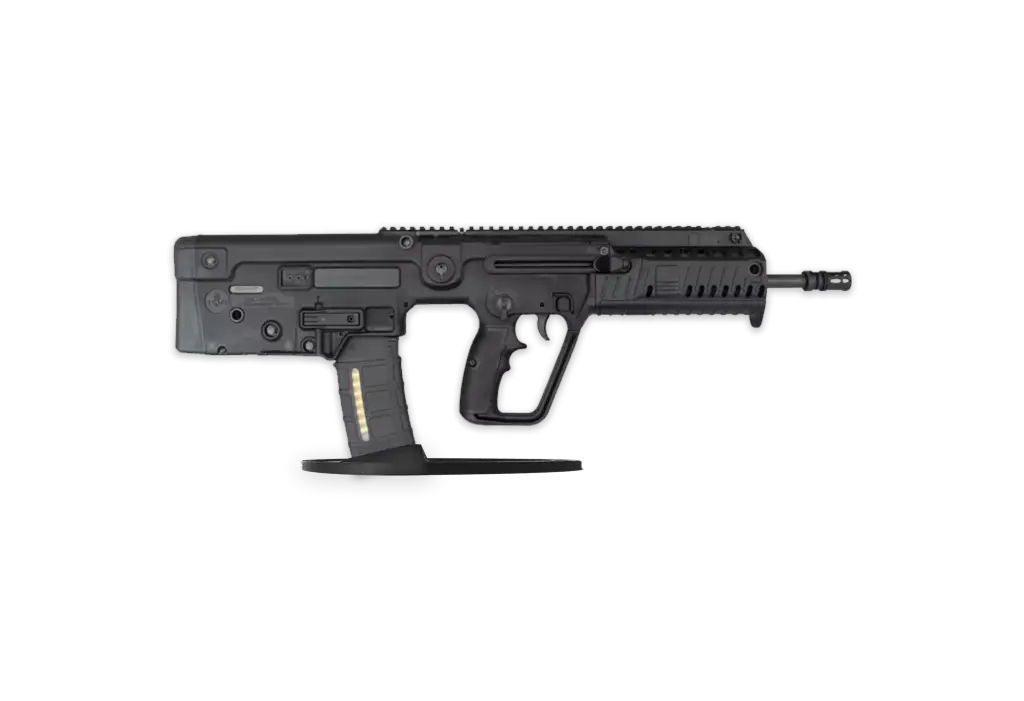
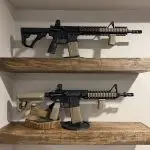
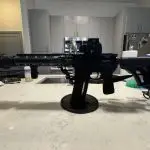
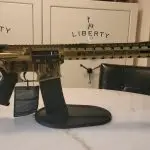
Whether you’re a first-time AR owner, an experienced shooter, or a collector displaying your setup on a premium ar15 gun stand, understanding the distinction between these two rounds matters.
In this updated guide, we’ll break down the differences between 5.56 NATO and .223 Remington, explain compatibility, discuss performance, and help you determine which cartridge is best for your rifle setup.
What Is .223 Remington?
The .223 Remington cartridge was introduced in the late 1950s and eventually became one of the most popular rifle calibers in the United States. Designed for lightweight rifles with high velocity and low recoil, the .223 quickly gained popularity among civilian shooters, hunters, and competitive marksmen.
Today, .223 remains one of the most versatile rifle cartridges available.
Common Uses for .223 Remington
- Target shooting
- Competition shooting
- Varmint hunting
- Home defense
- Training
Its mild recoil and wide ammunition availability make it especially attractive for AR-platform rifles.
What Is 5.56 NATO?
5.56x45mm NATO was developed as a military cartridge derived from the .223 Remington. While externally similar, NATO-spec ammunition is loaded to higher pressures and designed for military reliability standards.
The 5.56 NATO cartridge became the standard military rifle round for NATO countries and is commonly used in military-style sporting rifles today.
Common Uses for 5.56 NATO
- Tactical training
- Defensive applications
- Military and law enforcement use
- General-purpose rifle shooting
Modern sporting rifles displayed on a premium gun stand are often chambered specifically for 5.56 NATO due to its versatility and ammunition compatibility.
The Biggest Difference: Chamber Pressure
The most important distinction between these cartridges involves pressure.
5.56 NATO Operates at Higher Pressure
5.56 NATO ammunition is generally loaded to higher chamber pressures compared to .223 Remington.
This means:
- Higher velocity
- More aggressive powder loads
- Increased chamber pressure during firing
Although the external case dimensions are nearly identical, the internal operating pressures are not.
Chamber Design Differences
The chamber itself is one of the most critical differences between rifles chambered in .223 and rifles chambered in 5.56 NATO.
5.56 Chambers Have Longer Throat Dimensions
5.56 NATO chambers are designed with:
- Longer leade/throat dimensions
- Extra room for pressure management
- Improved reliability under rapid firing conditions
.223 Remington chambers are generally tighter and optimized more for precision and accuracy.
Can You Shoot 5.56 in a .223 Rifle?
This is where safety becomes extremely important.
Generally: NO
Firing 5.56 NATO ammunition in a rifle chambered strictly for .223 Remington is not typically recommended.
Because 5.56 ammunition operates at higher pressures, firing it in a tighter .223 chamber may create:
- Excessive pressure
- Increased wear
- Potential extraction issues
- Possible safety concerns
Always verify your rifle’s chamber markings before using ammunition.
Can You Shoot .223 in a 5.56 Rifle?
Yes. In most cases, rifles chambered for 5.56 NATO can safely fire .223 Remington ammunition.
This is one reason many shooters prefer 5.56-chambered rifles because they offer greater ammunition flexibility.
Collectors and enthusiasts often display these versatile rifles using dedicated ar10 gun stand and AR-platform display systems that keep their setups organized and protected.
What About .223 Wylde?
.223 Wylde has become increasingly popular because it was specifically designed to bridge the gap between .223 and 5.56.
Benefits of .223 Wylde Chambers
- Safely handles both .223 and 5.56
- Improved accuracy potential
- Excellent reliability
- Popular in precision AR builds
Many modern premium AR rifles now feature .223 Wylde chambers because they offer the best balance of flexibility and performance.
Accuracy Differences
Many shooters believe .223 Remington ammunition offers slightly better accuracy potential in precision rifles.
Why?
Tighter chamber tolerances in dedicated .223 chambers may improve consistency.
However, modern rifles and ammunition manufacturing have narrowed the real-world accuracy gap considerably.
For most shooters, differences are minimal during recreational shooting.
Velocity and Ballistics
Because of its higher operating pressure, 5.56 NATO ammunition often produces slightly higher velocity.
This can result in:
- Flatter trajectory
- Increased energy
- Improved performance at longer distances
However, the difference is typically modest for civilian applications.
Which Is Better for Home Defense?
Both cartridges are commonly used for defensive purposes.
5.56 NATO Advantages
- Higher velocity
- Excellent reliability
- Wide defensive load availability
.223 Advantages
- Softer recoil
- Excellent accuracy
- Broad ammo selection
The best option often depends on your rifle setup and intended use.
Which Is Better for Hunting?
.223 Remington is extremely popular for varmint and predator hunting.
Common uses include:
- Coyote hunting
- Prairie dogs
- Small game
- Target varmints
Always verify local hunting regulations regarding caliber restrictions.
Ammo Availability and Cost
Both 5.56 NATO and .223 Remington are widely available across the United States.
Factors affecting price include:
- Bullet weight
- Manufacturer
- Military surplus availability
- Match-grade quality
- Defensive loads
Bulk training ammunition remains affordable compared to many larger rifle calibers.
Popular Rifles Chambered in 5.56 and .223
Popular 5.56 Rifles
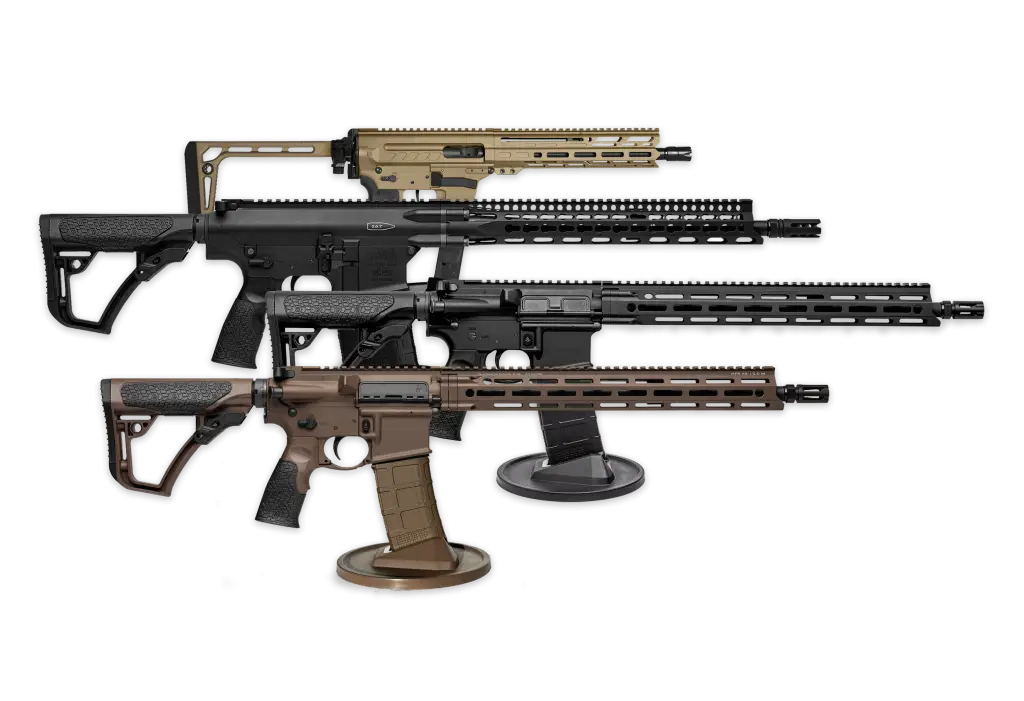
- Daniel Defense DDM4
- BCM Recce Rifles
- FN SCAR 16S
- Colt M4 Variants
- SIG MCX
Popular .223 Rifles
- Bolt-action varmint rifles
- Precision competition rifles
- Ruger American Ranch
- Savage Axis .223
Many enthusiasts showcase these rifles on custom gun stand setups that improve organization while enhancing presentation.
Best Barrel Twist Rates
Twist rate plays a major role in bullet stabilization.
Common Twist Rates
- 1:7 — Best for heavier bullets
- 1:8 — Excellent all-around option
- 1:9 — Good for lighter bullets
Modern 5.56 rifles frequently use 1:7 or 1:8 twist barrels for maximum versatility.
How to Identify Your Rifle’s Chamber
The easiest method is checking barrel markings.
Common markings include:
- 5.56 NATO
- .223 Rem
- .223 Wylde
If you’re unsure, consult your manufacturer documentation before using ammunition.
Why AR Owners Love These Calibers
The combination of low recoil, affordability, modularity, and performance explains why AR-platform rifles chambered in 5.56 and .223 remain incredibly popular.
Owners frequently customize their setups with:
- Optics
- Lights
- Suppressors
- Slings
- Custom furniture
- Display stands
A premium ar15 gun stand helps organize and showcase these customized rifles while protecting finishes and accessories.
Final Verdict: Which Should You Choose?
If you want maximum versatility, a rifle chambered in 5.56 NATO or .223 Wylde often makes the most sense.
If your primary focus is precision shooting or varmint hunting, a dedicated .223 rifle may offer slight advantages.
For most AR owners, both cartridges perform exceptionally well and remain among the best all-around rifle calibers available today.
Final Thoughts
Understanding the difference between 5.56 NATO and .223 Remington is essential for safety, performance, and choosing the right ammunition for your rifle.
While the cartridges appear nearly identical externally, chamber design and pressure differences matter significantly.
Whether you’re building a tactical setup, hunting rifle, or collector display, the right organization and presentation can elevate your entire setup.
Explore premium rifle and pistol display solutions here:
Shop GunCreed Gun Stands & Rifle Display Solutions