










An owner-focused, practical guide to setup, reliability, carry comfort, and long-term maintenance.

Why the Walther PK380 Still Gets Attention
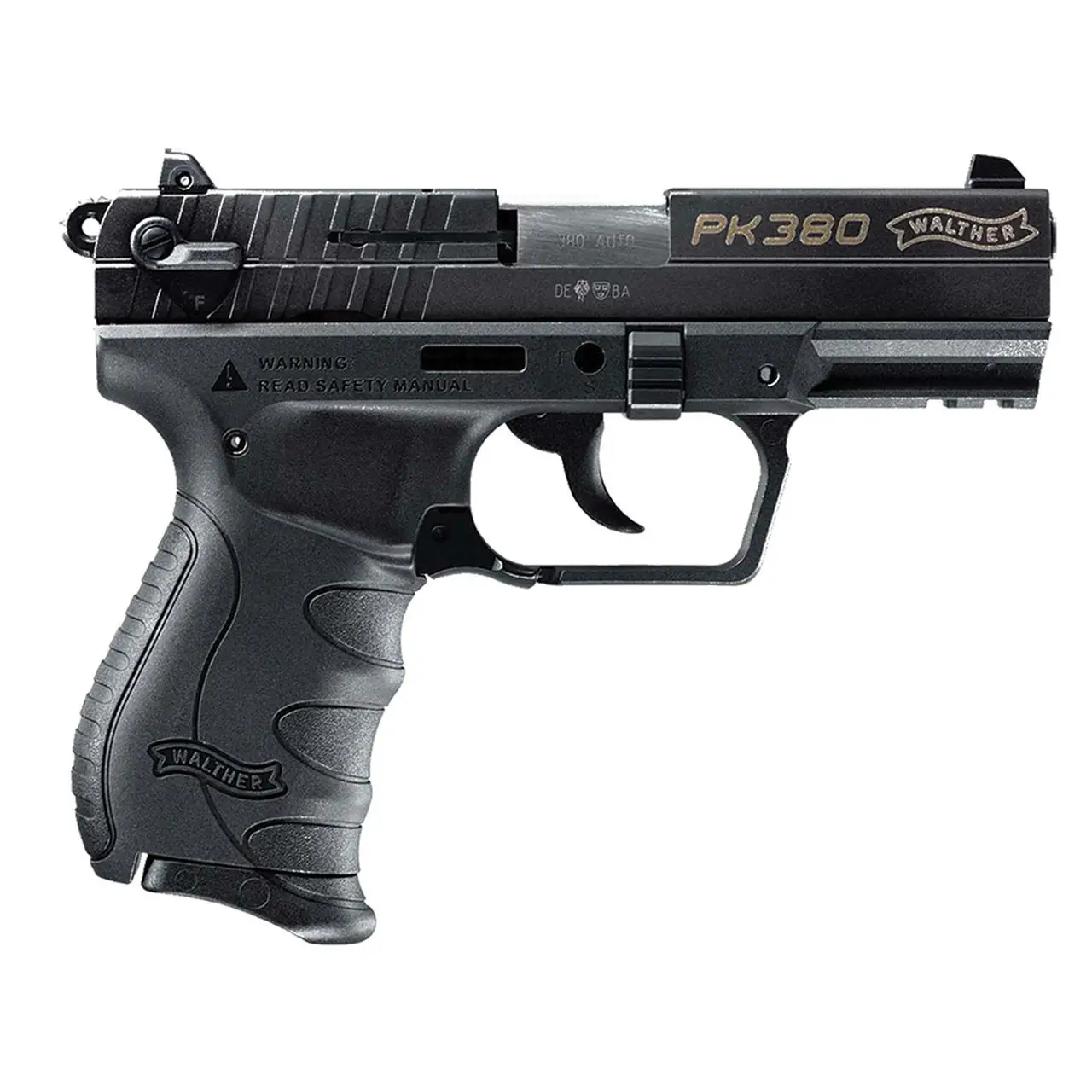
The Walther PK380 sits in a very specific sweet spot: compact enough to carry, soft enough to shoot comfortably, and designed with “user friendliness” in mind—especially for people who dislike stiff slides or harsh recoil. It’s often compared to other .380 options that prioritize tiny size, but the PK380 leans the other direction: it’s still compact, yet large enough to be pleasant during longer practice sessions.
If you’re researching this model, you’re probably asking one main question: Is it reliable? That’s the right question. Reliability isn’t a single trait—it’s a combination of ammo choice, maintenance, magazines, shooter technique, and whether the pistol has had any manufacturer service work completed when applicable. In this guide, we’ll walk through what owners should know, how to set it up for dependable performance, and what to look for when buying one new-to-you.
Quick Specs (At-a-Glance)
Before we get into reliability and carry details, here’s a simple snapshot to anchor the discussion. Exact configurations can vary by finish and market, but these are the commonly listed baseline dimensions.
| Spec | Typical Listing | Why It Matters |
|---|---|---|
| Caliber | .380 ACP | Popular, manageable recoil in a compact platform. |
| Barrel length | 3.66″ | Often helps with controllability and velocity vs. ultra-micro .380s. |
| Overall length | 6.5″ | Big enough for a solid grip; still easy to conceal for many. |
| Capacity | 8-round magazine (often carried 8+1) | Single-stack feel with practical capacity. |
| Action | DA/SA with external hammer | First pull can be heavier; follow-ups typically lighter. |
| Controls | Manual safety on slide; paddle-style mag release | Ergonomics differ from push-button releases—practice matters. |
| Rail | Accessory rail | Allows compact lights/lasers if desired. |
If you want to double-check a specific configuration (especially if you’re buying online), confirm the exact SKU, finish, and magazine count on the listing page and compare it with official resources from Walther.
Reliability: What Owners Should Know (And How to Improve It)
1) Start with the “must-do” safety/recall check
For the PK380, there is one step that matters more than any accessory or ammo debate: verify whether the pistol is affected by the PK380 safety recall and whether the recall work was completed. Walther published a recall notice explaining a condition where engaging the manual safety may not prevent discharge if the trigger is pulled.
What to do: Visit Walther’s recall page, read the instructions, and follow their guidance for serial-range checks and service steps. Even if you’re not the original owner, it’s worth confirming status for peace of mind.
Walther PK380 Recall Information (Official)
2) Use quality magazines (and keep them clean)
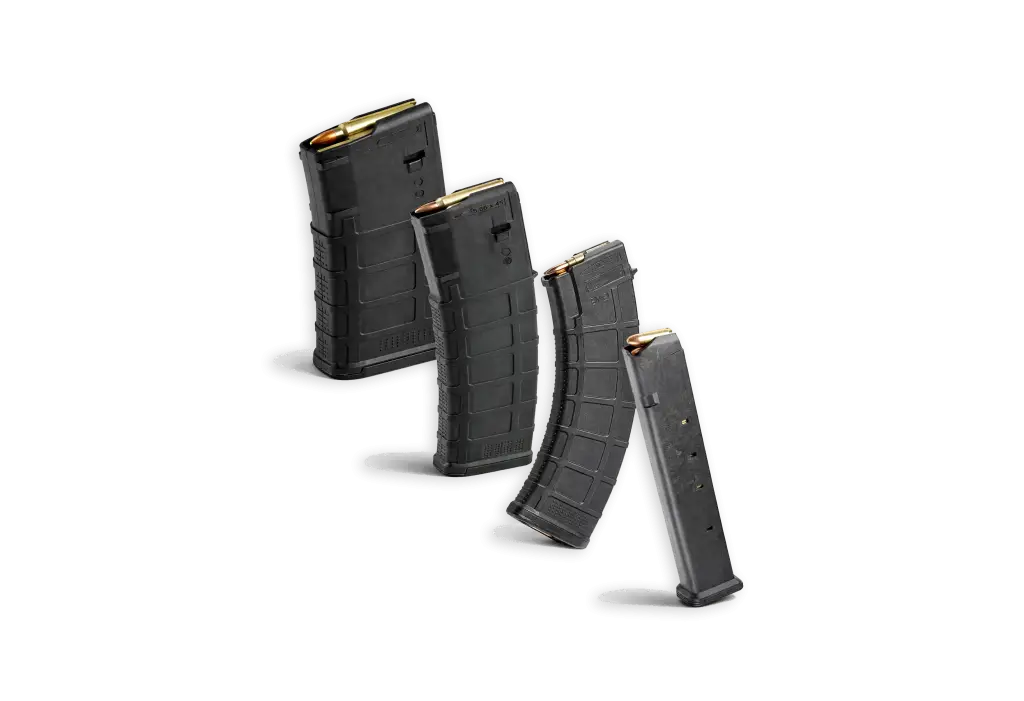
Many reliability issues across compact pistols—of any brand—trace back to magazines. If you’re experiencing failures to feed, nose-dives, or inconsistent slide lock behavior, don’t assume the pistol is “bad” until you’ve tried:
- Factory magazines in good condition (no bent feed lips, no damaged follower)
- Fresh magazine springs if your mags are older or heavily used
- A basic magazine cleaning (lint, grit, and pocket debris build up faster than you’d think)
Also: label your magazines (a tiny paint pen mark works). If one mag causes most of your stoppages, you’ll find the pattern quickly.
3) Run a smart “break-in” process
Some owners report their PK380 smooths out after a few hundred rounds. Whether you call it break-in or simply “learning the pistol,” the practical approach is the same: start with proven, consistent practice ammo, lube the contact points properly, and keep notes.
A simple reliability test plan:
- Clean and lubricate before the first range trip.
- Bring 2–3 different practice loads (name/brand/weight) and track results.
- Rotate magazines each box so you’re not accidentally testing only one mag.
- After 200–300 rounds, clean again and re-check function.
4) Ammo selection matters more than people want to admit
.380 ACP can be sensitive to ammo differences, especially in compact platforms. If you experience failures to eject or inconsistent cycling, try switching to a different brand or load. You’re not “cheating” by finding what your pistol prefers—you’re being responsible.
Tip: Once you find a carry load you trust, confirm it with at least a box or two through your actual magazines. If a specific load causes repeated issues, move on. Reliability beats hype every time.
5) Shooter technique can create or solve problems
Compact pistols demand a consistent grip. If the pistol is not held firmly (especially with a softer wrist), you may see cycling issues. This is sometimes called “limp-wristing,” and it’s not an insult—it’s just mechanics. A locked wrist, firm grip, and consistent stance often eliminates “mystery” malfunctions.
Ergonomics & Controls: The PK380 Learning Curve
Paddle magazine release
The PK380 uses a paddle-style magazine release integrated near the trigger guard. People either love it or need a week of practice to make it feel natural. The advantage is ambidextrous operation without swapping parts. The tradeoff is that if you’re used to a push-button release, you’ll want to deliberately train reloads until it’s automatic.
DA/SA trigger behavior
With a traditional double-action/single-action setup, the first trigger pull can be heavier and longer, while follow-up pulls are typically shorter and lighter. This is not “good” or “bad” by itself—it just changes how you train:
- Practice first-shot accuracy from a safe, controlled start position.
- Work on smooth press-through rather than trying to rush the longer pull.
- Confirm you can manage the transition to lighter follow-ups without jerking shots low/left (or low/right).
No traditional slide stop lever (on many PK380s)
Many owners notice the controls differ from what they’re used to. If your model requires you to “slingshot” the slide rather than using a prominent release lever, build that into your reload routine. Consistency is what creates speed.
Maintenance for Long-Term Dependability
The easiest way to keep a compact pistol dependable is boring: clean it, lubricate it correctly, and replace wear items before they become problems. Pocket lint, dry rails, and neglected magazines can turn a good pistol into a frustrating one.
Suggested maintenance rhythm
- After each range session: quick clean of barrel, feed ramp, and slide rails; light lubrication.
- Every few months (carry use): wipe-down to remove sweat/lint; inspect magazine lips and springs.
- Yearly: deeper inspection; consider replacing recoil spring if round count is high.
Where to find official support
For manuals, service options, and official notices, start with the manufacturer: Walther Arms (Official Site)
Carry Comfort & Practical Setup
Holster fit and daily comfort
Comfort is what makes consistency possible. A “compact” pistol can still feel bulky if the holster is wrong. When shopping, prioritize:
- A rigid holster that fully covers the trigger guard
- Good belt support (a stiff belt matters more than people expect)
- Adjustable ride height and cant if you’re experimenting with carry position
If you carry with a light on the rail, make sure the holster is designed for that exact light model. “Almost fits” becomes “doesn’t fit” the first time you move quickly.
Grip and control upgrades
Small comfort tweaks can significantly improve control:
- Grip tape or a textured sleeve (if your hands get sweaty)
- Practice with the magazines you actually carry
- A simple dry-fire routine to master the DA first pull (always follow safe handling rules)
Common Issues (And Troubleshooting Steps)
Failure to feed
- Try a different magazine (and inspect feed lips/follower)
- Switch ammo brand/load
- Clean the feed ramp and ensure proper lubrication
Failure to eject
- Try a higher-quality practice load for testing
- Confirm a firm grip and locked wrist
- Clean extractor area during a detailed clean (per manual guidance)
Inconsistent safety expectations
If you own a PK380, take the recall guidance seriously and confirm your pistol’s status. This is one of those “don’t guess” topics—use the official recall instructions.
Walther Recalls Hub (Official)
Buying a PK380 Today: What to Check
Since many PK380s are purchased on the used market, you’ll want a quick checklist before you commit:
- Recall status: confirm via Walther’s instructions.
- Magazine count: factor in the cost of extra factory mags.
- General wear: look for excessive slide/rail wear and unusual barrel wear.
- Function check: ensure safety and controls operate as expected (following safe handling rules).
- Test plan: budget time and ammo to validate reliability with your mags and your chosen loads.
If you’re comparing modern alternatives, Walther also markets the PD380 as a newer option in the same caliber family.
Range Drills to Build Confidence
Reliability isn’t just mechanical—it’s also your ability to run the pistol under mild pressure. Here are a few simple drills (start slow, prioritize safety, and follow range rules):
1) DA first-shot accuracy
From a ready position, focus on a smooth press for the first shot. Repeat in short strings. Goal: consistent hits, not speed.
2) Controlled pairs
Fire two shots with a steady rhythm and watch your sights return. This builds recoil management and confirms the SA follow-up pull isn’t causing you to slap the trigger.
3) Reload reps with the paddle release
Practice reloads until the paddle release feels natural. The fastest reload is the one you can do the same way, every time.
FAQ: Walther PK380
Is the Walther PK380 easy to rack?
Many owners choose the PK380 because it’s often perceived as easier to rack than some ultra-compact options. Technique matters—use a firm push-pull method rather than pinching the slide with fingertips.
How many rounds does the PK380 hold?
The PK380 is commonly listed with an 8-round magazine, and many people carry 8+1 depending on preference and safe handling practices.
What’s the best way to confirm reliability?
Use a structured test: clean/lube first, rotate magazines, try a couple ammo options, and track any issues. If a single magazine causes most problems, you’ve likely found the culprit.
Should I buy used?
Used can be a great value if you check recall status, inspect magazines, and commit to a real test plan before trusting it for daily use.
Final Thoughts
The Walther PK380 can be a comfortable, shootable .380 option for people who want a compact pistol that doesn’t feel “micro.” The biggest reliability wins come from fundamentals: confirm recall status, use good magazines, keep it clean and lubricated, and test your chosen ammo with your actual carry magazines.
If you do those things, you’ll get a much clearer answer to the only question that matters: whether your PK380 runs dependably for you.
Safety note: Always follow safe handling rules, local laws, and manufacturer guidance.