







We appreciate you sharing this:
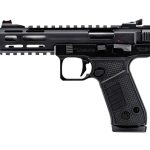
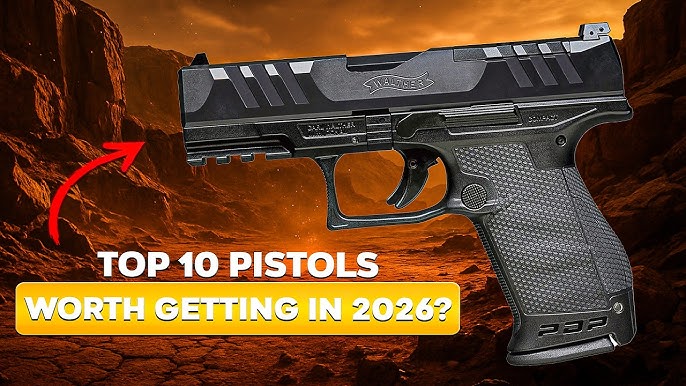

Quick takeaway: A premium handgun can absolutely be “worth it” in 2026—but only if you’ll actually use what you’re paying for: better triggers, tighter fit, refined ergonomics, optics-ready systems, premium coatings, and long-term resale. If your needs are basic (reliability + safe handling), many budget options deliver outstanding value.
This guide breaks down the real-world differences, who benefits most from premium models, and how to choose without getting caught in brand hype. It also includes practical care and display tips if you’re building a collection worth showing off.

Pricing isn’t the whole story. In 2026, “budget” usually means simplified manufacturing, fewer finishing steps, and more standardized parts. “Premium” typically means tighter tolerances, more meticulous fitting, upgraded materials/coatings, and features aimed at demanding shooters or collectors.
Most modern handguns are reliable when maintained. The premium gap shows up in consistency across many rounds, varied ammo, adverse conditions, and repeated high-round training. Budget models can be rock-solid; premium models are more likely to stay “smooth and consistent” longer with fewer quirks.
Triggers are one of the most noticeable upgrades. Premium triggers often provide cleaner breaks, shorter resets, and more consistent pull weights. That can translate to faster follow-up shots and better accuracy—especially under stress or in competition.
At typical defensive distances, budget and premium can look similar. Premium gains become more obvious at longer distances, faster cadence, and when you’re trying to wring out tight groups. If you mostly shoot casually at close range, the advantage may be subtle.
Premium designs often feel “dialed in”: better grip geometry, refined texturing, improved balance, and reduced felt recoil through tuning (springs, barrel fit, slide mass). In 2026, many mid-tier pistols also offer excellent ergonomics—so don’t assume you must buy top shelf to get comfort.
Optics are mainstream in 2026. The difference isn’t just whether a handgun is optics-ready—it’s how it’s done. Better mounting interfaces, stronger hardware, and more durable plates (or direct-mount systems) reduce re-tightening hassles and help maintain zero.
Premium finishes can mean less wear, improved rust resistance, and easier cleaning. If you carry regularly, live in humidity, sweat a lot, or store long-term, coatings matter more than many people think.
Resale is a hidden factor. Premium models and respected brands often hold value better—especially limited runs or collector-friendly lines. Budget models can be fantastic tools, but they may depreciate more quickly.

Before you decide, consider the full ownership cost:
If “worth it” means tighter groups, faster splits, premium feel, and stronger resale—premium can make sense. If “worth it” means safe, reliable, and affordable—budget or mid-tier is often the smarter play.
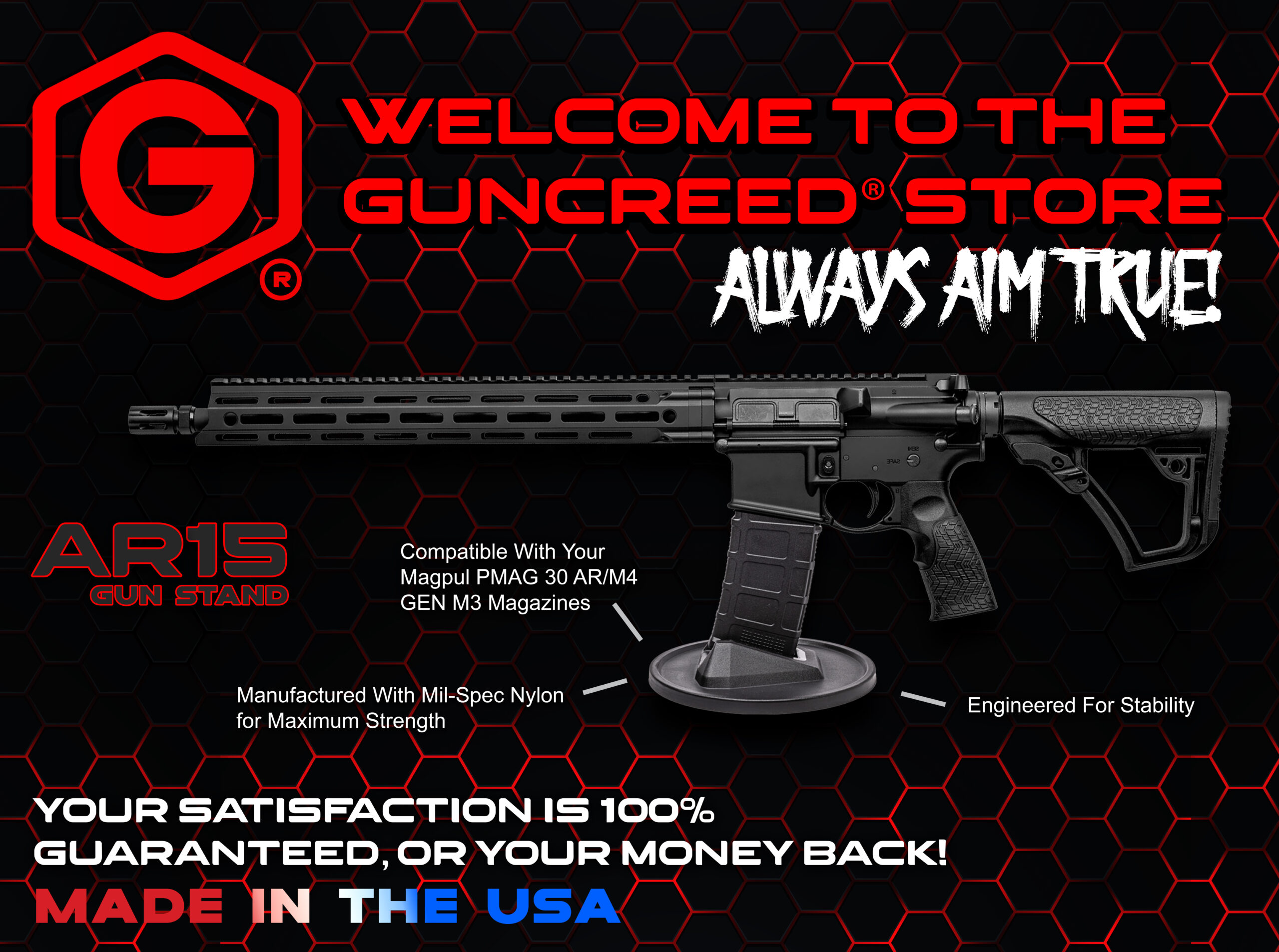
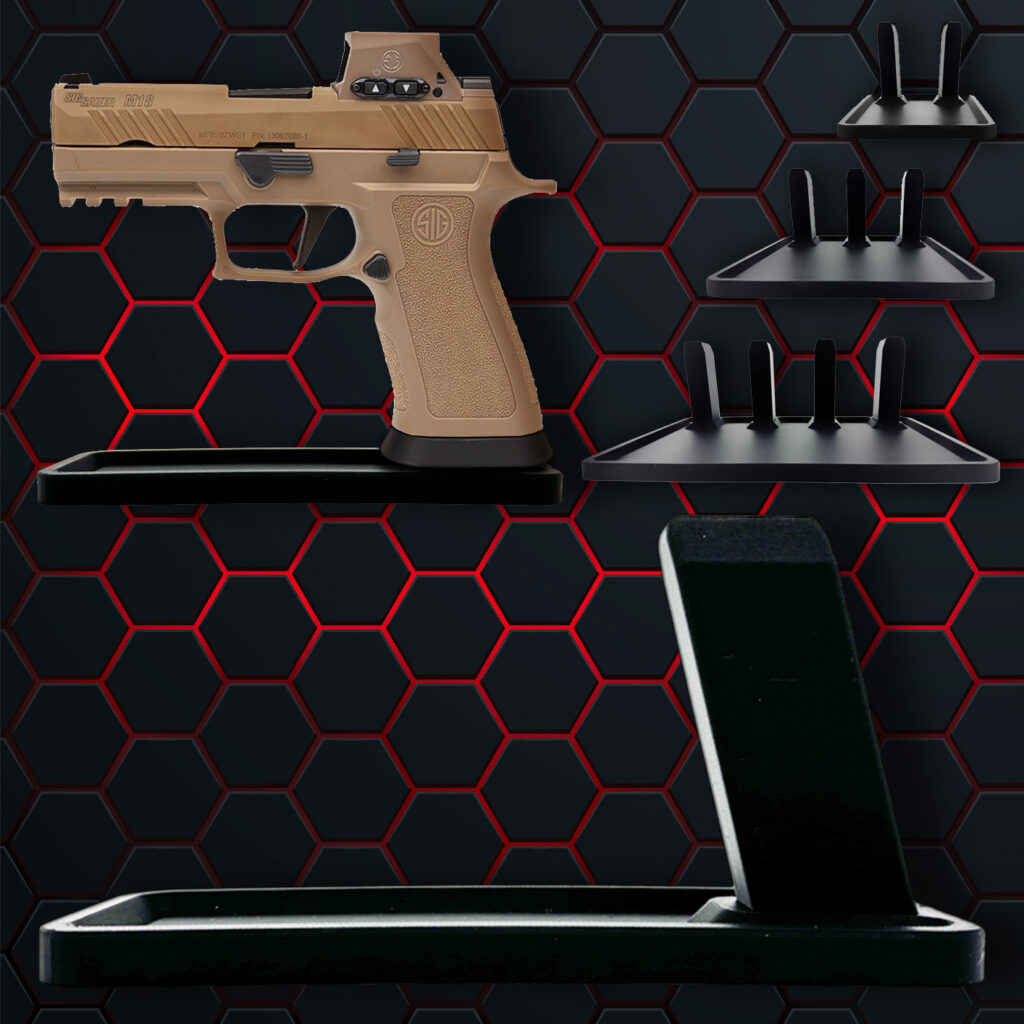
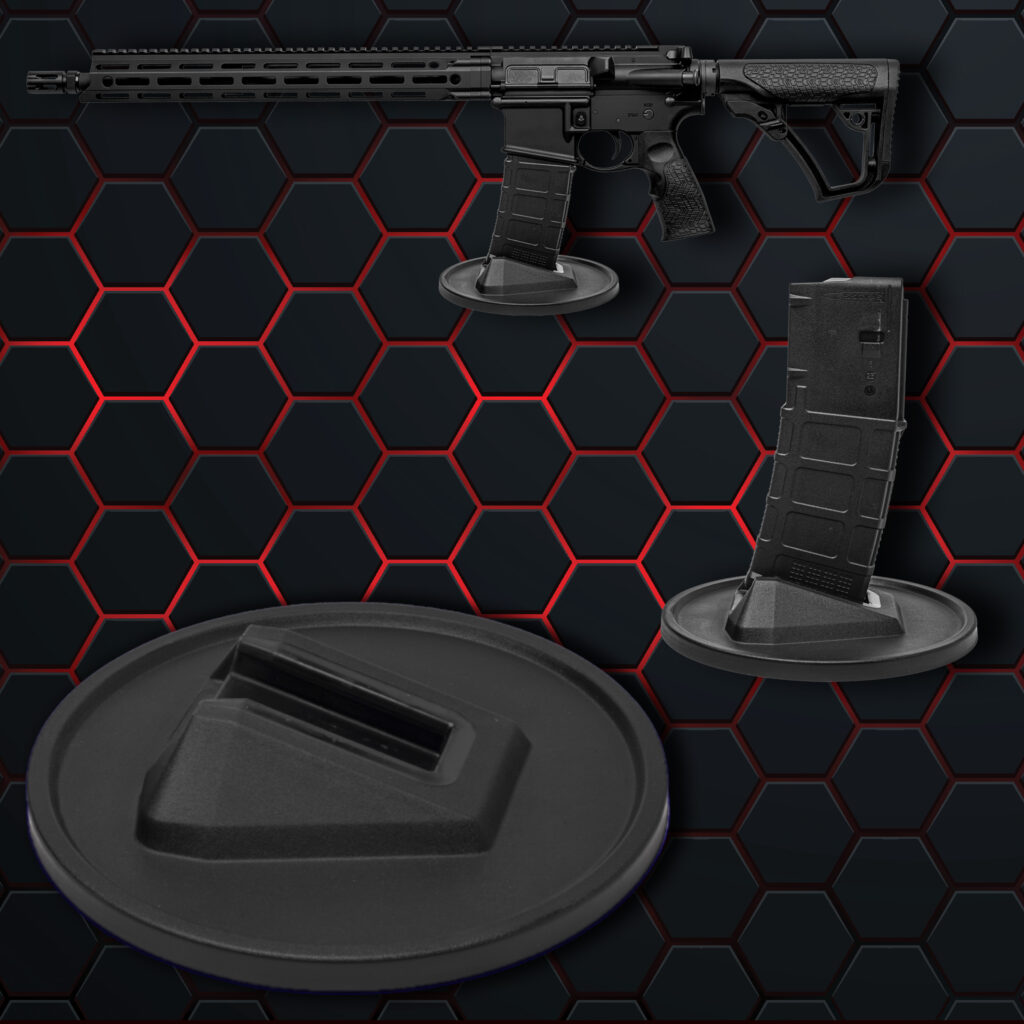
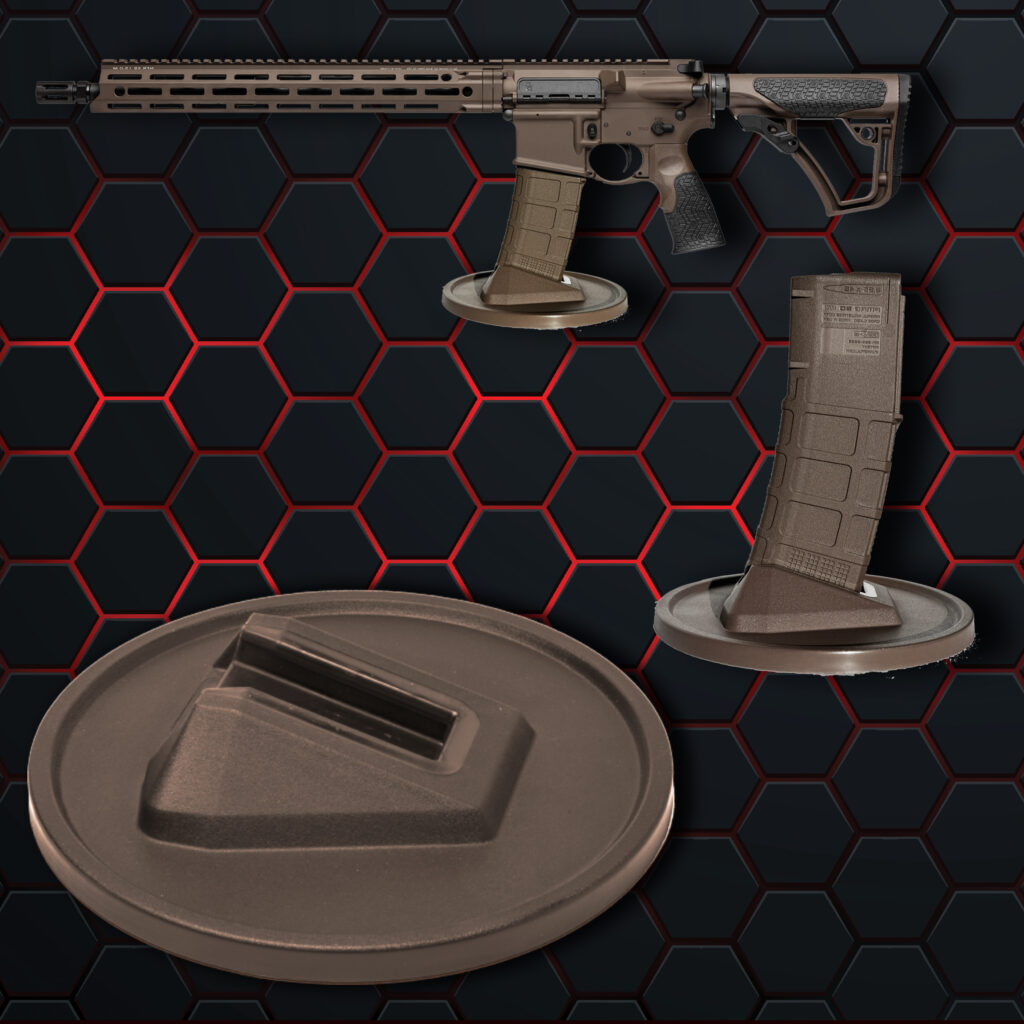
Whether your handgun is budget or premium, a clean and secure display setup upgrades your space and protects your investment. If you’re building a 2026 collection, your storage and presentation should match your standards.
Great for clean presentation on desks, shelves, or safes. Ideal for rotating your range lineup.
Designed for standout presentation—perfect for premium pistols and special editions.
Turn your collection into a clean, organized “showcase wall” while keeping things tidy.

Often, yes—especially when “last longer” means smoother operation and consistent performance over high round counts. But longevity still depends heavily on maintenance, ammo quality, and how hard you run the handgun.
If you train regularly or want to shoot faster with precision, a premium trigger can be one of the most meaningful upgrades. If you rarely shoot, you may not get the return you expect.
For many people, yes. Optics can improve speed and clarity—especially with aging eyes. The key is choosing a mounting system that’s proven and durable so it stays tight and holds zero.
If you’re new, two reliable budget options (plus training) can be smarter. If you already know what you like and shoot a lot, one premium handgun may provide a better long-term experience.
Safety comes from responsible handling, smart storage, and training. A premium handgun may have refinements that improve control, but it doesn’t replace safe habits.
High-end handguns can be worth it in 2026 when you’ll benefit from refined triggers, better optics mounting, stronger finishes, and consistent performance under heavy use. If your goal is dependable ownership without overspending, today’s budget and mid-tier options are better than ever—especially when paired with training and a clean storage/display plan.
Ready to upgrade your setup? Whether your pistol is budget or premium, a purpose-built display makes it easier to protect, organize, and appreciate what you own.
