







We appreciate you sharing this:


Categories:
A slim, soft-shooting .380 option built on the LC9-sized platform—what it does well, where it’s picky, and how to get the best experience from it.

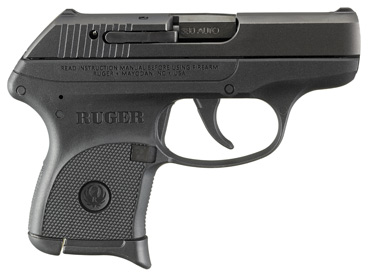
The Ruger LC380 is best understood as an LC9-sized carry pistol chambered in .380 ACP. That one change drives the whole experience: recoil tends to feel milder than similar-sized 9mm options, which can make practice more comfortable—especially for newer shooters, smaller hands, or anyone prioritizing controllability over maximum energy.
Its strongest traits are thin carry comfort, simple controls, and a shootability “sweet spot” that sits between tiny pocket pistols and larger compacts. The trade-offs are that you’ll want to pay attention to ammo choice, you’ll need a quality holster that covers the trigger guard completely, and you should plan on regular maintenance if you carry it daily.
Note: Exact numbers can vary slightly by variant and market configuration, but these are the commonly cited baseline specs.
| Spec | What to expect |
|---|---|
| Caliber | .380 ACP |
| Action | DAO, hammer-fired |
| Barrel length | ~3.12 in |
| Overall length | ~6.0 in |
| Height | ~4.5 in |
| Width | ~0.9 in |
| Unloaded weight | ~17.2 oz |
| Capacity | Typically 7+1 |
| Sights | 3-dot, drift-adjustable |
If you want to compare size against other popular compacts, a visual comparison tool is helpful: see the LC380 side-by-side here.
Many .380 pistols are truly pocket-sized, which is great for deep concealment but can feel snappy and cramped. The LC380 leans the other way: it’s still slim and easy to hide, but the grip and sighting system are closer to what you’d expect on a small 9mm carry gun. That usually translates into:
In plain terms: it’s often easier to shoot well than many tiny .380 options, while still staying very carry-friendly.
The LC380’s DAO trigger is designed to be consistent from shot to shot. You’re not dealing with a “light first shot / heavy second shot” situation. Most owners describe it as longer travel with a clean, predictable break once you learn it.
In the real world, the LC380 often feels softer than similarly sized 9mm compacts, especially in faster follow-up shots. That doesn’t mean it’s “no recoil”—it means it’s more manageable for a lot of people, which is a big deal because the best carry pistol is the one you can practice with regularly and run confidently.
If recoil sensitivity is your main concern, it’s worth also looking at Ruger’s newer “lite rack” style .380 option: Ruger’s Security-380 announcement. Even if you stick with the LC380, that link gives useful context on what Ruger prioritized in modern .380 designs.
The LC380 is typically associated with features like a manual thumb safety, a loaded chamber indicator, and an internal lock. These can be positives if you like layered mechanical safeties—especially for careful storage and structured routines. They can also add complexity if your preference is “as simple as possible.”
The best approach is to pick one consistent handling method and stick to it. If your model includes a manual safety, build the same on/off habit every time. If you don’t want to use a manual safety, choose a carry method that doesn’t require you to rely on it (most importantly: a rigid holster that fully covers the trigger guard).
For official handling and maintenance guidance, download the LC9/LC380 manual and read it start to finish: LC9/LC380 instruction manual (PDF).
With its usable sights and a grip that doesn’t feel like a toy, the LC380 is capable of solid practical accuracy. Most shooters can keep tight groups at typical practice distances once they learn the trigger and confirm their preferred ammo.
If you’re trying to evaluate the LC380 as a “confidence builder,” your results will depend far more on practice frequency than on chasing a particular brand of accessories.
.380 ACP can vary a lot in felt recoil, slide cycling impulse, and point of impact depending on bullet weight and design. The goal isn’t to chase internet arguments—it’s to find what your specific LC380 runs reliably and what you can shoot well.
Tip: Keep at least one full box of your chosen carry load on hand so you can periodically refresh your carry ammo and test a magazine or two every so often.
The LC380’s thin profile is a big reason people choose it. It hides well under light clothing and usually feels less bulky than thicker double-stack compacts. That makes it a strong candidate for:
Holster quality matters more than most people think. Look for: full trigger-guard coverage, solid retention, and consistent re-holstering. If you want a starting point to understand holster styles and carry positions, this overview is helpful: LC380 carry/holster discussion.
Small carry pistols live a hard life: pocket lint, sweat, humidity, and constant movement. The LC380 is generally reliable when kept reasonably clean and lubricated. “Reasonably” is the key word—this doesn’t need to be complicated.
If you need a refresher on safe handling and storage practices, Ruger’s safety resources are worth bookmarking: Ruger safety information.
Pocket .380s are easier to conceal in more places, but they can be harder to shoot well quickly. The LC380 typically offers: better sights, a more comfortable grip, and a more stable shooting feel—at the cost of being slightly larger. If your top priority is “as small as possible,” a pocket .380 may win. If your priority is “carry small but shoot confidently,” the LC380 often makes more sense.
Newer .380 compacts (like Ruger’s Security-380) emphasize easy operation and comfort for extended practice. If you’re shopping today, it’s worth comparing the “older slim single-stack feel” of the LC380 to the “modern comfort features” approach of newer options.
This is the real decision point for many people: the LC380 can be more pleasant to shoot than similarly sized 9mm pistols, but 9mm options can offer different trade-offs in energy and ammunition availability. The “right” answer is the one you’ll practice with and can control under stress—reliably and safely.
The LC380 is a strong fit if you want a slim carry pistol that’s typically easier to manage than tiny pocket .380s, and you value comfort enough to carry daily. It’s also a practical option for:
If your main priority is maximum concealment in the smallest possible package, you might prefer a true pocket .380. If your priority is maximum performance per shot, you might prefer a compact 9mm. The LC380 lives in the middle—and that’s exactly why many owners like it.
Yes—its slim profile and modest weight make it comfortable for daily wear. Comfort matters, because comfort affects consistency. Pair it with a quality holster that fully covers the trigger guard.
The LC380 is typically easier to shoot well due to its grip and sights, but it’s not as tiny as true pocket pistols. If you want “small but shootable,” it often lands in a sweet spot.
You don’t need anything exotic—just choose reputable practice ammo and a quality defensive load, then confirm reliable cycling in your specific pistol. If something feels inconsistent, try a different reputable load and re-test.
Ruger publishes the LC9/LC380 manual online. Start here: LC9/LC380 manual (PDF), and also review: Ruger safety resources.
Final note: Always follow local laws and safe handling practices. If you’re unsure about any function checks, maintenance steps, or carry setup, consult a qualified instructor or armorer.
