







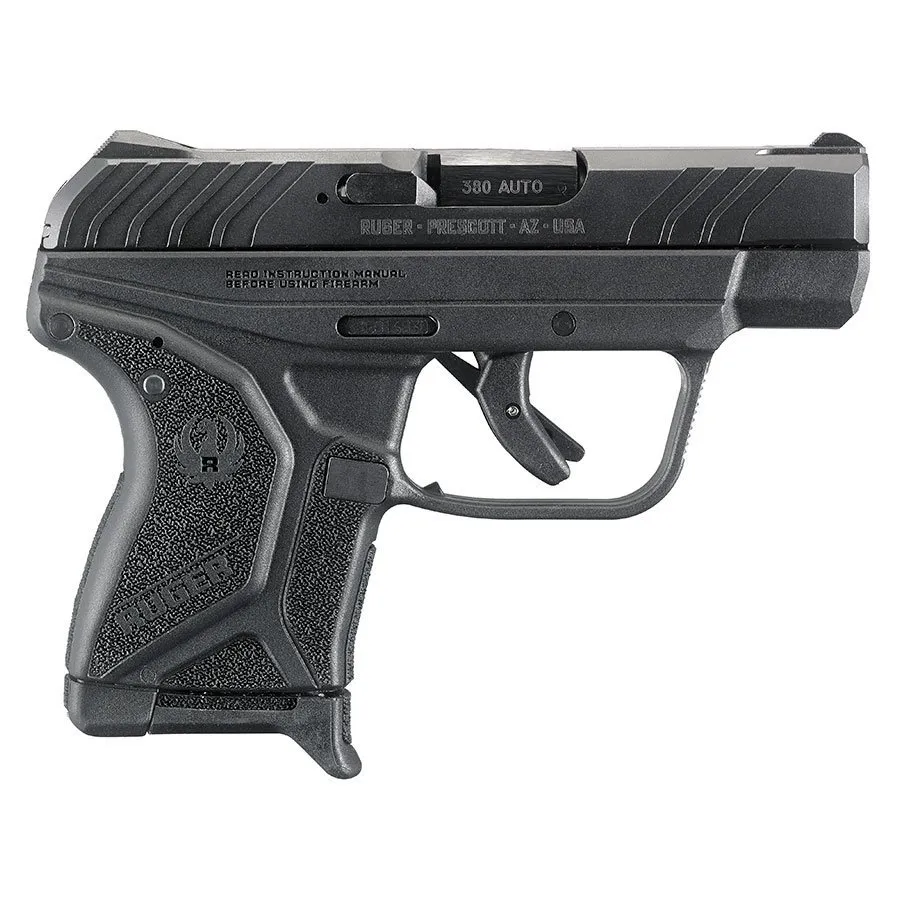

If you’re looking at the Ruger LCP II, you’re probably after the same thing most people want from a true pocket-sized carry pistol: easy concealment, simple operation, and reliable everyday performance. The LCP II is popular because it’s small enough to disappear in real-world clothing while still giving you practical controls, usable sights, and a trigger many shooters find easier to run than earlier ultra-compact designs.
This guide is built to help you do two things:
- Set up the LCP II for comfortable daily carry (without overcomplicating it).
- Run a realistic reliability check so you can trust what you carry.
Note: Always follow the manufacturer’s manual and local laws. If anything here conflicts with your Ruger instructions, the manual wins.

Quick Snapshot: What the Ruger LCP II Is (and Isn’t)
The LCP II is a micro-compact .380 ACP pistol designed for deep concealment—especially pocket carry, ankle carry, and other low-profile methods. It’s not a “one-pistol-does-everything” choice. It’s a “carry more often because it’s easy” choice.
Typical LCP II Size & Capacity (Why People Choose It)
- Very light and slim (easy to carry when larger pistols feel like a chore)
- Short barrel and compact grip (good concealment, less forgiving to shoot fast)
- Common capacity: 6+1 with standard magazine options
Translation: The LCP II trades “easy to shoot for long sessions” for “easy to carry all day.” If you accept that trade and set it up correctly, it can be a very practical carry tool.
Carry Comfort: Pocket Carry Done Right
Pocket carry is where the LCP II shines—but only if you do it the right way. A pocket-sized pistol without a proper holster is a bad idea. Your goal is a setup that keeps the trigger covered, keeps the pistol oriented consistently, and lets you draw smoothly.
1) Use a Real Pocket Holster (Not “Bare in the Pocket”)
A good pocket holster should:
- Fully cover the trigger area
- Break up the outline (“print”) in your pocket
- Stay in the pocket during the draw
- Be comfortable against your leg during walking and sitting
Popular examples to compare:
- DeSantis Nemesis (classic “sticky” pocket holster design)
- Vedder Pocket Locker (LCP II) (kydex-style pocket holster option)
2) Pick the Right Pocket
- Front pocket is usually best for consistency and access.
- Use the same pocket every day to build consistent draw mechanics.
- Keep that pocket empty—no keys, coins, earbuds, or anything else.
3) Clothing Reality Check
Some pockets work, some don’t. Slim jeans can print or block access. Deep pockets can make the draw slow. Before you commit to daily carry, do “normal life testing”—sit in a car, tie your shoes, walk stairs, and spend a normal day with your setup.
Reliability Check: A Practical, Step-by-Step Plan
“Reliable” isn’t a vibe—it’s a result. The best approach is to run a simple checklist, then confirm function at the range with a plan that mirrors real use.
Step 1: Baseline Inspection (5 Minutes at Home)
- Check magazines: look for dents, cracked feed lips, weak springs, or a baseplate that shifts.
- Inspect the feed ramp: it should look smooth and free of heavy gunk or damage.
- Verify slide movement: it should cycle smoothly without gritty binding.
- Confirm the sights: tight, centered, and not drifting.
If anything looks “off,” fix it before you waste time troubleshooting at the range.
Step 2: Clean & Lubricate Like a Micro-Compact (Not Like a Full-Size)
Small pistols can be more sensitive to friction and buildup. You don’t need to over-oil it, but you also don’t want it bone dry. Follow Ruger’s manual for lubrication points and keep it simple: light oil where the manual indicates, wipe away excess.
Helpful reference:
Step 3: Use the Correct Magazines (This Matters More Than People Think)
Ultra-compact pistols can be picky about magazine fit and follower design. Use genuine magazines designed for the LCP II.
Examples worth bookmarking:
Step 4: Run a 3-Phase Range Reliability Test
Here’s a simple way to confirm your setup without turning it into a science project. The goal is to see consistent feeding, ignition, extraction, and slide operation across normal shooting conditions.
Phase A: Function & Familiarity (First 50 Rounds)
- Load 2 rounds in the magazine for several strings.
- Then load 3–4 rounds per string.
- Focus on a firm grip and smooth trigger press.
Why: This helps you detect early issues and also checks whether grip technique is causing cycling problems.
Phase B: Magazine Validation (Next 50–100 Rounds)
- Number your magazines with a marker or small tape label (1, 2, 3…).
- Rotate magazines evenly.
- If a malfunction happens, note which magazine was used.
Why: Many “pistol problems” are actually “magazine problems.” Numbering makes patterns obvious.
Phase C: Carry Ammo Confirmation (A Small, Focused Test)
Once you’ve confirmed basic function, test the specific load you plan to carry. You’re not trying to burn through a mountain of expensive ammo—you’re confirming that your chosen load runs cleanly in your pistol with your magazines.
- Fire a few magazines of your chosen carry load.
- Include at least a few rounds from each magazine you intend to carry.
- Confirm consistent cycling and that recoil remains controllable for accurate follow-up shots.
Pass/Fail mindset: One random hiccup can happen, but repeated issues (especially with the same magazine) are a sign to troubleshoot before trusting the setup.
Common Issues People Blame on the LCP II (and How to Diagnose Them)
1) “It Jammed” — Start With Grip and Magazine
Micro-compacts can be less forgiving of a weak grip. If the pistol isn’t held firmly, it may not cycle as consistently. Combine that with a worn or damaged magazine and you’ve got a recipe for frustration.
Quick fix path:
- Try a firmer grip and locked wrists.
- Swap to a different numbered magazine.
- Clean and lightly lubricate per the manual.
2) “My Slide Didn’t Lock Back” — Confirm Magazine Type
Slide lock behavior can vary depending on magazine compatibility and follower design. Confirm you’re using the correct LCP II magazine style for the features you expect.
3) “It’s Snappy” — That’s Normal, But You Can Make It Manageable
The LCP II is small and light. Recoil will feel sharper than a larger pistol in the same caliber. The best improvement usually comes from:
- A pocket holster that gives consistent access
- Dry practice for trigger control and grip consistency
- Short, regular live-fire sessions instead of rare “mega range days”
Maintenance Schedule That Actually Fits Real Life
You don’t need to treat the LCP II like a museum piece—but pocket carry does expose it to lint, dust, and sweat. A simple schedule keeps it running.
Weekly (2 Minutes)
- Wipe exterior surfaces with a soft cloth
- Check for pocket lint around the muzzle and slide openings
- Quickly inspect the magazine for lint and debris
Monthly (10–15 Minutes)
- Field strip (per manual)
- Clean the bore and feed area
- Light lubrication per Ruger guidance
- Function check per the manufacturer’s instructions
After Every Range Trip
Clean it. Even if you only fired a little, it’s worth resetting the pistol to a known-good condition.
Accessory Upgrades Worth Considering (Keep It Practical)
The best upgrades are the ones that improve carry safety, consistency, and reliability—not the ones that add bulk.
1) Extra Magazines (And a Rotation Plan)
If you carry daily, consider owning multiple magazines and rotating them. Springs and feed lips can wear over time, and rotation reduces constant stress on a single magazine.
2) Pocket Holster That Matches Your Routine
Holsters are personal. If your current holster shifts in the pocket, prints too much, or collapses in a way that complicates safe handling, upgrade. It’s the single most important “accessory” for pocket carry.
3) Light, Sensible Sighting Aids (If You Need Them)
Some people prefer simple, durable setups. Others benefit from added aiming help—especially in low light. If you explore options, stick with reputable brands and follow installation instructions carefully.
Training Tips Specifically for the LCP II
Because it’s small, your skills matter more. The LCP II rewards consistency.
Dry Practice (No Ammo in the Room)
- Practice a clean grip acquisition from your carry method
- Press the trigger straight to the rear without disturbing the sights
- Work slow and smooth—speed comes later
Live Fire: Short Sessions, High Quality
Instead of 200 rounds once every two months, consider 50 rounds twice a month with a plan. You’ll build better control and confidence faster, and you’ll spot reliability issues earlier.
FAQ: Ruger LCP II Carry & Reliability
Is the Ruger LCP II good for pocket carry?
Yes—when paired with a proper pocket holster that covers the trigger and keeps the pistol oriented consistently. Pocket carry is one of the LCP II’s strongest use-cases.
How do I know if my LCP II is reliable?
Confirm the basics (clean, properly lubricated, correct magazines), then run a structured range test. If issues repeat with one magazine, replace it. If issues repeat across magazines, consult the manual and consider having a qualified armorer inspect it.
Do I need special ammo for a small .380 pistol?
You don’t need anything “exotic,” but you should confirm that your chosen load cycles consistently in your pistol. Micro-compacts can be more ammo-sensitive than larger pistols.
What’s the biggest mistake people make with pocket carry?
Skipping the holster or mixing other items (keys/coins) in the same pocket. Consistency and safety matter more than convenience.
Final Thoughts: Confidence Comes From a Simple System
The Ruger LCP II is popular for a reason: it’s compact enough to carry when bigger options get left at home. But the key to enjoying it is treating it like what it is—an ultra-compact carry pistol that needs a good holster, good magazines, and a realistic reliability check.
If you want the shortest “do this, not that” summary:
- Carry it in a real pocket holster and keep that pocket empty.
- Use the correct magazines and number them for troubleshooting.
- Clean it regularly because pocket lint is real.
- Test your setup with a plan so reliability is proven, not assumed.