






If you’re researching a compact, everyday-carry-friendly pistol, the Springfield Hellcat family is on just about every shortlist—and for good reason. In this guide, we’ll break down what makes the Hellcat popular, how its sights work (including the U-Dot system), and practical concealed carry tips that help you stay comfortable, consistent, and safe.
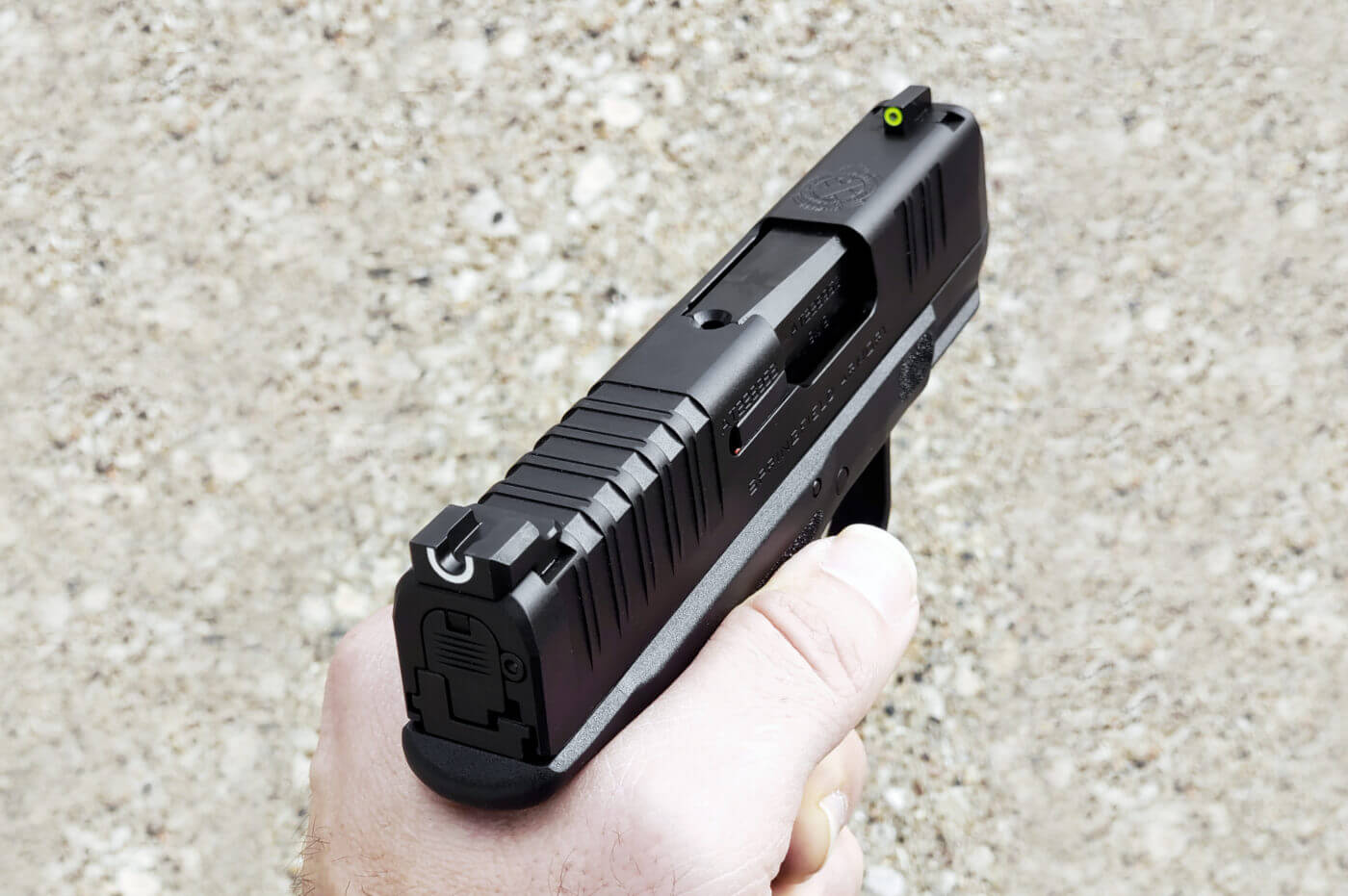
Why the Springfield Hellcat Gets So Much Attention
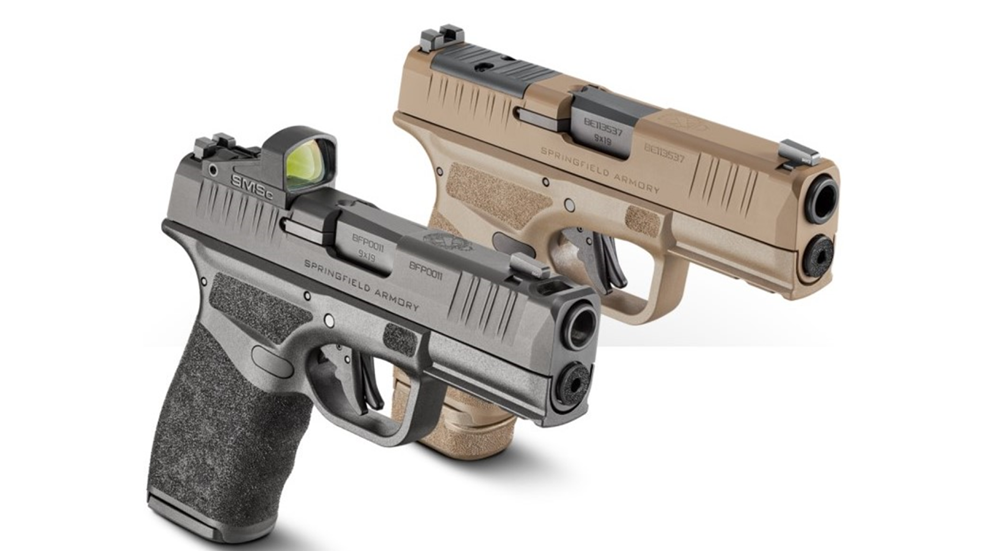
The Hellcat line is built around a simple promise: a compact pistol that still feels “shootable” and easy to carry day-to-day. Many micro-compact options trade away comfort, grip control, or usable sights. Springfield’s approach focuses on a carry-sized package that includes thoughtful details—like a high-visibility front sight and a rear sight designed for fast alignment—while also offering optics-ready versions for those who prefer a dot.
It’s worth saying up front: “best” depends on your body type, your wardrobe, and your comfort with training fundamentals. The Hellcat is popular because it aims for balance: size vs. control, simplicity vs. features, concealment vs. usability.
Hellcat Family Overview: Key Variants You’ll See
When people say “Hellcat,” they may be talking about one of several related models. The names can look similar on product listings, so here’s a plain-English cheat sheet:
- Hellcat (Standard): The core micro-compact model.
- Hellcat OSP (Optics-Ready): Slide cut for micro red-dot footprints; retains strong iron-sight usability.
- Hellcat Pro / Hellcat Pro OSP: A slightly larger format that typically offers more grip length and capacity while staying carry-friendly.
- Hellcat RDP: A performance-leaning package with upgrades (often listed with different included components depending on configuration).
Quick tip: If you’re comparing listings, always verify the exact SKU/configuration and what’s included (magazines, sight type, optic package, etc.). Product bundles vary by retailer and time.
Core Hellcat Features That Matter for Real-World Carry
1) Adaptive Grip Texture: Control Without “Sandpaper” Pain
A micro-compact pistol lives or dies by grip control. Many small pistols feel snappy because there’s simply less surface area to hold onto. Springfield’s grip texture is designed to provide traction while staying comfortable against the body during concealed carry. In practice, that means fewer “hot spots” when carried all day and a more confident grip when drawing and presenting.
2) Simple Controls + Carry-Friendly Ergonomics
The Hellcat family is often chosen by people who want a straightforward carry pistol without extra complexity. Depending on the configuration you select, you may find models with different safety options. Whatever you choose, the goal should be the same: a consistent, repeatable draw and safe handling habits.
3) Optics-Ready Options (OSP) for Modern Sight Preferences
Red-dot-equipped carry pistols aren’t just a trend—they can help many shooters see a single aiming reference quickly, especially as eyesight changes. Optics-ready versions are popular because they let you mount a micro dot without aftermarket milling. If you’re curious about a dot but not ready today, buying optics-ready can future-proof your setup.
Practical advice: If you go with a dot, budget time for training. A dot can be incredibly fast—but only after you’ve built a consistent presentation that brings the dot into view.
Hellcat Sights Explained: U-Dot, Tritium Front, and Fast Alignment
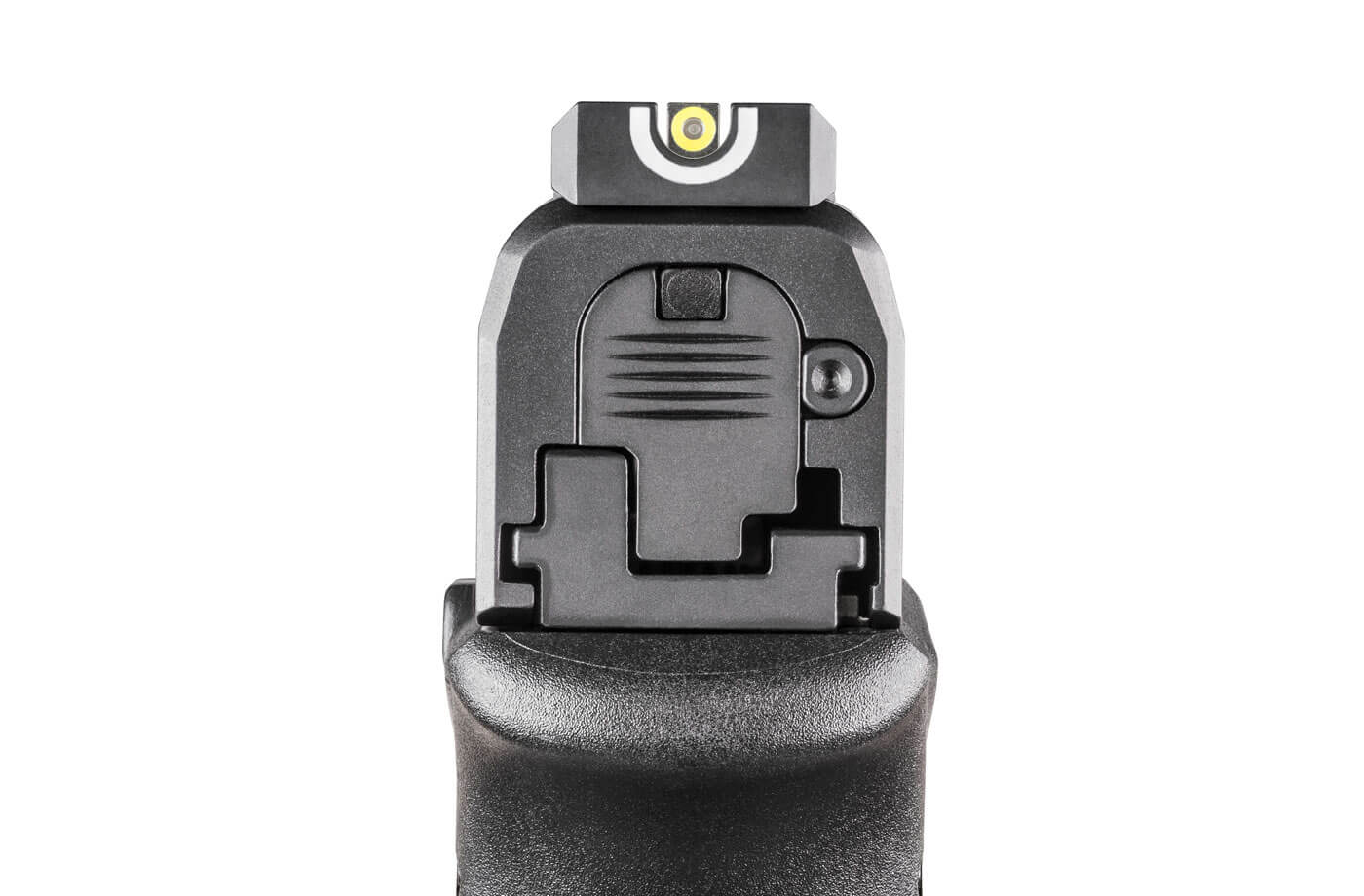
The Hellcat sight system is one of the biggest reasons people like this pistol. Many small carry pistols ship with sights that feel like an afterthought—tiny notches, low contrast, and poor visibility in mixed lighting. The Hellcat series emphasizes a high-visibility front sight paired with a U-notch rear that helps your eyes “snap” to alignment quickly.
How the U-Dot Sight Picture Works
The idea is simple: your eye wants to center the front dot inside the rear “U” shape. Instead of equal-height/equal-light alignment (which can be slower under stress), the U-Dot system gives you a bold, intuitive reference. Your focus stays where it should: on the front sight (or on the dot if you’re running an optic).
Tactical Rack Rear Sight: What It’s For (and What It’s Not)
You’ll often see the rear sight described as a “tactical rack” style. In plain language, it has a ledge profile that can catch on a belt or firm edge in certain emergency manipulations. For most everyday carriers, the more relevant benefit is this: it’s a sturdy rear sight that offers a clean, consistent sight picture and is easy to track in motion.
Confirm Your Point of Aim
No matter what sights you use, confirm your point of impact with the ammo you actually practice with. Even great sights can hit slightly high/low depending on your hold and distance. If you like getting details straight from the manufacturer’s documentation, start with the Hellcat manual’s discussion of point of aim and sight picture, then validate at the range with slow, careful groups.
Hellcat manual: sight picture & point of aim
Optics on the Hellcat: When a Dot Makes Sense
If you’re looking at an OSP model, you’re probably considering a micro red dot. The upside is speed and clarity—your eyes can stay more target-focused while you superimpose the dot. The tradeoff is learning curve: you need a consistent draw stroke so the dot appears without “fishing” for it.
Dot vs. Sights: A Simple Decision Framework
- Choose irons-first if you want maximum simplicity, minimal maintenance, and you’re confident with front-sight focus.
- Choose a dot if you want a single aiming reference, you’re willing to train presentation, and you prefer target-focused aiming.
- Choose optics-ready if you’re undecided and want the option later.
Note: Many carriers still want usable iron sights even with a dot installed. That’s one reason the Hellcat’s factory sight setup gets so much praise—visibility matters.
Concealed Carry Tips for the Hellcat: Comfort, Safety, and Consistency
Carrying a pistol comfortably is what makes “everyday carry” actually happen. If it’s annoying, it gets left behind. The tips below are aimed at practical comfort and safe handling—not tactic talk.
1) Pick the Right Holster Style First (Then Fine-Tune)
Before brand names, decide your carry style:
- IWB (Inside the Waistband): Often the most common for concealment.
- AIWB (Appendix IWB): Can conceal extremely well for some body types, but demands careful holster choice and disciplined re-holstering habits.
- OWB (Outside the Waistband): Comfortable, but usually requires a cover garment and good belt support.
Once you know your style, look for a rigid holster that fully covers the trigger area, maintains its shape when the pistol is drawn, and provides stable retention.
Examples of reputable holster resources for the Hellcat:
- Vedder Holsters – Hellcat options
- CrossBreed Holsters – Hellcat options
- Springfield Store – Hellcat holsters
2) Your Belt Matters More Than Most People Think
A carry belt isn’t about looking tactical—it’s about stability. A supportive belt reduces printing, keeps the holster from shifting, and helps your draw stay consistent. If your current belt lets the holster flop or rotate, you’ll fight comfort all day.
3) Adjust Ride Height and Cant Slowly (Small Changes Win)
If concealment feels “almost there,” don’t panic-buy a new holster yet. Many carry problems are solved by small adjustments:
- Ride height: A little higher can improve grip access; too high can feel unstable.
- Cant: A slight forward cant can reduce printing for some body shapes.
- Spacing: Moving the holster a half-inch can change comfort dramatically.
4) Dress Around the Setup—Not the Other Way Around
Concealment is a system: pistol + holster + belt + clothing. A slightly longer shirt, a heavier fabric, or a different fit can make the Hellcat disappear. Start by testing your normal wardrobe at home. Sit, bend, reach, and walk. If something prints, tweak one variable at a time.
5) Carry Spare Magazine if You Can (and Make It Comfortable)
Some carriers prefer to keep the setup minimal; others add a spare magazine for peace of mind and practical redundancy. If you do carry a spare, keep it comfortable and stable. The goal is “set it and forget it.”
One example accessory option: Hellcat magazine carrier
6) Dry Practice for Consistency (No Speed Needed)
When people struggle with concealment or sight acquisition, the fix is often slow, boring consistency:
- Practice a safe, deliberate draw with a perfect grip every time.
- Present the pistol to eye level the same way on each rep.
- If you run a dot, build a presentation that “finds” the dot naturally.
Ten calm, correct reps beat fifty sloppy ones.
7) Re-Holster Like an Adult: Slow and Intentional
Re-holstering is not a race. After any practice (or any time the pistol is out), take a breath, clear clothing carefully, and re-holster slowly. If your holster collapses or requires you to “force” the pistol in, that’s a red flag—choose a better holster.
Choosing Between Hellcat and Hellcat Pro: A Practical Comparison
Both options can work for concealed carry. Your decision usually comes down to your tolerance for size vs. your desire for a fuller grip and easier shooting characteristics.
- Choose the Hellcat if you prioritize the smallest footprint and maximum concealability.
- Choose the Hellcat Pro if you want a bit more grip length, a slightly larger shooting platform, and typically a more “settled” feel during practice sessions.
- Choose optics-ready if you want the flexibility to add a dot later without extra work.
If possible, handle both at a shop (safely) or rent at a range. How it fits your hand is more predictive than any spec sheet.
Recommended Next Steps: Build Your Hellcat Setup the Smart Way
- Pick your model: standard vs. optics-ready vs. Pro.
- Select a quality holster: rigid, stable, trigger fully covered.
- Upgrade the belt: if your current belt flexes too much.
- Confirm your sights: verify point of impact at the range.
- Train the draw: slow reps until it’s boring and consistent.
When you keep your setup simple and train fundamentals, the Hellcat becomes what it was meant to be: a compact, capable carry pistol that you’ll actually carry.
Safety & Legal Reminder
Always follow local laws and safe handling rules. Use a holster that fully covers the trigger, keep your finger off the trigger until you’re on target, and store your pistol securely when not in use. If you’re new to concealed carry, consider a reputable safety course and regular range time.
Disclaimer: This article is for educational information and general consumer guidance. It is not legal advice.