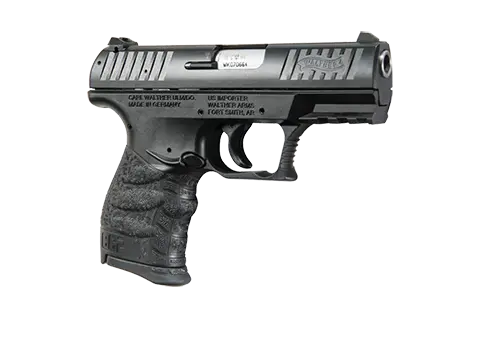






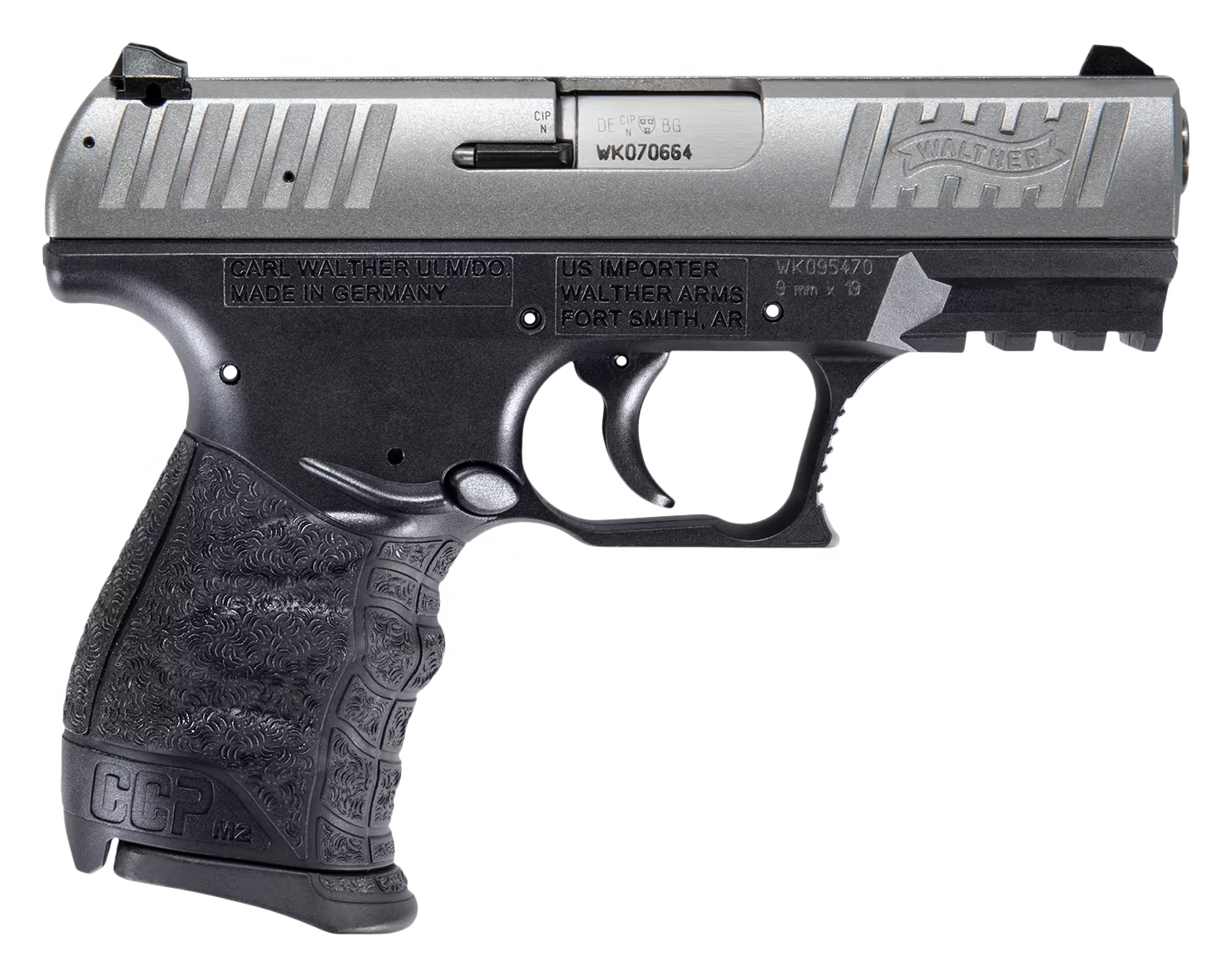

If your #1 priorities are comfort, control, and a smoother shooting experience, the Walther CCP M2 was built with you in mind. This guide breaks down how to set it up, how to hold it, what to practice, and what to maintain so you get the most “easy-to-run” performance possible—without beating up your hands.
The CCP M2 line is known for being easy to rack, simple to maintain, and designed around reduced felt recoil. At its core is Walther’s SOFTCOIL® gas-delayed system, which helps smooth out how the slide cycles and can make the shooting impulse feel less sharp for many shooters. In plain English: the CCP M2 is often chosen by people who want a more comfortable day-to-day carry pistol and a friendlier range session.
This article is a comfort-first approach. You’ll learn:
- How the CCP M2’s design supports comfort and recoil control
- Grip and stance tweaks that reduce “snap” and improve follow-through
- Ammo considerations that can make practice more enjoyable
- Maintenance habits that keep recoil smooth and function consistent
- Optional upgrades and accessories that can improve feel and handling
Quick Specs Snapshot (Why It Matters for Comfort)
Comfort is partly technique, but it’s also physics. The CCP M2’s size and weight can influence how it feels under recoil. As a reference point, Walther lists the CCP M2 (9mm) at approximately 6.41″ long, 5.12″ tall, about 1.18″ wide, and about 20 oz in weight, with an 8-round magazine format. Those numbers put it in a “carry-friendly but still shootable” zone—big enough to hold onto, slim enough to carry comfortably for many people.
Official product page (models and details): Walther CCP Series | Example 9mm listing: CCP 3.54″ Black 8RD 9mm
Understanding Recoil: What You’re Actually Feeling
When people say “recoil,” they’re usually describing a bundle of sensations:
- Rearward push: the straight-back movement into your hands
- Muzzle rise: the front of the pistol lifting upward
- Slide impulse: the cycling motion that can feel “snappy” on some designs
- Grip pressure hotspots: rubbing or concentrated pressure on knuckles, thumb web, or palm
- Follow-through disruption: how much the sights jump and how long they take to return
The goal of recoil management is not “zero movement.” The goal is predictable movement that returns to target quickly—without discomfort. That means we focus on three things:
- Hand fit (grip contact and pressure distribution)
- Body structure (stance, elbows, shoulders, and wrist alignment)
- Consistency (repeatable technique + reliable maintenance)
Step 1: Dial In Grip Comfort (The “No Hotspots” Method)
A good grip should feel secure but not painful. Pain usually comes from either: (1) too much pressure in the wrong place, or (2) a grip that allows movement and creates friction.
1) Start With High, Neutral Hand Placement
Place your strong hand as high as comfortably possible on the backstrap so the pistol sits “deep” into the web of your hand. The higher your grip (without interfering with controls), the less leverage recoil has to flip the muzzle upward.
2) Choose “Clamp Pressure,” Not “Crush Pressure”
Many shooters over-squeeze with their strong hand. That can cause trembling, trigger issues, and sore knuckles. Instead, think of your strong hand as the steering wheel—firm but calm—while your support hand provides most of the clamp.
Try this pressure scale:
- Strong hand: 4–5 out of 10
- Support hand: 6–7 out of 10
If you leave the range with sore fingers or the thumb web feels “pinched,” reduce strong-hand squeeze and increase support-hand contact.
3) Fill the Empty Space With the Support Hand
Your support hand should rotate forward and fill the open grip area on the frame. The more skin contact you have, the less “micro-slip” happens during recoil—and micro-slip is a major comfort killer.
4) Wrist Position: “Stacked” and Locked
If your wrists are loose, recoil feels sharper because the pistol accelerates and stops more abruptly. Keep wrists aligned and firm (not tense), like you’re holding a heavy grocery bag and you don’t want it swinging.
5) If the Grip Texture Feels Too Aggressive (or Not Enough)
Comfort is personal. If texture rubs your skin raw after long sessions, consider:
- A thin grip sleeve (adds comfort and traction)
- Grip tape cut to your preference (more control, but can be abrasive)
- Adjusting support-hand placement to reduce rubbing points
Helpful reference (general grip sleeves and sizing charts): Hogue HandALL Grip Sleeves (Use sizing guidance to avoid buying the wrong fit.)
Step 2: Stance and Upper-Body Structure That Reduces “Snap”
You don’t manage recoil with your hands alone. You manage it with your whole structure. Here’s the simplest high-comfort setup for many shooters:
The “Athletic Lean” Setup
- Feet: shoulder-width, slightly staggered (one foot a bit forward)
- Knees: soft bend (not locked)
- Hips: neutral, not arched back
- Shoulders: slightly forward of hips
- Head: upright—bring the pistol to your eyes, not your eyes down to the pistol
This posture reduces how much recoil can “push you backward,” which can make the impulse feel harsher. A small forward lean spreads recoil through your body instead of concentrating it in your hands.
Elbows: Soft, Not Locked
Locked elbows can transmit shock straight into joints. Soft elbows act like tiny shock absorbers. You’re not “chicken-winging”; you’re simply avoiding rigid joints.
Grip-to-Target Line
A big comfort upgrade is aligning your wrists and forearms directly behind the pistol. When recoil tracks straight back, it’s easier to recover and it feels less “twisty.”
Step 3: Trigger Control That Prevents Hand Fatigue
A lot of discomfort comes from fighting the trigger instead of pressing it smoothly. If your trigger finger drags the gun sideways, you’ll compensate by squeezing harder—fatigue follows.
Use the “Surprise Break” Concept (Without Overthinking)
The goal is a press that doesn’t disturb the sights. Try this:
- Put the pad of your finger on the trigger (not the joint)
- Press straight to the rear
- Keep your grip pressure steady while the finger moves
Reset Without Slapping
If you let the trigger snap forward aggressively, it can increase movement and discomfort over time. Instead, let it reset under control—fast, but not violent.
Step 4: Ammo Choices That Make Practice More Comfortable
Not all ammo feels the same—even within the same caliber. Some loads feel “snappier,” others more like a steady push. If comfort is your goal, choose practice ammo that:
- Runs reliably in your pistol
- Feels consistent (less “spiky” impulse)
- Supports accurate follow-up shots
Tip: Buy a few small boxes of reputable training ammo and compare how each feels over 50–100 rounds. Your hands will tell you what works.
Always follow the guidance in the official manual. Here’s a commonly shared CCP M2 manual PDF: CCP M2 Safety & Instruction Manual (PDF)
Step 5: Maintenance Habits That Keep Recoil Smooth
A pistol that’s dirty, dry, or under-lubricated often feels “harsher” because cycling becomes less consistent. Smooth function tends to feel smoother in the hand.
1) Keep It Clean Where It Matters
You don’t have to obsess, but you do want consistent reliability and smooth cycling. Focus on:
- Slide rails and contact surfaces
- Breech face (where residue accumulates)
- Feed area
2) Lubrication: A Little in the Right Places
Too little lubrication can make cycling feel gritty. Too much can attract residue. Use the manual’s lubrication guidance and stick to a quality cleaner/lube from a reputable brand.
Common maintenance brands and instructions: Hoppe’s, Break-Free, Clenzoil
3) Tool-Less Takedown = More Frequent, Less Hassle
One reason people stick with the CCP M2 platform is that routine maintenance doesn’t feel like a chore. If cleaning is easier, you do it more often—and the pistol stays consistent. Consistency reduces “surprise recoil” moments caused by sluggish cycling.
Comfort-Focused Practice Plan (15 Minutes, 2–3x Per Week)
Recoil management isn’t built by one long range day. It’s built by short, consistent practice. Here’s a simple plan you can do with dry practice (and then confirm at the range).
Dry Practice (At Home)
- Grip build: 10 perfect grip setups (slow and precise)
- Trigger press: 20 slow presses with steady sights
- Reset practice: 20 controlled resets (no slapping)
- Presentation: 10 smooth presentations to sight picture
Safety reminder: Always follow safe handling rules and use a dedicated dry-practice area. Consider using inert training rounds for peace of mind.
Training reference: NSSF Safety & Education Resources
Range Session (60–100 rounds)
- Slow accuracy: 20 rounds, focus on smooth press
- Recoil rhythm: 30 rounds, controlled pairs (not speed pairs)
- Return-to-sight: 20 rounds, one shot at a time with fast sight recovery
- Finish with confidence: 10–20 rounds of your most comfortable, consistent pace
Optional Upgrades That Improve Comfort (Without Changing Who the Pistol Is)
Comfort upgrades should be practical, not gimmicky. Here are the most common categories:
1) Sights You Can See Faster
Faster sight acquisition can reduce the feeling that recoil is “out of control,” because you regain visual confirmation sooner. Many shooters prefer high-visibility front sights (bright outline, fiber optic, or night sight depending on their needs).
If you’re exploring sight options, start at the official product listing and confirm compatibility for your exact model: Walther CCP M2 9mm Listing
2) A Quality Holster That Reduces Carry Discomfort
“Comfort” isn’t only recoil—it’s also how it carries. A holster that distributes pressure can make all-day carry dramatically easier. Look for:
- Solid retention and consistent trigger coverage
- A shape that spreads pressure (especially at belt contact points)
- Adjustable cant/ride height if you’re still finding your perfect position
Holster reference (model-specific options may be available): Alien Gear Holsters
3) Extra Magazines for Better Training Flow
Stopping every few minutes to reload one magazine can turn practice into frustration. Extra magazines keep your training rhythm smooth—and smoother training improves recoil control faster.
Official store categories (availability varies): Walther Shop
Common Comfort Problems (And Easy Fixes)
Problem: “It feels snappy and jumps up.”
- Raise your grip slightly (without interfering with controls)
- Add more support-hand contact and clamp pressure
- Lean forward a touch more
- Confirm you’re not relaxing wrists at the moment of the shot
Problem: “My palm or thumb web gets sore.”
- Reduce strong-hand squeeze and increase support-hand contact
- Try a thin grip sleeve or adjust your support-hand angle
- Check for friction points—small changes can eliminate rubbing
Problem: “My shots drift left/right as I try to control recoil.”
- Make the trigger press independent from grip pressure
- Use the pad of the finger and press straight back
- Slow down and rebuild your baseline accuracy first
FAQ: Walther CCP M2 Comfort & Recoil
Is the CCP M2 designed to reduce felt recoil?
Yes—Walther highlights the SOFTCOIL® gas-delayed system as a core feature intended to reduce felt recoil and improve controllability.
What’s the easiest way to make the CCP M2 feel softer?
For most shooters, it’s a combination of (1) higher grip, (2) more support-hand contact, and (3) a small forward athletic lean. Those three changes alone can make a big difference.
Does cleaning really change how recoil feels?
It can. Smooth cycling often feels smoother in the hand. A clean, properly lubricated pistol tends to run more consistently—especially during longer practice sessions.
Where can I confirm official specs and features?
Start here: Walther CCP Series and then open your exact model listing for detailed specifications.
Final Comfort Checklist (Save This)
- Grip: high + neutral + maximum support-hand contact
- Pressure: clamp with support hand, don’t crush with strong hand
- Wrists: firm and aligned behind the pistol
- Stance: athletic, slight forward lean, soft elbows
- Trigger: smooth press, controlled reset
- Ammo: choose reliable training loads that feel consistent
- Maintenance: clean key contact points, lubricate correctly
Want the official overview straight from Walther? Explore the CCP series here.