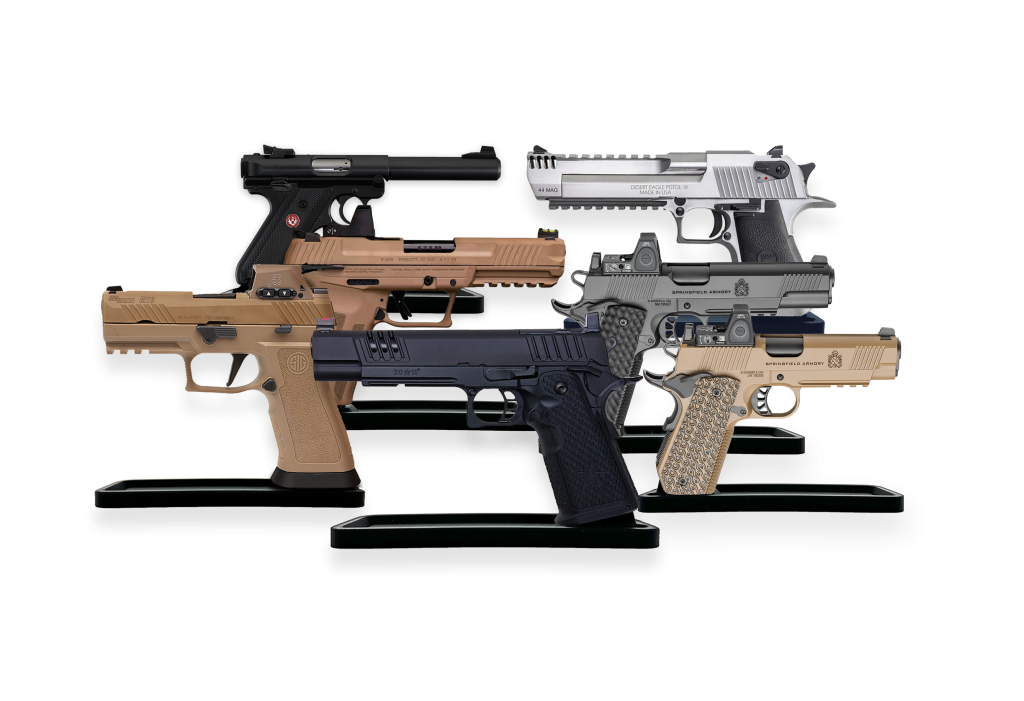






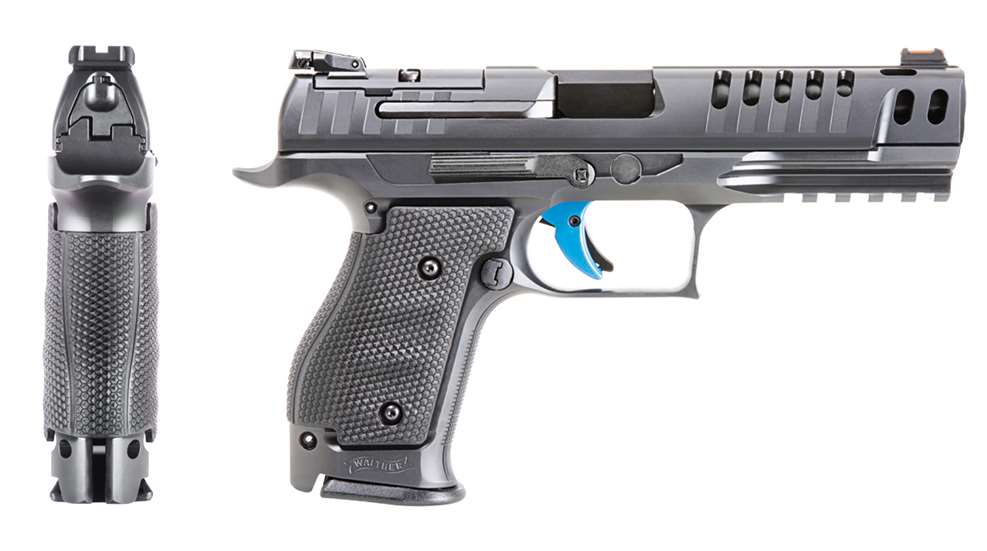

If you’ve been shopping for a purpose-built competition pistol that feels “ready” the moment it hits your hands, the Walther Q5 Match SF is one of the most talked-about options in the modern striker-fired world. “SF” stands for Steel Frame—and that one design choice changes everything: balance, recoil feel, tracking, and how confidently you can run the gun at speed.
In this guide, we’ll break down the Q5 Match SF’s most important match-friendly features (slide, trigger, sights, optics readiness, ergonomics, and upgrade paths), who it’s best for, and what to look for when setting it up for your preferred competition style.

What Makes the Q5 Match SF “Competition Ready”?
A true competition-ready pistol doesn’t just shoot accurately—it helps you shoot faster, more consistently, with less effort. The Walther Q5 Match SF checks the most important match boxes:
- Steel frame for weight, stability, and flatter tracking
- Optics-ready slide for popular red dots
- Match-style sights (easy to acquire, fast to refine)
- Excellent out-of-the-box trigger feel with a short, usable reset
- Ergonomics that let you lock in a repeatable grip under speed
- Controls and design details aimed at efficient manipulation
This isn’t a “range toy.” It’s a platform designed so you can build match skills without immediately needing a long list of changes.
Steel Frame Advantage: Why Weight Is a Feature (Not a Flaw)
Polymer pistols are light, convenient, and extremely common. But in competition, “light” can become “lively.” The Q5 Match SF’s steel frame adds meaningful weight, which helps:
- Reduce perceived recoil by resisting movement
- Improve sight/reticle tracking so the gun returns to target more predictably
- Increase stability during transitions when moving between targets
- Encourage consistency because the platform feels planted and repeatable
In practical terms: many shooters find they can push pace with fewer “mystery flyers” because the gun’s behavior is less reactive. If your goal is clean, fast strings with confident follow-ups, steel makes the learning curve friendlier.
Optics-Ready Slide: Built for Modern Match Setups
Carry Optics-style setups are now mainstream, and the Q5 Match SF meets the moment with an optics-ready slide. That matters because mounting a red dot the right way (securely, with good plate fit) is foundational for reliability.
A dot doesn’t automatically make you faster—but it can make you more accountable. You see your movement, your transitions, and your trigger press more clearly. Many shooters also find dot shooting helps them stay “visual” rather than guessing at alignment.
Helpful links:
• Manufacturer info: Walther Arms (official site)
• Documentation downloads (manuals/diagrams): Carl Walther download area (search Q5)
Practical tip: If you’re new to dots, spend time learning a consistent presentation so the dot appears naturally. Most “dot problems” are really “presentation problems,” and consistency solves them.
Sights: Fast Front Acquisition + Match-Style Rear
Even in an optics-heavy era, strong iron sight design still matters. Many Q5 Match SF configurations are set up with a fiber-optic front for speed and an adjustable rear for refinement. The point is simple: you get a front sight that your eye grabs quickly, and a rear that lets you zero precisely for your ammo and your preference.
If you run irons only, you’ll appreciate the match-friendly sight picture. If you run a dot, backup or co-witness preferences vary by shooter and by ruleset—either way, quality irons are still a nice advantage.
Trigger Feel: Why the Q5 Match SF Earns Trust
Competition shooters obsess over triggers for one reason: a better trigger makes it easier to shoot tight groups at speed. The Q5 Match SF’s striker-fired trigger is frequently praised for being “good from the factory,” meaning you can focus on training rather than immediately chasing parts.
What competitors typically want:
- Clean break that doesn’t feel mushy
- Predictable wall so you can prep during movement
- Short reset to help cadence on close targets
- Consistency from first shot to last
The Q5 Match SF’s overall trigger system supports these priorities well, especially for shooters stepping up from a standard service-style striker pistol.
Ergonomics: Grip, Balance, and Control Under Speed
Walther’s reputation for ergonomics shows up here. The Q5 Match SF is known for feeling “natural” in the hand, which matters because competition success often comes down to repeating the same efficient grip and the same clean trigger press—over and over.
Expect competition-minded details such as:
- Textured grip surfaces to stay locked in during long strings
- Undercut / beavertail shaping that supports higher hand placement
- Controls that are reachable without excessive grip shifting
- Weight distribution that helps the gun settle quickly after recoil
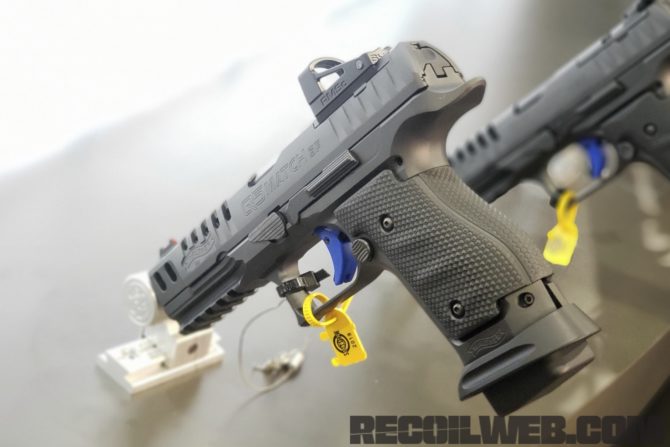
Slide Design: Serrations, Cuts, and Manipulation
Competitive shooting rewards efficiency. That includes how quickly you can rack the slide, confirm a press-check, clear stoppages (when they occur), and generally handle the pistol without fumbling.
The Q5 Match SF is widely associated with:
- Useful slide serrations (front and rear) for confident traction
- Lightening cuts / porting-style windows that reduce slide mass and can help cycling feel “snappier”
- Competition sights/plate system integrated with the optics-ready design
The end result: less drama on manipulations, especially when you’re moving quickly and your hands aren’t perfectly calm.
Capacity, Magwells, and “Pro” Style Configurations
Depending on the specific Q5 Match SF model/variant and your local ruleset, you may see differences in magazine capacity, base pads, and whether a magwell is included (often associated with “Pro” style packages).
Why competitors like a magwell:
- Faster reloads with less need for perfect alignment
- More forgiving entries when you’re reloading while moving
- Consistency across stages that demand multiple reloads
If you’re choosing between variants, decide based on your division rules and your priorities. Some shooters want the simplest, cleanest setup possible. Others want every advantage they can legally use.
Accessories worth browsing:
• Optic plates/adapters and related accessories: Q5 Match accessories listings (example retailer)
How the Q5 Match SF Compares to Common Competition Alternatives
The Q5 Match SF often gets compared to other striker-fired competition favorites. While every platform has pros and cons, here’s the general “why” behind Q5 Match SF popularity:
- Versus polymer striker pistols: steel frame feel, flatter tracking, and match-first ergonomics
- Versus “race-tuned” custom builds: strong performance without immediately going full custom
- Versus heavy all-metal classics: modern optics-ready design and striker simplicity
The Q5 Match SF lands in a sweet spot: “premium match gun” without demanding you become a full-time tinkerer.
Who Should Buy the Walther Q5 Match SF?
You’ll likely love the Q5 Match SF if you:
- Want a competition pistol that feels stable and predictable
- Plan to run a dot (now or later) and want an optics-ready platform
- Value excellent ergonomics and a strong factory trigger
- Prefer a “match-first” setup over a do-everything compromise
You might look elsewhere if you:
- Need the lightest possible setup for all-day carry
- Only shoot casual range sessions and don’t care about match performance
- Prefer a completely different trigger style (personal preference matters)
Setup Suggestions (No Guesswork, Just Smart Basics)
If you’re setting up the Q5 Match SF for competition, start with the basics before changing parts:
- Pick one ammo type and stick with it for training (consistency builds skill faster).
- Confirm your zero (irons or dot) and document it.
- Train presentation and grip pressure so your sight picture appears naturally.
- Track reliability (cleaning schedule, magazine condition, and consistent lubrication).
- Only then consider upgrades like base pads, a magwell, or different sights based on performance needs.
The Q5 Match SF is strong out of the box. Your best “upgrade” early on is usually focused practice.
Key Specs and Notable Details (At a Glance)
Exact configurations can vary by model and market, but commonly cited Q5 Match SF details include a 5-inch barrel, an overall length around 8.7 inches, and an empty weight in the low-40-ounce range, plus match-friendly sights and an optics-ready slide.
- Barrel length: ~5″
- Overall length: ~8.7″
- Empty weight: ~41–44 oz (varies by listing/model)
- Platform style: striker-fired, competition-oriented
- Match features: steel frame, optics-ready, match-style sights, performance ergonomics
For official documentation and diagrams, the Carl Walther download area is a great reference: Download area (Q5 search).
Final Take: A Serious Match Platform That Doesn’t Feel “Half-Built”
The Walther Q5 Match SF earns its reputation because it feels like a complete competition solution: steel frame stability, optics readiness, match-oriented sights, and an out-of-the-box trigger that many shooters trust.
If you’re moving from casual shooting into structured competition—or you’re simply ready to run a purpose-built platform— the Q5 Match SF is one of the more “no-regrets” choices in the striker-fired match category.
Safety note: Always follow local laws, range rules, and safe handling practices. Get professional instruction if you’re new to competition shooting.